Germany Automotive Batteries Market
Published on: January 2026
Report Overview
Germany Automotive Batteries Market Overview
Market Highlights
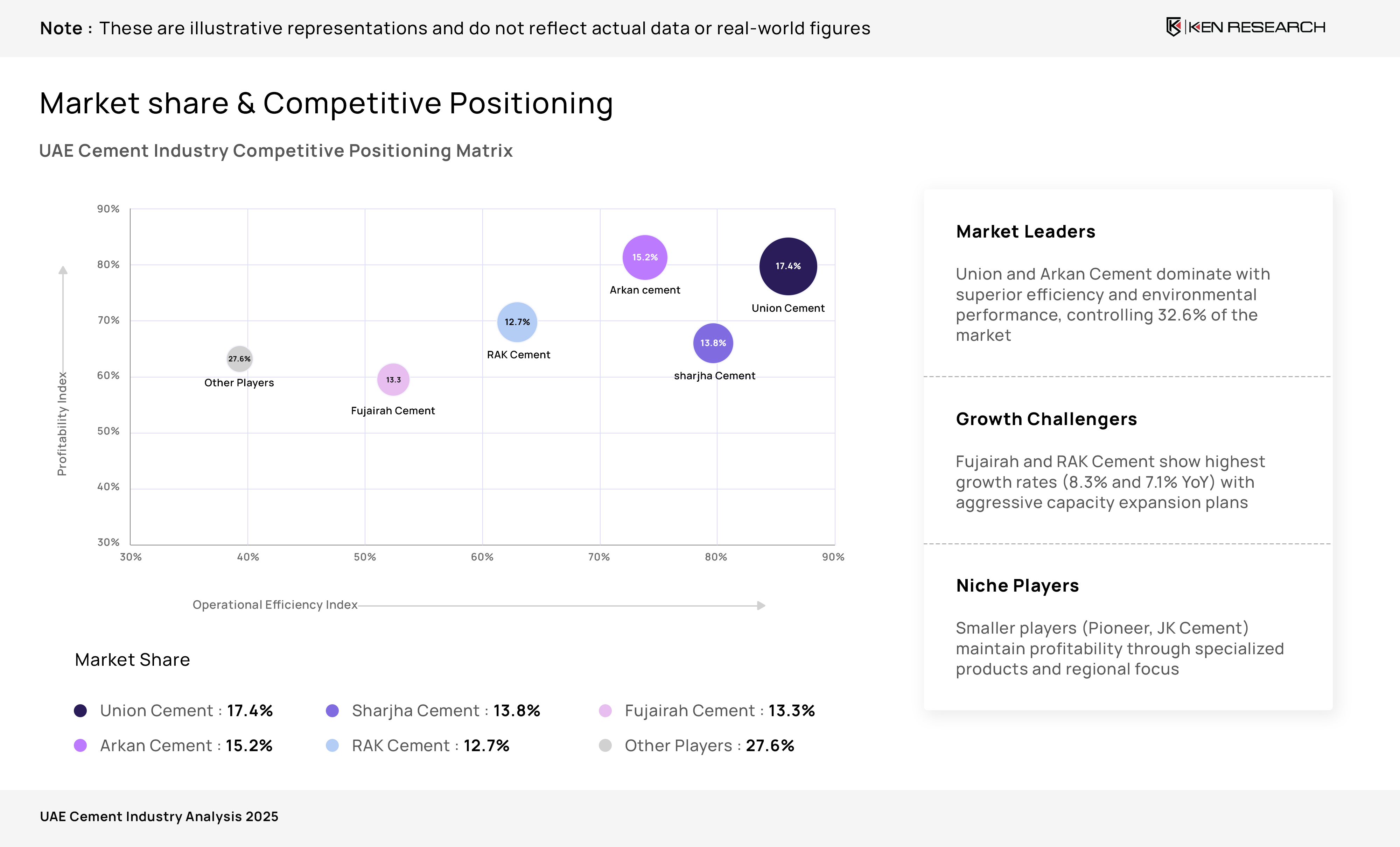
The Germany Automotive Batteries Market showcases a diverse competitive structure, where global multinationals, regional manufacturers, and local firms engage in a dynamic interplay. Multinational corporations leverage their extensive resources for efficiency and cost management, while regional players focus on tailored solutions that resonate with local market needs, and local firms capitalize on agility and niche expertise to carve out specific market segments.
Innovation is a cornerstone of competition, with global advancements being harmonized with localized adaptations. Companies are increasingly customizing battery technologies and charging solutions to meet the unique demands of the German market, ensuring that products not only comply with regulatory standards but also align with consumer preferences and regional infrastructure capabilities.
The distribution and aftersales ecosystem is critical in enhancing customer satisfaction and operational reliability. Strategic collaborations among automotive manufacturers, energy providers, and service networks are expanding the availability of charging infrastructure, while robust aftersales services, including maintenance and support, are essential for fostering long-term customer loyalty and trust in a rapidly evolving market.
Looking ahead, the competitive landscape is being shaped by a focus on innovation, localization, and operational agility. Companies are increasingly adopting advanced technologies, such as AI-driven analytics and sustainable practices, to enhance product offerings and streamline operations, positioning themselves to respond swiftly to emerging trends and consumer demands in the automotive battery sector.
Ecosystem Matrix
Germany’s automotive batteries ecosystem is structurally concentrated around OEM-aligned manufacturers and large-scale suppliers, supported by a layered base of specialized industrial, lithium-ion, and aftermarket-focused players serving replacement and niche energy storage demand.
Entry barriers remain high due to stringent OEM qualification norms, regulatory compliance requirements, and capital-intensive manufacturing, resulting in limited fragmentation and sustained dominance of established domestic and Europe-centric players.
Leading Player Profiles
Company Profile Overview
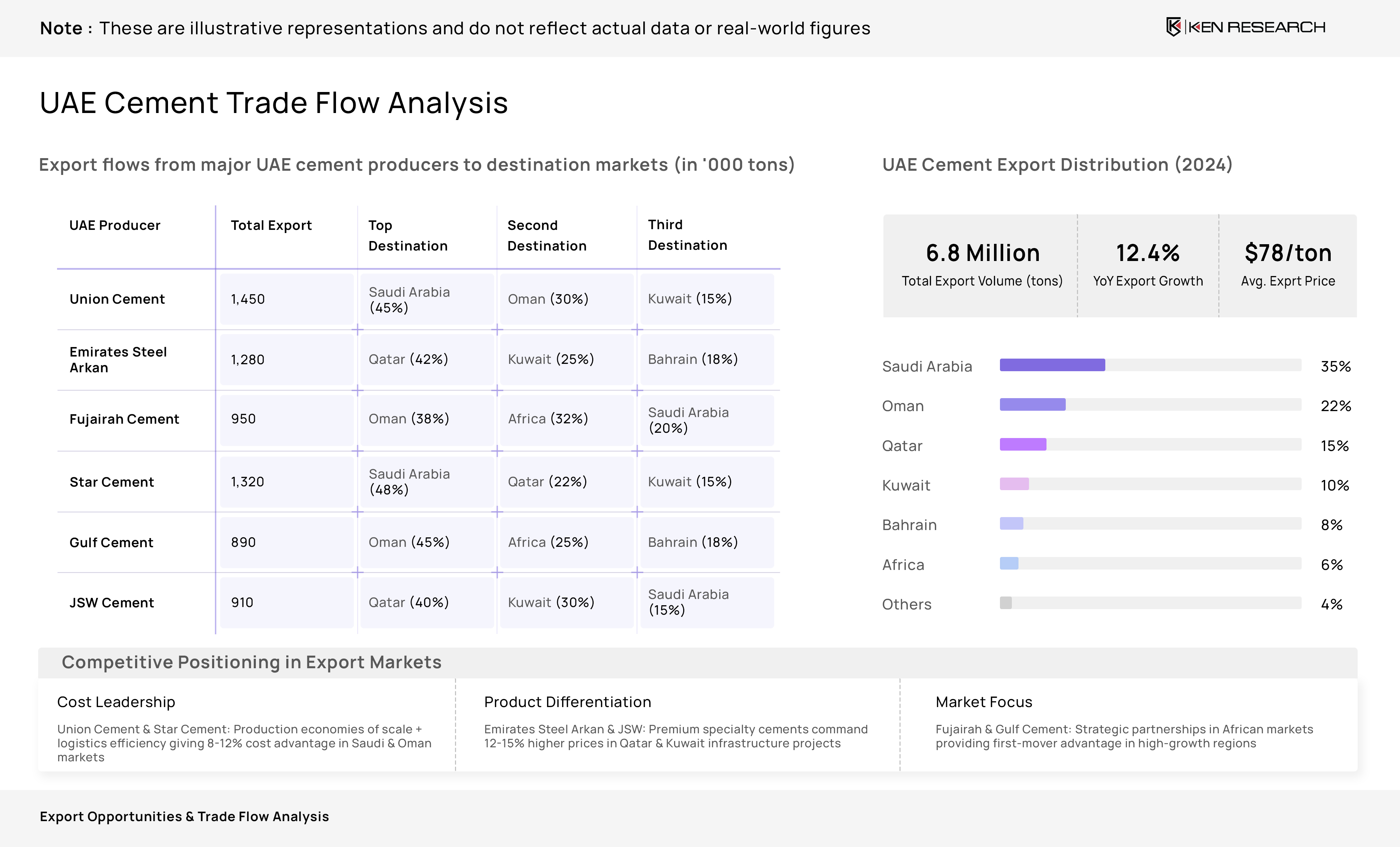
The market reflects a dual structure where OEM-integrated battery operations coexist with independent manufacturers and distributors, creating clear segmentation between captive supply, contract manufacturing, and aftermarket-led growth models.
Medium and small players remain competitive by specializing in lithium-ion systems, industrial traction batteries, and private-label aftermarket supply rather than competing directly with OEM incumbents on scale.
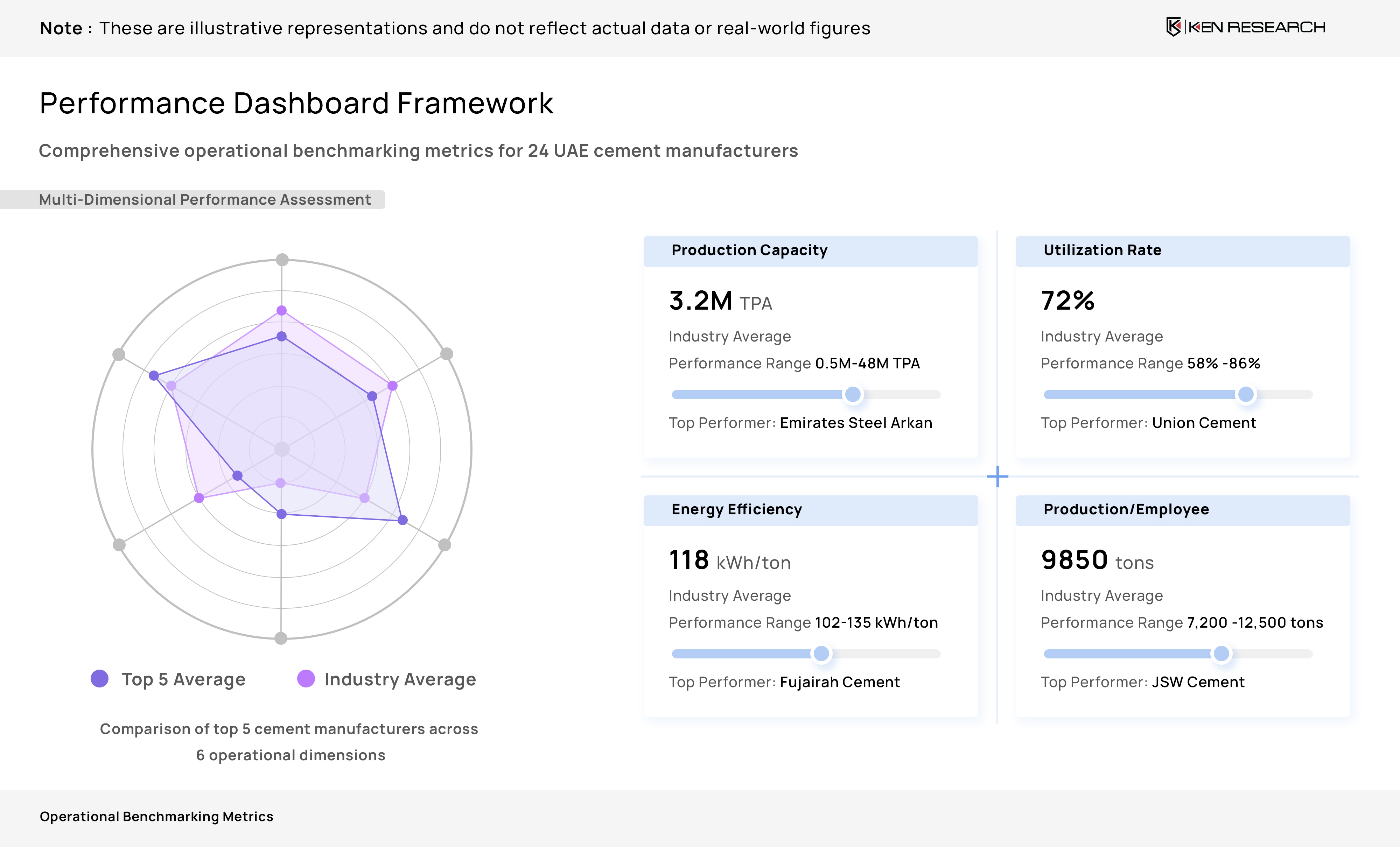
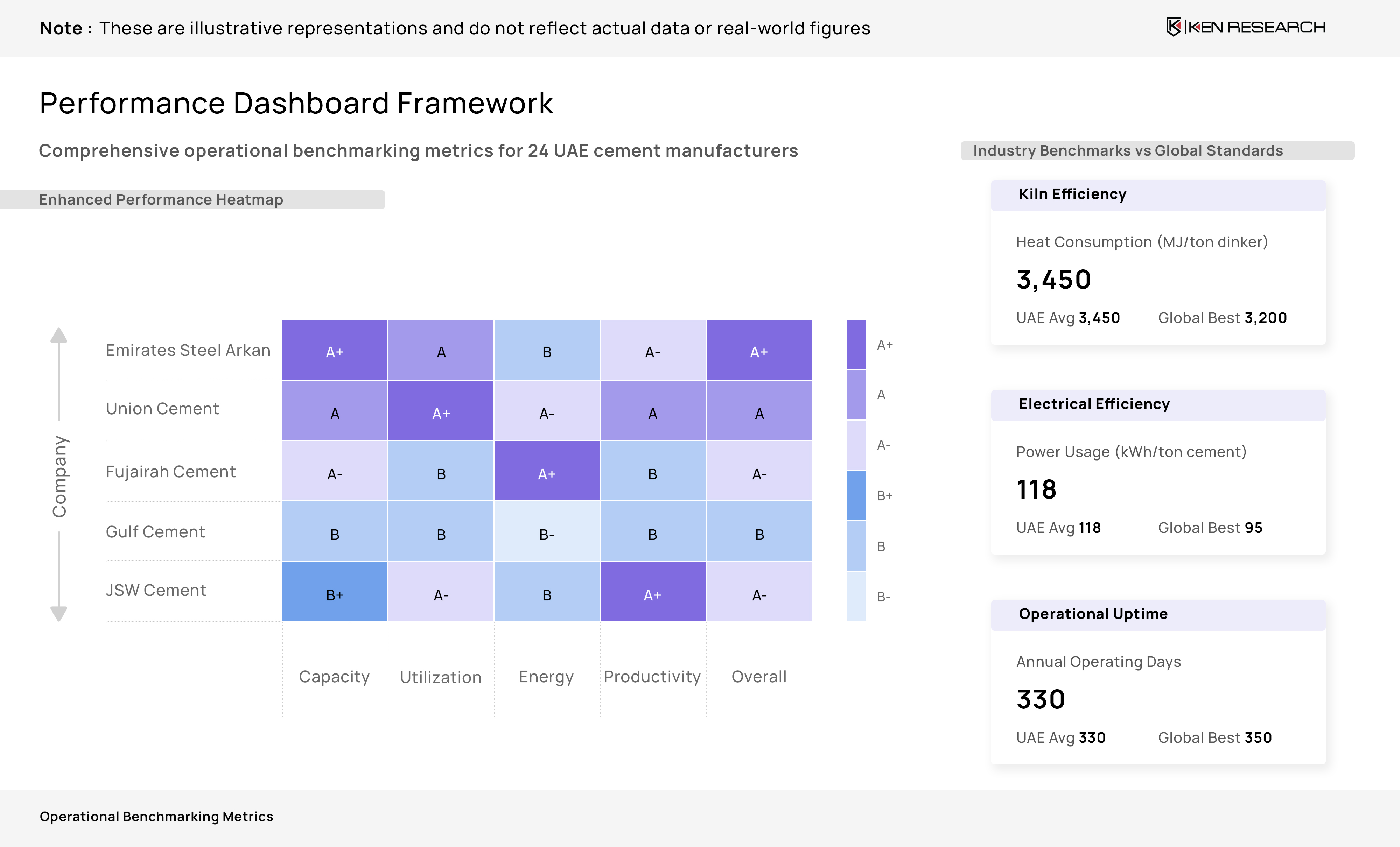
Key Operational Performance Metrics
Company Peerformance Overview
Unlock Market Insights
Dive deeper into production, distribution, and pricing intelligence.
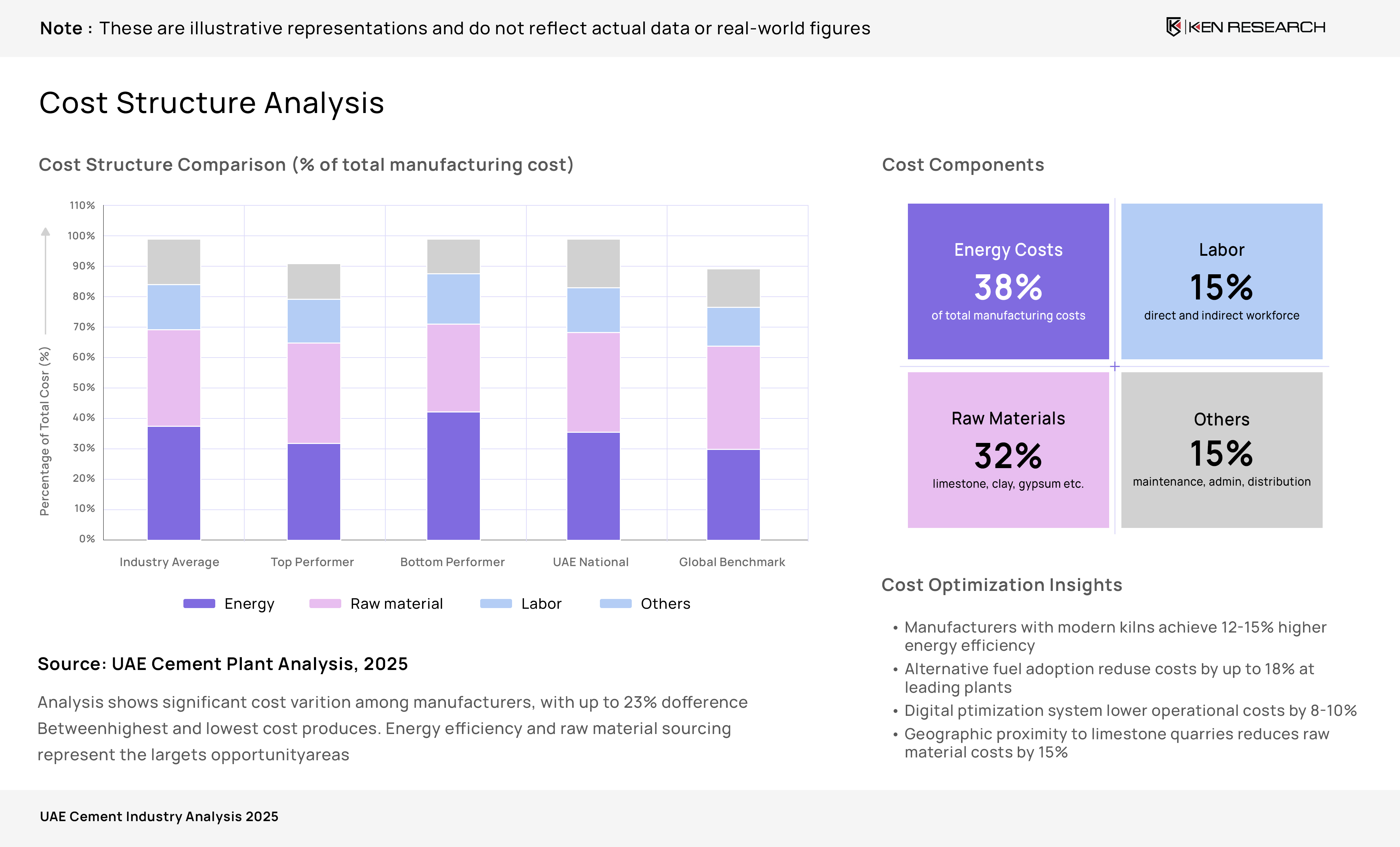
Get Customized ReportRevenue generation is primarily driven by OEM supply volumes, replacement battery pricing, and unit throughput, while service-installation capabilities and recycling monetization increasingly act as incremental revenue enhancers.
Players with dense dealer networks, strong fleet contracts, and integrated recycling frameworks are structurally better positioned to stabilize revenues amid cyclical vehicle demand and raw material price volatility.
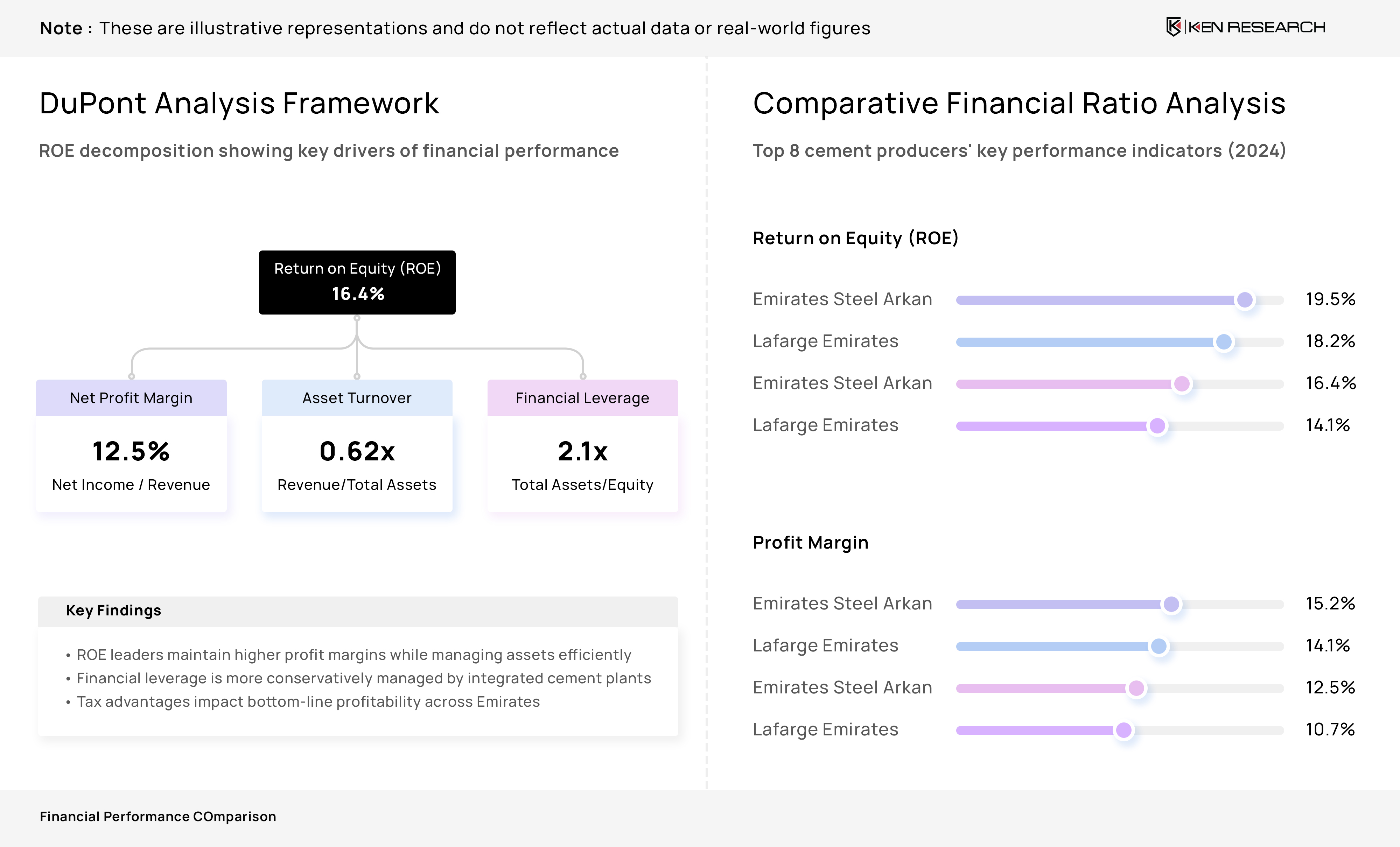
Core Financial Performance Metrics
Margin and profitability outcomes vary significantly based on scale, chemistry mix, and OEM exposure, with vertically integrated players demonstrating stronger EBITDA resilience compared to distribution-led entities.
Companies balancing OEM supply with aftermarket and recycling-linked revenues tend to exhibit lower earnings volatility and better long-term financial sustainability.
Table of Contents
1. Ecosystem Matrix
1.1 Large Players
1.1.1 VARTA AG
1.1.2 Clarios Germany GmbH
1.1.3 Exide Technologies GmbH
1.1.4 Robert Bosch GmbH
1.1.5 BMW Group
1.1.6 Mercedes-Benz Group AG
1.1.7 Volkswagen Group
1.2 Medium Players
1.2.1 Banner Batterien Deutschland GmbH
1.2.2 FIAMM Energy Technology Deutschland
1.2.3 Hoppecke Batterien GmbH & Co. KG
1.2.4 BMZ Group
1.2.5 Akku Power GmbH
1.3 Small Players
1.3.1 Accurat Batterien GmbH
1.3.2 Jenox Akku GmbH
1.3.3 Intact Batterien GmbH
1.3.4 Kung Long Germany GmbH
2. Leading Player Profiles
2.1 Parameters
2.1.1 Company Name
2.1.2 Group Name
2.1.3 Headquarters
2.1.4 Established Year
2.1.5 Core Services
2.1.6 Mode of Functioning
3. Key Operational Performance Metrics
3.1 Battery Sales Revenue
3.2 OEM / Dealer Supply Revenue
3.3 Fleet & B2B Contract Revenue
3.4 Service & Installation Revenue
3.5 Units Sold
3.6 Pricing per Battery
3.7 Active Dealer / Outlet Network
3.8 Online / On-Demand Orders
3.9 Recycling-Linked Revenue
4. Core Financial Performance Metrics
4.1 Parameters
4.1.1 Revenue (USD Mn)
4.1.2 Revenue Growth (%)
4.1.3 COGS (USD Mn)
4.1.4 COGS Growth (%)
4.1.5 EBITDA (USD Mn)
4.1.6 EBITDA Growth (%)
4.1.7 EBITDA Margin (%)
4.1.8 PAT (USD Mn)
4.1.9 PAT Margin (%)
5. Methodology
5.1 Approach
5.1.1 Desk Sources
5.1.2 Primary Interviews
5.1.3 Sanity Checking & Validation
5.2 Benchmarking Process
5.2.1 Data Collection
5.2.2 Primary Validation
5.2.3 Proxy KPI Modelling
5.2.4 Normalization & Indexing
5.2.5 Gap Analysis
5.2.6 Peer Review
5.3 Sample Composition
5.3.1 Scope Items
5.3.2 Sample Size
5.3.3 Target Respondents
Methodology
Ken Research deploys its proprietary, multi-layered research framework, integrating secondary research, primary interviews, and rigorous validation to deliver an authoritative competitive benchmarking of the Germany Automotive Batteries Market.
Desk Sources
- Proprietary databases and Ken Research archives for historical benchmarks and market baselines
- Company annual reports, investor presentations, and statutory filings for financials and capacities
- Government and trade-association publications for regulation, EV adoption, and recycling mandates
- Trade journals and industry articles for pricing, technology, and competitive movements
- Bloomberg and Capital IQ for standardized financial comparisons
- SimilarWeb and App Annie for digital and aftermarket demand signals
Primary Interviews
- CATI interviews and surveys with category managers and R&D heads
- In-depth discussions with senior sales and marketing leaders
- Interviews with distributors and channel partners
- Consultations with industry analysts and technology providers
Sanity Checking & Validation
- Triangulation of secondary, primary, and proxy KPI outputs
- Proxy modeling using installed base, dealer networks, and unit sales velocity
- Outlier analysis and assumption tracking
- Internal peer review prior to finalization
An Inside Look At Our Custom Insights
Take a look at ourcustomized insights, tailored to yourmarket and business needs. Our benchmarking reports deliver data-driven comparisons of key players, helping you uncover opportunities, assess performance, and make confident strategic decisions.