Germany Electric Vehicle Charging Providers Market
Published on: February 2026
Report Overview
Germany Electric Vehicle Charging Providers MarketOverview
Market Highlights
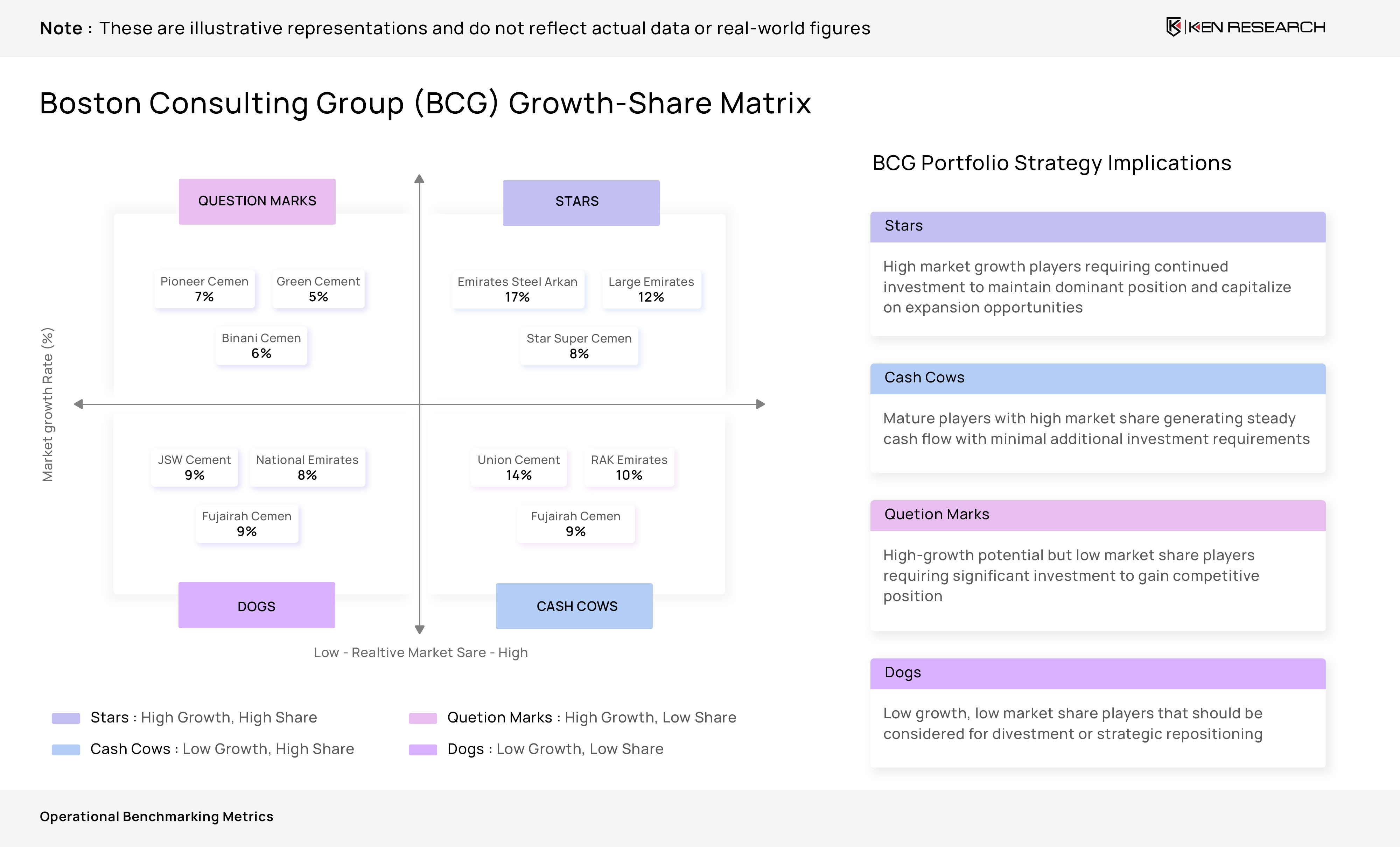
The Germany Electric Vehicle Charging Providers Market is characterized by a layered competitive structure where large energy utilities, fuel retail majors, and automotive-backed infrastructure platforms coexist with agile specialists and digitally focused mobility service providers. Market leadership is anchored by players with extensive capital deployment capabilities, strong grid access, and premium site portfolios, while mid-sized operators differentiate through high-speed corridor specialization, urban charging density, or fleet-focused propositions. Smaller and platform-centric players play a critical role in interoperability, roaming enablement, and customer access, reinforcing the ecosystem’s interconnected nature.
Global technology standards and innovation frameworks are deeply embedded within the German market, yet execution is highly localized. Operators tailor charging formats, power configurations, pricing logic, and digital interfaces to align with regional driving patterns, grid constraints, and urban planning norms. Domestic players leverage regulatory familiarity and municipal relationships, while multinational groups adapt global platforms to meet Germany’s stringent reliability, sustainability, and data transparency expectations.
Distribution reach and aftersales capability significantly influence competitive strength, particularly in high-utilization corridors and metropolitan areas. Dense service networks, proactive maintenance regimes, and seamless customer support across roaming platforms enhance trust and repeat usage. Strategic focus areas such as operational uptime, energy procurement optimization, software integration, and sustainability positioning increasingly define competitive advantage across player tiers.
Looking ahead, competition in the Germany Electric Vehicle Charging Providers Market will continue to be shaped by the convergence of innovation, localization, and strategic agility. Players that balance rapid network expansion with utilization discipline, deepen ecosystem partnerships, and integrate charging operations with broader mobility and energy platforms are best positioned to sustain leadership as adoption scales and competitive intensity increases.
Ecosystem Matrix
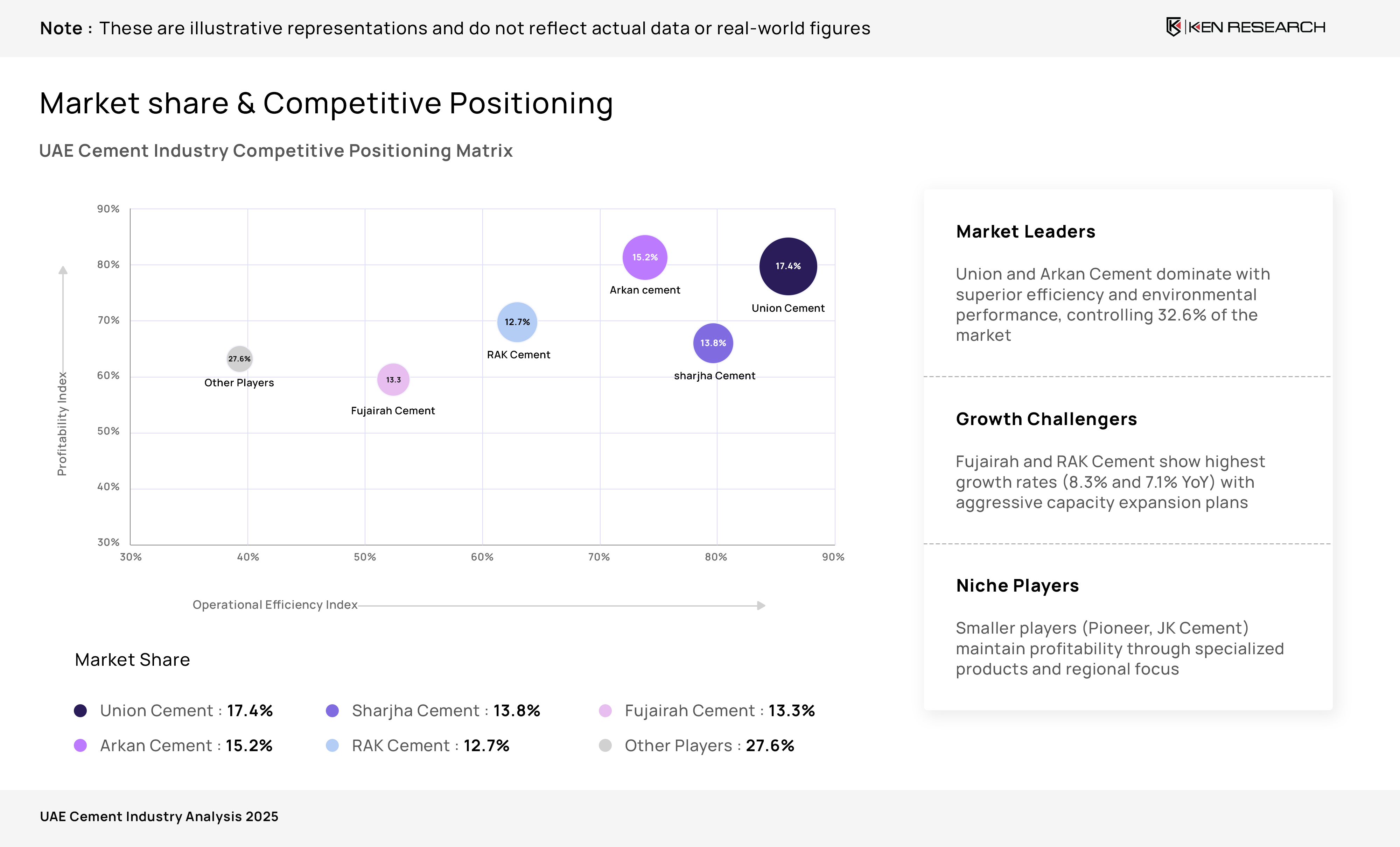
Germany’s charging ecosystem is consolidating around highway HPC leaders and fuel retail conversions, while utilities scale urban AC and depot charging. Competitive advantage is increasingly defined by site quality, uptime, roaming reach, and tariff packaging that improves repeat usage.
The market is shifting from “coverage-first” rollout to utilization-led expansion. Players differentiate through hub density, grid-enabled power upgrades, fleet contracts, and integrated payment models. Partnerships and roaming interoperability are now core levers shaping share capture and customer stickiness.
Leading Player Profiles
Company Profile Overview
The leading set spans three strategic archetypes: HPC corridor builders, utility-backed city networks, and roaming-first mobility service platforms. Market leadership is increasingly linked to interoperability, site acquisition strength, and fleet penetration rather than only charger counts.
Establishment timelines show a “new-core” wave (2010–2018) building digital-first charging models, layered on top of legacy energy and fuel groups scaling capex. This mix accelerates rollout, but intensifies pricing competition and pushes differentiation toward reliability and customer experience.
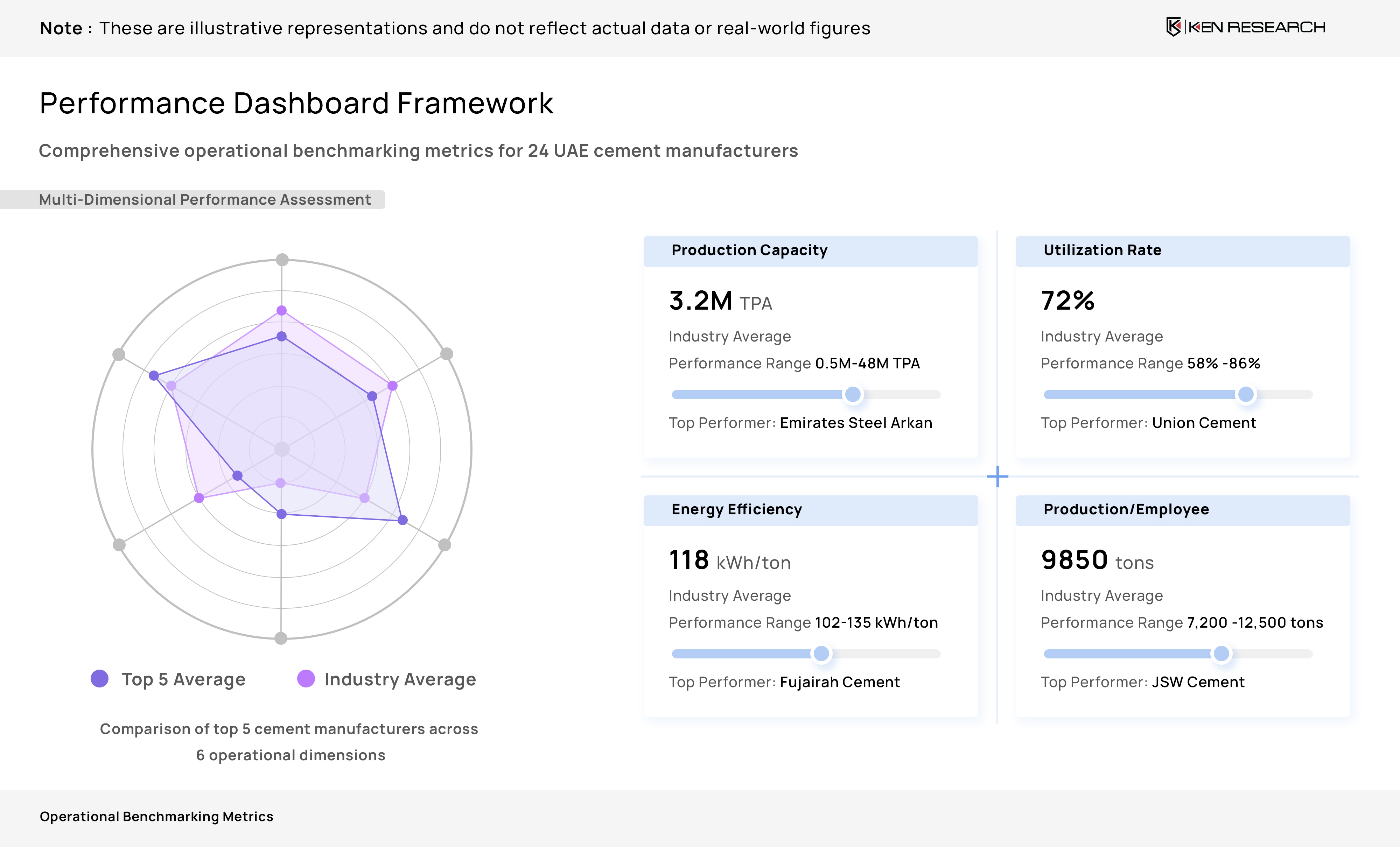
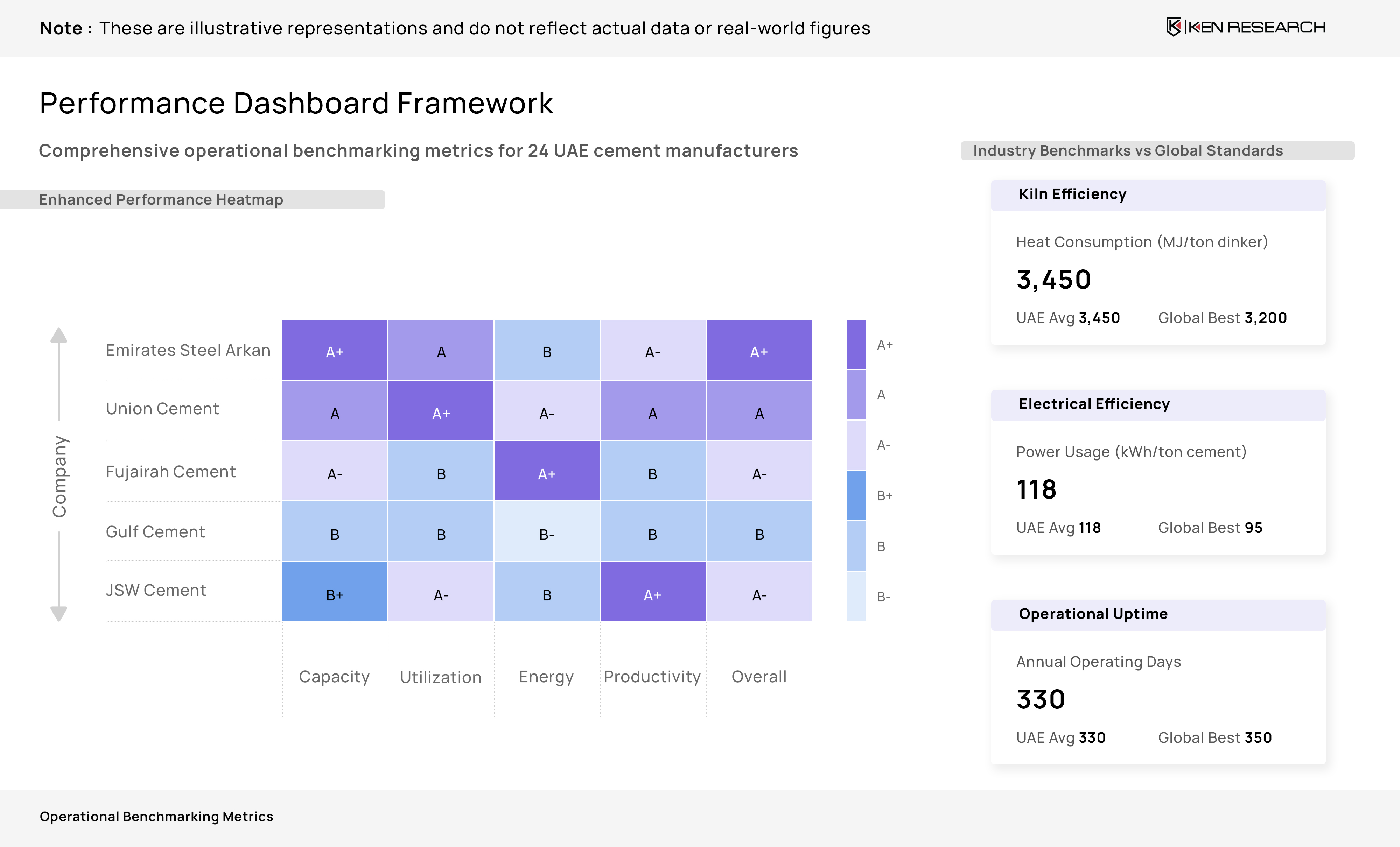
Key Operational Performance Metrics
Company Performance Overview
Unlock Market Insights
Dive deeper into production, distribution, and pricing intelligence.
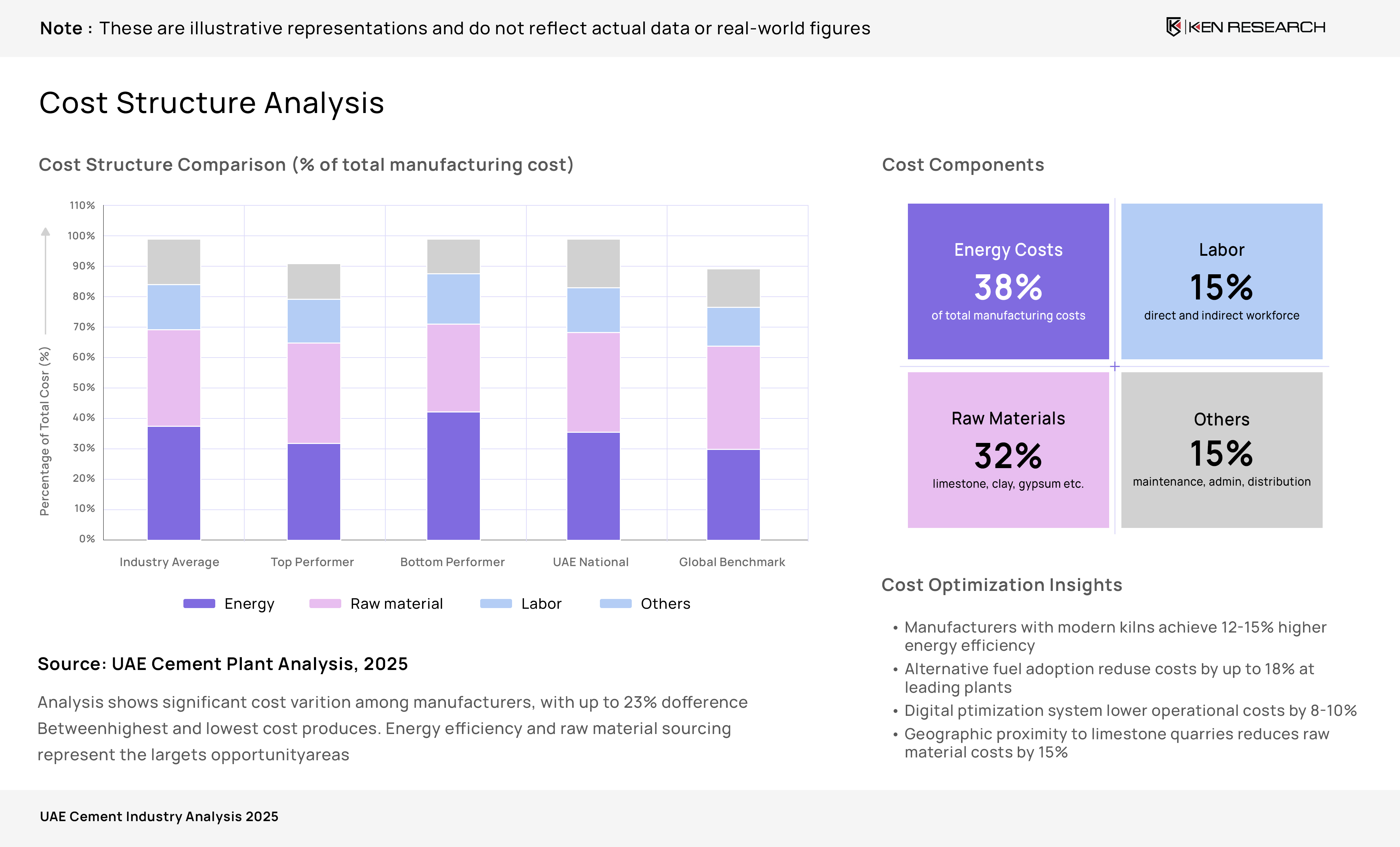
Get Customized ReportRevenue performance in Germany is primarily driven by tariff architecture, throughput (energy and sessions), and utilization at high-value locations. Operators with stronger grid access, better hub uptime, and higher conversion from discovery to payment typically capture disproportionate wallet share.
Fleet and roaming economics are becoming decisive. Providers that secure B2B depot contracts, enable seamless roaming transactions, and optimize subscription ARPU can stabilize revenues versus pure ad-hoc public charging, especially as competitive pricing compresses margins on highways.
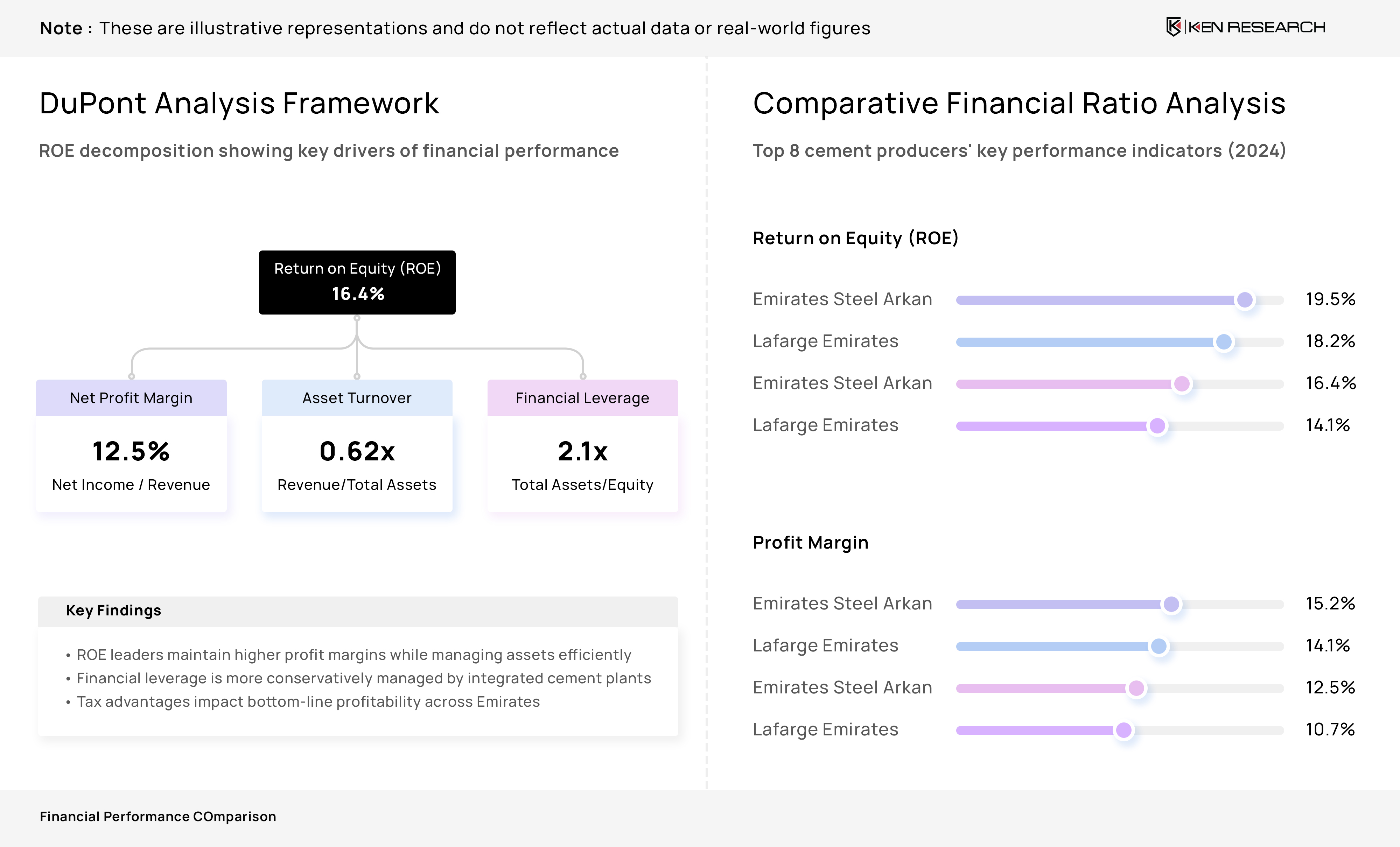
Core Financial Performance Metrics
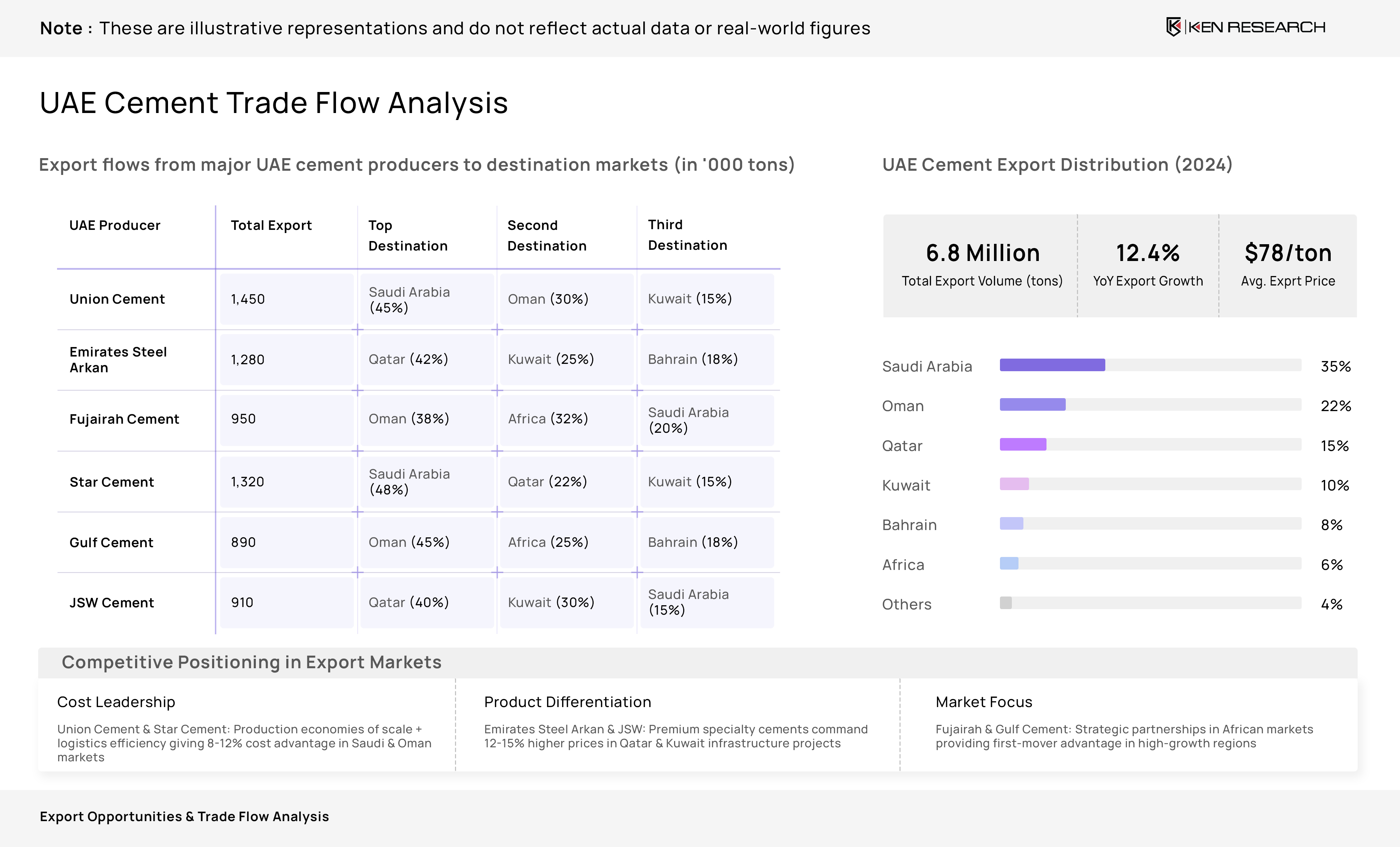
Financial benchmarking in Germany typically separates “scale-with-margin” operators (high utilization, disciplined capex, strong site economics) from “growth-at-cost” challengers expanding footprints. Margin outcomes are strongly shaped by power costs, maintenance intensity, and hub-level utilization curves.
As pricing normalizes and competition intensifies, EBITDA resilience will depend on mix improvements: higher fleet revenues, subscription penetration, and roaming monetization, alongside lower unit operating costs per charge point. This framework highlights who can fund expansion sustainably versus relying on external capital.
Table of Contents
1. Ecosystem Matrix
1.1 Large Players
1.1.1 EnBW mobility+
1.1.2 Aral pulse
1.1.3 IONITY
1.1.4 Tesla Supercharger
1.1.5 Shell Recharge
1.1.6 E.ON Drive Infrastructure
1.1.7 EWE Go
1.1.8 Allego
1.2 Medium Players
1.2.1 Fastned
1.2.2 TotalEnergies Charging Solutions
1.2.3 Mer (Mer Solutions)
1.2.4 ChargePoint
1.2.5 DKV Mobility
1.3 Small Players
1.3.1 Plugsurfing
1.3.2 Elli (Volkswagen Group Charging)
1.3.3 ADAC e-Charge
1.3.4 Hubject
1.3.5 The Mobility House
1.3.6 ubitricity
1.3.7 chargeIT (Pfalzwerke)
2. Leading Player Profiles
2.1 Parameters
2.1.1 Company Name
2.1.2 Group Name
2.1.3 Headquarters
2.1.4 Established Year
2.1.5 Core Services
2.1.6 Mode of Functioning
3. Key Operational Performance Metrics
3.1 Pricing (USD Mn)
3.2 Energy Dispensed (MWh)
3.3 Charging Sessions (No.)
3.4 Average Revenue per Session (USD Mn)
3.5 Utilization Rate (%)
3.6 Active Charge Points (#)
3.7 Roaming Transactions (No.)
3.8 Fleet/B2B Contract Revenue (USD Mn)
3.9 Subscription ARPU (USD Mn)
3.10 Payment-to-Charge Conversion (%)
4. Core Financial Performance Metrics
4.1 Parameters
4.1.1 Revenue (USD Mn)
4.1.2 Revenue Growth (%)
4.1.3 COGS (USD Mn)
4.1.4 COGS Growth (%)
4.1.5 EBITDA (USD Mn)
4.1.6 EBITDA Growth (%)
4.1.7 EBITDA Margin (%)
4.1.8 PAT (USD Mn)
4.1.9 PAT Margin (%)
5. Methodology
5.1 Approach
5.1.1 Desk Sources
5.1.2 Primary Interviews
5.1.3 Sanity Checking & Validation
5.2 Benchmarking Process
5.2.1 Data Collection
5.2.2 Primary Validation
5.2.3 Proxy KPI Modelling
5.2.4 Normalization & Indexing
5.2.5 Gap Analysis
5.2.6 Peer Review
5.3 Sample Composition
5.3.1 Scope Items
5.3.2 Sample Size
5.3.3 Target Respondents
Methodology
Ken Research will deploy its proprietary, multi layered research framework combining robust secondary research, targeted primary outreach, and rigorous data validation to deliver an authoritative competitive benchmarking and landscape assessment of the Germany Electric Vehicle Charging Providers Market. The methodology is designed to ensure comparability across players of varying scale, ownership structures, and disclosure levels, while maintaining high analytical rigor through proxy KPI modeling and triangulation.
Desk Sources
- Industry reports from proprietary databases and Ken Research internal archives to establish historical benchmarks, market evolution, and ecosystem structure
- Company annual reports, sustainability disclosures, investor presentations, and statutory filings to extract operational scale, asset deployment, and strategic priorities
- Publications from federal and state authorities, energy regulators, and transport bodies to assess policy direction, grid integration frameworks, and regulatory alignment
- Trade magazines, EV mobility journals, and sector-specific e-publications to track competitive developments, technology transitions, pricing approaches, and partnership activity
- Financial intelligence platforms such as Bloomberg and Capital IQ to standardize financial ratios, ownership structures, and peer comparisons
- Web traffic, platform usage, and application analytics dashboards to evaluate digital reach, consumer engagement, roaming penetration, and channel effectiveness
Primary Interviews
- CATI interviews and structured online surveys with senior management, strategy heads, and operations leaders of EV charging operators
- In-depth discussions with sales, partnerships, and business development heads to validate pricing structures, utilization trends, and customer acquisition models
- Interviews with utilities, site hosts, fleet operators, and infrastructure partners to triangulate installation economics, throughput drivers, and location performance
- Consultations with industry analysts, EV mobility consultants, and charging technology providers to validate market dynamics, competitive positioning, and future direction
Sanity Checking and Validation
- Triangulation of estimates through cross-verification of secondary research findings, primary interview insights, and proxy-based analytical models
- Proxy KPI synthesis using indicators such as installed charger base, power capacity mix, location density, fleet contracts, roaming volumes, and digital activity to approximate revenues and operational scale
- Outlier analysis to identify anomalous performance indicators and reconcile them through targeted follow-up interviews
- Assumption tracking via a structured log capturing all modeling assumptions, data limitations, and proxy sources
- Internal peer review of methodology, benchmarking logic, and outputs by senior Ken Research analysts prior to report finalization
An Inside Look At Our Custom Insights
Take a look at ourcustomized insights, tailored to yourmarket and business needs. Our benchmarking reports deliver data-driven comparisons of key players, helping you uncover opportunities, assess performance, and make confident strategic decisions.