Germany Fertilizer Distribution Market
Published on: January 2026
Report Overview
Germany Fertilizer Distribution Market Overview
Market Highlights
The Germany Fertilizer Distribution Market showcases a diverse competitive structure, where multinational corporations, regional manufacturers, and local firms engage in a dynamic interplay. Multinationals leverage their extensive resources for efficiency, while regional players focus on tailored solutions that resonate with local agricultural practices, and local firms capitalize on agility and niche expertise to carve out market segments.
Innovation on a global scale is harmoniously integrated with localized strategies, as companies adapt their offerings to meet the specific needs of German farmers. This includes the customization of fertilizer formulations and distribution methods that align with regional agricultural conditions, ensuring that technological advancements are effectively localized for optimal impact.
The distribution and aftersales ecosystem is pivotal in enhancing customer satisfaction and operational efficiency. Strategic collaborations among manufacturers, distributors, and agronomists facilitate a seamless flow of products and services, while robust aftersales support, including training and maintenance, fosters long-term relationships and trust within the agricultural community.
Looking ahead, the competitive landscape is increasingly shaped by a focus on sustainability, technological integration, and operational agility. Companies are prioritizing eco-friendly practices and innovative solutions that not only meet regulatory standards but also resonate with environmentally conscious consumers, ensuring that they remain competitive in a rapidly evolving market.
Ecosystem Matrix
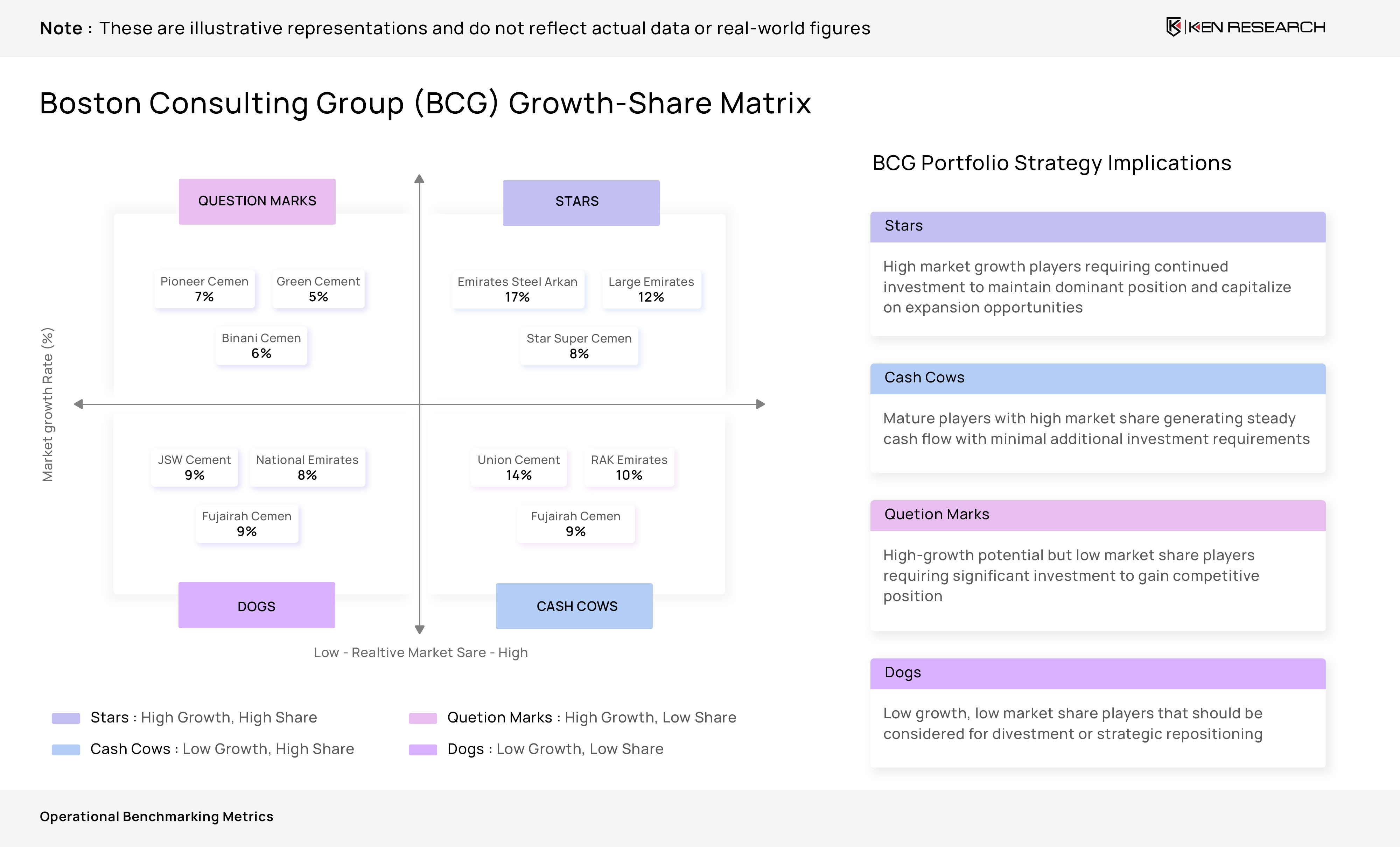
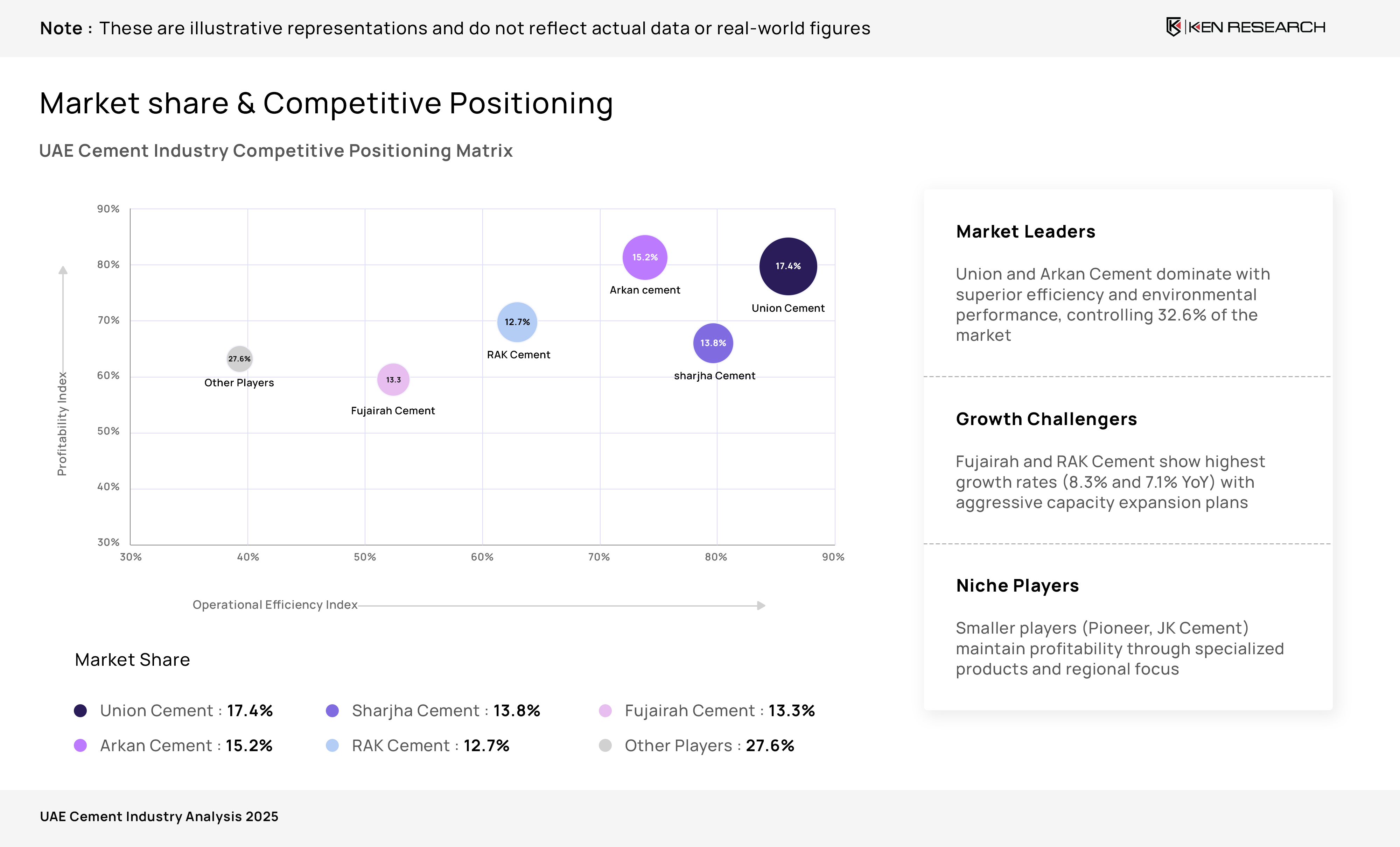
The German fertilizer distribution ecosystem is dominated by cooperative-led and large agri-trading entities, where scale, storage infrastructure, and procurement strength determine leadership, enabling consistent supply security and pricing stability across volatile agricultural demand cycles.
Market structure reflects high consolidation at the top and specialization at the tail, with medium and small players focusing on specialty nutrition, foliar solutions, and regional farmer relationships to sustain margins amid commoditized bulk fertilizer competition.
Leading Player Profiles
Company Profile Overview
Player profiles reveal a blend of century-old cooperatives and modern specialty manufacturers, where organizational legacy translates into deep farmer networks, while newer entities compete through differentiated nutrition and advisory-led value propositions.
Establishment year and operating model strongly correlate with risk appetite and pricing strategy, separating volume-led distributors from margin-focused specialty players within Germany’s fertilizer value chain.
Key Operational Performance Metrics
Company Performance Overview
Unlock Market Insights
Dive deeper into production, distribution, and pricing intelligence.
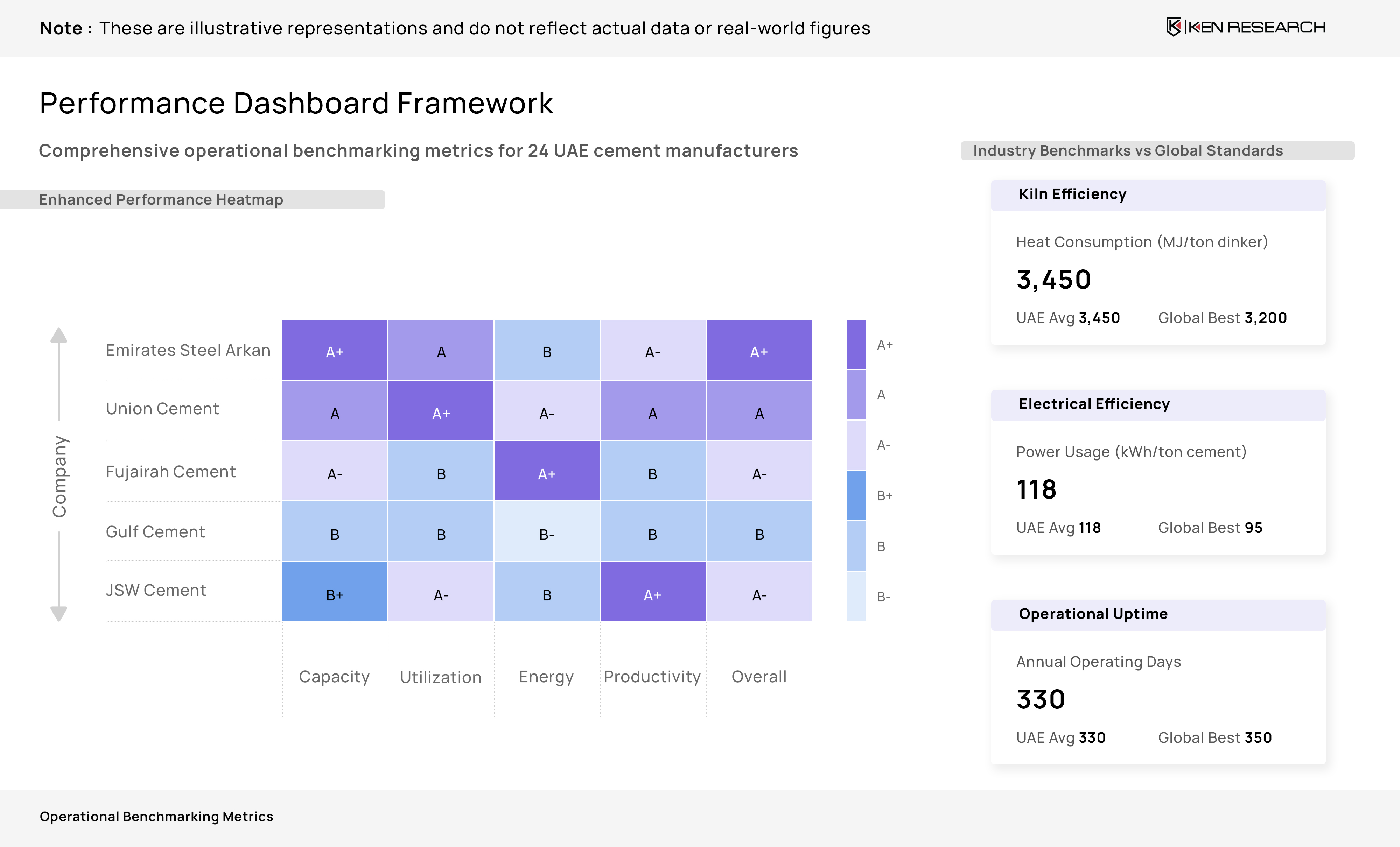
Get Customized ReportOperational benchmarking emphasizes pricing, volume throughput, and gross trading margin as the core revenue drivers, with logistics capacity and credit exposure playing a decisive role in sustaining topline growth during fertilizer price cycles.
The KPI stack highlights how specialty mix and private-label penetration increasingly differentiate distributors, enabling margin defense even as bulk fertilizer pricing remains volatile and farmer purchasing behavior becomes more cost-sensitive.
Core Financial Performance Metrics
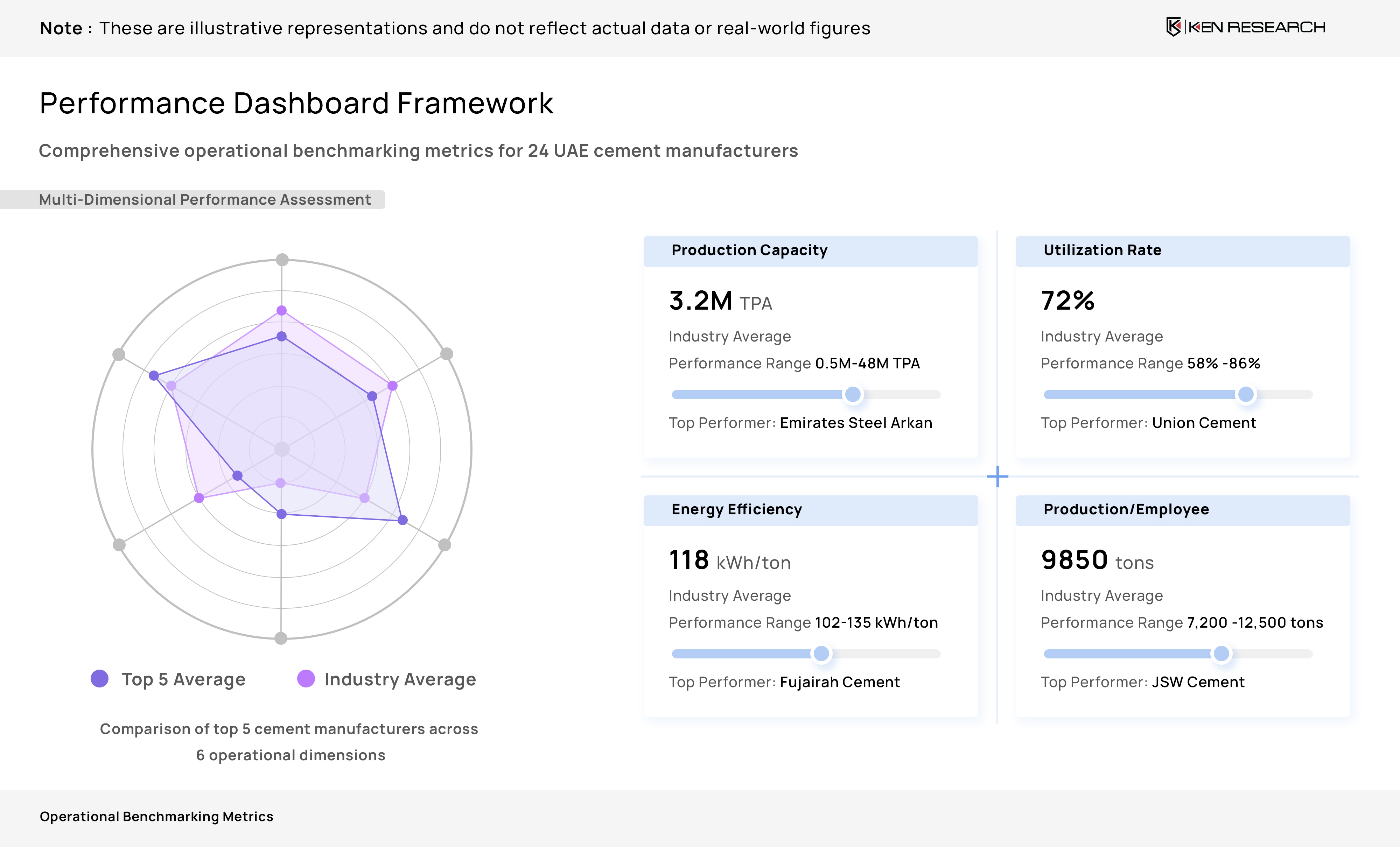
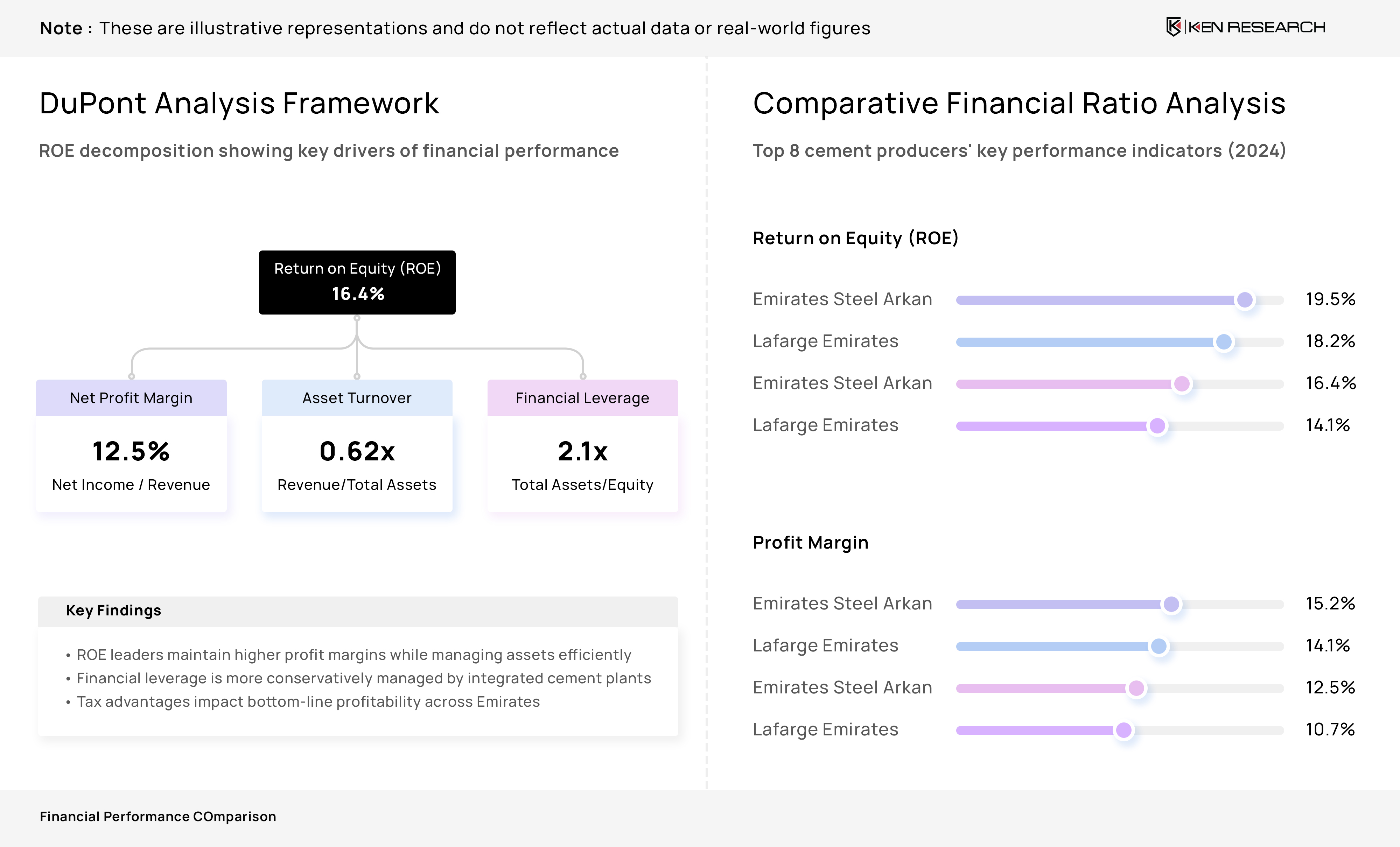
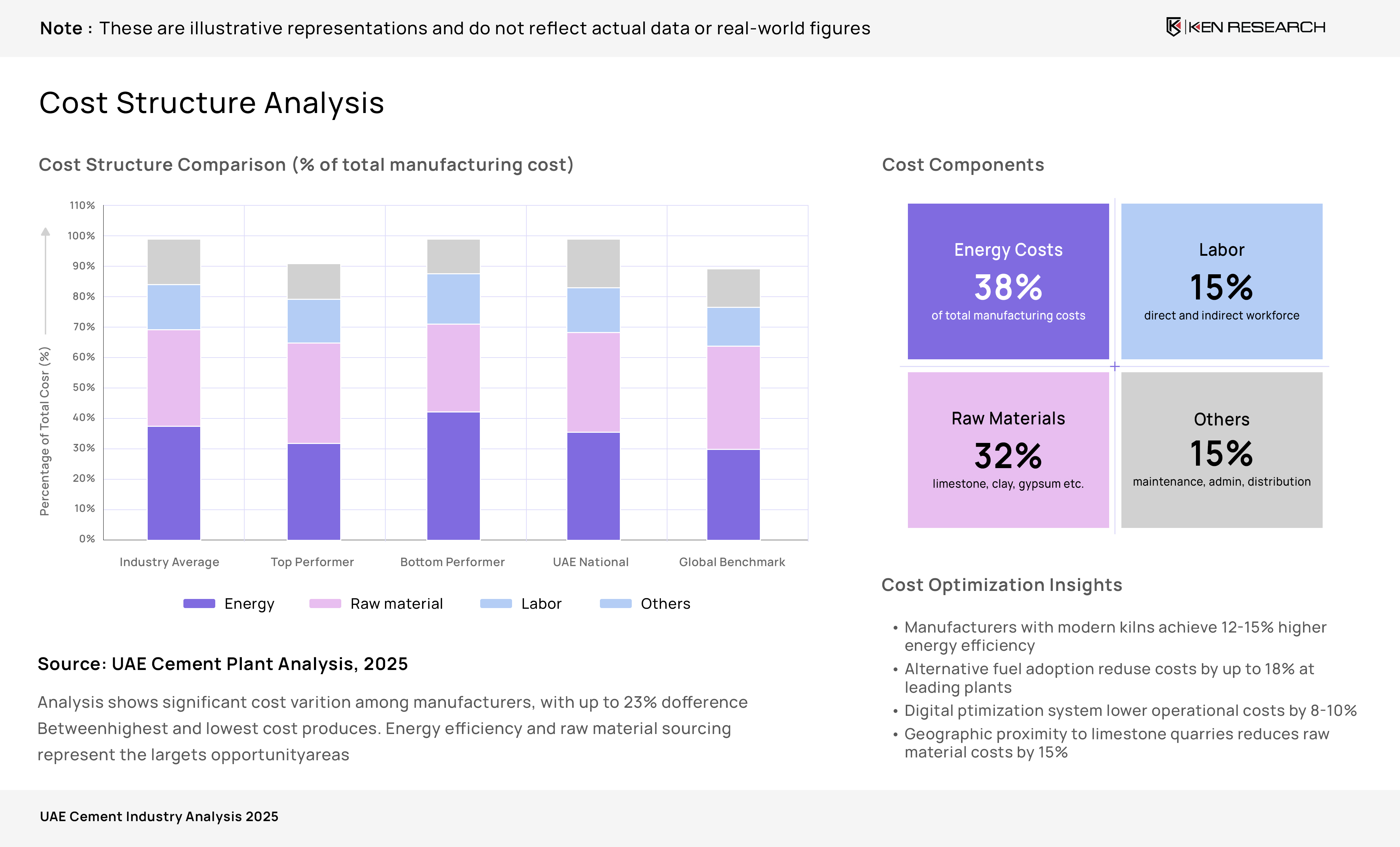
Financial benchmarking underlines a high-COGS, low-to-mid EBITDA margin structure, where profitability hinges on procurement efficiency, inventory turnover, and disciplined cost pass-through during fertilizer price volatility.
EBITDA and PAT margins serve as the clearest indicators of operational resilience, separating logistics-efficient distributors and specialty-focused players from pure volume-driven entities exposed to margin compression.
Table of Contents
1. Ecosystem Matrix
1.1 Large Players
1.1.1 BayWa AG
1.1.2 AGRAVIS Raiffeisen AG
1.1.3 Raiffeisen Waren-Zentrale Rhein-Main AG (RWZ)
1.1.4 Raiffeisen Waren GmbH
1.1.5 K+S Minerals and Agriculture GmbH
1.1.6 YARA GmbH & Co. KG (Germany)
1.1.7 HELM AG
1.1.8 CERAVIS AG
1.2 Medium Players
1.2.1 Beiselen GmbH
1.2.2 ZG Raiffeisen eG
1.2.3 COMPO EXPERT GmbH
1.2.4 ICL Fertilizers Deutschland GmbH
1.2.5 SKW Stickstoffwerke Piesteritz GmbH
1.2.6 AGLUKON Spezialdünger GmbH & Co. KG
1.3 Small Players
1.3.1 HANSA Landhandel GmbH & Co. KG
1.3.2 Hauert MANNA Düngerwerke GmbH
1.3.3 W. Neudorff GmbH KG
1.3.4 GETREIDE AG
2. Leading Players Profile
2.1 Company Name
2.2 Group Name
2.3 Headquarters
2.4 Establishment Year
2.5 Core Services
2.6 Mode of Functioning
3. Key Operational Performance Metrics
3.1 Fertilizer Sales Volume (000 MT)
3.2 Average Selling Price (USD/ton)
3.3 Gross Trading Margin (USD Mn)
3.4 Active Farm Customers (Number)
3.5 Branch Network (Number of Sites)
3.6 Value-Added Fertilizer Mix (%)
3.7 Private Label Share (%)
3.8 Logistics Throughput (000 MT)
3.9 Credit Sales Outstanding / Receivables (USD Mn)
4. Core Financial Performance Metrics
4.1 Parameters
4.1.1 Revenue (USD Mn)
4.1.2 Revenue Growth (%)
4.1.3 COGS (USD Mn)
4.1.4 COGS Growth (%)
4.1.5 EBITDA (USD Mn)
4.1.6 EBITDA Growth (%)
4.1.7 EBITDA Margin (%)
4.1.8 PAT (USD Mn)
4.1.9 PAT Margin (%)
5. Methodology
5.1 Approach
5.1.1 Desk Sources
5.1.2 Primary Interviews
5.1.3 Sanity Checking & Validation
5.2 Benchmarking Process
5.2.1 Data Collection
5.2.2 Primary Validation
5.2.3 Proxy KPI Modelling
5.2.4 Normalization & Indexing
5.2.5 Gap Analysis
5.2.6 Peer Review
5.3 Sample Composition
5.3.1 Scope Items
5.3.2 Sample Size
5.3.3 Target Respondents
Methodology
Ken Research will deploy its proprietary, multi-layered research framework combining robust secondary research, targeted primary outreach, and rigorous data validation to deliver an authoritative competitive benchmarking analysis of the Germany Fertilizer Distribution Market.
Desk Sources
- Ken Research proprietary databases and internal archives for historical benchmarks and market baselines
- Company annual reports, statutory filings, and investor presentations for financial and operational data
- Government and trade-association publications for policy, production, and regulatory insights
- Trade journals and industry media for competitive and pricing developments
- Financial intelligence platforms (Bloomberg, Capital IQ) for peer comparison and ratios
- Digital analytics tools (SimilarWeb, App Annie) for demand signals and channel performance
Primary Interviews
- CATI interviews and structured online surveys with category managers and R&D heads of fertilizer manufacturers and distributors
- In-depth discussions with senior sales and marketing leaders at leading fertilizer distributors and agri-trading companies
- Interviews with distributors and channel partners to validate pricing levels, sales volumes, credit practices, and regional demand dynamics
- Consultations with industry analysts, agronomy consultants, and logistics service providers for expert-level validation of market structure, cost drivers, and competitive intensity
Sanity Checking and Validation
- Triangulation of estimates through cross-verification of secondary research, primary interview insights, and proxy-based financial models
- Proxy KPI synthesis using fertilizer-specific indicators such as sales volume (MT), depot network size, logistics throughput, specialty fertilizer mix, and pricing benchmarks to approximate revenues and margins
- Outlier analysis to identify anomalous pricing, margin, or volume data and reconcile discrepancies through targeted follow-up interviews
- Assumption tracking via a structured log capturing all benchmarking assumptions, methodological limitations, and proxy KPI sources
- Peer review of analytical models, assumptions, and outputs by senior Ken Research analysts prior to report finalization
An Inside Look At Our Custom Insights
Take a look at ourcustomized insights, tailored to yourmarket and business needs. Our benchmarking reports deliver data-driven comparisons of key players, helping you uncover opportunities, assess performance, and make confident strategic decisions.