Germany Luxury Car Dealers Market
Published on: February 2026
Report Overview
Germany Luxury Car Dealers Market Overview
Market Highlights
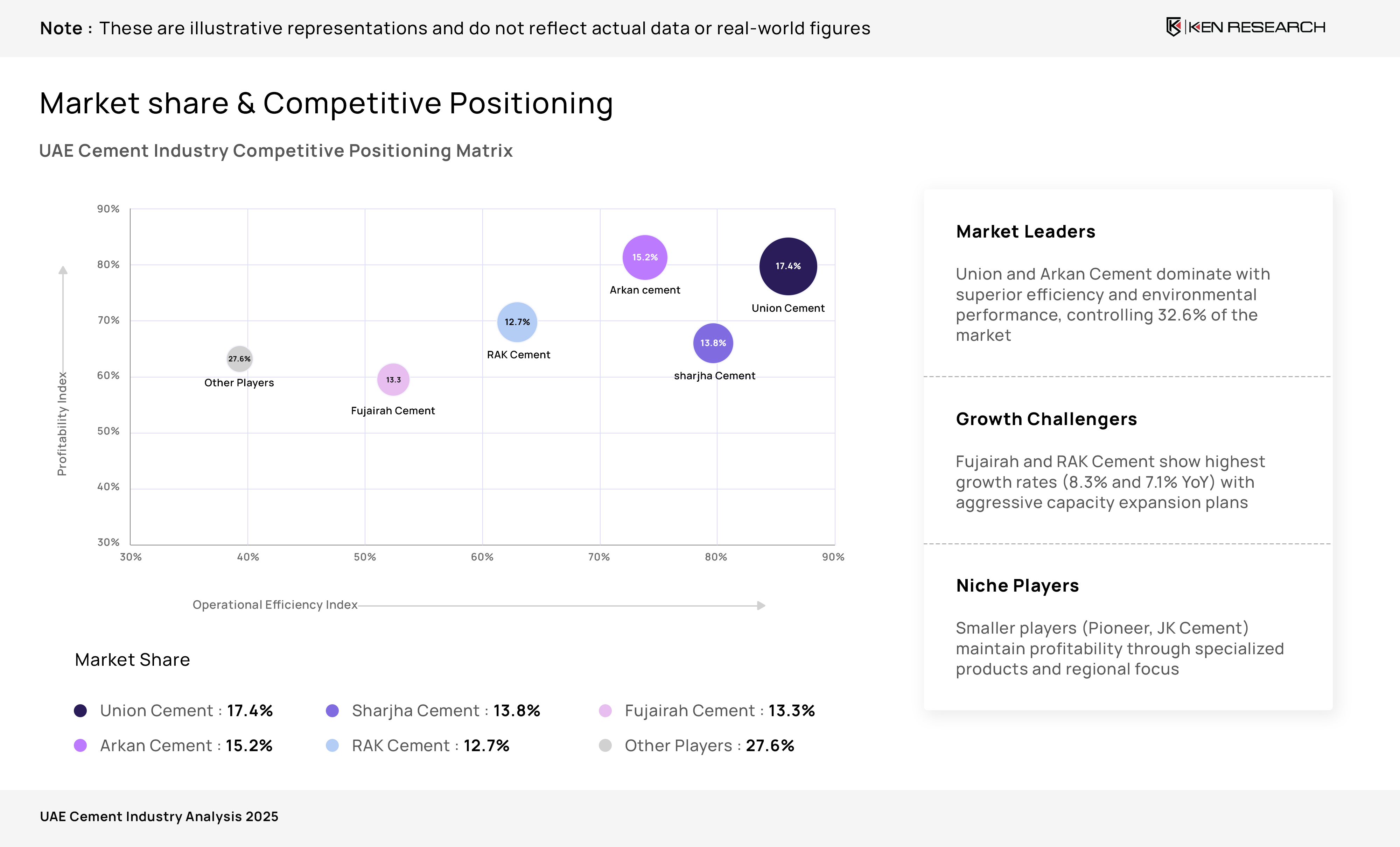
The Germany Luxury Car Dealers Market is characterized by a structured and highly professionalized competitive landscape dominated by large, multi brand dealer groups, complemented by medium sized regional specialists and smaller brand focused retail entities. Large dealer groups leverage scale, long standing OEM relationships, and extensive geographic coverage to secure premium brand allocations and stabilize performance across economic cycles, while medium and smaller players compete through regional intimacy, service quality, and sharper customer engagement models. The coexistence of OEM owned retail formats alongside privately held dealer groups further intensifies competitive discipline and operational benchmarking across the ecosystem.
Innovation within the market reflects a balance between global premium brand standards and localized execution. Dealer groups increasingly adapt showroom formats, digital sales journeys, and service offerings to align with evolving customer expectations in Germany, where informed buyers demand transparency, seamless omnichannel experiences, and high service reliability. While global luxury brands drive product and technology innovation, local dealer organizations play a critical role in tailoring sales processes, financing solutions, and aftersales programs to regional purchasing behavior and regulatory requirements.
The distribution and aftersales ecosystem remains a defining pillar of competitiveness, with workshop capacity, service turnaround, and long term maintenance relationships acting as key drivers of customer retention and lifetime value. Dealers with dense service networks and advanced workshop management systems are better positioned to sustain profitability, particularly during periods of new vehicle supply volatility. Aftersales excellence increasingly differentiates leading players, reinforcing brand loyalty and cushioning margins against pricing pressure in vehicle sales.
Strategically, competitive advantage is shaped by operational efficiency, disciplined cost management, and selective technology integration rather than aggressive expansion alone. Leading dealer groups emphasize process standardization, centralized procurement, and data driven decision making, while also investing in digital retail tools and sustainability aligned operations. Looking ahead, the interaction of innovation, localization, and strategic agility is expected to further consolidate leadership among well capitalized dealer groups, deepen technology penetration across the retail journey, and reinforce long term competitive positioning within the Germany Luxury Car Dealers Market.
Ecosystem Matrix
Germany’s luxury dealer ecosystem is led by multi-site auto retail groups with strong OEM partnerships, where scale advantages come from inventory depth, finance penetration, and aftersales throughput. Consolidation is visible as groups widen regional coverage to stabilize demand cycles.
Competitive intensity is shaped by pricing discipline, premium mix management, and service retention. Dealers winning share typically combine high-margin aftersales, strong trade-in conversion, and faster digital-to-showroom journey, while protecting brand experience and warranty-grade workshop capacity.
Leading Player Profiles
Company Profile Overview
The leading dealer set reflects a strong tilt toward multi-site groups with premium brand franchises, where establishment legacy supports trust, retention, and fleet relationships. Scale is increasingly used to centralize procurement, improve working-capital turns, and expand used-car pipelines.
Service density and finance attachment are the practical differentiators across players. Groups with mature workshop capacity and faster lead-to-delivery execution typically show better resilience during demand softening, while newer networks compete through sharper digital acquisition and standardized sales playbooks.
Key Operational Performance Metrics
Company Performance Ovrview
Unlock Market Insights
Dive deeper into production, distribution, and pricing intelligence.
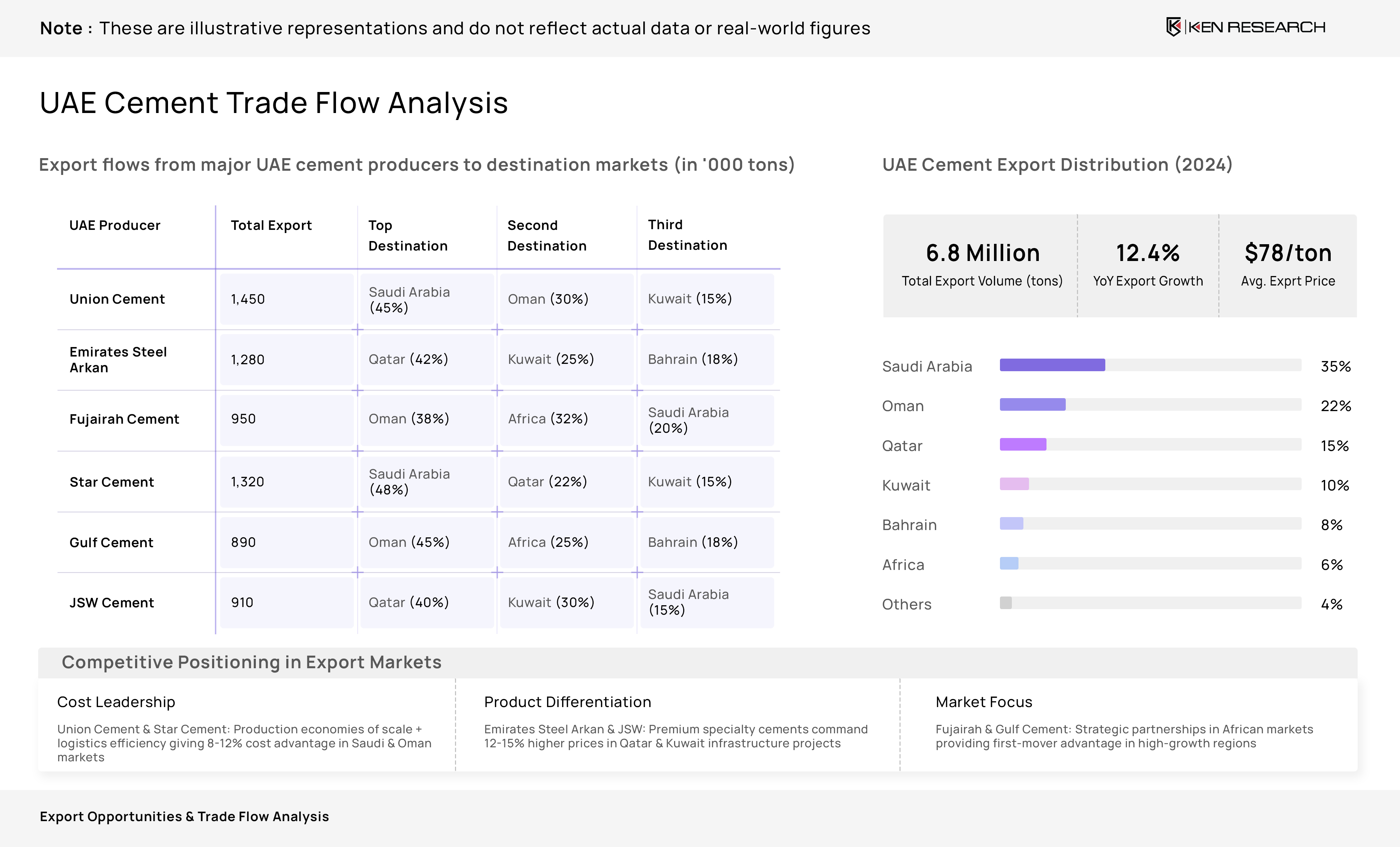
Get Customized ReportRevenue leadership in German luxury retail is typically explained by the mix of new-car throughput, used-car realization, and finance attachment, with pricing power influenced by brand allocation, inventory position, and model cycle timing. Aftersales then acts as the stabilizer during demand swings.
Players that systematically optimize trade-in conversion, service retention, and parts penetration generally compound profitability. As digital journeys mature, online contribution becomes meaningful only when paired with fast delivery operations and a strong certified pre-owned engine.
Core Financial Performance Metrics
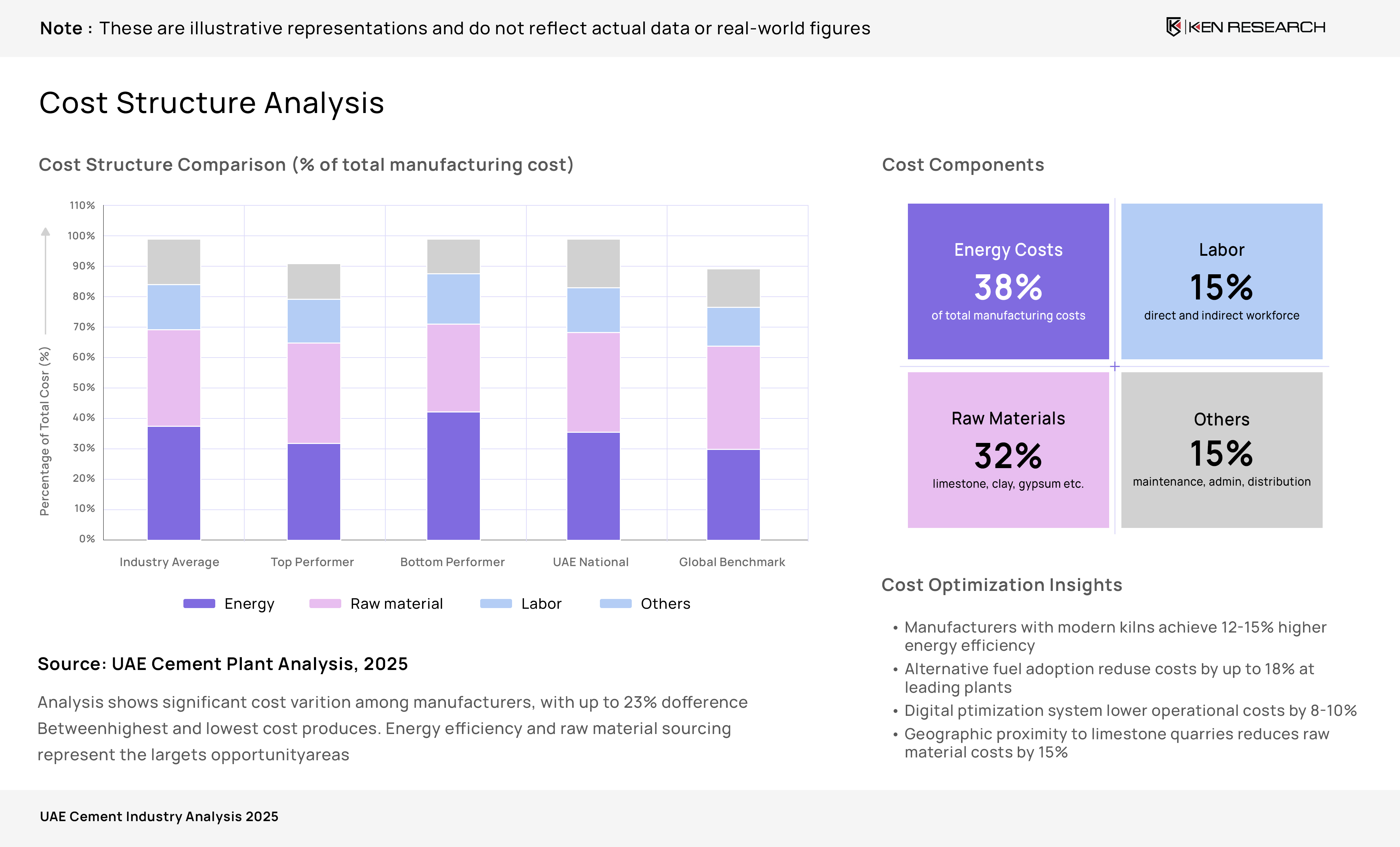
Financial outperformance in luxury dealerships is usually driven by disciplined gross profit management (vehicle margin plus F&I), paired with a structurally higher aftersales contribution that protects EBITDA during volatile new-car cycles. COGS movement often mirrors inventory mix and discounting pressure.
Sustained margin leadership tends to correlate with tighter cost control across branches, stronger workshop utilization, and higher used-car share quality. Dealers with scalable processes and strong OEM alignment typically show steadier PAT conversion through the cycle.
Table of Contents
1. Ecosystem Matrix
1.1 Large Players
1.1.1 Emil Frey Automobil Holding Deutschland
1.1.2 AVAG Holding SE
1.1.3 Fahrzeug-Werke LUEG
1.1.4 Hahn Gruppe
1.1.5 ROSIER-Gruppe (Rosier Holding)
1.1.6 Glinicke Automobil Holding
1.2 Medium Players
1.2.1 MOLL GRUPPE
1.2.2 Motor-Nützel Gruppe
1.2.3 Auto Bierschneider Gruppe
1.2.4 Wellergruppe (Weller Holding)
1.2.5 Autohaus König Gruppe
1.2.6 STERNPARTNER
1.3 Small Players
1.3.1 Sternauto
1.3.2 SCHADE (Automobilgruppe Schade)
1.3.3 Mercedes-Benz Niederlassungen Deutschland
1.3.4 BMW Niederlassungen Deutschland
1.3.5 Porsche Zentren Deutschland
1.3.6 Audi Zentren Deutschland
2. Leading Player Profiles
2.1 Parameters
2.1.1 Company Name
2.1.2 Group Name
2.1.3 Headquarters
2.1.4 Established Year
2.1.5 Core Services
2.1.6 Mode of Functioning
3. Key Operational Performance Metrics
3.1 Annual New Vehicle Sales Value (USD Mn) 3.2 Annual Used Vehicle Sales Value (USD Mn) 3.3 Pricing: Avg Transaction Price (USD) 3.4 Finance & Insurance Income (USD Mn) 3.5 Service Revenue (USD Mn) 3.6 Parts & Accessories Revenue (USD Mn) 3.7 Trade-in Margin (USD Mn) 3.8 Extended Warranty Income (USD Mn) 3.9 Fleet/Corporate Sales Revenue (USD Mn) 3.10 Online Sales Revenue (USD Mn)
4. Core Financial Performance Metrics
4.1 Parameters
4.1.1 Revenue (USD Mn)
4.1.2 Revenue Growth (%)
4.1.3 COGS (USD Mn)
4.1.4 COGS Growth (%)
4.1.5 EBITDA (USD Mn)
4.1.6 EBITDA Growth (%)
4.1.7 EBITDA Margin (%)
4.1.8 PAT (USD Mn)
4.1.9 PAT Margin (%)
5. Methodology
5.1 Approach
5.1.1 Desk Sources
5.1.2 Primary Interviews
5.1.3 Sanity Checking & Validation
5.2 Benchmarking Process
5.2.1 Data Collection
5.2.2 Primary Validation
5.2.3 Proxy KPI Modelling
5.2.4 Normalization & Indexing
5.2.5 Gap Analysis
5.2.6 Peer Review
5.3 Sample Composition
5.3.1 Scope Items
5.3.2 Sample Size
5.3.3 Target Respondents
Methodology
Ken Research will deploy its proprietary, multi layered research framework combining robust secondary research, targeted primary outreach, and rigorous data validation to deliver an authoritative competitive benchmarking analysis of theGermany Luxury Car Dealers Market. The methodology is designed to ensure consistency, comparability, and analytical rigor across dealer groups of varying scale, ownership structure, and brand alignment, with all proxy KPIs customized to reflect the operating realities of luxury automotive retail in Germany.
Desk Sources
- Industry reports from proprietary databases and Ken Research internal archives to establish historical benchmarks, dealer group evolution, and premium retail market baselines
- Company annual reports, investor presentations, and statutory disclosures to extract financial structure, network scale, brand mix, and strategic priorities of dealer groups
- Government publications and trade association releases to assess regulatory environment, vehicle registration trends, emissions policies, and premium segment compliance requirements
- Trade magazines, automotive journals, and industry e-publications to track consolidation activity, dealership modernization, digital retail initiatives, and pricing dynamics
- Financial intelligence platforms such as Bloomberg and Capital IQ to standardize financial ratios, ownership structures, and peer group comparisons
- Web traffic and digital engagement dashboards such as SimilarWeb to evaluate online lead generation strength, digital showroom effectiveness, and omnichannel reach
Primary Interviews
- CATI interviews and structured discussions with senior management, including dealer principals and operations heads of leading luxury dealer groups
- In-depth interviews with sales, aftersales, and finance heads to validate revenue drivers, margin levers, and service mix dynamics
- Interviews with distributors, OEM interface teams, and fleet partners to validate pricing behavior, allocation practices, and regional demand patterns
- Consultations with automotive industry analysts, mobility consultants, and technology service providers to validate emerging trends and competitive shifts
Sanity Checking and Validation
- Triangulation of estimates through cross-verification of secondary research, primary insights, and proxy-based analytical outputs
- Proxy KPI synthesis using indicators such as dealership footprint, workshop bays, brand portfolio depth, digital traffic intensity, and service throughput to approximate revenue and profitability
- Outlier analysis to identify inconsistencies in reported or modeled data and reconcile them through targeted follow-up interviews
- Structured assumption tracking to document all modeling logic, proxy selections, and known limitations
- Internal peer review of methodology, benchmarking models, and analytical conclusions prior to final report integration
An Inside Look At Our Custom Insights
Take a look at ourcustomized insights, tailored to yourmarket and business needs. Our benchmarking reports deliver data-driven comparisons of key players, helping you uncover opportunities, assess performance, and make confident strategic decisions.