Germany Poultry Producers Market
Published on: November 2025
Report Overview
Germany Poultry Producers Market Overview
Market Highlights
The Germany poultry producers market features a structured competitive landscape dominated by large integrated processors, established cooperatives, and specialized regional producers. Major players leverage scale efficiencies, stringent quality controls, and strong retail partnerships, while smaller operators differentiate through regional branding, welfare-certified products, and niche offerings aligned with evolving consumer expectations.
Competitiveness is shaped by Germany’s advanced production standards combined with strong adaptation to local consumption trends. Producers integrate modern hatchery systems, automated processing, and high-level biosecurity while tailoring product varieties—including organic, free-range, antibiotic-free, and specialty cuts—to meet demand driven by health consciousness, sustainability awareness, and preference for provenance-based purchasing.
Distribution networks rely on deep integration with supermarkets, discount retailers, butchers, foodservice operators, and export destinations. Companies with reliable cold-chain reach, consistent supply capabilities, and responsive customer engagement secure stronger buyer loyalty, enabling them to maintain market presence across both mainstream retail channels and premium specialty segments.
Strategic priorities across the sector center on sustainability, operational efficiency, and compliance with evolving regulatory standards. Producers invest in energy-efficient facilities, improved welfare practices, traceability technologies, and environmentally aligned production systems while optimizing feed conversion and supply-chain coordination. These initiatives enhance competitive resilience in a market shaped by rising consumer scrutiny and tightening policy requirements.
Ecosystem Matrix
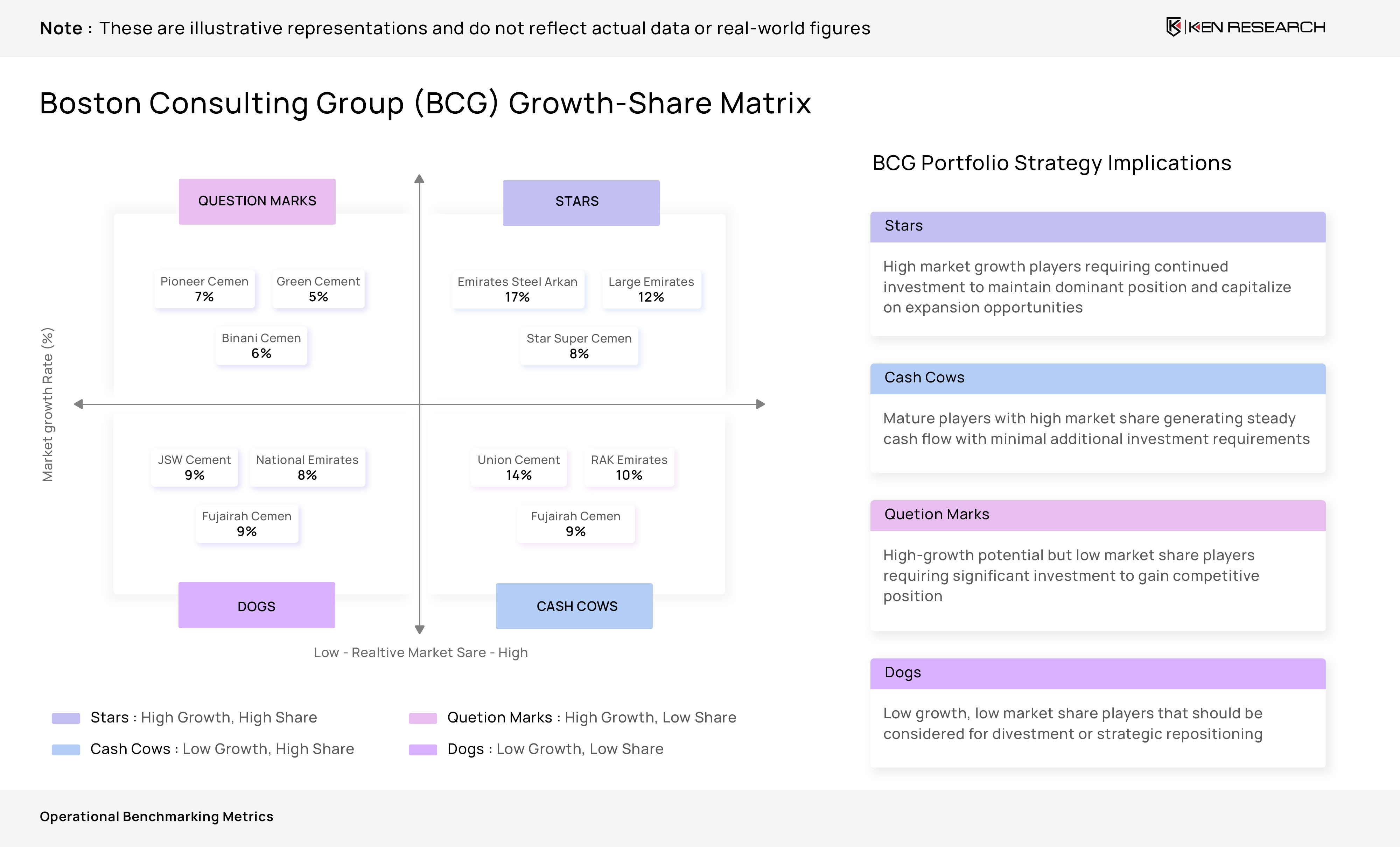
The German poultry market is dominated by a few large-scale producers like PHW, Rothkötter, and Sprehe, who control integrated operations across breeding, processing, and distribution, shaping overall market consolidation trends.
Mid-tier and small players cater to niche regional demand, often focusing on specialty poultry, organic production, and contract farming, reflecting strong diversification beyond industrial mass production models.
Leading Player Profiles
Company Profiles Overview
Leading companies such as PHW Group and Rothkötter dominate with fully integrated supply chains, combining hatcheries, feed, production, and processing, ensuring cost competitiveness and consistent supply.
Smaller regional farms emphasize differentiation via organic certification and direct-to-consumer sales, creating alternative models of competitiveness within Germany’s poultry sector.
Key Operational Performance Metrics
Company Performance Overview
Unlock Market Insights
Dive deeper into production, distribution, and pricing intelligence.
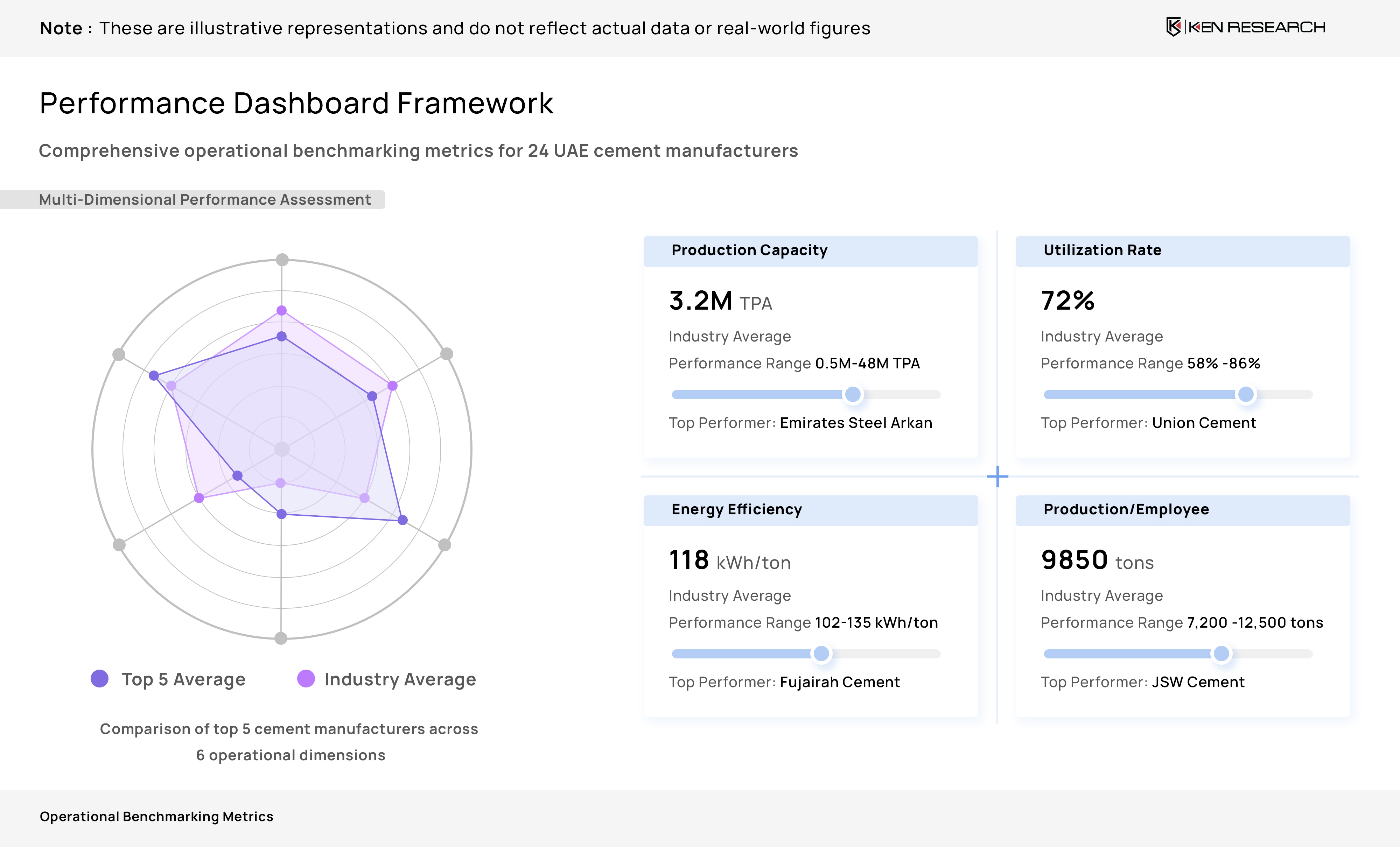
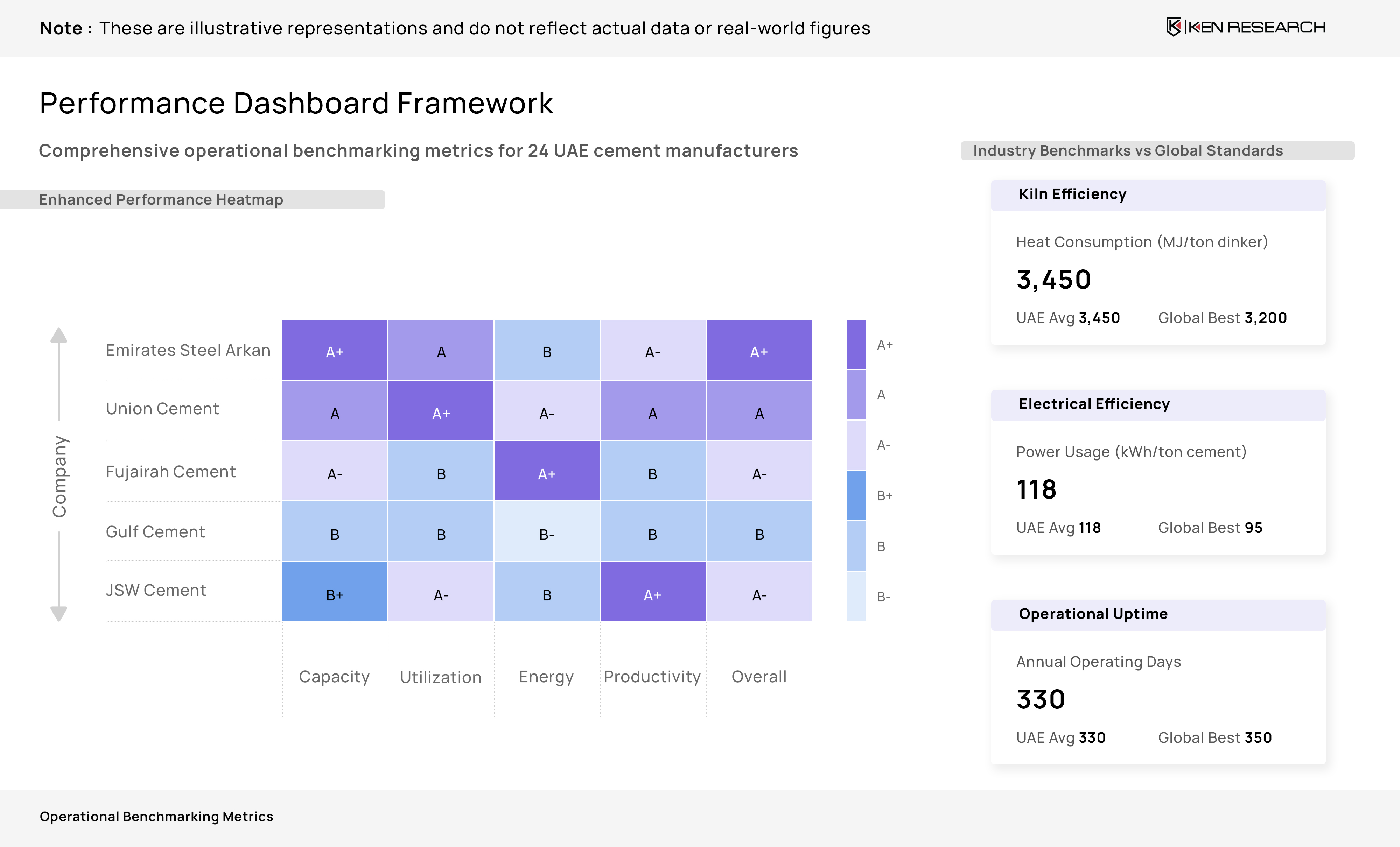
Get Customized ReportOperational KPIs such as production capacity, distribution coverage, and pricing are critical in defining the scalability and competitiveness of Germany’s poultry producers, where integrated players secure efficiency advantages.
Smaller farms’ focus on niche pricing and organic certifications highlights operational diversity, contrasting industrial mass-production models with value-driven specialty production.
Core Financial Performance Metrics
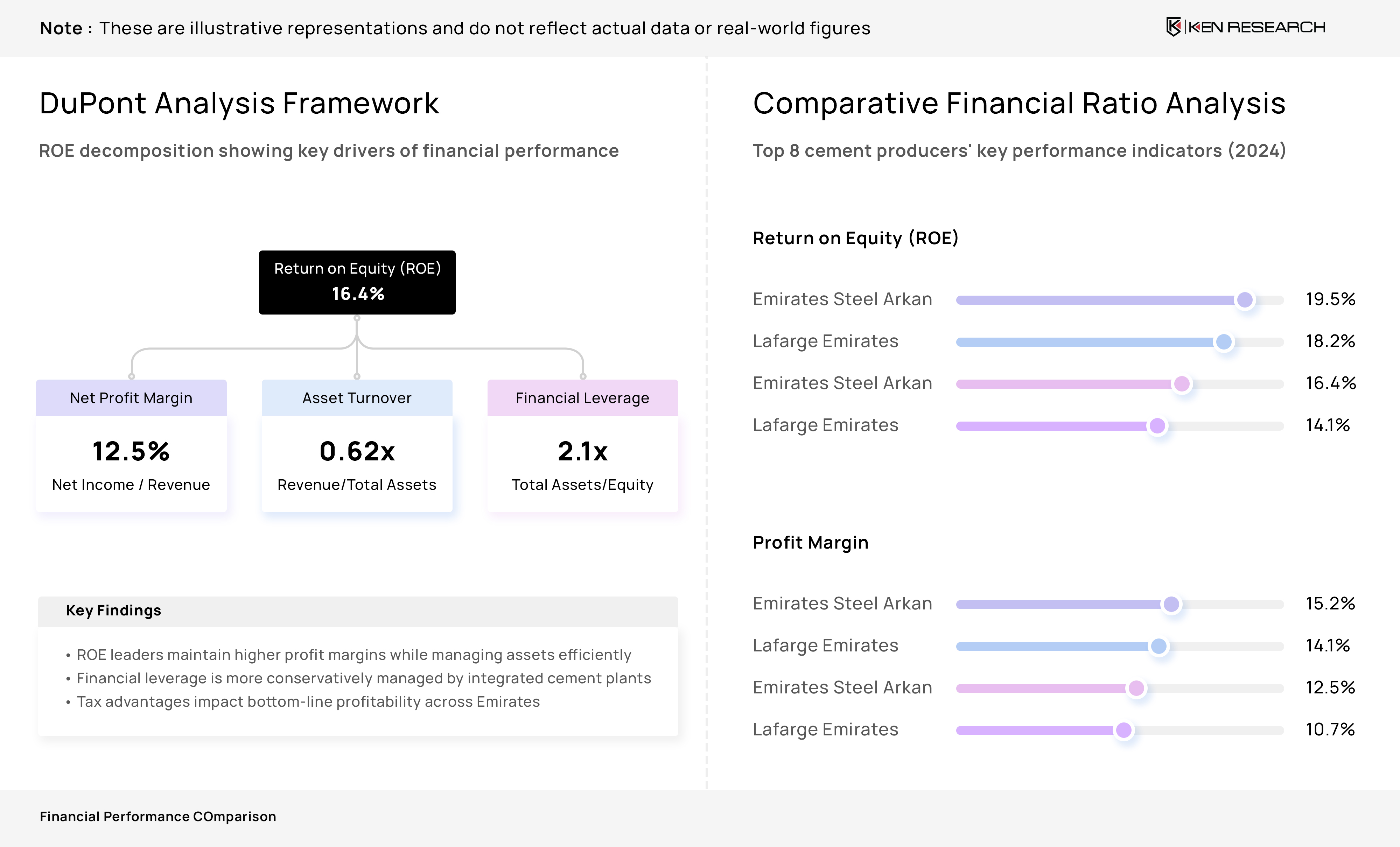
Financial KPIs like revenue, EBITDA, and PAT margins reveal stark contrasts between industrial producers and niche organic farms, underscoring structural differences in profitability.
Larger groups demonstrate scale-driven margin stability, while small independents face higher per-unit costs but benefit from premium pricing opportunities in regional and organic markets.
Table of Contents
1. Ecosystem Matrix
1.1 Large Players
1.1.1 PHW Group (Wiesenhof)
1.1.2 Rothkötter Gruppe
1.1.3 Sprehe Gruppe
1.1.4 Heidemark GmbH
1.1.5 Plukon Food Group Germany
1.1.6 Emsland Frischgeflügel GmbH
1.2 Medium Players
1.2.1 Stolle Geflügel GmbH
1.2.2 Friki Fresh Poultry
1.2.3 Hähnchenmast Möckern
1.2.4 BWE-Brüterei Weser-Ems
1.2.5 Celler Land Frischgeflügel
1.2.6 Emsland Brüterei
1.3 Small Players
1.3.1 Hühnerhof Oldenburg
1.3.2 Geflügelhof Schönecke
1.3.3 Hof Lütjen
1.3.4 Gut Wulfsdorf Geflügel
1.3.5 Geflügelhof Schubert
1.3.6 Hof Wiedmann
2. Leading Player Profiles
2.1 Parameters
2.1.1 Company Name
2.1.2 Group Name
2.1.3 Headquarters
2.1.4 Established Year
2.1.5 Core Business Segment
2.1.6 Mode of Functioning
3. Key Operational Performance Metrics
3.1 Parameters
3.1.1 Production Capacity (MT/Year)
3.1.2 Number of Farms (Units)
3.1.3 Hatcheries (Units)
3.1.4 Processing Plants (Units)
3.1.5 Feedmill Capacity (MT/Year)
3.1.6 Distribution Coverage (Regions/Outlets)
3.1.7 Export Share (%)
3.1.8 Product Range (Types/Variants)
3.1.9 Pricing (EUR/Kg or Local Currency/Kg)
4. Core Financial Performance Metrics
4.1 Parameters
4.1.1 Revenue (EUR Mn)
4.1.2 Revenue Growth %
4.1.3 COGS (EUR Mn)
4.1.4 COGS Growth %
4.1.5 EBITDA (EUR Mn)
4.1.6 EBITDA Growth %
4.1.7 EBITDA Margin %
4.1.8 PAT (EUR Mn)
4.1.9 PAT Margin %
5. Methodology
5.1 Approach
5.1.1 Desk Sources
5.1.2 Primary Interviews
5.1.3 Sanity Checking & Validation
5.2 Benchmarking Process
5.2.1 Data Collection
5.2.2 Primary Validation
5.2.3 Proxy KPI Modelling
5.2.4 Normalization & Indexing
5.2.5 Gap Analysis
5.2.6 Peer Review
5.3 Sample Composition
5.3.1 Scope Items
5.3.2 Sample Size
5.3.3 Target Respondents
Methodology
Ken Research will deploy its proprietary, multi-layered research framework—combining robust secondary research, targeted primary outreach, and rigorous data validation—to deliver an authoritative competitive landscape analysis of theGermany Poultry Producers Market. All proxy KPIs are calibrated specifically for this sector.
Desk Sources
- Industry reports from Ken Research archives , proprietary databases, Eurostat , and DESTATIS
- Company annual reports and investor presentations of key players such as Moy Park GmbH, PHW Group, Rothkötter Gruppe, Sprehe Gruppe, and Plukon Food Group Germany
- Government and trade association publications including German Poultry Association (ZDG) , BMEL , and EU CAP reports
- Trade magazines, journals, and online media such as Geflügelwirtschaft , Top Agrar , and Poultry World Europe
- Financial databases including Bloomberg , Orbis , and Capital IQ
- Digital analytics tools such as SimilarWeb , App Annie , and online retail SKU tracking for e-commerce insights
Primary Interviews
- Computer-Assisted Telephone Interviews (CATIs) and online surveys with category managers and production heads at leading German poultry producers
- Discussions with senior sales and marketing leads at integrated poultry companies across Germany
- Inputs from distributors , regional wholesalers , and modern trade buyers to assess supply chain efficiency and brand penetration
- Consultations with independent consultants and industry analysts operating in the Germany/EU poultry ecosystem
- Interviews with feed suppliers , hatchery technology providers , and logistics partners for operational benchmarking
- Engagements with technology service providers supporting digital adoption and e-commerce integration within the poultry value chain
Sanity Checking and Validation
- Triangulation: Cross-verification of desk research data, primary interview insights, and proxy model outputs
- Proxy KPI Synthesis: For non-listed players, estimation based on proxies such as installed capacity, number of farms, processing plants, hatchery throughput, web traffic, and distribution reach
- Outlier Analysis: Identification and investigation of discrepancies (e.g., production vs. capacity mismatch) through follow-up validation
- Assumption Tracking: Documentation of all proxies, benchmarks, and methodological limitations for transparency
- Peer Review: Independent evaluation by senior analysts to validate assumptions, models, and findings prior to report publication
- Scenario Validation: Alignment of proxy assumptions with market events such as feed cost inflation, EU animal welfare legislation, and supply chain disruptions
An Inside Look At Our Custom Insights
Take a look at ourcustomized insights, tailored to yourmarket and business needs. Our benchmarking reports deliver data-driven comparisons of key players, helping you uncover opportunities, assess performance, and make confident strategic decisions.