India Automotive Aftermarket Parts Market
Published on: February 2026
Report Overview
India Automotive Aftermarket PartsMarket Overview
Market Highlights
The India Automotive Aftermarket Parts Market features a fragmented competitive landscape where multinational brands, domestic manufacturers, and numerous regional players coexist. Global players focus on premium and OEM-aligned replacements, while Indian suppliers compete through cost efficiency, broad product coverage, and deep reach across vehicle categories and usage segments.
Global engineering expertise blends with localized adaptation across the market. International manufacturers introduce performance-oriented designs, while domestic players customize parts to suit Indian road conditions, vehicle aging, and maintenance practices. Emphasis on durability, repairability, and affordability supports adoption across urban, semi-urban, and rural markets.
Distribution and aftersales networks strongly influence competitiveness. Multi-tier channels involving distributors, retailers, and independent garages drive accessibility and mechanic preference. Players with reliable availability, technical support, training programs, and responsive warranty service build stronger brand loyalty among workshops, fleet operators, and repeat customers.
Competitive advantage increasingly depends on operational efficiency, supply chain control, and focused product strategies. Larger players leverage standardization and digital systems, while smaller firms rely on agility and local sourcing. The interplay of innovation, localization, and strategic execution continues to shape leadership in the India Automotive Aftermarket Parts Market.
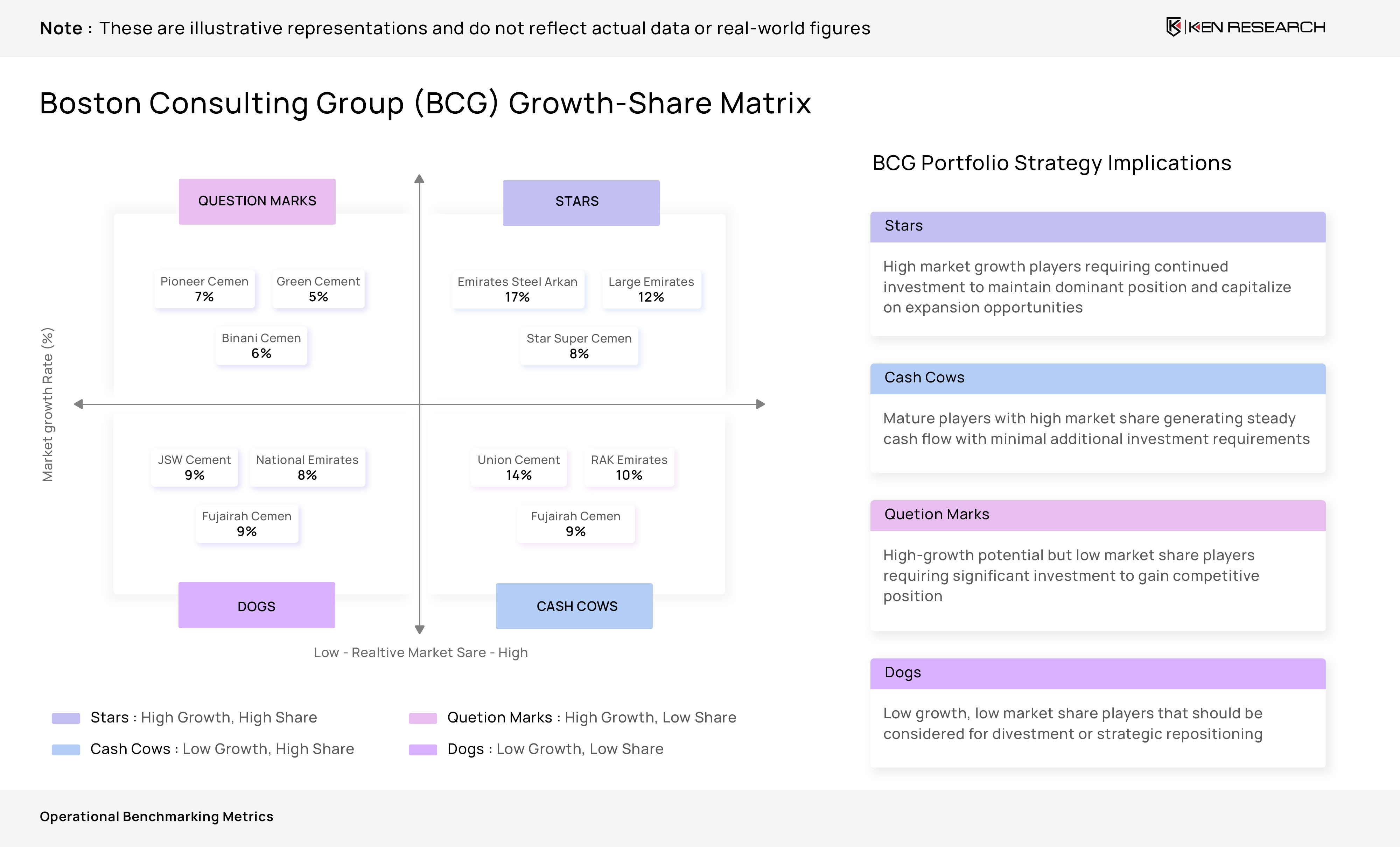
Ecosystem Matrix
India’s aftermarket ecosystem is led by large multi-category component manufacturers and tyre-battery majors, supported by Tier-1 suppliers with strong OEM linkages. Scale players are increasingly shaping replacement demand through wider distribution reach, brand-backed warranties, and faster replenishment cycles.
Competitive intensity is rising as mid and small players push deeper into tier-2/3 markets, expand SKU breadth, and strengthen channel partnerships. Differentiation is shifting toward availability, fitment accuracy, service support, and pricing discipline rather than only brand recall.
Leading Player Profiles
Company Profile Overview
The player landscape shows strong clustering around high-repeat categories like tyres, batteries, bearings, suspension, lighting, and critical precision parts. Brand-led retail pull and consistent channel fill rates are becoming the decisive levers for share capture in replacement demand.
A clear operating split is visible: OEM-heavy component majors are strengthening selective aftermarket lines, while tyre and battery leaders win through dense dealer networks, faster serviceability, and warranty-backed trust, especially across highway and fleet-driven consumption belts.
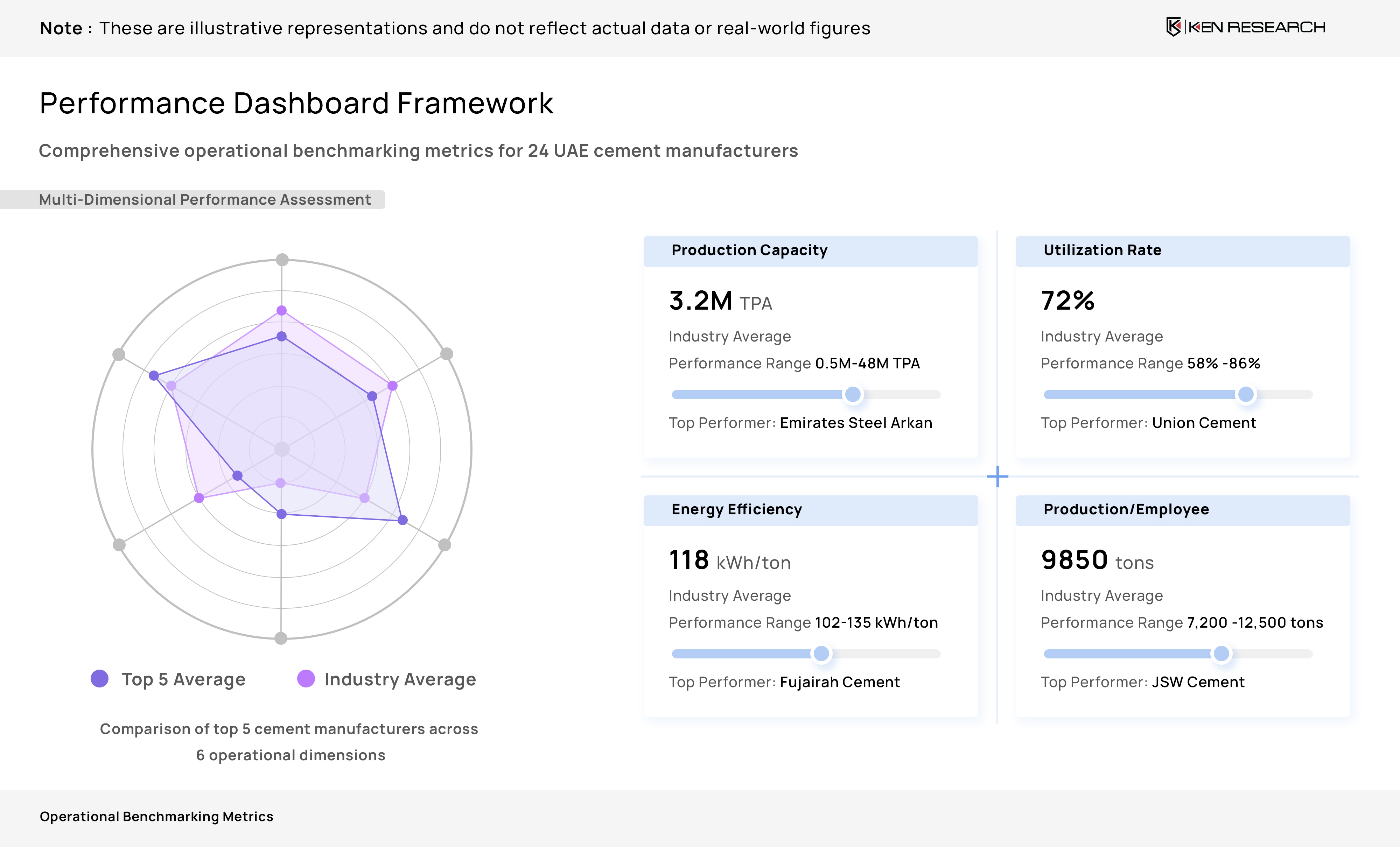
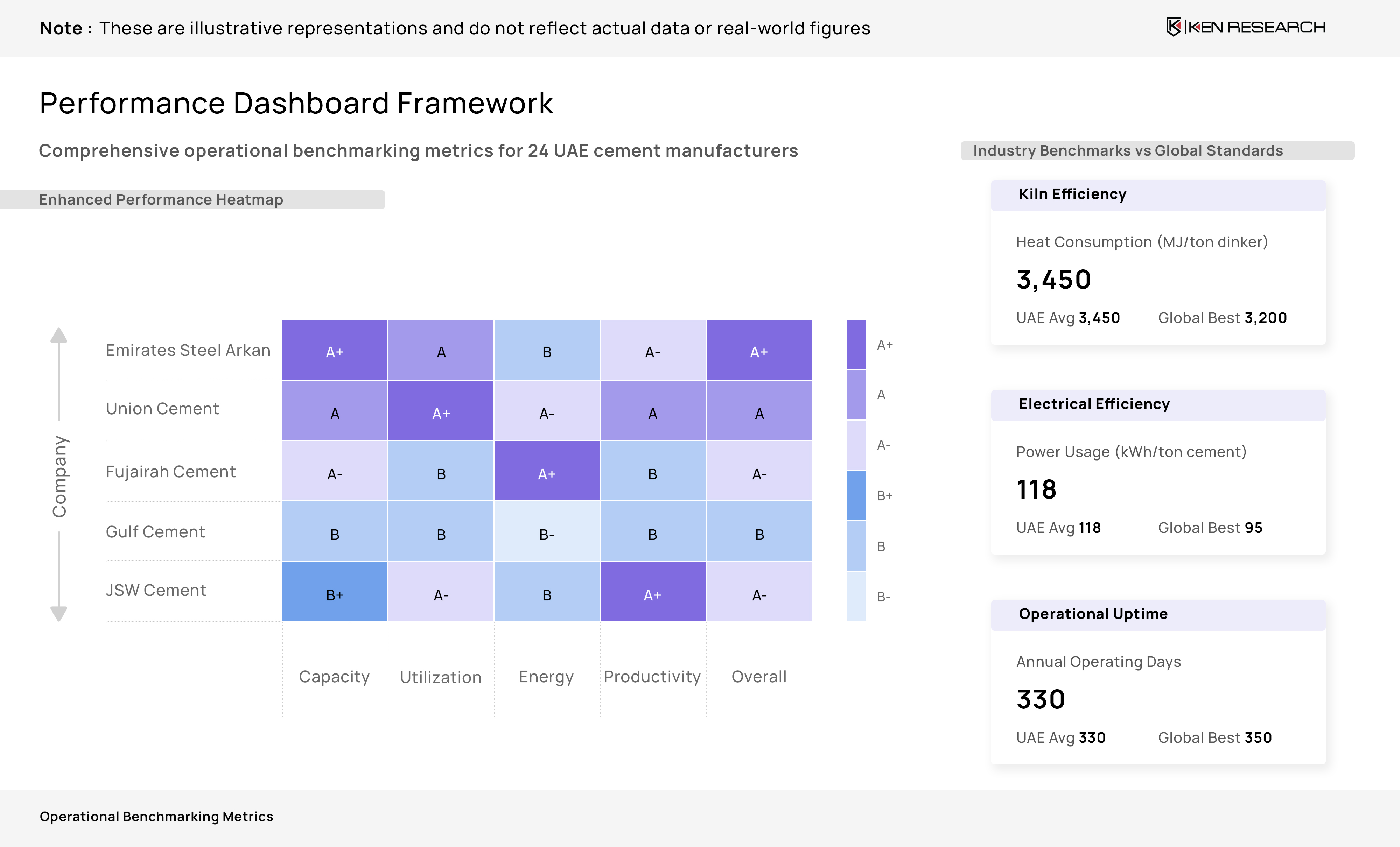
Key Operational Performance Metrics
Company Performance Overview
Unlock Market Insights
Dive deeper into production, distribution, and pricing intelligence.
Get Customized ReportRevenue performance in this market is primarily driven by pricing control, SKU availability, and distribution density. Players with higher touchpoints and stronger fleet linkages typically deliver more stable volumes, while retail-heavy models win through faster rotation and stronger brand pull.
Working-capital discipline is a key competitive edge: credit days and inventory turns directly influence channel fill capability and discounting flexibility. As competition tightens, warranty/return rates and service responsiveness increasingly impact repeat purchase and mechanic-led recommendations.
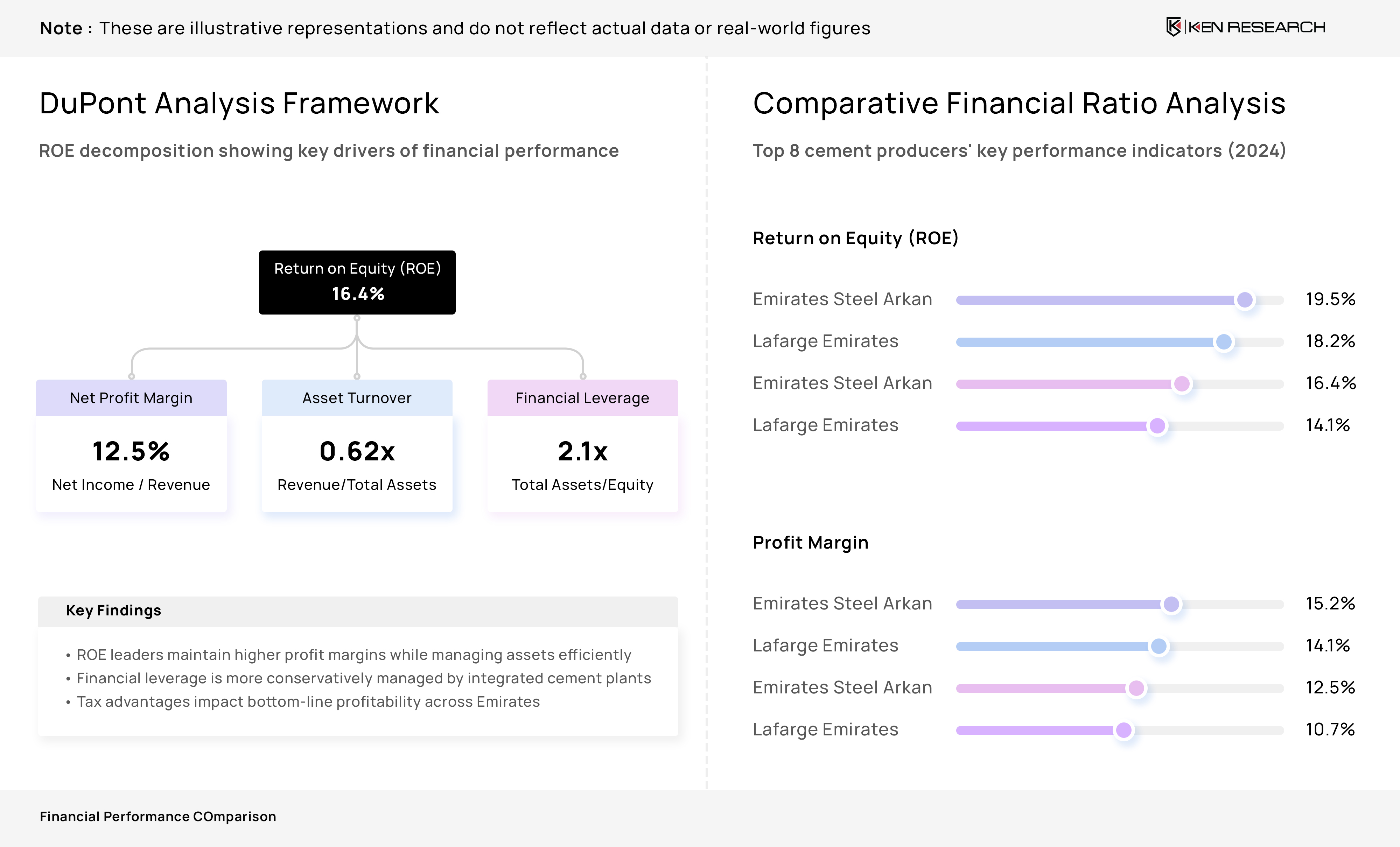
Core Financial Performance Metrics
Financial benchmarking in this ecosystem is shaped by raw material sensitivity, pricing pass-through strength, and product mix. Tyre and battery players often exhibit different margin structures than precision-component suppliers due to channel intensity and commodity exposure.
EBITDA resilience is increasingly linked to operating leverage and cost discipline, while PAT margins are influenced by finance costs and capex cycles. Players that balance growth with tighter COGS control typically gain more room for channel incentives without eroding profitability.
Table of Contents
1. Ecosystem Matrix
1.1 Large Players
1.1.1 Bosch Limited
1.1.2 Samvardhana Motherson International
1.1.3 Tata AutoComp Systems
1.1.4 Uno Minda
1.1.5 Varroc Engineering
1.1.6 Endurance Technologies
1.1.7 MRF
1.1.8 Apollo Tyres
1.1.9 CEAT
1.1.10 Exide Industries
1.2 Medium Players
1.2.1 Sundram Fasteners
1.2.2 SKF India
1.2.3 Gabriel India
1.2.4 Amara Raja Group (Amaron)
1.2.5 JK Tyre & Industries
1.2.6 Bharat Forge
1.3 Small Players
1.3.1 Lumax Industries
1.3.2 Jamna Auto Industries
1.3.3 Rane Group
2. Leading Player Profiles
2.1 Parameters
2.1.1 Company Name
2.1.2 Group Name
2.1.3 Headquarters
2.1.4 Established Year
2.1.5 Core Services
2.1.6 Mode of Functioning
3. Key Operational Performance Metrics
3.1 Pricing (INR per unit)
3.2 Annual Units Sold (Mn)
3.3 Active SKUs (No.)
3.4 Distribution Touchpoints (No.)
3.5 Fleet/Institutional Mix (%)
3.6 Retail Share (%)
3.7 Credit Days (days)
3.8 Inventory Turns (x)
3.9 Warranty/Return Rate (%)
3.10 Discounting & Channel Incentives (Qualitative)
4. Core Financial Performance Metrics
4.1 Parameters
4.1.1 Revenue (USD Mn)
4.1.2 Revenue Growth (%)
4.1.3 COGS (USD Mn)
4.1.4 COGS Growth (%)
4.1.5 EBITDA (USD Mn)
4.1.6 EBITDA Growth (%)
4.1.7 EBITDA Margin (%)
4.1.8 PAT (USD Mn)
4.1.9 PAT Margin (%)
5. Methodology
5.1 Approach
5.1.1 Desk Sources
5.1.2 Primary Interviews
5.1.3 Sanity Checking & Validation
5.2 Benchmarking Process
5.2.1 Data Collection
5.2.2 Primary Validation
5.2.3 Proxy KPI Modelling
5.2.4 Normalization & Indexing
5.2.5 Gap Analysis
5.2.6 Peer Review
5.3 Sample Composition
5.3.1 Scope Items
5.3.2 Sample Size
5.3.3 Target Respondents
Methodology
Ken Research will deploy its proprietary, multi layered research framework combining robust secondary research, targeted primary outreach, and rigorous data validation to deliver an authoritative competitive benchmarking analysis of the India Automotive Aftermarket Parts Market. The methodology is designed to ensure consistency, comparability, and accuracy across all players and parameters assessed, with proxy KPIs aligned strictly to aftermarket revenue drivers.
Desk Sources
- Industry reports from proprietary databases and Ken Research internal archives to establish historical benchmarks, demand trends, and category-level market baselines
- Company annual reports, investor presentations, earnings transcripts, and statutory disclosures to extract financial performance, product mix, capacity, and strategic priorities
- Government publications and trade association releases to track vehicle parc growth, replacement cycles, regulatory norms, and import-export flows relevant to aftermarket parts
- Trade magazines, technical journals, and credible industry articles to monitor competitive developments, pricing behavior, technology shifts, and channel dynamics
- Financial intelligence platforms such as Bloomberg and Capital IQ to standardize financial ratios, peer comparisons, and margin structures
- Digital intelligence tools including web traffic and engagement dashboards (e.g., SimilarWeb) to assess brand visibility, channel traction, and demand signals where applicable
Primary Interviews
- CATI-based interviews and structured online surveys with category managers and R&D heads of component manufacturers to validate product portfolios, replacement ratios, and pricing logic
- In-depth discussions with senior sales and marketing leaders of leading aftermarket participants to understand channel strategy, discounting frameworks, and volume drivers
- Interviews with distributors, wholesalers, and large retailers to validate sell-through volumes, regional demand patterns, and credit structures
- Consultations with industry analysts, independent consultants, and service providers to triangulate competitive positioning, technology adoption, and future outlook
Sanity Checking and Validation
- Triangulation of estimates through cross-verification of secondary research, primary inputs, and proxy-based model outputs
- Proxy KPI synthesis using indicators such as vehicle parc, installed base, SKU count, outlet reach, pricing bands, and inventory velocity to approximate revenues or scale
- Outlier analysis to identify anomalous data points and reconcile deviations through targeted follow-ups with industry participants
- Assumption tracking via a structured internal log capturing all benchmarking assumptions, limitations, and proxy KPI sources
- Internal peer review of methodology, analytical models, and key outputs prior to report finalization
An Inside Look At Our Custom Insights
Take a look at ourcustomized insights, tailored to yourmarket and business needs. Our benchmarking reports deliver data-driven comparisons of key players, helping you uncover opportunities, assess performance, and make confident strategic decisions.