India Electric Vehicle Charging Providers Market
Published on: January 2026
Report Overview
India Electric Vehicle Charging Providers Market Overview
Market Highlights
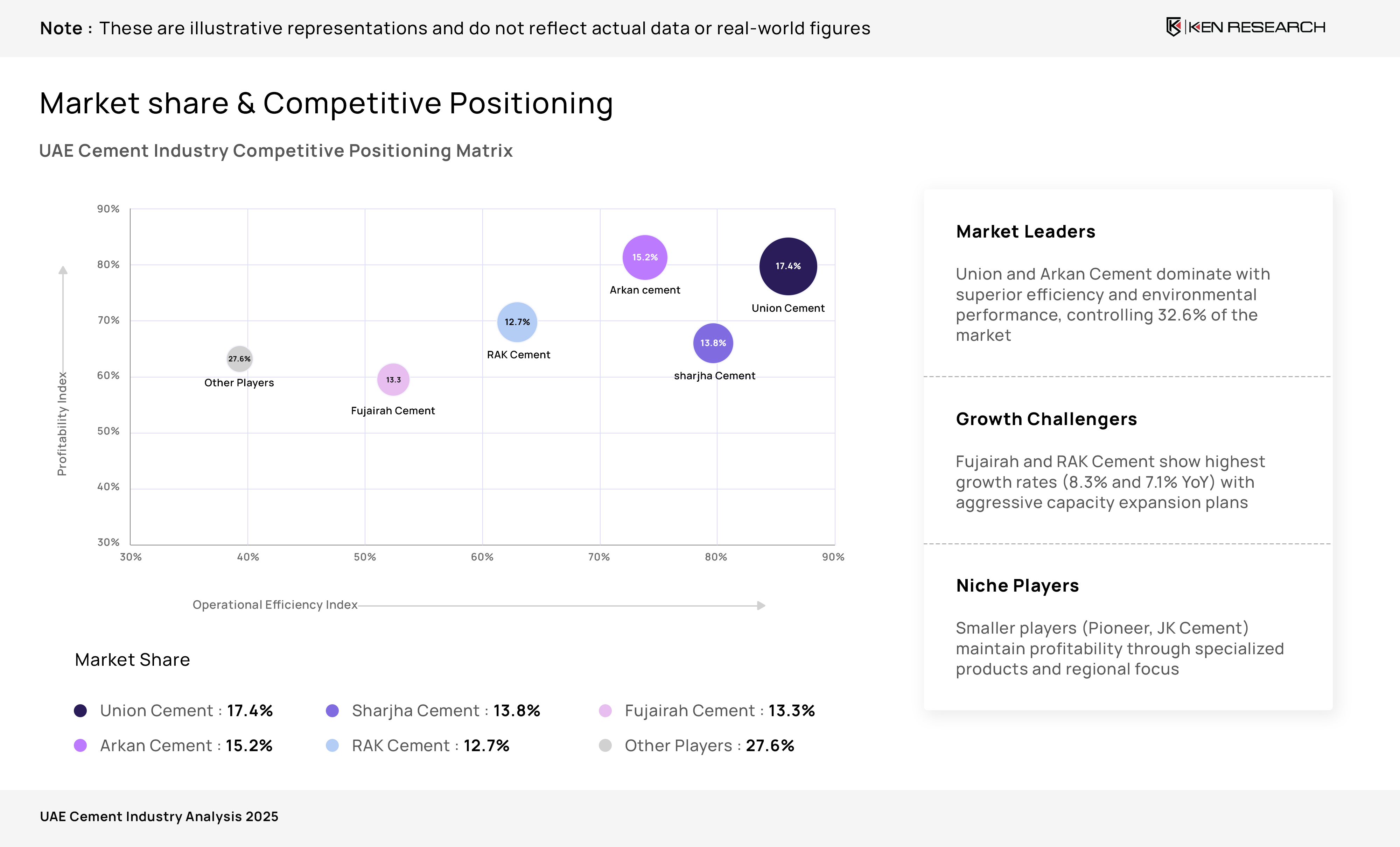
The India Electric Vehicle Charging Providers Market features a layered competitive landscape where vertically integrated multinationals coexist with established regional players and agile local entrants. Integrated majors focus on scale and supply chain optimization, while regional manufacturers emphasize customization and responsive delivery models aligned with local demand cycles. Smaller domestic firms leverage niche specialization, quick turnaround times, and flexible service agreements to compete effectively across targeted micro-segments.
Global innovation merges with strong domestic adaptation as companies localize EV charger designs, payment systems, and installation models to align with India's power grid realities and consumer preferences. Hardware suppliers and software platform developers partner with public and private distributors to adapt solutions for varied climatic, infrastructural, and regulatory conditions. Localization extends into vendor partnerships, ensuring that imported technology integrates seamlessly with indigenous manufacturing and service protocols.
The distribution and aftersales ecosystem plays a decisive role in shaping user experience and network reliability. Strategic tie-ups between OEMs, utilities, and real-estate operators are expanding access to chargers in residential, commercial, and fleet domains. Aftersales excellence—spanning maintenance contracts, uptime assurance, and digital service monitoring drives customer retention and operator credibility in a fragmented service environment.
Competitiveness increasingly relies on operational discipline and data-enabled planning. Leading operators employ predictive maintenance tools, integrated energy management systems, and real-time analytics to minimize downtime and optimize utilization rates. Sustainability commitments and modular product design are enhancing lifecycle efficiency, while collaborative ventures between energy majors and tech start-ups accelerate innovation across the hardware–software continuum.
Ecosystem Matrix
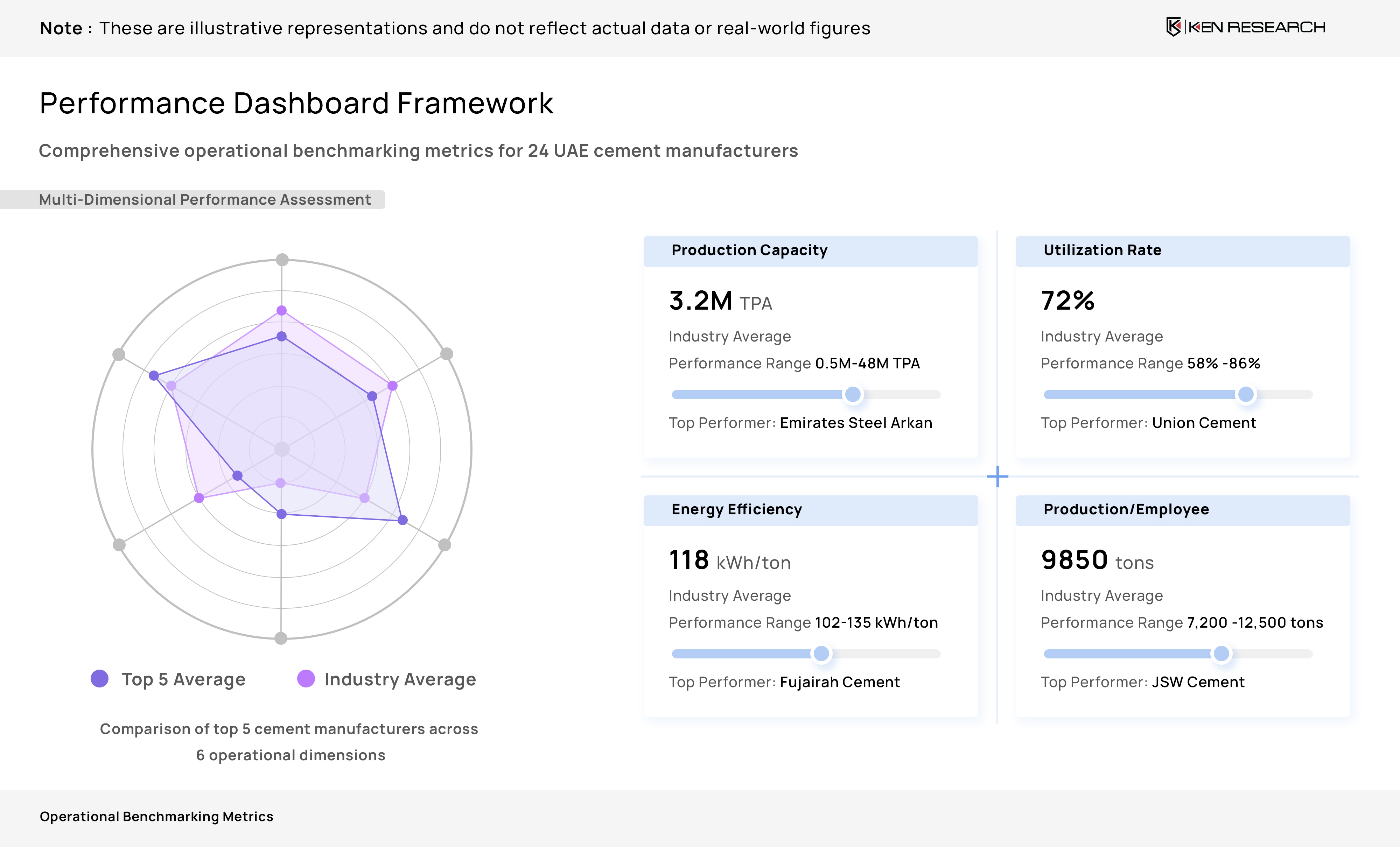
India’s charging ecosystem is consolidating around high-capex, fast-charging rollouts led by utilities, fuel retailers, and scaled CPOs, while mid-size specialists expand via fleet contracts, corridor densification, and partnerships with OEMs, malls, and real-estate nodes.
Competitive intensity is shifting from “charger count” to “uptime + utilization,” with leaders focusing on reliability, interoperability/roaming, and pricing discipline; smaller players differentiate through localized site acquisition, franchise models, and software-led network operations to improve throughput per charger.
Leading Player Profiles
Company Profile Overview
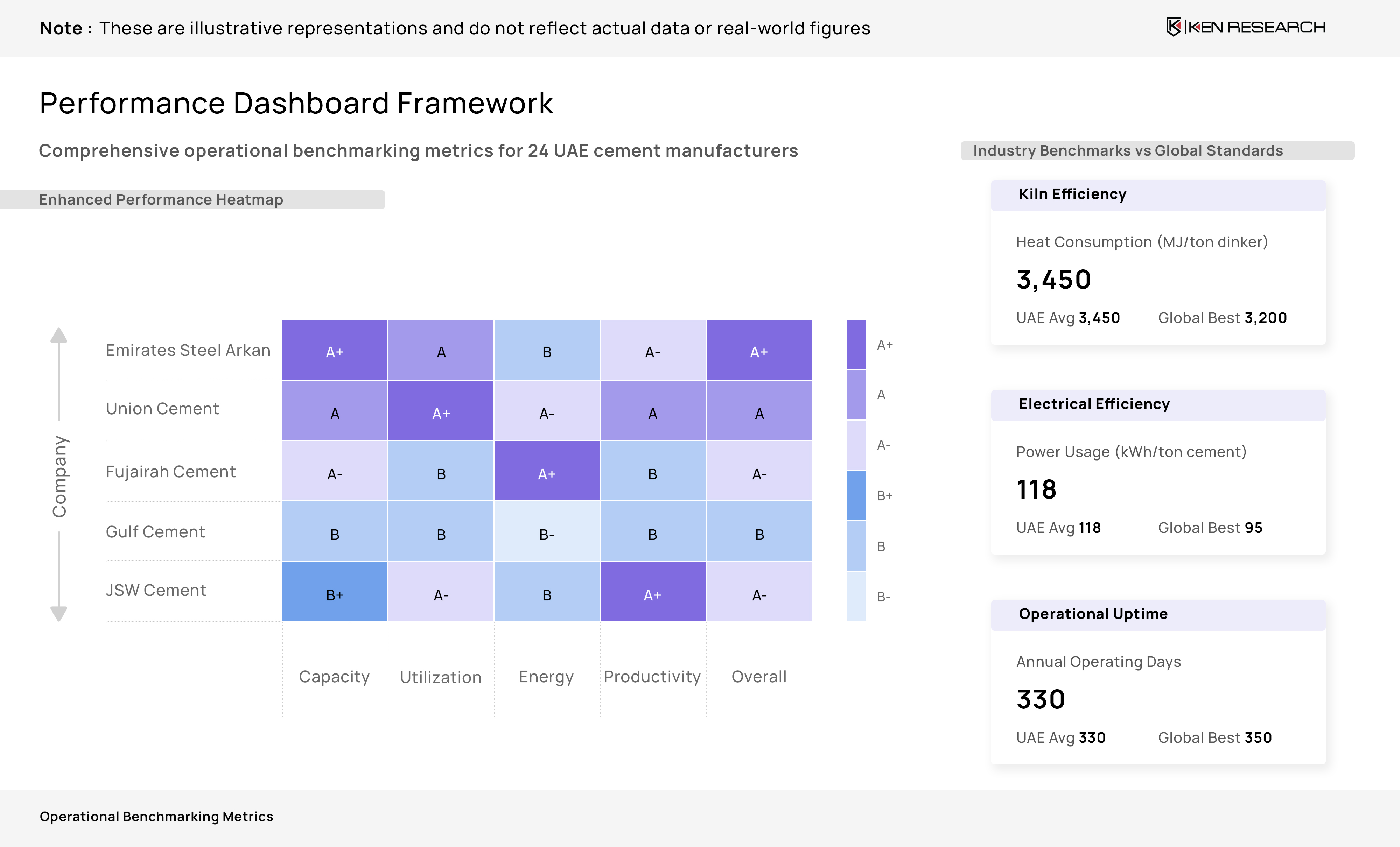
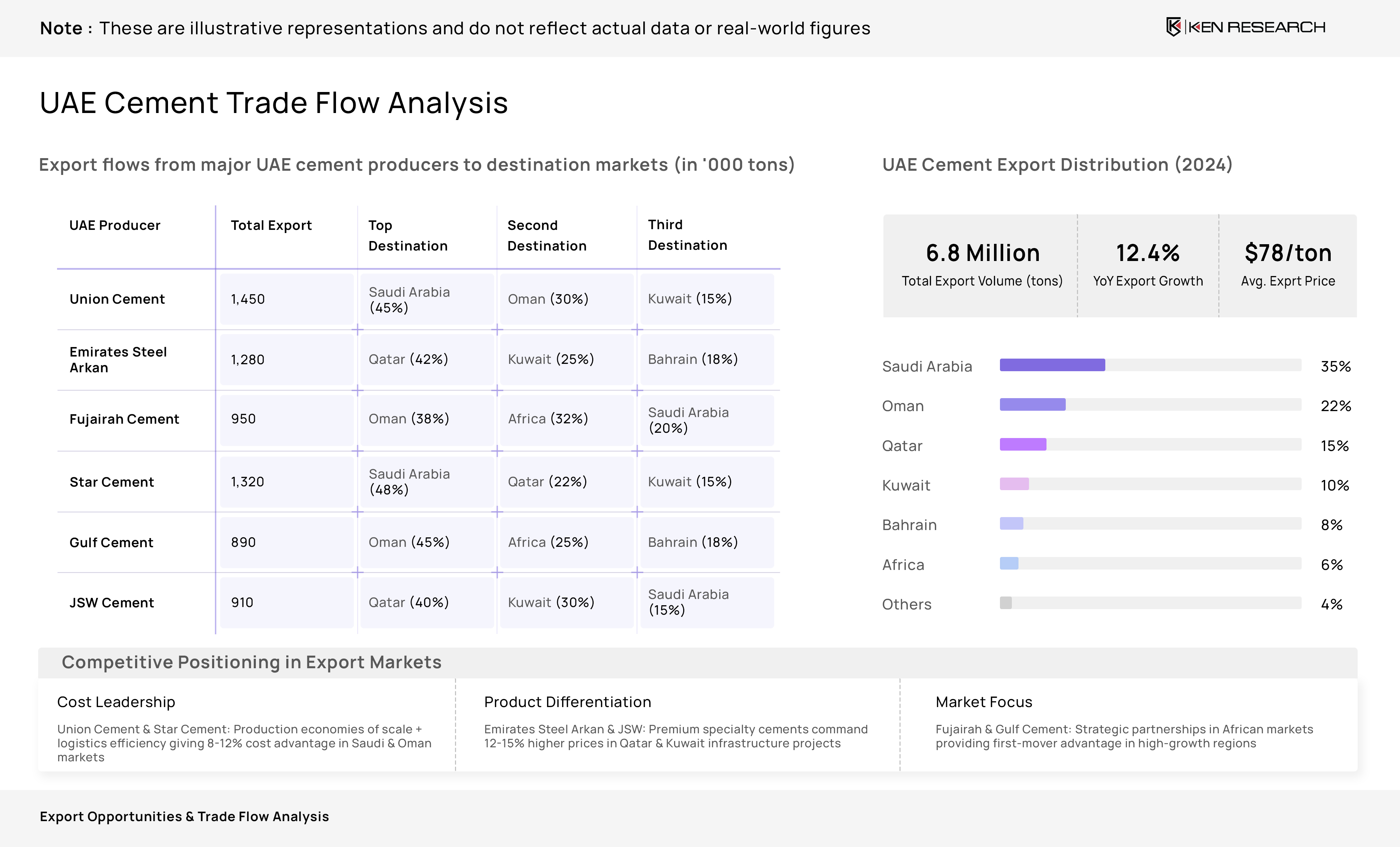
The player set reflects a two-speed market: PSU fuel retailers and large CPOs are positioned to scale physical footprint quickly, while platforms and software-first players strengthen interoperability, payments, and roaming—critical levers to lift utilization and revenue per charger.
Establishment vintage shows an “old infra + new-tech” blend: legacy energy firms bring sites and capex depth, whereas newer CPOs optimize deployment economics through fleet-led demand, corridor strategy, and data-driven operations to stabilize pricing and improve throughput.
Key Operational Performance Metrics
Company Performance Overview
Unlock Market Insights
Dive deeper into production, distribution, and pricing intelligence.
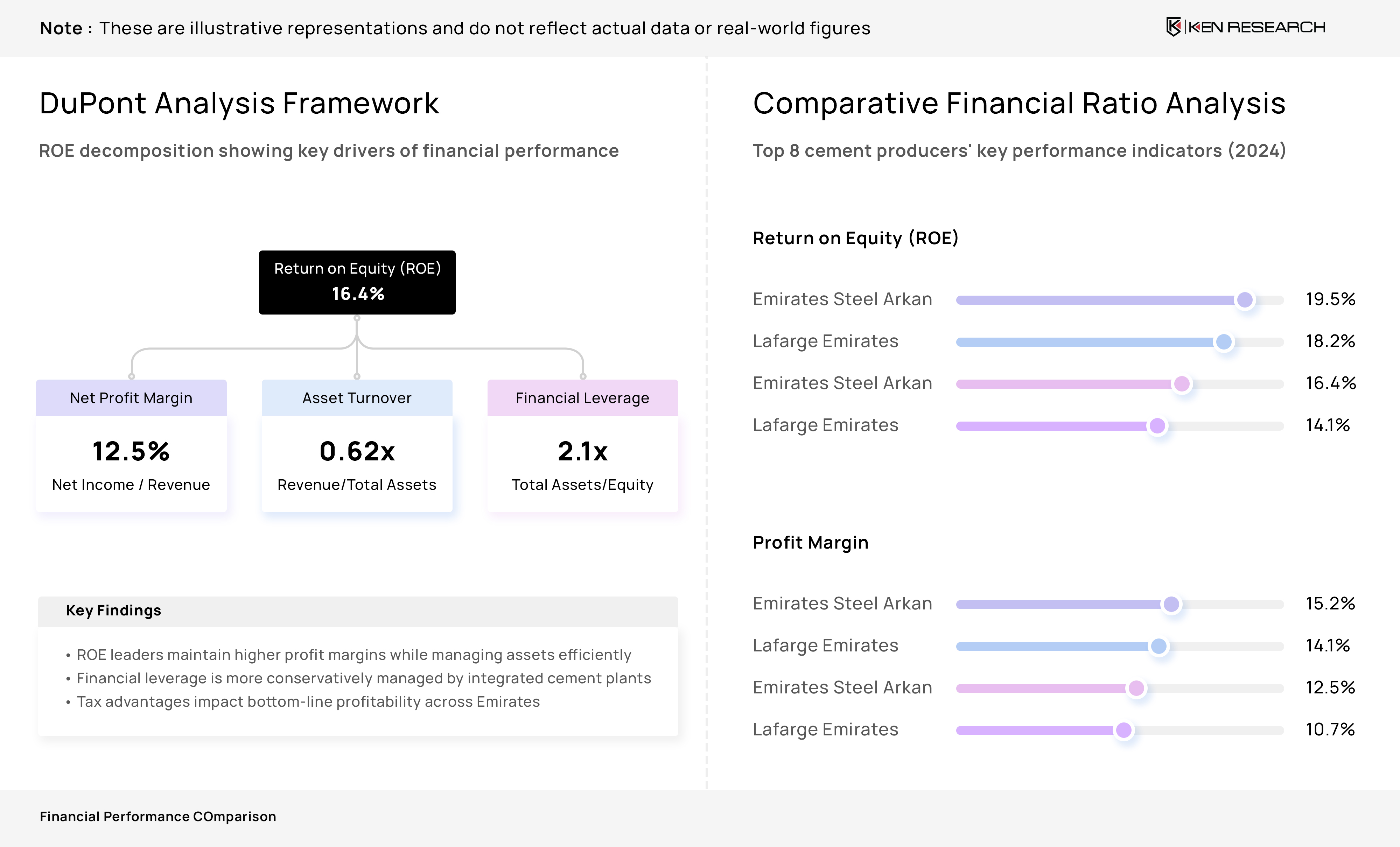
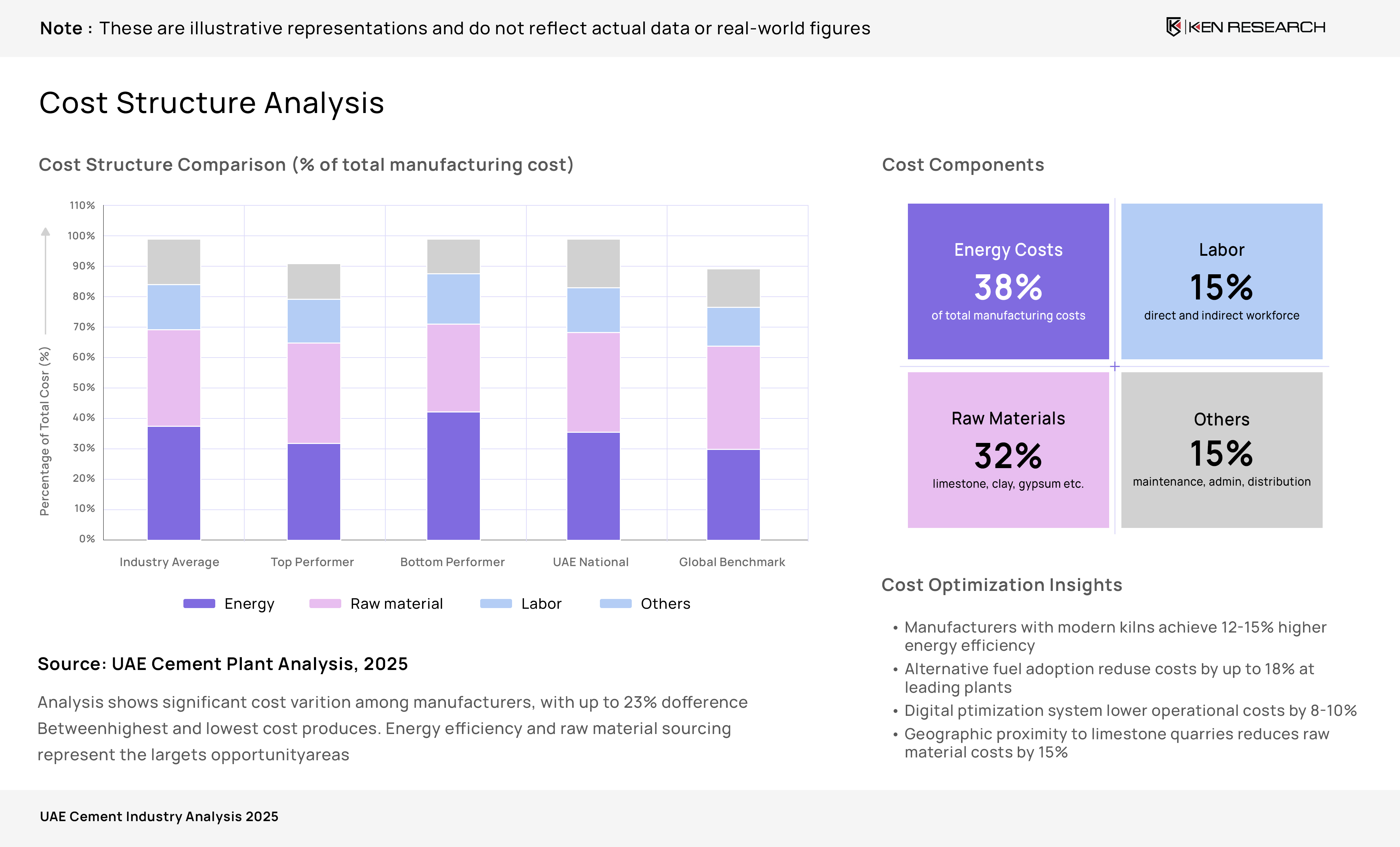
Get Customized ReportRevenue benchmarking in India EV charging is best explained by a “throughput stack”: pricing × sessions × utilization, supported by fleet contracts and recurring O&M/AMC. Leaders typically win by improving uptime, site productivity, and commercial contracting discipline across corridors and dense urban nodes.
As networks scale, monetization expands beyond charging into platform/roaming fees and installation/O&M streams. Competitive gaps often emerge in unit economics per charger, where higher utilization and better pricing realization can offset capex intensity and accelerate breakeven at key sites.
Core Financial Performance Metrics
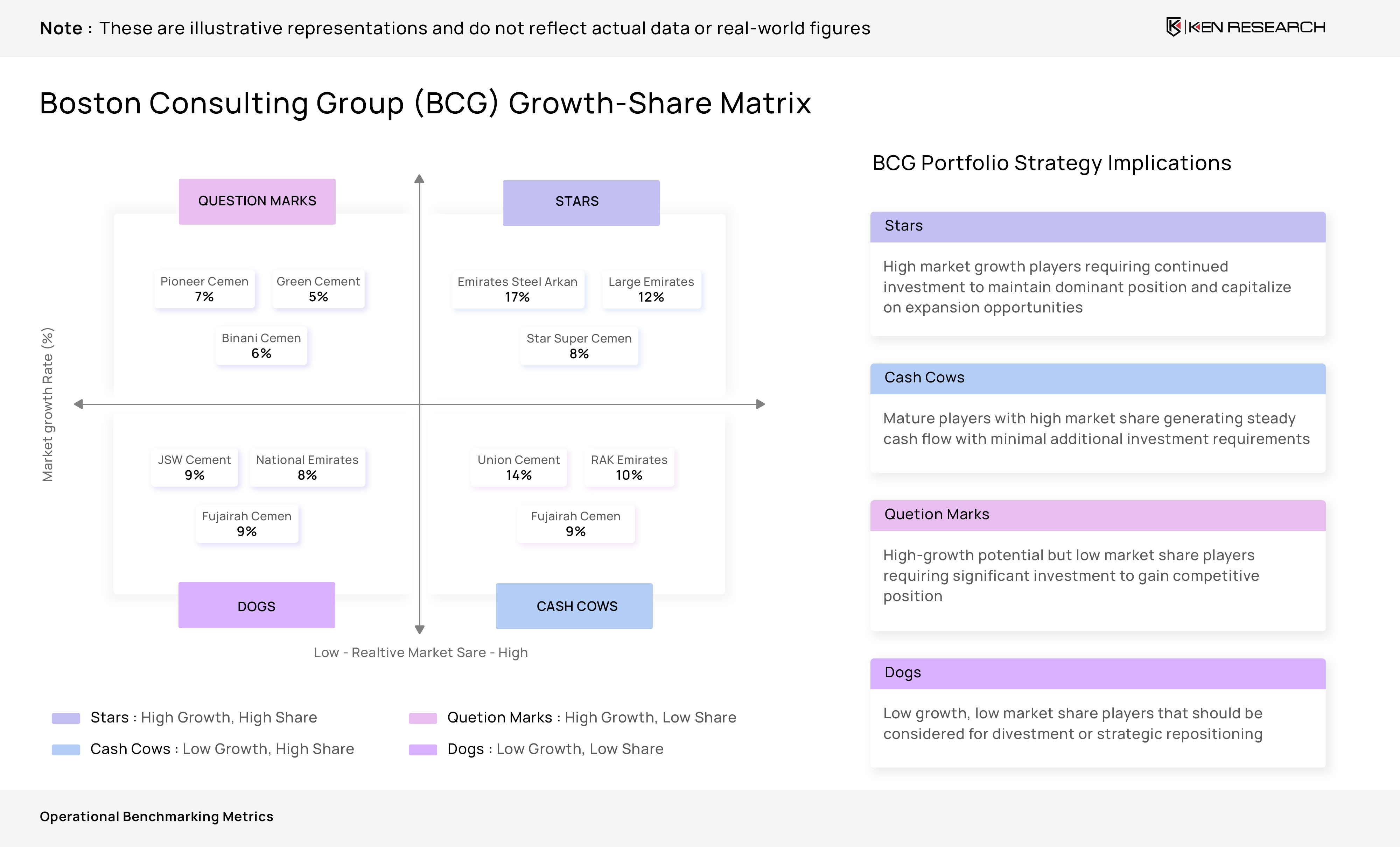
Financial benchmarking in this market typically highlights early-stage scale economics: revenue growth is driven by network expansion, but margin structure depends on utilization and electricity procurement/energy margin management. Stronger operators show improving EBITDA margin as stations mature and throughput stabilizes.
Cross-player comparisons often separate “asset-heavy CPOs” from “platform-led aggregators” on COGS and margin profiles. As competition intensifies, disciplined pricing and improved charger productivity become primary levers to protect EBITDA and reduce cash burn per incremental charger.
Table of Contents
1. Ecosystem Matrix
1.1 Large Players
1.1.1 Tata Power
1.1.2 Jio-bp pulse
1.1.3 Bharat Petroleum Corporation Limited
1.1.4 Indian Oil Corporation Limited
1.1.5 Hindustan Petroleum Corporation Limited
1.1.6 ChargeZone
1.1.7 Statiq
1.1.8 Ather Grid
1.2 Medium Players
1.2.1 Convergence Energy Services Limited
1.2.2 Energy Efficiency Services Limited
1.2.3 Magenta ChargeGrid
1.2.4 Adani Total Gas EV Charging
1.2.5 ElectricPe
1.2.6 Charzer
1.3 Small Players
1.3.1 Zeon Charging
1.3.2 EV Motors India
1.3.3 Numocity
2. Leading Player Profiles
2.1 Parameters
2.1.1 Company Name
2.1.2 Group Name
2.1.3 Headquarters
2.1.4 Established Year
2.1.5 Core Services
2.1.6 Mode of Functioning
3.1 Key Operational Performance Metrics
3.1 Charging Revenue (USD Mn)
3.2 Fleet & B2B Contract Revenue (USD Mn)
3.3 Charger Installation & Commissioning Revenue (USD Mn)
3.4 O&M / AMC Revenue (USD Mn)
3.5 Roaming / Platform Fee Revenue (USD Mn)
3.6 Energy Margin (USD Mn)
3.7 Utilization-Linked Revenue Uplift (USD Mn)
3.8 Pricing (Avg Realized, USD/kWh)
3.9 Sessions / Orders (Count)
3.10 Avg Revenue per Session (USD)
4. Core Financial Performance Metrics
4.1 Parameters
4.1.1 Revenue (USD Mn)
4.1.2 Revenue Growth (%)
4.1.3 COGS (USD Mn)
4.1.4 COGS Growth (%)
4.1.5 EBITDA (USD Mn)
4.1.6 EBITDA Growth (%)
4.1.7 EBITDA Margin (%)
4.1.8 PAT (USD Mn)
4.1.9 PAT Margin (%)
5. Methodology
5.1 Approach
5.1.1 Desk Sources
5.1.2 Primary Interviews
5.1.3 Sanity Checking & Validation
5.2 Benchmarking Process
5.2.1 Data Collection
5.2.2 Primary Validation
5.2.3 Proxy KPI Modelling
5.2.4 Normalization & Indexing
5.2.5 Gap Analysis
5.2.6 Peer Review
5.3 Sample Composition
5.3.1 Scope Items
5.3.2 Sample Size
5.3.3 Target Respondents
Methodology
Ken Research will deploy its proprietary, multi-layered research framework combining robust secondary research, targeted primary outreach, and rigorous data validation to deliver an authoritative competitive benchmarking and landscape assessment of the India Electric Vehicle Charging Providers Market. All proxy KPIs are tailored specifically to the EV charging ecosystem, revenue mechanics, and operating models prevalent in India.
Desk Sources
- Industry reports from proprietary databases and Ken Research internal archives to establish historical benchmarks, market sizing baselines, and the evolution of public and private charging networks across India
- Company annual reports, investor presentations, statutory disclosures, and regulatory filings to extract financials, charging capacity additions, capex intensity, utilization indicators, and strategic priorities
- Government publications and trade-association releases, including Ministry of Power, NITI Aayog, BEE, and state EV policies, to assess regulatory frameworks, incentives, and public-sector participation
- Trade magazines, sector journals, and credible e-articles to track competitive developments, technology shifts such as DC fast charging and roaming platforms, and pricing dynamics
- Financial intelligence platforms, including Bloomberg and Capital IQ, to standardize financial ratios, funding history, and peer comparisons where available
- Web traffic and app-usage dashboards such as SimilarWeb and App Annie to evaluate digital reach, consumer adoption signals, discovery behavior, and platform-led demand indicators
Primary Interviews
- CATI interviews and structured online surveys with category managers, operations heads, and technology leaders of EV charging providers
- In-depth discussions with senior sales and marketing leaders to validate revenue drivers, utilization trends, corridor strategies, and pricing realization
- Interviews with distributors, real-estate partners, fleet operators, and channel partners to validate charger deployment economics, regional demand patterns, and B2B contract structures
- Consultations with industry analysts, consultants, utilities, and technology or service providers to obtain expert-level validation of market dynamics
Sanity Checking & Validation
- Triangulation of estimates by cross-verifying secondary research, primary inputs, and proxy-based financial and operational models
- Proxy KPI synthesis using indicators such as installed charger base, utilization rates, sessions per charger, pricing per kWh, and fleet penetration to approximate revenues
- Outlier analysis to identify anomalous performance indicators and reconcile them through targeted follow-up interviews
- Assumption tracking through a structured log capturing benchmarking assumptions, limitations, and proxy KPI sources
- Internal peer review of methodology, analytical models, and outputs prior to final report sign-off
An Inside Look At Our Custom Insights
Take a look at ourcustomized insights, tailored to yourmarket and business needs. Our benchmarking reports deliver data-driven comparisons of key players, helping you uncover opportunities, assess performance, and make confident strategic decisions.