India Luxury Car Dealers Market
Published on: February 2026
Report Overview
India Luxury Car Dealers Market Overview
Market Highlights
The India Luxury Car Dealers Market features a structured competitive ecosystem where large multi-city dealer groups operate alongside regionally focused mid-sized players and agile niche operators. Large dealers anchor the market through strong OEM relationships, extensive retail and service networks, and integrated offerings across new vehicles, certified pre-owned, financing, and aftersales services, while smaller players increasingly address aspirational demand through specialized luxury resale models.
Global luxury standards strongly ianfluence retail and service practices, but competitive differentiation is driven by localized execution. Dealers tailor product mix, pricing structures, and ownership engagement to regional customer preferences, ensuring relevance while maintaining alignment with OEM brand expectations. This localization extends across service delivery, maintenance programs, and resale strategies that enhance customer lifetime value.
The distribution and aftersales ecosystem plays a decisive role in shaping brand loyalty and repeat purchases. Players with dense service networks, strong customer engagement, and high retention benefit from more stable revenue streams and improved margin resilience. Looking ahead, strategic agility, operational discipline, and technology integration will continue to define leadership and long-term competitiveness in the India Luxury Car Dealers Market.
Ecosystem Matrix
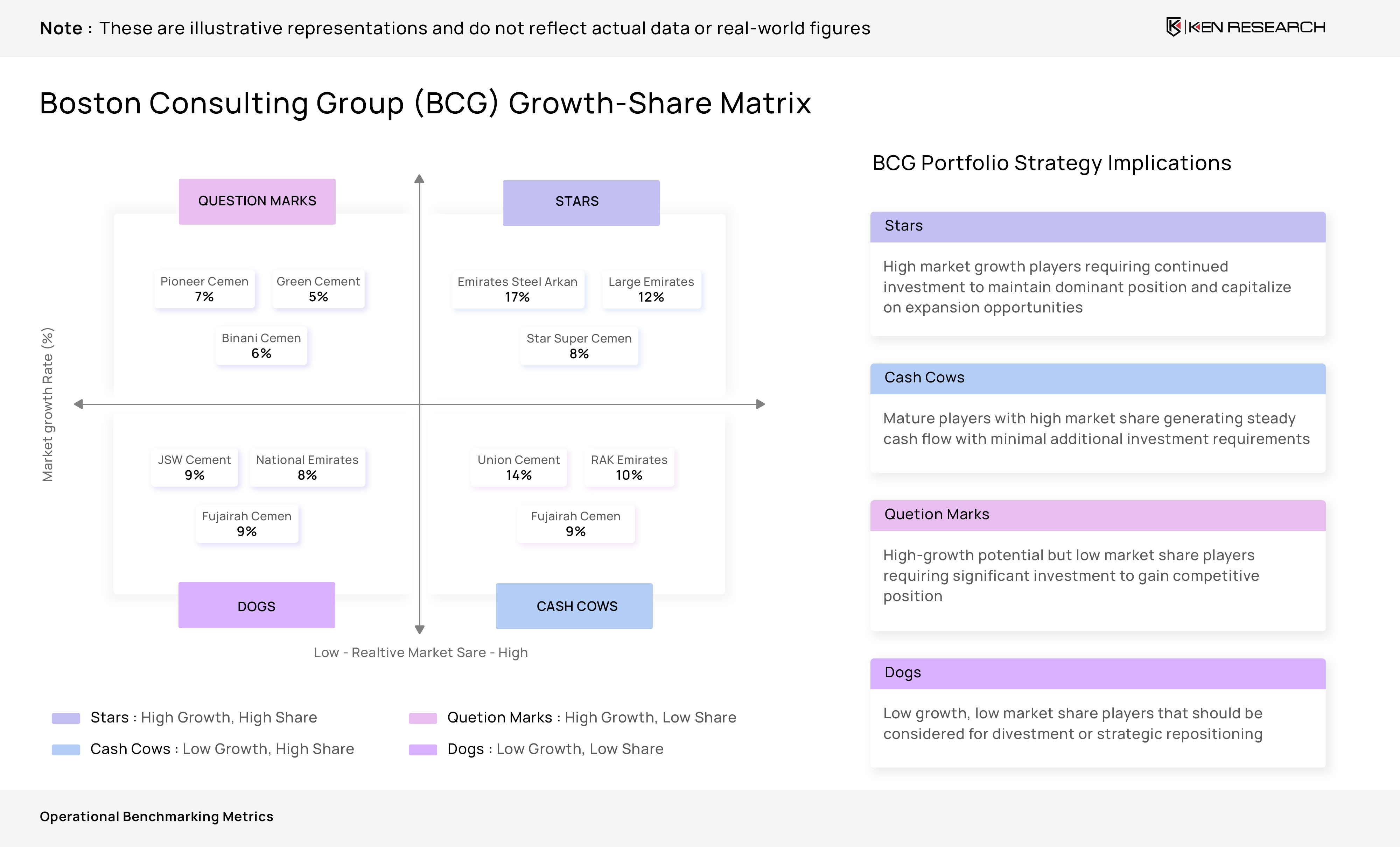
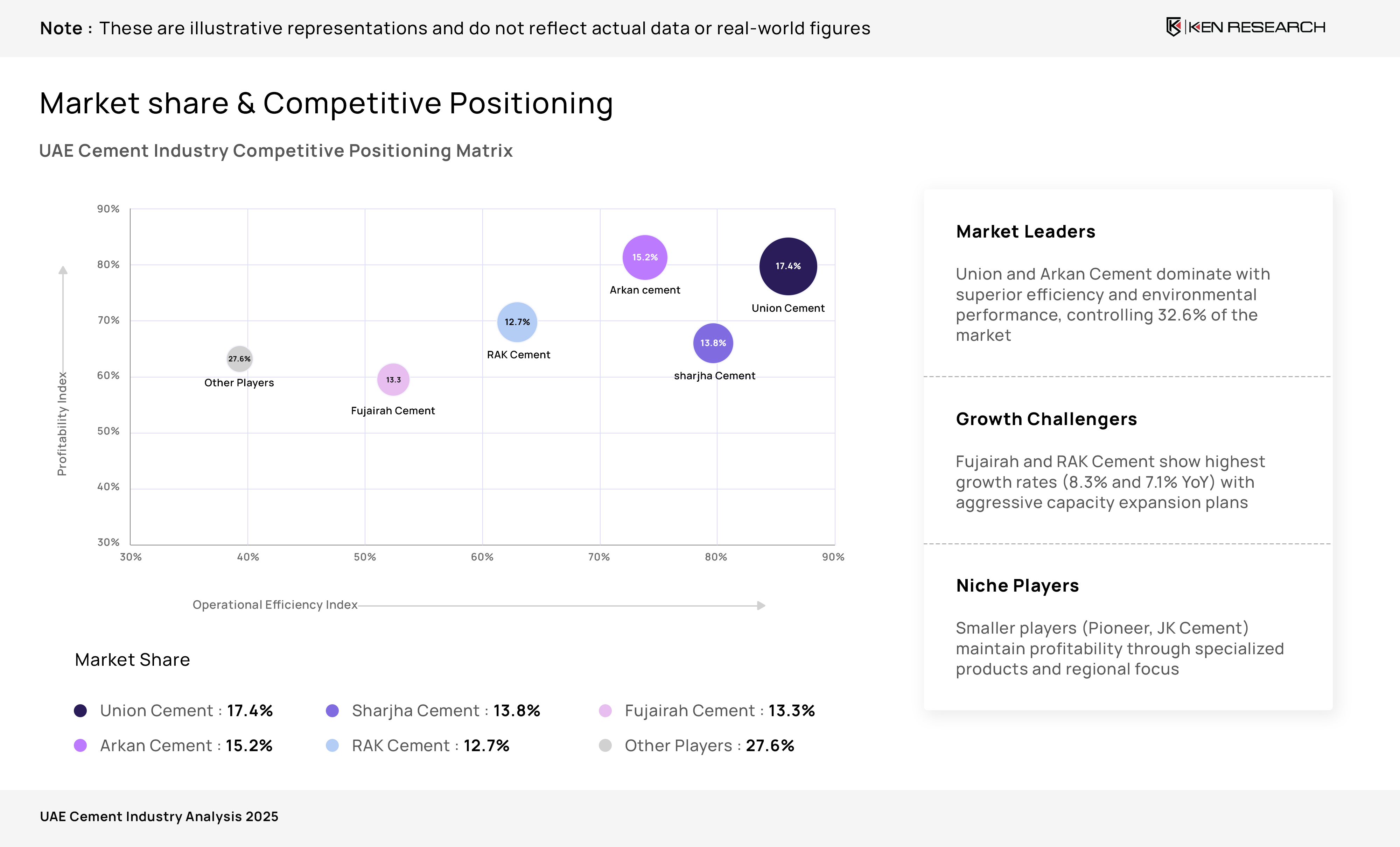
The ecosystem shows a clear hierarchy driven by dealership authorization, geographic scale, and service infrastructure depth. Large players dominate OEM relationships and throughput, while medium and small players compete through regional strength, niche focus, and higher realization per transaction.
Competitive intensity is shifting toward monetization across the ownership lifecycle. Players with strong pre-owned pipelines, finance penetration, accessories, and service retention are structurally better positioned to stabilize revenues during demand fluctuations.
Leading Player Profiles
Company Profile Overview
Player profiles indicate a strong divide between OEM-authorized revenue models and asset-light pre-owned specialists. Authorized dealers rely on volume stability and OEM incentives, while pre-owned players focus on inventory turnover and margin spread.
Establishment timelines show rapid post-2015 expansion in organized pre-owned luxury retail, reflecting structural demand for affordability, faster ownership cycles, and asset value optimization.
Key Operational Performance Metrics
Company Performance Overview
Unlock Market Insights
Dive deeper into production, distribution, and pricing intelligence.
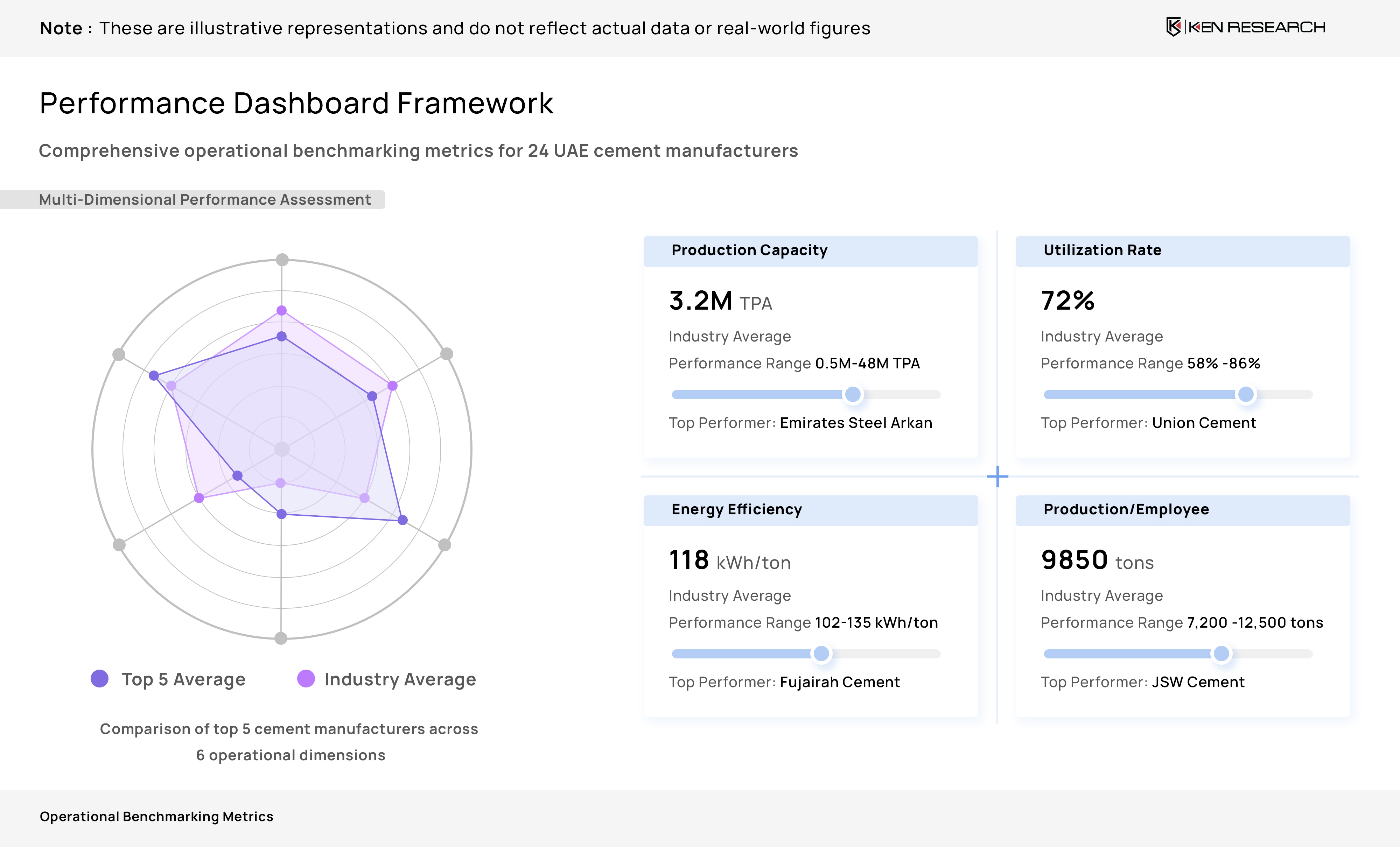
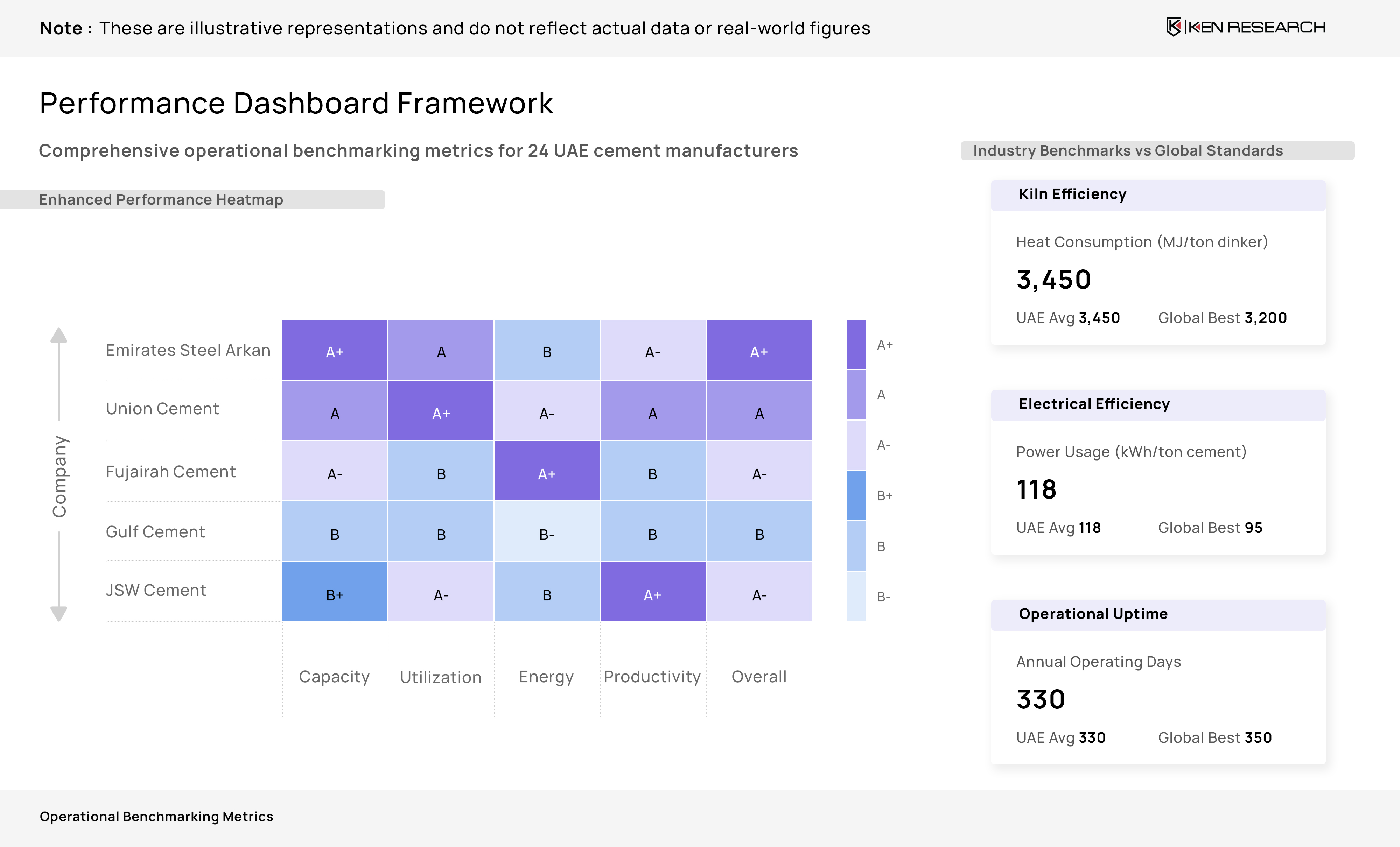
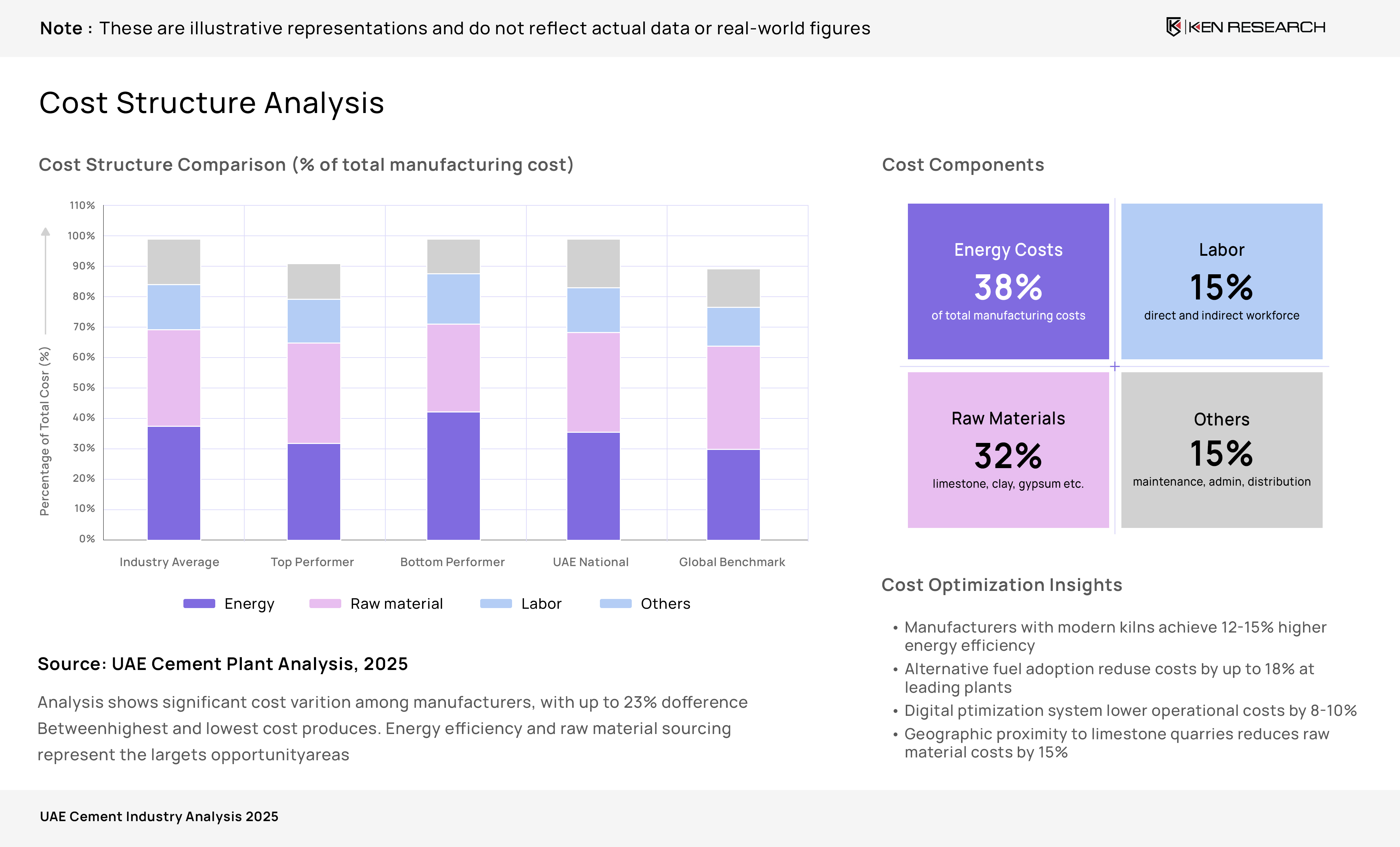
Get Customized ReportRevenue generation is strongly correlated with pricing discipline, conversion efficiency, and after-sales monetization rather than headline unit volumes alone. Dealers with higher F&I and service attachment consistently achieve superior contribution margins.
Operational benchmarking highlights a growing reliance on service retention and accessories penetration to offset volatility in new-car demand, particularly as discounting pressures increase in competitive metro markets.
Core Financial Performance Metrics
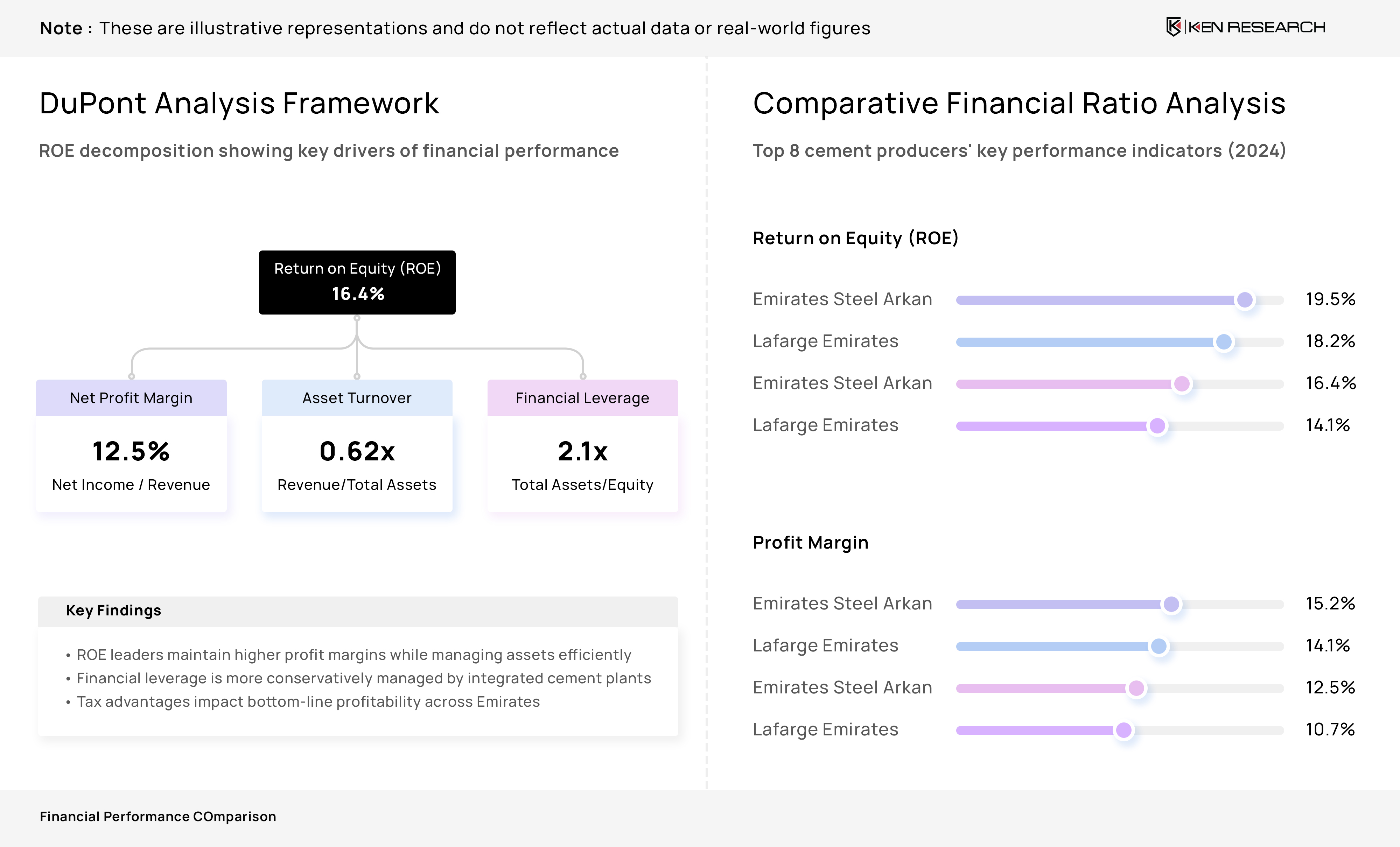
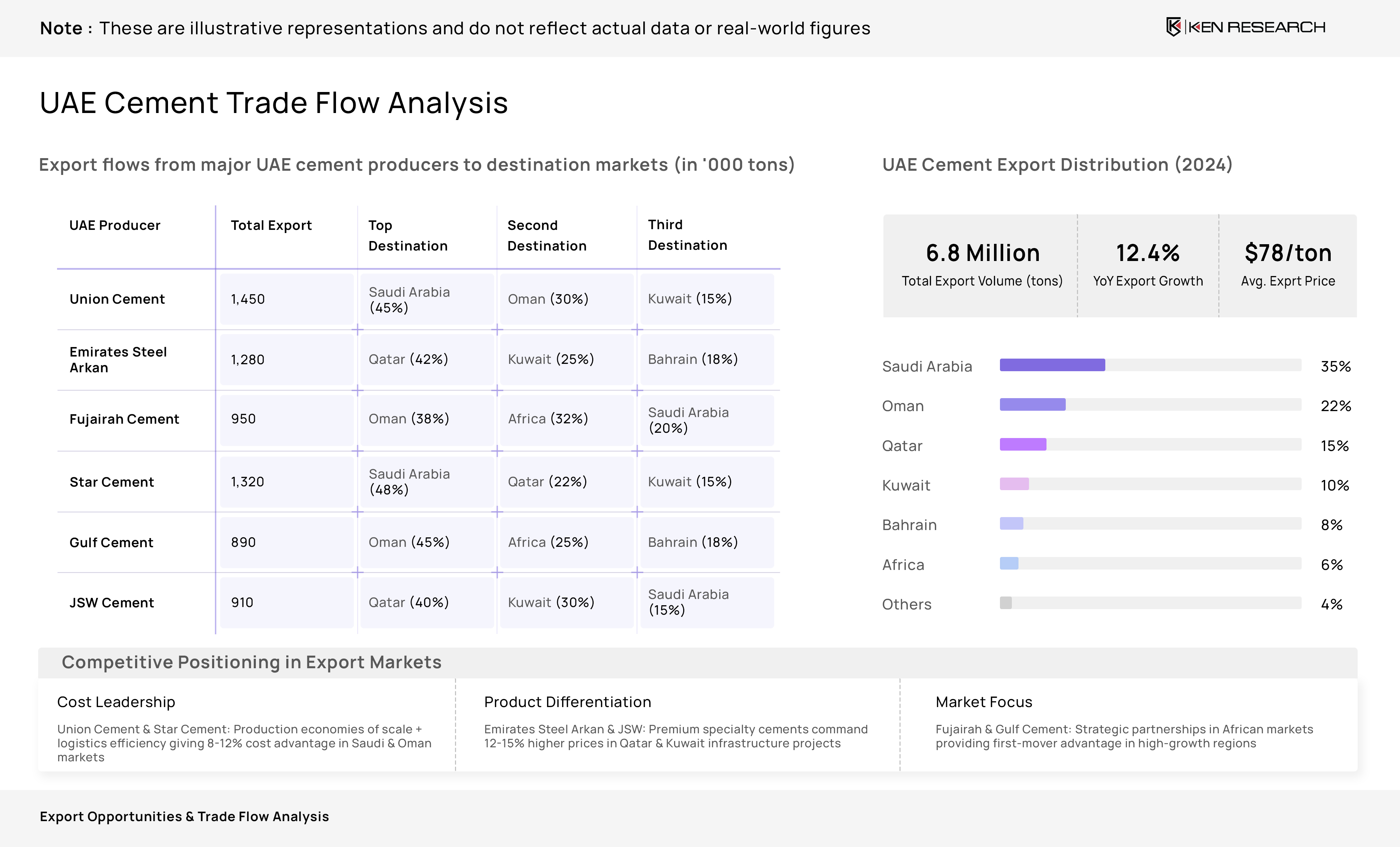
Financial performance dispersion across players is driven less by topline scale and more by EBITDA efficiency, cost discipline, and service revenue mix. Larger dealer groups tend to show lower margin volatility due to diversified city exposure.Pre-owned specialists often demonstrate superior EBITDA margins but face higher working-capital sensitivity, making inventory velocity and pricing accuracy critical determinants of sustainable profitability.
Table of Contents
1. Ecosystem Matrix
1.1 Large Players
1.1.1 Landmark Cars
1.1.2 T&T Motors
1.1.3 Navnit Motors
1.1.4 Infinity Cars
1.1.5 Deutsche Motoren
1.1.6 KUN Exclusive
1.1.7 Auto Hangar
1.1.8 Shaman Wheels
1.1.9 Jubilant MotorWorks
1.1.10 Bird Automotive
1.2 Medium Players
1.2.1 Bavaria Motors
1.2.2 Central Star (Mercedes-Benz)
1.2.3 Silver Star (Mercedes-Benz)
1.2.4 Kropex Auto
1.2.5 EVM Premium Cars
1.3 Small Players
1.3.1 Big Boy Toyz
1.3.2 Luxury Ride
1.3.3 Shiva Motocorp (JLR)
1.3.4 Select Cars
1.3.5 Autohanger Prive
1.3.6 Dream Car India
1.3.7 Vroom Wheel
1.3.8 CarzSpa Luxe
2. Leading Player Profiles
2.1 Parameters
2.1.1 Company Name
2.1.2 Group Name
2.1.3 Headquarters
2.1.4 Established Year
2.1.5 Core Services
2.1.6 Mode of Functioning
3. Key Operational Performance Metrics
3.1 Pricing (Avg Vehicle ASP, USD)
3.2 New Car Sales Volume (Units)
3.3 Used Luxury Sales Volume (Units)
3.4 Finance & Insurance Revenue (USD Mn)
3.5 Accessories Revenue (USD Mn)
3.6 After-sales Revenue (USD Mn)
3.7 Gross Margin per Vehicle (USD)
3.8 Test Drive Conversion (%)
3.9 Service Retention (%)
4. Core Financial Performance Metrics
4.1 Parameters
4.1.1 Revenue (USD Mn)
4.1.2 Revenue Growth (%)
4.1.3 COGS (USD Mn)
4.1.4 COGS Growth (%)
4.1.5 EBITDA (USD Mn)
4.1.6 EBITDA Growth (%)
4.1.7 EBITDA Margin (%)
4.1.8 PAT (USD Mn)
4.1.9 PAT Margin (%)
5. Methodology
5.1 Approach
5.1.1 Desk Sources
5.1.2 Primary Interviews
5.1.3 Sanity Checking & Validation
5.2 Benchmarking Process
5.2.1 Data Collection
5.2.2 Primary Validation
5.2.3 Proxy KPI Modelling
5.2.4 Normalization & Indexing
5.2.5 Gap Analysis
5.2.6 Peer Review
5.3 Sample Composition
5.3.1 Scope Items
5.3.2 Sample Size
5.3.3 Target Respondents
Methodology
Ken Research will deploy its proprietary, multi layered research framework combining robust secondary research, targeted primary outreach, and rigorous data validation to deliver an authoritative competitive benchmarking analysis of the India Luxury Car Dealers Market. The methodology is designed to ensure consistency across player comparisons, reliability of proxy-based estimations, and strong alignment with revenue-driving operational and financial KPIs specific to luxury automotive retail and aftersales ecosystems.
Desk Sources
- Industry reports from proprietary databases and Ken Research internal archives for historical benchmarks and market baselines
- Company annual reports, investor presentations, and statutory disclosures to extract financials, operational scale, and strategic priorities
- Government publications and trade-association releases for regulatory context, taxation, and automotive policy landscape
- Trade magazines, journals, and e-articles to track dealership expansion, pricing dynamics, and OEM strategy shifts
- Financial intelligence platforms such as Bloomberg and Capital IQ for standardized financial ratios and peer benchmarking
- Web traffic and digital engagement platforms such as SimilarWeb to assess brand reach, lead generation strength, and digital sales influence
Primary Interviews
- CATI interviews and structured discussions with senior management, dealership principals, and operational heads at luxury car dealers
- In-depth interviews with sales and marketing leaders to validate pricing strategies, conversion ratios, and customer acquisition dynamics
- Discussions with finance, insurance, and accessory partners to assess non-vehicle revenue contribution
- Consultations with industry experts, automotive consultants, and former OEM executives to validate competitive positioning and strategic direction
Sanity Checking and Validation
- Triangulation of estimates through cross-verification of secondary research, primary insights, and proxy-based outputs
- Proxy KPI synthesis using indicators such as showroom footprint, service bay capacity, inventory throughput, digital traffic, and average transaction values to estimate revenues where disclosures are limited
- Outlier analysis to identify deviations in margins, growth patterns, or operating efficiency
- Structured assumption logging to document limitations, data gaps, and estimation logic
- Internal peer review of analytical models, benchmarks, and conclusions prior to finalization
An Inside Look At Our Custom Insights
Take a look at ourcustomized insights, tailored to yourmarket and business needs. Our benchmarking reports deliver data-driven comparisons of key players, helping you uncover opportunities, assess performance, and make confident strategic decisions.