India Payment Gateway Providers Market
Published on: March 2026
Report Overview
India Payment Gateway ProvidersMarket Overview
Market Highlights
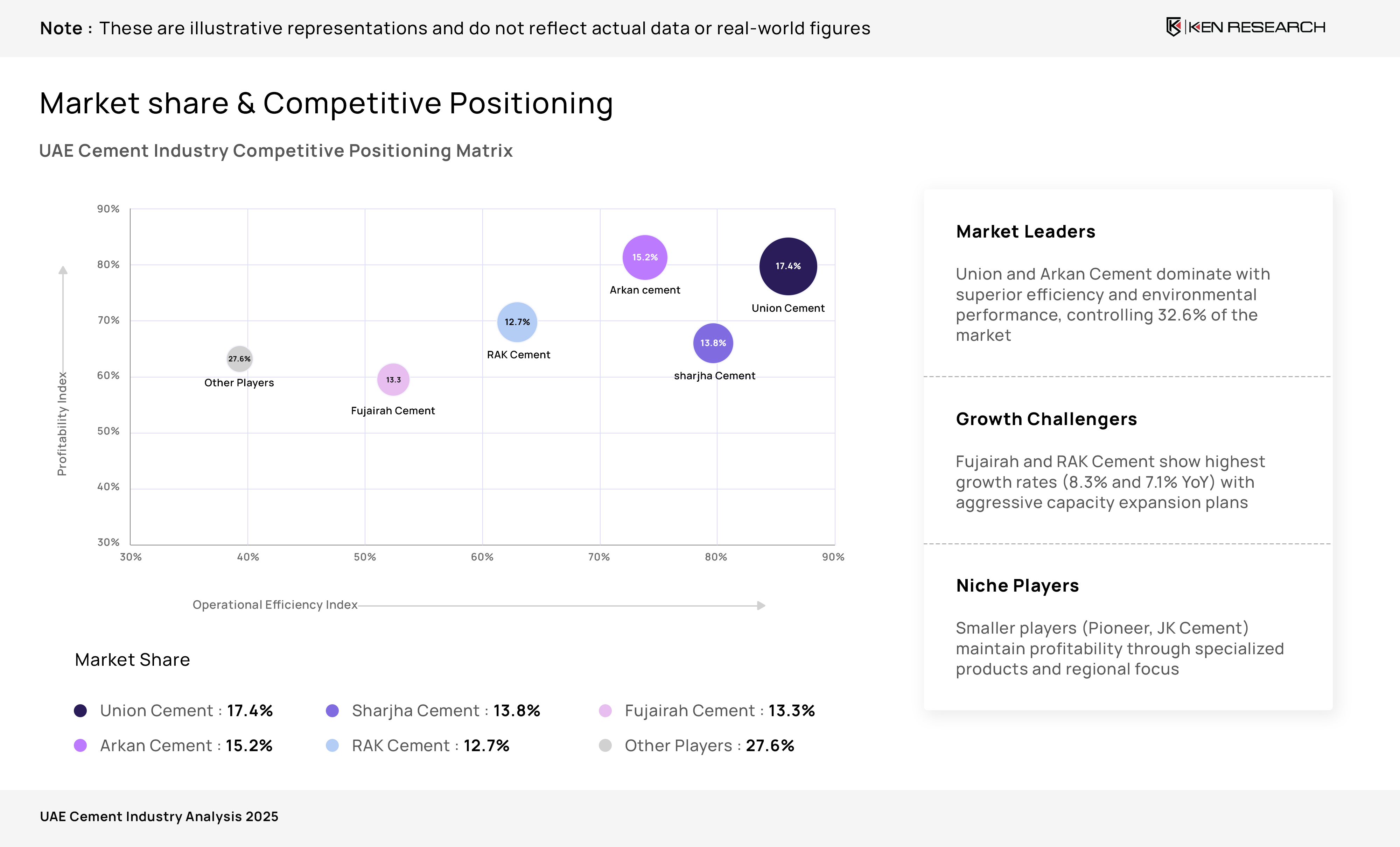
The India Payment Gateway Providers Market reflects a highly dynamic and layered competitive environment where scaled payment platforms, enterprise-focused processors, and agile domestic specialists compete across a broad merchant landscape. Larger players hold advantage through stronger brand recall, deeper banking and ecosystem partnerships, wider payment mode support, and integrated product stacks that extend beyond gateway functionality into payouts, subscriptions, settlement tools, reconciliation, and merchant enablement solutions. Alongside them, mid-tier and emerging firms continue to build relevance through sharper vertical focus, faster implementation, more flexible integration models, and stronger responsiveness to underserved merchant segments. This interplay has created a market in which competitive strength is shaped not only by size, but by the ability to solve merchant workflows with speed, reliability, and breadth.
A defining characteristic of this market is the fusion of advanced payment innovation with strong local adaptation. While many leading players deploy sophisticated infrastructure, orchestration layers, and API-driven architecture, competitive success in India depends heavily on tailoring payment experiences to local merchant expectations, checkout behavior, regional business practices, and evolving digital commerce formats. Domestic players often demonstrate an edge in localizing onboarding flows, settlement structures, service support, and payment acceptance design for Indian merchants across sectors. This localized adaptability, when combined with robust technology, allows providers to serve both fast-scaling online businesses and more traditional merchant categories with greater relevance and efficiency.
The distribution and aftersales ecosystem is equally central to market competitiveness. Merchant acquisition is influenced not only by direct sales capabilities but also by partner channels, platform integrations, developer ecosystems, aggregator relationships, and support infrastructure. Providers that deliver smoother onboarding, dependable technical support, responsive issue resolution, consistent transaction routing, and effective settlement management are more likely to sustain merchant loyalty and reduce switching risk. In a category where operational continuity directly affects merchant revenue, aftersales performance and service dependability have become important competitive differentiators rather than secondary support functions.
Strategic advantage in the market is increasingly defined by operational efficiency, pricing discipline, technology integration, and the ability to deepen monetization beyond core transaction processing. Large players are better placed to compete through scale, enterprise readiness, and platform extensibility, while smaller and mid-sized players often differentiate through agility, customization, and targeted service propositions. Looking ahead, competition in the India Payment Gateway Providers Market will continue to be shaped by the balance between innovation, localization, and strategic responsiveness. Players that can combine strong technology infrastructure with merchant-centric execution, high service reliability, and adaptable business models are likely to sustain leadership as digital payments deepen across India’s commerce ecosystem.
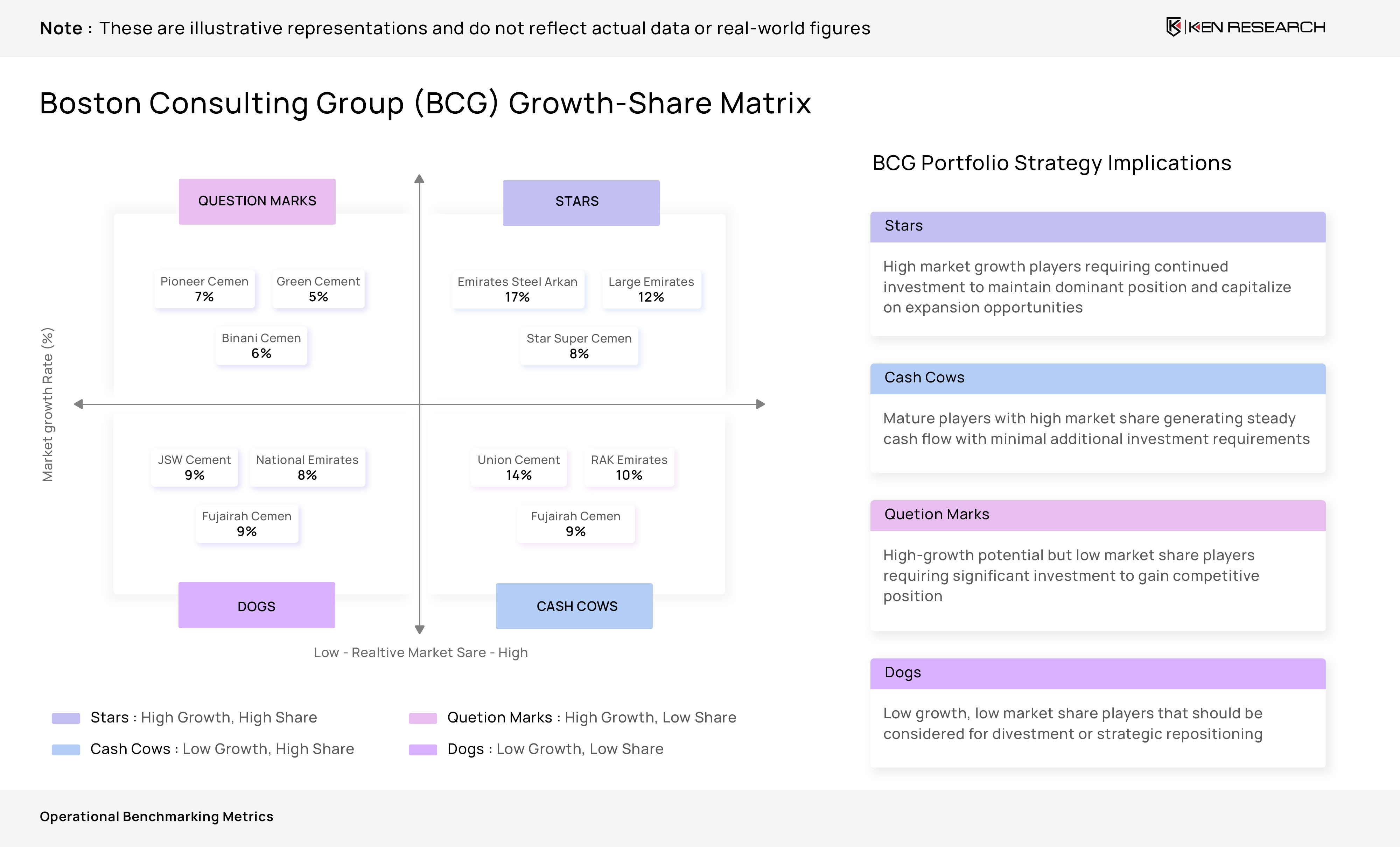
Ecosystem Matrix
The Indian payment gateway market shows clear concentration among scaled domestic platforms that combine payment acceptance, payouts, checkout optimization, and enterprise integrations. Large players benefit from deeper merchant acquisition engines, stronger bank partnerships, and wider multi-product monetization levers across sectors.
Mid-sized and emerging players remain relevant by specializing in vertical workflows, SME onboarding, regional merchant penetration, and flexible APIs. Market competition increasingly depends on transaction success rates, pricing discipline, settlement efficiency, and attach rates for value-added payment infrastructure services.
Leading Player Profiles
Company Profile Overview
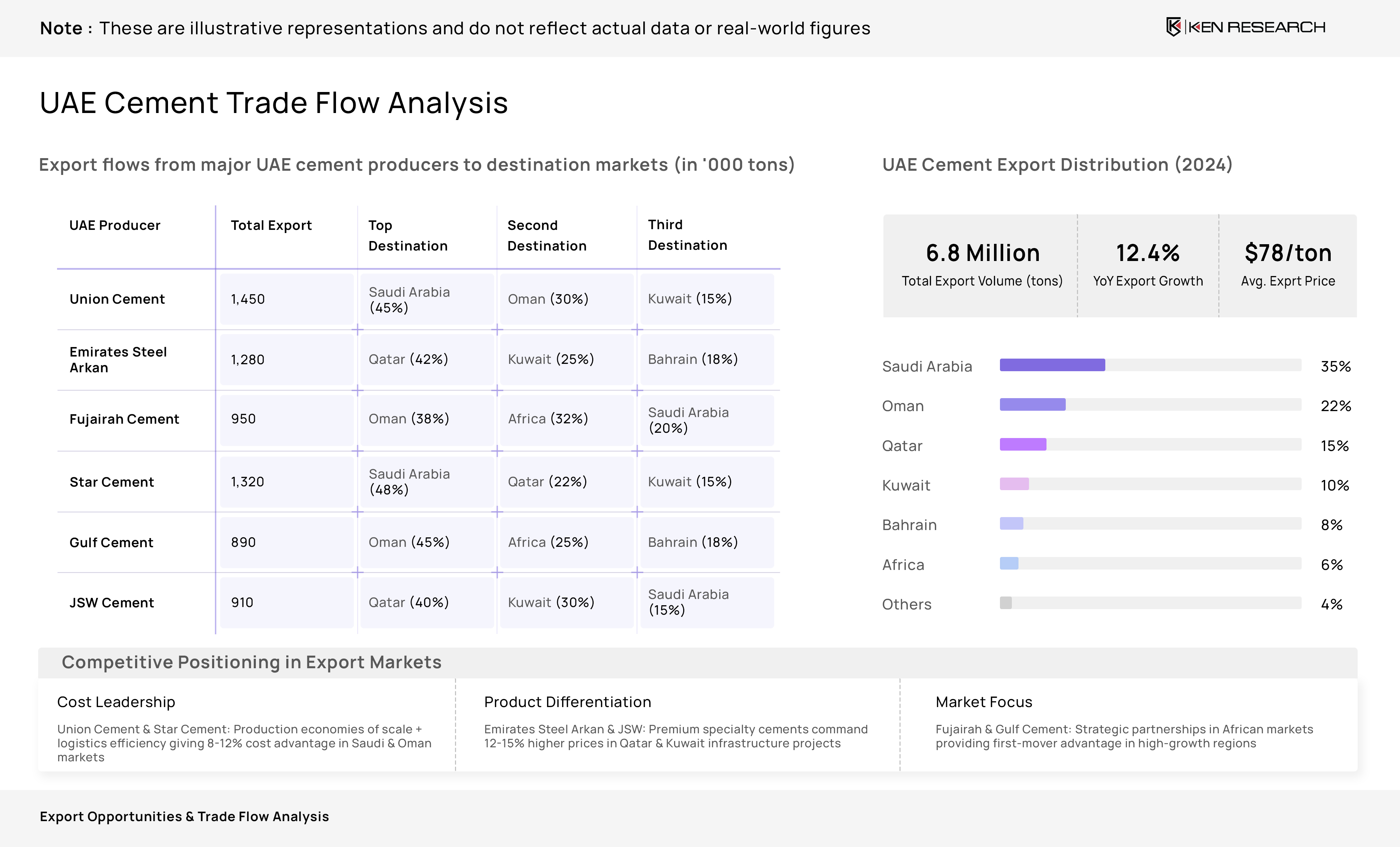
The leading player set reflects a market where scale is built through merchant breadth, payment mode depth, and workflow expansion beyond basic checkout. Firms with stronger orchestration, payouts, and verticalized merchant solutions are better positioned to defend take rates.
Competitive intensity is no longer driven only by gateway availability. Companies with stronger enterprise servicing models, omnichannel capabilities, recurring payment support, and embedded financial operations are increasingly capturing higher-value merchant relationships across India’s digital commerce ecosystem.
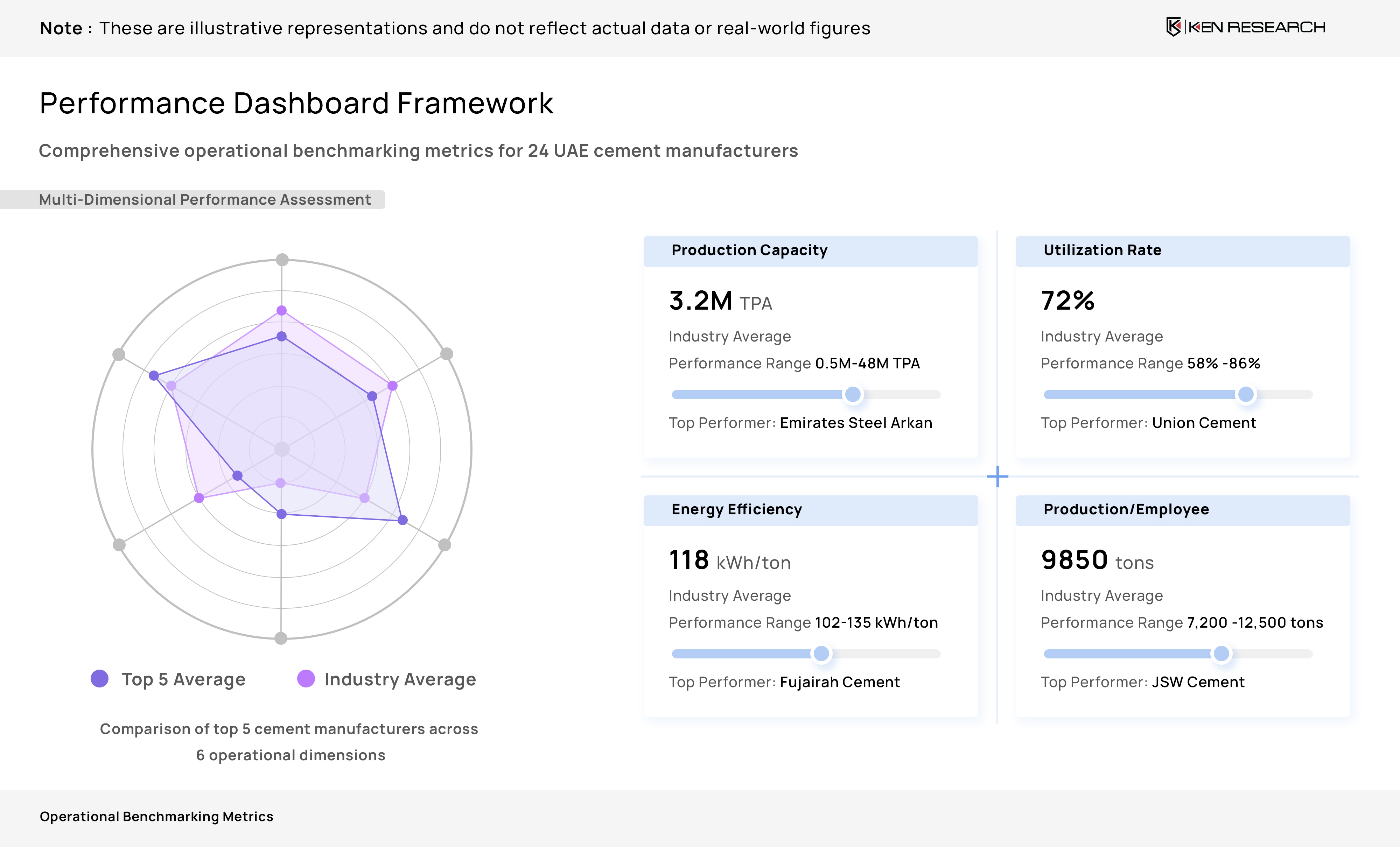
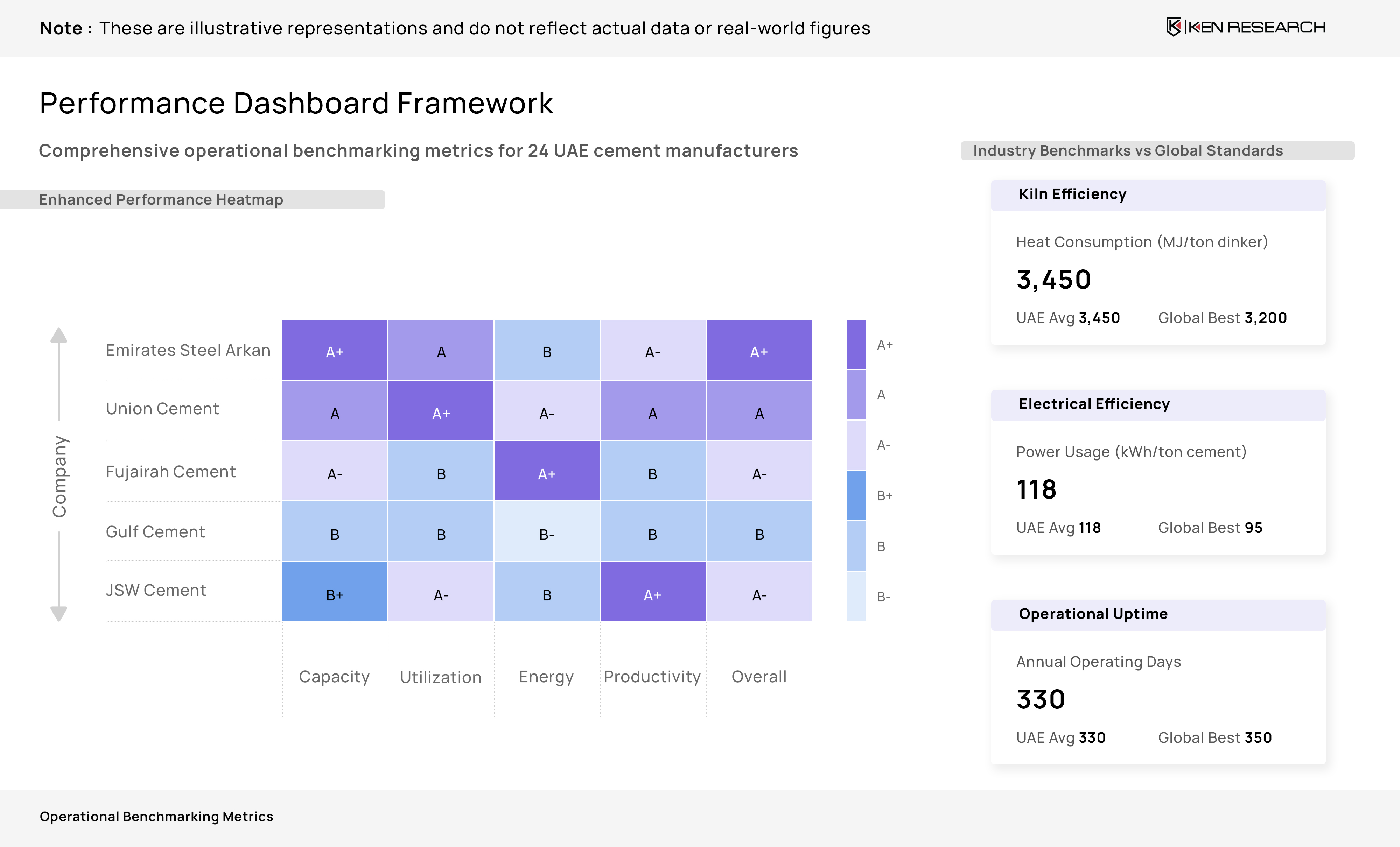
Key Operational Performance Metrics
Company Performance Overview
Unlock Market Insights
Dive deeper into production, distribution, and pricing intelligence.
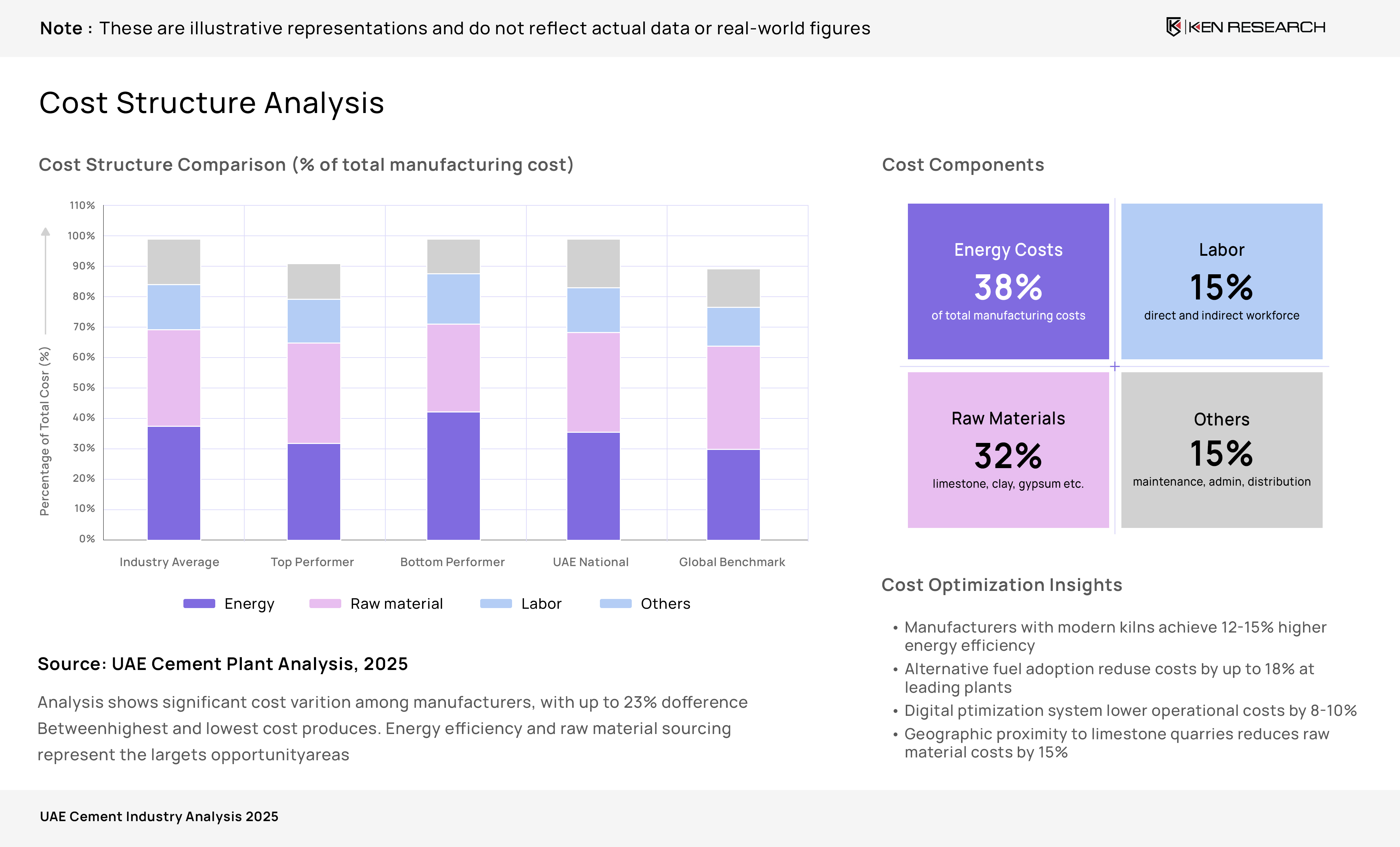
Get Customized ReportRevenue formation in this market is fundamentally volume-led, but realized monetization depends heavily on blended pricing, merchant quality, transaction mix, and payment success. Cross-border flows, subscriptions, and value-added product adoption materially improve yield per merchant.
For benchmarking, the most meaningful operating differences typically emerge from TPV concentration, merchant activation quality, recurring use cases, and enterprise share. Platforms with better conversion and broader monetizable services usually sustain stronger revenue quality despite pricing pressure.
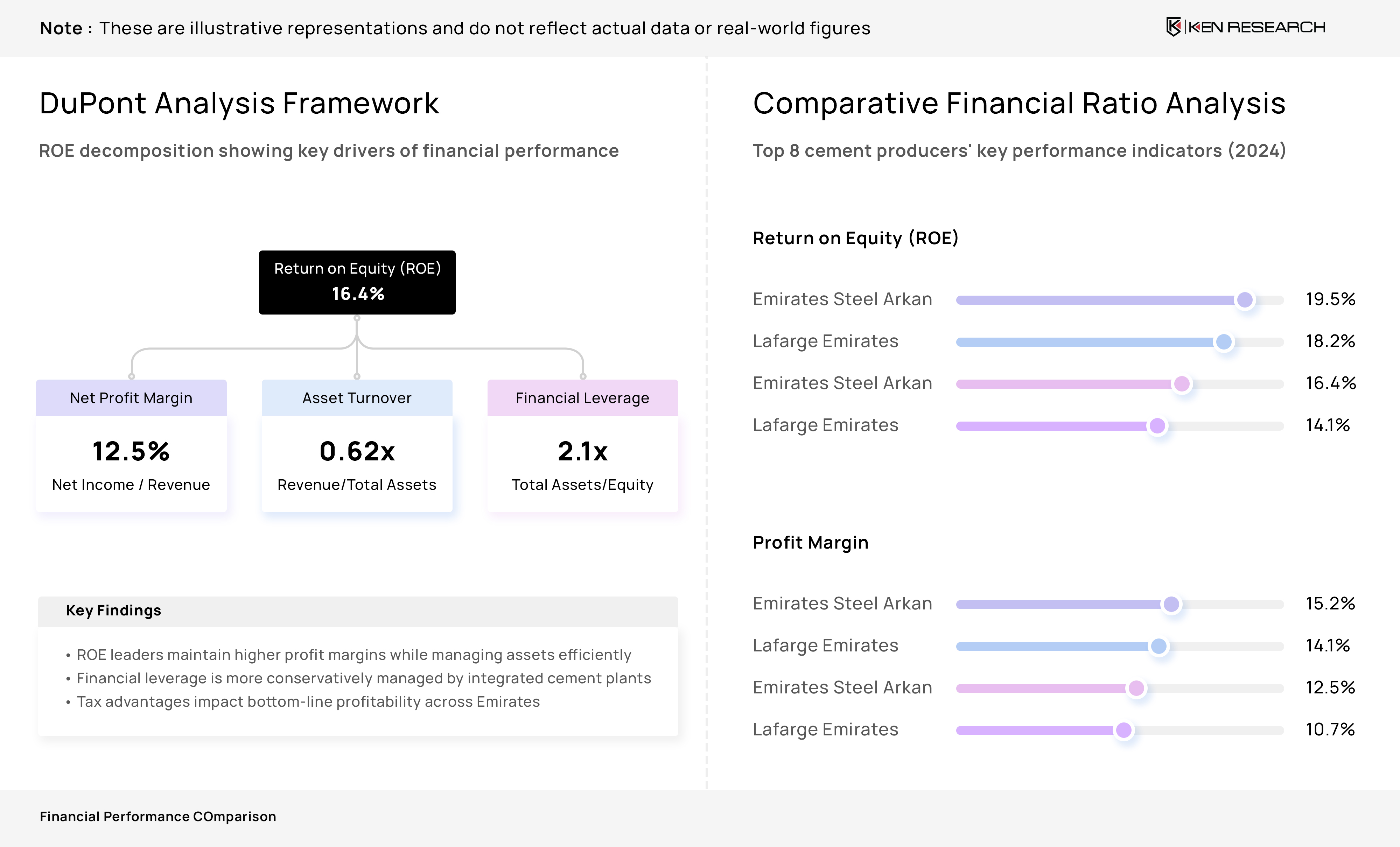
Core Financial Performance Metrics
Financial benchmarking in Indian payment gateways must be read alongside transaction scale and product mix, since gross revenue alone can mask differences in pricing structure, partner payouts, and technology-led operating leverage across merchant segments.
EBITDA and PAT quality usually separate scaled platforms from growth-stage peers. Companies with stronger enterprise mix, higher attach rates on adjacent services, and tighter cost-to-volume conversion are generally better placed to protect margins in a competitive pricing environment.
Table of Contents
1. Ecosystem Matrix
1.1 Large Players
1.1.1 Razorpay Software Private Limited
1.1.2 PayU Payments Private Limited
1.1.3 IndiaIdeas.com Limited (BillDesk)
1.1.4 Infibeam Avenues Limited (CCAvenue)
1.1.5 Cashfree Payments India Private Limited
1.1.6 One97 Communications Limited (Paytm)
1.1.7 PhonePe Private Limited
1.2 Medium Players
1.2.1 Pine Labs Private Limited (Plural)
1.2.2 NTT DATA Payment Services India Limited
1.2.3 Juspay Technologies Private Limited
1.2.4 One MobiKwik Systems Limited
1.2.5 Easebuzz Private Limited
1.3 Small Players
1.3.1 Airpay Payment Services Private Limited
1.3.2 Innoviti Technologies Private Limited
1.3.3 IppoPay Technologies Private Limited
2. Leading Player Profiles
2.1 Parameters
2.1.1 Company Name
2.1.2 Group Name
2.1.3 Headquarters
2.1.4 Established Year
2.1.5 Core Services
2.1.6 Mode of Functioning
3. Key Operational Performance Metrics
3.1 Parameters
3.1.1 Pricing / Blended Take Rate (%)
3.1.2 Processed Payment Value / TPV (INR Mn)
3.1.3 Total Transactions Processed (Mn)
3.1.4 Active Merchants (Count)
3.1.5 Average Revenue per Merchant (INR)
3.1.6 Payment Success Rate (%)
3.1.7 Cross-border TPV (INR Mn)
3.1.8 Value-added Product Attach Rate (%)
3.1.9 Recurring Payments Share (% of TPV)
3.1.10 Enterprise Merchant Share (% of TPV)
4. Core Financial Performance Metrics
4.1 Parameters
4.1.1 Revenue (USD Mn)
4.1.2 Revenue Growth (%)
4.1.3 COGS (USD Mn)
4.1.4 COGS Growth (%)
4.1.5 EBITDA (USD Mn)
4.1.6 EBITDA Growth (%)
4.1.7 EBITDA Margin (%)
4.1.8 PAT (USD Mn)
4.1.9 PAT Margin (%)
5. Methodology
5.1 Approach
5.1.1 Desk Sources
5.1.2 Primary Interviews
5.1.3 Sanity Checking & Validation
5.2 Benchmarking Process
5.2.1 Data Collection
5.2.2 Primary Validation
5.2.3 Proxy KPI Modelling
5.2.4 Normalization & Indexing
5.2.5 Gap Analysis
5.2.6 Peer Review
5.3 Sample Composition
5.3.1 Scope Items
5.3.2 Sample Size
5.3.3 Target Respondents
Methodology
Ken Research will deploy its proprietary, multi layered research framework, combining robust secondary research, targeted primary outreach, and rigorous data validation, to deliver an authoritative competitive landscape analysis of the India Payment Gateway Providers Market.
An Inside Look At Our Custom Insights
Take a look at ourcustomized insights, tailored to yourmarket and business needs. Our benchmarking reports deliver data-driven comparisons of key players, helping you uncover opportunities, assess performance, and make confident strategic decisions.