India Retail Banking Market
Published on: March 2026
Report Overview
India Retail Banking Market Overview
Market Highlights
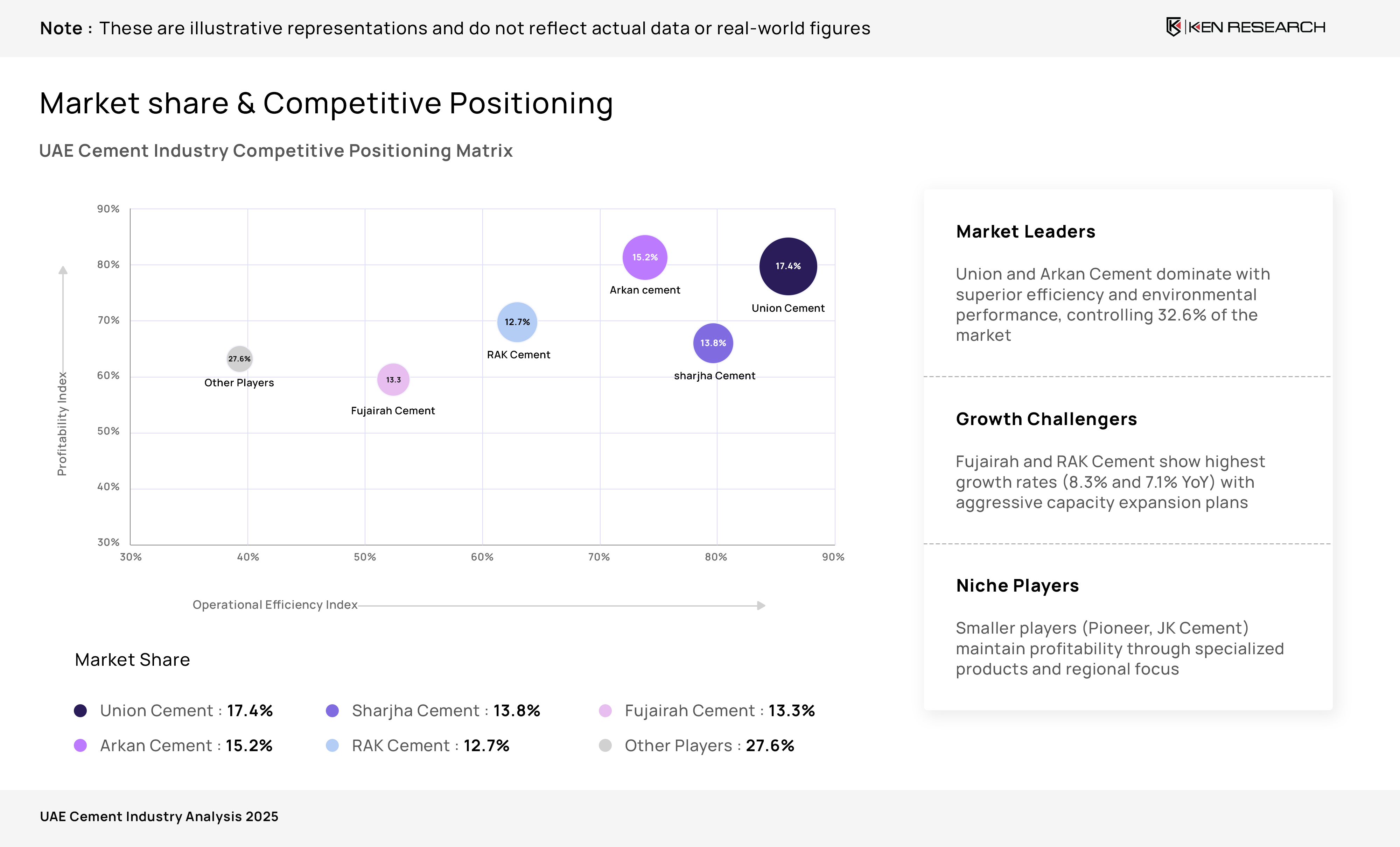
The India Retail Banking Market is shaped by a diverse competitive mix of large national banks, established private institutions, regional banks, and smaller focused players. Large banks compete through broad product portfolios, extensive branch reach, and strong digital banking capabilities, while regional and agile institutions differentiate through closer customer relationships, localized offerings, and stronger relevance in specific geographies and customer segments.
A key feature of this market is the blending of innovation with local adaptation. Leading banks are upgrading digital onboarding, payments, lending, and customer service journeys, but success depends on how well these solutions are tailored to India’s varied consumer behavior, language preferences, and regional banking needs. Banks with strong domestic understanding are often able to localize service models more effectively and build stronger customer trust.
The distribution and service ecosystem remains central to market competitiveness. While digital platforms have become critical for daily banking engagement, physical branches, relationship managers, and assisted service channels continue to play an important role in customer acquisition, advisory support, and service continuity. Brand strength is increasingly influenced by the quality of omnichannel delivery, service responsiveness, and ease of resolution across touchpoints.
Going forward, market leadership will be shaped by the ability to combine technology, operational efficiency, and customer-centric execution. Banks that can localize effectively, improve service delivery, manage costs well, and respond quickly to changing customer expectations are likely to strengthen their competitive position and sustain long-term relevance in the India Retail Banking Market.
Ecosystem Matrix
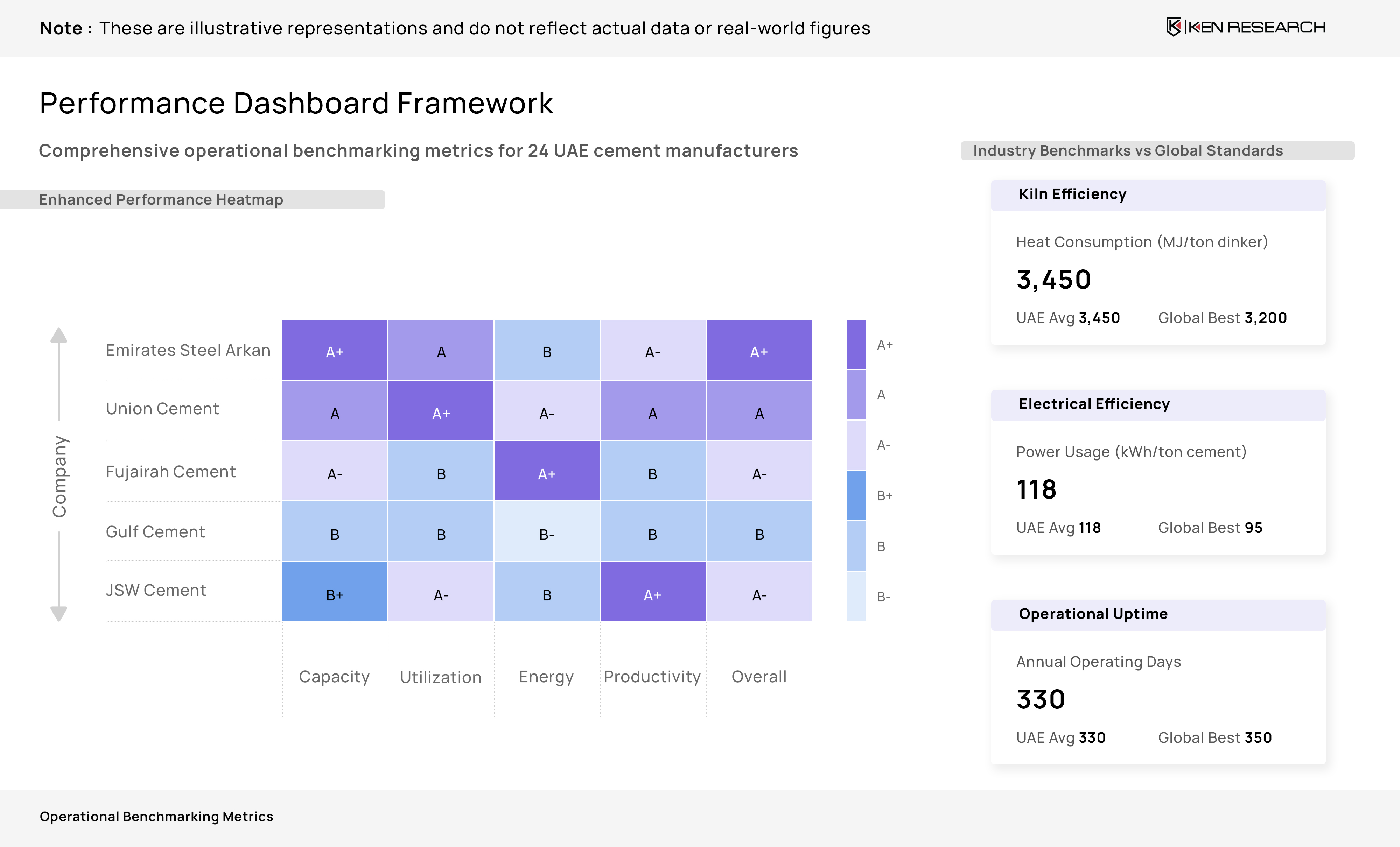
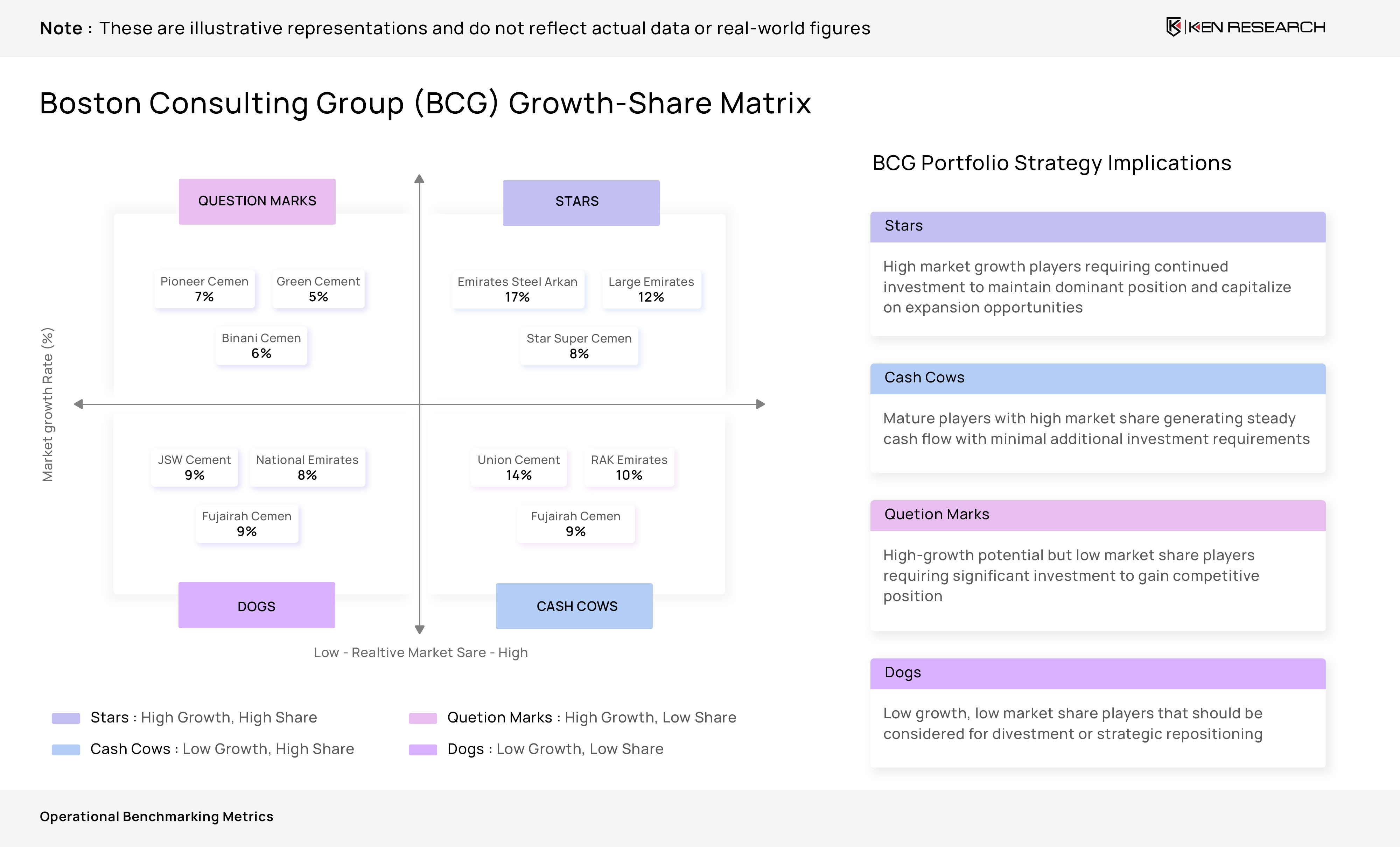
The Indian retail banking market is dominated by a mix of large public and private sector banks, with significant contributions from medium-sized banks. This diversity ensures a competitive landscape, fostering innovation and customer-centric services.
The ecosystem maturity in India's retail banking sector is evident from the rapid adoption of digital banking solutions. This shift is driven by technological advancements and a growing demand for convenient, secure, and efficient banking experiences.
Leading Player Profiles
Company Profile Overview
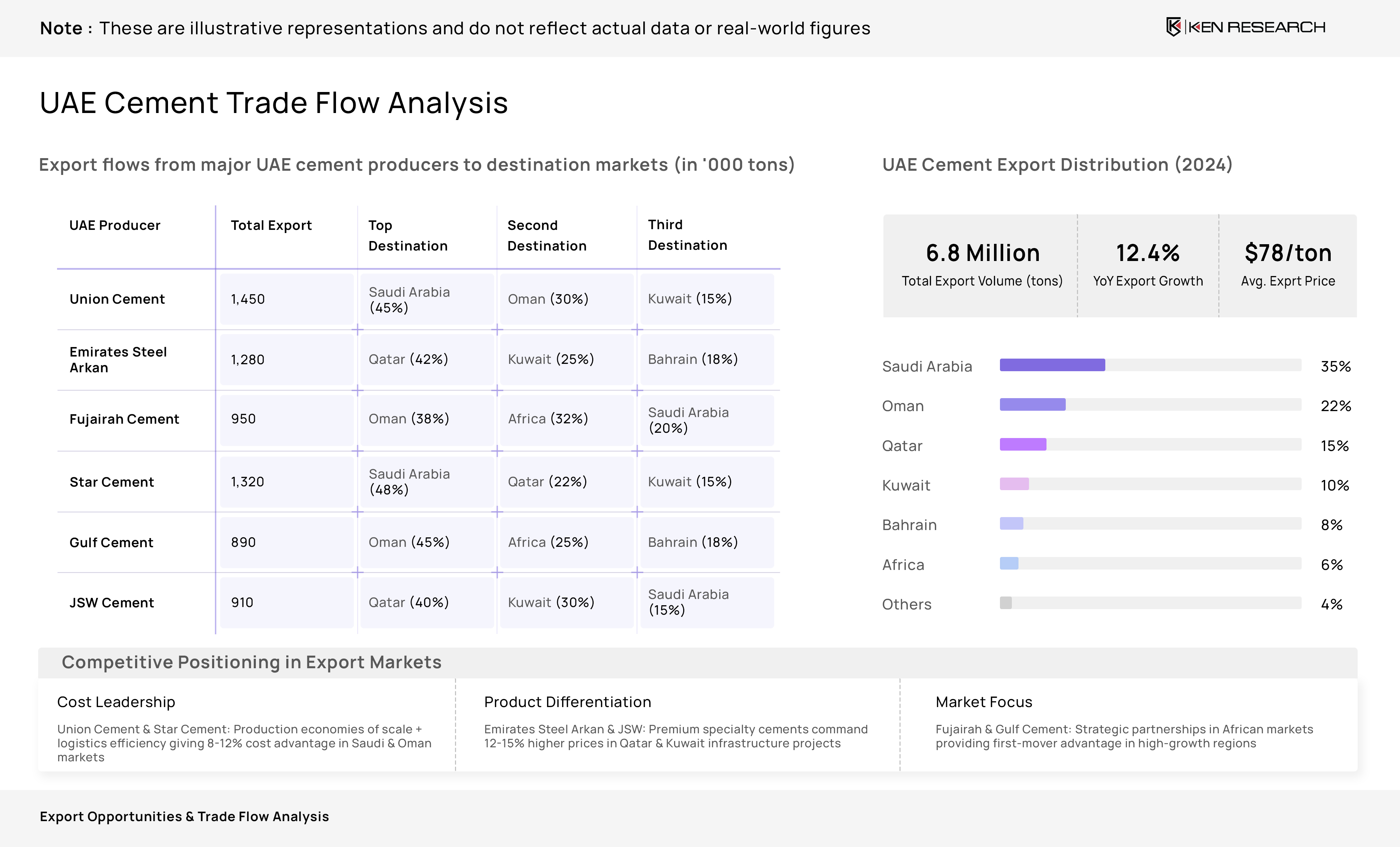
In the India Retail Banking Market, banks are leveraging digital transformation to enhance customer experience, streamline operations, and introduce innovative financial products, thereby increasing market penetration and customer retention in a competitive landscape.
Operational efficiency is being achieved through the adoption of advanced technologies like AI and blockchain, enabling banks to reduce costs, improve transaction speed, and enhance security, thus gaining a competitive edge in the rapidly evolving market.
Key Operational Performance Metrics
Company Performance Overview
Unlock Market Insights
Dive deeper into production, distribution, and pricing intelligence.
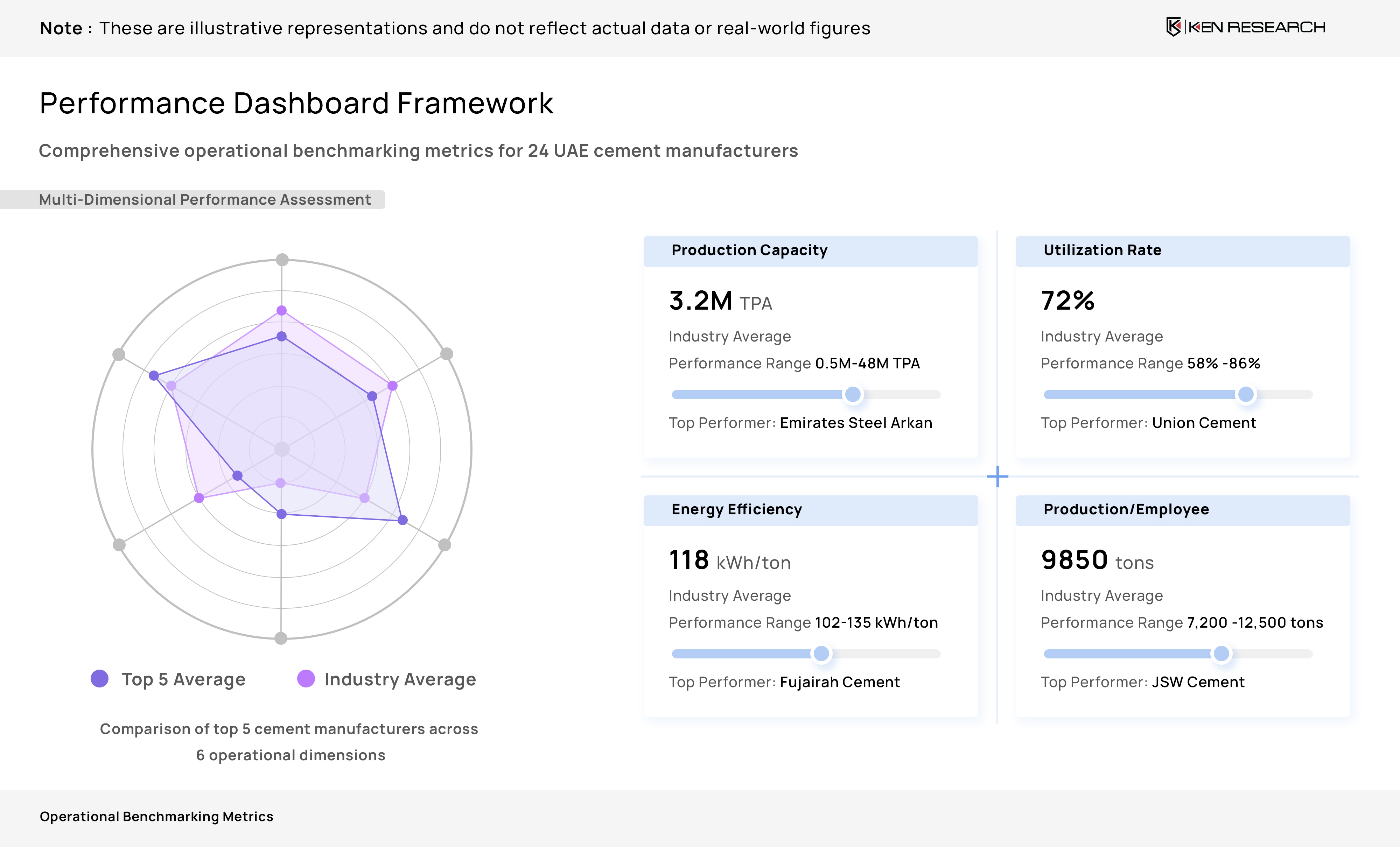
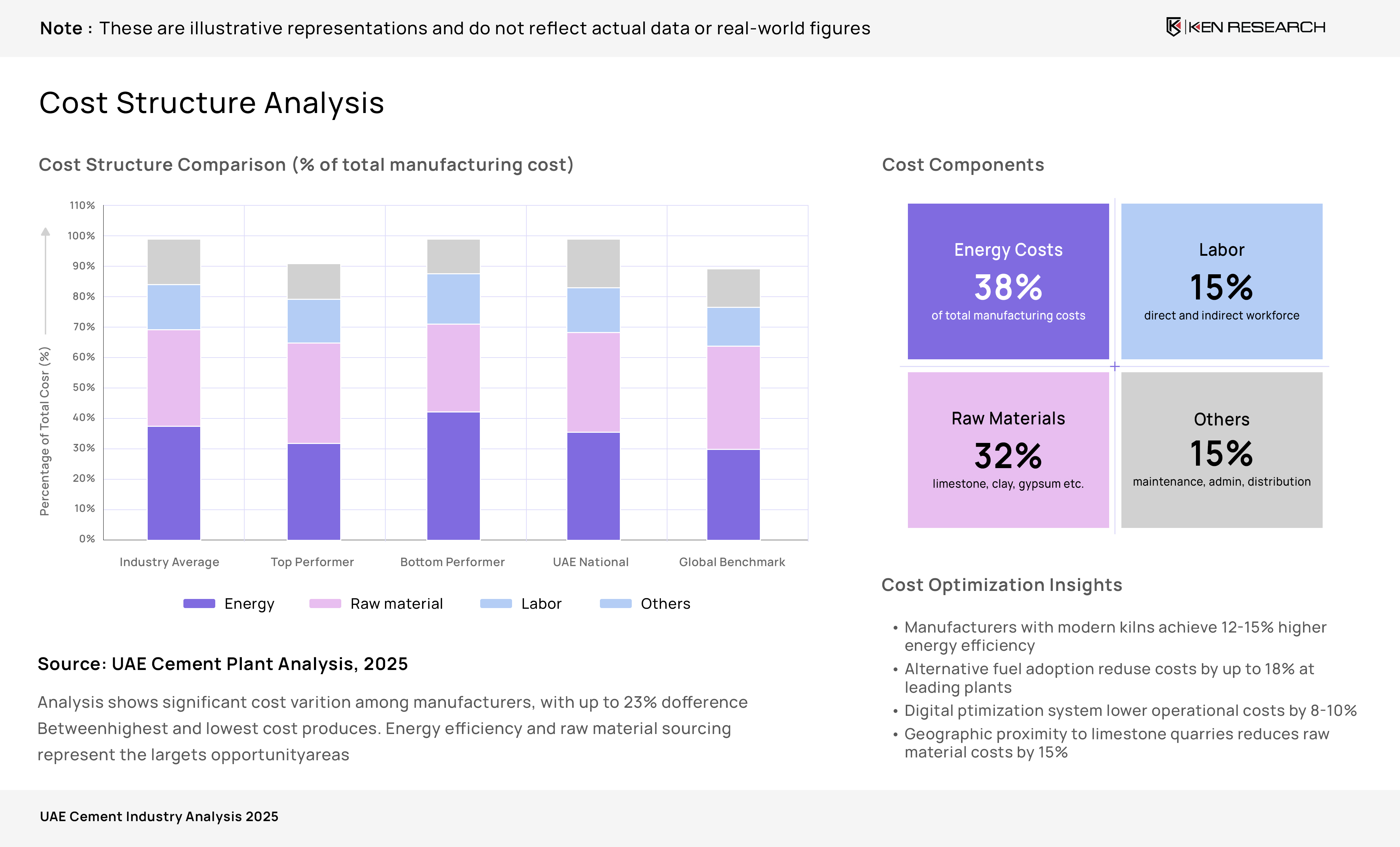
Get Customized ReportRetail loan disbursement volume, deposit account growth, and digital transaction counts are primary revenue drivers in India's retail banking, reflecting credit demand, deposit mobilization, and digital adoption trends critical for revenue expansion.
Net interest margin as a pricing KPI highlights profitability per unit of lending, while operational metrics like loan processing time, mobile banking adoption, and credit default ratios enable benchmarking efficiency and risk management across banks.
Core Financial Performance Metrics
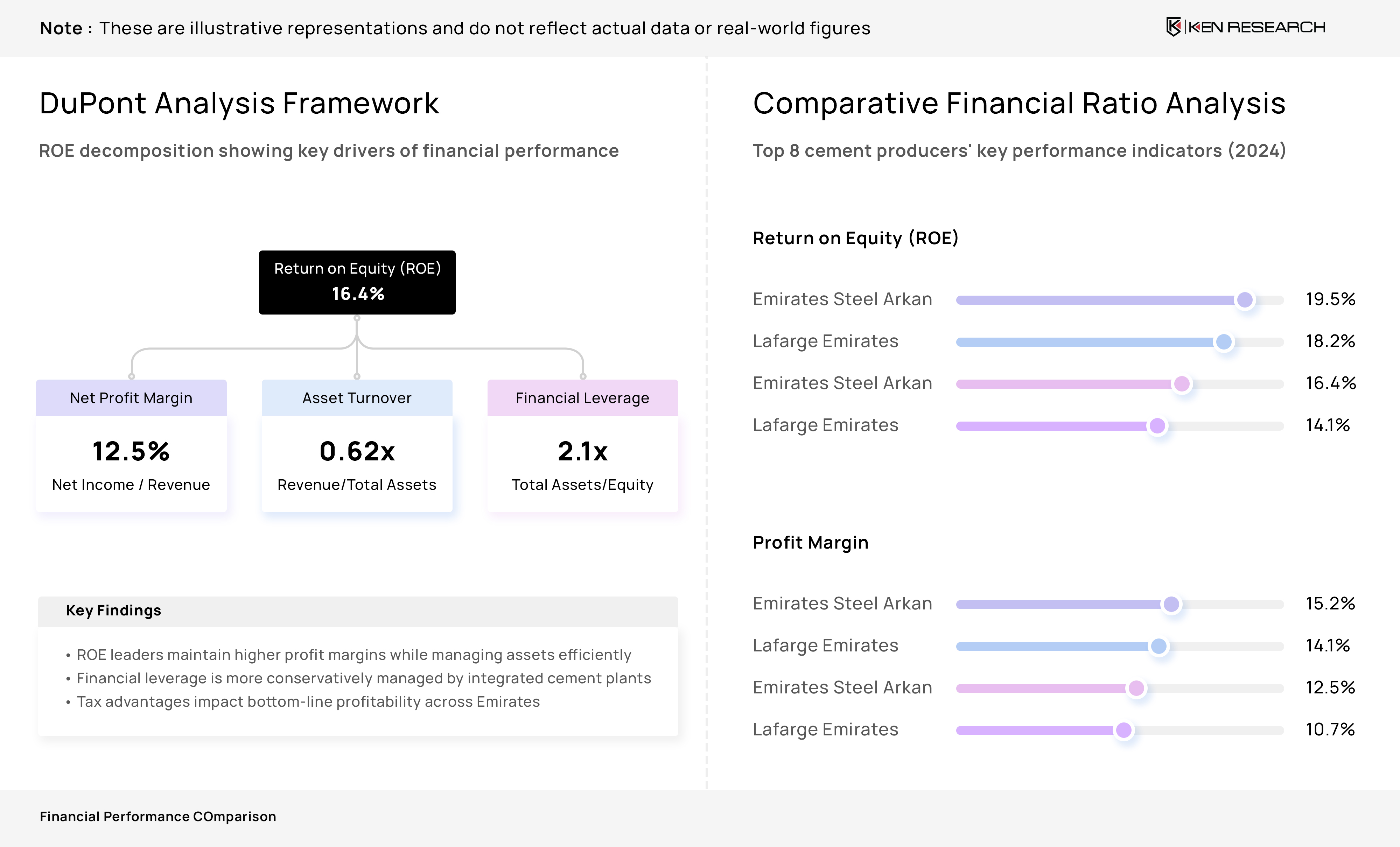
Large banks like Punjab National Bank and HDFC Bank Limited demonstrate superior scale and pricing power, reflected in higher revenues and margins, compared to smaller peers like Ujjivan Small Finance Bank, which struggle with lower revenue and weaker margins.
Top-tier banks exhibit better cost efficiency and financial stability, with lower COGS growth and higher EBITDA margins, while lower-tier banks face challenges in maintaining cost control and financial resilience, impacting their overall profitability.
Table of Contents
1. Ecosystem Matrix
1.1 Large Players
1.1.1 Punjab National Bank
1.1.2 Bank of Baroda
1.1.3 State Bank of India
1.1.4 Axis Bank Limited
1.1.5 HDFC Bank Limited
1.1.6 ICICI Bank Limited
1.1.7 Kotak Mahindra Bank Limited
1.2 Medium Players
1.2.1 South Indian Bank Limited
1.2.2 Federal Bank Limited
1.2.3 RBL Bank Limited
1.2.4 IndusInd Bank Limited
1.2.5 Yes Bank Limited
1.2.6 Bandhan Bank Limited
1.2.7 IDFC First Bank
1.3 Small Players
1.3.1 City Union Bank Limited
1.3.2 Karur Vysya Bank Limited
1.3.3 Tamilnad Mercantile Bank Limited
1.3.4 DCB Bank Limited
1.3.5 Equitas Small Finance Bank
1.3.6 Ujjivan Small Finance Bank
2. Leading Player Profiles
2.1 Parameters
2.1.1 Company Name
2.1.2 Group Name
2.1.3 Headquarters
2.1.4 Established Year
2.1.5 Core Services
2.1.6 Mode of Functioning
2.2. Players
2.2.1 Punjab National Bank
2.2.2 Bank of Baroda
2.2.3 State Bank of India
2.2.4 Axis Bank Limited
2.2.5 HDFC Bank Limited
2.2.6 ICICI Bank Limited
2.2.7 Kotak Mahindra Bank Limited
2.2.8 South Indian Bank Limited
2.2.9 Federal Bank Limited
2.2.10 RBL Bank Limited
2.2.11 IndusInd Bank Limited
2.2.12 Yes Bank Limited
2.2.13 Bandhan Bank Limited
2.2.14 IDFC First Bank
2.2.15 City Union Bank Limited
2.2.16 Karur Vysya Bank Limited
2.2.17 Tamilnad Mercantile Bank Limited
2.2.18 DCB Bank Limited
2.2.19 Equitas Small Finance Bank
2.2.20 Ujjivan Small Finance Bank
3. Key Operational Performance Metrics
3.1 Parameters
3.1.1 Retail Loan Disbursement Volume (units)
3.1.2 Deposit Account Growth Rate (%)
3.1.3 Digital Transaction Count (units)
3.1.4 Net Interest Margin (USD Mn)
3.1.5 Average Processing Time per Loan (days)
3.1.6 Mobile Banking Adoption Rate (%)
3.1.7 Branch Network Density (branches per 100k population)
3.1.8 Customer Onboarding Time (hours)
3.1.9 Retail Credit Default Ratio (%)
3.1.10 Cost to Income Ratio (%)
4. Core Financial Performance Metrics
4.1 Parameters
4.1.1 Revenue (USD Mn)
4.1.2 Revenue Growth (%)
4.1.3 COGS (USD Mn)
4.1.4 COGS Growth (%)
4.1.5 EBITDA (USD Mn)
4.1.6 EBITDA Growth (%)
4.1.7 EBITDA Margin (%)
4.1.8 PAT (USD Mn)
4.1.9 PAT Margin (%)
5. Methodology
5.1 Approach
5.1.1 Desk Sources
5.1.2 Primary Interviews
5.1.3 Sanity Checking & Validation
5.2 Benchmarking Process
5.2.1 Data Collection
5.2.2 Primary Validation
5.2.3 Proxy KPI Modelling
5.2.4 Normalization & Indexing
5.2.5 Gap Analysis
5.2.6 Peer Review
5.3 Sample Composition
5.3.1 Scope Items
5.3.2 Sample Size
5.3.3 Target Respondents
Methodology
Ken Research will deploy its proprietary, multi-layered research framework—combining robust secondary research, targeted primary outreach, and rigorous data validation—to deliver an authoritative competitive landscape analysis of the India Retail Banking Market.
Desk Sources
- Industry reports (Proprietary databases, Ken Research archives, and major regional or global market sources relevant to India Retail Banking Market)
- Company annual reports & investor presentations of large and emerging players in the India Retail Banking Market
- Government & trade association publications related to the India Retail Banking Market sector
- Trade magazines, journals, and e-articles specific to India Retail Banking Market
- Financial databases (Bloomberg, Capital IQ, Factiva)
- Web traffic & app-usage dashboards (SimilarWeb, App Annie, or equivalents) for online or digital players in this market
Primary Interviews
- Category Managers / R&D Heads of key India Retail Banking Market producers or service providers
- Senior Sales/Marketing Leads at leading firms
- Distributors, channel partners, or trade buyers active in this market
- Technology/service providers supporting the ecosystem
- Industry analysts and consultants with expertise in India Retail Banking Market
Sanity Checking and Validation
- Triangulation: Cross-verify estimates from secondary data, primary inputs, and proxy model outputs
- Proxy KPI synthesis: Use related KPIs (e.g., capacity, throughput, transaction volumes, web traffic, or installation base) to approximate market performance
- Outlier analysis: Identify and reconcile anomalous data points via follow-up validation
- Assumption tracking: Maintain a log of all benchmarking assumptions, with clear notes on limitations and proxy KPI sources
- Peer review: Internal expert review of methodology, models, and key outputs before finalization
An Inside Look At Our Custom Insights
Take a look at ourcustomized insights, tailored to yourmarket and business needs. Our benchmarking reports deliver data-driven comparisons of key players, helping you uncover opportunities, assess performance, and make confident strategic decisions.