Indonesia Agricultural Equipment Market
Published on: December 2025
Report Overview
Indonesia Agricultural Equipment Market Overview
Market Highlights
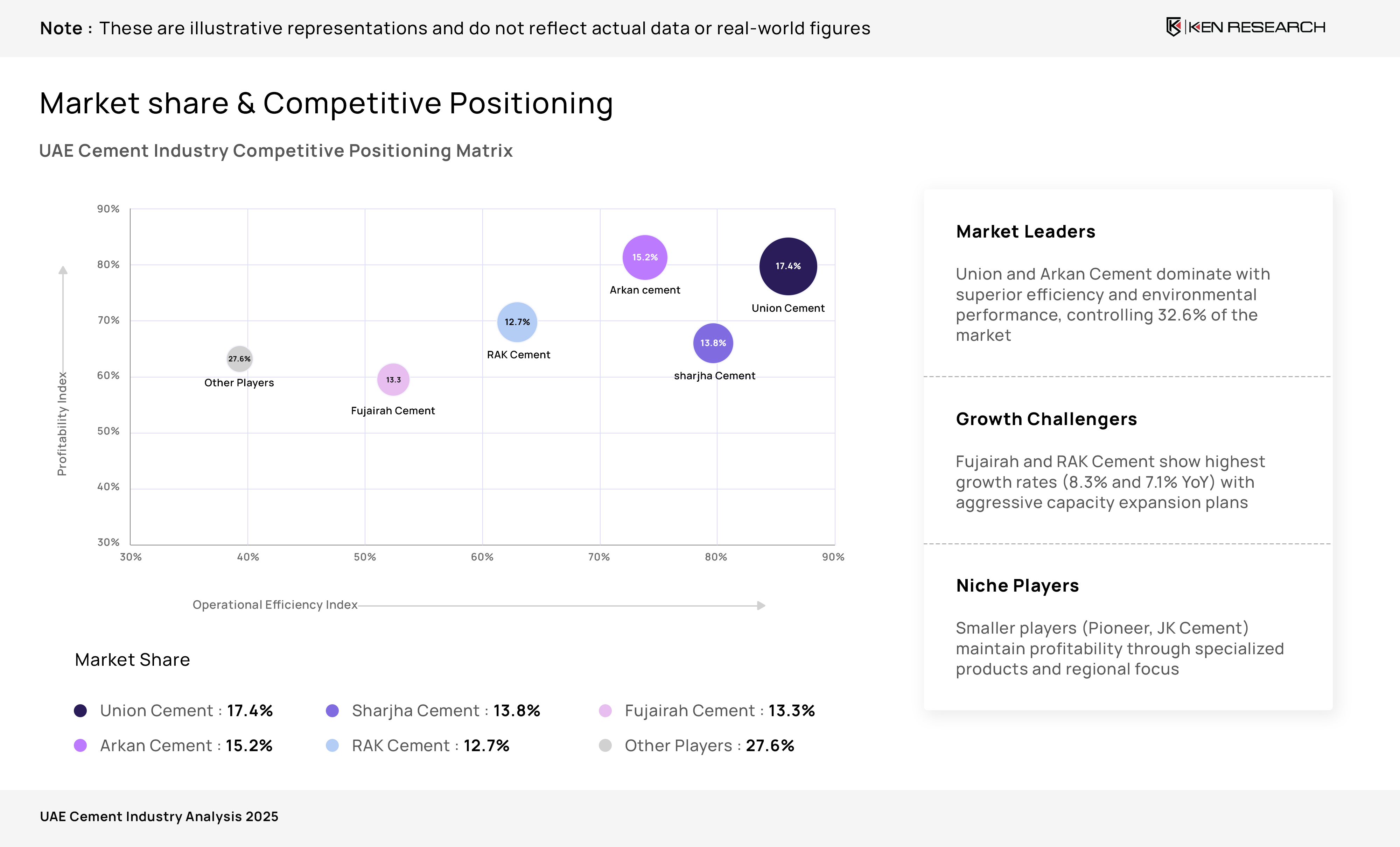
The Indonesia Agricultural Equipment Market showcases a diverse competitive structure, where multinational corporations, regional manufacturers, and local firms engage in a dynamic interplay. Multinationals leverage their global expertise and resources, while regional players focus on tailored solutions that resonate with local agricultural practices, and local firms capitalize on agility and niche offerings to carve out market share.
Innovation from global leaders is increasingly blended with localized adaptations, as companies tailor their agricultural technologies to meet Indonesia's unique environmental and cultural contexts. This synergy fosters a robust ecosystem where international advancements are harmonized with local needs, ensuring relevance and effectiveness in the market.
The distribution and aftersales landscape is critical, with strategic partnerships enhancing accessibility and service reliability. Collaborations among manufacturers, distributors, and service providers are essential for delivering comprehensive support, ensuring that customers receive timely maintenance and effective solutions tailored to their operational requirements.
Business strategies within the market emphasize efficiency, cost management, and technology integration, with a growing focus on sustainability. Companies are adopting innovative practices and agile methodologies to remain competitive, positioning themselves to respond swiftly to evolving market demands and consumer expectations, thereby shaping the future of the agricultural equipment sector in Indonesia.
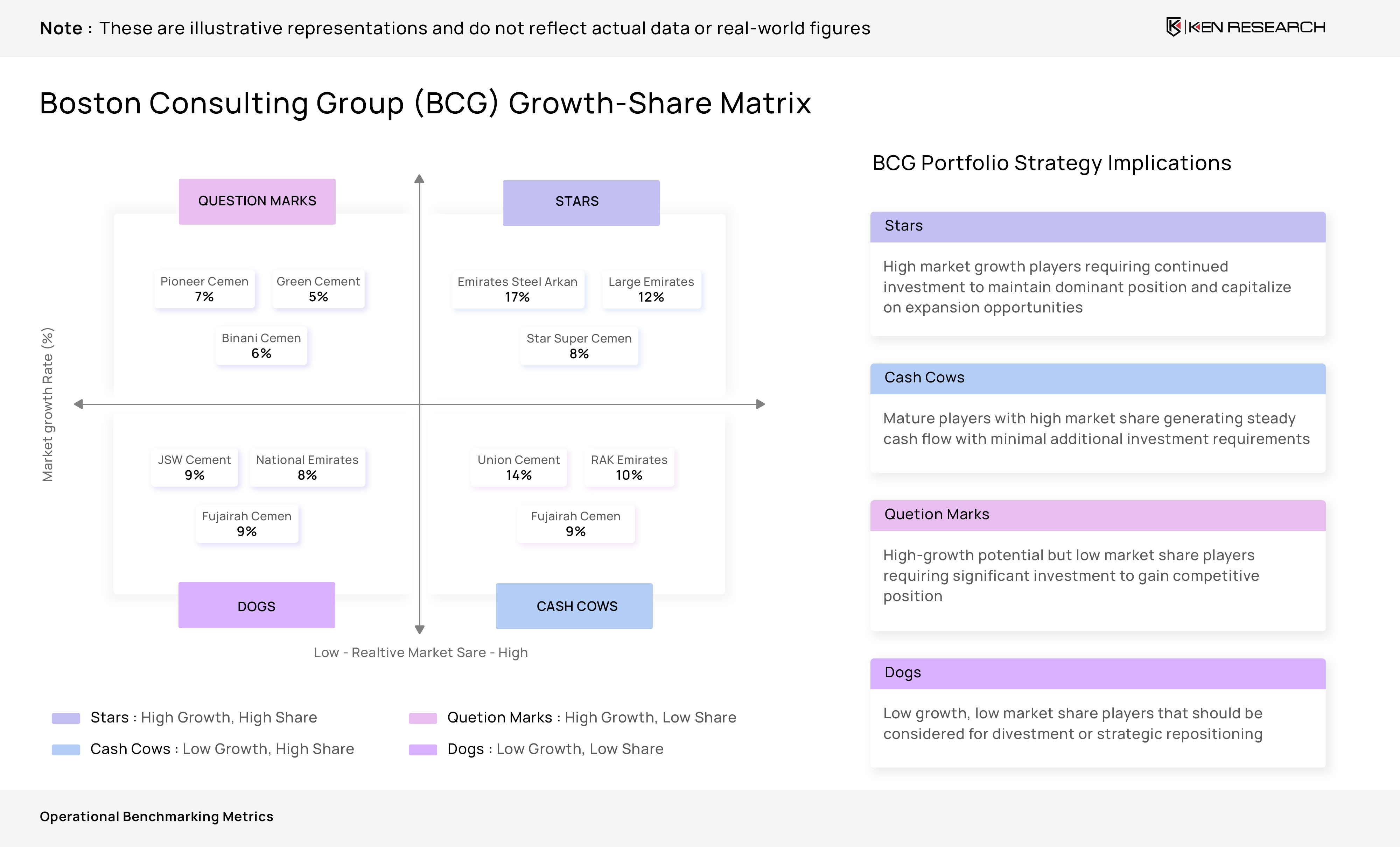
Ecosystem Matrix
The ecosystem reflects dominance of Astra Group companies and global-JV backed manufacturers, highlighting large-scale production and distribution leadership in tractors and harvesting machinery across Indonesia.
Medium and small-scale firms contribute through niche mechanization solutions, often catering to localized farming needs such as rice, palm oil, and sugarcane equipment.
Leading Player Profiles
Company Profile Overview
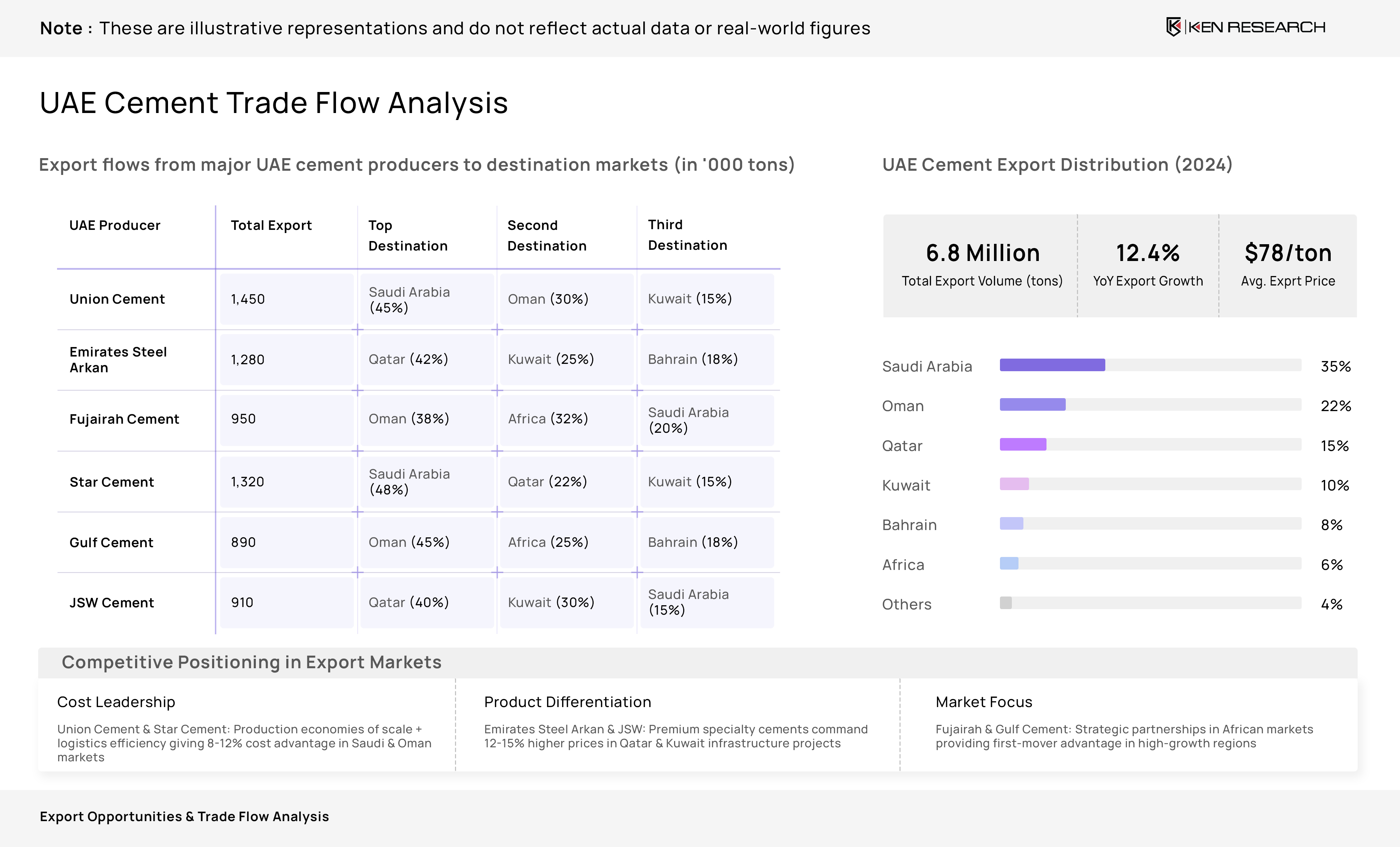
Dominance of Astra-backed distributors (Traktor Nusantara, United Tractors) emphasizes their central role in supply chain and after-sales networks.
Indigenous manufacturers such as Karya Hidup Sentosa (Quick) remain vital for localized mechanization catering to rice-focused farming communities.
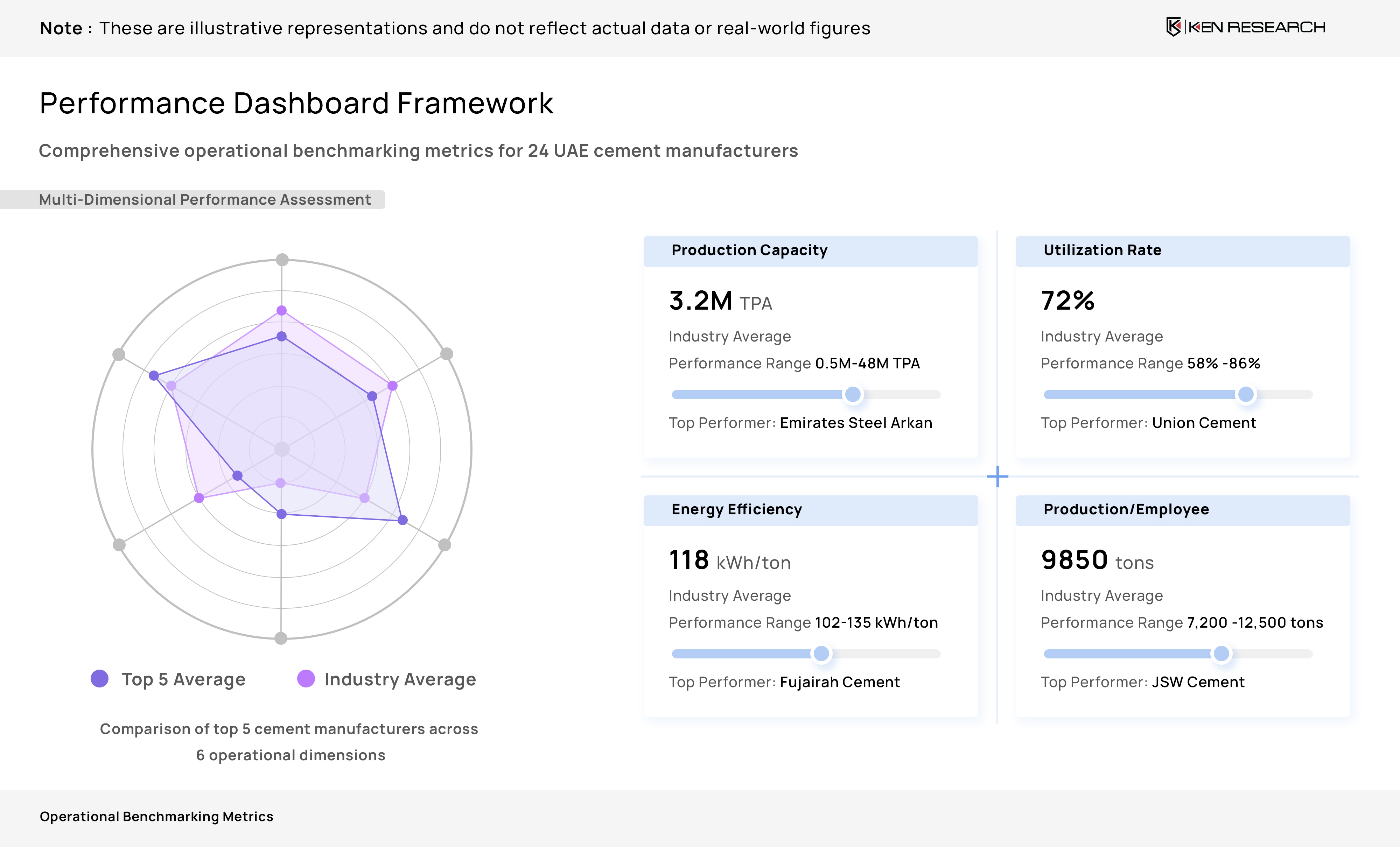
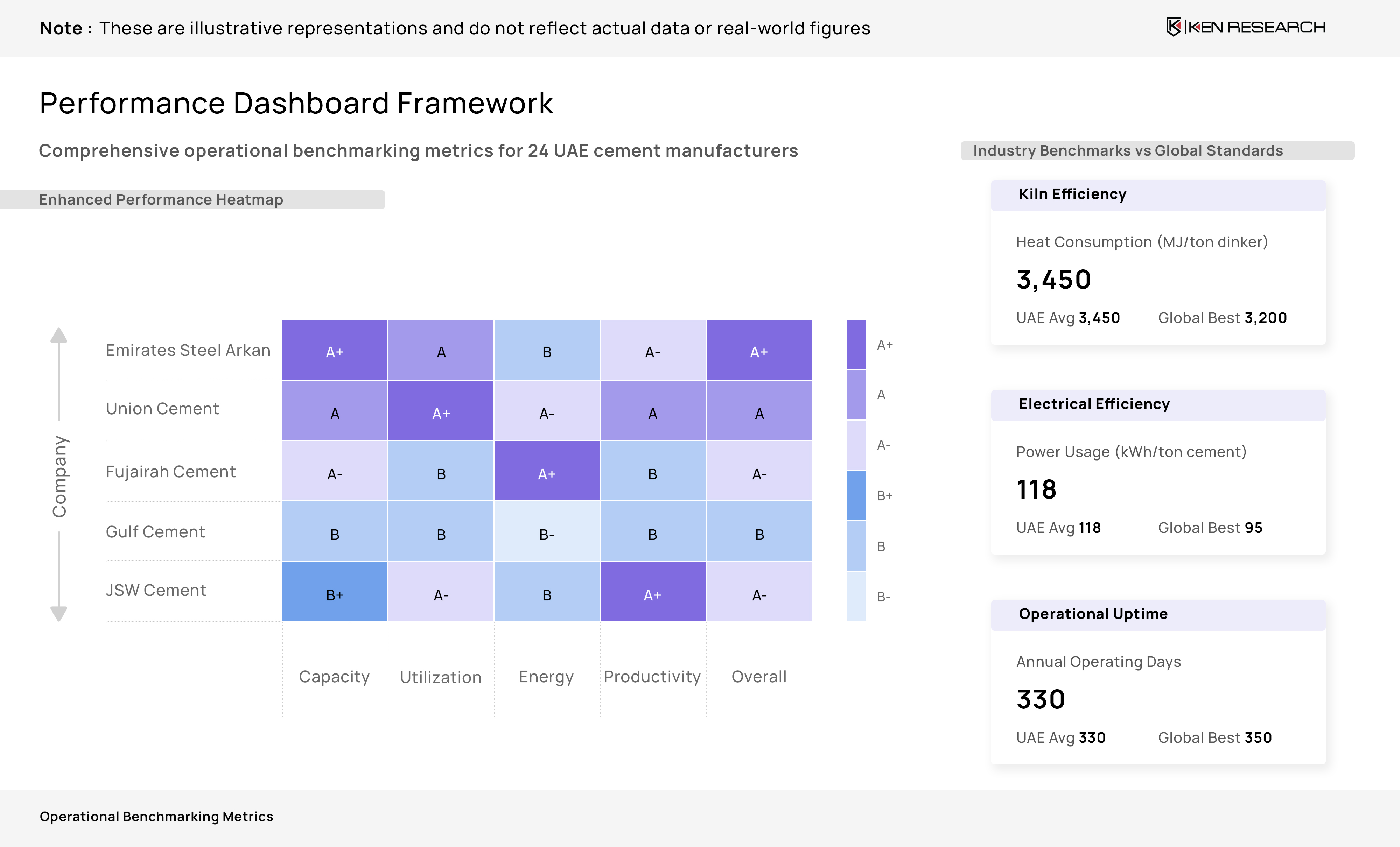
Key Operational Performance Metrics
Company Performance Overview
Unlock Market Insights
Dive deeper into production, distribution, and pricing intelligence.
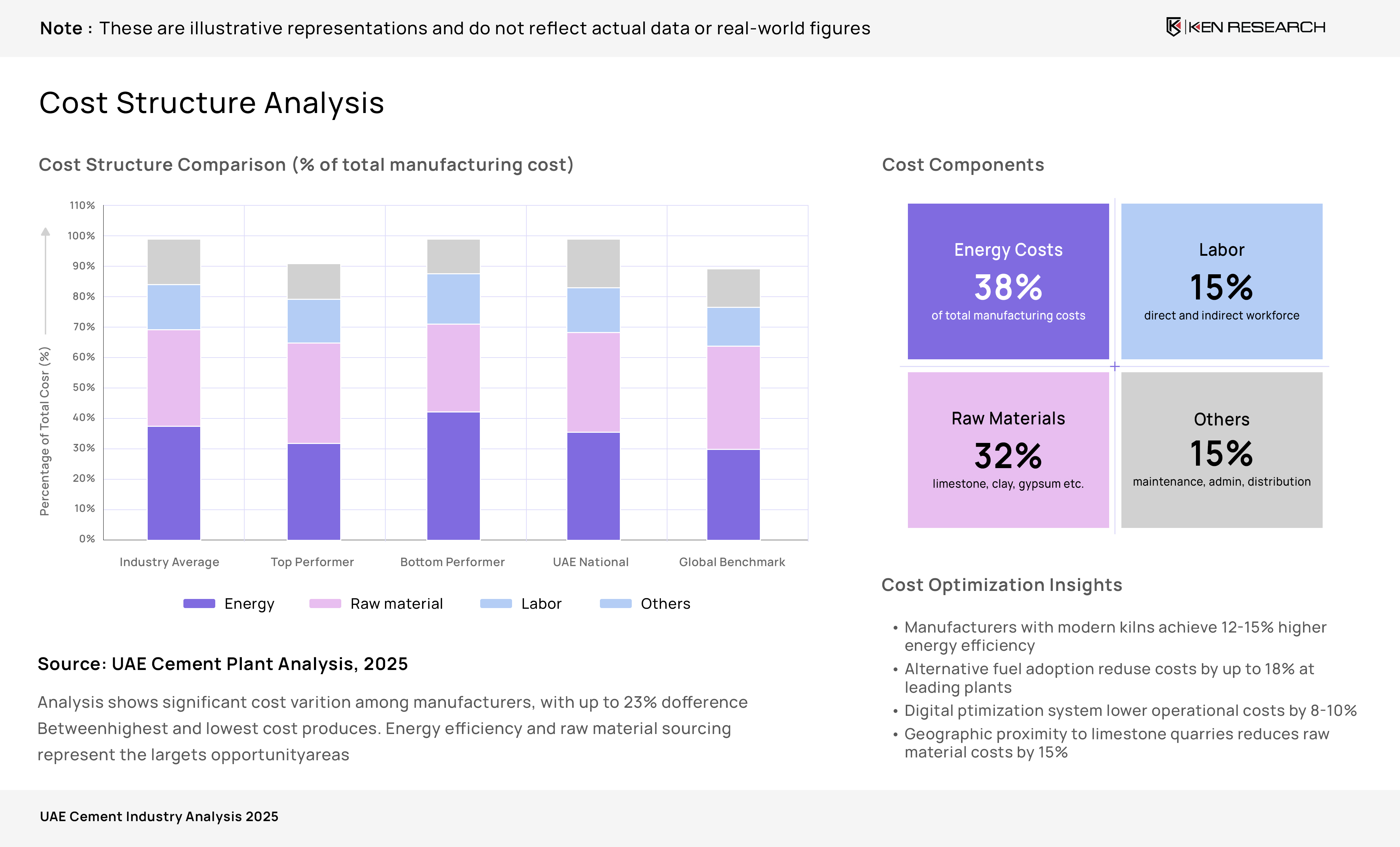
Get Customized ReportLarger companies such as Kubota, Yanmar, Astra-affiliates dominate in production scale and R&D investments, while local independents focus on affordability and price-sensitive equipment, reflecting demand patterns of smallholder farmers.
Pricing sensitivity remains a primary determinant of adoption, with mid-tier players competing on localized innovation and customization to retain farmer loyalty.
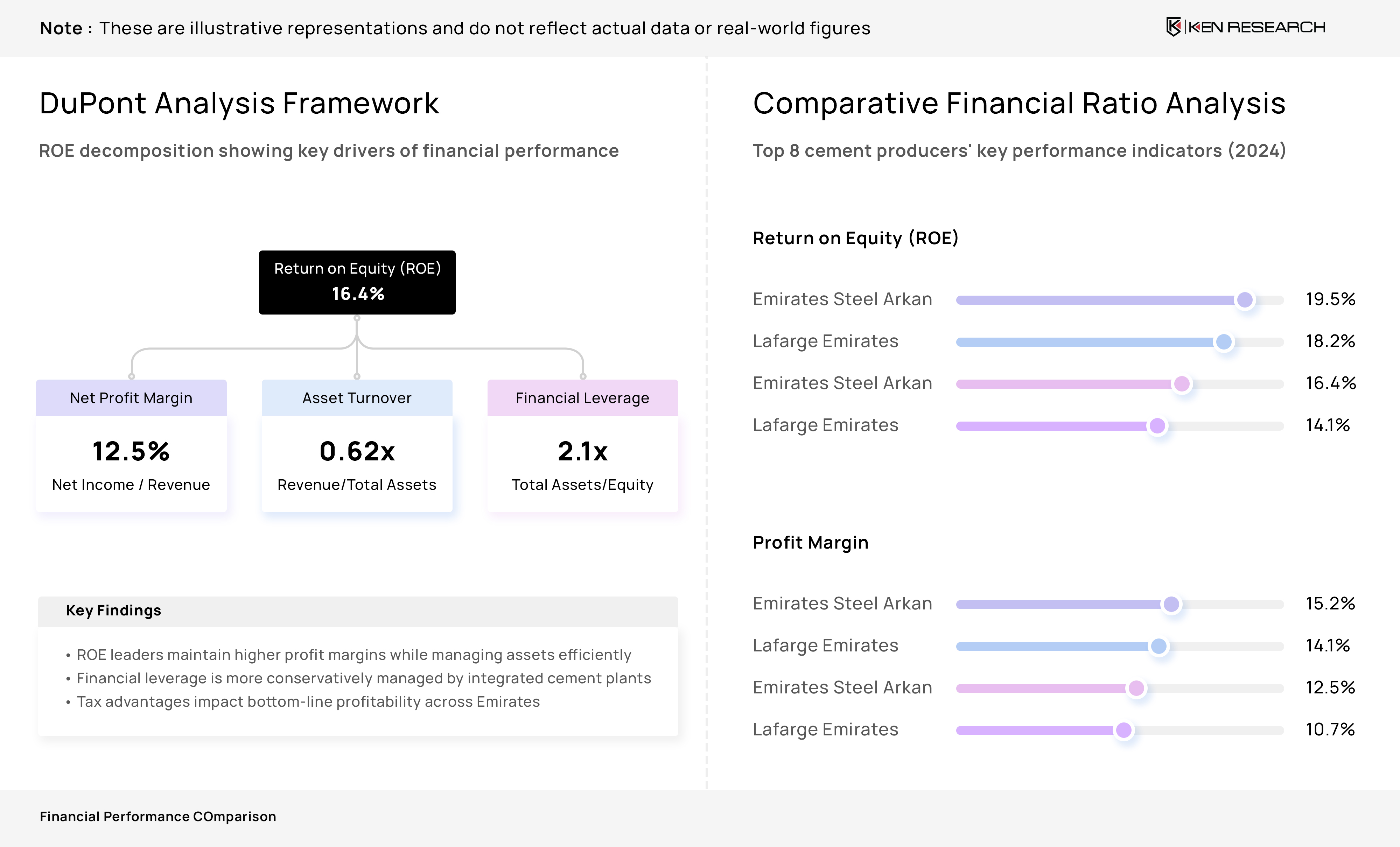
Core Financial Performance Metrics
Financial strength of multinational-backed firms provides resilience in R&D and scalability, whereas indigenous companies operate on tighter margins, balancing cost pressures with competitive pricing strategies.
Growth trajectories are closely linked to government subsidies on mechanization and the financing support extended to farmers, impacting demand fluctuations.
Table of Contents
1. Ecosystem Matrix
1.1 Large Players
1.1.1 PT Kubota Indonesia
1.1.2 PT Yanmar Diesel Indonesia
1.1.3 PT Traktor Nusantara (Astra Group)
1.1.4 PT United Tractors (Astra Group)
1.1.5 PT Mitsubishi Krama Yudha
1.1.6 PT Massey Ferguson Indonesia
1.1.7 PT New Holland Agriculture Indonesia
1.2 Medium Players
1.2.1 PT Sampoerna Agro Machinery
1.2.2 PT Karya Hidup Sentosa (Quick Tractor)
1.2.3 PT Bima Bisma Internusa
1.2.4 PT Agrindo Maju Lestari
1.2.5 PT Kencana Agrindo
1.2.6 PT Indomobil Agri Machinery
1.3 Small Players
1.3.1 PT Tanikaya Multi Sarana
1.3.2 PT Agri Perkasa Indonesia
1.3.3 PT Multi Guna Agrindo
1.3.4 PT Indo Agro Tech
1.3.5 PT Mekar Jaya Agri Teknik
1.3.6 PT Andalan Prima Teknik
2. Leading Player Profiles
2.1 Parameters
2.1.1 Company Name
2.1.2 Group Name
2.1.3 Headquarters
2.1.4 Established Year
2.1.5 Core Segment
2.1.6 Mode of Functioning
3. Key Operational Performance Metrics
3.1 Parameters
3.1.1 Company Name
3.1.2 Group Name
3.1.3 Manufacturing Plants
3.1.4 Tractor Production Capacity (Units/Year)
3.1.5 Harvester Production Capacity (Units/Year)
3.1.6 Distribution Coverage (%)
3.1.7 Export Share (%)
3.1.8 Product Range (SKUs)
3.1.9 R&D Investment (% of Revenue)
3.1.10 Pricing (USD/unit)
4. Core Financial Performance Metrics
4.1 Parameters
4.1.1 Revenue (USD Mn)
4.1.2 Revenue Growth (%)
4.1.3 COGS (USD Mn)
4.1.4 COGS Growth (%)
4.1.5 EBITDA (USD Mn)
4.1.6 EBITDA Growth (%)
4.1.7 EBITDA Margin (%)
4.1.8 PAT (USD Mn)
4.1.9 PAT Margin (%)
5. Methodology
5.1 Approach
5.1.1 Desk Sources
5.1.2 Primary Interviews
5.1.3 Sanity Checking & Validation
5.2 Benchmarking Process
5.2.1 Data Collection
5.2.2 Primary Validation
5.2.3 Proxy KPI Modelling
5.2.4 Normalization & Indexing
5.2.5 Gap Analysis
5.2.6 Peer Review
5.3 Sample Composition
5.3.1 Scope Items
5.3.2 Sample Size
5.3.3 Target Respondents
Methodology
Ken Research will deploy its proprietary, multi-layered research framework—combining robust secondary research, targeted primary outreach, and rigorous data validation—to deliver an authoritative competitive landscape analysis of the Indonesia Agricultural Equipment Market. All proxy KPIs have been carefully selected to reflect sector-specific realities such as tractor sales, rice transplanter adoption, palm oil mill machinery penetration, and localized mechanization rates.
Desk Sources
- Industry reports from proprietary databases and Ken Research archives
- Company annual reports and investor presentations
- Government and trade association publications (Ministry of Agriculture, GAPMMI, Indonesian Agricultural Engineering Association)
- Trade magazines, journals, and industry articles
- Financial databases (Bloomberg, Capital IQ, Statista Indonesia)
- Web traffic and app usage dashboards (SimilarWeb, App Annie, marketplace trackers)
Primary Interviews
- Category managers and R&D heads of agricultural equipment manufacturers
- Senior sales and marketing leads at leading players
- Distributors and channel partners across Java, Sumatra, and Kalimantan
- Industry analysts and consultants
- Technology and service providers offering digital metrics for agri-machinery e-commerce
Sanity Checking and Validation
- Triangulation to cross-verify estimates from secondary data, primary inputs, and proxy model outputs
- Proxy KPI synthesis using installed base, tractor registrations, dealer outlet counts, import–export volumes, web traffic, and patent filings
- Outlier analysis through identification and reconciliation of anomalous data points via follow-up discussions
- Assumption tracking with a detailed log of limitations and proxy KPI sources
- Internal peer review of methodology, analytical models, and key outputs prior to finalization
An Inside Look At Our Custom Insights
Take a look at ourcustomized insights, tailored to yourmarket and business needs. Our benchmarking reports deliver data-driven comparisons of key players, helping you uncover opportunities, assess performance, and make confident strategic decisions.