Indonesia Car Rental Market
Published on: November 2025
Report Overview
Indonesia Car Rental Market Overview
Market Highlights
The Indonesia Car Rental Market showcases a diverse competitive structure, where multinational corporations, regional players, and local firms each carve out distinct niches. Multinationals leverage their global scale for operational efficiencies, while regional manufacturers focus on tailored offerings that resonate with local consumer preferences, and local firms capitalize on agility and specialized services to address specific market needs.
Innovation from global players is harmoniously blended with localized adaptations, as companies customize vehicle offerings, payment solutions, and service models to fit Indonesia's unique market dynamics. Collaborations between technology providers and local distributors ensure that innovations are effectively integrated into the existing infrastructure, enhancing user experience and operational efficiency.
The distribution and aftersales ecosystem is pivotal in establishing a competitive edge, with strategic partnerships among manufacturers, service providers, and technology firms enhancing service delivery and customer satisfaction. A robust aftersales framework, characterized by maintenance support and digital service platforms, fosters loyalty and trust among consumers in a rapidly evolving market landscape.
Looking ahead, the competitive landscape is increasingly shaped by a focus on efficiency, sustainability, and technological integration. Operators are adopting advanced analytics and predictive tools to streamline operations, while a commitment to sustainable practices and innovative collaborations positions them favorably in a market that values agility and responsiveness to emerging trends.
Ecosystem Matrix
The ecosystem reveals dominance by legacy transport groups (Blue Bird, TRAC Astra) and global franchises (Europcar, Hertz), leveraging vast fleets and nationwide networks.
Mid-tier online aggregators (Traveloka, Tiket.com) and specialist operators (Golden Bird, CARFIX) compete on digital convenience and value, while local independents serve niche leisure and regional segments.
Leading Player Profiles
Company Performance Overview
Leading participants combine heritage (Blue Bird, TRAC Astra) with digital innovators (GoCar, GrabRent), underlining a hybrid market structure.
Headquarters clustered in Jakarta, with leisure focused independents in regional hubs, reflecting urban tourism demand patterns.
Key Operational Performance Metrics
Company Performance Overview
Unlock Market Insights
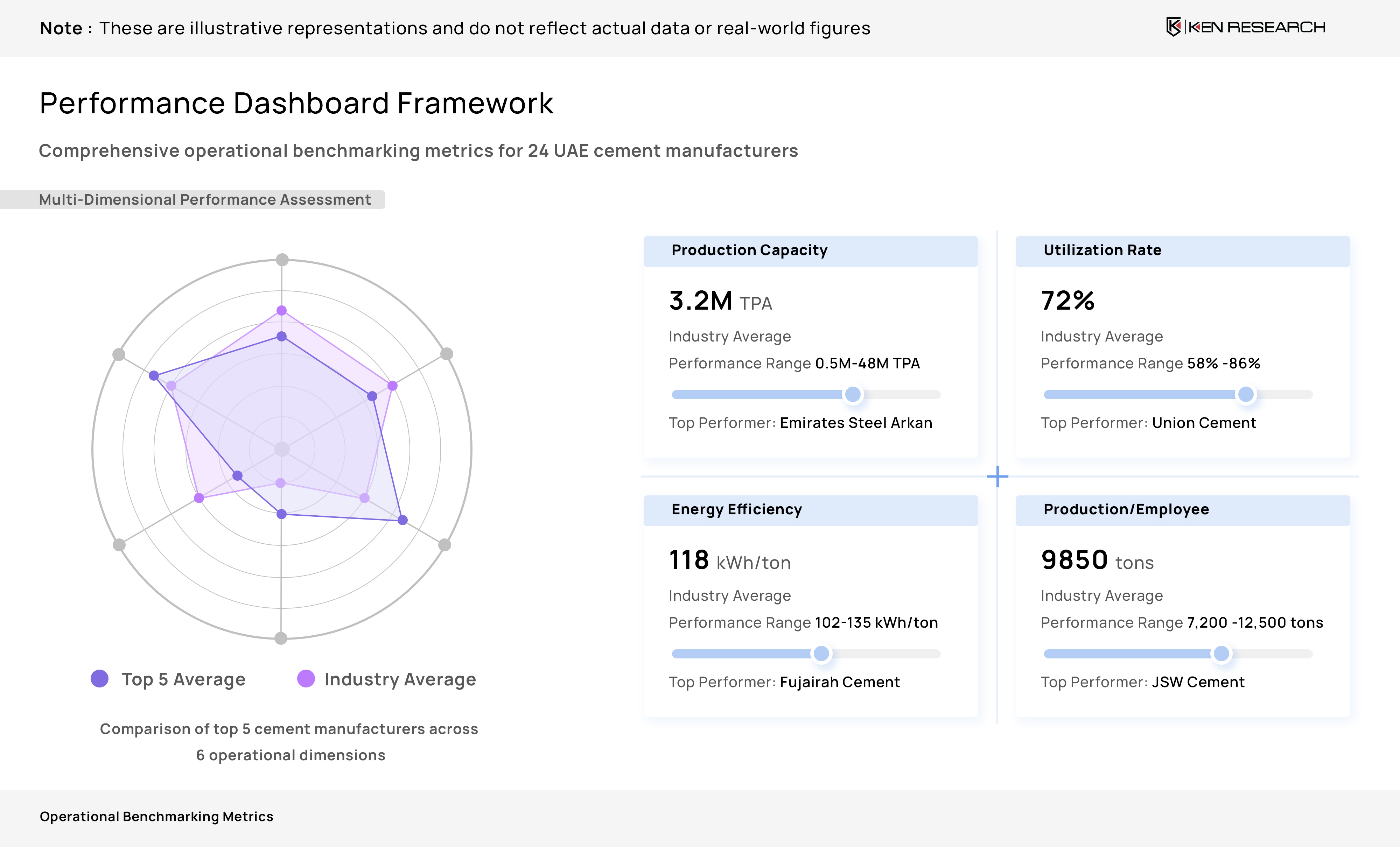
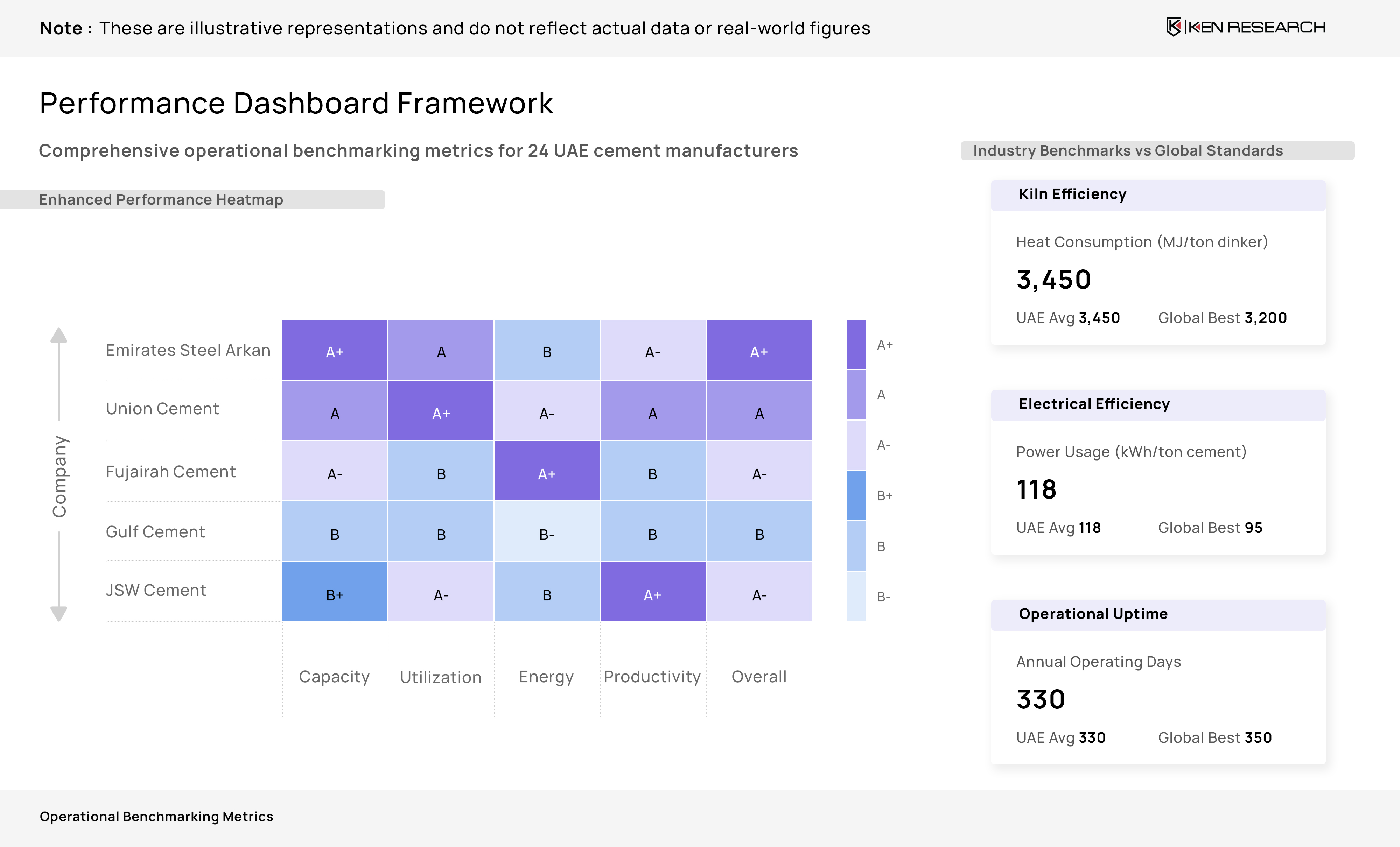
Dive deeper into production, distribution, and pricing intelligence.
Get Customized ReportFleet size and geographic coverage signal scale advantages; utilization and rental duration reflect asset deployment efficiency.
Online booking penetration and digital check in speeds highlight the shift to App driven convenience and customer experience differentiation.
Core Financial Performance Metrics
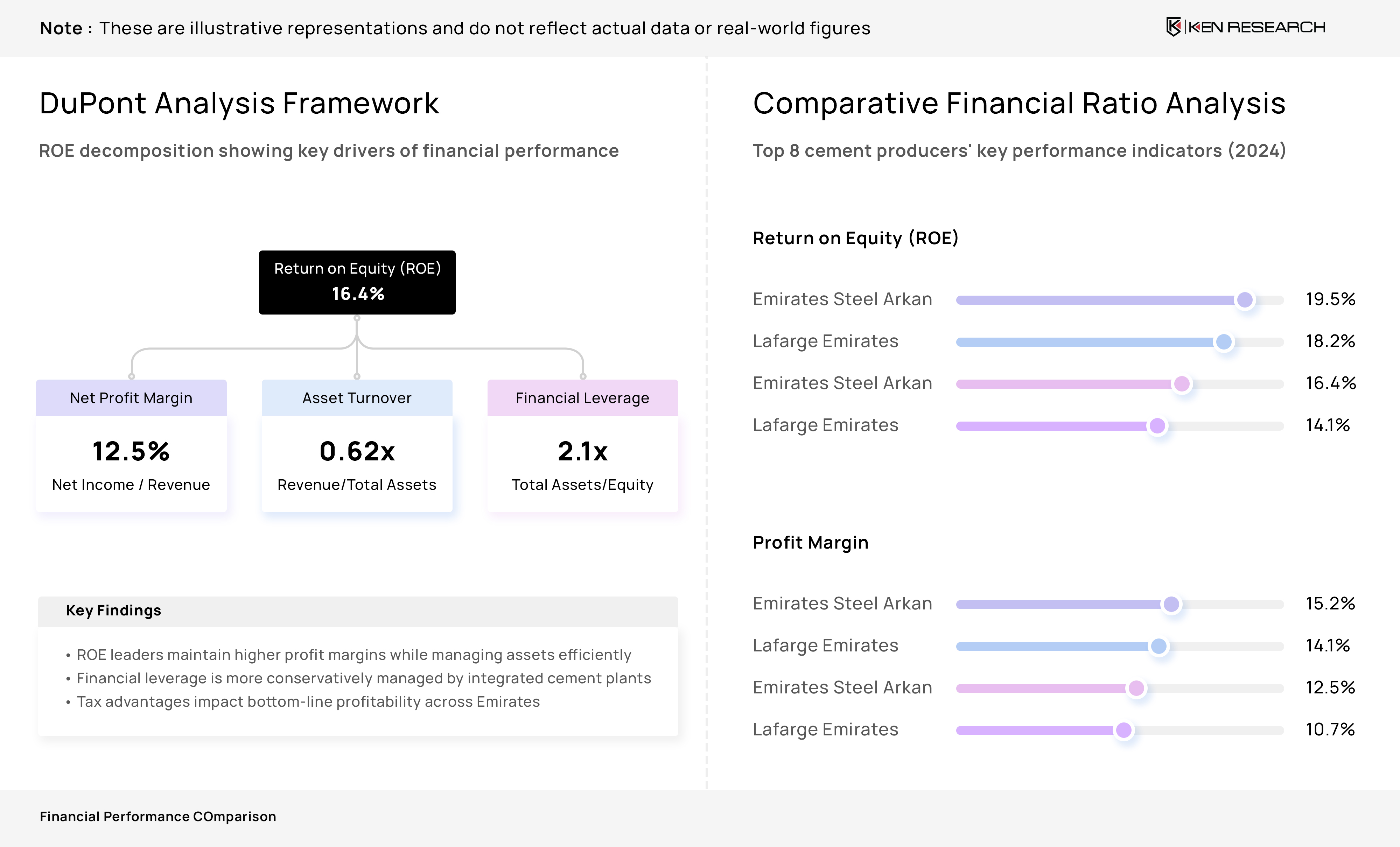
Revenue growth and EBITDA margins reveal which operators balance scale with profitability, especially through dynamic pricing and cost control.COGS as a share of revenue underscores maintenance, depreciation, and acquisition costs—key drivers of long-term margin sustainability.
Table of Contents
1. Ecosystem Matrix
1.1 Large Players
1.1.1 Blue Bird
1.1.2 TRAC Astra
1.1.3 Europcar Indonesia
1.1.4 Hertz Indonesia
1.1.5 Avis Indonesia
1.1.6 Toyota Rent a Car Indonesia
1.1.7 GoCar
1.1.8 GrabRent
1.2 Medium Players
1.2.1 Traveloka Car Rental
1.2.2 Tiket.com Rental
1.2.3 MyCar Indonesia
1.2.4 Golden Bird
1.2.5 Orbit Car Rental
1.2.6 CARFIX
1.3 Small Players
1.3.1 Bali Car Hire
1.3.2 Jogja Rent Car
1.3.3 Bandung Car Rental
1.3.4 Semarang Car Rental
1.3.5 Surabaya Car Hire
1.3.6 Yogyakarta Rent a Car
2. Leading Player Profiles
2.1 Parameters
2.1.1 Company Name
2.1.2 Group Name
2.1.3 Headquarters
2.1.4 Established Year
2.1.5 Core Services
3. Key Operational Performance Metrics
3.1 Parameters
3.1.1 Fleet Size (Vehicles)
3.1.2 Branch Network (Cities)
3.1.3 Average Utilization (%)
3.1.4 Average Rental Duration (Days)
3.1.5 Pricing per Day (USD)
3.1.6 Online Booking Rate (%)
3.1.7 Customer Satisfaction (%)
3.1.8 Digital Check-in Time (Minutes)
4. Core Financial Performance Metrics
4.1 Parameters
4.1.1 Revenue (USD Mn)
4.1.2 Revenue Growth (%)
4.1.3 COGS (USD Mn)
4.1.4 COGS Growth (%)
4.1.5 EBITDA (USD Mn)
4.1.6 EBITDA Growth (%)
4.1.7 EBITDA Margin (%)
4.1.8 PAT (USD Mn)
4.1.9 PAT Margin (%)
5. Methodology
5.1 Approach
5.1.1 Desk Sources
5.1.2 Primary Interviews
5.1.3 Sanity Checking & Validation
5.2 Benchmarking Process
5.2.1 Data Collection
5.2.2 Primary Validation
5.2.3 Proxy KPI Modelling
5.2.4 Normalization & Indexing
5.2.5 Gap Analysis
5.2.6 Peer Review
5.3 Sample Composition
5.3.1 Scope Items
5.3.2 Sample Size
5.3.3 Target Respondents
Methodology
Ken Research will deploy its proprietary, multi‑layered research framework—combining robust secondary research, targeted primary outreach, and rigorous data validation—to deliver an authoritative competitive landscape analysis of the Indonesia Car Rental market. Proxy KPIs are tailored to fleet economics, utilization, and digital adoption.
Desk Sources
- Industry research reports and proprietary market studies from Ken Research archives and global consulting firms
- Company annual reports, investor presentations, and corporate disclosures from car rental operators
- Government publications related to transportation, tourism, and mobility regulations
- Trade journals, mobility-focused publications, and industry blogs covering automotive and rental trends
- Financial and corporate intelligence databases for company-level and sector insights
Primary Interviews
- Structured CATIs and online surveys with fleet managers and operations directors at leading car rental companies
- Discussions with digital product, pricing, and marketing leads at online travel and mobility platforms
- Interviews with regional branch managers and vehicle maintenance heads
- Inputs from corporate travel managers and event planners managing high-volume rental accounts
Sanity Checking & Validation
- Triangulation of secondary research, primary inputs, and proxy-based analytical models
- Use of fleet size, utilization patterns, and booking dynamics to synthesize proxy revenue indicators
- Identification and reconciliation of data outliers through targeted follow-up discussions
- Systematic documentation of assumptions, methodologies, and limitations
- Internal peer review and expert validation of analytical approach and final outputs
An Inside Look At Our Custom Insights
Take a look at ourcustomized insights, tailored to yourmarket and business needs. Our benchmarking reports deliver data-driven comparisons of key players, helping you uncover opportunities, assess performance, and make confident strategic decisions.