Indonesia CEP Market
Published on: December 2025
Report Overview
Indonesia CEP Market Overview
Market Highlights
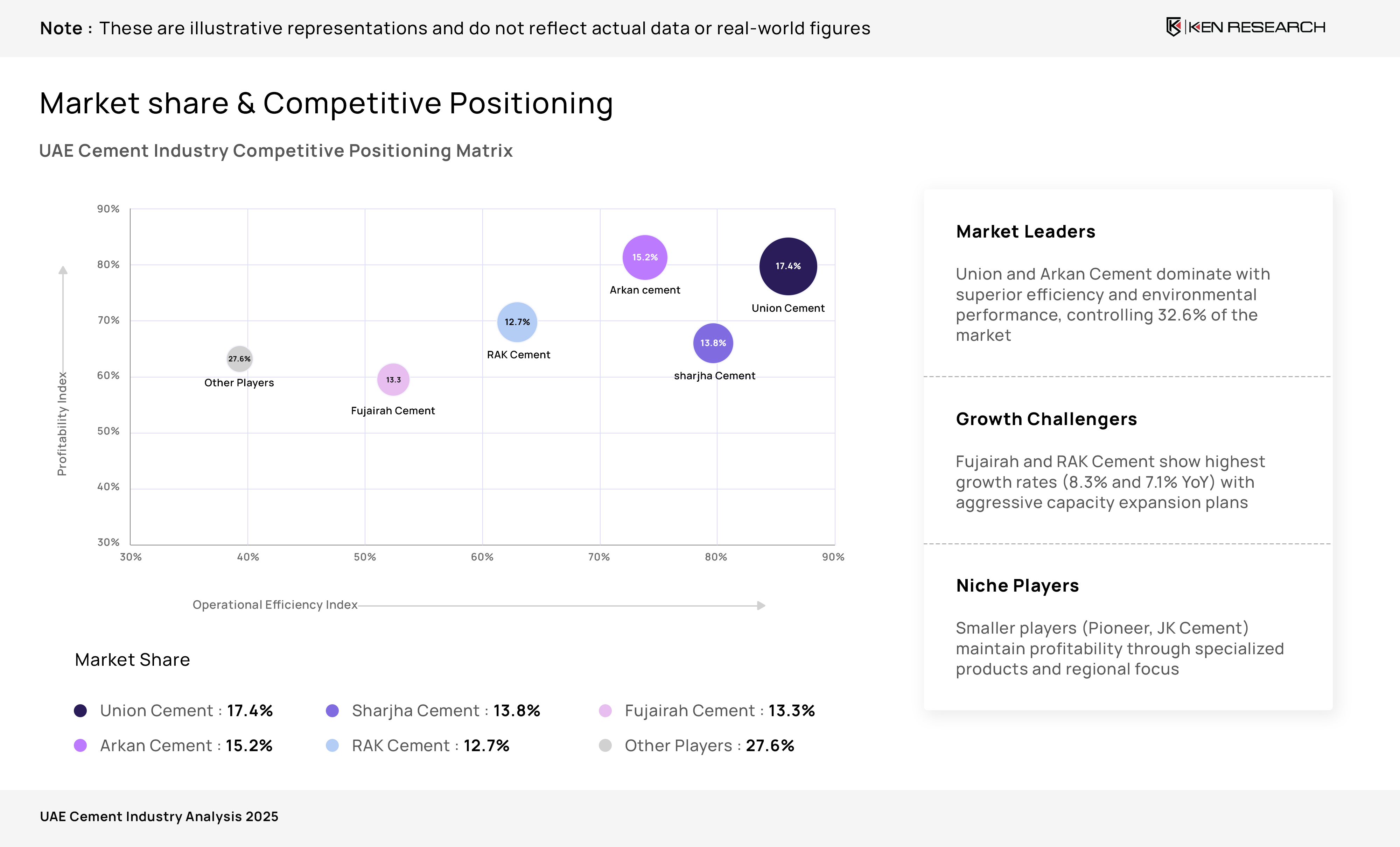
The Indonesia CEP Market showcases a diverse competitive structure, where multinational corporations, regional manufacturers, and local firms engage in a dynamic interplay. Multinationals leverage their global scale and advanced logistics, while regional players focus on tailored solutions that resonate with local market nuances, and local firms capitalize on agility and niche offerings to carve out their market presence.
Innovation from global players is seamlessly integrated with localized adaptations, as companies customize their services to meet Indonesia's unique infrastructural and consumer needs. This synergy fosters a robust ecosystem where technology providers collaborate with local distributors to ensure that solutions are not only cutting-edge but also contextually relevant and accessible.
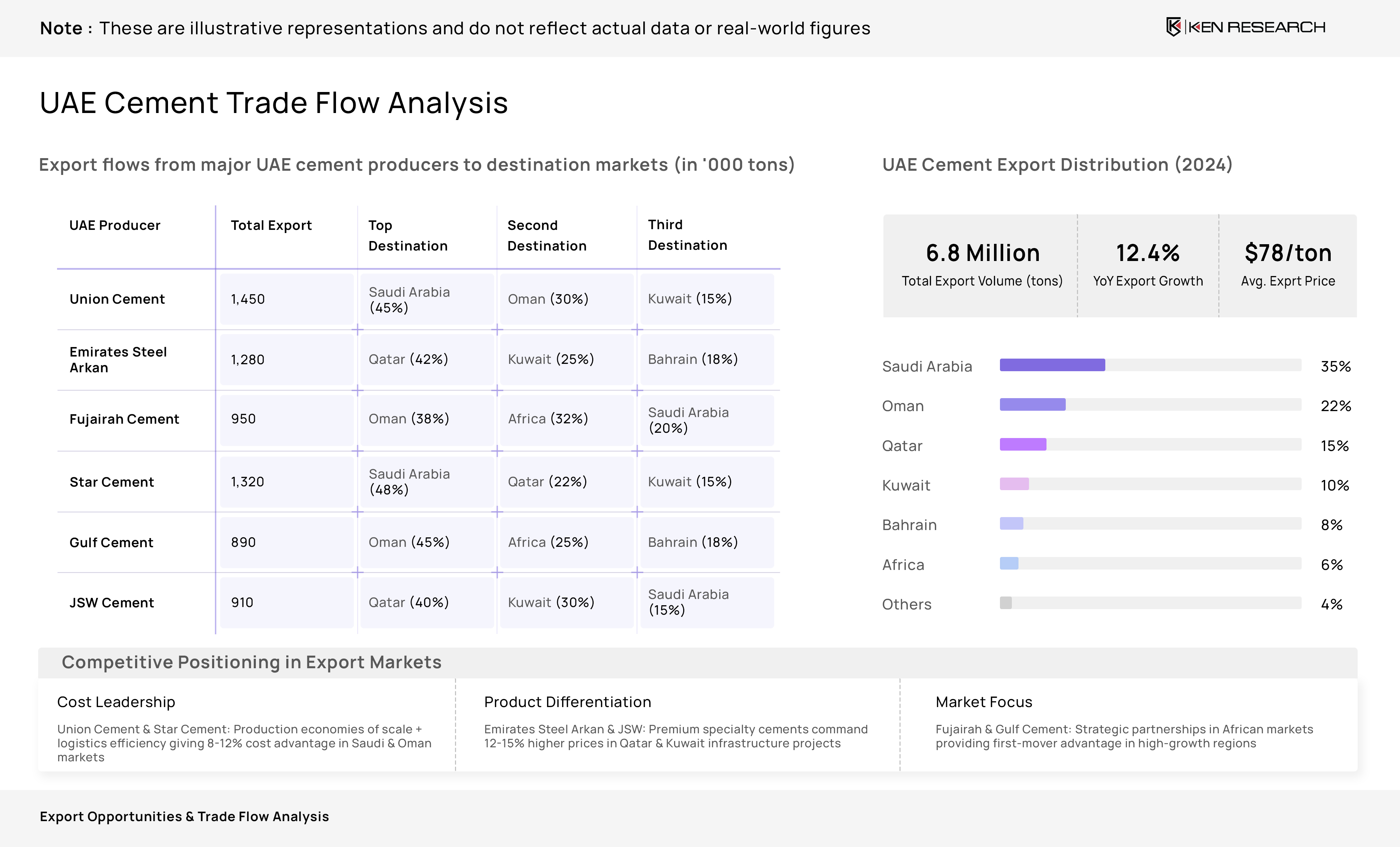
The distribution and aftersales landscape is pivotal in enhancing customer satisfaction and operational efficiency. Strategic alliances among manufacturers, logistics providers, and service operators are crucial for expanding the reach of CEP services, while comprehensive aftersales support, including maintenance and customer service, reinforces brand loyalty and operational reliability in a competitive market.
Looking ahead, the competitive landscape is increasingly shaped by innovation, localization, and operational agility. Companies are prioritizing sustainable practices and technology integration to enhance efficiency, while adaptive strategies enable them to respond swiftly to evolving market demands, ensuring they remain at the forefront of the Indonesia CEP Market.
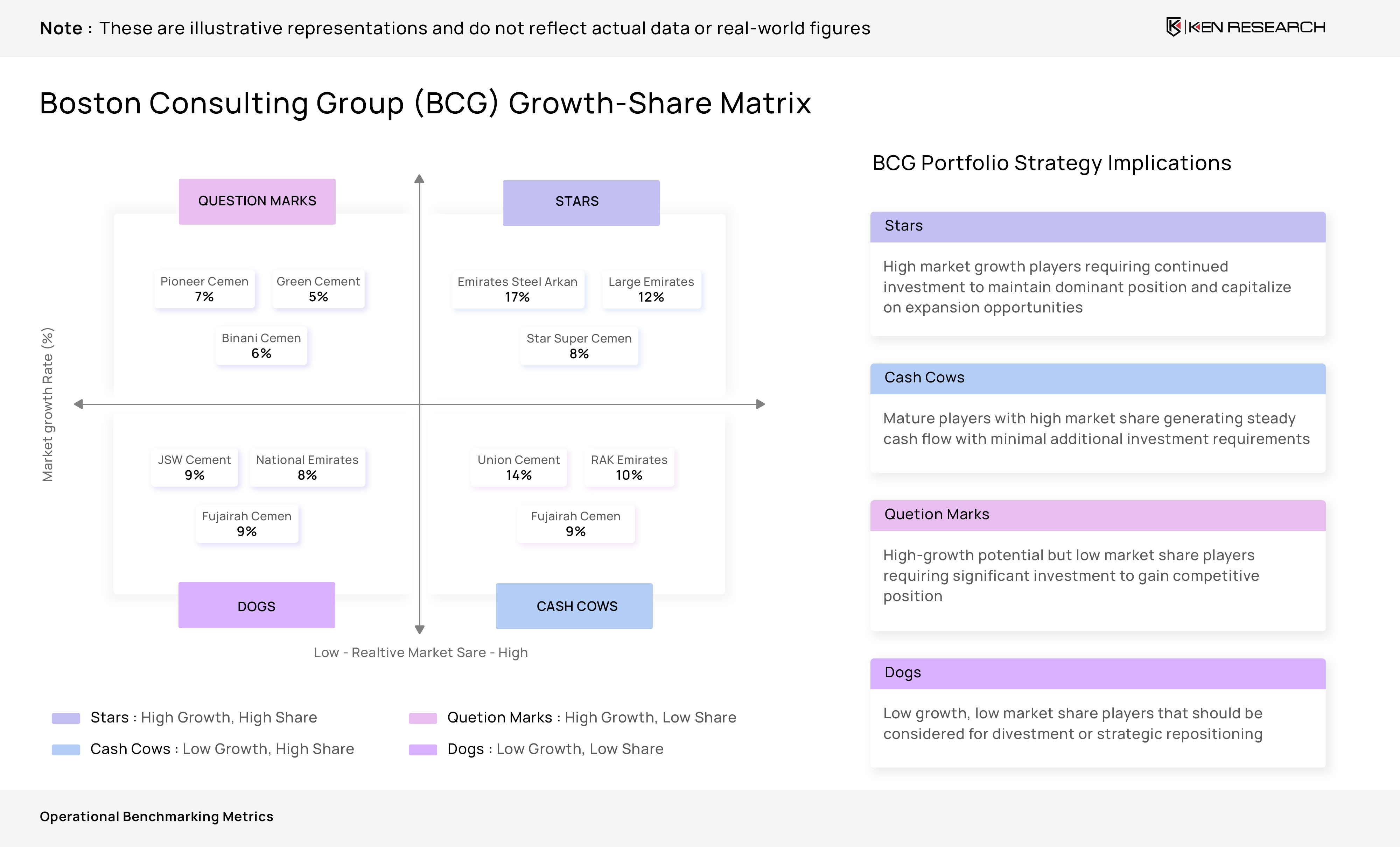
Ecosystem Matrix
Legacy carriers (JNE, TIKI, Pos Indonesia) and global express players (DHL, FedEx, UPS) dominate scale and network reach, underpinned by extensive physical infrastructure.
Digital native CEP providers (Paxel, Deliveree, Ninja Van) focus on API integrations and efficiency, while on demand urban couriers (GoSend, GrabExpress) capture same day consumer demand.
Leading Player Profiles
Company Profiles Overview
Leading CEP players provide nationwide and cross-border delivery coverage, supporting Indonesia’s e-commerce, retail, and B2B logistics demand.
The ecosystem combines legacy, global, and digital-native operators offering express parcels, freight, warehousing, and on-demand last-mile solutions.
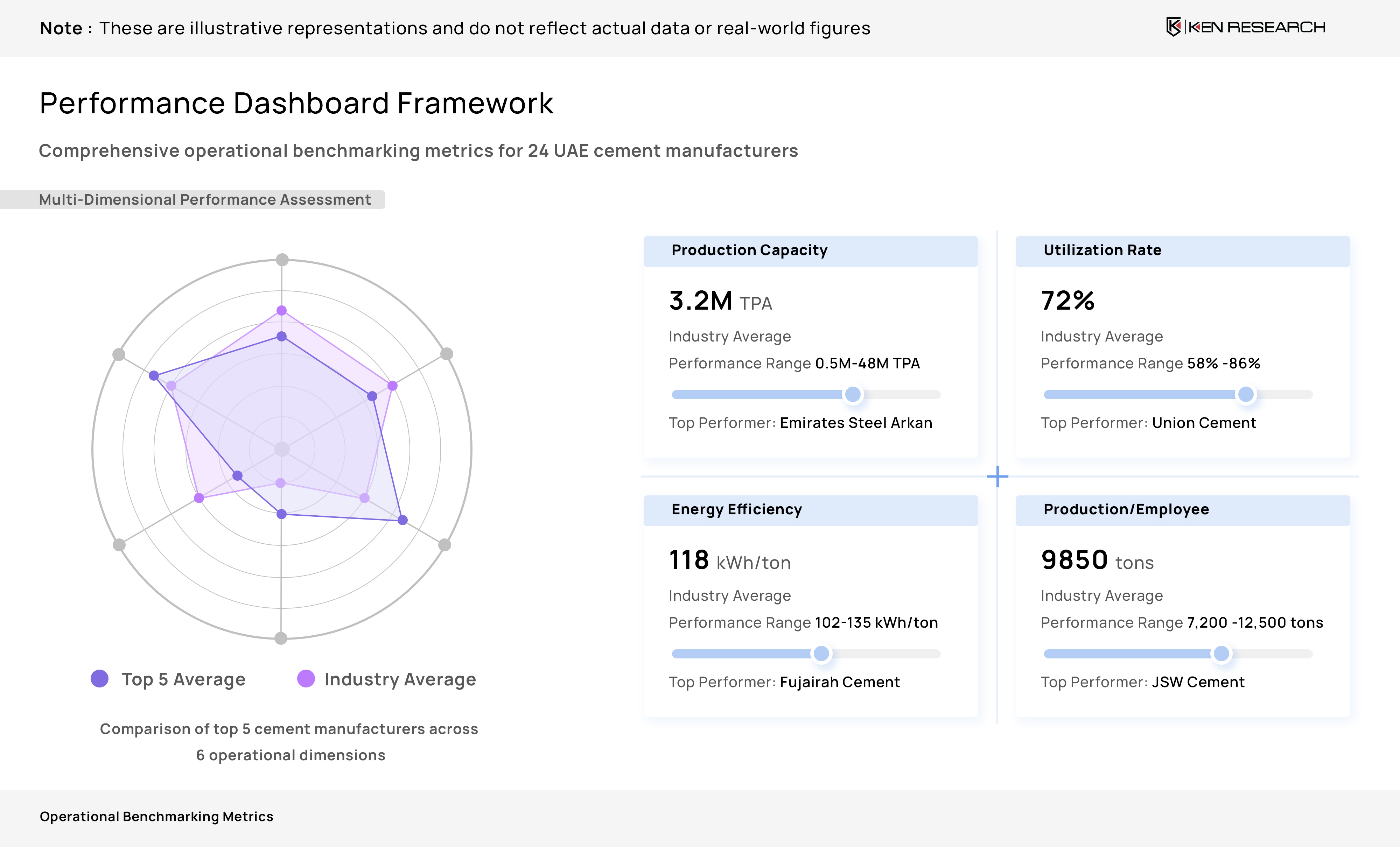
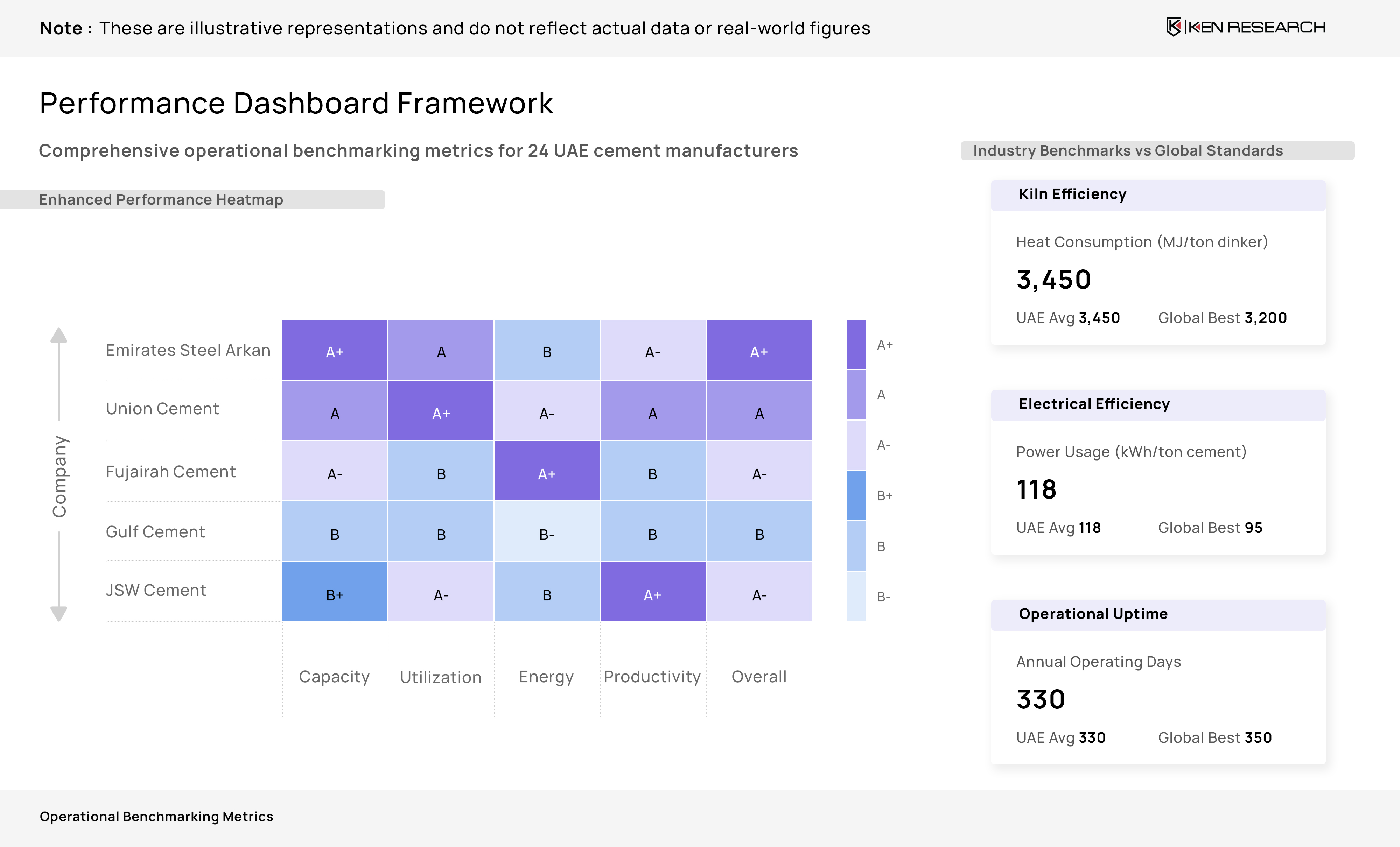
Key Operational Performance Metrics
Company Performance Overview
Unlock Market Insights
Dive deeper into production, distribution, and pricing intelligence.
Get Customized ReportBranch network and fleet scale drive reach and speed; on time performance underscores operational reliability.
COD share and digital booking penetration highlight customer payment preferences and degree of platform digitization.
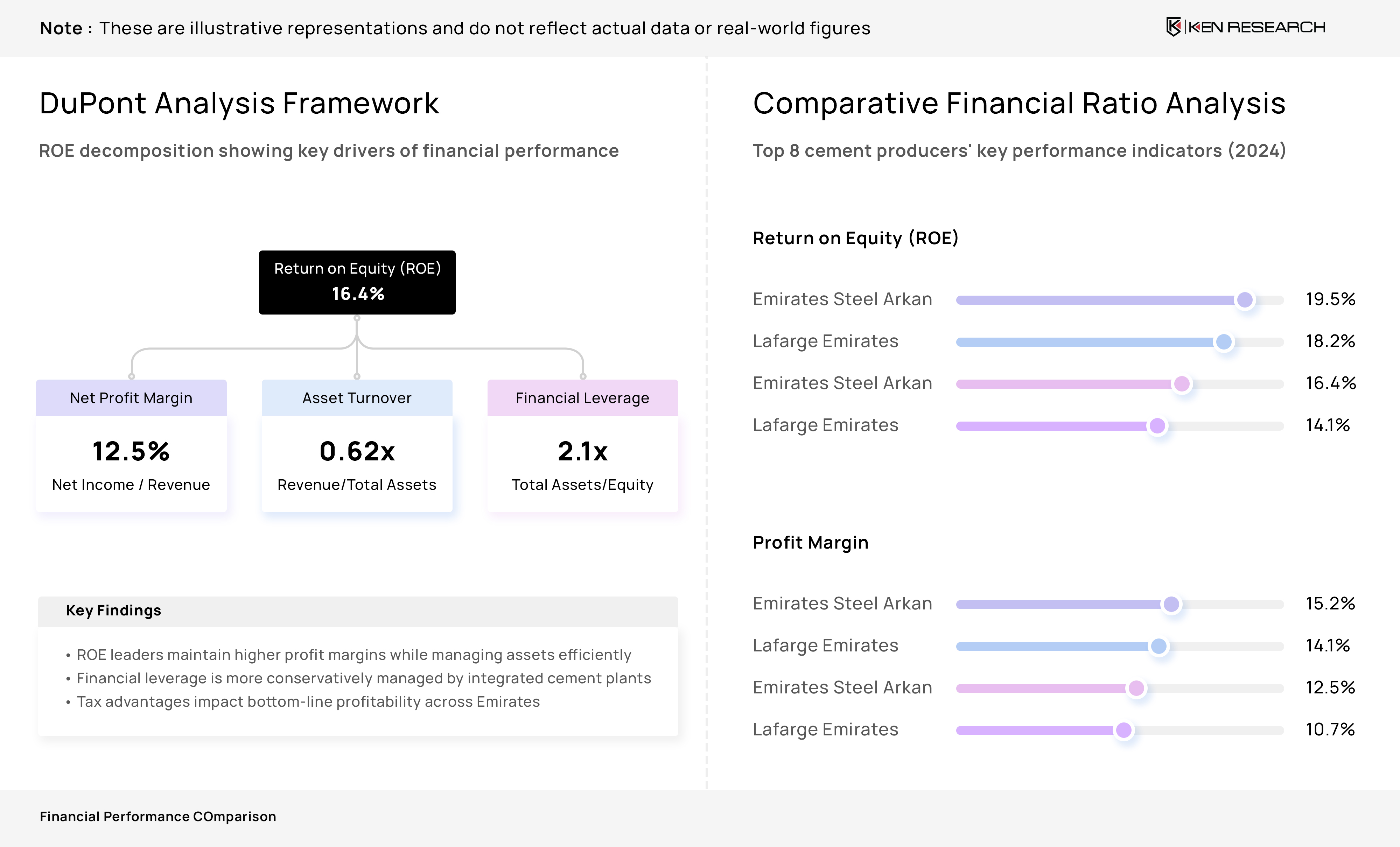
Core Financial Performance Metrics
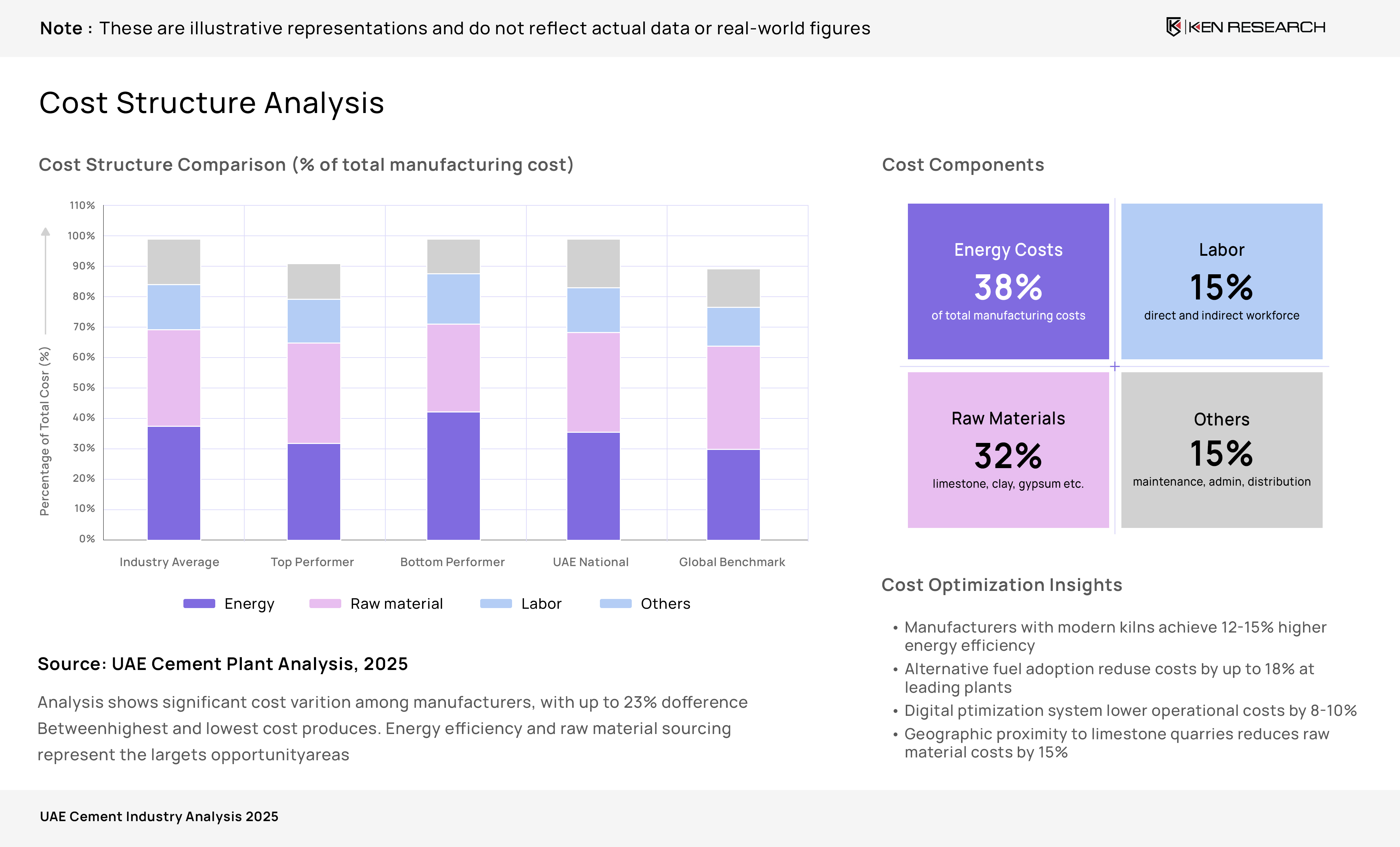
Financial metrics reveal which providers scale profitably versus those investing heavily in infrastructure and technology.
Tracking COGS ratios highlights cost pressures from fuel, labor, and platform maintenance on margins.
Table of Contents
1. Ecosystem Matrix
1.1 Large Players
1.1.1 JNE
1.1.2 TIKI
1.1.3 Pos Indonesia
1.1.4 J&T Express
1.1.5 Ninja Van
1.1.6 SiCepat Express
1.1.7 Anteraja
1.1.8 DHL Indonesia
1.1.9 FedEx Indonesia
1.1.10 UPS Indonesia
1.2 Medium Players
1.2.1 Paxel
1.2.2 Deliveree
1.2.3 Wahana Express
1.2.4 ID Express
1.2.5 SAP Express
1.2.6 RPX
1.2.7 First Logistics
1.2.8 JET Express
1.3 Small Players
1.3.1 GoSend
1.3.2 GrabExpress
1.3.3 Lalamove
1.3.4 NEX
1.3.5 Instant Courier
1.3.6 Click Logistics
1.3.7 Sentral Cargo
1.3.8 KargoX
1.3.9 Npack
1.3.10 Cargonesia
2. Leading Player Profiles
2.1 Company Name
2.2 Group Name
2.3 Headquarters
2.4 Established Year
2.5 Core Services
3. Key Operational Performance Metrics
3.1 Company Name
3.2 Group Name
3.3 Branch Network (Locations / Units)
3.4 Fleet Size (Vehicles)
3.5 Average Transit Time (Days)
3.6 On-time Delivery (%)
3.7 COD Rate (% of Orders)
3.8 Digital Booking Share (%)
3.9 Warehouse Footprint (m²)
3.10 Average Delievery Revenue (USD Mn)
4. Core Financial Performance Metrics
4.1 Parameters
4.1.1 Revenue (USD Mn)
4.1.2 Revenue Growth (%)
4.1.3 COGS (USD Mn)
4.1.4 COGS Growth (%)
4.1.5 EBITDA (USD Mn)
4.1.6 EBITDA Growth (%)
4.1.7 EBITDA Margin (%)
4.1.8 PAT (USD Mn)
4.1.9 PAT Margin (%)
5. Methodology
5.1 Approach
5.1.1 Desk Sources
5.1.2 Primary Interviews
5.1.3 Sanity Checking & Validation
5.2 Benchmarking Process
5.2.1 Data Collection
5.2.2 Primary Validation
5.2.3 Proxy KPI Modelling
5.2.4 Normalization & Indexing
5.2.5 Gap Analysis
5.2.6 Peer Review
5.3 Sample Composition
5.3.1 Scope Items
5.3.2 Sample Size
5.3.3 Target Respondents
Methodology
Ken Researchwill deploy its proprietary, multi‑layered research framework—combining robust secondary research, targeted primary outreach, and rigorous data validation—to deliver an authoritative competitive landscape analysis of the Indonesia CEP market. Proxy KPIs are tailored to network scale, service reliability, and digital adoption.
Desk Sources
- Industry reports from Ken Research archives and Gartner
- Company annual reports and investor presentations
- Government and trade association publications, including BKPM and Bank Indonesia (BI)
- Trade journals and logistics-focused blogs
- Financial databases including Bloomberg and Capital IQ
Primary Interviews
- CATIs and online surveys with operations managers at leading CEP providers
- E-commerce and retail logistics heads
- Last-mile network and fleet supervisors
- Fintech and payment platform leaders supporting COD integration
Sanity Checking & Validation
- Triangulation to cross-verify secondary research, primary insights, and proxy models
- Proxy KPI synthesis using branch count, fleet size, and transit times to model revenues
- Outlier analysis to reconcile anomalous performance data through follow-up discussions
- Assumption tracking with clear documentation of benchmarking limitations
- Peer review by internal experts validating methodology and outputs
An Inside Look At Our Custom Insights
Take a look at ourcustomized insights, tailored to yourmarket and business needs. Our benchmarking reports deliver data-driven comparisons of key players, helping you uncover opportunities, assess performance, and make confident strategic decisions.