Indonesia Insurance Broking Market
Published on: February 2026
Report Overview
Indonesia Insurance Broking Market Overview
Market Highlights
The Indonesia insurance broking market features a layered competitive structure comprising global brokerage networks, established domestic intermediaries, and agile local firms. Large multinational brokers dominate complex corporate and specialty risk placements through global methodologies, strong insurer relationships, and advisory-led models, while mid-sized and local brokers compete via relationship-driven servicing, sector expertise, and flexible program structuring.
Global risk advisory and reinsurance practices are increasingly adapted to local execution models to suit Indonesia’s diverse industries and regulatory landscape. Domestic brokers play a critical role in customizing coverage structures, pricing negotiations, and servicing approaches aligned with local business practices, particularly for mid-market corporates and family-owned enterprises.
Distribution reach and post-placement support remain central to competitiveness. Brokers with strong insurer connectivity, responsive servicing teams, and effective claims coordination typically achieve higher renewal stability. Regional service availability and the ability to manage multi-line programs continue to influence broker selection among corporate clients.
Operational efficiency, disciplined cost structures, and selective digital adoption increasingly differentiate leading brokers. While larger players benefit from scale and standardized processes, smaller and mid-sized brokers rely on agility, niche risk expertise, and personalized engagement. Sustained leadership will depend on balancing global advisory strength with localized execution, digital adaptability, and long-term client relationship management.
Ecosystem Matrix
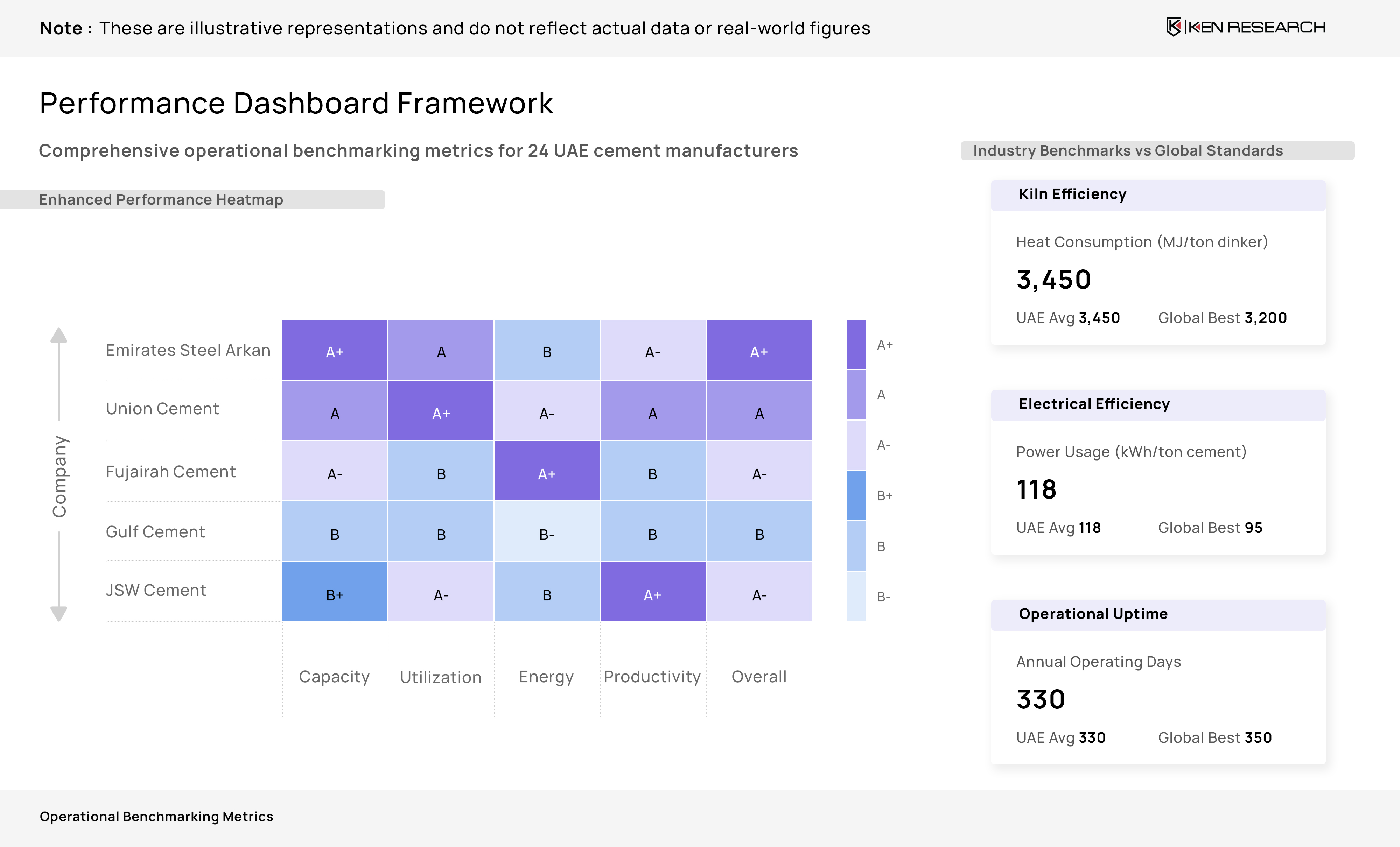
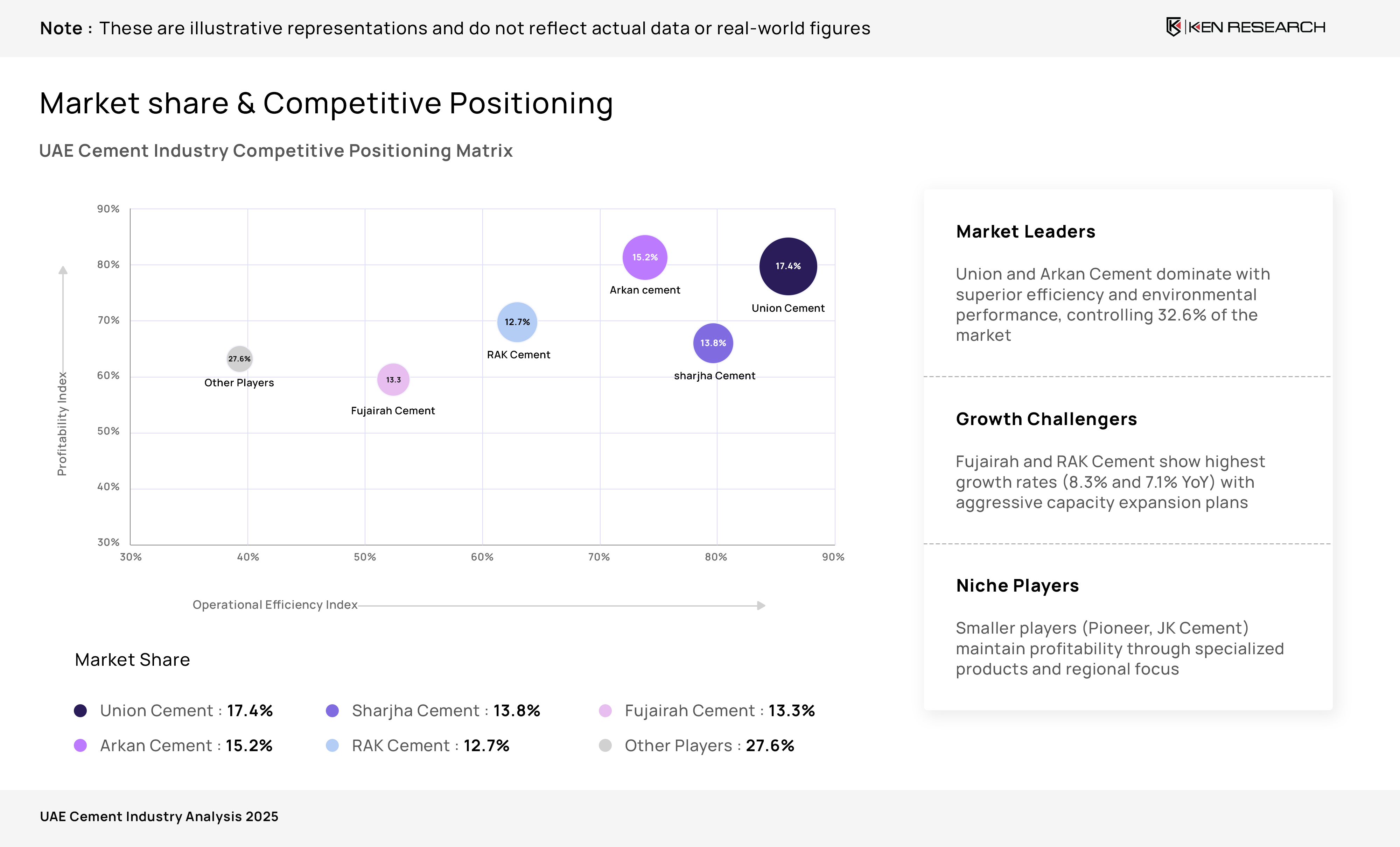
The Indonesian insurance broking space features an entrenched layer of large players with comprehensive placement capability and broad corporate portfolios, while medium and small brokers compete through specialization, niche service offerings, and localized relationships.
Market leadership correlates strongly with diversified service delivery, renewal-retention strength, and cross-line broking expertise, which increasingly determine competitive positioning across enterprise risk classes.
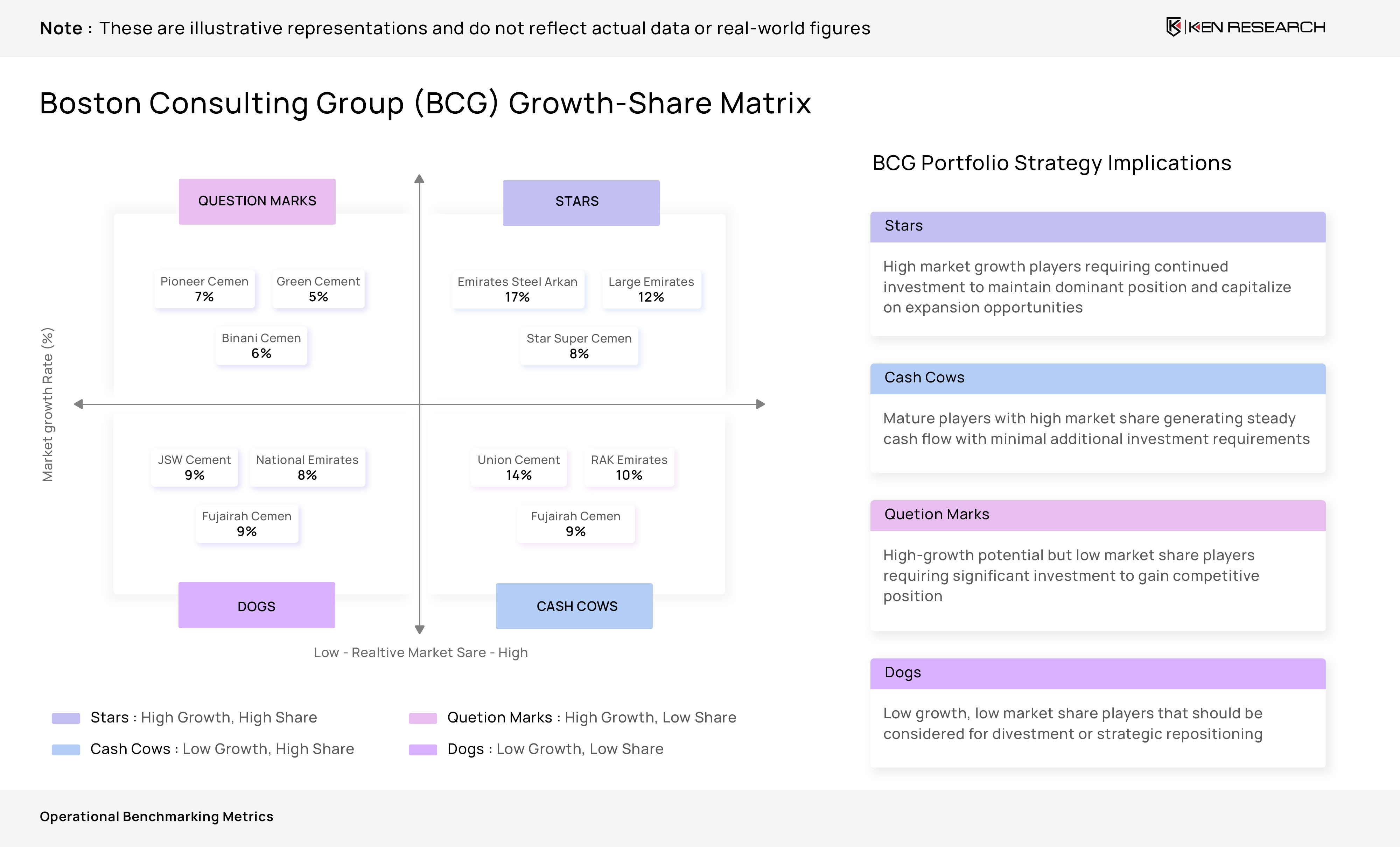
Leading Player Profiles
Company Profile Overview
Established brokers demonstrate deep-rooted insurer network access and enhanced placement expertise, while newer intermediaries lean on technology-enabled distribution and strong SME-focused propositions.
Service models reveal divergence between global-aligned advisory broking and domestic brokers that leverage relationship-based servicing for specialized risks.
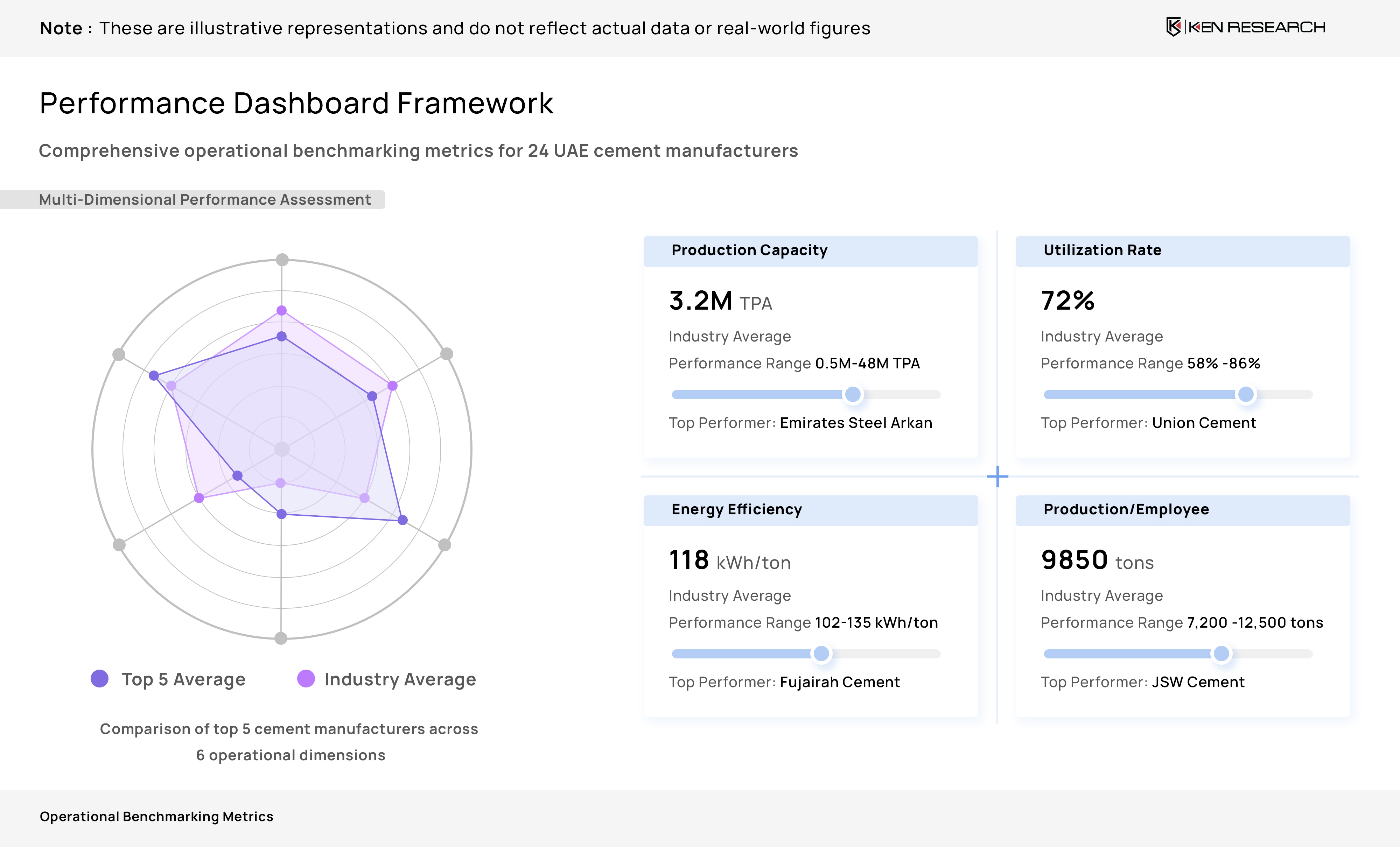
Key Operational Performance Metrics
Company Performance Overview
Unlock Market Insights
Dive deeper into production, distribution, and pricing intelligence.
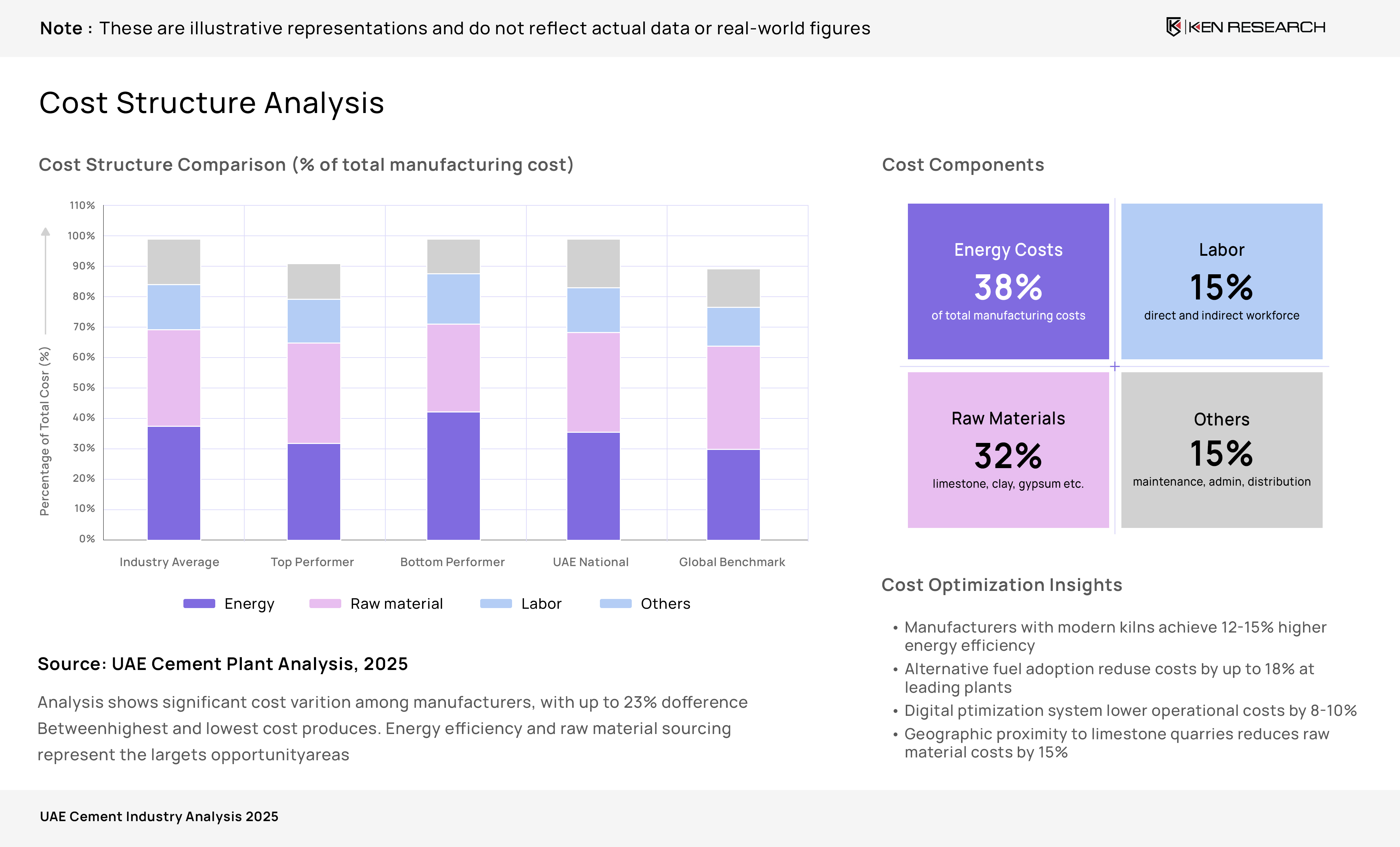
Get Customized ReportOperational performance is heavily influenced by premium placement and renewal retention, which are foundational drivers of revenue for brokers; pricing strategy and advisory income are especially critical for high-margin portfolios.
Reinsurance placement and ancillary services increasingly differentiate larger brokers due to their capacity to handle complex-risk programs and deliver expanded service value.
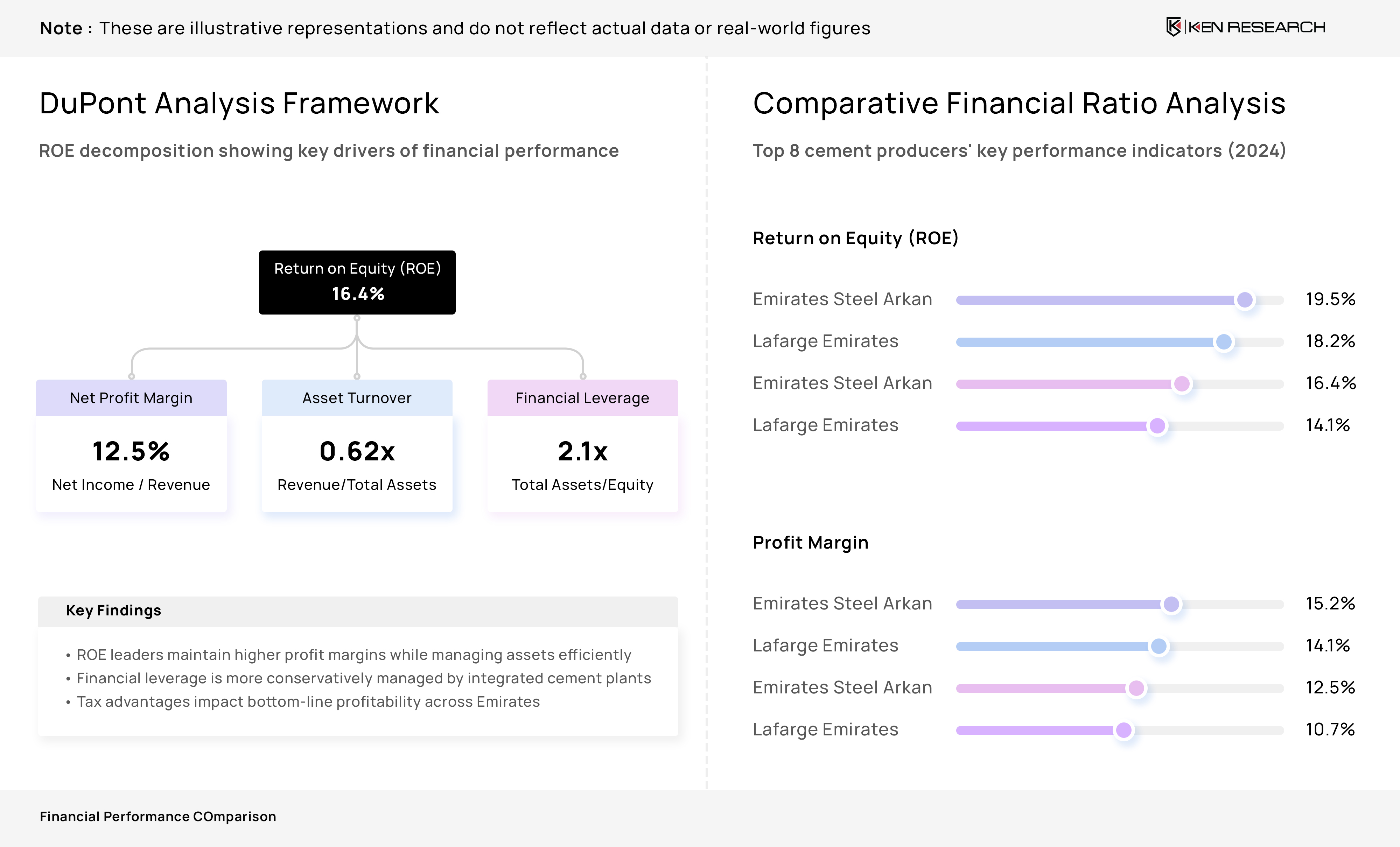
Core Financial Performance Metrics
Table of Contents
1. Ecosystem Matrix
1.1 Large Players
1.1.1 PT Marsh Indonesia
1.1.2 PT Aon Indonesia Insurance Brokers
1.1.3 PT Willis Indonesia (WTW)
1.1.4 PT Howden Insurance Brokers Indonesia
1.1.5 PT Kalibesar Raya Utama (KBRU Insurance Brokers)
1.1.6 PT IBS Insurance Broking Service
1.1.7 PT Mitra Iswara & Rorimpandey (MIR Insurance Brokers)
1.2 Medium Players
1.2.1 PT Shinta Inserve
1.2.2 PT Talisman Insurance Brokers
1.2.3 PT Toyota Tsusho Insurance Broker Indonesia
1.2.4 PT Lead Insurance Brokers & Risk Consultants
1.2.5 PT Liberty and General Risk Services (L&G Risk Services)
1.2.6 PT PAIB Indonesia
1.2.7 PT Axle Asia (bolttech)
1.2.8 PT Parare International
1.3 Small Players
1.3.1 PT Anugrah Medal Broker (AMB)
1.3.2 PT Cipta Integra Duta
1.3.3 PT Aon Reinsurance Brokers Indonesia
1.3.4 PT Indonesia Insurance Brokers
1.3.5 PT Pialang Asuransi Indotekno
1.3.6 PT Asuransi Brokers Totalita Indonesia
1.3.7 PT Pialang Asuransi Prima Indonesia
2. Leading Player Profiles
2.1 Parameters
2.1.1 Company Name
2.1.2 Group Name
2.1.3 Headquarters
2.1.4 Established Year
2.1.5 Core Services
2.1.6 Mode of Functioning
3. Key Operational Performance Metrics
3.1 Premiums Placed Volume (USD Mn)
3.2 New Business Premium (USD Mn)
3.3 Renewal Premium Retained (USD Mn)
3.4 Pricing (Avg Fee) (USD Mn)
3.5 Commission Income (USD Mn)
3.6 Advisory Fee Income (USD Mn)
3.7 Reinsurance Placement Volume (USD Mn)
3.8 Avg Premium per Account (USD Mn)
3.9 Ancillary Service Fees (USD Mn)
4. Core Financial Performance Metrics
4.1 Parameters
4.1.1 Revenue (USD Mn)
4.1.2 Revenue Growth (%)
4.1.3 COGS (USD Mn)
4.1.4 COGS Growth (%)
4.1.5 EBITDA (USD Mn)
4.1.6 EBITDA Growth (%)
4.1.7 EBITDA Margin (%)
4.1.8 PAT (USD Mn)
4.1.9 PAT Margin (%)
5. Methodology
5.1 Approach
5.1.1 Desk Sources
5.1.2 Primary Interviews
5.1.3 Sanity Checking & Validation
5.2 Benchmarking Process
5.2.1 Data Collection
5.2.2 Primary Validation
5.2.3 Proxy KPI Modelling
5.2.4 Normalization & Indexing
5.2.5 Gap Analysis
5.2.6 Peer Review
5.3 Sample Composition
5.3.1 Scope Items
5.3.2 Sample Size
5.3.3 Target Respondents
Methodology
Ken Research will deploy its proprietary, multi layered research framework combining robust secondary research, targeted primary outreach, and rigorous data validation to deliver an authoritative competitive benchmarking assessment of the Indonesia Insurance Broking Market.
Desk Sources
- Industry reports from proprietary databases and Ken Research internal archives to establish historical benchmarks, market structure, and competitive baselines
- Company annual reports, statutory filings, and regulatory disclosures to extract revenue structure, service mix, and organizational footprint
- Publications and circulars issued by Indonesian financial regulators and insurance associations to understand licensing norms, compliance requirements, and intermediary frameworks
- Trade journals, insurance magazines, and sector-specific e-publications to track competitive movements, product innovation, and pricing practices
- Financial intelligence platforms such as Bloomberg and Capital IQ to standardize available financial ratios and peer-level comparisons
- Digital intelligence tools including SimilarWeb and allied platforms to assess brand visibility, demand signals, and digital engagement across brokers
Primary Interviews
- CATI interviews and structured online discussions with senior management, placement heads, and product specialists at leading insurance brokers
- In-depth conversations with sales and marketing leaders to validate client mix, pricing structures, and renewal dynamics
- Interviews with insurers, reinsurers, and distribution partners to corroborate broker positioning, premium flows, and servicing capabilities
- Consultations with industry analysts, consultants, and insurance technology providers to validate evolving market practices and competitive shifts
Sanity Checking and Validation
- Triangulation of insights by cross-verifying secondary research findings with primary interviews and proxy KPI outputs
- Proxy KPI synthesis using indicators such as premium volumes handled, client portfolio size, service line breadth, and digital engagement to approximate revenue scale
- Outlier detection to identify inconsistencies in reported or estimated metrics, followed by targeted validation discussions
- Structured documentation of assumptions, limitations, and proxy methodologies applied across each player
- Internal peer review of analytical logic, benchmarking frameworks, and conclusions prior to report finalization
An Inside Look At Our Custom Insights
Take a look at ourcustomized insights, tailored to yourmarket and business needs. Our benchmarking reports deliver data-driven comparisons of key players, helping you uncover opportunities, assess performance, and make confident strategic decisions.