Indonesia Luxury Car Dealers Market
Published on: February 2026
Report Overview
Indonesia luxury Car Dealers Market Overview
Market Highlights
The Indonesia luxury car dealers market is characterized by a concentrated competitive structure where a limited number of large automotive groups and OEM-linked distributors anchor the ecosystem, supported by a diverse layer of brand-focused and experience-driven local dealers. Market leadership is shaped by the ability to manage complex brand portfolios, maintain consistent retail standards, and orchestrate nationwide dealer and service networks while preserving exclusivity and premium positioning.
Global automotive brands operating through Indonesian entities bring advanced product platforms, brand equity, and operational frameworks into the market, but long-term competitiveness is determined by how effectively these global strategies are localized. Dealers and distributors tailor showroom experiences, financing structures, aftersales programs, and customer engagement models to align with local purchasing behavior, urban mobility patterns, and evolving luxury consumption preferences, creating differentiated ownership propositions across customer segments.
The distribution and aftersales ecosystem plays a decisive role in shaping competitive outcomes, with dense dealer coverage, certified workshops, and parts availability directly influencing customer confidence, repeat purchases, and brand loyalty. Players with integrated service networks and strong aftersales execution are better positioned to smooth revenue volatility, enhance customer lifetime value, and protect margins in an increasingly competitive premium retail environment.
Strategic differentiation in the market is increasingly driven by operational discipline, inventory management, digital lead conversion capabilities, and the ability to monetize ancillary revenue streams such as financing, insurance, and trade-in programs. Sustainability considerations, technology-enabled customer interfaces, and premium service consistency are emerging as critical enablers for maintaining relevance among high-value customer cohorts.
Looking ahead, competition in the Indonesia luxury car dealers market will continue to be shaped by the interplay of global brand innovation, localized execution, and strategic agility. Players that successfully balance exclusivity with accessibility, operational efficiency with experiential retail, and scale with service excellence are expected to sustain leadership and capture long-term value in a market defined by evolving consumer expectations and intensifying brand competition.
Ecosystem Matrix
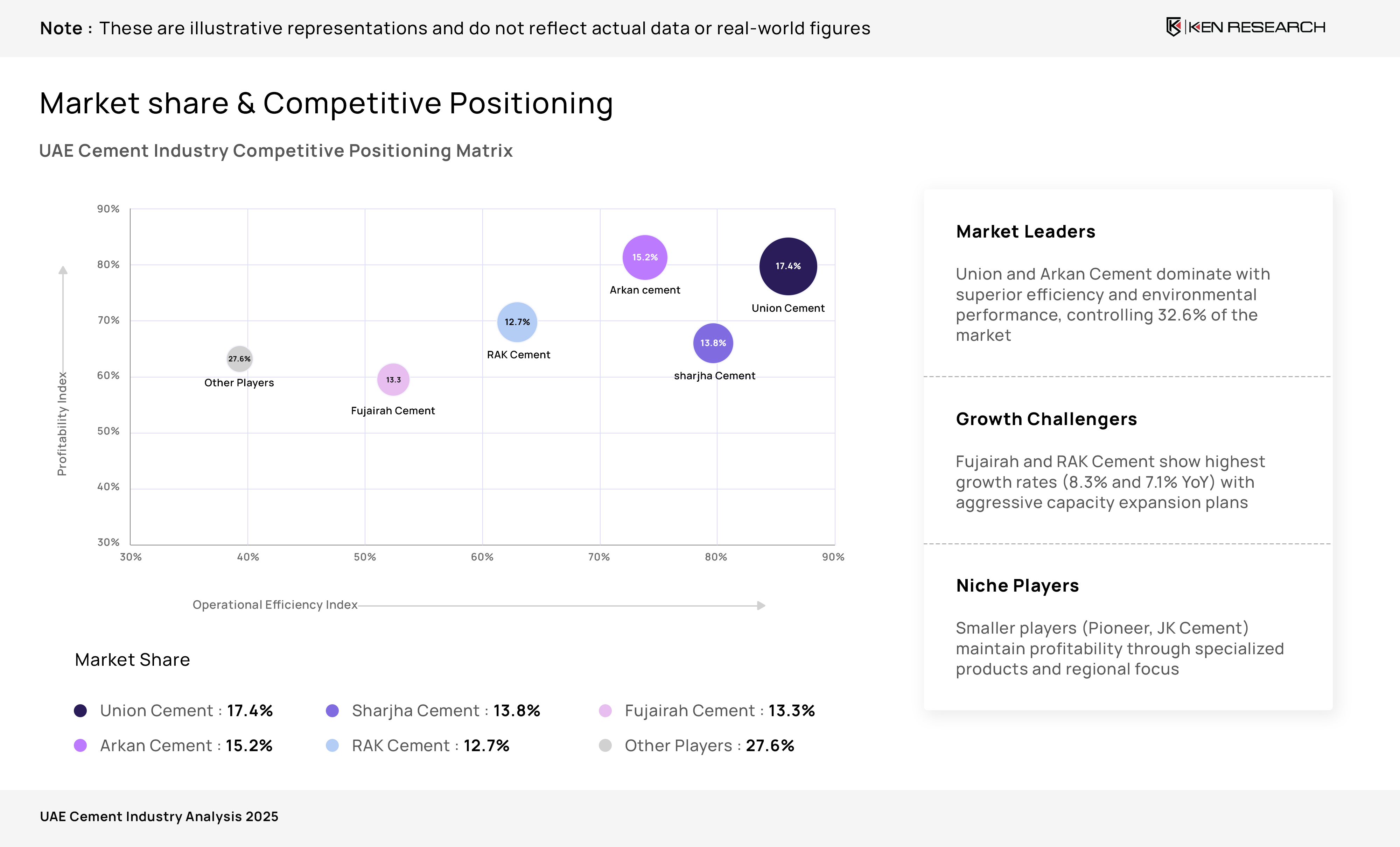
Indonesia’s luxury dealer ecosystem is concentrated around a few multi-brand automotive conglomerates and OEM-linked distributors, while smaller brand-exclusive dealers play a critical role in niche luxury, performance, and ultra-luxury categories with experience-led positioning.
Competitive intensity is driven less by unit volume and more by lifecycle monetization, aftersales absorption, financing penetration, and inventory discipline, particularly in Jakarta, Surabaya, and emerging tier-1 wealth clusters.
Leading Player Profiles
Company Profile Overview
The player landscape shows a dual structure where OEM-linked distributors control brand governance, while dealer groups compete on execution quality, service density, and customer lifetime value rather than headline sales alone.
Establishment timelines highlight strong incumbency advantages, with older dealer groups benefiting from financing relationships, workshop scale, and fleet contracts, while newer entrants differentiate through exclusivity and experience.
Key Operational Performance Metrics
Company Performance Overview
Unlock Market Insights
Dive deeper into production, distribution, and pricing intelligence.
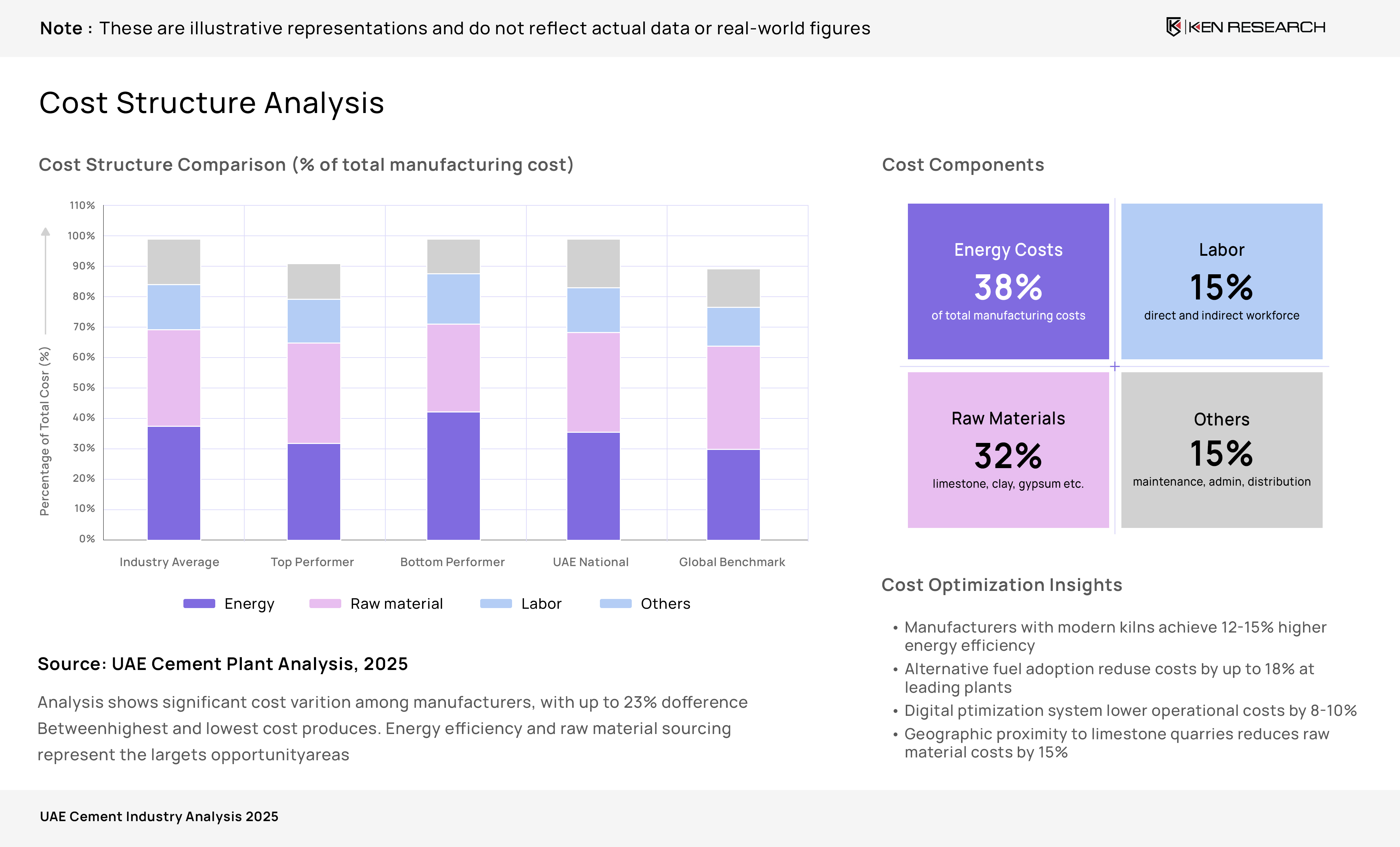
Get Customized ReportIn luxury auto retail, benchmarking these KPIs reveals which players translate premium demand into realized revenue through disciplined pricing, faster inventory cycles, and strong conversion performance. Leaders typically win by balancing showroom velocity with aftersales capacity and parts attachment.
Operational leaders usually build resilience through high workshop throughput, stronger F&I monetization, and healthier trade-in penetration, which stabilizes margins during demand swings. Comparing funnel metrics alongside aftersales intensity highlights who is structurally set up for repeat purchase economics.
Core Financial Performance Metrics
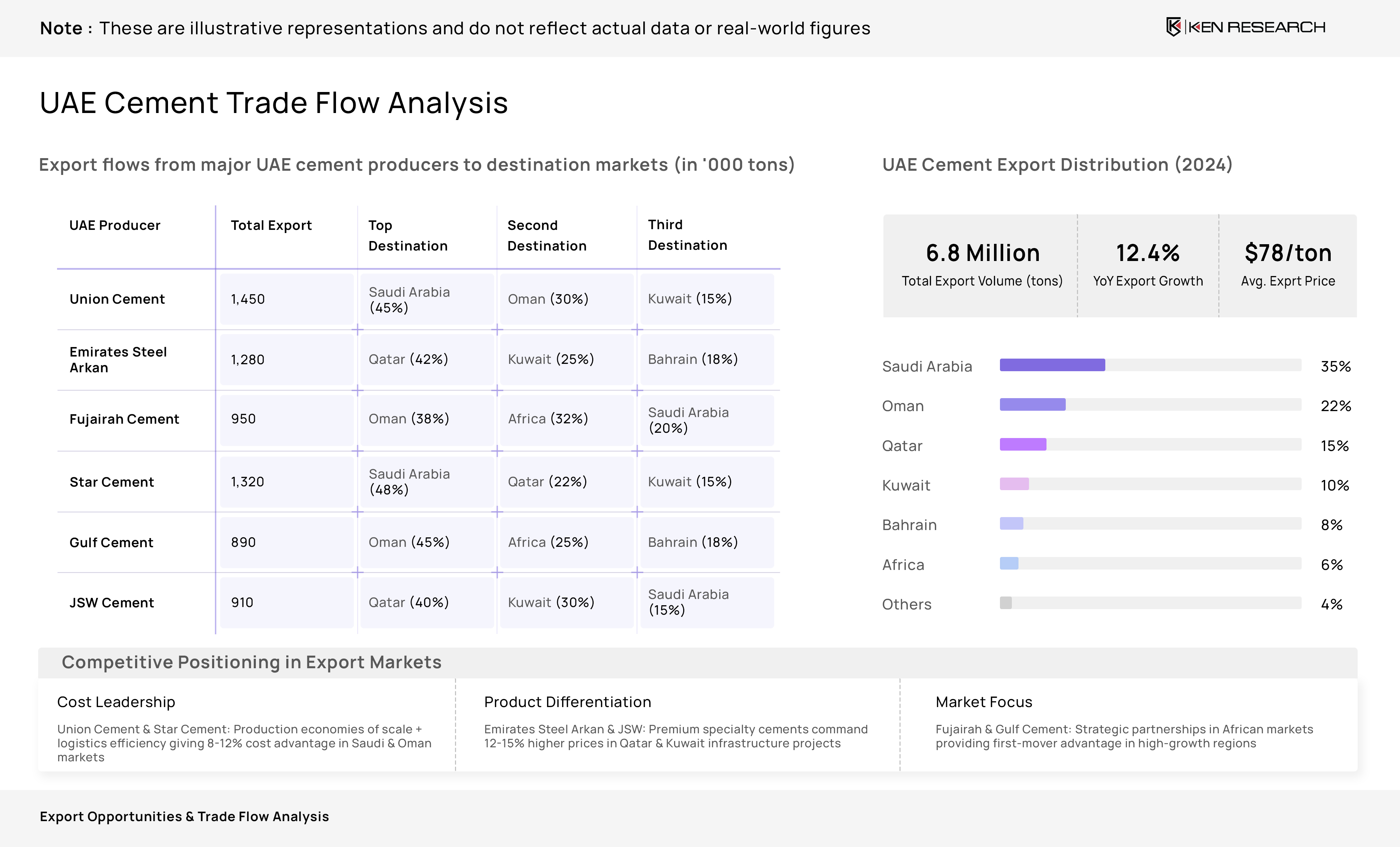
This financial view helps separate scale-led ecosystems from specialist luxury dealers by showing how revenue expansion converts into EBITDA and PAT quality. The most defensible players typically sustain margin through aftersales absorption, controlled discounting, and tighter cost discipline.
Comparing growth rates with EBITDA margin and PAT margin indicates whether performance is structurally healthy or promotion-led. Dealers with steadier profitability usually run leaner inventory positions, higher service contribution, and stronger customer retention, reducing earnings volatility across cycles.
Table of Contents
1. Ecosystem Matrix
1.1 Large Players
1.1.1 PT Astra International Tbk
1.1.2 PT Toyota-Astra Motor
1.1.3 PT Indomobil Sukses Internasional Tbk
1.1.4 PT BMW Indonesia
1.1.5 PT Mercedes-Benz Distribution Indonesia
1.1.6 PT Mercedes-Benz Indonesia
1.1.7 Eurokars Group Indonesia
1.2 Medium Players
1.2.1 PT Garuda Mataram Motor
1.2.2 PT Trans Eurokars Indonesia
1.2.3 PT Eurokars Artha Utama
1.2.4 PT Eurokars Motor Indonesia
1.2.5 PT Mazda Motor Indonesia
1.2.6 PT Tunas Ridean Tbk
1.2.7 PT Tunas Mobilindo Parama
1.3 Small Players
1.3.1 PT Plaza Auto Raya
1.3.2 PT Hartono Raya Motor
1.3.3 PT Citrakarya Pranata
1.3.4 PT JLM Auto Indonesia
1.3.5 PT Auto Trisula Indonesia
1.3.6 PT Eurokars Prima Utama
1.3.7 PT Prestige Motorcars Indonesia
2. Leading Player Profiles
2.1 Parameters
2.1.1 Company Name
2.1.2 Group Name
2.1.3 Headquarters
2.1.4 Established Year
2.1.5 Core Services
2.1.6 Mode of Functioning
3. Key Operational Performance Metrics
3.1 Pricing
3.2 Units Sold
3.3 Aftersales Revenue
3.4 Service Bay Throughput
3.5 Parts Revenue
3.6 Finance & Insurance Income
3.7 Trade-in Penetration
3.8 Digital Lead Conversion
3.9 Test Drive Conversion
4. Core Financial Performance Metrics
4.1 Parameters
4.1.1 Revenue (USD Mn)
4.1.2 Revenue Growth (%)
4.1.3 COGS (USD Mn)
4.1.4 COGS Growth (%)
4.1.5 EBITDA (USD Mn)
4.1.6 EBITDA Growth (%)
4.1.7 EBITDA Margin (%)
4.1.8 PAT (USD Mn)
4.1.9 PAT Margin (%)
5. Methodology
5.1 Approach
5.1.1 Desk Sources
5.1.2 Primary Interviews
5.1.3 Sanity Checking & Validation
5.2 Benchmarking Process
5.2.1 Data Collection
5.2.2 Primary Validation
5.2.3 Proxy KPI Modelling
5.2.4 Normalization & Indexing
5.2.5 Gap Analysis
5.2.6 Peer Review
5.3 Sample Composition
5.3.1 Scope Items
5.3.2 Sample Size
5.3.3 Target Respondents
Methodology
Ken Research will deploy its proprietary, multi layered research framework combining robust secondary research, targeted primary outreach, and rigorous data validation to deliver an authoritative competitive benchmarking assessment of the Indonesia Luxury Car Dealers Market.
Desk Sources
- Industry reports from proprietary databases and Ken Research internal archives to establish historical benchmarks, dealer ecosystem structures, and baseline performance indicators
- Company annual reports, investor presentations, and statutory disclosures to extract financial trends, dealership scale, service capabilities, and strategic priorities
- Government publications and trade association releases to understand regulatory environment, import frameworks, luxury vehicle policies, and local compliance requirements
- Trade magazines, automotive journals, and industry e-articles to track competitive developments, brand strategies, technology adoption, and pricing dynamics
- Financial intelligence platforms such as Bloomberg and Capital IQ to standardize financial ratios, peer comparisons, and group-level performance assessment
- Web traffic and digital engagement platforms including SimilarWeb and App Annie to evaluate digital reach, lead generation effectiveness, and online demand signals
Primary Interviews
- CATI interviews and structured online surveys with category managers and product or brand heads overseeing luxury vehicle portfolios
- In-depth discussions with senior sales, marketing, and dealer network leaders to validate volume drivers, pricing discipline, and customer acquisition strategies
- Interviews with distributors, authorized dealers, and channel partners to cross-check regional demand patterns, aftersales intensity, and inventory practices
- Consultations with automotive industry analysts, consultants, and service ecosystem participants to validate competitive positioning and operational assumptions
Sanity Checking and Validation
- Triangulation of estimates by cross-verifying secondary research findings, primary interview insights, and proxy-based analytical outputs
- Proxy KPI synthesis using indicators such as dealership footprint, service bay capacity, brand portfolio mix, digital engagement, and installed vehicle base to approximate revenues and operating scale
- Outlier analysis to identify inconsistencies across reported and estimated metrics, followed by targeted revalidation through follow-up interviews
- Assumption tracking through a structured internal log capturing all modeling assumptions, limitations, and proxy KPI sources for transparency and auditability
- Internal peer review of methodology, benchmarking logic, and analytical outputs by senior Ken Research consultants prior to finalization
An Inside Look At Our Custom Insights
Take a look at ourcustomized insights, tailored to yourmarket and business needs. Our benchmarking reports deliver data-driven comparisons of key players, helping you uncover opportunities, assess performance, and make confident strategic decisions.