Indonesia Mobile Financial Services Market
Published on: March 2026
Report Overview
Indonesia Mobile Financial Services Market Overview
Market Highlights
The Indonesia Mobile Financial Services Market showcases a diverse competitive landscape where multinational corporations, regional players, and local firms engage in a dynamic interplay. Multinationals leverage their extensive resources for broad market penetration, while regional entities focus on tailored solutions that resonate with local consumer behaviors, and local firms capitalize on agility and niche offerings to carve out specific market segments.
Innovation from global players is seamlessly integrated with localized strategies, as firms adapt mobile financial solutions to meet the unique cultural and economic contexts of Indonesia. This synergy fosters a robust ecosystem where technology providers collaborate with local businesses to ensure that services are not only cutting-edge but also culturally relevant and accessible to the broader population.
The distribution and aftersales framework is critical in enhancing customer satisfaction and service reliability. Strategic alliances among financial service providers, telecommunications companies, and local merchants facilitate widespread access to mobile financial services, while comprehensive aftersales support ensures that users receive timely assistance, thereby reinforcing brand loyalty and trust in a competitive market.
Future competitiveness hinges on the ability to innovate and adapt swiftly to changing market dynamics. Companies are increasingly focusing on integrating advanced technologies, optimizing operational efficiencies, and committing to sustainable practices, all of which are essential for maintaining relevance and driving growth in the rapidly evolving mobile financial services landscape in Indonesia.
Ecosystem Matrix
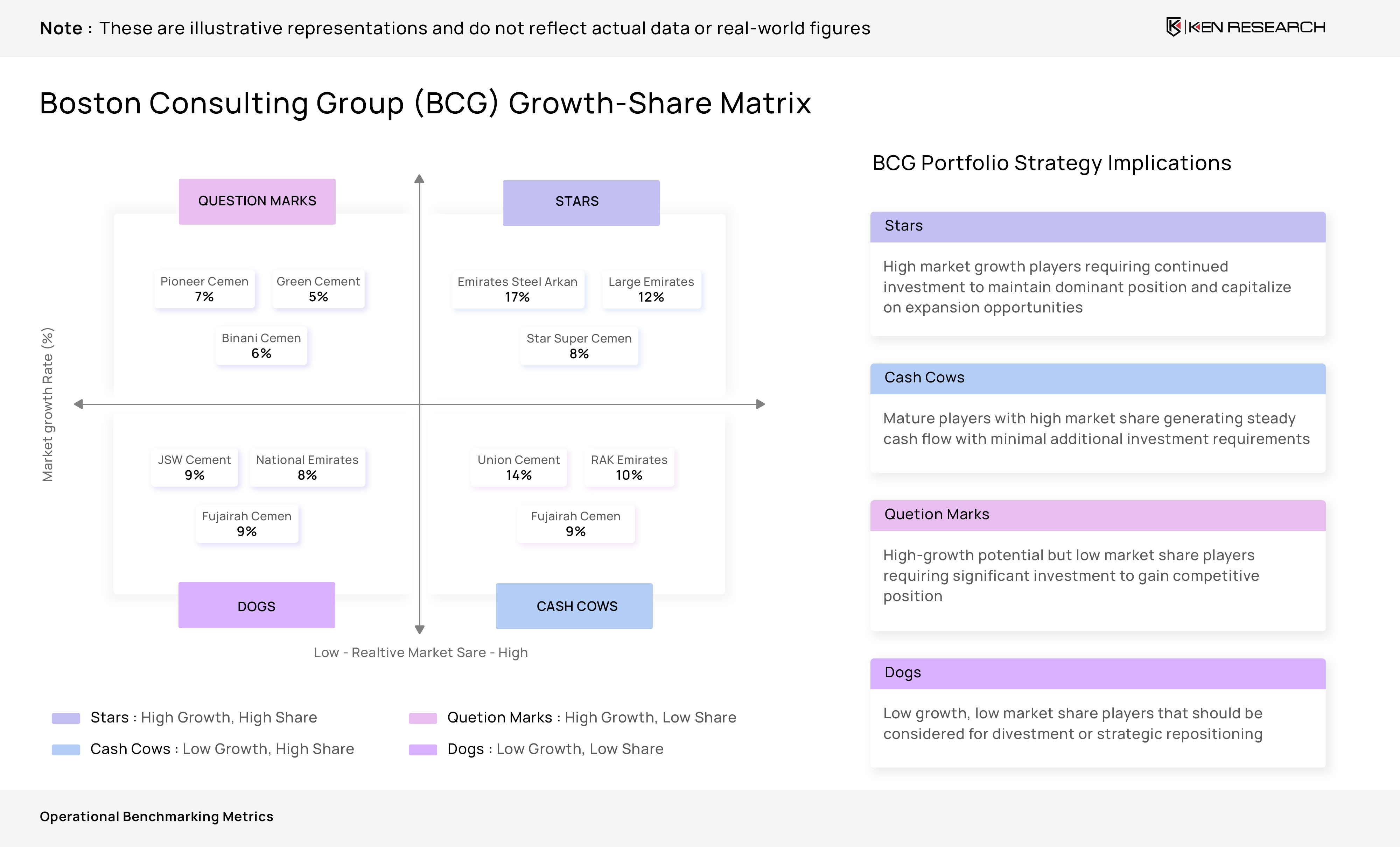
Indonesia's mobile financial services market is rapidly expanding, driven by a young, tech-savvy population and increasing smartphone penetration. Major players like GoPay and OVO are leveraging strategic partnerships to enhance their service offerings and capture market share.
The ecosystem's maturity is evident in the diverse range of services offered, from digital wallets to peer-to-peer lending platforms. This diversity is fostering competition and innovation, positioning Indonesia as a key player in Southeast Asia's fintech landscape.
Leading Player Profiles
Company Profile Overview
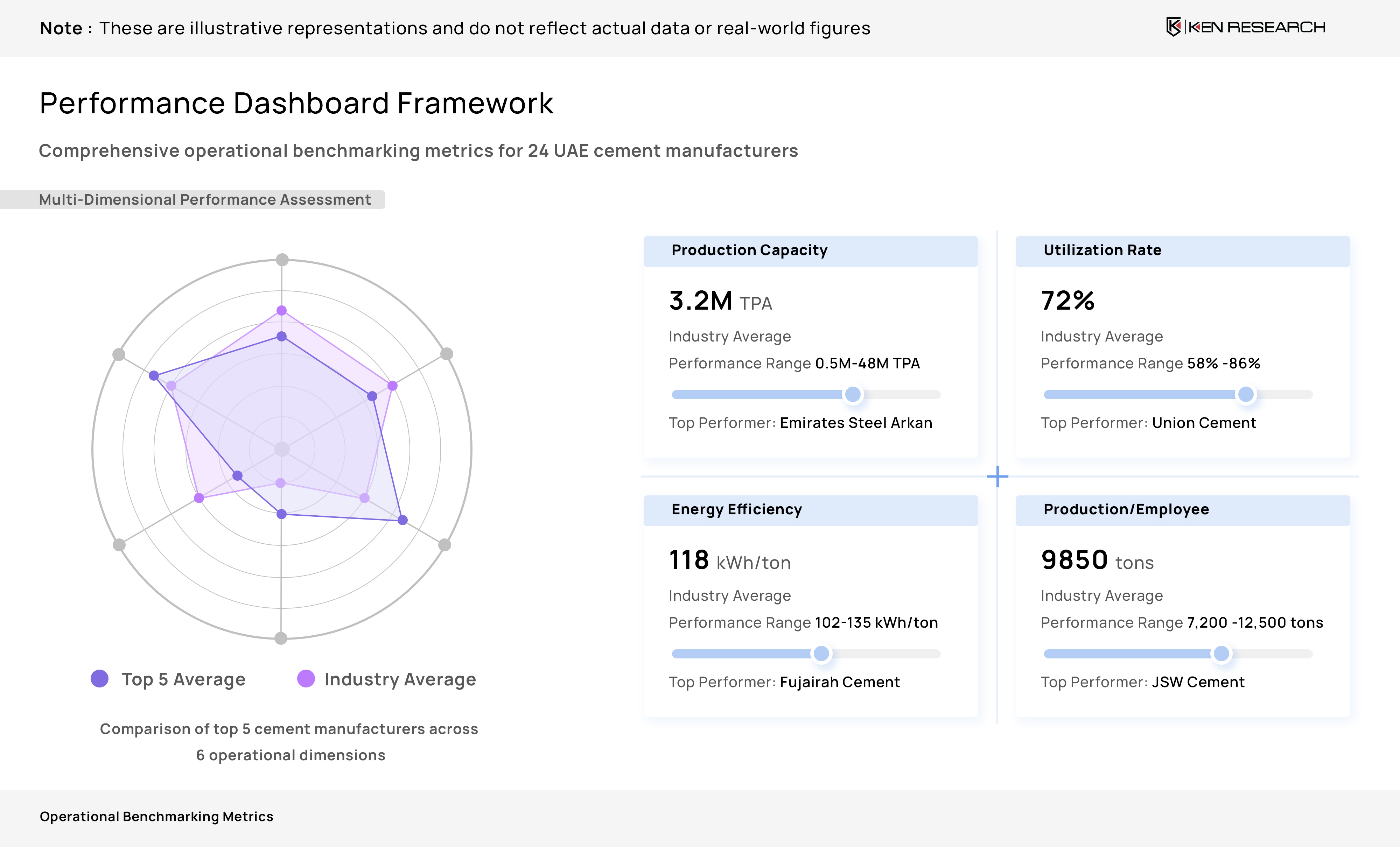
In the Indonesia Mobile Financial Services Market, companies are leveraging technology and strategic partnerships to enhance service offerings, focusing on seamless integration with digital ecosystems to cater to the evolving needs of tech-savvy consumers.
Operational efficiency is achieved through streamlined digital processes and robust infrastructure, providing a competitive advantage by enabling rapid scaling and cost-effective service delivery, thus meeting the high demand for accessible financial solutions.
Key Operational Performance Metrics
Company Performance Overview
Unlock Market Insights
Dive deeper into production, distribution, and pricing intelligence.
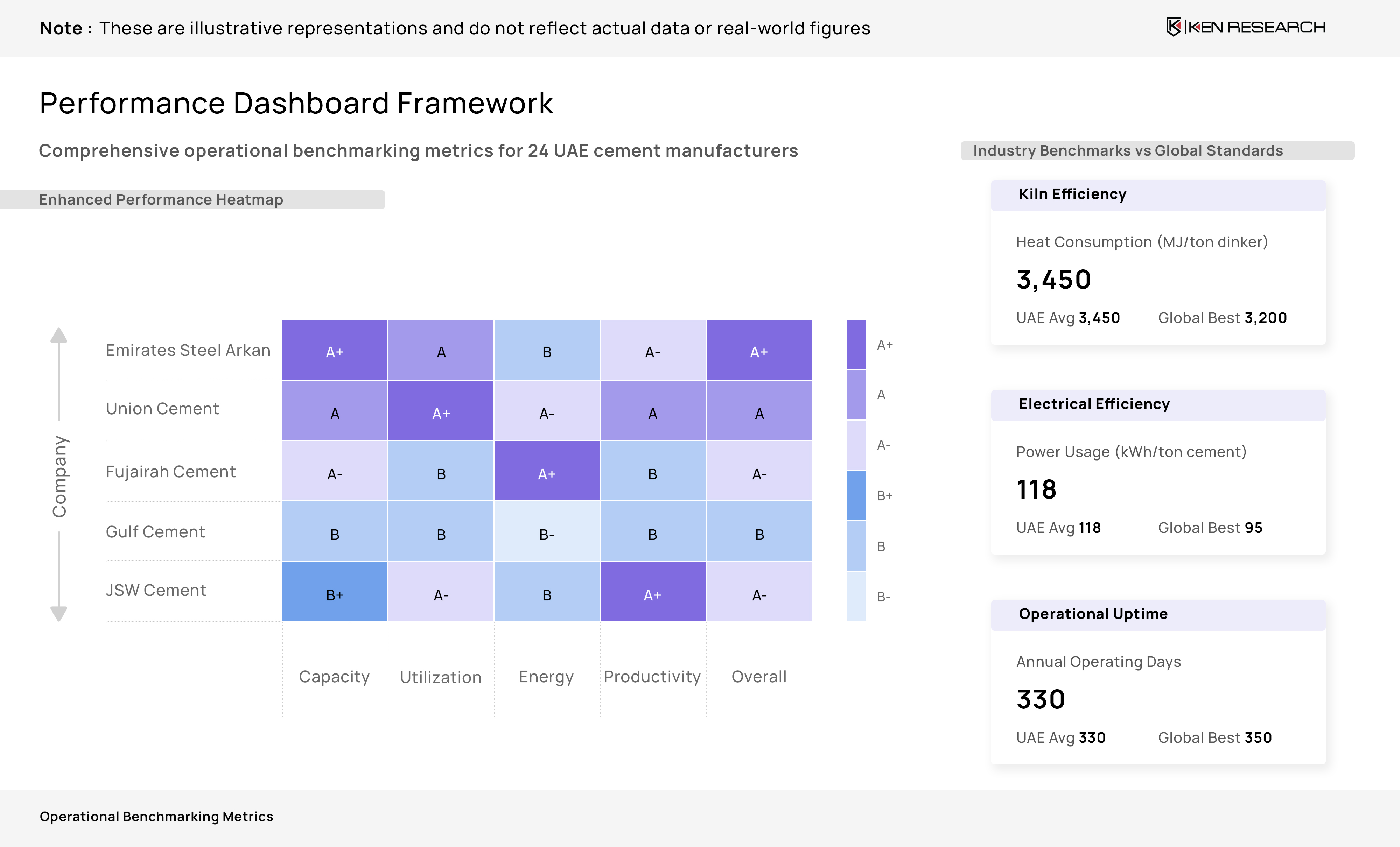
Get Customized ReportTransaction volume, active wallet count, and merchant acceptance points are critical revenue drivers in Indonesia’s mobile financial services, reflecting user engagement, network breadth, and transaction frequency, which directly influence overall revenue generation and market penetration.
Operational metrics such as instant settlement rate, fraud detection accuracy, and API uptime serve as key competitive benchmarks, enabling providers to enhance service reliability, security, and customer experience in a rapidly evolving fintech ecosystem.
Core Financial Performance Metrics
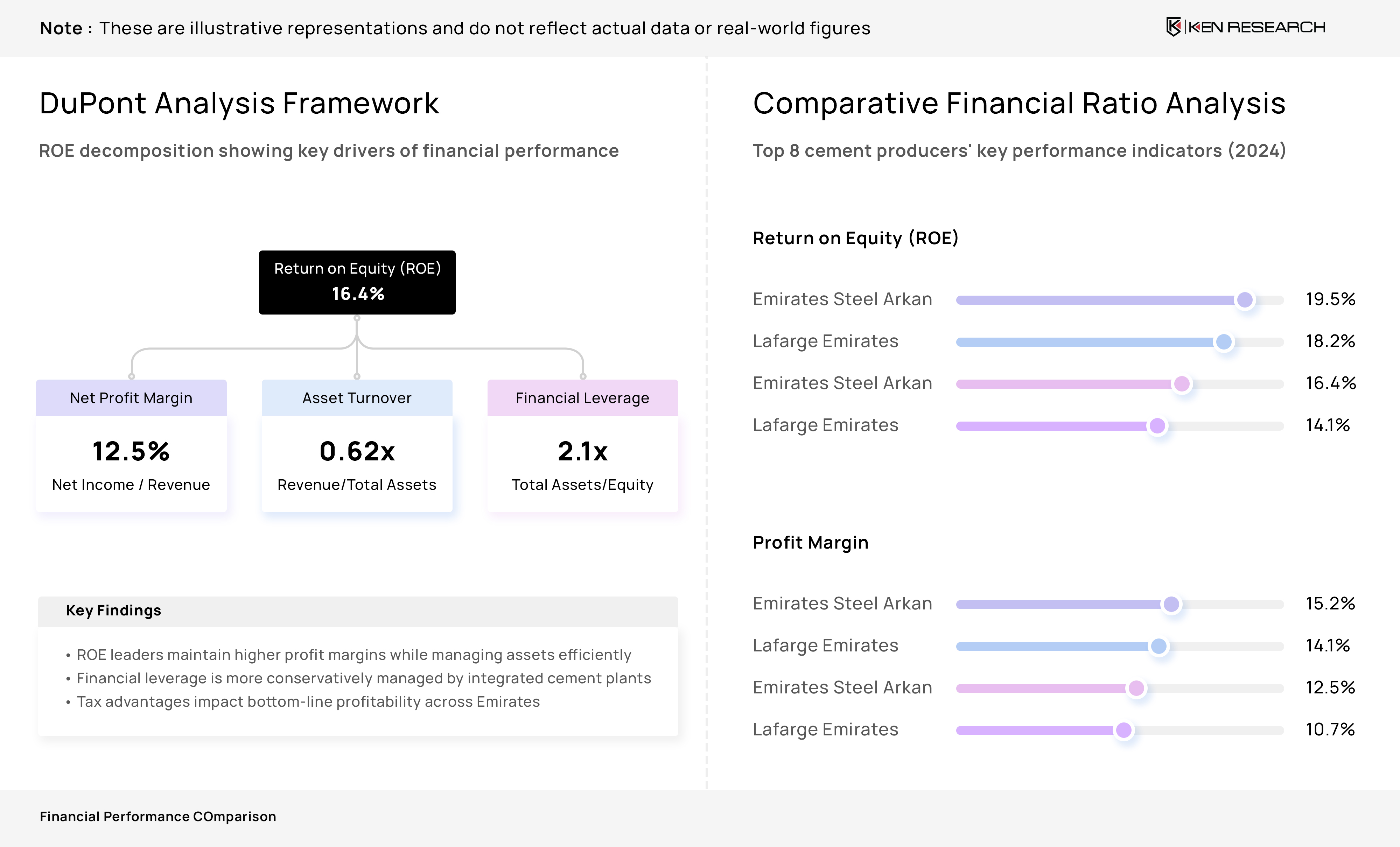
Large players like T-Cash and GoPay dominate the market with superior revenue and margins, showcasing strong pricing power and margin resilience compared to smaller peers like Modalku and KoinWorks, which struggle to achieve similar financial stability.
Top-tier companies exhibit greater cost efficiency and financial stability, with lower COGS growth and higher EBITDA margins, while lower-tier players face challenges in maintaining cost control and achieving sustainable profitability.
Table of Contents
1. Ecosystem Matrix
1.1 Large Players
1.1.1 T-Cash
1.1.2 GoPay
1.1.3 OVO
1.1.4 DANA
1.2 Medium Players
1.2.1 DOKU
1.2.2 Sakuku
1.2.3 TrueMoney
1.2.4 Jenius
1.2.5 Akulaku
1.2.6 Kredivo
1.2.7 ShopeePay
1.2.8 iSaku
1.2.9 LinkAja
1.3 Small Players
1.3.1 Paytren
1.3.2 UangTeman
1.3.3 Investree
1.3.4 Cashlez
1.3.5 Flip
1.3.6 KoinWorks
1.3.7 Modalku
2. Leading Player Profiles
2.1 Parameters
2.1.1 Company Name
2.1.2 Group Name
2.1.3 Headquarters
2.1.4 Established Year
2.1.5 Core Services
2.1.6 Mode of Functioning
2.2. Players
2.2.1 T-Cash
2.2.2 GoPay
2.2.3 OVO
2.2.4 DANA
2.2.5 DOKU
2.2.6 Sakuku
2.2.7 TrueMoney
2.2.8 Jenius
2.2.9 Akulaku
2.2.10 Kredivo
2.2.11 ShopeePay
2.2.12 iSaku
2.2.13 LinkAja
2.2.14 Paytren
2.2.15 UangTeman
2.2.16 Investree
2.2.17 Cashlez
2.2.18 Flip
2.2.19 KoinWorks
2.2.20 Modalku
3. Key Operational Performance Metrics
3.1 Parameters
3.1.1 Transaction Volume (millions)
3.1.2 Active Wallets (millions)
3.1.3 Merchant Acceptance Points (thousands)
3.1.4 Average Transaction Value (USD Mn)
3.1.5 Instant Settlement Rate (%)
3.1.6 Fraud Detection Accuracy (%)
3.1.7 Mobile App Session Duration (mins)
3.1.8 Customer Support Response Time (mins)
3.1.9 Cross-Border Transaction Share (%)
3.1.10 API Uptime (%)
4. Core Financial Performance Metrics
4.1 Parameters
4.1.1 Revenue (USD Mn)
4.1.2 Revenue Growth (%)
4.1.3 COGS (USD Mn)
4.1.4 COGS Growth (%)
4.1.5 EBITDA (USD Mn)
4.1.6 EBITDA Growth (%)
4.1.7 EBITDA Margin (%)
4.1.8 PAT (USD Mn)
4.1.9 PAT Margin (%)
5. Methodology
5.1 Approach
5.1.1 Desk Sources
5.1.2 Primary Interviews
5.1.3 Sanity Checking & Validation
5.2 Benchmarking Process
5.2.1 Data Collection
5.2.2 Primary Validation
5.2.3 Proxy KPI Modelling
5.2.4 Normalization & Indexing
5.2.5 Gap Analysis
5.2.6 Peer Review
5.3 Sample Composition
5.3.1 Scope Items
5.3.2 Sample Size
5.3.3 Target Respondents
Methodology
Ken Research will deploy its proprietary, multi-layered research framework—combining robust secondary research, targeted primary outreach, and rigorous data validation—to deliver an authoritative competitive landscape analysis of the Indonesia Mobile Financial Services Market.
Desk Sources
- Industry reports (Proprietary databases, Ken Research archives, and major regional or global market sources relevant to Indonesia Mobile Financial Services Market)
- Company annual reports & investor presentations of large and emerging players in the Indonesia Mobile Financial Services Market
- Government & trade association publications related to the Indonesia Mobile Financial Services Market sector
- Trade magazines, journals, and e-articles specific to Indonesia Mobile Financial Services Market
- Financial databases (Bloomberg, Capital IQ, Factiva)
- Web traffic & app-usage dashboards (SimilarWeb, App Annie, or equivalents) for online or digital players in this market
Primary Interviews
- Category Managers / R&D Heads of key Indonesia Mobile Financial Services Market producers or service providers
- Senior Sales/Marketing Leads at leading firms
- Distributors, channel partners, or trade buyers active in this market
- Technology/service providers supporting the ecosystem
- Industry analysts and consultants with expertise in Indonesia Mobile Financial Services Market
Sanity Checking and Validation
- Triangulation: Cross-verify estimates from secondary data, primary inputs, and proxy model outputs
- Proxy KPI synthesis: Use related KPIs (e.g., capacity, throughput, transaction volumes, web traffic, or installation base) to approximate market performance
- Outlier analysis: Identify and reconcile anomalous data points via follow-up validation
- Assumption tracking: Maintain a log of all benchmarking assumptions, with clear notes on limitations and proxy KPI sources
- Peer review: Internal expert review of methodology, models, and key outputs before finalization
An Inside Look At Our Custom Insights
Take a look at ourcustomized insights, tailored to yourmarket and business needs. Our benchmarking reports deliver data-driven comparisons of key players, helping you uncover opportunities, assess performance, and make confident strategic decisions.