Indonesia Payment Gateway Providers Market
Published on: March 2026
Report Overview
Indonesia Payment Gateway ProvidersMarket Overview
Market Highlights
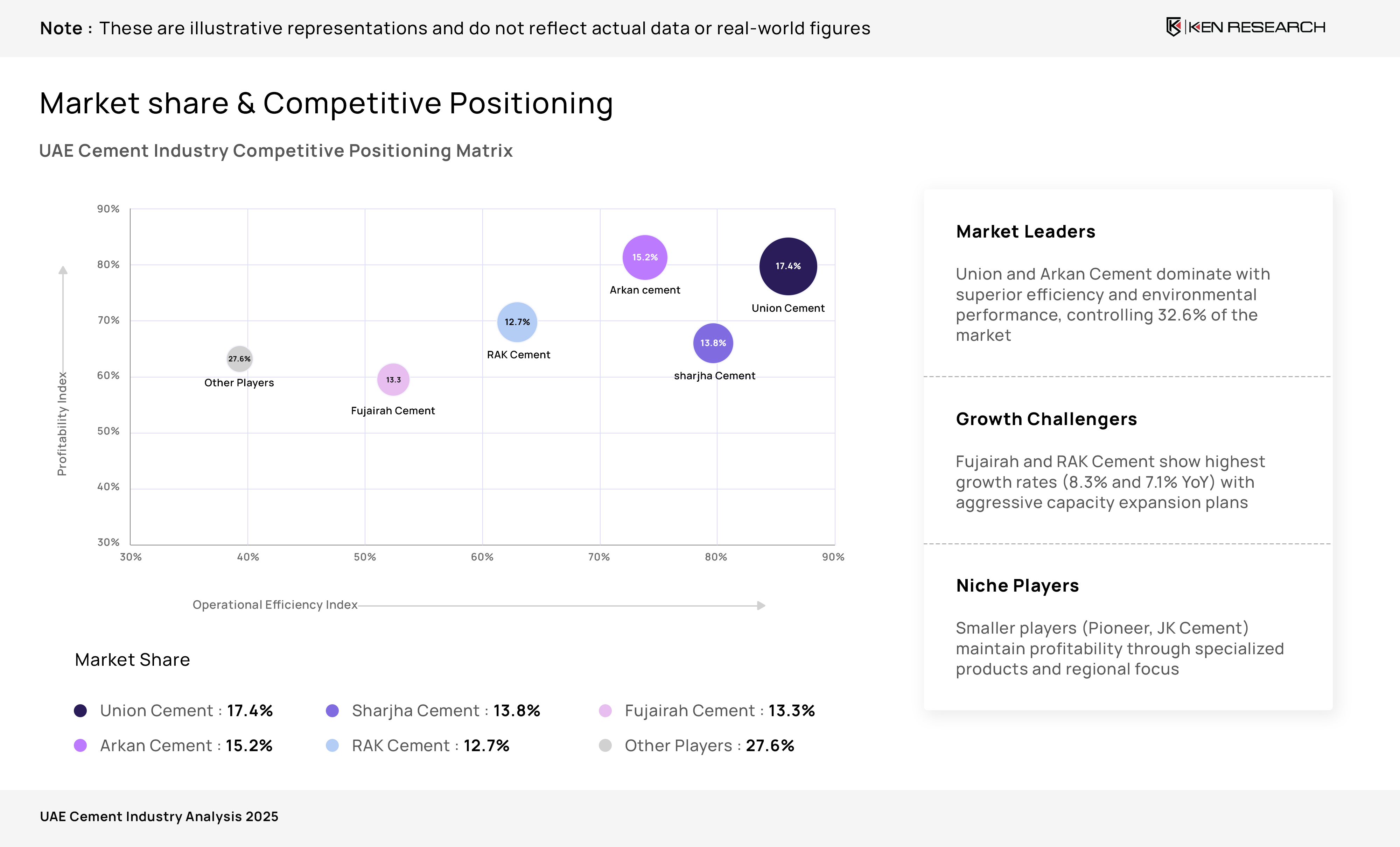
The Indonesia Payment Gateway Providers Market features a competitive landscape with large, mid-tier, and emerging players. Larger platforms differentiate through broader payment method coverage and stronger enterprise relationships, while mid-tier players focus on agile implementation and specialized support. Smaller operators find success by offering niche solutions or specializing in underserved merchant segments. This dynamic market emphasizes the importance of flexibility, product fit, and local execution.
Global payment innovations are adapted to local needs in Indonesia, with providers increasingly focusing on packaging various payment flows, invoicing, and disbursement tools. Leading operators combine modern platform architecture with local payment preferences, offering bank transfers, QRIS, cards, and e-wallets through a unified framework. Simplifying technical implementation while ensuring regulatory compliance and reliability is key to market success.
Distribution and aftersales services are vital for merchant adoption. Support throughout onboarding, account management, and integration plays a crucial role, especially for SMEs and digital-first sellers. Enterprise clients value service quality and implementation, while smaller merchants prioritize ease of use and quick activation. Strong servicing models and post-integration support drive long-term client loyalty and growth.
Strategically, the market rewards providers that balance operational efficiency with product expansion. Key factors include cost management, transaction reliability, fraud control, and regulatory alignment. Long-term leadership in the Indonesian market will be shaped by players who innovate, localize, and adapt to evolving merchant demands and national payment system priorities.
Ecosystem Matrix
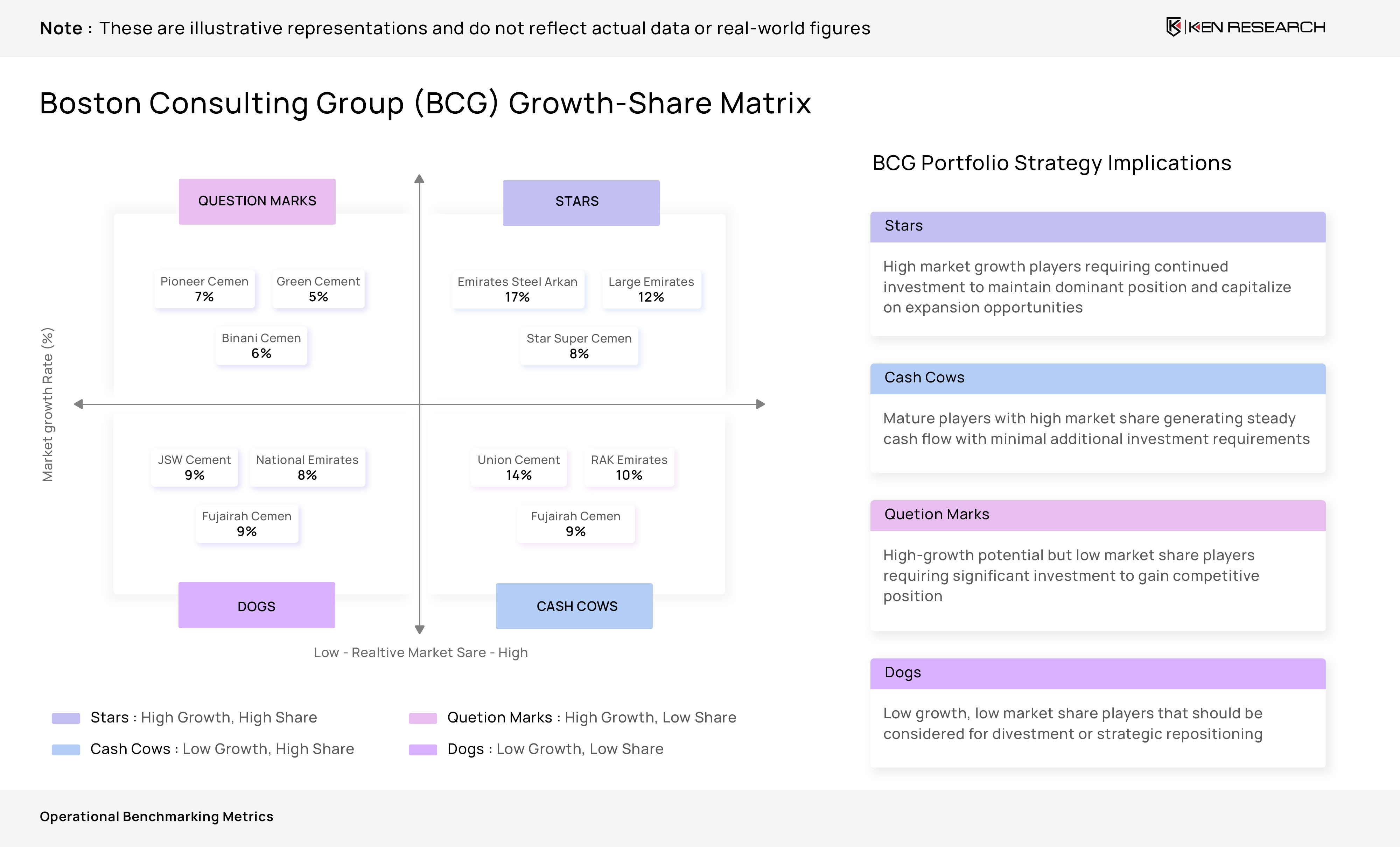
Indonesia’s payment gateway landscape is led by a concentrated top tier combining API-first fintechs, merchant payment specialists, and payment infrastructure players, while the mid and small tiers compete through niche distribution, disbursement strength, embedded payments, and specialized merchant onboarding.
Market structure indicates strong competitive intensity in merchant acquisition and payment orchestration, with differentiation increasingly shaped by QRIS readiness, payout depth, enterprise integrations, and breadth of bank, wallet, retail outlet, and recurring payment acceptance.
Leading Player Profiles
Company Profile Overview
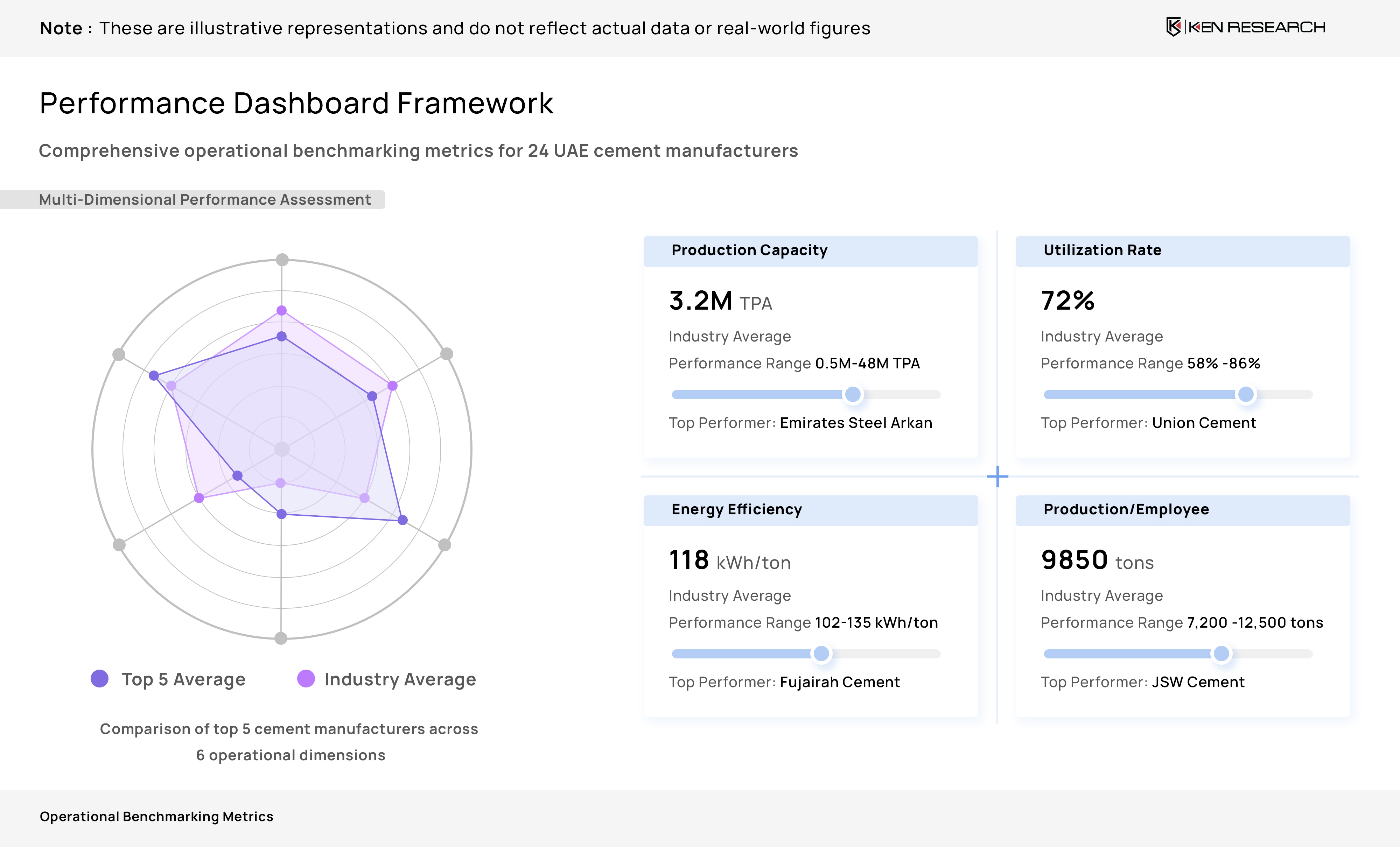
The leading player set reflects a market where merchant-facing gateways increasingly overlap with payout APIs, QRIS connectivity, and enterprise payment infrastructure, making product breadth and integration flexibility more decisive than standalone checkout capability alone.
Indonesia’s competitive benchmark also shows two clear tracks: scaled merchant platforms driving e-commerce and SME payments, and infrastructure-led players supporting interconnectivity, bill payments, and institutional transaction flows across banks, fintechs, and large enterprises.
Key Operational Performance Metrics
Company Performance Overview
Unlock Market Insights
Dive deeper into production, distribution, and pricing intelligence.
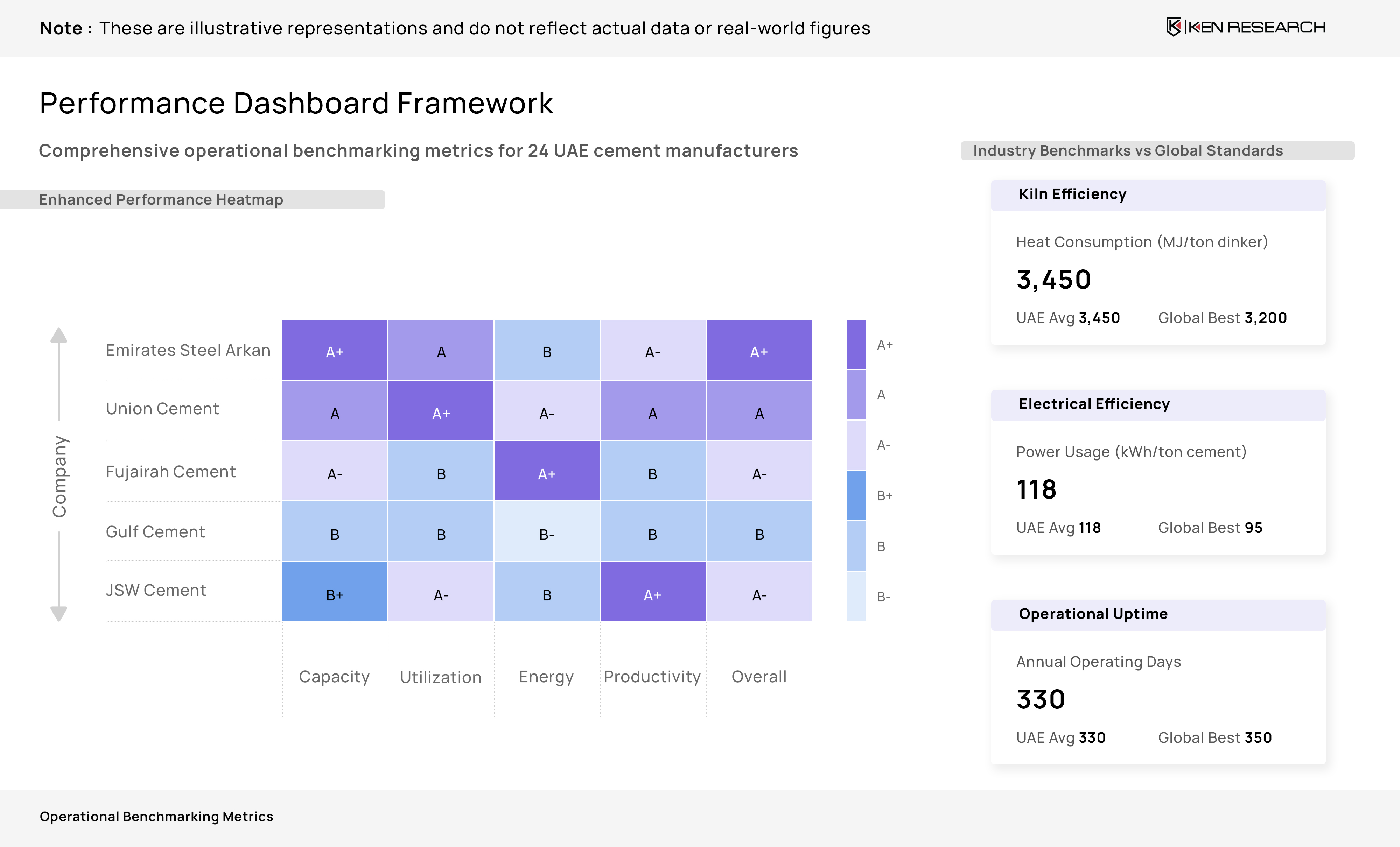
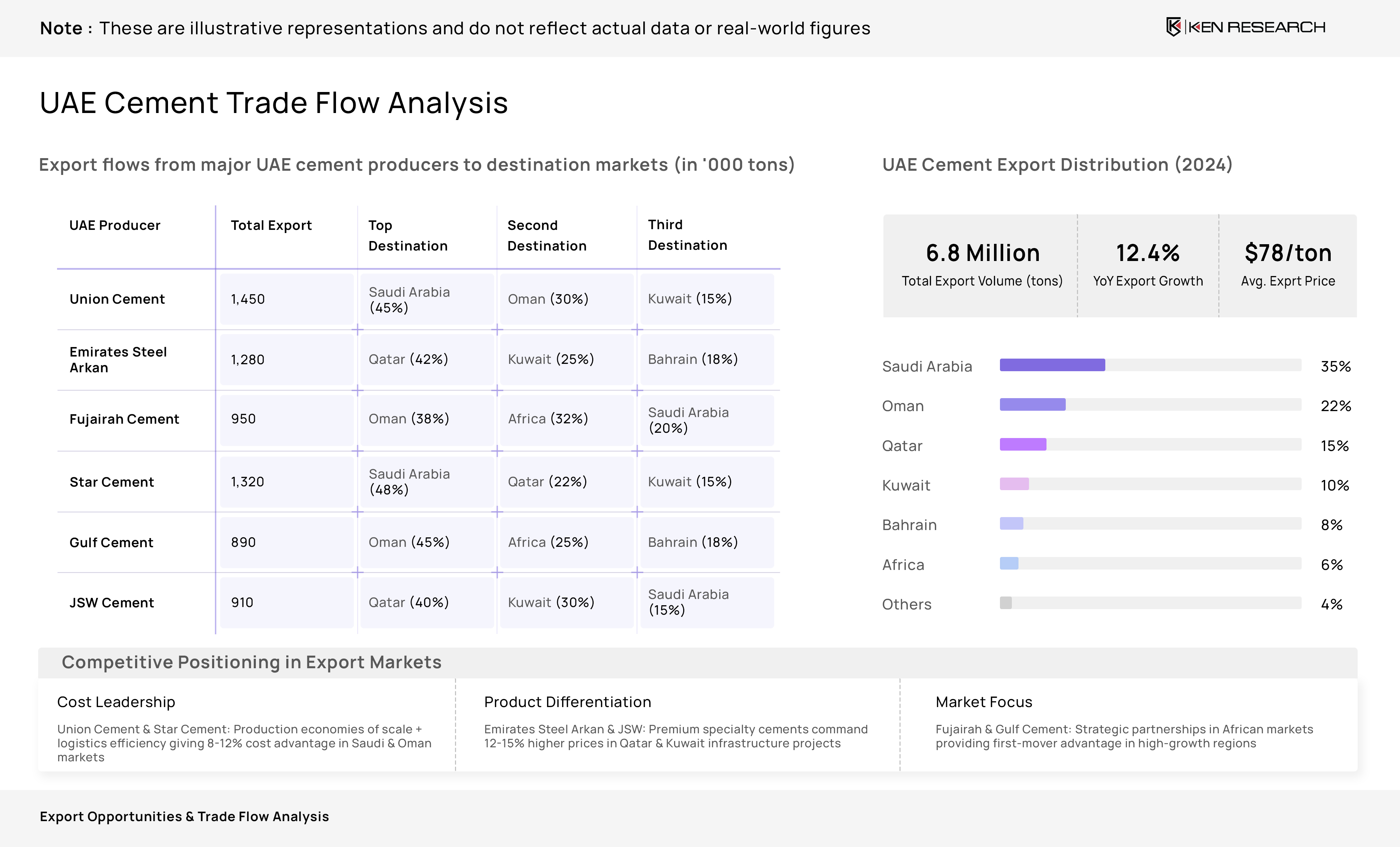
Get Customized ReportRevenue performance in this market is fundamentally volume-led, but monetization quality depends on pricing discipline, merchant activation depth, payment success rates, and channel mix, especially across QRIS, bank transfers, e-wallets, and enterprise disbursement use cases.
Operators with stronger settlement speed, higher transaction success, and better cross-sell conversion across collection, payout, and recurring payment products are structurally better positioned to expand wallet share without relying only on aggressive merchant acquisition.
Core Financial Performance Metrics
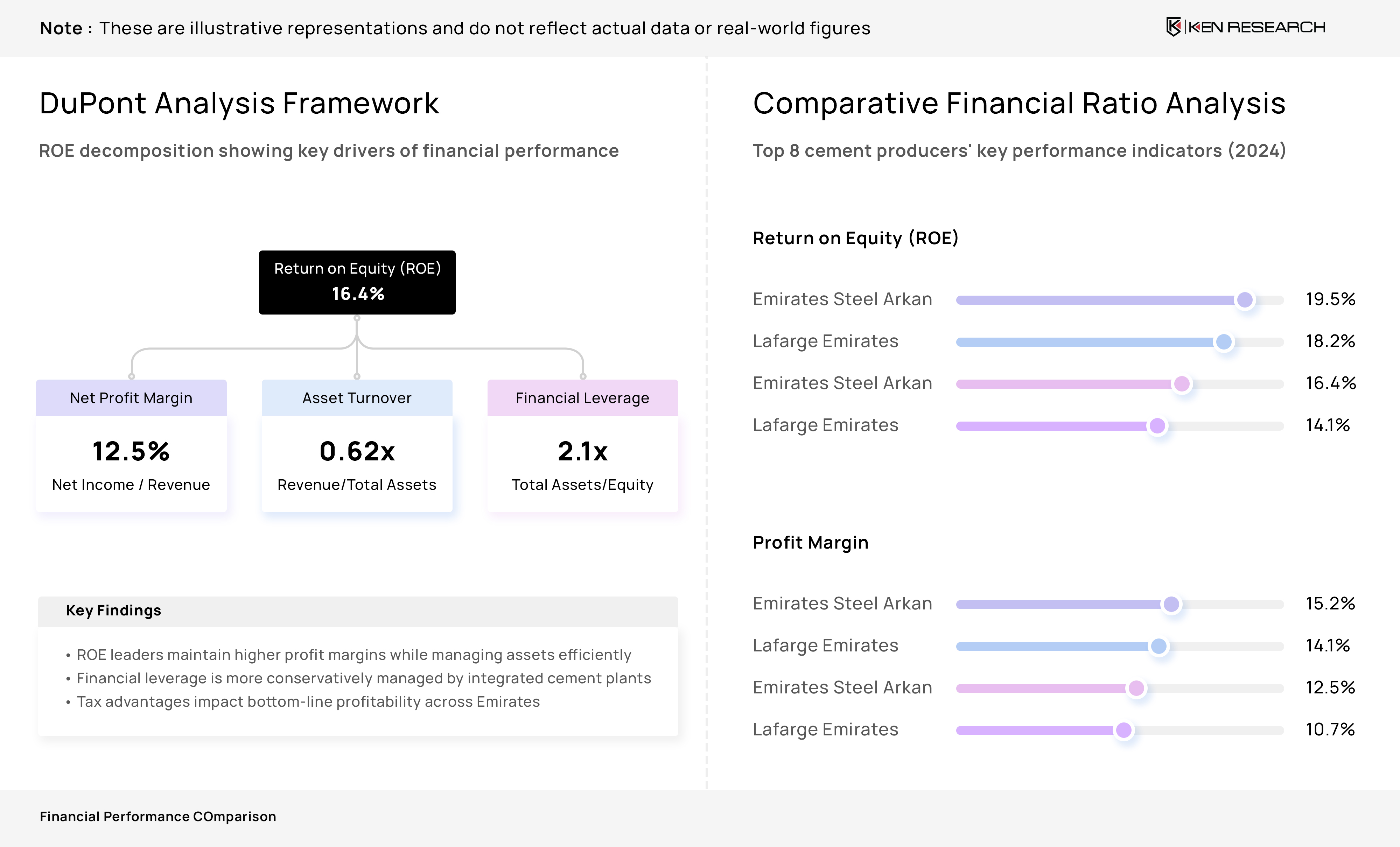
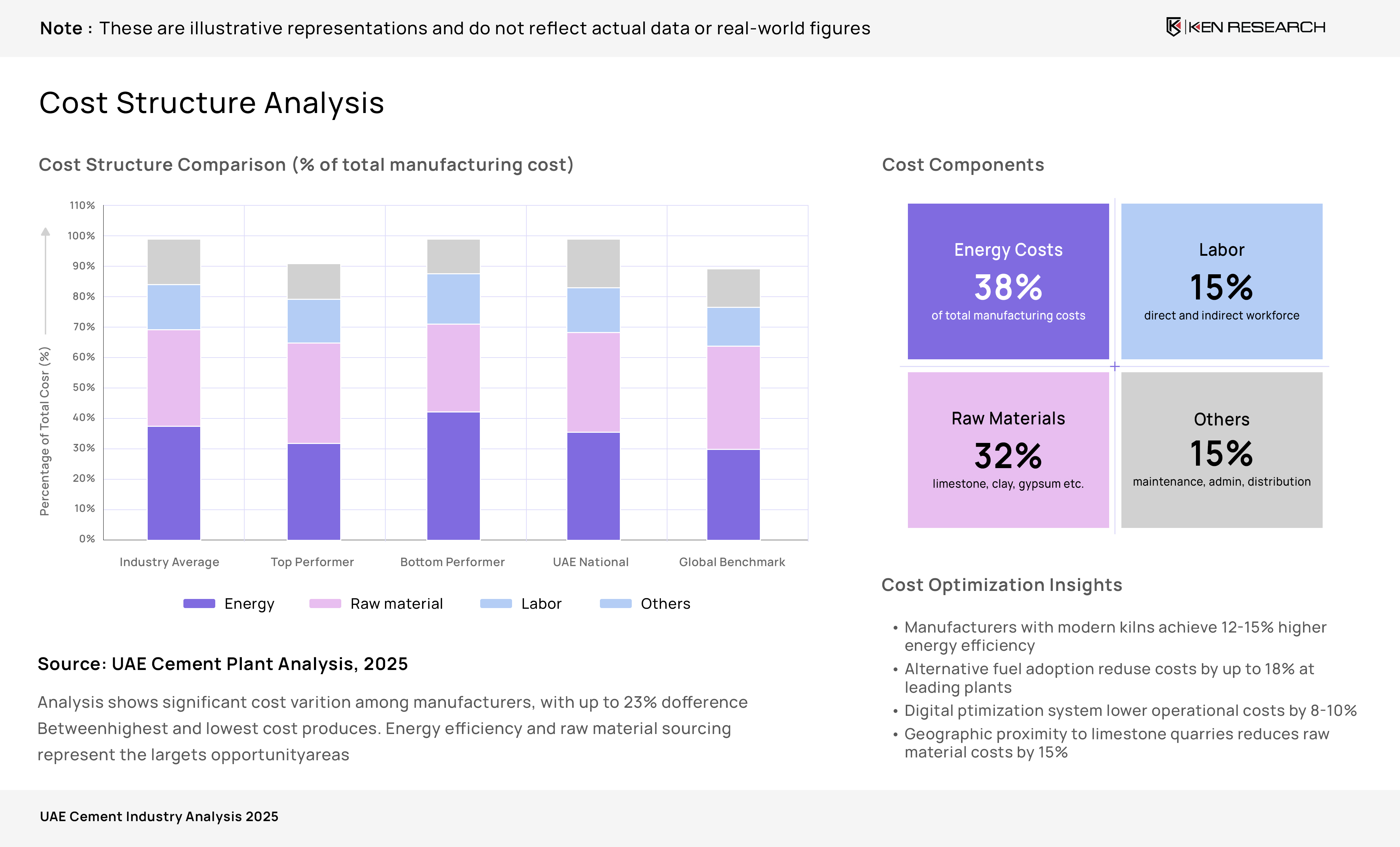
Financial benchmarking in this market should be read through a scale-versus-margin lens, because players with broader payment acceptance and payout infrastructure can grow revenue faster, while cost intensity is shaped by network integrations, compliance burden, fraud controls, and support operations.
EBITDA and PAT comparisons are especially important for distinguishing gateway businesses that scale efficiently through software-led models from infrastructure-heavy operators whose revenue quality may be stronger but whose cost base is structurally more complex.
Table of Contents
1. Ecosystem Matrix
1.1 Large Players
1.1.1 Xendit
1.1.2 PT Midtrans
1.1.3 PT Nusa Satu Inti Artha (DOKU)
1.1.4 Faspay
1.1.5 PT Finnet Indonesia
1.1.6 PT Artajasa Pembayaran Elektronis
1.2 Medium Players
1.2.1 NICEPAY (PT IONPay Networks)
1.2.2 PT Dompet Harapan Bangsa (OY! Indonesia)
1.2.3 PT Cashlez Worldwide Indonesia Tbk
1.2.4 PT Inti Prima Mandiri Utama (iPaymu)
1.2.5 PT Jalin Pembayaran Nusantara
1.3 Small Players
1.3.1 PT Bimasakti Multi Sinergi (Winpay)
1.3.2 PT Tri Usaha Berkat (LinkQu)
1.3.3 PT Bayarind Artha Internusa
1.3.4 Ayoconnect
2. Leading Player Profiles
2.1 Parameters
2.1.1 Company Name
2.1.2 Group Name
2.1.3 Headquarters
2.1.4 Established Year
2.1.5 Core Services
2.1.6 Mode of Functioning
3. Key Operational Performance Metrics
3.1 Parameters
3.1.1 Pricing
3.1.2 Payment Volume (USD Mn)
3.1.3 Number of Active Merchants
3.1.4 Transactions Processed (Mn)
3.1.5 Average Transaction Value (USD Mn)
3.1.6 Payment Success Rate (%)
3.1.7 Merchant Retention Rate (%)
3.1.8 Cross-Sell Ratio (Products per Merchant)
3.1.9 QRIS / E-Wallet Mix (%)
3.1.10 Settlement Turnaround Time (hours)
4. Core Financial Performance Metrics
4.1 Parameters
4.1.1 Revenue (USD Mn)
4.1.2 Revenue Growth (%)
4.1.3 COGS (USD Mn)
4.1.4 COGS Growth (%)
4.1.5 EBITDA (USD Mn)
4.1.6 EBITDA Growth (%)
4.1.7 EBITDA Margin (%)
4.1.8 PAT (USD Mn)
4.1.9 PAT Margin (%)
5. Methodology
5.1 Approach
5.1.1 Desk Sources
5.1.2 Primary Interviews
5.1.3 Sanity Checking & Validation
5.2 Benchmarking Process
5.2.1 Data Collection
5.2.2 Primary Validation
5.2.3 Proxy KPI Modelling
5.2.4 Normalization & Indexing
5.2.5 Gap Analysis
5.2.6 Peer Review
5.3 Sample Composition
5.3.1 Scope Items
5.3.2 Sample Size
5.3.3 Target Respondents
Methodology
Ken Research will deploy its proprietary, multi layered research framework, combining robust secondary research, targeted primary outreach, and rigorous data validation, to deliver an authoritative competitive landscape analysis of the Indonesia Payment Gateway Providers Market.
Desk Sources
- Industry reports from proprietary databases and Ken Research archives
- Company annual reports and investor presentations
- Government and trade association publications
- Trade magazines, journals, and e-articles
- Financial databases such as Bloomberg and Capital IQ
- Web traffic and app usage dashboards such as SimilarWeb and data.ai
- Company websites, product documentation, developer portals, compliance pages, merchant onboarding material, and payment method integration pages
Primary Interviews
- CATIs and online surveys with key stakeholders
- Founders, business heads, and strategy teams of payment gateway providers
- Merchant acquisition heads and enterprise sales leads
- E-commerce merchants, SME sellers, and digital merchants using gateway APIs
- Banks, switching partners, and channel partners
- Industry analysts, consultants, and digital payments technology providers
Sanity Checking and Validation
- Triangulation to cross-verify estimates from secondary data, primary inputs, and proxy model outputs
- Proxy KPI synthesis using related KPIs such as active merchants, API product range, payment method coverage, app traction, partner ecosystem depth, and transaction flow indicators to approximate scale and revenue potential
- Outlier analysis to identify and reconcile anomalous data points through follow-up discussions
- Assumption tracking with a clear log of benchmarking assumptions, limitations, and proxy KPI sources
- Peer review through internal expert validation of methodology, models, and key outputs before finalization
An Inside Look At Our Custom Insights
Take a look at ourcustomized insights, tailored to yourmarket and business needs. Our benchmarking reports deliver data-driven comparisons of key players, helping you uncover opportunities, assess performance, and make confident strategic decisions.