Indonesia Plastic Pipe Market
Published on: December 2025
Report Overview
Indonesia Plastic Pipe Market Overview
Market Highlights
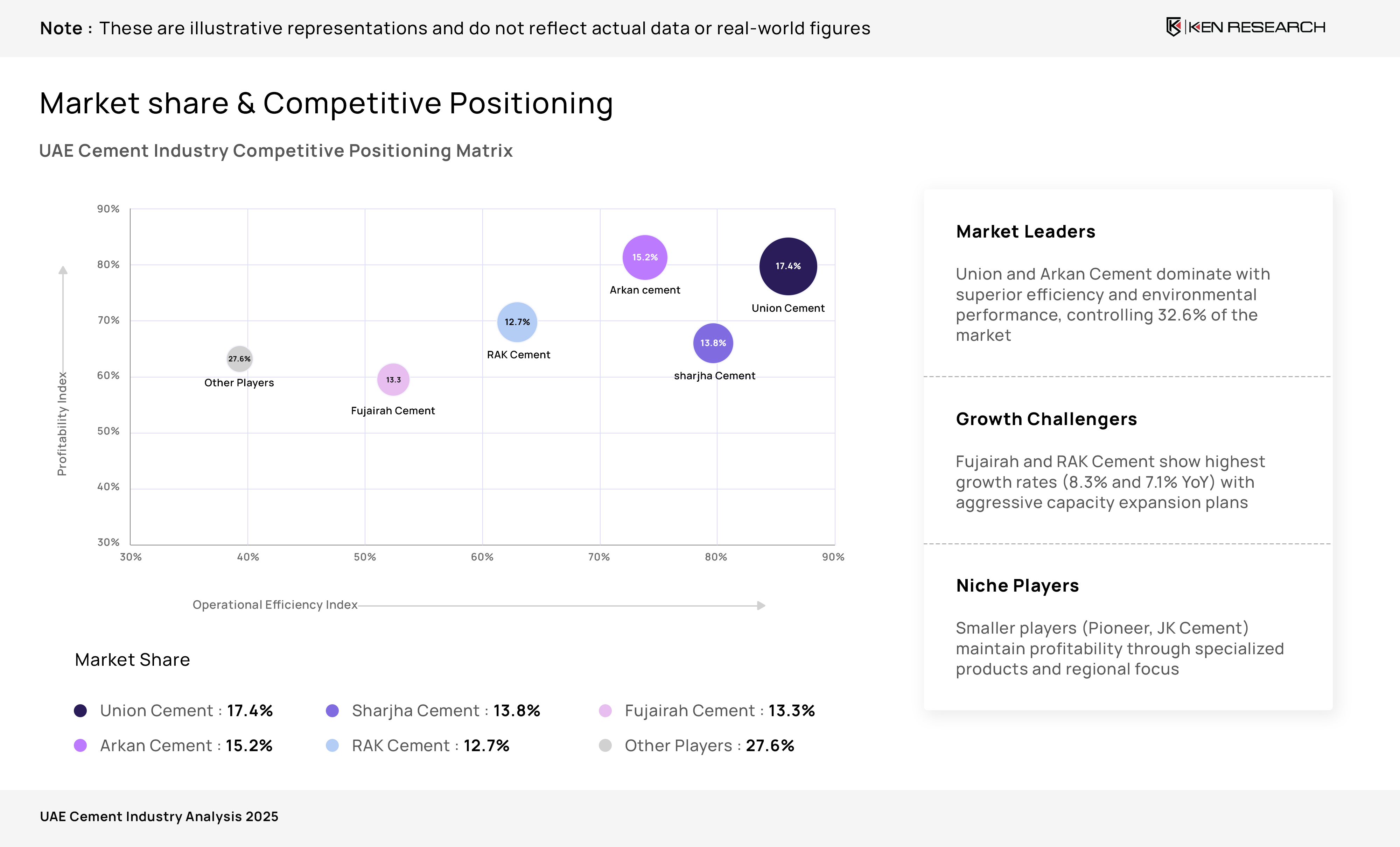
The Indonesia plastic pipe market features a layered competitive structure combining multinational-linked leaders, established regional manufacturers, and agile local firms. Leadership is driven by scale, manufacturing consistency, and institutional relationships, while smaller players compete through regional depth, application focus, and responsiveness to localized construction and infrastructure requirements.
Global manufacturing practices increasingly merge with localized adaptation across the market. Large players apply standardized extrusion processes and quality systems, while domestic manufacturers tailor formulations, specifications, and product mixes to suit local climate conditions, contractor preferences, and price sensitivity, enabling closer alignment with end-user and project-level expectations.
Distribution reach and aftersales capability are central to competitive positioning. Extensive dealer networks, consistent product availability, and technical support enhance adoption and loyalty. Players with structured channel management and service frameworks sustain stronger brand equity, while limited aftersales coverage restricts expansion for smaller, regionally concentrated manufacturers.
Looking ahead, competition will be shaped by the ability to balance operational efficiency, selective technology integration, and strategic agility. Companies that align manufacturing discipline with localized execution and reinforce distribution ecosystems are better positioned to sustain leadership and remain competitive as infrastructure and construction demand evolves.
Ecosystem Matrix
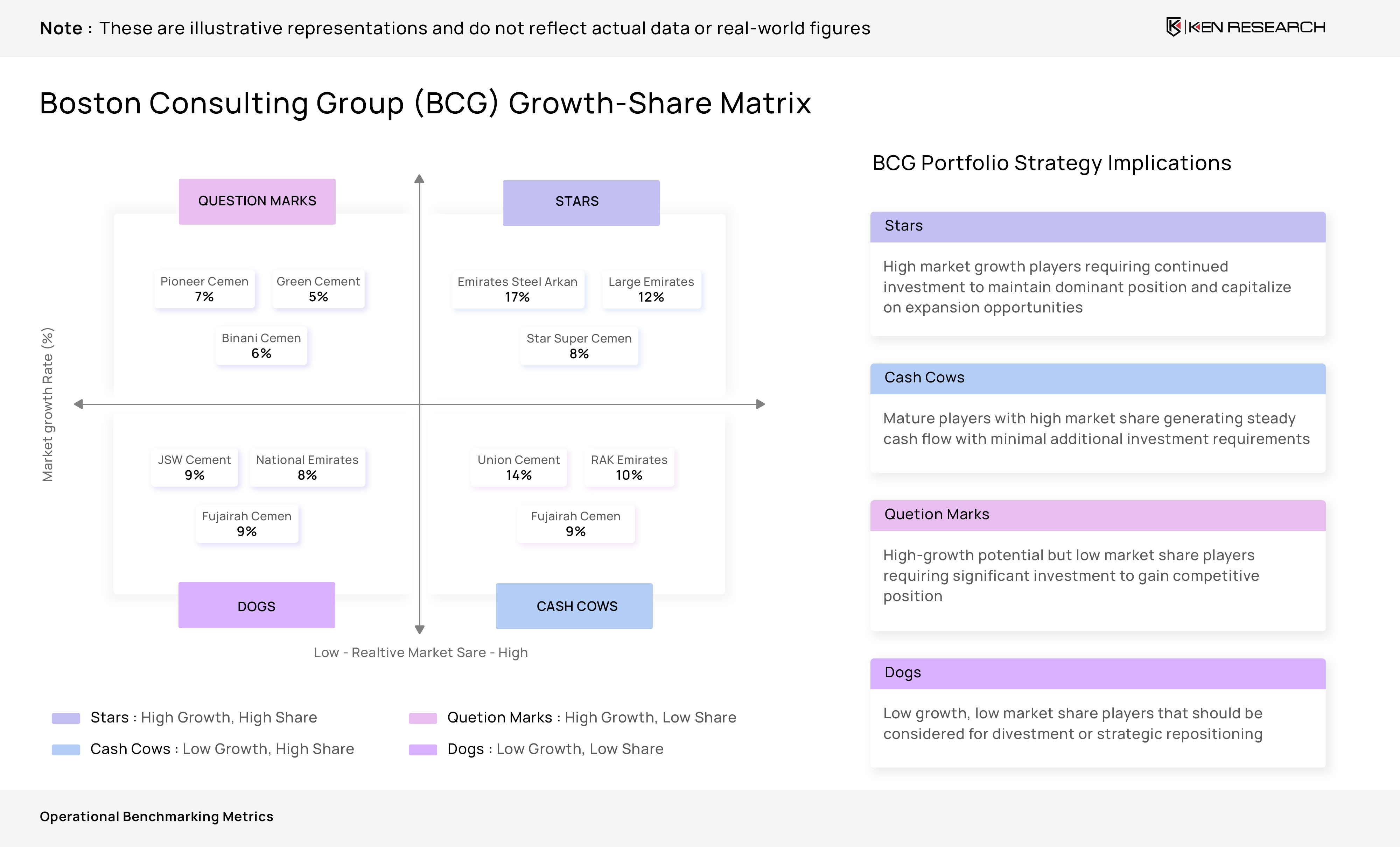
The market is dominated by legacy extruders (Rucika, Wavin Rucika, Man Sieu) with integrated downstream facilities, reflecting high scale and technical capability.
Mid-tier players balance regional footprint and product specialization, while smaller independents cater to local contractors and niche PVC, HDPE, and PPR segments.
Leading Player Profiles
Company Profile Overview
Established dates span 1979–2016, highlighting both longstanding extruders and recent entrants leveraging niche composites and geosynthetics.
Headquarters in major industrial hubs reflect logistics optimization; product portfolios range from basic PVC to high value steel lined and geotechnical applications.
Key Operational Performance Metrics
Company Performance Overview
Unlock Market Insights
Dive deeper into production, distribution, and pricing intelligence.
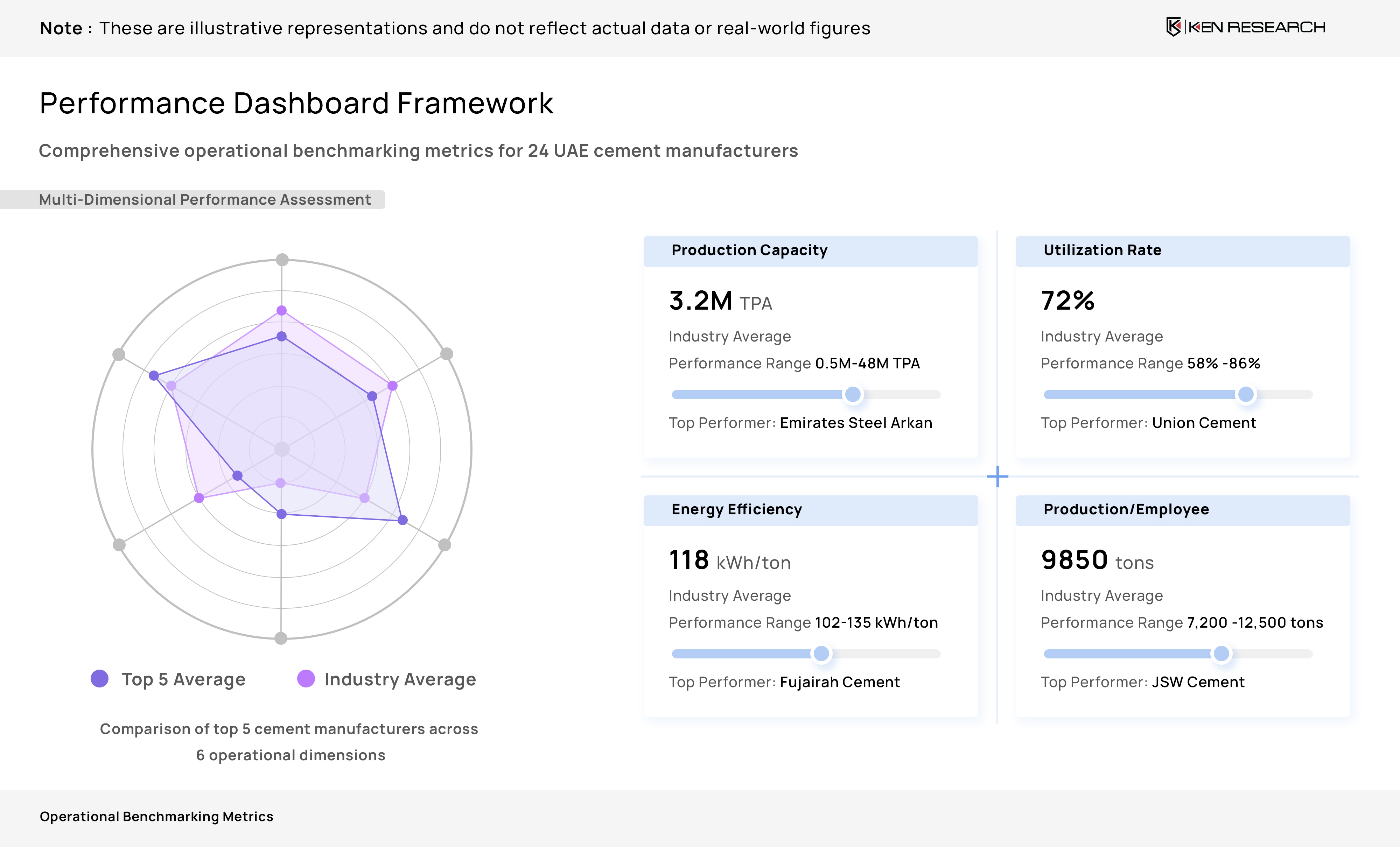
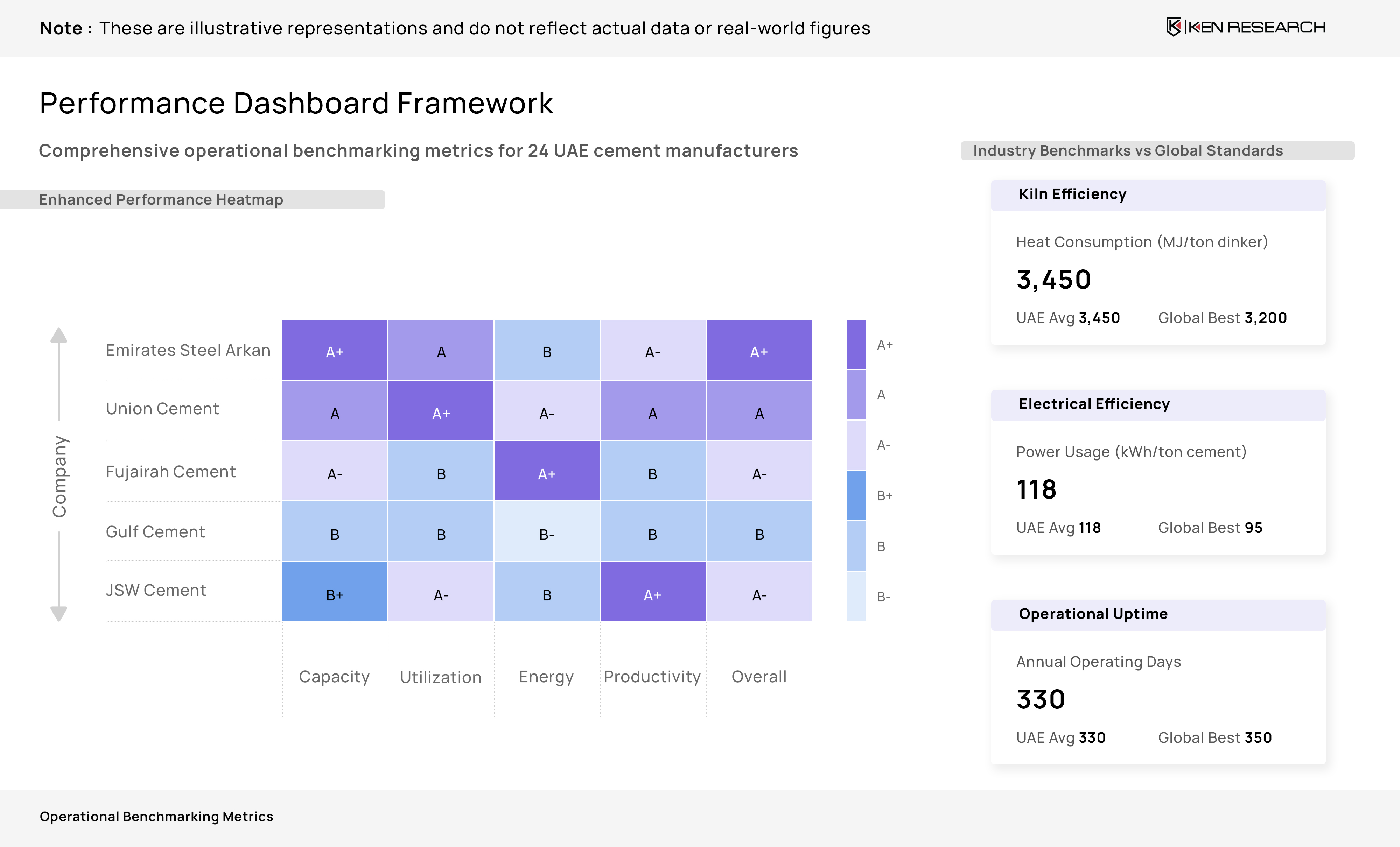
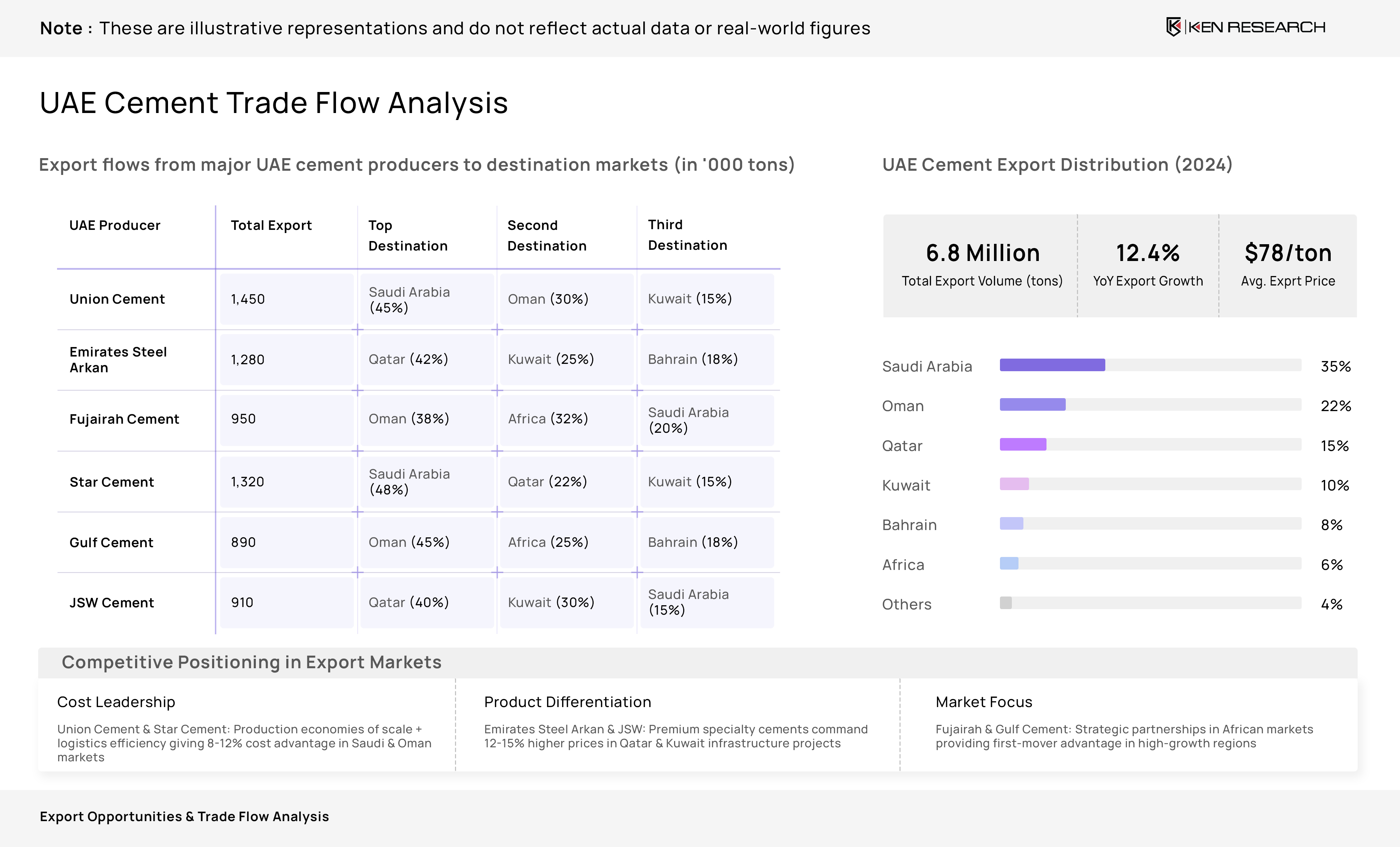
Get Customized ReportProduction capacity and plant count directly correlate with market share; utilization rates indicate idle capacity and potential expansion needs.
Lead times and fulfillment rates reflect supply chain resilience; digital order penetration signals process modernization.
Core Financial Performance Metrics
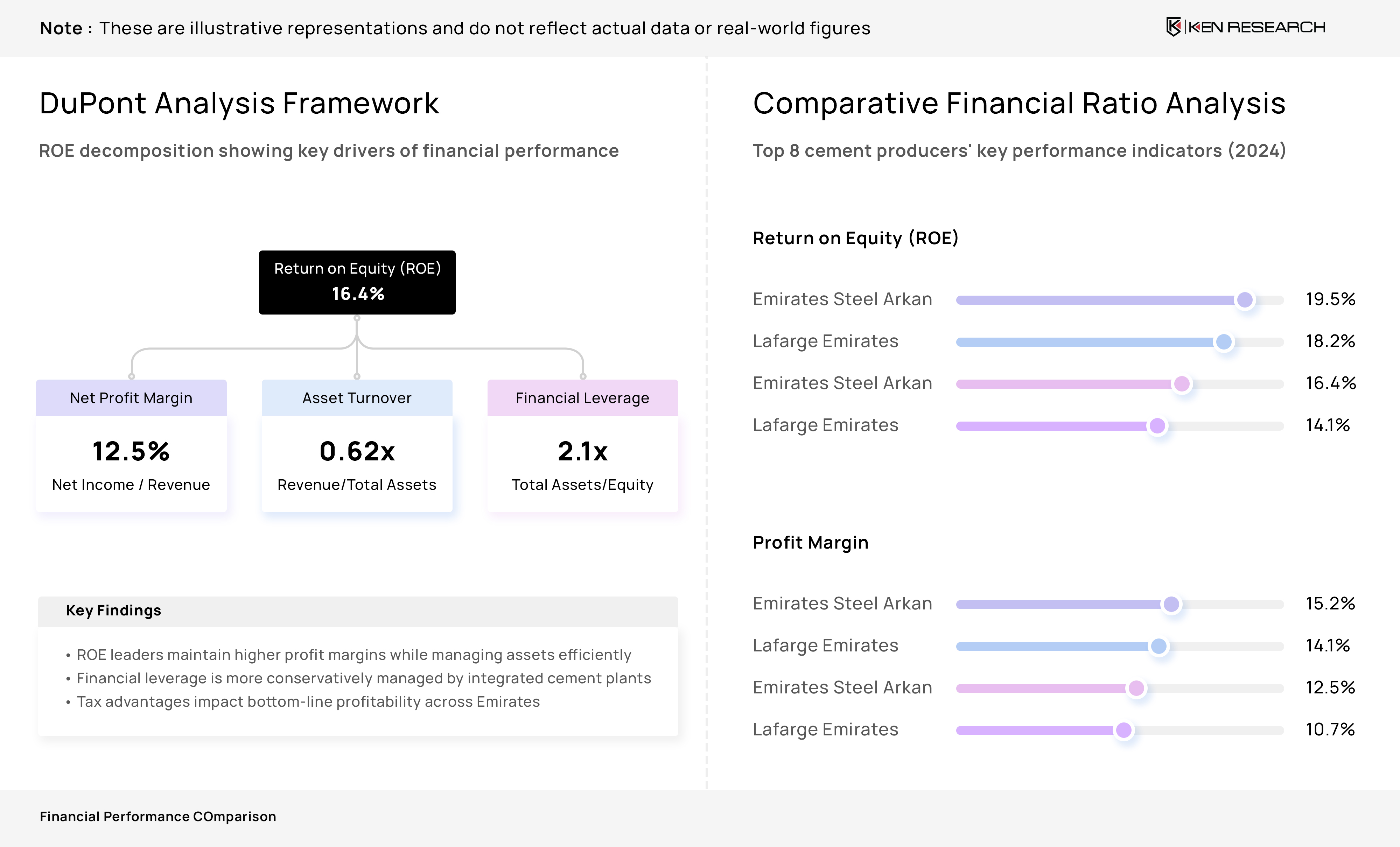
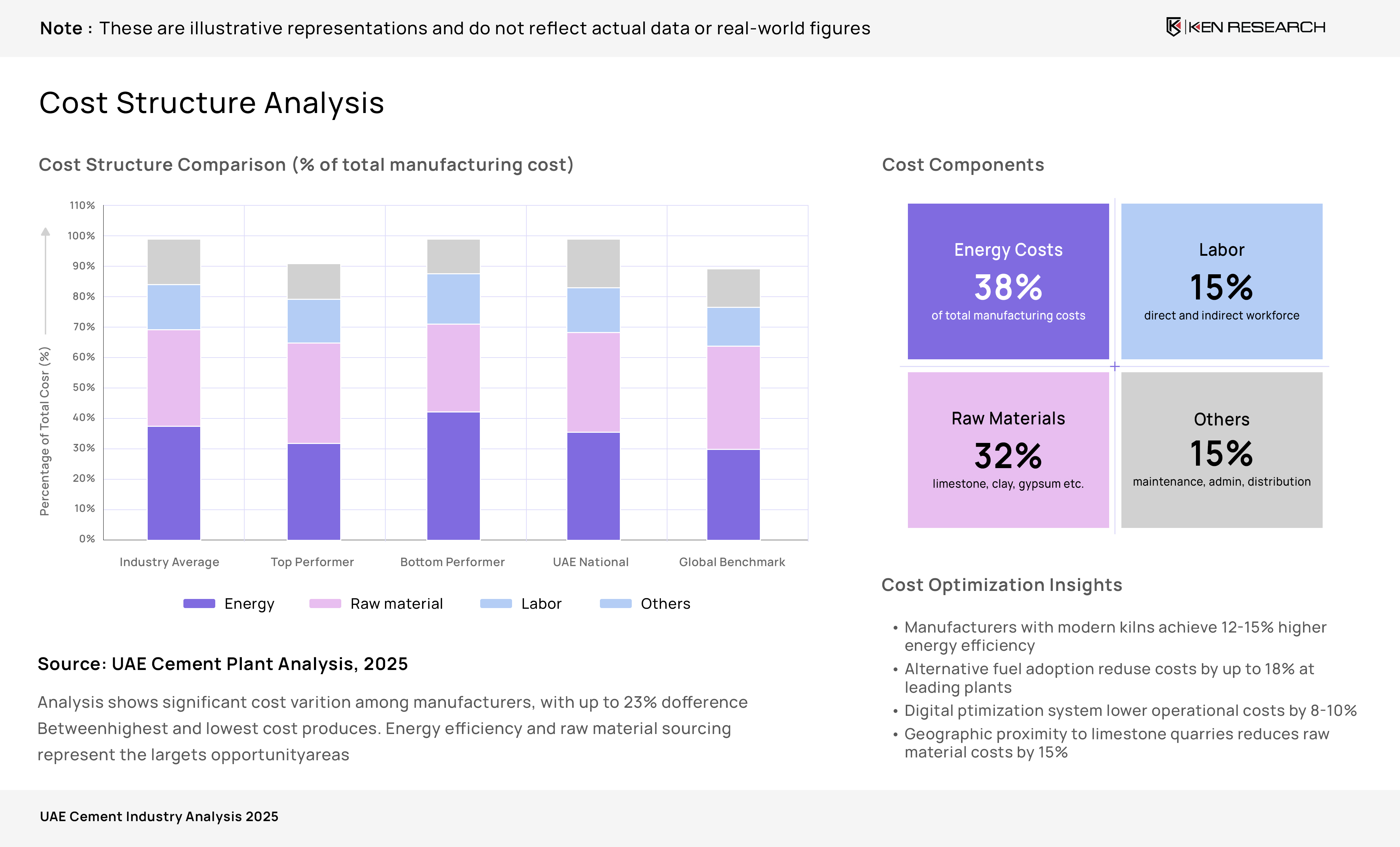
Revenue and EBITDA growth illustrate which producers leverage scale versus niche higher margin specialties.
COGS ratios highlight raw material dependency (PVC resin, polypropylene) and energy cost impacts on margins.
Table of Contents
1. Ecosystem Matrix
1.1 Large Players
1.1.1 Rucika
1.1.2 Wavin Rucika
1.1.3 Man Sieu Plastic Industry
1.1.4 Asia Prima Plastics
1.1.5 SeAH Indonesia Pipes
1.2 Medium Players
1.2.1 Gunung Garuda Plastic Industries
1.2.2 Ideal Plastic Pipes
1.2.3 Multi Composite
1.2.4 Petroduta Plastics
1.2.5 Inarco
1.2.6 Mitra Sejati
1.2.7 Cahaya Plastik
1.3 Small Players
1.3.1 Onest Plastic
1.3.2 Sun Plastic Industries
1.3.3 Nippon Plastic Industry
1.3.4 Plastindo
1.3.5 Victora Pipes
1.3.6 Geoteknik Plastic
1.3.7 Star Plasindo Jaya
2. Leading Player Profiles
2.1 Parameters
2.1.1 Company Name
2.1.2 Group Name
2.1.3 Headquarters
2.1.4 Established Year
2.1.5 Core Products
3. Key Operational Performance Metrics
3.1 Parameters
3.1.1 Production Capacity (ktpa)
3.1.2 Number of Plants
3.1.3 Workforce Size
3.1.4 Capacity Utilization (%)
3.1.5 Average Lead Time (Days)
3.1.6 Average Pipe Pricing (USD Mn)
3.1.7 Order Fulfillment Rate (%)
3.1.8 Digital Order Share (%)
4. Core Financial Performance Metrics
4.1 Parameters
4.1.1 Revenue (USD Mn)
4.1.2 Revenue Growth (%)
4.1.3 COGS (USD Mn)
4.1.4 COGS Growth (%)
4.1.5 EBITDA (USD Mn)
4.1.6 EBITDA Growth (%)
4.1.7 EBITDA Margin (%)
4.1.8 PAT (USD Mn)
4.1.9 PAT Margin (%)
5. Methodology
5.1 Approach
5.1.1 Desk Sources
5.1.2 Primary Interviews
5.1.3 Sanity Checking & Validation
5.2 Benchmarking Process
5.2.1 Data Collection
5.2.2 Primary Validation
5.2.3 Proxy KPI Modelling
5.2.4 Normalization & Indexing
5.2.5 Gap Analysis
5.2.6 Peer Review
5.3 Sample Composition
5.3.1 Scope Items
5.3.2 Sample Size
5.3.3 Target Respondents
Methodology
Ken Research will deploy its proprietary, multilayered research framework—combining robust secondary research, targeted primary outreach, and rigorous data validation—to deliver an authoritative competitive landscape analysis of the Indonesia Plastic Pipe market. Proxy KPIs are calibrated to production, utilization, and supply chain dynamics.
Desk Sources
- Industry reports from Ken Research archives and Wood Mackenzie
- Company annual reports, investor presentations, and statutory disclosures
- Government and trade association publications from IKAPI and Badan Pusat Statistik
- Trade journals and technical publications
- Financial and market intelligence databases such as Bloomberg and Capital IQ
Primary Interviews
- CATIs and online surveys with operations and plant managers at leading plastic pipe extrusion facilities
- Procurement and sourcing leads at construction companies and utilities
- Key distributors, wholesalers, and channel partners across regional markets
- Industry analysts and sector consultants covering polymers, infrastructure materials, and utilities supply chains
Sanity Checking and Validation
- Triangulation of secondary research, primary interview inputs, and proxy-model outputs
- Proxy KPI synthesis using installed capacity, utilization rates, and digital or distributor order share to estimate revenues and market shares
- Outlier analysis to identify anomalous datapoints and reconcile them through follow-up discussions
- Assumption tracking through a documented log with explicit notes on scope boundaries and limitations
- Internal peer review by senior analysts covering methodology design, proxy models, and final outputs prior to release
An Inside Look At Our Custom Insights
Take a look at ourcustomized insights, tailored to yourmarket and business needs. Our benchmarking reports deliver data-driven comparisons of key players, helping you uncover opportunities, assess performance, and make confident strategic decisions.