Indonesia Poultry Producers Market
Published on: November 2025
Report Overview
Indonesia Poultry Producers Market
Market Highlights
The Indonesia poultry producers market features a balanced mix of large integrated agribusiness groups, expanding commercial farms, and numerous smallholder producers spread across diverse regional clusters. Major integrated players lead through scale efficiencies, structured production systems, and strong distribution networks, while smaller firms compete through regional proximity, flexibility, and price-driven positioning.
Competitiveness is shaped by the integration of modern production technologies with strong adaptation to local consumption patterns. Producers increasingly adopt automated hatchery systems, improved feed management, and enhanced biosecurity while tailoring product offerings, pack sizes, and pricing models to match Indonesian consumer preferences centered on freshness, affordability, and halal-certified quality.
Distribution networks are extensive and multi-layered, supported by traditional markets, supermarkets, regional wholesalers, HORECA buyers, and food manufacturers. Producers with reliable cold-chain capacity, consistent supply performance, and responsive customer support build stronger relationships across these channels, allowing them to navigate fluctuating demand and infrastructure disparities across Indonesia’s varied geography.
Strategic focus across the sector centers on cost optimization, disease-risk mitigation, and production modernization. Companies invest in feed efficiency, waste reduction, and digital farm monitoring while strengthening biosecurity to manage recurring disease outbreaks. These initiatives enhance operational resilience, regulatory compliance, and long-term competitiveness in a rapidly evolving poultry ecosystem shaped by rising domestic consumption.
Ecosystem Matrix
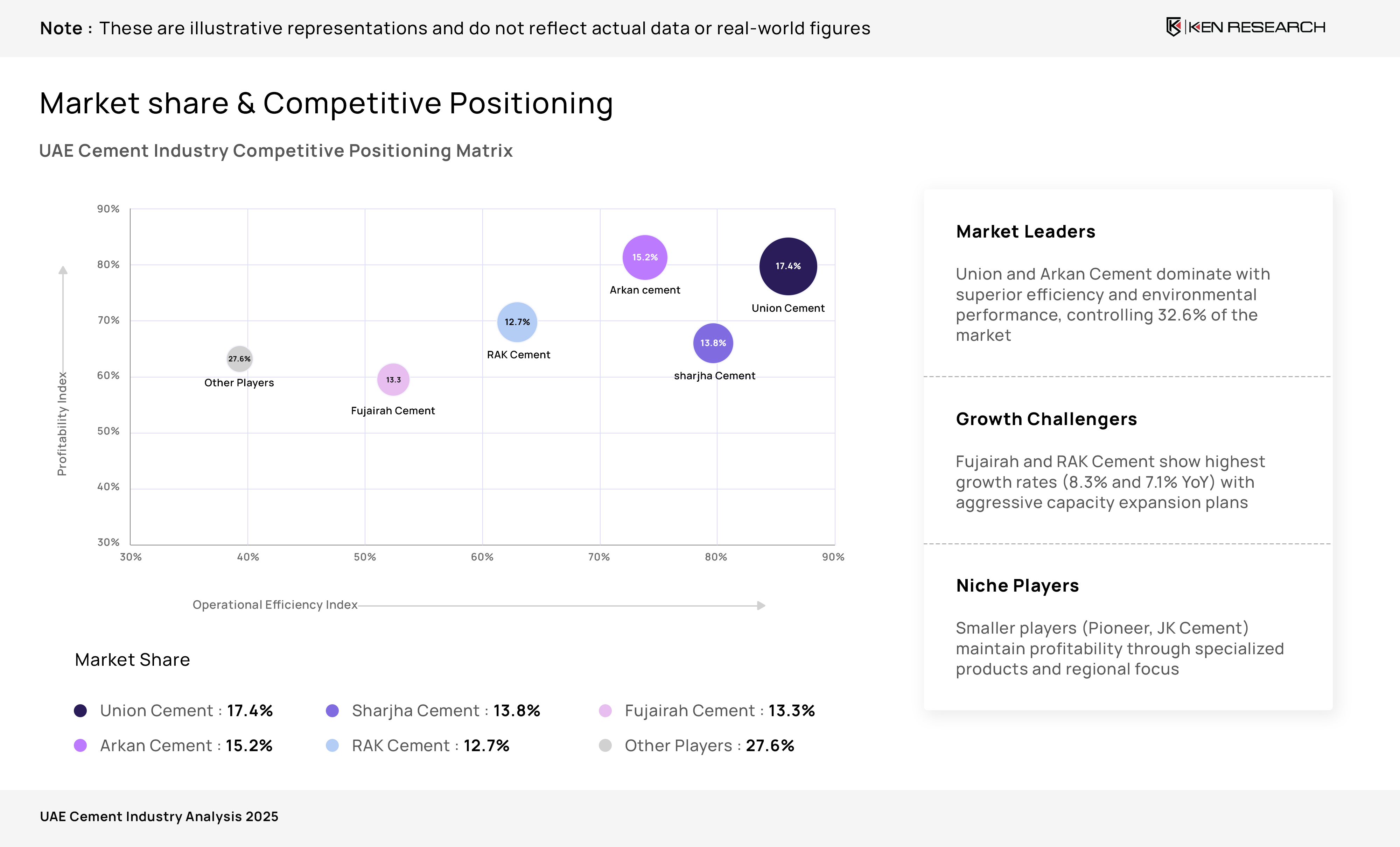
The ecosystem is highly consolidated at the top, with Charoen Pokphand and Japfa leading on integrated feed-to-broiler operations, while medium-sized firms such as Berdikari and Sierad Foods strengthen domestic production capacity.
Smaller operators are predominantly regional cooperatives and niche farms, filling demand gaps in specialty and local poultry segments, highlighting the fragmented yet resilient structure of Indonesia’s poultry sector.
Leading Player Profiles
Company Profiles Overview
Large integrated players dominate with feed-to-retail control, reinforcing cost competitiveness and supply consistency, while mid-tier players such as Berdikari provide government-backed balance.
Smaller entities emphasize regional supply chains, ensuring localized availability and niche positioning in the domestic market.
Key Operational Performance Metrics
Company Performance Overview
Unlock Market Insights
Dive deeper into production, distribution, and pricing intelligence.
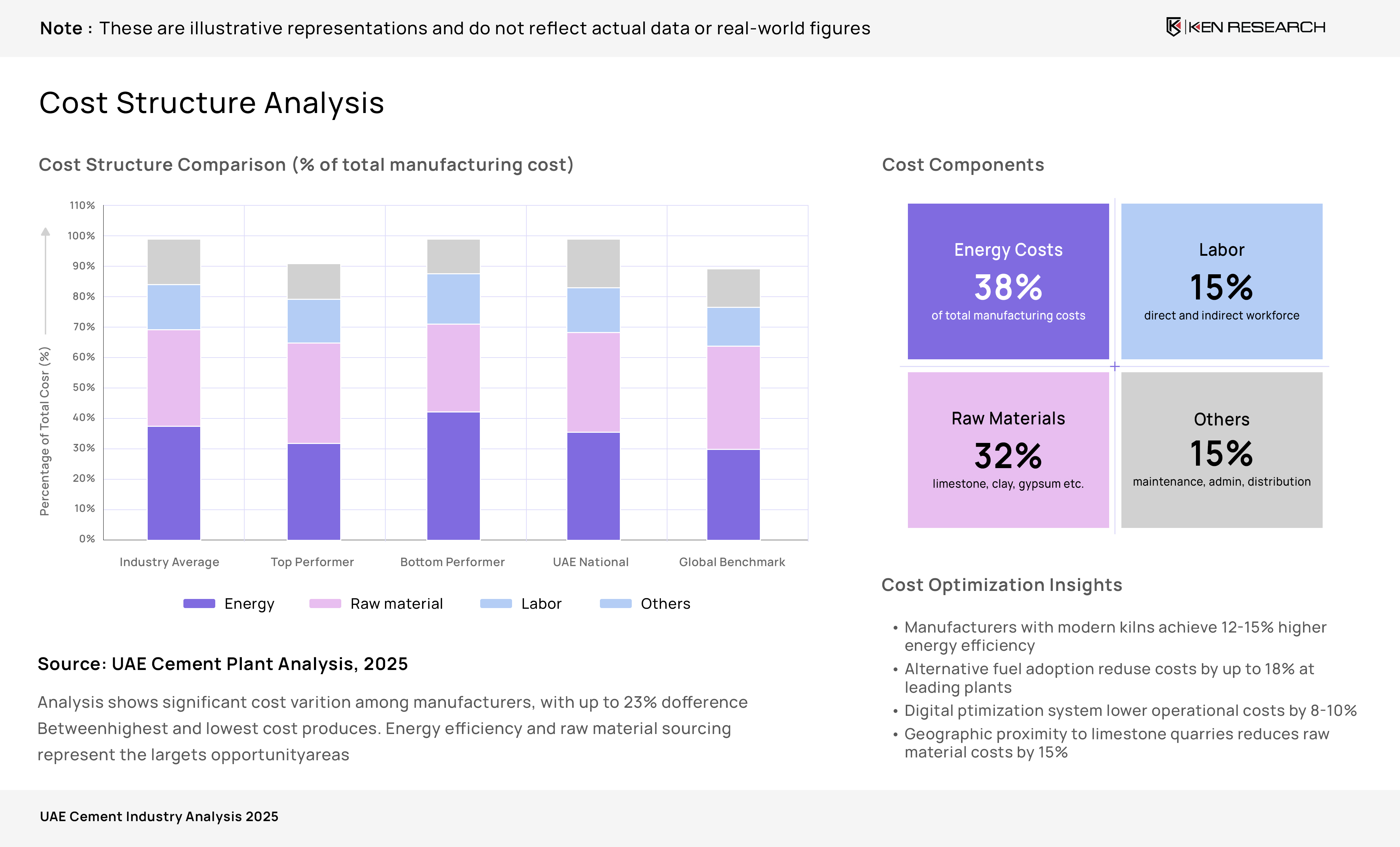
Get Customized ReportKey operational metrics such as feed and hatchery capacity directly determine scale efficiency, with large players maintaining a stronghold through vertical integration and superior distribution.
Pricing remains a critical revenue driver, differentiating integrated groups from regional players with cost-sensitive positioning in Indonesia’s poultry value chain.
Core Financial Performance Metrics
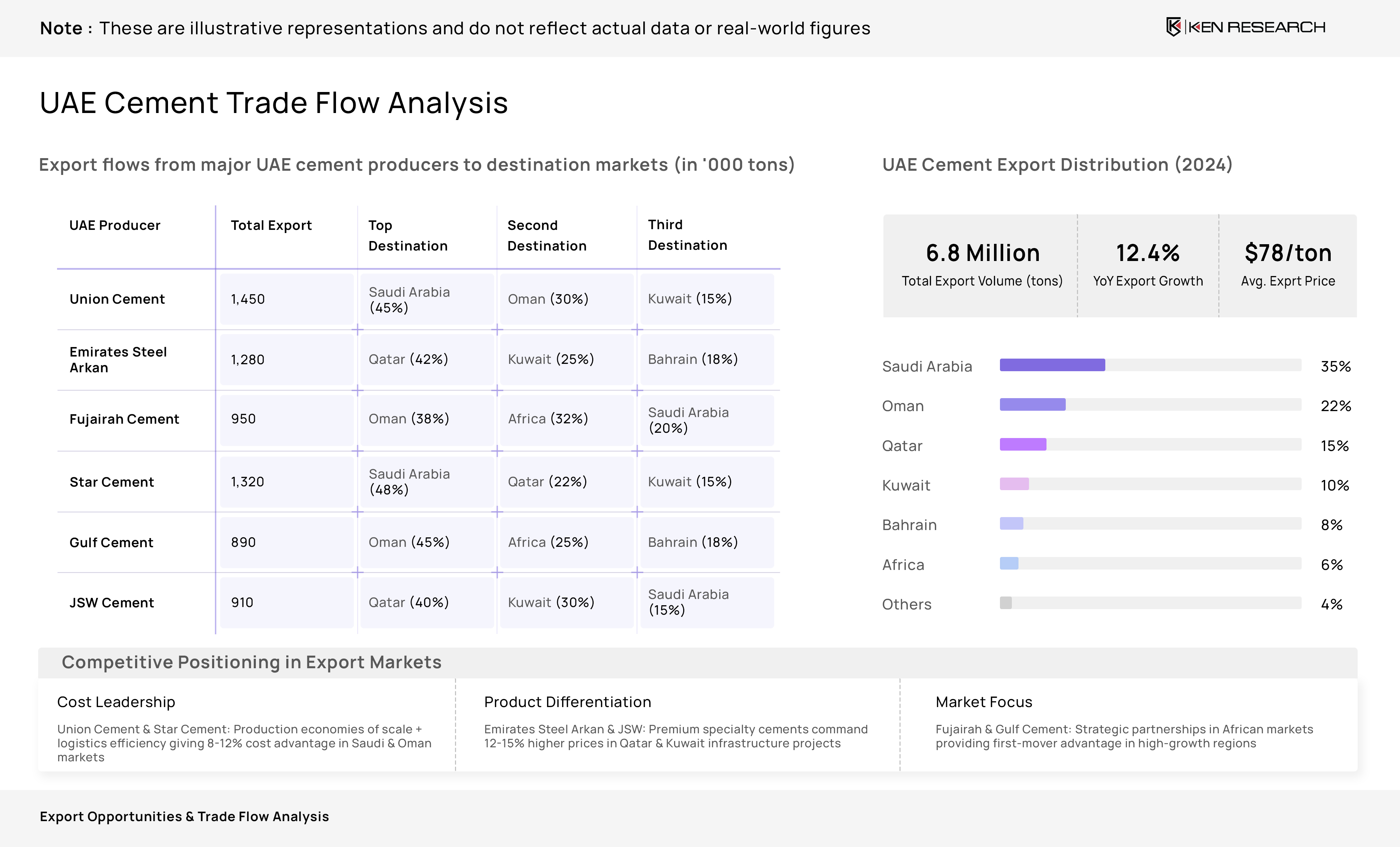
Financial metrics highlight the scale-driven profitability of large firms like CP and Japfa, compared to thinner margins for smaller players facing higher input costs and limited processing integration.
Revenue and EBITDA margins remain under pressure due to volatile feed costs, but integrated producers maintain relative stability through scale and efficiency.
Table of Contents
1. Ecosystem Matrix
1.1 Large Players
1.1.1 Charoen Pokphand Indonesia
1.1.2 Japfa Comfeed Indonesia
1.1.3 Malindo Feedmill
1.1.4 Sierad Produce
1.1.5 Wonokoyo Group
1.1.6 CJ Indonesia
1.2 Medium Players
1.2.1 Cheil Jedang Indonesia
1.2.2 Sierad Foods
1.2.3 Bina Pertiwi Poultry
1.2.4 Sentra Profeed
1.2.5 Anwar Sierad
1.2.6 Berdikari Poultry
1.2.7 Greenfields Poultry
1.3 Small Players
1.3.1 Sumber Unggas Jaya
1.3.2 Mitra Broiler
1.3.3 Himpuli Cooperative
1.3.4 Primafood International
1.3.5 Cahaya Cemerlang Poultry
1.3.6 Indo Poultry Farm
1.3.7 Harapan Baru Unggas
2. Leading Player Profiles
2.1 Parameters
2.1.1 Company Name
2.1.2 Group Name
2.1.3 Headquarters
2.1.4 Established Year
2.1.5 Core Business
2.1.6 Mode of Functioning
3. Key Operational Performance Metrics
3.1 Parameters
3.1.1 Number of Farms
3.1.2 Feed Capacity (MT/Year)
3.1.3 Hatchery Capacity (Eggs/Year)
3.1.4 Broiler Output (MT/Year)
3.1.5 Distribution Coverage
3.1.6 Processing Capacity
3.1.7 Pricing
3.1.8 Market Share (%)
4. Core Financial Performance Metrics
4.1 Parameters
4.1.1 Revenue (USD Mn)
4.1.2 Revenue Growth (%)
4.1.3 COGS (USD Mn)
4.1.4 COGS Growth (%)
4.1.5 EBITDA (USD Mn)
4.1.6 EBITDA Growth (%)
4.1.7 EBITDA Margin (%)
4.1.8 PAT (USD Mn)
4.1.9 PAT Margin (%)
5. Methodology
5.1 Approach
5.1.1 Desk Sources
5.1.2 Primary Interviews
5.1.3 Sanity Checking & Validation
5.2 Benchmarking Process
5.2.1 Data Collection
5.2.2 Primary Validation
5.2.3 Proxy KPI Modelling
5.2.4 Normalization & Indexing
5.2.5 Gap Analysis
5.2.6 Peer Review
5.3 Sample Composition
5.3.1 Scope Items
5.3.2 Sample Size
5.3.3 Target Respondents
Methodology
Ken Research will deploy its proprietary, multi layered research framework—combining robust secondary research, targeted primary outreach, and rigorous data validation—to deliver an authoritative competitive landscape analysis of the Indonesia Poultry Producers Market.
Desk Sources
- Industry reports (Proprietary databases, Ken Research archives)
- Company annual reports and investor presentations
- Government and trade association publications
- Trade magazines, journals, and e-articles
- Financial databases (Bloomberg, Capital IQ)
- Web traffic and app usage dashboards
Primary Interviews
- CATIs and online surveys with key stakeholders
- Category managers / R&D heads of market manufacturers
- Senior sales and marketing leads at leading players
- Distributors and channel partners
- Industry analysts and consultants
- Technology and service providers for digital metrics
Sanity Checking and Validation
- Triangulation: Cross-verify estimates from secondary data, primary inputs, and proxy model outputs
- Proxy KPI synthesis: Use related KPIs such as feed capacity, broiler output, and processing volume to approximate revenues or capacities
- Outlier analysis: Identify and reconcile anomalous data points via follow-up discussions
- Assumption tracking: Maintain a log of all benchmarking assumptions
- Peer review: Internal expert review of methodology, models, and key outputs
An Inside Look At Our Custom Insights
Take a look at ourcustomized insights, tailored to yourmarket and business needs. Our benchmarking reports deliver data-driven comparisons of key players, helping you uncover opportunities, assess performance, and make confident strategic decisions.