Kuwait Automotive Aftermarket Parts Market
Published on: February 2026
Report Overview
Kuwait Automotive Aftermarket Overview
Market Highlights
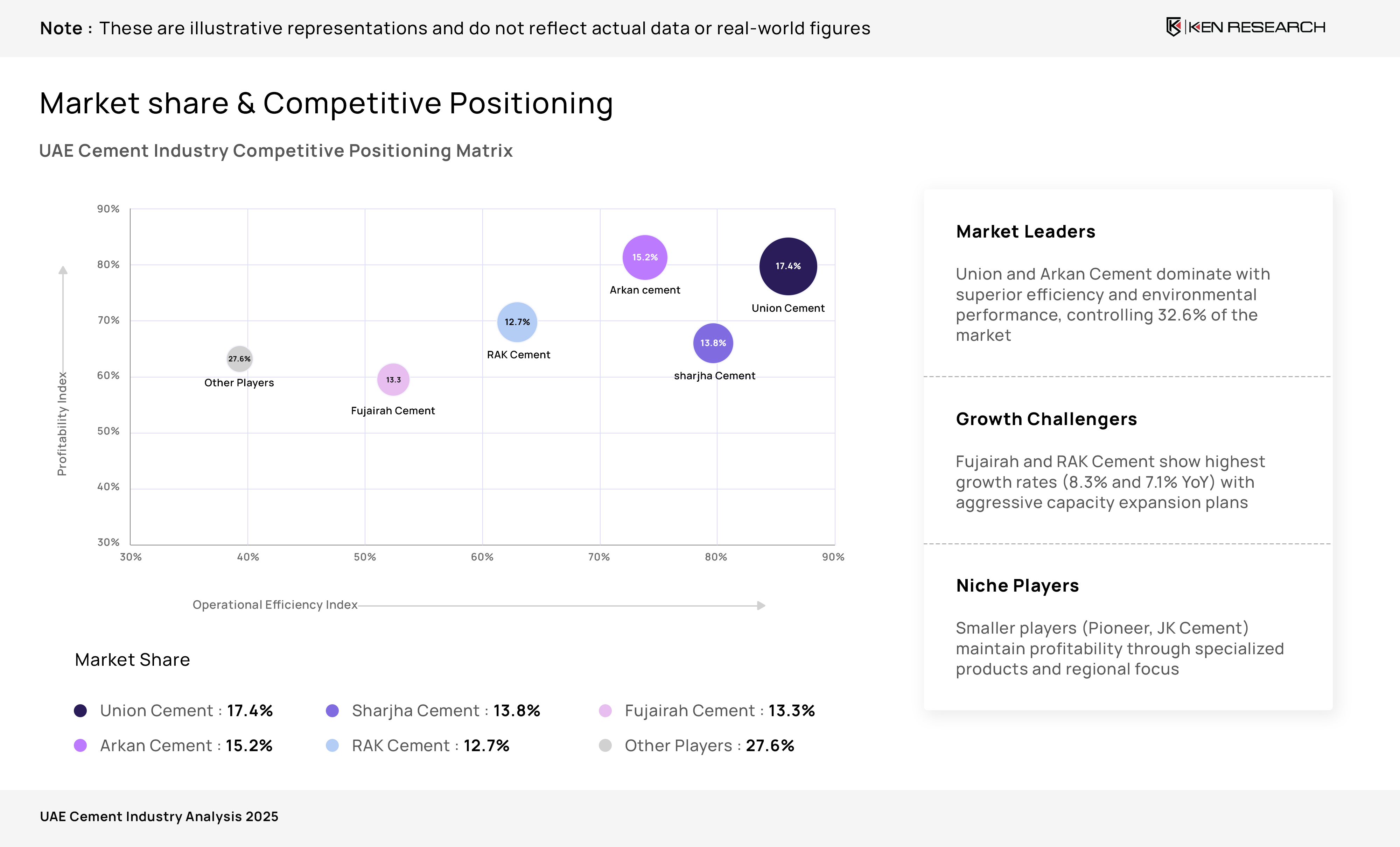
The Kuwait automotive aftermarket parts market is defined by a clearly segmented competitive structure comprising large diversified automotive groups, established regional distributors, and agile local specialists. Large players benefit from scale, long-standing OEM sourcing relationships, and integrated service ecosystems, enabling them to anchor customer loyalty and dominate high-volume categories.
Mid-sized distributors operate at the intersection of availability and price competitiveness, offering balanced portfolios across genuine and aftermarket parts. These players play a critical role in addressing multi-brand demand, particularly across Japanese, American, and European vehicle platforms that coexist within Kuwait’s vehicle parc.
Local and niche players remain relevant by focusing on speed, specialization, and selective product ranges tailored to workshop and fleet requirements. Their proximity to customers, faster turnaround times, and flexible commercial terms allow them to compete effectively within localized demand pockets despite limited scale.
Across all tiers, competitive advantage is increasingly shaped by distribution reach, aftersales reliability, and operational efficiency. Strong workshop relationships, effective inventory management, and growing adoption of digital ordering and logistics capabilities continue to influence market positioning and sustain long-term leadership in Kuwait’s automotive aftermarket parts ecosystem.
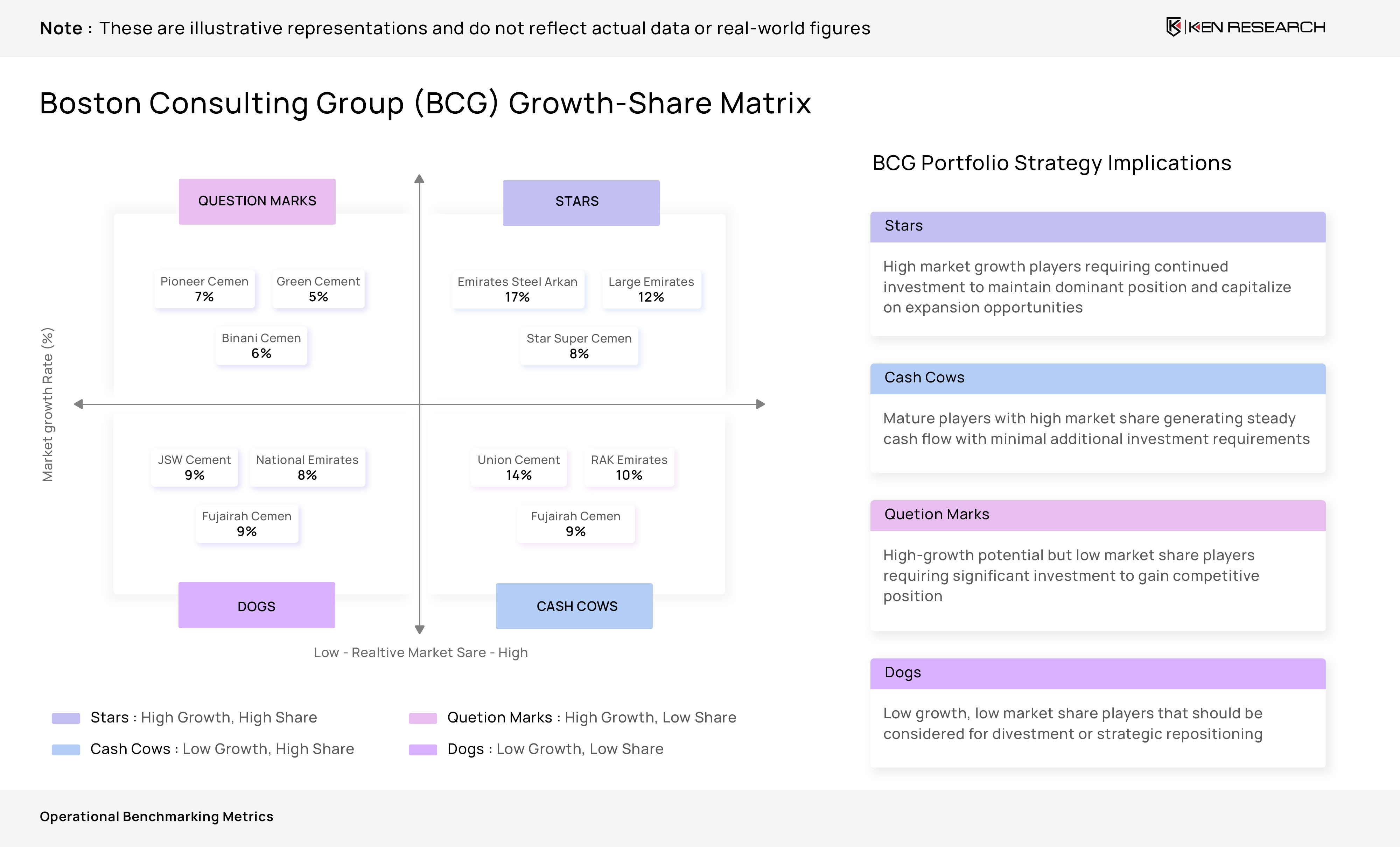
Ecosystem Matrix
Kuwait’s aftermarket ecosystem is led by multi-vertical automotive groups with strong OE parts access, dense physical footprints, and fleet relationships, while specialists win share through fast-moving SKUs, category depth (American, German, Japanese), and price-positioned alternatives.Competitive intensity is highest around availability, speed, and pricing discipline. Players with stronger warehousing, procurement leverage, and omnichannel ordering convert demand from Kuwait’s large used-vehicle parc and workshop-driven buying behavior.
Leading Player Profiles
Company Profile Overview
The leading set shows a clear split between agency-led groups (OEM parts strength and workshop pull-through) and independent parts specialists (broader cross-make coverage and faster price-led substitution), shaping how share is won across genuine vs aftermarket baskets.
Winning models combine procurement leverage, broad SKU availability, and reliable fulfilment to workshops and fleets. Players with stronger omnichannel ordering and delivery coverage tend to capture higher repeat buying and emergency replacement demand.
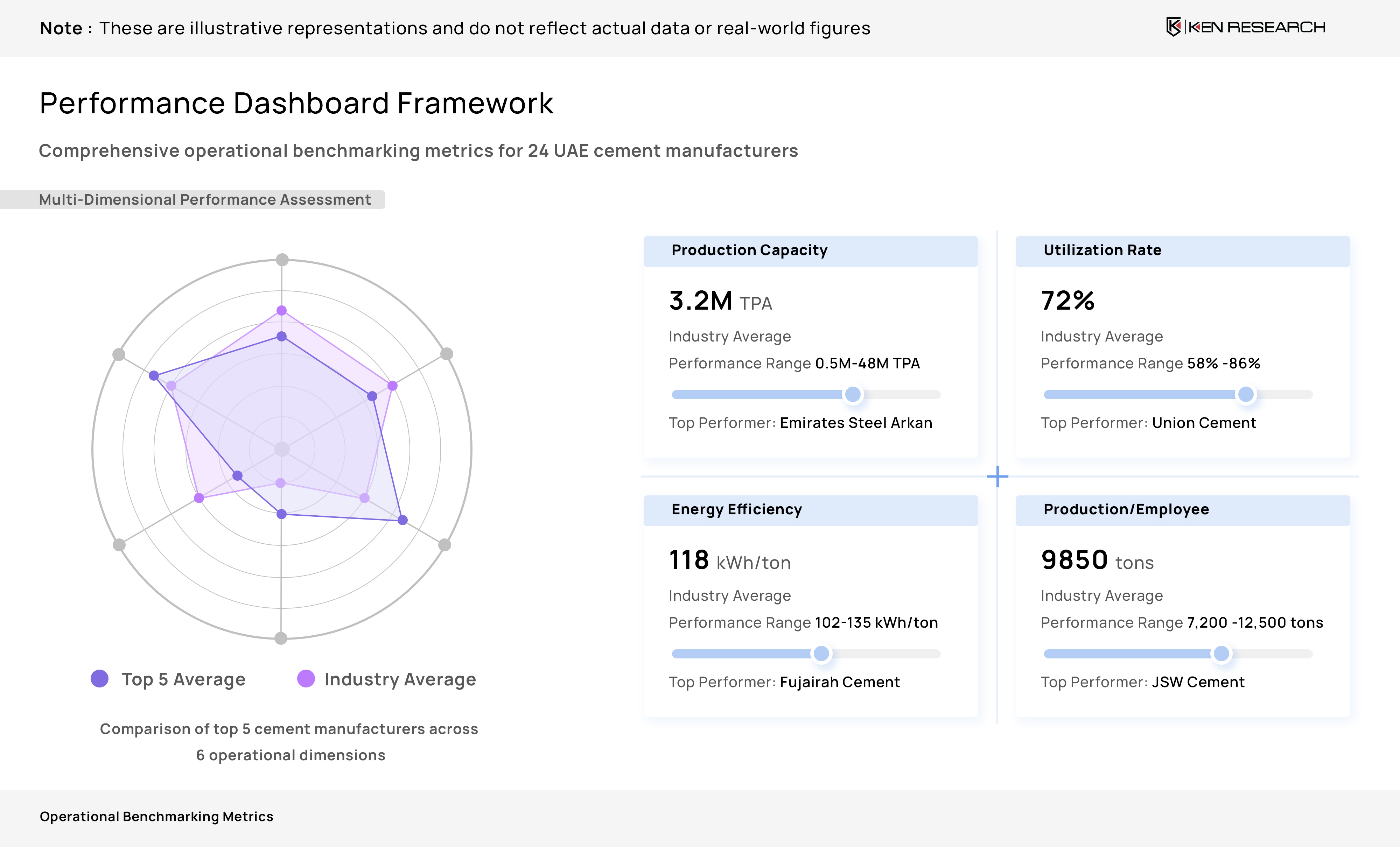
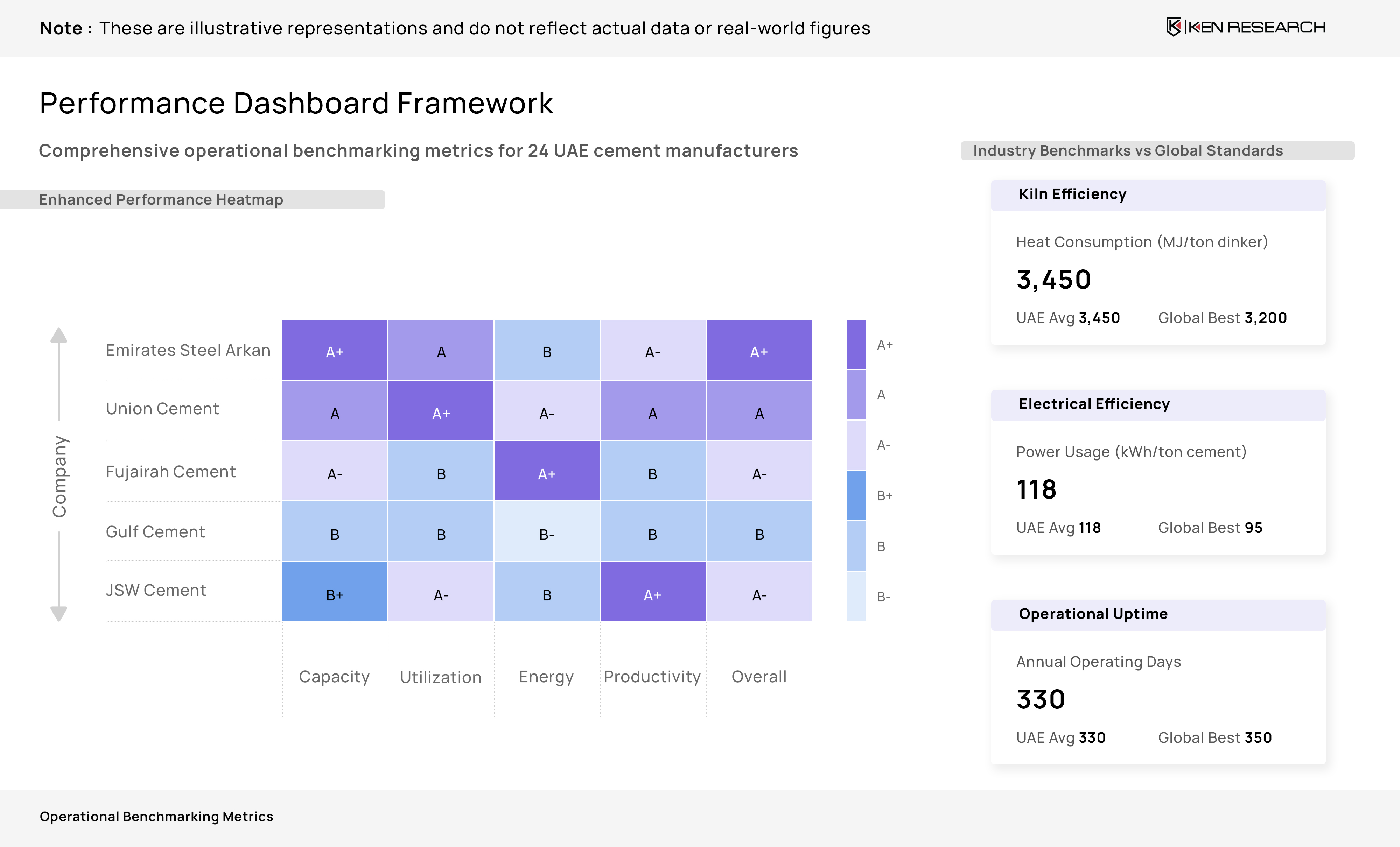
Key Operational Performance Metrics
Company Performance Overview
Unlock Market Insights
Dive deeper into production, distribution, and pricing intelligence.
Get Customized ReportRevenue performance in Kuwait aftermarket is most sensitive to pricing control and order economics (ticket size times volume), then to SKU availability and branch reach which directly impact fill-rate and workshop loyalty in urgent replacement cycles.
Players that lift fleet/B2B share and same-day delivery conversion typically stabilize demand and improve repeat orders, while high returns/claims can quickly erode margin through reverse logistics, warranty handling, and discounting pressure.
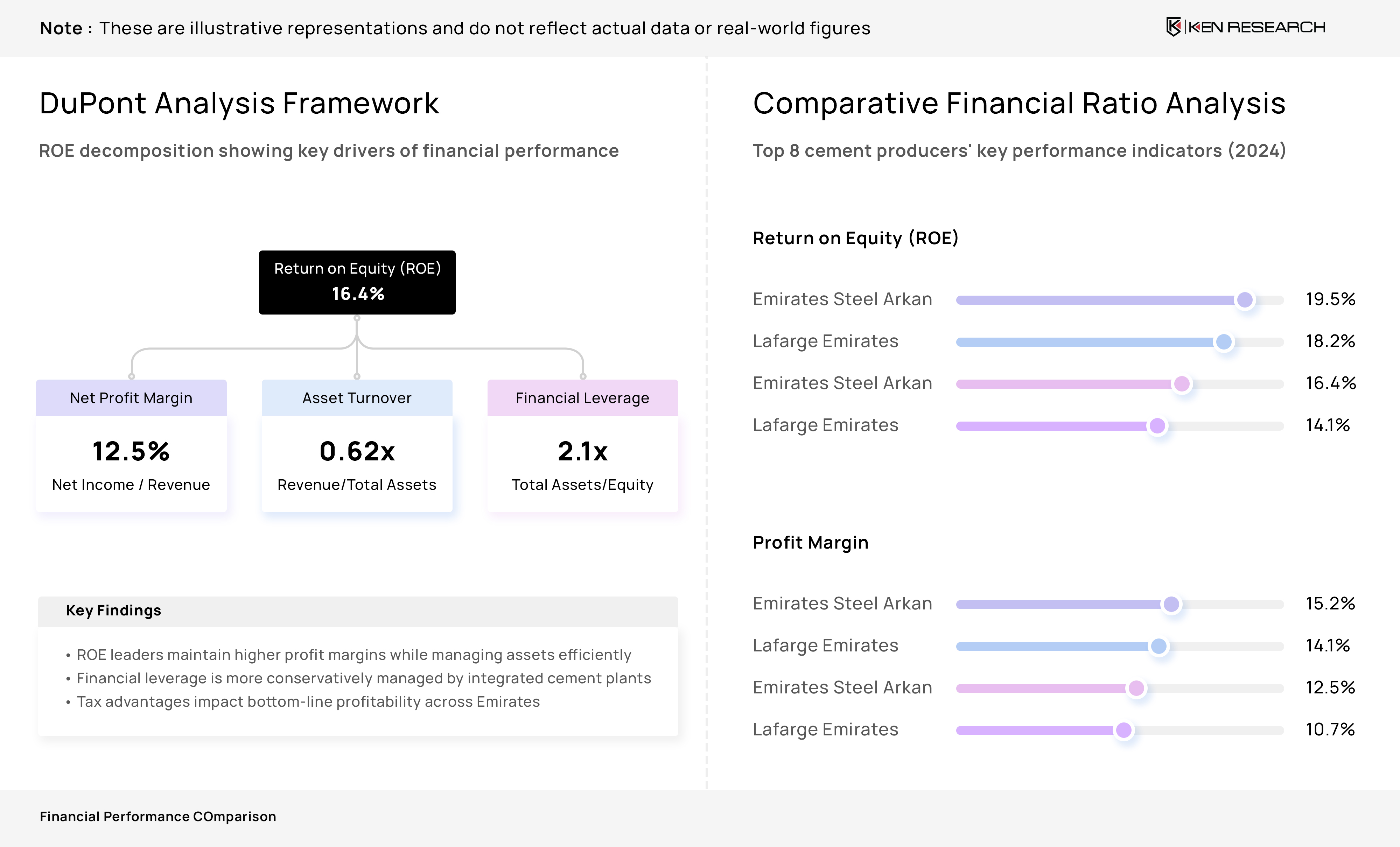
Core Financial Performance Metrics
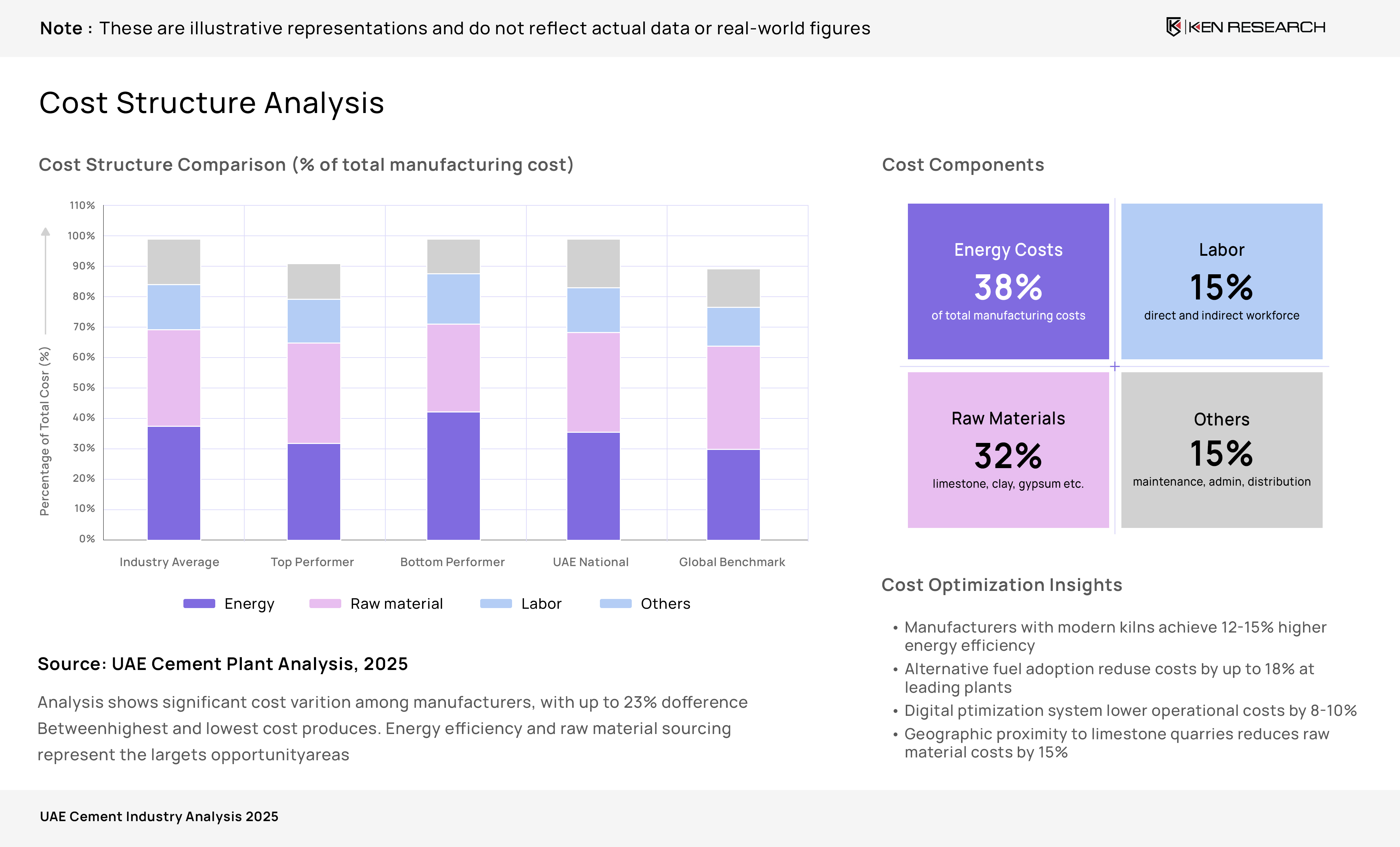
Margin structure in aftermarket parts is primarily governed by sourcing power (COGS), mix of genuine vs aftermarket, and inventory turns. Players with disciplined pricing and higher fleet contracts often show steadier revenue trajectories and tighter volatility in EBITDA conversion.
EBITDA and PAT resilience typically tracks logistics efficiency and claims control. High return rates, slow-moving inventory, and aggressive discounting can compress margins quickly, even when topline demand remains healthy.
Table of Contents
1. Ecosystem Matrix
1.1 Large Players
1.1.1 Alghanim Industries (Automotive)
1.1.2 Abdulmohsen Abdulaziz Al Babtain Co. (AABC)
1.1.3 Mohamed Naser AlSayer & Sons EST. Co. W.L.L (MNSS)
1.1.4 Kuwait Automotive Imports Co. W.L.L (KAICO)
1.1.5 Mohammad Saleh & Reza Yousuf Behbehani Co. (MSRY)
1.1.6 AlMailem Group
1.1.7 Al Radwan International Group (RIG)
1.2 Medium Players
1.2.1 The National Spare Parts Co. W.L.L. (NSP)
1.2.2 Al Qurain Automotive Trading Co.
1.2.3 Kuwait Auto Parts Imports Co. W.L.L (KAPICO)
1.2.4 All Parts Group
1.2.5 Al Mutawa & Sahni Co. For Tyres & Auto Spare Parts W.L.L
1.2.6 Hakimi Auto Parts
1.3 Small Players
1.3.1 Boom Auto Parts
1.3.2 Nissmo Auto Spare Parts
1.3.3 Alamdar Auto Spare Parts Co.
1.3.4 Al-Estiqlal Est.
1.3.5 Abdulla Al-Mishari & Partner Co. W.L.L
2. Leading Player Profiles
2.1 Parameters
2.1.1 Company Name
2.1.2 Group Name
2.1.3 Headquarters
2.1.4 Established Year
2.1.5 Core Services
2.1.6 Mode of Functioning
3. Key Operational Performance Metrics
3.1 Parts Pricing (USD)
3.2 Average Order Value (USD)
3.3 Monthly Parts Sales Volume (Units)
3.4 Active SKU Count
3.5 Outlets & Warehouses
3.6 Workshop/Bay Capacity
3.7 Fleet/B2B Sales Share (%)
3.8 Online Order Share (%)
3.9 Same-day Delivery Share (%)
3.10 Returns/Claims Rate (%)
4. Core Financial Performance Metrics
4.1 Parameters
4.1.1 Revenue (USD Mn)
4.1.2 Revenue Growth (%)
4.1.3 COGS (USD Mn)
4.1.4 COGS Growth (%)
4.1.5 EBITDA (USD Mn)
4.1.6 EBITDA Growth (%)
4.1.7 EBITDA Margin (%)
4.1.8 PAT (USD Mn)
4.1.9 PAT Margin (%)
5. Methodology
5.1 Approach
5.1.1 Desk Sources
5.1.2 Primary Interviews
5.1.3 Sanity Checking & Validation
5.2 Benchmarking Process
5.2.1 Data Collection
5.2.2 Primary Validation
5.2.3 Proxy KPI Modelling
5.2.4 Normalization & Indexing
5.2.5 Gap Analysis
5.2.6 Peer Review
5.3 Sample Composition
5.3.1 Scope Items
5.3.2 Sample Size
5.3.3 Target Respondents
Methodology
Ken Research will deploy its proprietary, multi-layered research framework combining robust secondary research, targeted primary outreach, and rigorous data validation to deliver an authoritative competitive benchmarking assessment of the Kuwait Automotive Aftermarket Parts Market. The methodology is designed to ensure consistency, comparability, and decision-grade insights across all profiled players, operating models, and performance parameters.
Desk Sources
- Industry reports from proprietary databases and Ken Research internal archives to establish historical benchmarks and aftermarket baselines
- Company annual reports, statutory filings, and official disclosures to extract operational footprints, sourcing models, and strategic priorities
- Government publications and trade association releases covering vehicle parc evolution, import regulations, and spare parts standards
- Trade magazines, automotive journals, and sector publications to track competitive developments, supplier tie-ups, and pricing behavior
- Financial intelligence platforms including Bloomberg and Capital IQ for standardized financial metrics and peer benchmarking
- Web traffic and digital commerce dashboards such as SimilarWeb to assess online parts discovery, ordering behavior, and channel performance
Primary Interviews
- CATI interviews and structured online surveys with category heads and procurement managers at spare parts distributors
- In-depth discussions with senior sales, operations, and supply-chain leaders at leading aftermarket players
- Interviews with distributors, workshop owners, and fleet procurement managers to validate pricing dynamics, SKU movement, and demand patterns
- Consultations with industry analysts and automotive service experts to validate competitive positioning and operational practices
Sanity Checking and Validation
- Triangulation of findings through cross-verification of secondary data, primary inputs, and proxy-based modeling outputs
- Proxy KPI synthesis using indicators such as outlet density, SKU breadth, delivery turnaround, and sourcing mix to approximate revenue drivers
- Outlier detection and reconciliation through targeted expert discussions and secondary validation
- Structured assumption tracking capturing proxy logic, limitations, and data sources for transparency
- Internal peer review of methodology, analytical models, and outputs prior to final report sign-off
An Inside Look At Our Custom Insights
Take a look at ourcustomized insights, tailored to yourmarket and business needs. Our benchmarking reports deliver data-driven comparisons of key players, helping you uncover opportunities, assess performance, and make confident strategic decisions.