Kuwait Electric Vehicle Charging Providers Market
Published on: February 2026
Report Overview
KuwaitElectric Vehicle Charging Providers MarketOverview
Market Highlights
The Kuwait Electric Vehicle Charging Providers Market is characterized by a multi tiered competitive structure, where a small group of scaled charge point operators and infrastructure backed conglomerates coexist with mid sized system integrators and agile local specialists. Large players are primarily focused on building public and fast charging networks with strategic site partnerships, while medium and small participants concentrate on turnkey deployments, destination charging, and private infrastructure enablement for fleets, residences, and commercial locations.
Global technology frameworks and charging standards are increasingly being adapted to Kuwait’s localized operating environment, with players tailoring hardware specifications, cooling requirements, software interfaces, and service models to account for climatic conditions, grid characteristics, and user behavior. Domestic integrators and regional subsidiaries play a critical role in translating international charging technologies into execution ready solutions aligned with local regulatory, engineering, and commercial requirements.
The distribution and aftersales ecosystem is emerging as a key competitive differentiator, with charger uptime, maintenance responsiveness, and commissioning capability influencing adoption rates and site partner confidence. Strong service coverage and operational reliability are becoming as important as network expansion, particularly as utilization begins to concentrate around high dwell and high traffic locations.
Strategically, competition is shifting from pure footprint expansion toward operational efficiency, cost discipline, and monetization optimization. Players are increasingly focused on improving utilization economics, refining pricing structures, and integrating digital platforms to enhance customer engagement and recurring usage. Sustainability alignment and long term infrastructure scalability are also shaping investment decisions and partnership models.
Looking ahead, the competitive landscape will be defined by the ability to balance innovation with localization, scale with reliability, and expansion with economic discipline. Players that combine technology integration, execution agility, and strong ecosystem partnerships are likely to consolidate leadership positions as Kuwait’s EV adoption and charging demand mature over the medium term.
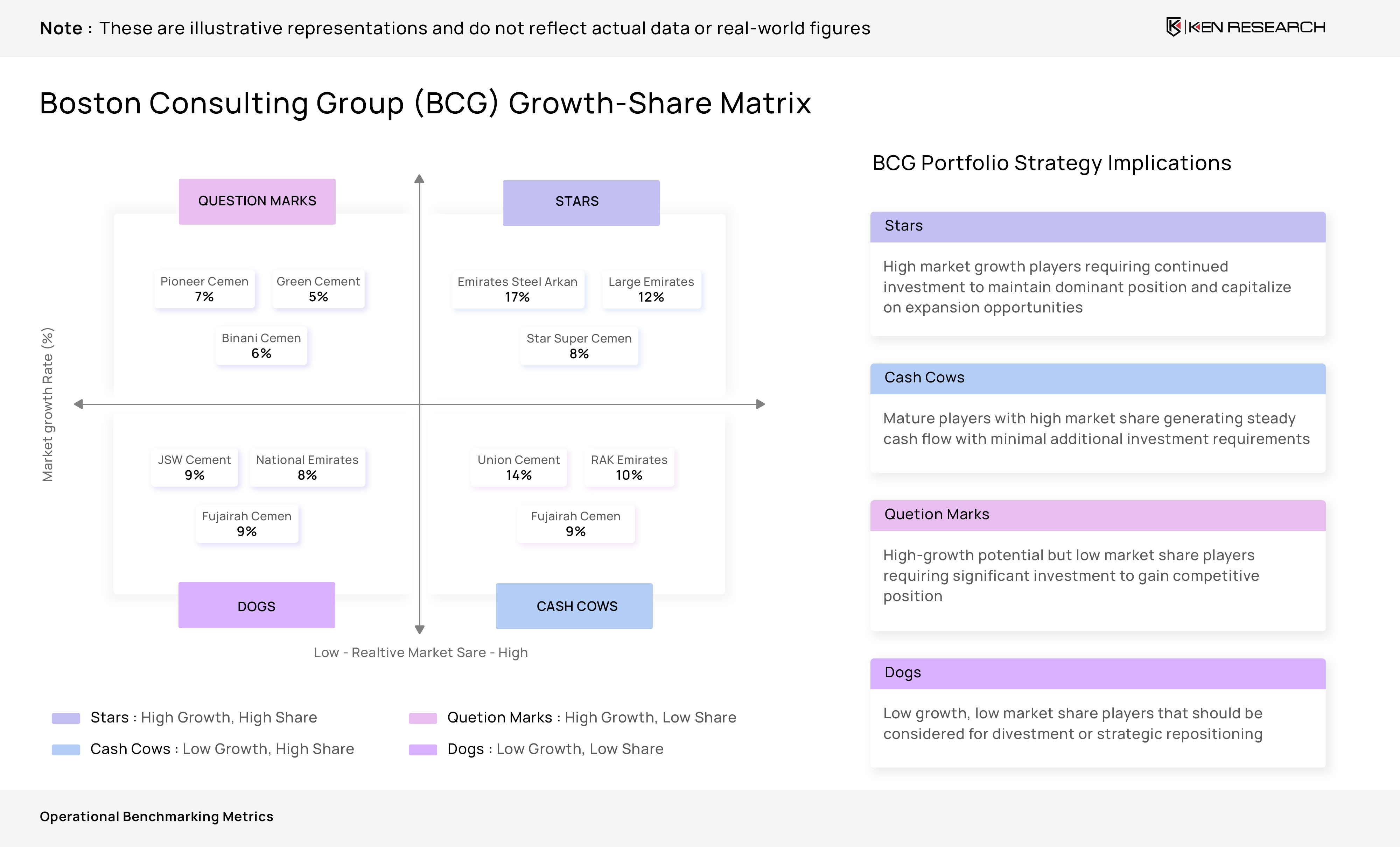
Ecosystem Matrix
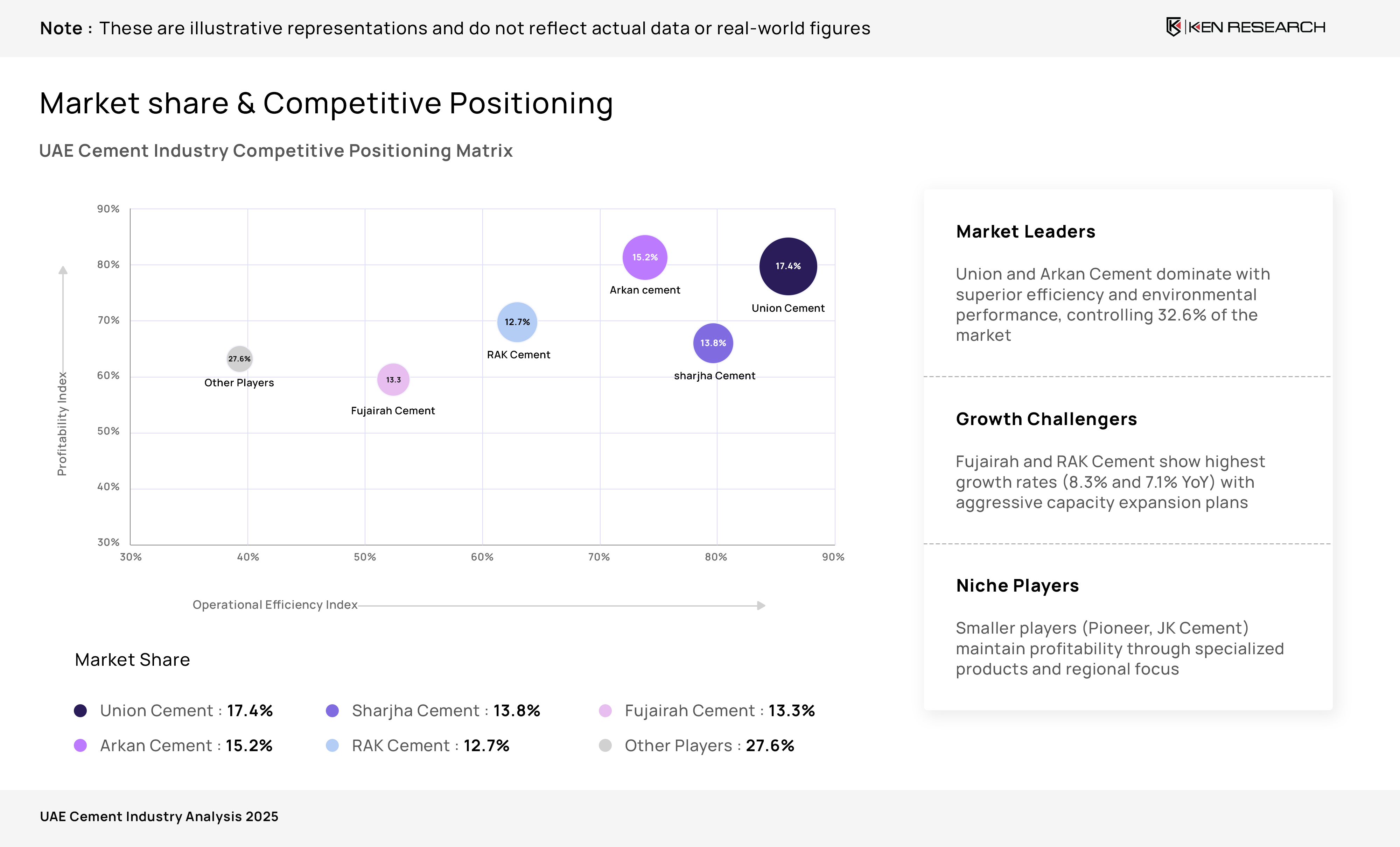
Kuwait’s ecosystem is now clearly tiered: scaled CPOs are building public fast-charging density, mid-sized integrators are winning projects via turnkey deployment capability, and smaller specialists are enabling destination and private installs that accelerate adoption beyond early public nodes.
Competitive advantage will increasingly come from uptime-led performance and site economics: players with resilient operations, strong EPC readiness, and partnership access to malls, workplaces, and high-dwell locations are better positioned to lift utilization and defend pricing.
Leading Player Profiles
Company Profile Overview
The market shows two clear operating models: CPO-led networks compete on access, uptime, and throughput, while project-led integrators compete on delivery speed, compliance readiness, and lifecycle maintenance capabilities that help site owners adopt charging with lower execution risk.
OEM-linked ecosystems will keep shaping private charging adoption, but utilization-led economics will be decided by operator-grade capabilities: site partnerships, operational reliability, and monetization mix (public, destination, enterprise) will separate scaled winners from install-only players.
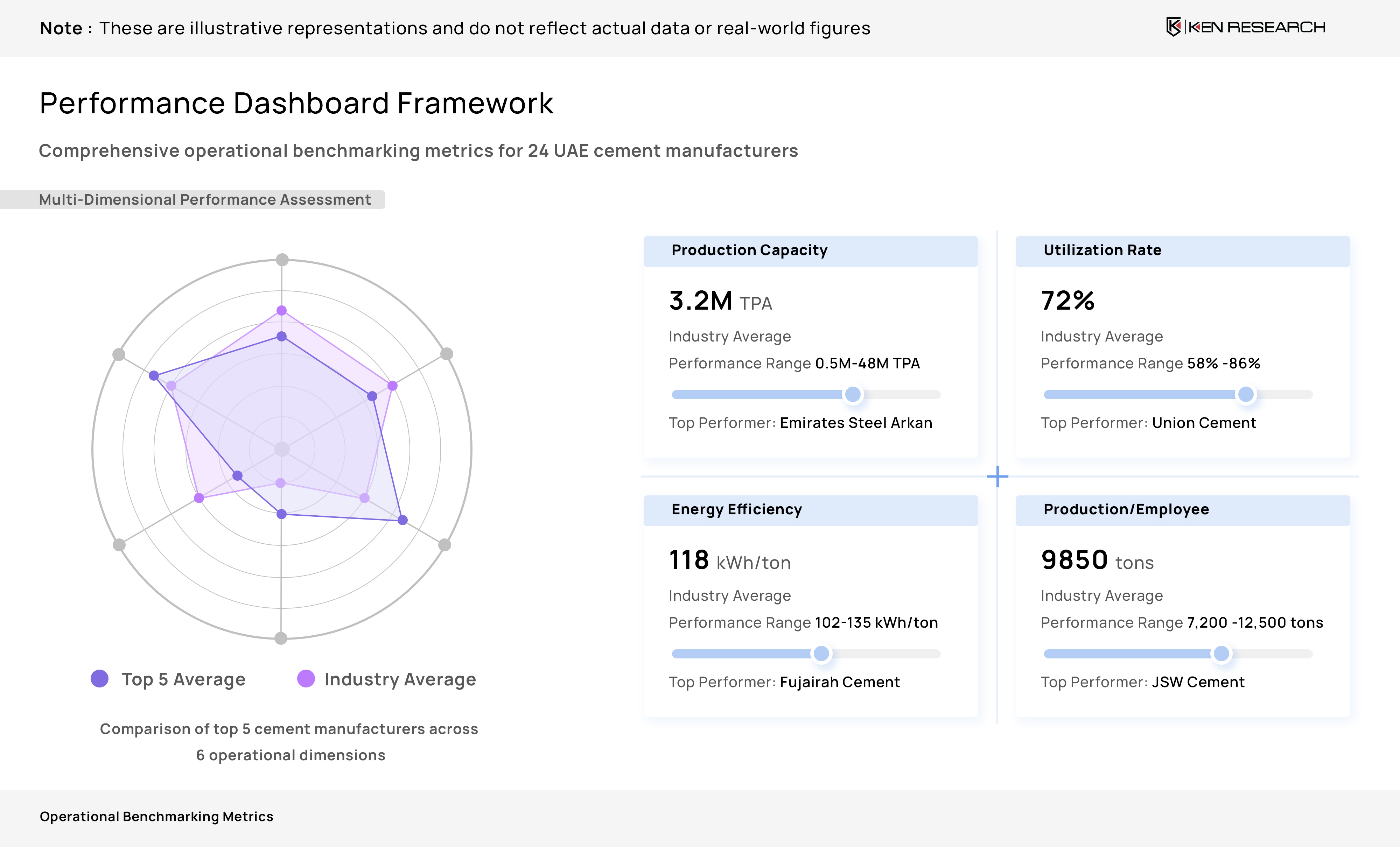
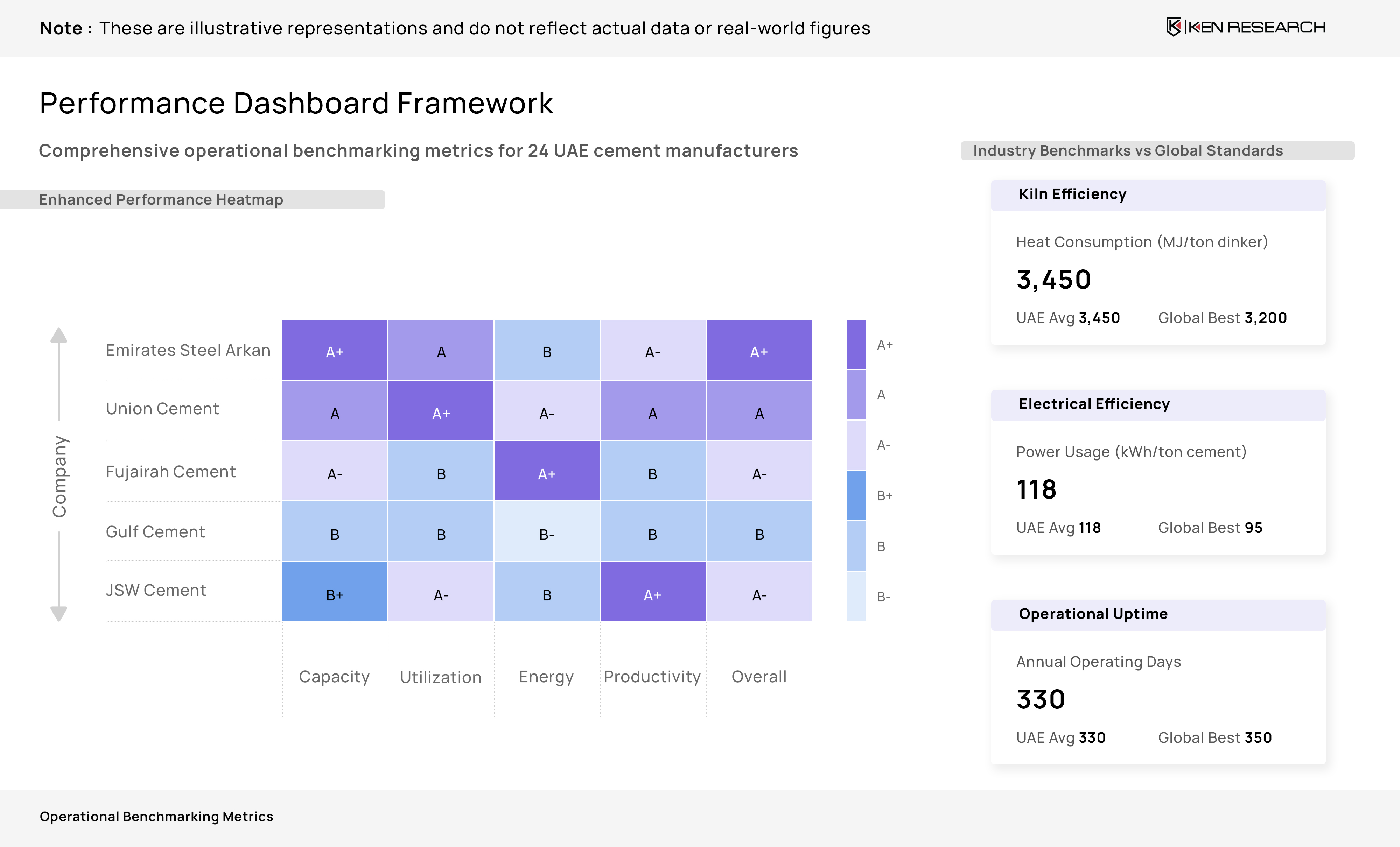
Key Operational Performance Metrics
Company Performance Overview
Unlock Market Insights
Dive deeper into production, distribution, and pricing intelligence.
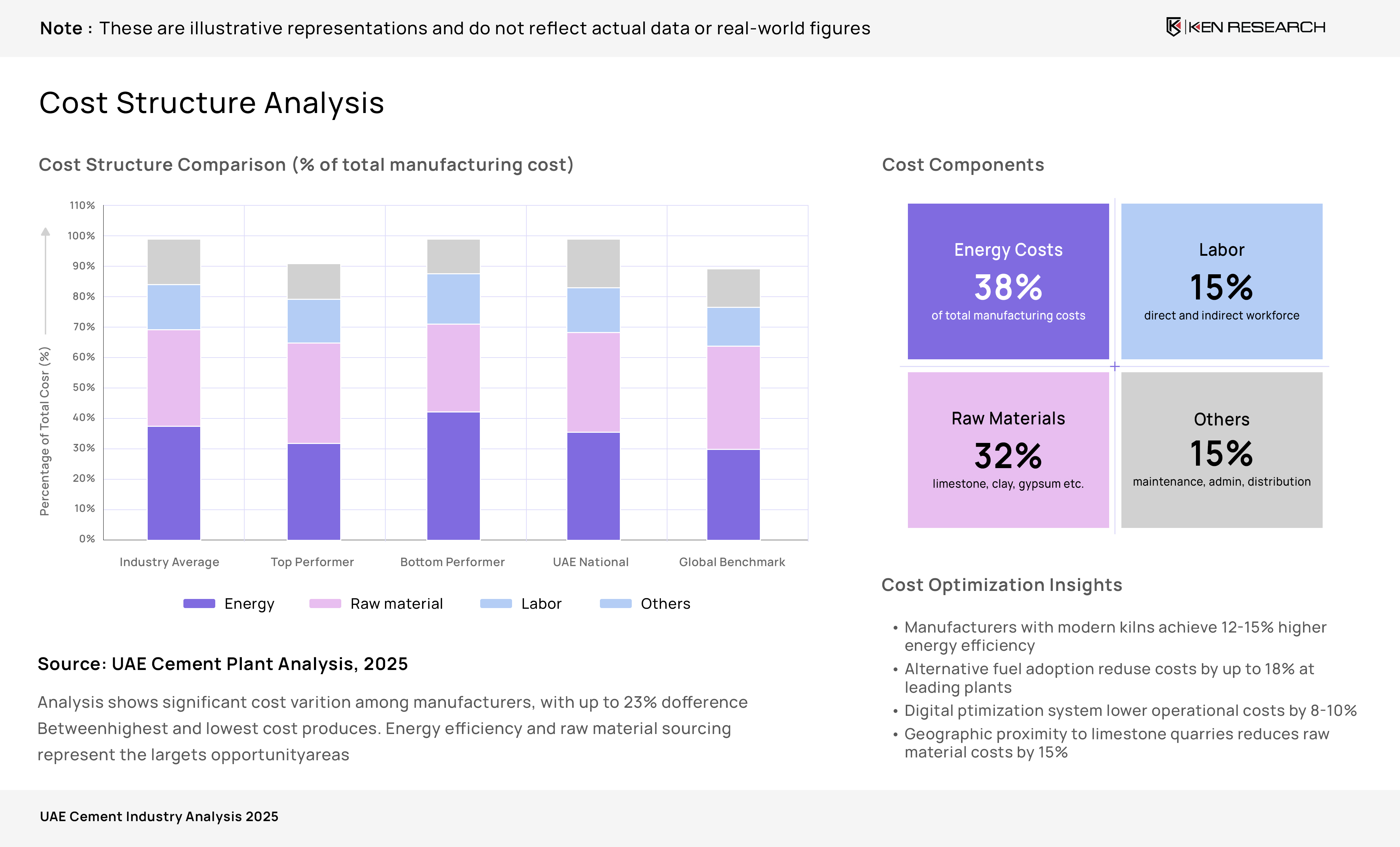
Get Customized ReportThe highest-impact revenue levers in Kuwait will remain pricing, utilization, and uptime. Operators that convert site density into repeat sessions will scale energy sold faster, while integrators that improve commissioning quality reduce downtime and protect throughput performance.
KPI benchmarking should prioritize throughput economics over footprint optics: DC fast share, uptime, and session volumes are the clearest predictors of revenue density, while roaming and subscription layers become important once networks reach multi-site maturity.
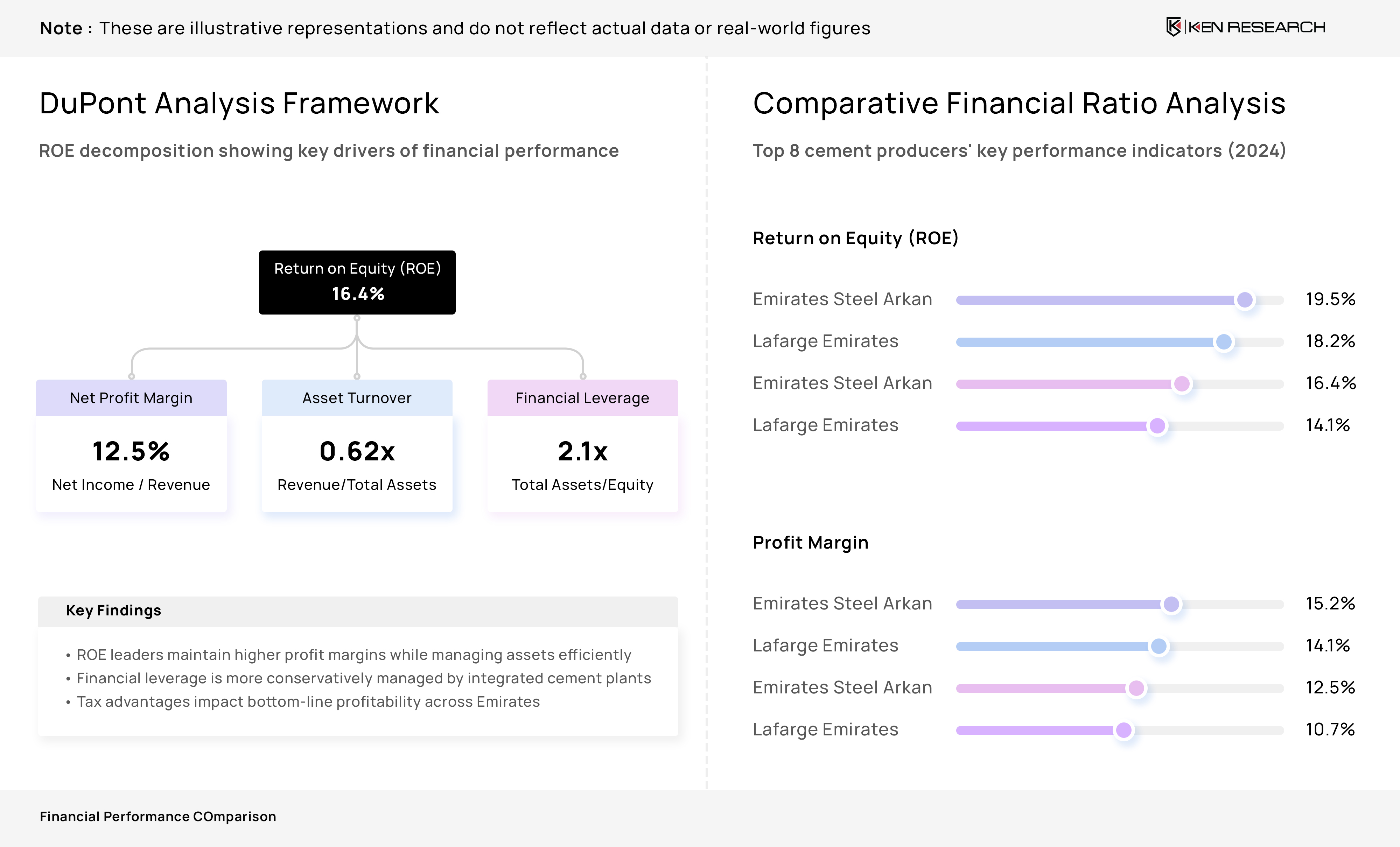
Core Financial Performance Metrics
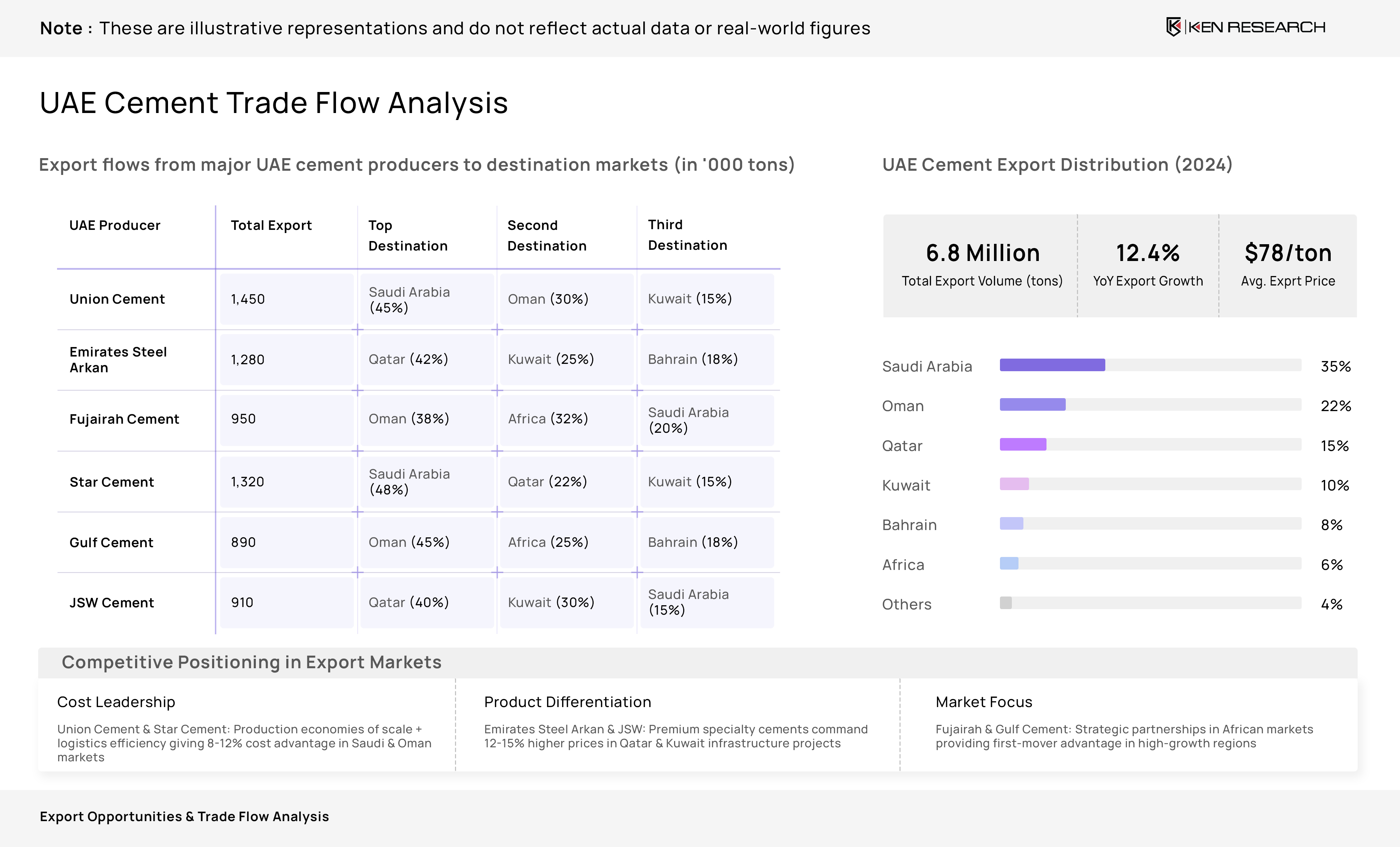
Financial outcomes will diverge based on operating model: CPOs will show higher recurring revenue sensitivity to utilization and power cost structure, while project-heavy players will show profitability swings linked to delivery cycles, warranty exposure, and service contract attach rates.
Margin stabilization in Kuwait should correlate with network maturity and O&M discipline: players that optimize COGS (power procurement, maintenance, site payouts) while adding higher-margin layers (subscriptions, roaming, enterprise deals) will normalize EBITDA earlier.
Table of Contents
1. Ecosystem Matrix
1.1 Large Players
1.1.1 Barq
1.1.2 Teyyar
1.1.3 Charged
1.1.4 Emcor International General Trading Co. W.L.L (EIGTC)
1.1.5 Al Mutawaa & Aref (UTC)
1.1.6 Al Sabah General Electric Co. Ltd
1.2 Medium Players
1.2.1 E4EV Energy Storage
1.2.2 Global Security Systems W.L.L
1.2.3 BMW Kuwait (Charging Solutions)
1.2.4 Mercedes-Benz Kuwait (Charging Solutions)
1.2.5 Porsche Centre Kuwait (Home and Public Charging)
1.3 Small Players
1.3.1 Audi Kuwait (Electric Mobility and Charging)
1.3.2 Salem Bin M. Al-Nisf Electrical Co. W.L.L
1.3.3 Traffic Tech (Gulf) W.L.L
2. Leading Player Profiles
2.1 Parameters
2.1.1 Company Name
2.1.2 Group Name
2.1.3 Headquarters
2.1.4 Established Year
2.1.5 Core Services
2.1.6 Mode of Functioning
3. Key Operational Performance Metrics
3.1 Pricing (USD Mn)
3.2 Energy Sales Revenue (USD Mn)
3.3 Charging Sessions (No.)
3.4 Active Chargers (No.)
3.5 DC Fast Charger Share (%)
3.6 Utilization Rate (%)
3.7 Network Uptime (%)
3.8 Roaming and Subscription Revenue (USD Mn)
3.9 Site Host Commission Payouts (USD Mn)
3.10 Partner Site Count (No.)
4. Core Financial Performance Metrics
4.1 Parameters
4.1.1 Revenue (USD Mn)
4.1.2 Revenue Growth (%)
4.1.3 COGS (USD Mn)
4.1.4 COGS Growth (%)
4.1.5 EBITDA (USD Mn)
4.1.6 EBITDA Growth (%)
4.1.7 EBITDA Margin (%)
4.1.8 PAT (USD Mn)
4.1.9 PAT Margin (%)
5. Methodology
5.1 Approach
5.1.1 Desk Sources
5.1.2 Primary Interviews
5.1.3 Sanity Checking & Validation
5.2 Benchmarking Process
5.2.1 Data Collection
5.2.2 Primary Validation
5.2.3 Proxy KPI Modelling
5.2.4 Normalization & Indexing
5.2.5 Gap Analysis
5.2.6 Peer Review
5.3 Sample Composition
5.3.1 Scope Items
5.3.2 Sample Size
5.3.3 Target Respondents
Methodology
Ken Research will deploy its proprietary, multi layered research framework, combining robust secondary research, targeted primary outreach, and rigorous data validation, to deliver an authoritative competitive benchmarking assessment of the Kuwait Electric Vehicle Charging Providers Market. The methodology is designed to ensure consistency across player profiling, operational benchmarking, and financial normalization, while accounting for the market’s early-stage but rapidly institutionalizing EV charging ecosystem.
Desk Sources
- Industry reports from proprietary databases and Ken Research internal archives to establish historical benchmarks, ecosystem structure, and early-stage market baselines for EV charging deployment in Kuwait
- Company annual reports, parent group disclosures, investor presentations, and statutory filings to extract financial linkages, investment priorities, and infrastructure strategy alignment
- Government publications and policy circulars related to transport electrification, energy transition, and urban infrastructure to capture regulatory and rollout context
- Trade magazines, industry journals, and regional e-mobility publications to track charging network expansion, technology adoption, and competitive partnerships
- Financial intelligence platforms such as Bloomberg and Capital IQ to standardize group-level financial indicators and peer comparisons where applicable
- Web traffic, app usage, and digital engagement dashboards such as SimilarWeb and App Annie to assess network visibility, consumer engagement, and platform traction
Primary Interviews
- CATI interviews and structured online surveys with category managers, infrastructure heads, and technology leads of EV charging providers
- In depth discussions with senior sales, partnerships, and operations leaders at leading charge point operators and turnkey solution providers
- Interviews with commercial real estate owners, fleet operators, and destination partners to validate utilization drivers, pricing structures, and site economics
- Consultations with industry analysts, mobility consultants, and charging technology vendors to validate assumptions around network economics, uptime, and monetization models
Sanity Checking and Validation
- Triangulation of estimates through cross verification of secondary research, primary insights, and proxy based analytical outputs
- Proxy KPI synthesis using indicators such as installed charger base, active charging locations, utilization patterns, and digital engagement to approximate operational and revenue performance
- Outlier analysis to identify anomalous values across operational and financial indicators, followed by targeted validation interviews
- Structured assumption tracking to document all benchmarking assumptions, data gaps, and proxy KPI logic
- Internal peer review of methodology, models, and outputs by senior Ken Research analysts prior to final report closure
An Inside Look At Our Custom Insights
Take a look at ourcustomized insights, tailored to yourmarket and business needs. Our benchmarking reports deliver data-driven comparisons of key players, helping you uncover opportunities, assess performance, and make confident strategic decisions.