Kuwait Fertilizer Distribution Market
Published on: January 2026
Report Overview
Kuwait Fertilizer Distribution Market Overview
Market Highlights
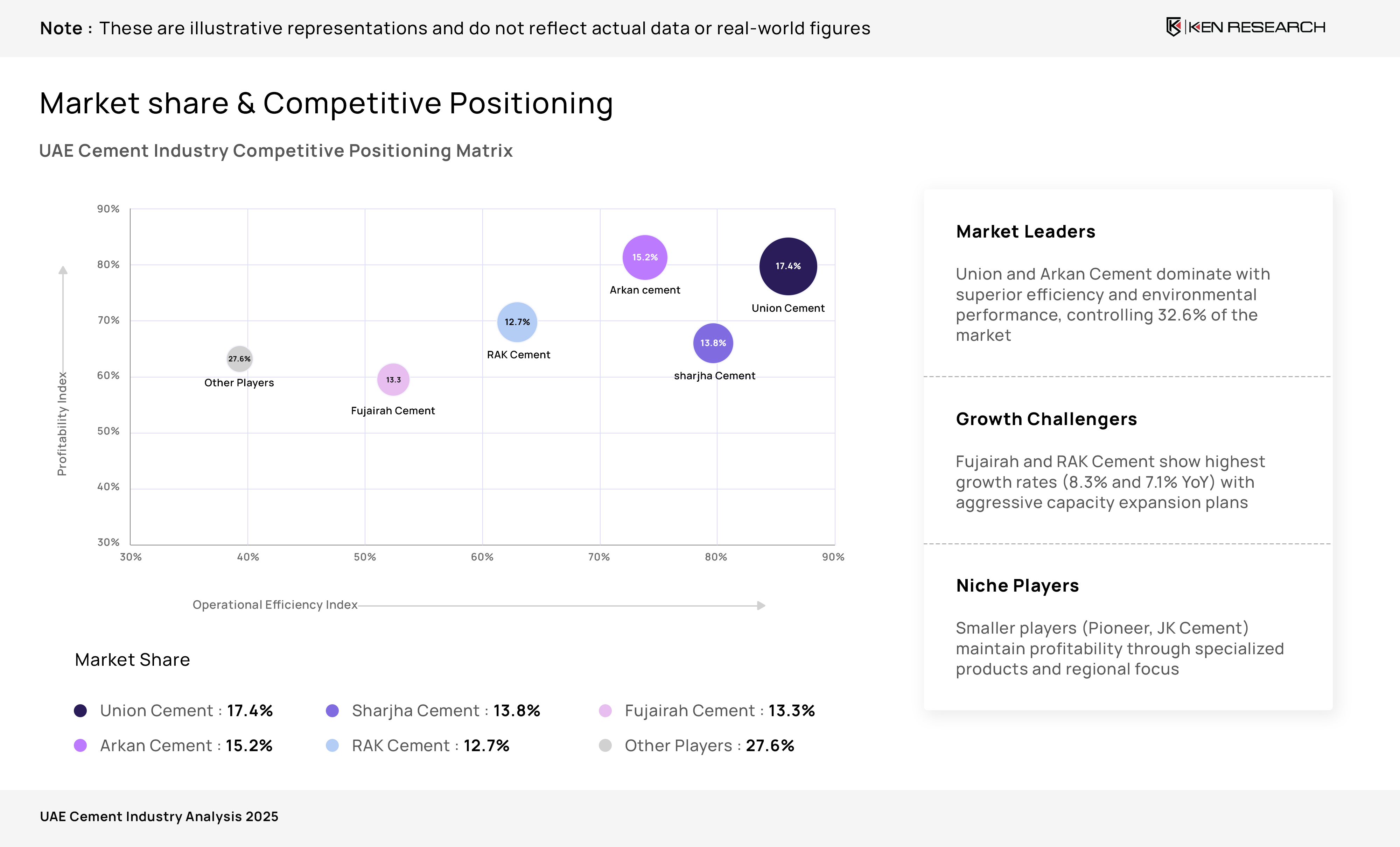
The Kuwait Fertilizer Distribution Market showcases a diverse competitive framework where multinational corporations, regional manufacturers, and local firms interact dynamically. Multinationals leverage their extensive resources for efficiency, while regional players focus on tailored solutions that resonate with local agricultural practices, and local firms capitalize on agility and niche expertise.
Innovation from global leaders is harmoniously integrated with local adaptations, as companies customize fertilizer formulations and distribution methods to meet Kuwait's unique agricultural needs. Collaborations between international suppliers and local distributors enhance the effectiveness of product delivery and service, ensuring alignment with regional agricultural cycles and preferences.
The distribution and aftersales ecosystem is pivotal in enhancing customer satisfaction and operational reliability. Strategic partnerships among manufacturers, distributors, and agricultural cooperatives facilitate a seamless flow of products, while robust aftersales support, including training and technical assistance, fosters long-term relationships and trust within the market.
Future competitiveness hinges on a blend of technological integration, sustainability initiatives, and responsive business strategies. Companies are increasingly adopting data-driven approaches to optimize supply chains, reduce costs, and enhance product offerings, while a commitment to sustainable practices is reshaping the market landscape, driving innovation, and ensuring resilience in a rapidly evolving environment.
Ecosystem Matrix
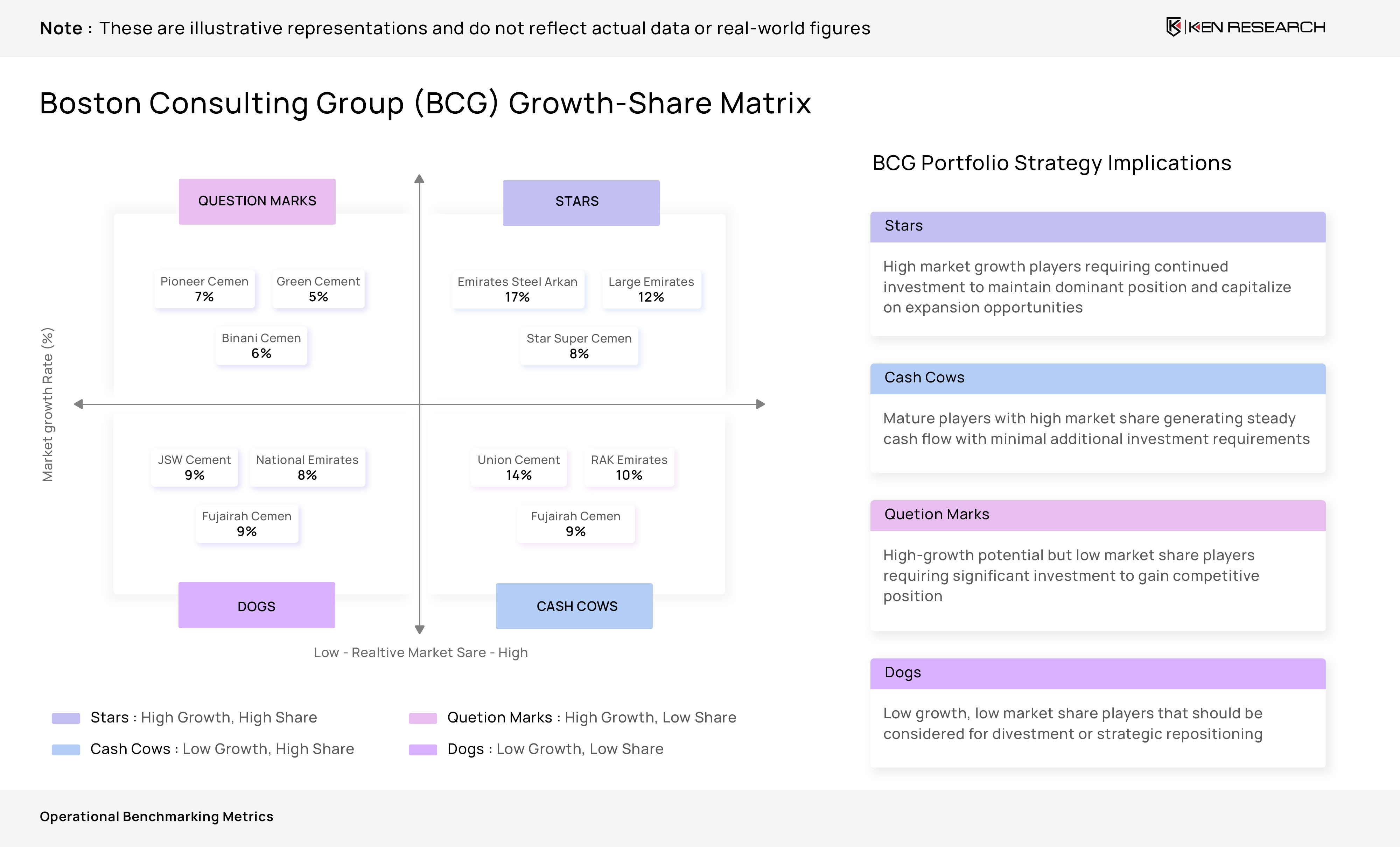
The market’s channel power typically concentrates around import/distribution scale, institutional access (co-ops/government), and downstream reach into farms, landscaping contractors, and retail points—these factors define who can secure volume, manage inventory cycles, and sustain pricing discipline across seasons.
Competitive intensity is shaped by a “hybrid” ecosystem: corporates handle breadth and logistics, while co-ops/government-linked entities influence allocation and farmer access; performance benchmarking therefore hinges on network coverage, product mix depth, and execution reliability, not only brand presence.
Leading Player Profiles
Company Profile Overview
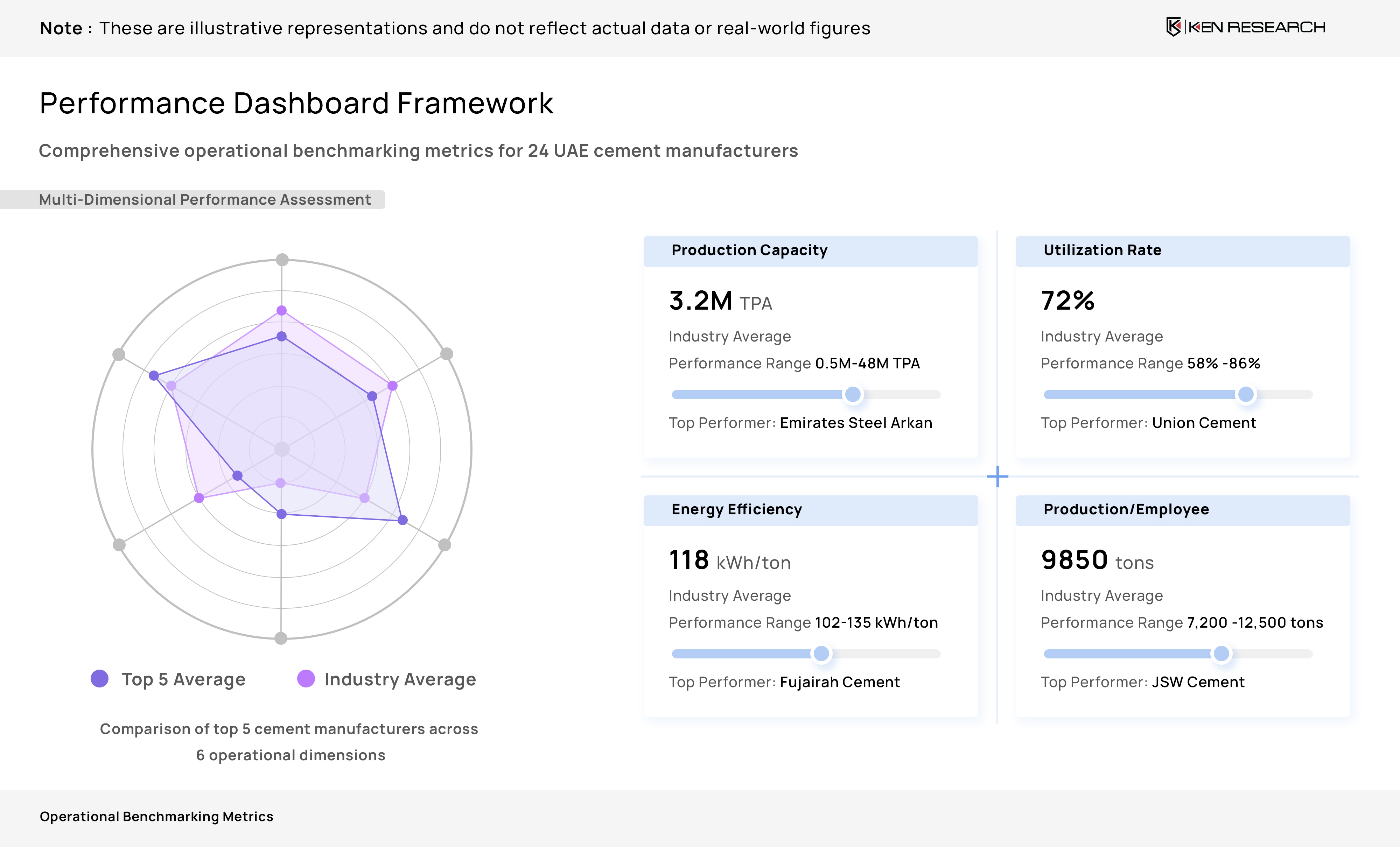
Benchmarking player strength in this market is most reliable when comparing distribution pathway control alongside service-led capability (project execution, agronomy support, and continuity of supply under seasonality).
The profile mix indicates a market where scale distributors and institutional bodies anchor baseline availability, while mid-tier specialized suppliers compete through product depth and service delivery making operating model and channel coverage the key differentiators for sustainable top-line capture.
Key Operational Performance Metrics
Company Performance Overview
Unlock Market Insights
Dive deeper into production, distribution, and pricing intelligence.
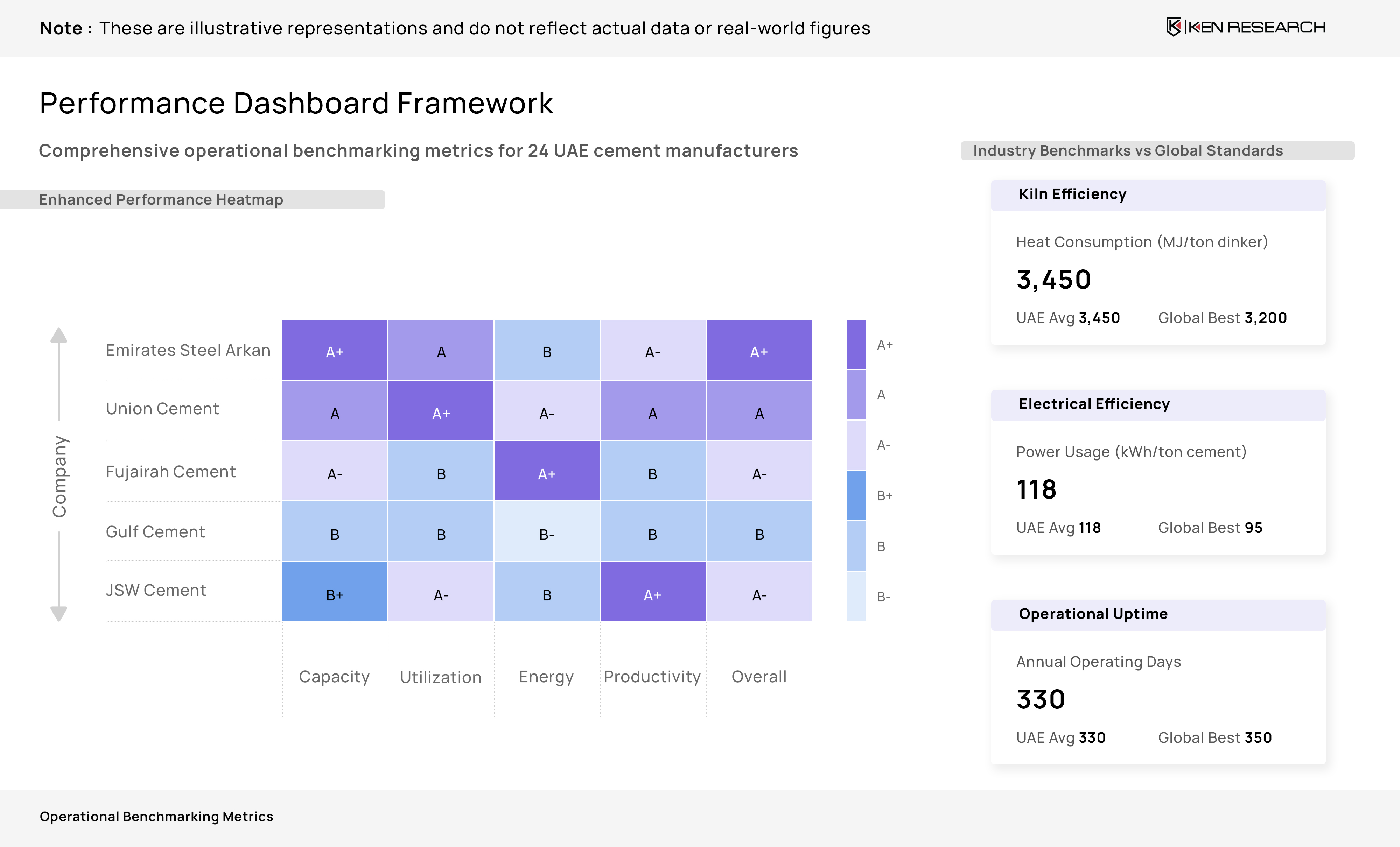
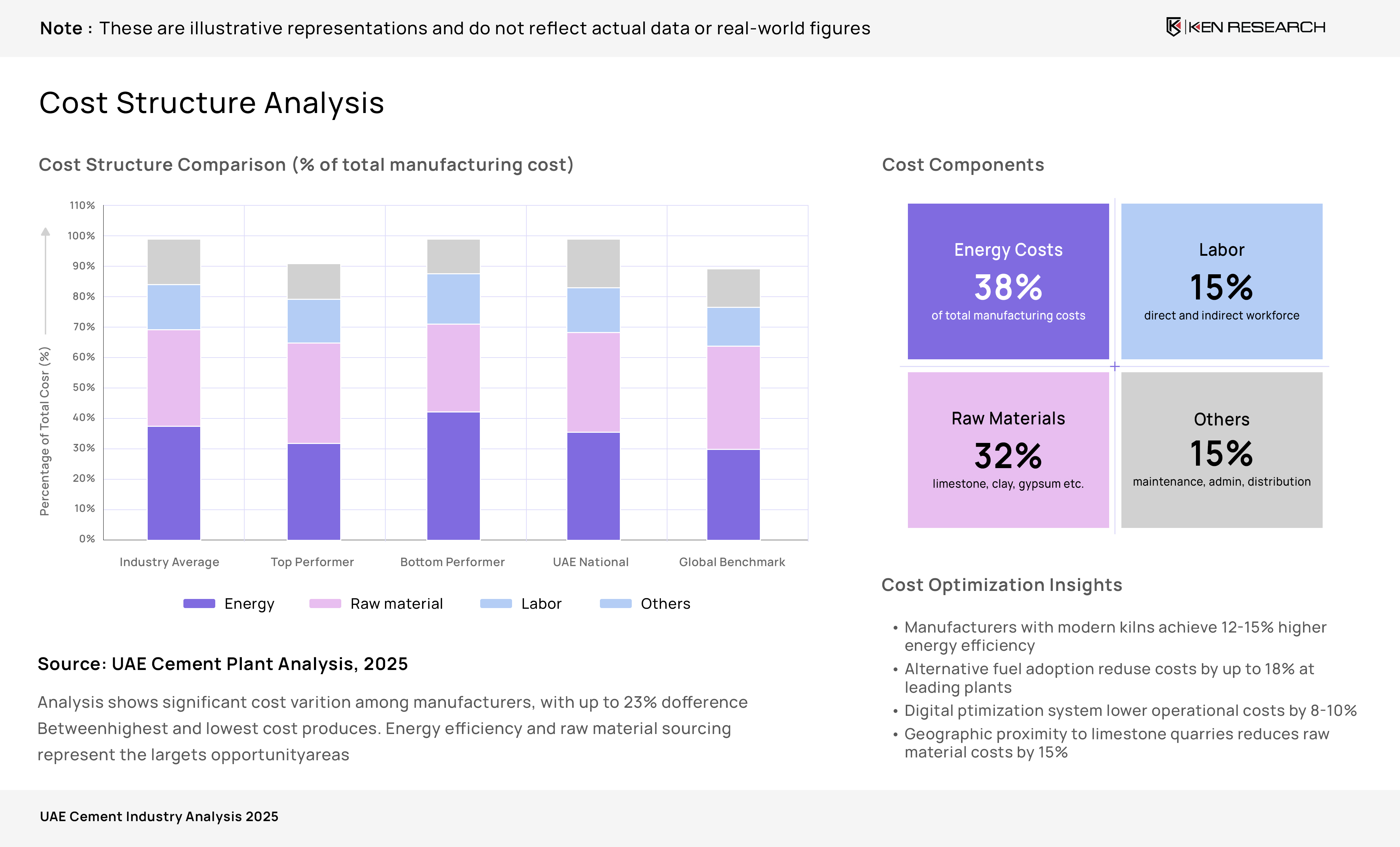
Get Customized ReportRevenue benchmarking in Kuwait fertilizer distribution is most defensible when KPIs trace direct monetization levers: volume throughput, realized pricing, customer base activation, and contract mix—then validated against inventory turns and lead times that determine execution capacity and revenue conversion.
The KPI stack prioritizes variables that compress directly into revenue build-ups (MT × price × channel mix), while incorporating the operational “friction” metrics (lead time, credit days, turnover) that typically explain variance in cash conversion and margin resilience across players.
Core Financial Performance Metrics
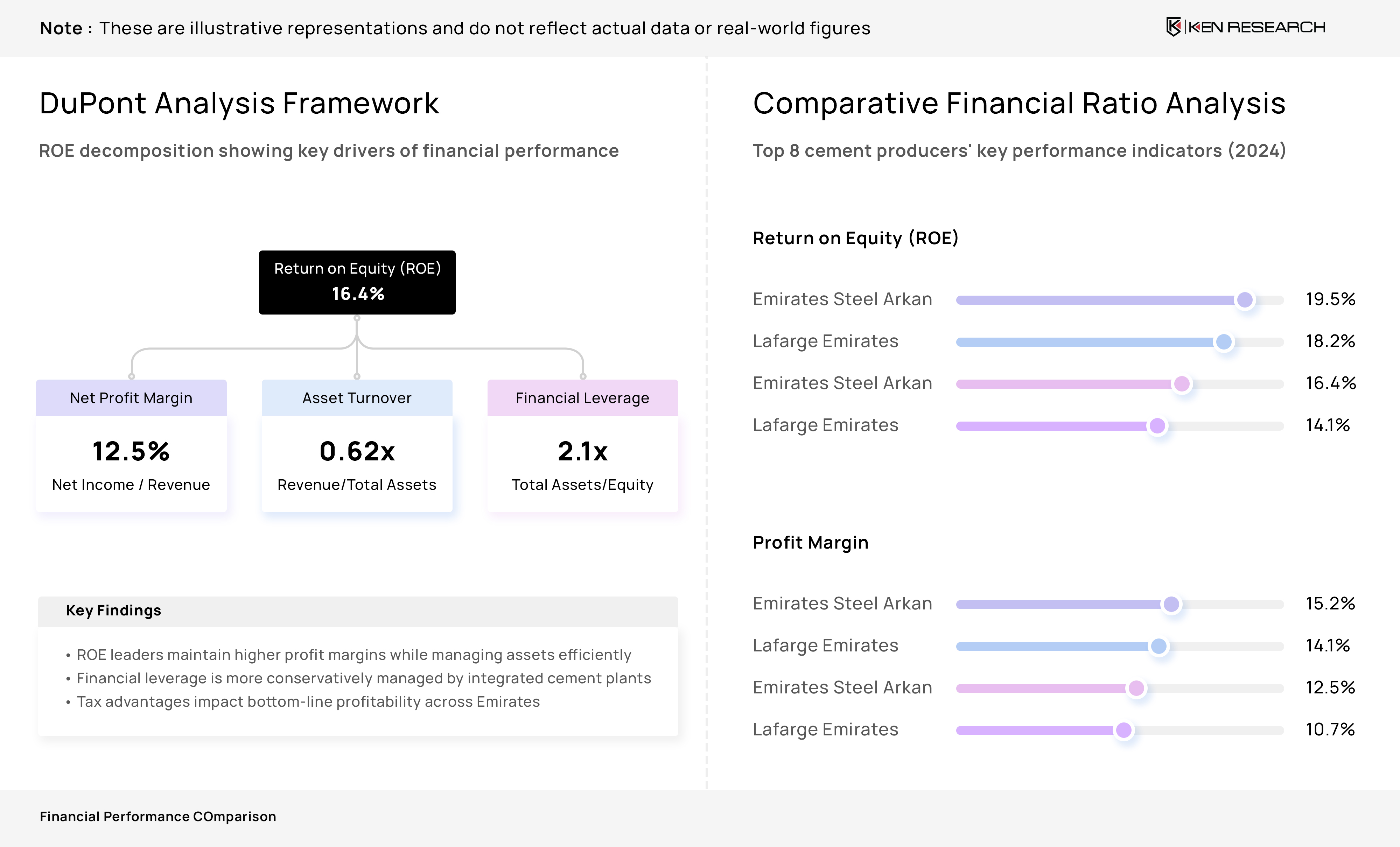
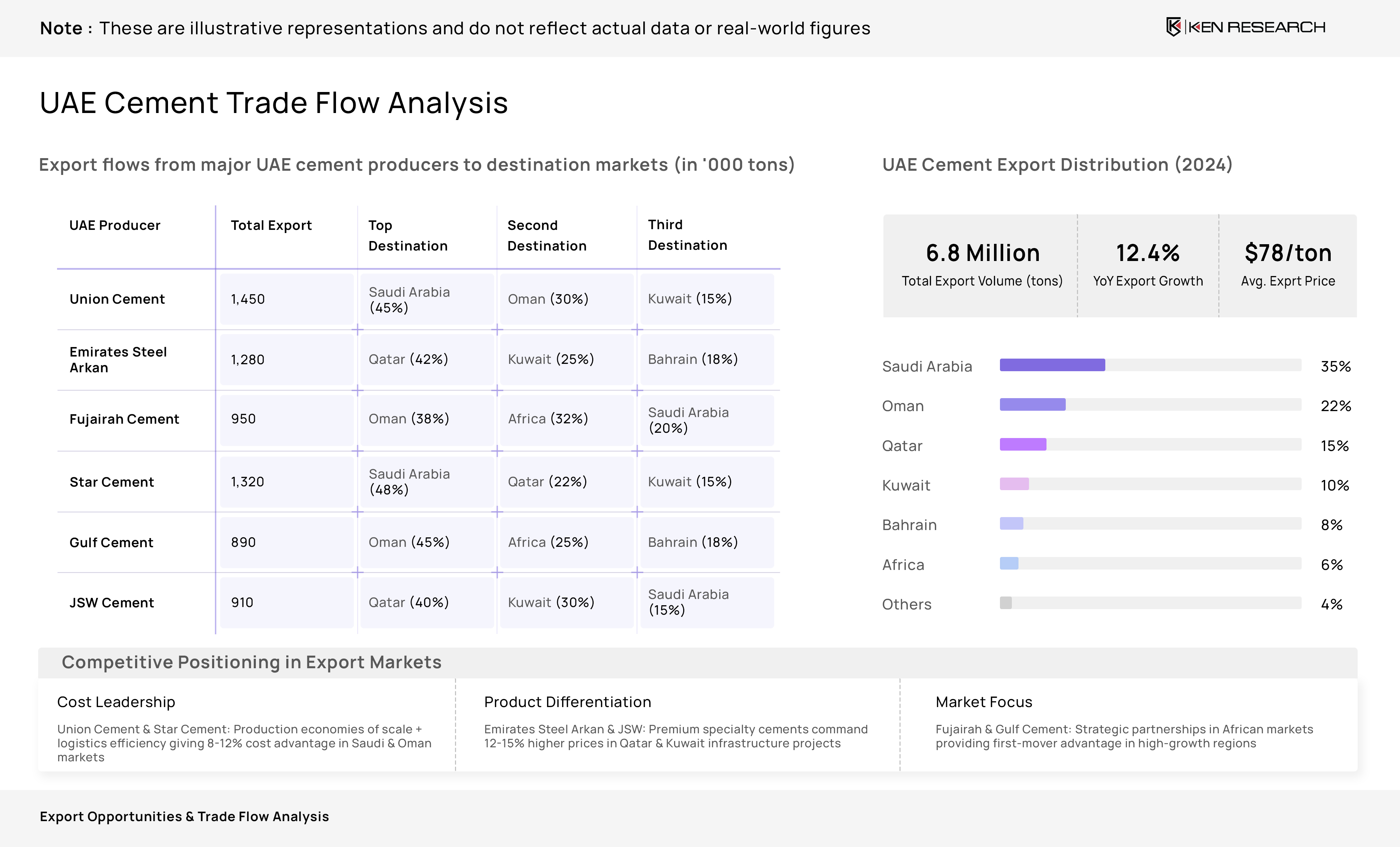
Financial benchmarking becomes decision-useful when mapped back to the operational drivers: distributors with superior pricing realization and faster turnover typically show stronger revenue quality, while higher institutional mix can stabilize growth yet compress margins depending on procurement terms and service obligations.
Comparing revenue, COGS, and EBITDA trajectories across players highlights where scale is translating into profitability versus being absorbed by logistics, credit exposure, and inventory carrying costs—enabling a clean separation between “volume-led” growth and “efficiency-led” growth.
Table of Contents
1. Ecosystem Matrix
1.1 Large Players
1.1.1 Kuwait Agriculture Company (KAC)
1.1.2 United Agricultural & Livestock Production Company (UAPCO)
1.1.3 Palms Agro Production Co. (PAPCO)
1.1.4 Greenfields Agriculture Company
1.1.5 Public Authority for Agriculture Affairs and Fish Resources (PAAFR)
1.1.6 Kuwait Farmers Federation (KFF)
1.2 Medium Players
1.2.1 Afnan Agricultural Co. (KSCC)
1.2.2 Al Shaheen Nurseries Agriculture & Food Co. WLL
1.2.3 Al Jahra Agricultural Products Equipment & Supplies Co. WLL
1.2.4 MOBIK Group W.L.L.
1.2.5 Washingtonia Agricultural Company (Alghanim Industries)
1.2.6 House of Development for Agricultural Contracting Co. WLL (HODAGRI)
1.3 Small Players
1.3.1 Fertile Grounds
1.3.2 Agricultural Supplies & Equipment Co. (ASECO)
1.3.3 Kuwait Agro
1.3.4 Al Wafra Agricultural Cooperative Society
1.3.5 Al Abdali Agricultural Co-Operative Society
2. Leading Player Profiles
2.1 Company Name
2.2 Group Name
2.3 Headquarters
2.4 Establishment Year
2.5 Core Service
2.6 Mode of Functioning
3. Key Operational Performance Metrics
3.1 Annual Distribution Volume (MT)
3.2 Active Customer Base (farms/contractors)
3.3 Pricing (Average Selling Price, USD/MT)
3.4 Product Mix Breadth (Number of SKUs)
3.5 Institutional Contract Share (%)
3.6 Retail Coverage (Number of Locations)
3.7 Delivery Lead Time (Days)
3.8 Inventory Turnover (x)
3.9 Credit Terms (Average Days)
4. Core Financial Performance Metrics
4.1 Parameters
4.1.1 Revenue (USD Mn)
4.1.2 Revenue Growth (%)
4.1.3 COGS (USD Mn)
4.1.4 COGS Growth (%)
4.1.5 EBITDA (USD Mn)
4.1.6 EBITDA Growth (%)
4.1.7 EBITDA Margin (%)
4.1.8 PAT (USD Mn)
4.1.9 PAT Margin (%)
5. Methodology
5.1 Approach
5.1.1 Desk Sources
5.1.2 Primary Interviews
5.1.3 Sanity Checking & Validation
5.2 Benchmarking Process
5.2.1 Data Collection
5.2.2 Primary Validation
5.2.3 Proxy KPI Modelling
5.2.4 Normalization & Indexing
5.2.5 Gap Analysis
5.2.6 Peer Review
5.3 Sample Composition
5.3.1 Scope Items
5.3.2 Sample Size
5.3.3 Target Respondents
Methodology
Ken Research will deploy its proprietary, multi-layered research frameworknintegrating robust secondary research, targeted primary outreach, and rigorous data validation to deliver an authoritative competitive benchmarking analysis of the Kuwait Fertilizer Distribution Market.
Desk Sources
- Industry reports from proprietary databases and Ken Research internal archives to establish historical benchmarks and market baselines
- Company annual reports, investor presentations, and statutory disclosures to extract financials, distribution scale, capacity indicators, and strategic priorities
- Government publications and trade-association releases to assess policy frameworks, subsidy mechanisms, import dependency, and fertilizer trade flows
- Trade magazines, agri-journals, and sector e-articles to track competitive developments, product innovations, and pricing dynamics
- Financial intelligence platforms such as Bloomberg and Capital IQ to standardize financial ratios, peer benchmarking, and margin analysis
- Web traffic and digital intelligence dashboards (e.g., SimilarWeb, App Annie) to evaluate digital reach, demand signals, and distributor visibility
Primary Interviews
- CATI interviews and structured online surveys with category managers and R&D heads of fertilizer manufacturers
- In-depth discussions with senior sales and marketing leaders at leading fertilizer distributors
- Interviews with distributors and channel partners to validate pricing structures, volumes, credit terms, and regional demand patterns
- Consultations with industry analysts, agribusiness consultants, and input-service providers to validate market structure and competitive dynamics
Sanity Checking and Validation
- Triangulation of estimates by cross-verifying secondary research, primary interview inputs, and proxy-based model outputs
- Proxy KPI synthesis using fertilizer-specific indicators such as distribution volume (MT), pricing per MT, outlet coverage, institutional contract share, and inventory turnover
- Outlier analysis to identify anomalous pricing, volume, or margin data points and reconcile them through targeted follow-up discussions
- Assumption tracking via a structured log capturing all benchmarking assumptions, data gaps, and proxy KPI sources
- Internal peer review of methodology, analytical models, and key findings prior to final report finalization
An Inside Look At Our Custom Insights
Take a look at ourcustomized insights, tailored to yourmarket and business needs. Our benchmarking reports deliver data-driven comparisons of key players, helping you uncover opportunities, assess performance, and make confident strategic decisions.