Malaysia Cold Chain Market
Published on: November 2025
Report Overview
Malaysia Cold Chain Market
Market Highlights
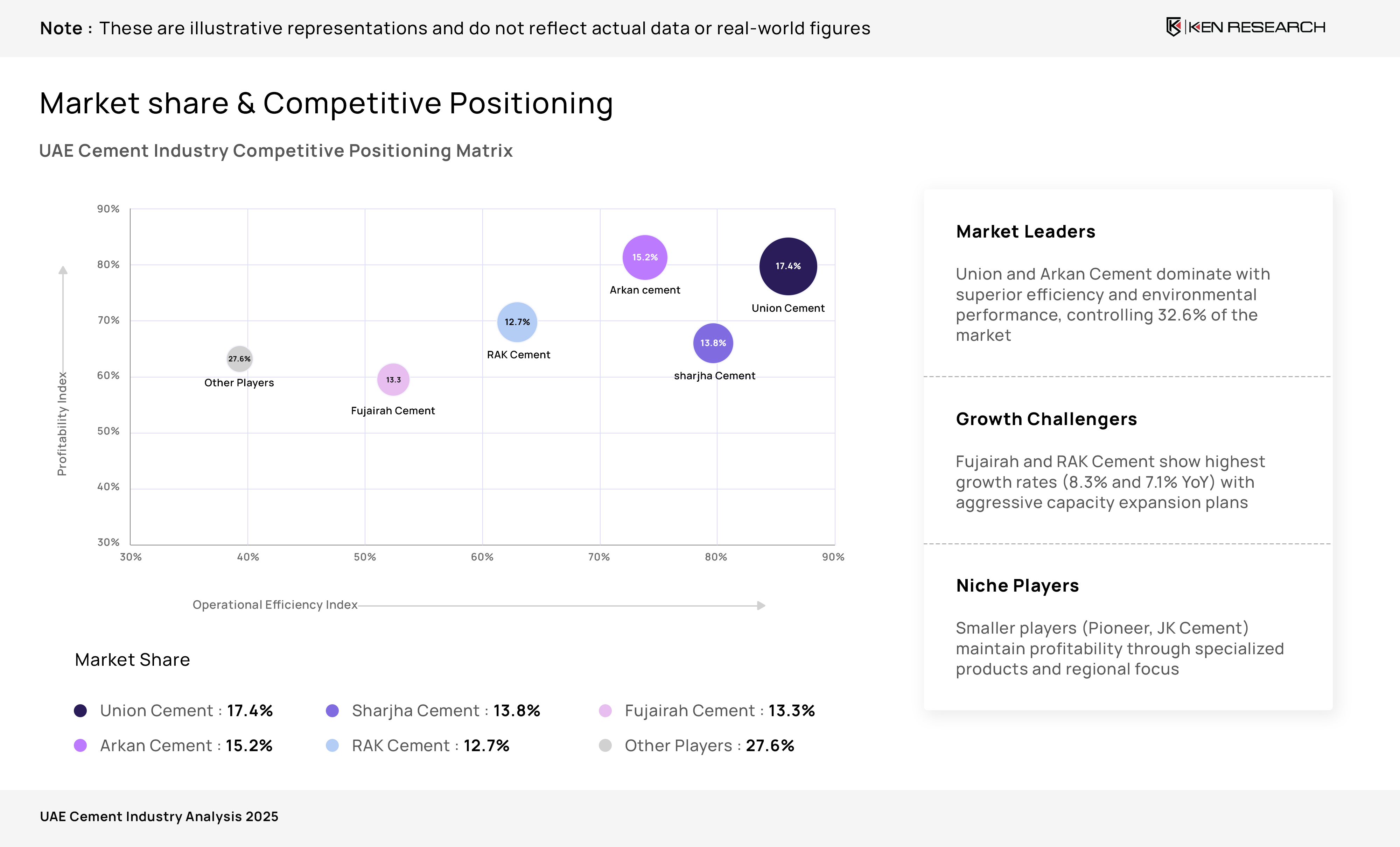
The Malaysia cold chain market features a competitive ecosystem comprising large integrated logistics companies, established regional cold storage operators, and specialized temperature-controlled distribution providers. Major players benefit from multi-city infrastructure and diversified service portfolios, while smaller operators compete through flexible pricing, regional specialization, and niche capabilities tailored to food, pharmaceutical, and FMCG clients.
Competitiveness is shaped by the adoption of advanced refrigeration technologies integrated with Malaysia’s evolving supply-chain needs. Operators increasingly utilize automated handling systems, real-time temperature monitoring, and multi-tier storage solutions while customizing service models to meet rising demand for freshness, compliance, and reliability across retail, e-commerce, QSR, and healthcare segments.
Distribution strength relies on strong linkages with ports, industrial zones, processing hubs, and retail distribution centers. Providers with reliable multimodal connectivity, efficient cross-docking processes, and scalable capacity achieve stronger client retention, enabling them to serve geographically dispersed consumption clusters across Klang Valley, Penang, Johor, and emerging logistics corridors.
Strategic priorities across the market focus on capacity expansion, energy efficiency, and digital transformation. Companies invest in green refrigeration systems, warehouse automation, route optimization tools, and compliance-driven quality assurance while expanding value-added services such as repacking, blast freezing, and last-mile temperature-controlled delivery. These initiatives strengthen competitive positioning in a market driven by rising consumer expectations and regulatory tightening.
Ecosystem Matrix
The ecosystem reveals a strong dominance of diversified logistics companies such as Tiong Nam, TASCO, and CJ Century, which have scaled cold chain services through large-scale fleets, warehousing capacity, and nationwide distribution networks.
Medium and small players demonstrate niche specialization in express, last-mile, or regional operations, creating a competitive but fragmented market where large players dominate contracts while smaller firms compete on flexibility and service customization.
Leading Player Profiles
Company Profiles Overview
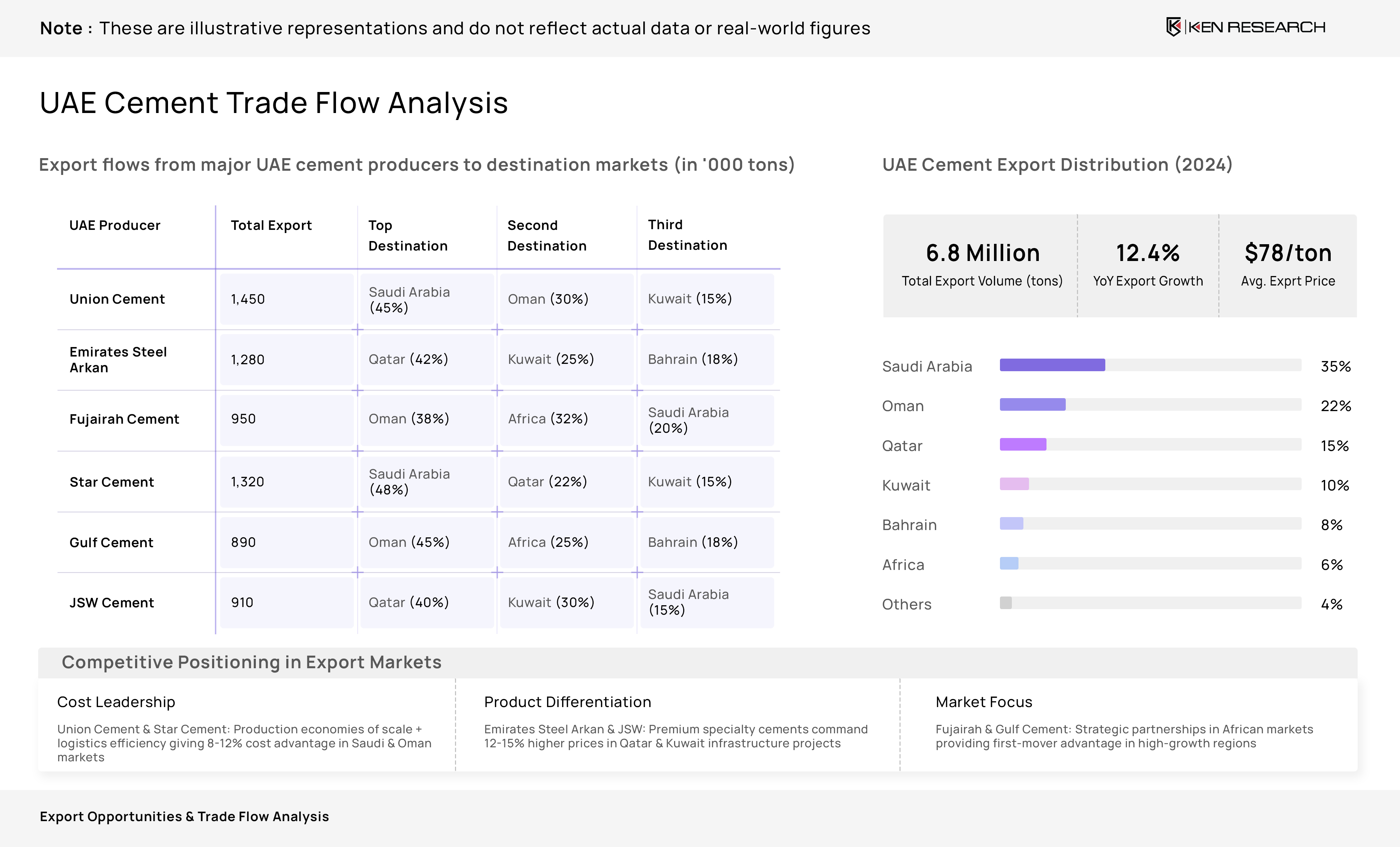
Large groups such as Tiong Nam, TASCO (Nippon Express), and CJ Century bring global expertise, integrated networks, and financial muscle, securing leadership in Malaysia’s cold chain industry.
Medium and small-sized firms leverage specialization in food, frozen goods, and e-commerce last-mile distribution, ensuring coverage of fragmented but high-growth segments.
Key Operational Performance Metrics
Company Performance Overview
Unlock Market Insights
Dive deeper into production, distribution, and pricing intelligence.
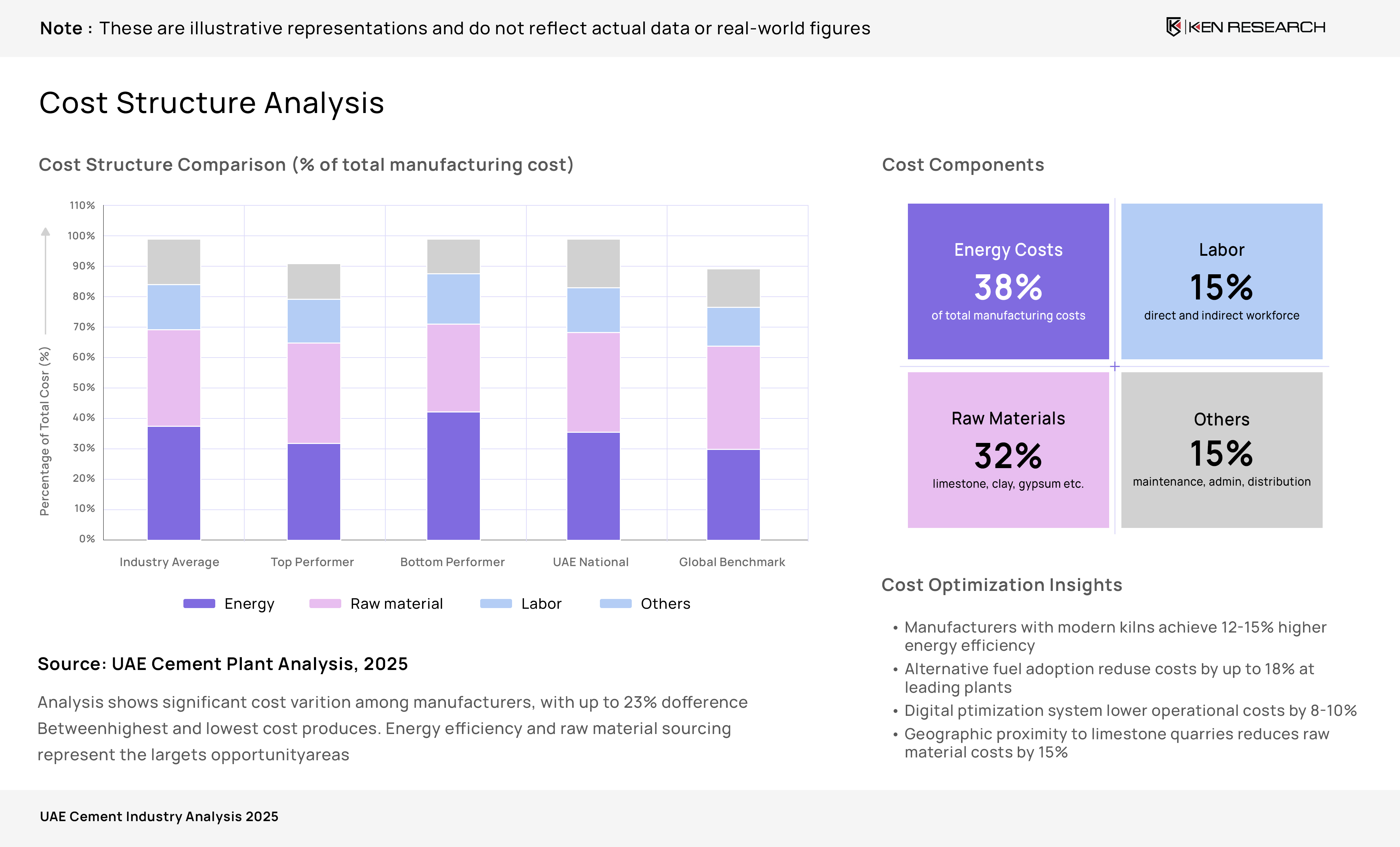
Get Customized ReportOperational efficiency in cold chain logistics is heavily dependent on pricing strategies, fleet utilization, and warehousing capacity, which directly drive revenue sustainability in both large and mid-tier firms.
Last-mile players face higher churn and return rates due to fragmented customer bases and food-related logistics risks, unlike large players that maintain stable enterprise contracts.
Core Financial Performance Metrics
Financial sustainability in the cold chain sector is measured through revenue diversification, EBITDA margin, and PAT stability, which reflect both scale efficiency and resilience against rising operational costs.
Large corporates maintain stronger EBITDA margins through optimized fleets and long-term FMCG contracts, while smaller firms are more vulnerable to cost escalations and margin erosion.
Table of Contents
1. Ecosystem Matrix
1.1 Large Players
1.1.1 Tiong Nam Logistics
1.1.2 TASCO Berhad (Nippon Express)
1.1.3 CJ Century Logistics
1.1.4 PKT Logistics
1.1.5 Integrated Cold Chain Logistics (ICCL)
1.1.6 Kontena Nasional Berhad
1.2 Medium Players
1.2.1 Elog Malaysia
1.2.2 Cold Chain Network (CCN)
1.2.3 Soonest Express
1.2.4 KMT Jaya Sdn Bhd
1.2.5 Linfox Malaysia
1.2.6 Shin Yang Shipping & Logistics
1.3 Small Players
1.3.1 Swift Integrated Logistics
1.3.2 Alpine Integrated Logistics
1.3.3 GD Express Carrier Berhad
1.3.4 TAS Logistic Services
1.3.5 City-Link Express
1.3.6 MTT Logistics
2. Leading Player Profiles
2.1 Company Name
2.2 Group Name
2.3 Headquarters
2.4 Established Year
2.5 Core Services
2.6 Mode of Functioning
3. Key Operational Performance Metrics
3.1 Company Name
3.2 Group Name
3.3 No. of Orders (Orders/Year)
3.4 Avg Revenue per Order (USD/Mn)
3.5 Pricing (USD/Mn)
3.6 Fleet Size (No. of Vehicles)
3.7 Warehousing Capacity (SQM)
3.8 Service Coverage (% Reach)
3.9 Churn Rate (% Lost/Year)
3.10 Return Rate (% Returned/Year)
4. Core Financial Performance Metrics
4.1 Revenue (USD/Mn)
4.2 Revenue Growth (%)
4.3 COGS (USD/Mn)
4.4 COGS Growth (%)
4.5 EBITDA (USD/Mn)
4.6 EBITDA Growth (%)
4.7 EBITDA Margin (%)
4.8 PAT (USD/Mn)
4.9 PAT Margin (%)
5. Methodology
5.1 Approach
5.1.1 Desk Sources
5.1.2 Primary Interviews
5.1.3 Sanity Checking & Validation
5.2 Benchmarking Process
5.2.1 Data Collection
5.2.2 Primary Validation
5.2.3 Proxy KPI Modelling
5.2.4 Normalization & Indexing
5.2.5 Gap Analysis
5.2.6 Peer Review
5.3 Sample Composition
5.3.1 Scope Items
5.3.2 Sample Size
5.3.3 Target Respondents
Methodology
Ken Research will deploy its proprietary, multi-layered research framework—combining robust secondary research, targeted primary outreach, and rigorous data validation—to deliver an authoritative competitive landscape analysis of the Malaysia Cold Chain Market. All proxy KPIs are customized and calibrated as per the dynamics of this market.
Desk Sources
- Industry reports from proprietary databases and Ken Research archives
- Company annual reports, investor presentations, and financial disclosures
- Government and trade association publications
- Trade magazines, journals, and credible online articles
- Financial databases such as Bloomberg and Capital IQ
- Web traffic and app usage dashboards (SimilarWeb, App Annie)
Primary Interviews
- CATIs and online surveys with key stakeholders
- Category managers and R&D heads of cold chain operators
- Senior sales and marketing leaders at major industry players
- Distributors and channel partners across regions
- Industry analysts and independent consultants
- Technology and service providers offering digital performance metrics
Sanity Checking and Validation
- Triangulation: Cross-verify estimates using secondary research, primary inputs, and proxy model outputs
- Proxy KPI Synthesis: Use indicators such as installed base, fleet size, warehouse capacity, and web traffic to approximate revenues or capacities
- Outlier Analysis: Identify anomalies and validate through follow-up interactions
- Assumption Tracking: Maintain a detailed log of assumptions, limitations, and proxy KPI sources
- Peer Review: Conduct internal expert reviews of methodologies, models, and key analytical outputs before finalization
An Inside Look At Our Custom Insights
Take a look at ourcustomized insights, tailored to yourmarket and business needs. Our benchmarking reports deliver data-driven comparisons of key players, helping you uncover opportunities, assess performance, and make confident strategic decisions.