Malaysia Luxury Car Dealers Market
Published on: February 2026
Report Overview
Malaysia Luxury Car Dealers Market Overview
Market Highlights
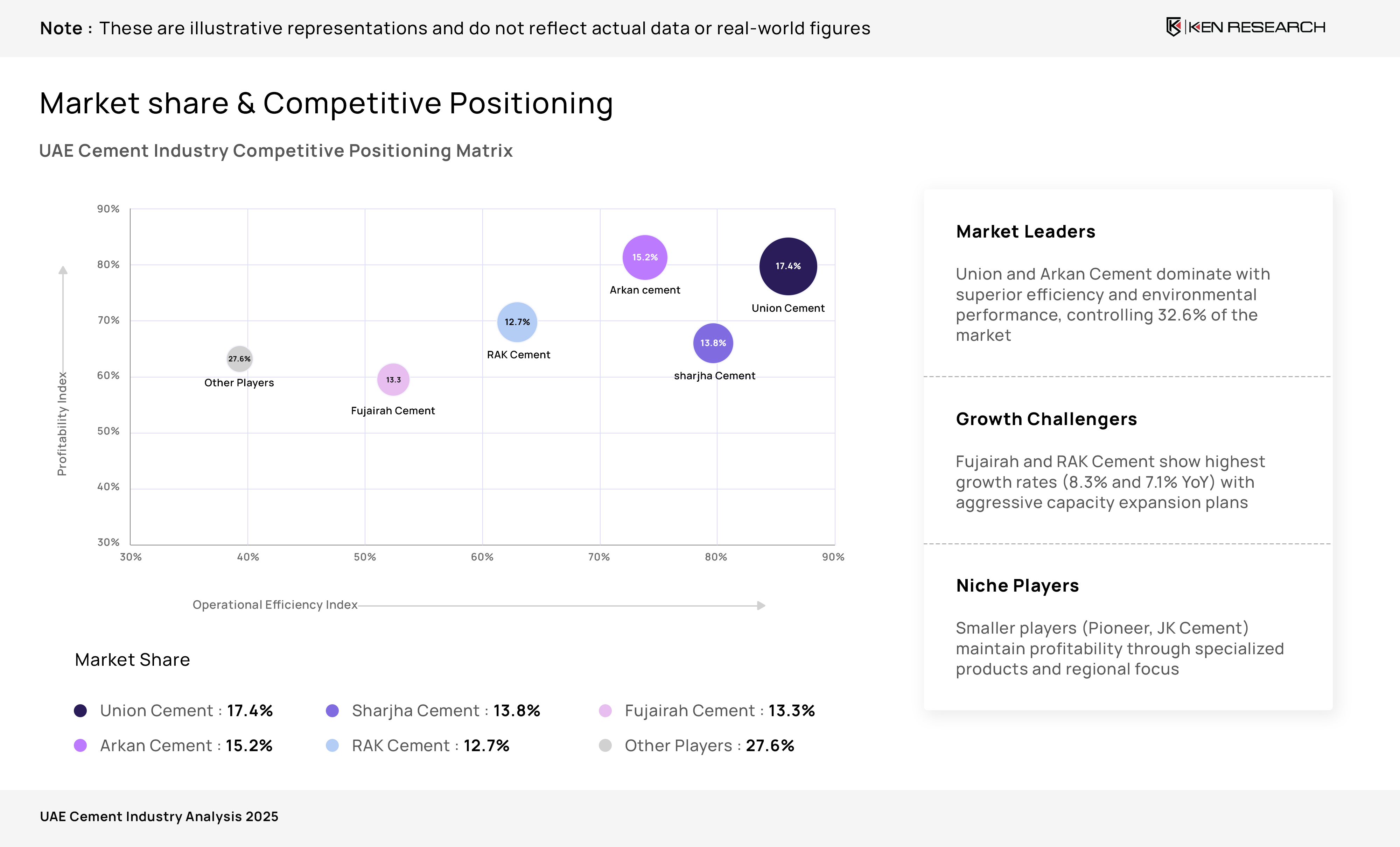
The Malaysia Luxury Car Dealers Market features a structured competitive landscape where global premium brands operate through authorized dealer groups, supported by regional distributors and agile local specialists. Large dealer groups compete on portfolio depth, scale, and service consistency, while smaller players differentiate through personalized engagement, niche offerings, and flexible execution.
Global automotive innovation is localized through tailored vehicle specifications, ownership programs, and service models aligned with Malaysian consumer preferences. Dealers adapt product positioning and customer engagement to emphasize convenience, premium hospitality, and technology-enabled experiences, ensuring global brand standards resonate with local buying behavior.
Distribution reach and aftersales capability strongly influence competitiveness. Well-located showrooms, integrated service centers, and responsive customer support enhance trust and brand loyalty. Aftersales excellence, including maintenance quality, transparency, and efficient service delivery, plays a critical role in repeat purchases and long-term customer retention.
Competitive advantage increasingly depends on operational efficiency, digital integration, and customer experience management. Larger groups leverage standardized systems and scale efficiencies, while smaller dealers rely on agility and bespoke journeys. The interaction of innovation, localization, and strategic adaptability continues to shape leadership in the Malaysia Luxury Car Dealers Market.
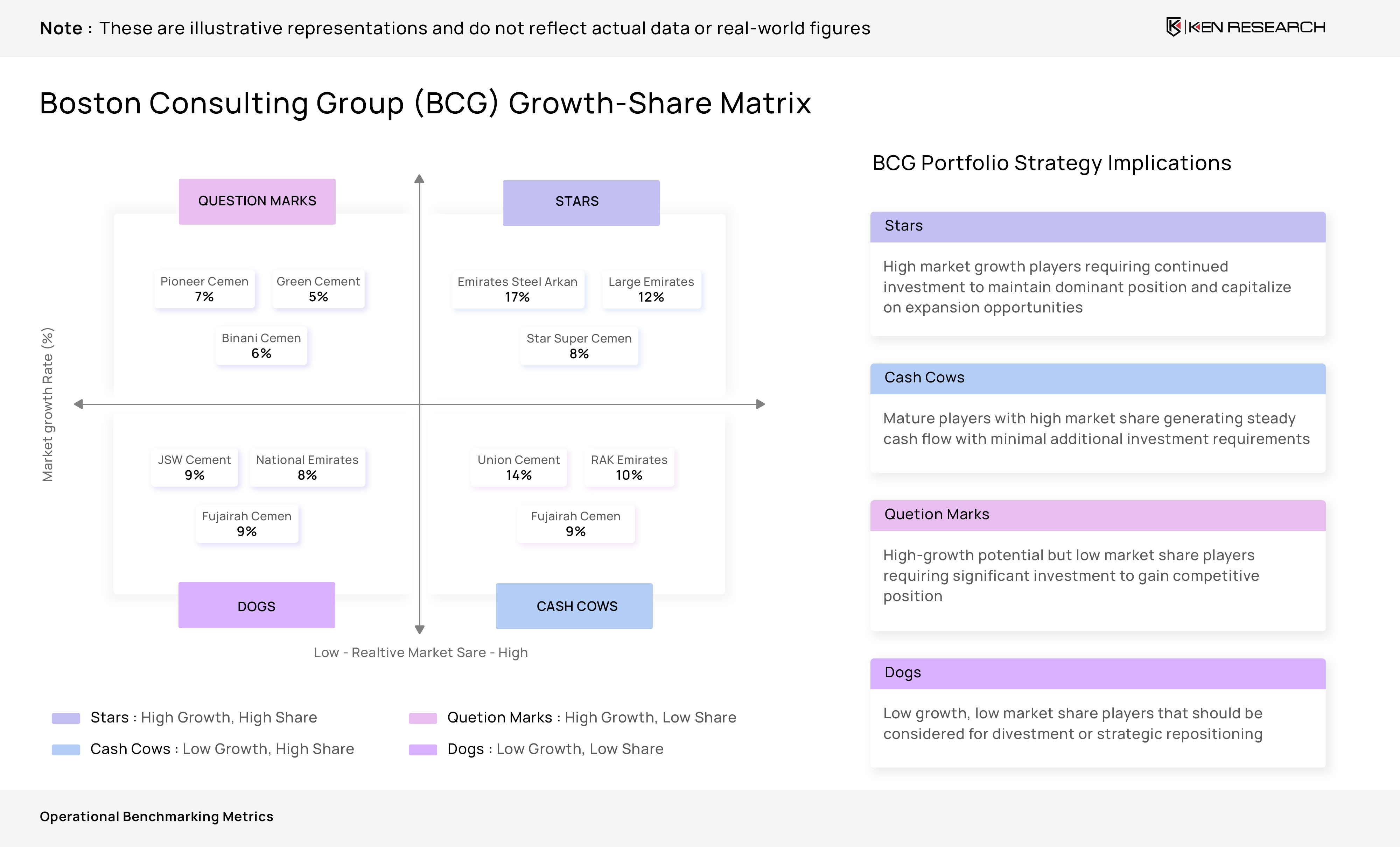
Ecosystem Matrix
Malaysia’s luxury retail ecosystem is led by multi-brand dealership groups that combine new-car sales with high-margin aftersales, finance, and certified pre-owned, making scale in service footprint and customer lifecycle management a core competitive edge.Competitive intensity is highest where German marques dominate, pushing players to differentiate through experience-led retail, faster delivery cycles, stronger trade-in programs, and superior service capacity rather than pure price-led selling.
Leading Player Profiles
Company Profile Overview
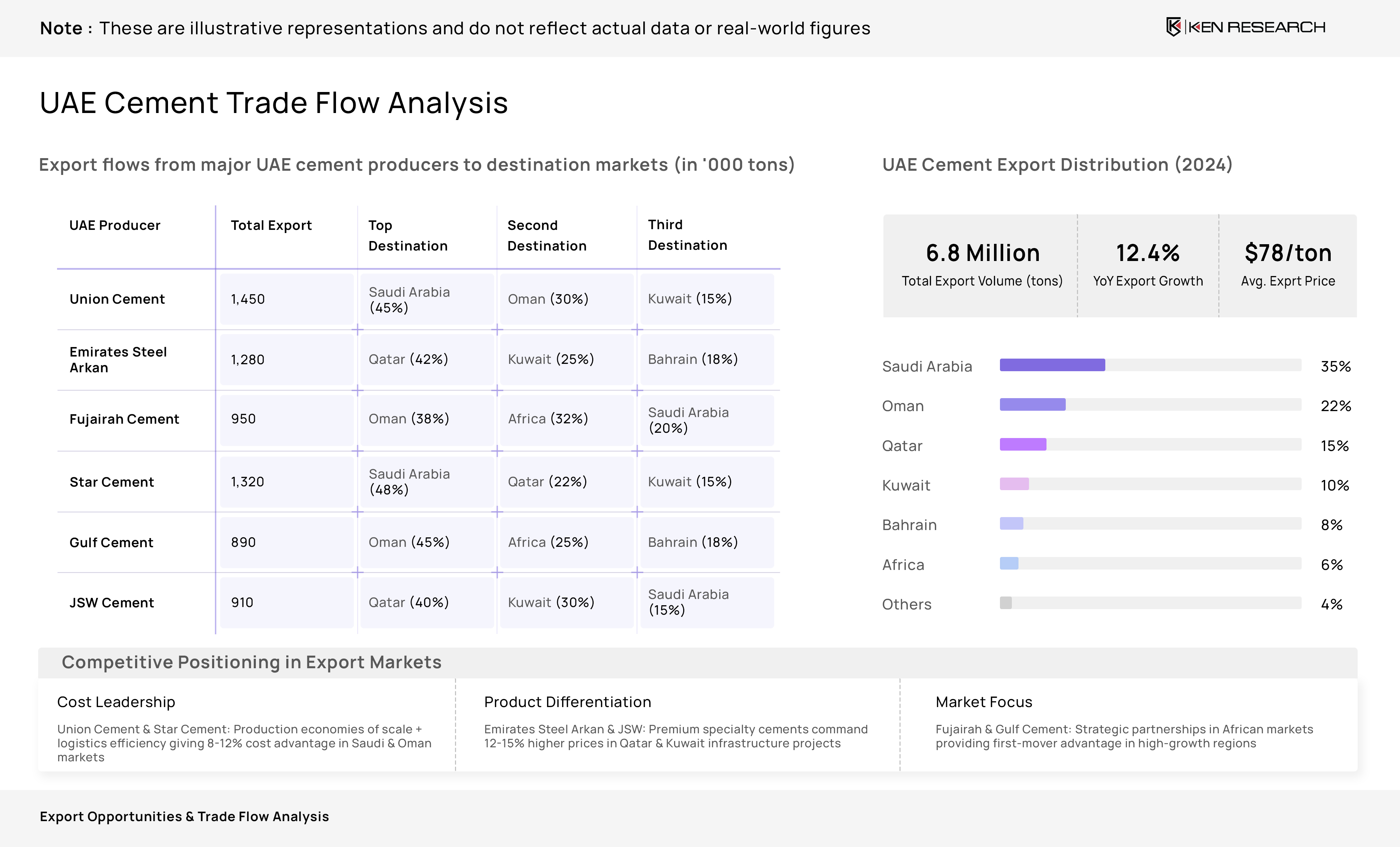
The competitive set mixes heritage dealership houses with newer, brand-assigned distributors, creating a two-speed market where incumbents win on service depth and loyalty while newer entrants push faster go-to-market, retail modernization, and sharper CRM execution.
Establishment timelines signal durable customer bases in key metro corridors, but the winning model increasingly depends on integrated aftersales capacity, structured trade-in pipelines, and consistent brand experience that protects pricing power.
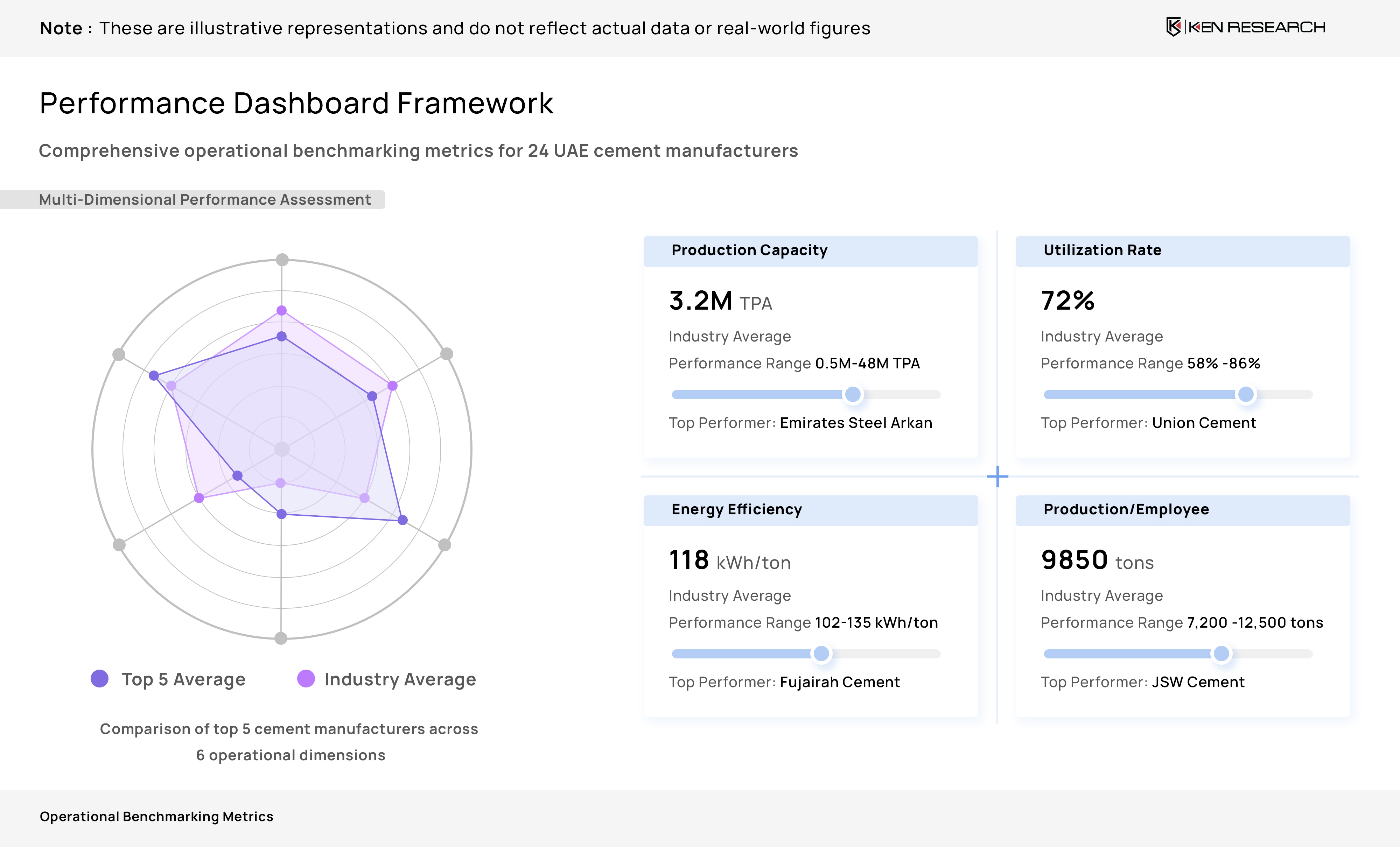
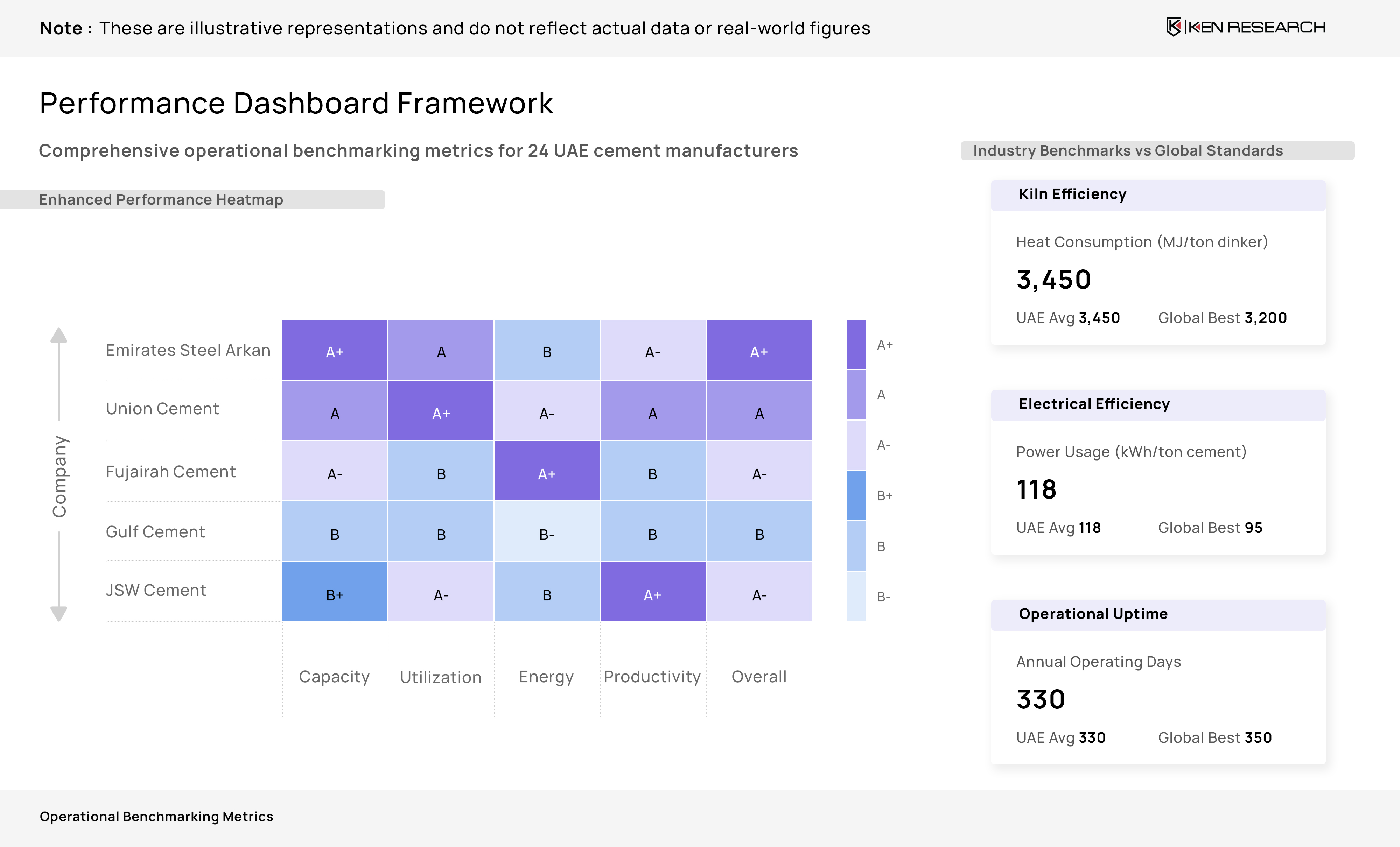
Key Operational Performance Metrics
Company Performance Overview
Unlock Market Insights
Dive deeper into production, distribution, and pricing intelligence.
Get Customized ReportRevenue concentration typically sits across three levers: new-vehicle pricing discipline, trade-in conversion that feeds used-car monetization, and aftersales throughput that protects margins when demand cycles soften. Players with superior finance penetration usually sustain stronger unit economics.
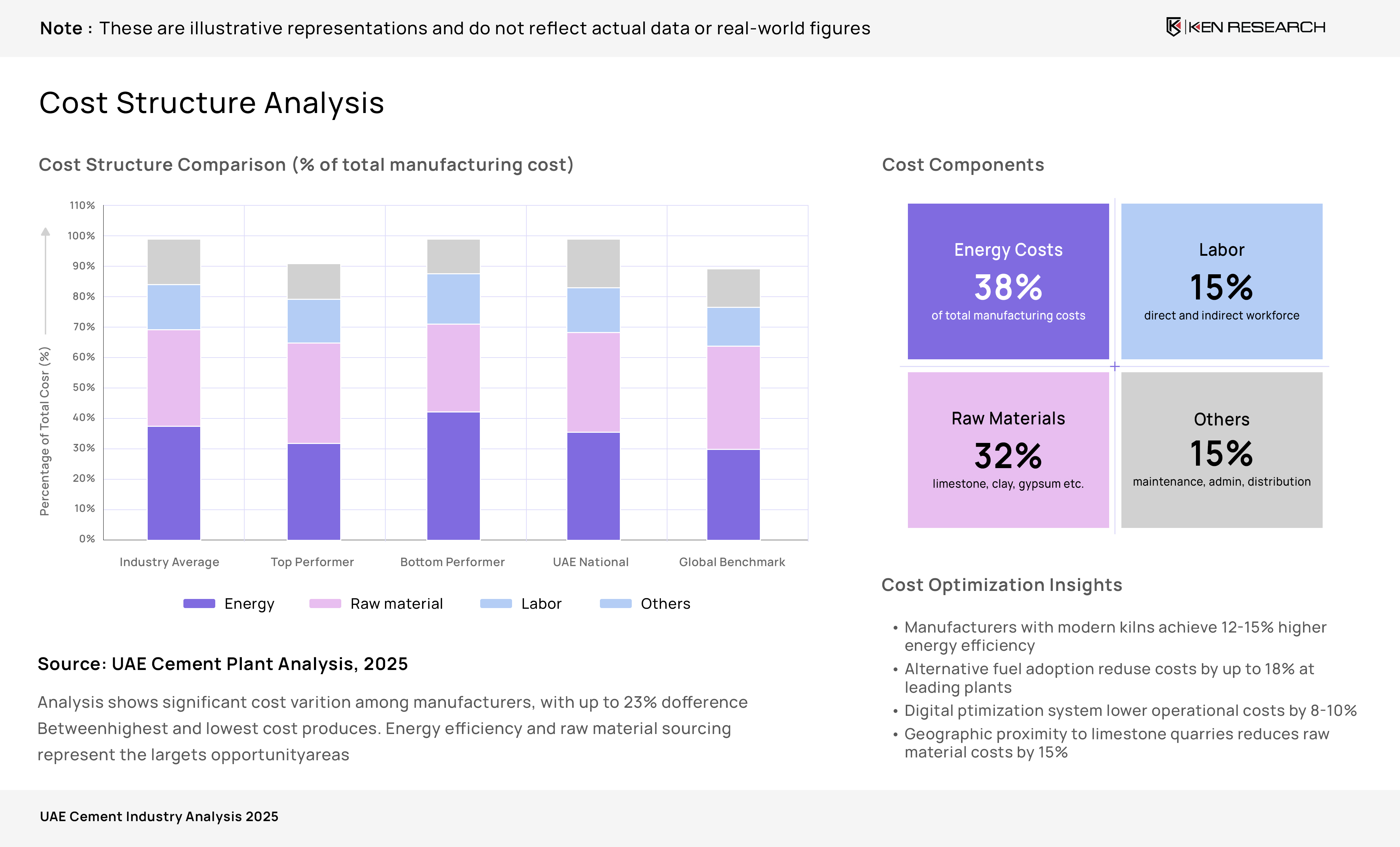
The KPI stack highlights why experience-led retail matters: pricing power and gross profit per unit are shaped as much by brand experience and lead conversion as by discounting, while service labor and parts income stabilize profitability across cycles.
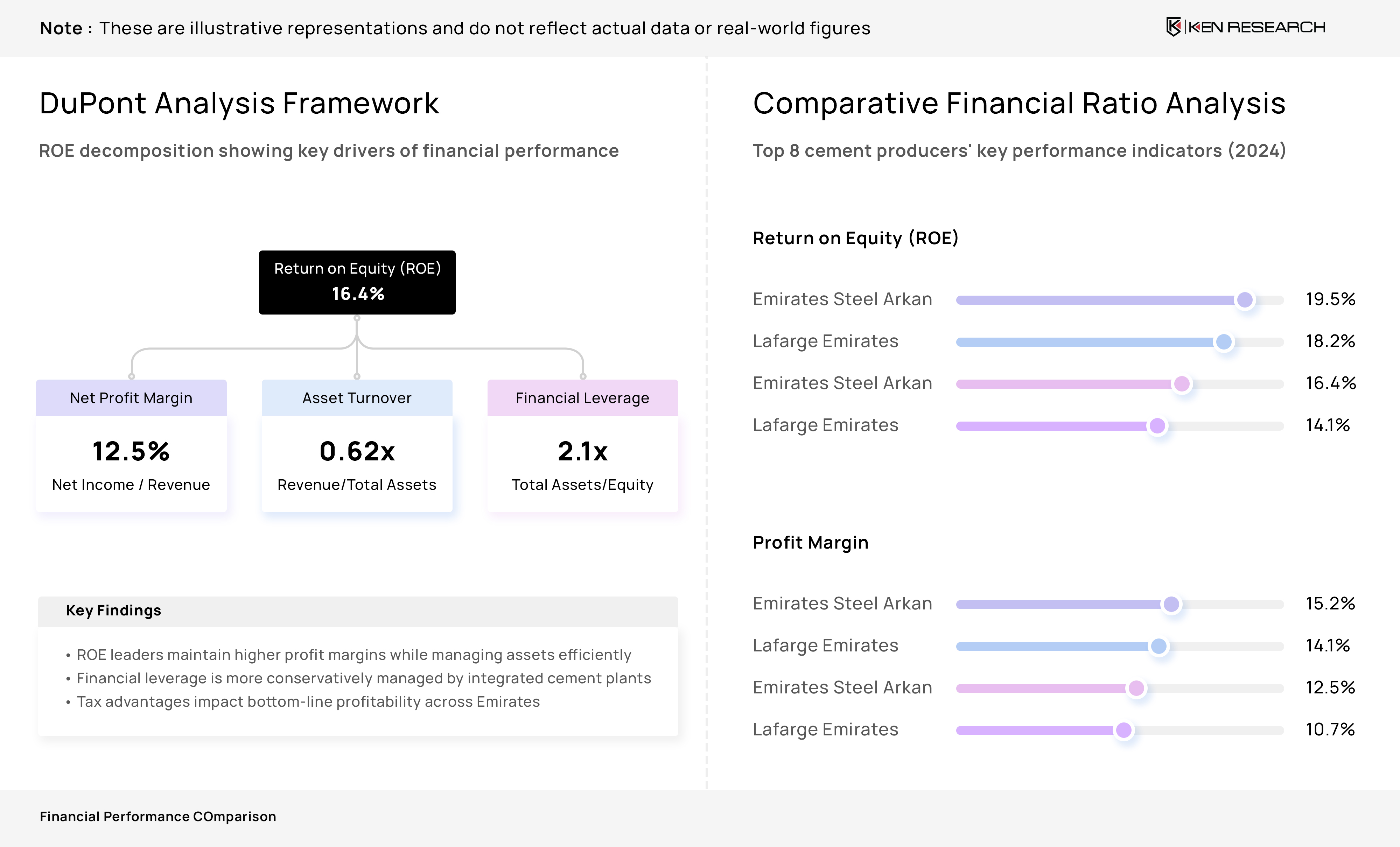
Core Financial Performance Metrics
Financial benchmarking in this market should be read through margin mix: dealers with heavier aftersales and parts contribution typically show stronger EBITDA resilience, while players leaning on new-car volume are more exposed to pricing pressure and inventory financing cycles.
Growth differentials often reflect how quickly each player scales certified pre-owned, finance commissions, and service throughput per bay. Those capabilities usually lift profitability even when topline growth moderates.
Table of Contents
1. Ecosystem Matrix
1.1 Large Players
1.1.1 Cycle & Carriage Bintang
1.1.2 Hap Seng Star
1.1.3 Sime Darby Auto Performance
1.1.4 Auto Bavaria
1.1.5 Wearnes Automotive
1.1.6 Naza Group
1.1.7 Eurokars Group
1.2 Medium Players
1.2.1 Quill Automobiles
1.2.2 Ingress Auto
1.2.3 Ingress Motors Centre
1.2.4 Millennium Auto & Carriage
1.2.5 Euromobil
1.2.6 Euro Prestige
1.3 Small Players
1.3.1 PHS Automotive Malaysia
1.3.2 HICOM Auto
2. Leading Player Profiles
2.1 Parameters
2.1.1 Company Name
2.1.2 Group Name
2.1.3 Headquarters
2.1.4 Established Year
2.1.5 Core Services
2.1.6 Mode of Functioning
3. Key Operational Performance Metrics
3.1 New Vehicle Sales Revenue (USD Mn)
3.2 Used Vehicle Sales Revenue (USD Mn)
3.3 Aftersales Service Revenue (USD Mn)
3.4 Parts & Accessories Revenue (USD Mn)
3.5 Finance & Insurance Income (USD Mn)
3.6 Pricing (Avg Selling Price, USD/Vehicle)
3.7 Gross Profit per Vehicle (USD)
3.8 Service Labor Rate (USD/Hour)
3.9 Marketing Spend (USD Mn)
3.10 Trade-in Value Payout (USD Mn)
4. Core Financial Performance Metrics
4.1 Parameters
4.1.1 Revenue (USD Mn)
4.1.2 Revenue Growth (%)
4.1.3 COGS (USD Mn)
4.1.4 COGS Growth (%)
4.1.5 EBITDA (USD Mn)
4.1.6 EBITDA Growth (%)
4.1.7 EBITDA Margin (%)
4.1.8 PAT (USD Mn)
4.1.9 PAT Margin (%)
5. Methodology
5.1 Approach
5.1.1 Desk Sources
5.1.2 Primary Interviews
5.1.3 Sanity Checking & Validation
5.2 Benchmarking Process
5.2.1 Data Collection
5.2.2 Primary Validation
5.2.3 Proxy KPI Modelling
5.2.4 Normalization & Indexing
5.2.5 Gap Analysis
5.2.6 Peer Review
5.3 Sample Composition
5.3.1 Scope Items
5.3.2 Sample Size
5.3.3 Target Respondents
Methodology
Ken Research will deploy its proprietary, multi layered research framework combining robust secondary research, targeted primary outreach, and rigorous data validation to deliver an authoritative competitive benchmarking of the Malaysia Luxury Car Dealers Market. The methodology is designed to ensure consistency, transparency, and high comparability across all players, with proxy KPIs aligned strictly to dealership-led luxury automotive revenue drivers.
Desk Sources
- Industry reports from proprietary databases and Ken Research internal archives for historical benchmarks and market baselines
- Company annual reports, investor presentations, and statutory disclosures to extract financials, dealership footprint, and strategic priorities
- Government publications and trade-association releases covering vehicle registrations, import duties, taxation, and regulatory developments
- Trade magazines, journals, and e-articles to track competitive actions, brand launches, pricing movements, and dealership expansion
- Financial intelligence platforms such as Bloomberg and Capital IQ for standardized financial ratios and peer comparisons
- Digital intelligence tools including SimilarWeb and App Annie to assess online traffic, lead-generation intensity, and digital retail adoption
Primary Interviews
- CATI interviews and structured discussions with senior management, category heads, and aftersales leaders of luxury car dealers
- In-depth interviews with sales, marketing, and operations heads to validate pricing structures, volume mix, and service economics
- Discussions with distributors, OEM-linked channel partners, and certified pre-owned managers to validate demand and trade-in dynamics
- Consultations with automotive industry analysts, consultants, and service providers for expert validation of market dynamics
Sanity Checking & Validation
- Triangulation of findings by cross-verifying secondary research, primary insights, and proxy-based outputs
- Proxy KPI synthesis using dealership count, service bays, vehicle parc, finance penetration, and digital traffic indicators
- Outlier identification and reconciliation through targeted follow-up interviews and data revalidation
- Structured assumption tracking documenting proxy logic, limitations, and data sources
- Internal peer review of methodology, models, and outputs prior to final report sign-off
An Inside Look At Our Custom Insights
Take a look at ourcustomized insights, tailored to yourmarket and business needs. Our benchmarking reports deliver data-driven comparisons of key players, helping you uncover opportunities, assess performance, and make confident strategic decisions.