Malaysia Warehousing Market
Published on: December 2025
Report Overview
Malaysia Warehousing Market Overview
Market Highlights
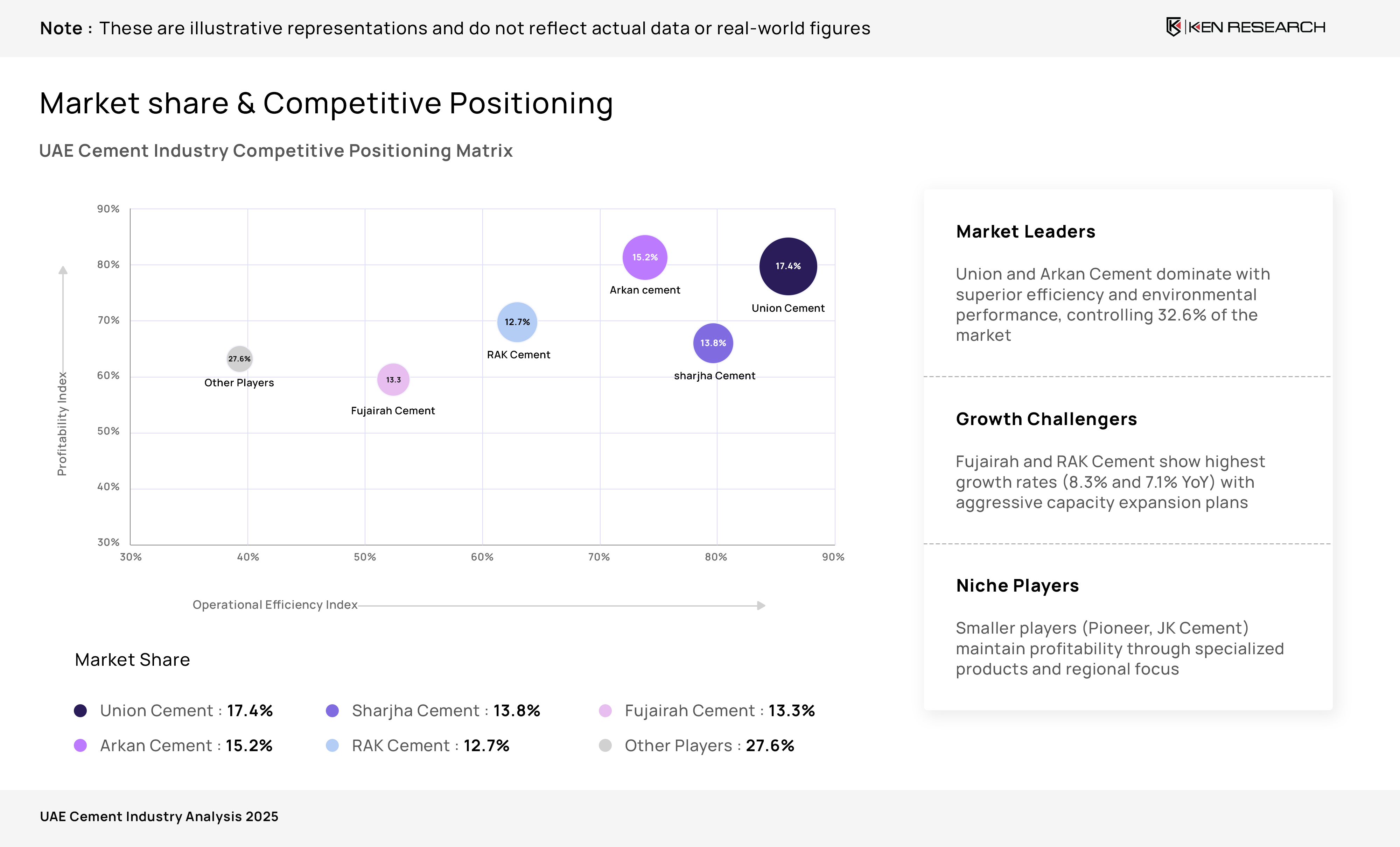
The Malaysia Warehousing Market showcases a diverse competitive structure, where multinational corporations, regional manufacturers, and local firms engage in a dynamic interplay. Multinationals leverage their extensive networks for efficiency, while regional players focus on tailored solutions that resonate with local market needs, and local firms capitalize on agility and niche offerings to carve out their market share.
In this landscape, global innovations are seamlessly integrated with localized adaptations, as companies customize their warehousing solutions to meet Malaysia's unique logistical challenges. This synergy fosters a robust ecosystem where technology providers collaborate with local entities to ensure that advanced systems are effectively tailored to regional operational realities and consumer expectations.
The distribution and aftersales ecosystem is pivotal in enhancing service delivery and customer satisfaction. Strategic alliances among logistics providers, technology firms, and local distributors are essential for optimizing supply chain efficiency, while aftersales support, including maintenance and customer service, is increasingly recognized as a key differentiator in a competitive market.
Looking ahead, the competitive dynamics of the Malaysia Warehousing Market will be shaped by a focus on innovation, localization, and operational agility. Companies are expected to prioritize sustainable practices, technology integration, and cost management strategies, ensuring they remain responsive to evolving market demands and consumer preferences in a rapidly changing environment.
Ecosystem Matrix
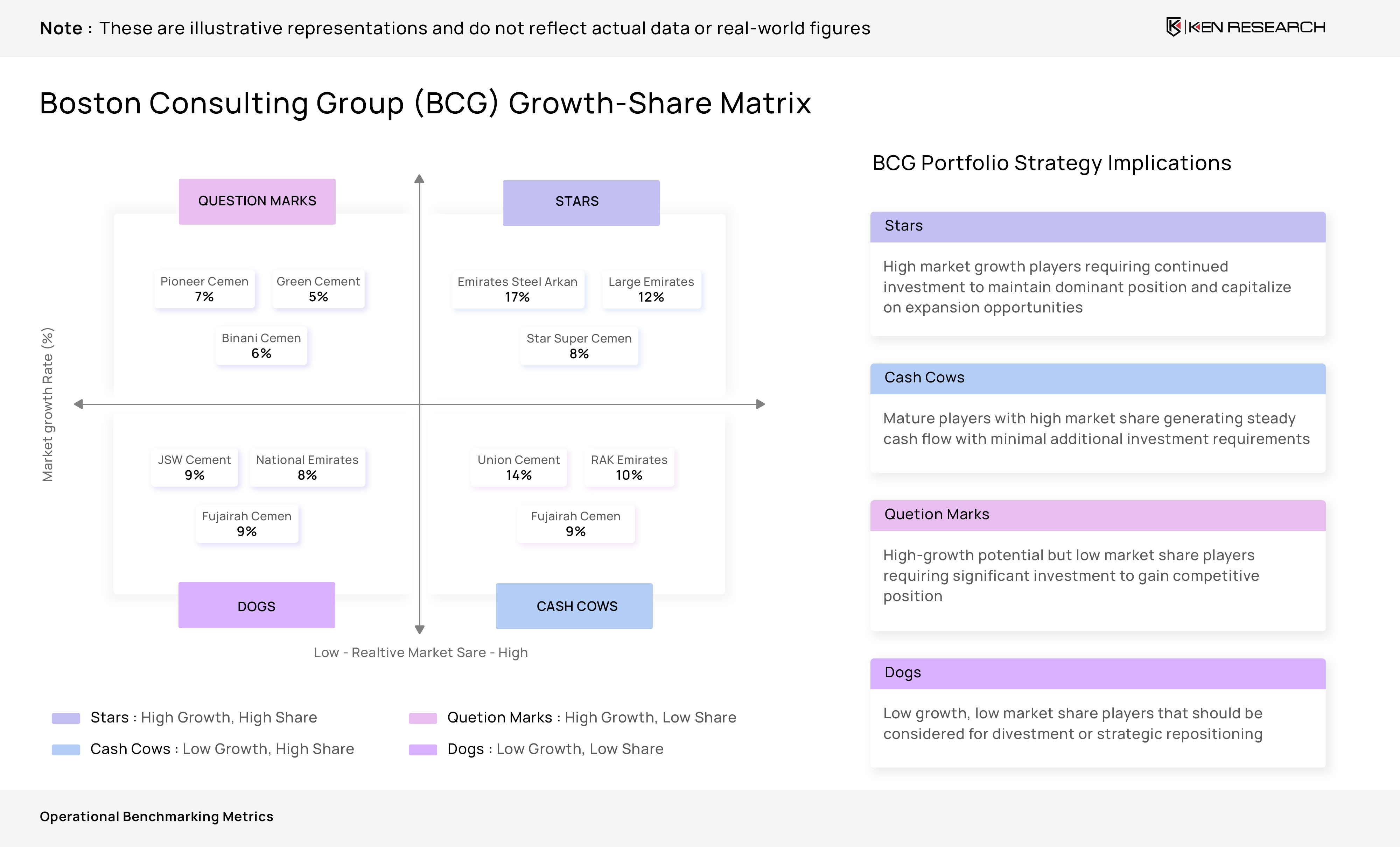
Large providersoperate nationwide, multimodal networks—cold chain, bonded, high automation facilities—delivering scale efficiencies and end-to-end 3PL.
Mid-tier firmsleverage regional hubs for ecommerce fulfilment and specialized storage, whilesmall operatorsfocus on niche, industry specific warehousing and bespoke value-added services.
Leading Player Profiles
Company Profiles Overview
Participants range from century old global 3PLs to agile, tech enabled local specialists.
Global HQs in Europe, USA and Asia underscore international best practices adapted to Malaysia’s logistics ecosystem.
Key Operational Performance Metrics
Company Performance Overview
Unlock Market Insights
Dive deeper into production, distribution, and pricing intelligence.
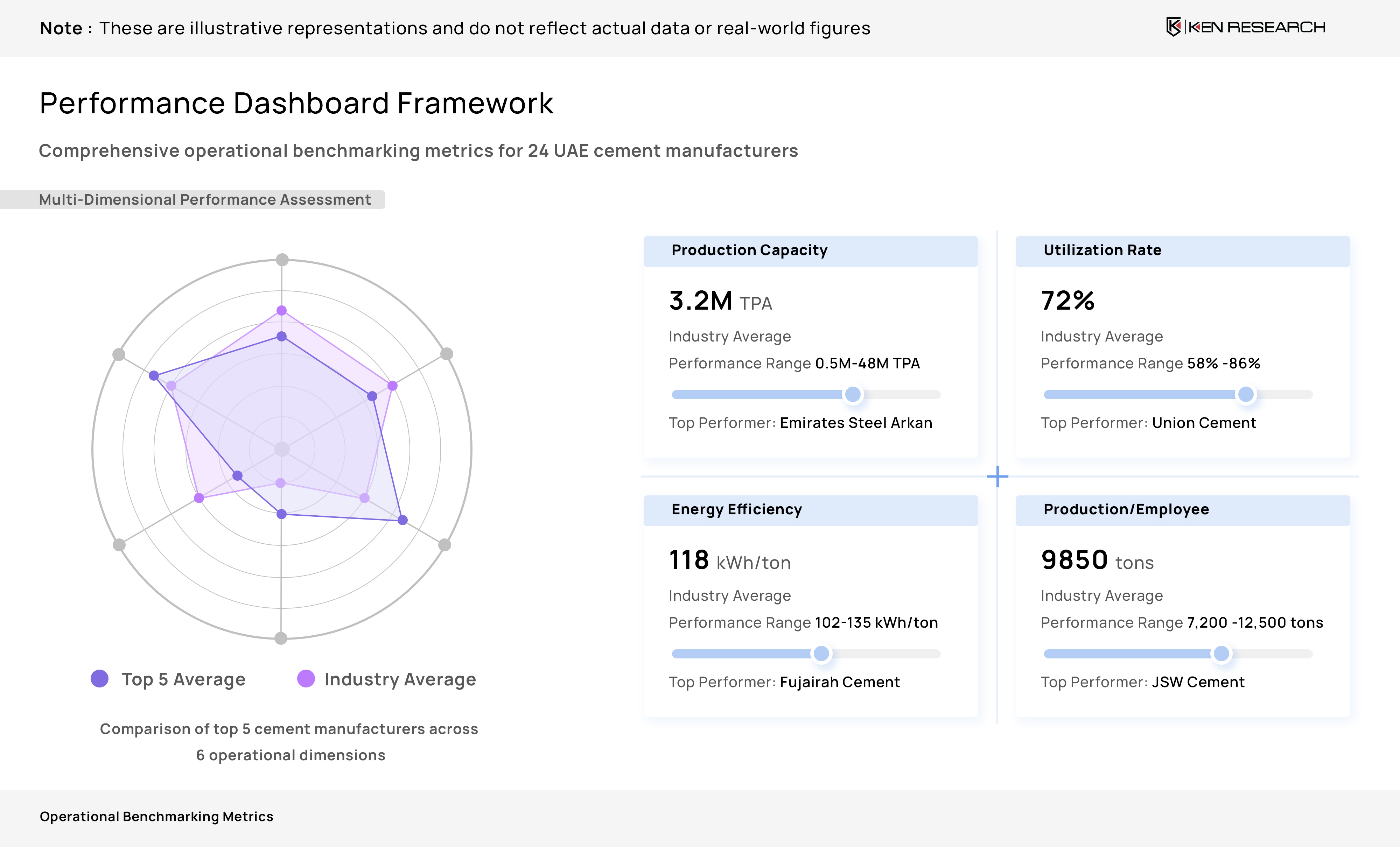
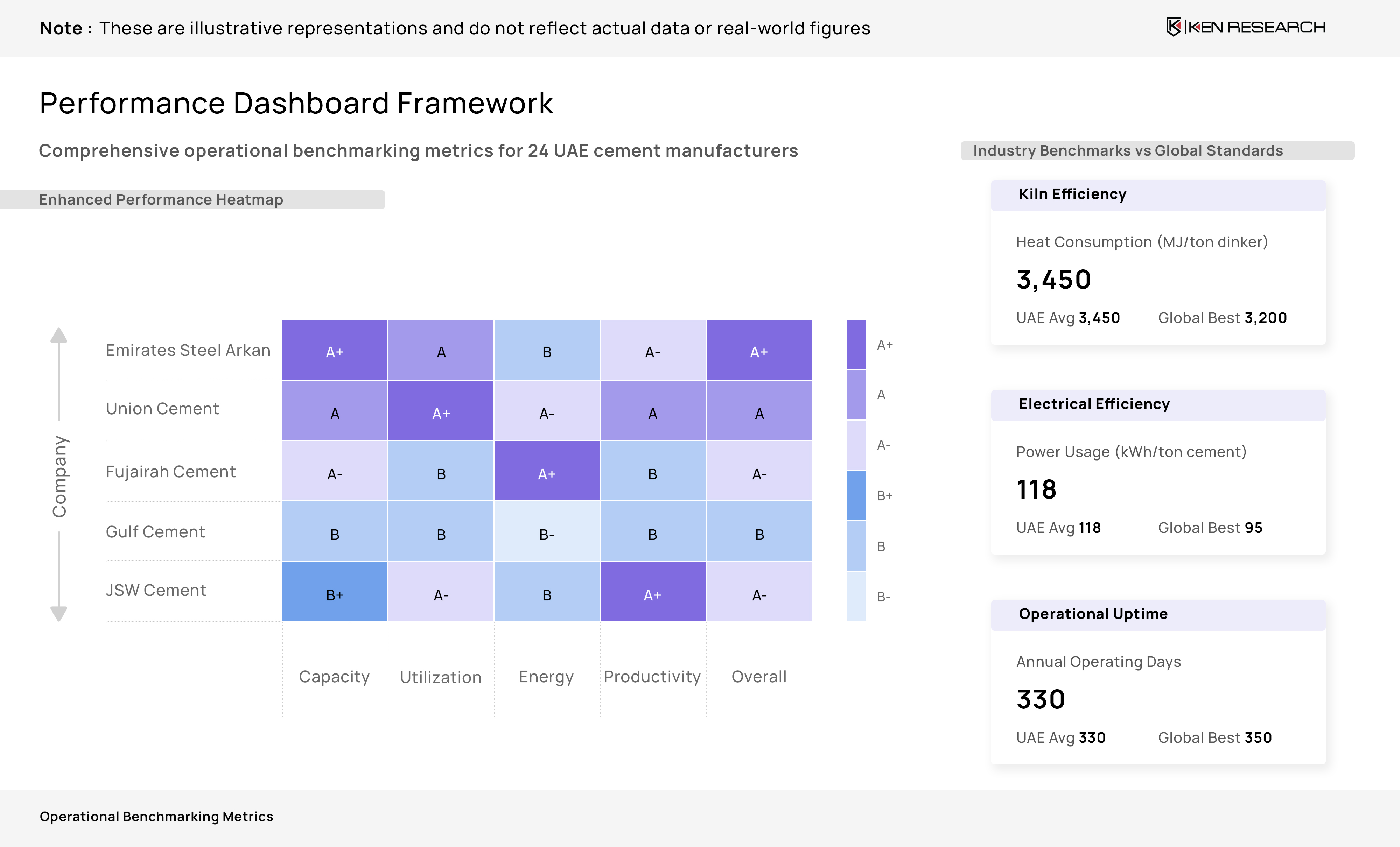
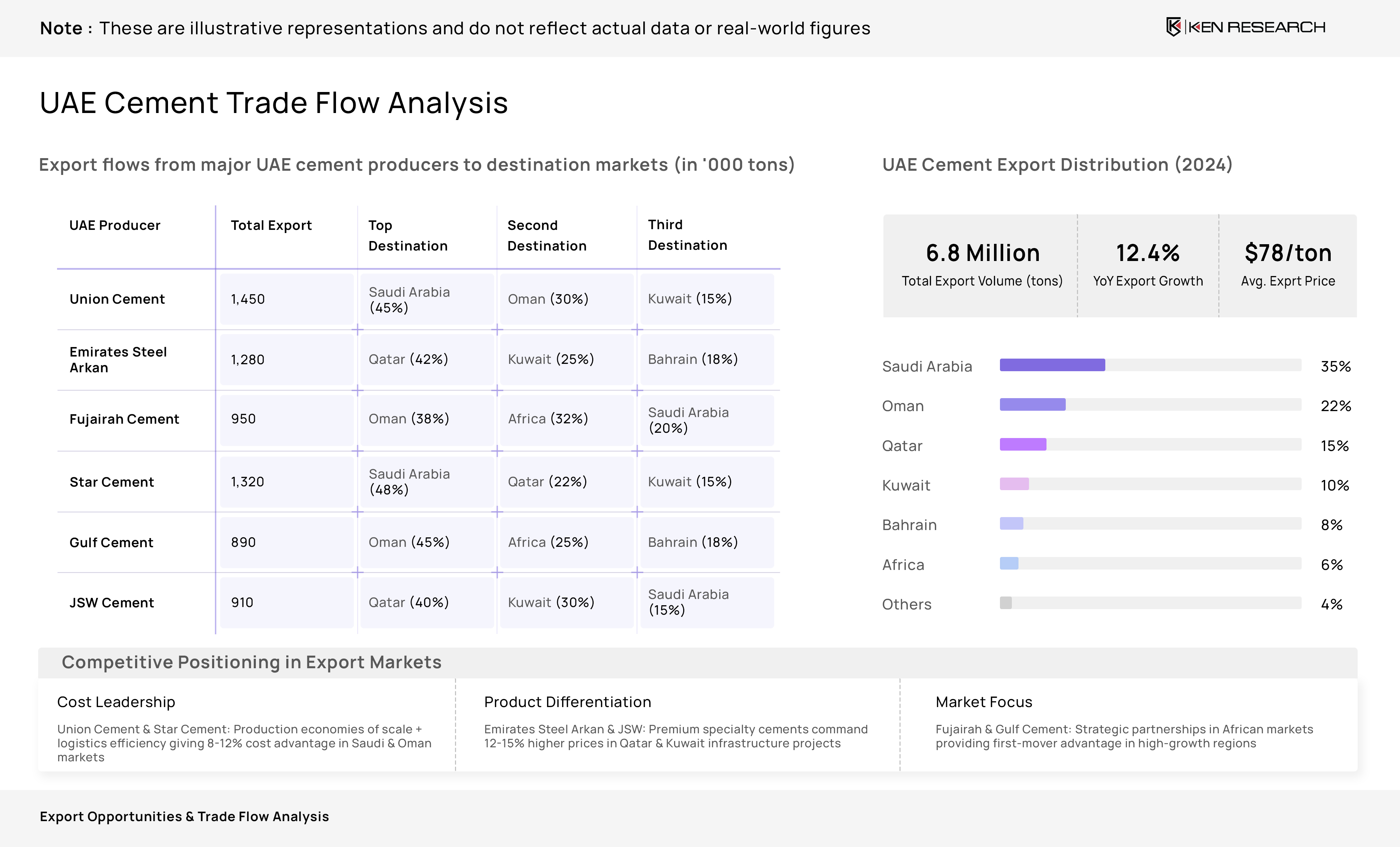
Get Customized ReportAreaandsite countmeasure network scale;utilizationandorders/dayquantify throughput efficiency.
Automationandcold chain capacityreflect technology and specialized capabilities;safety incidentsgauge operational risk management.
Core Financial Performance Metrics
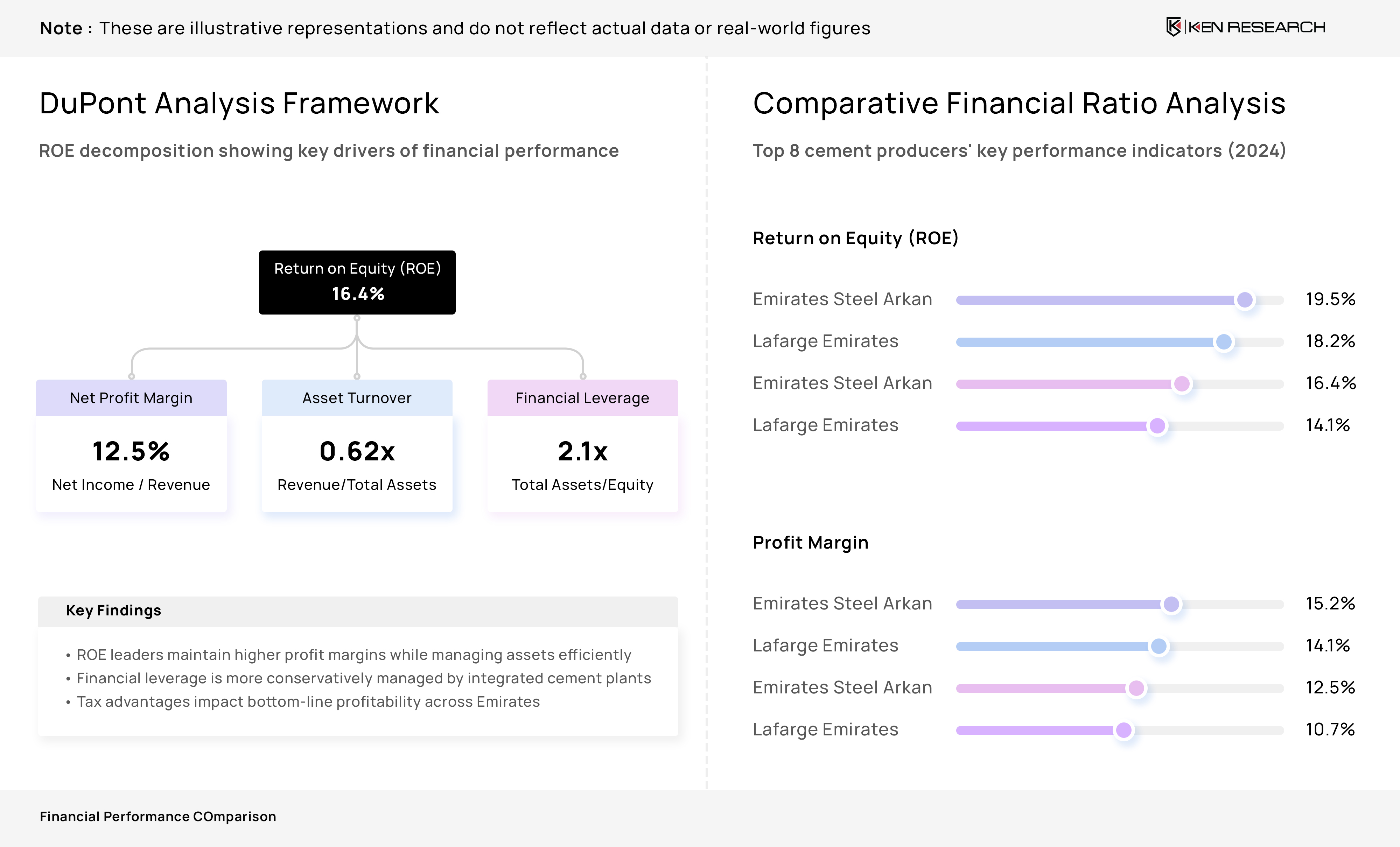
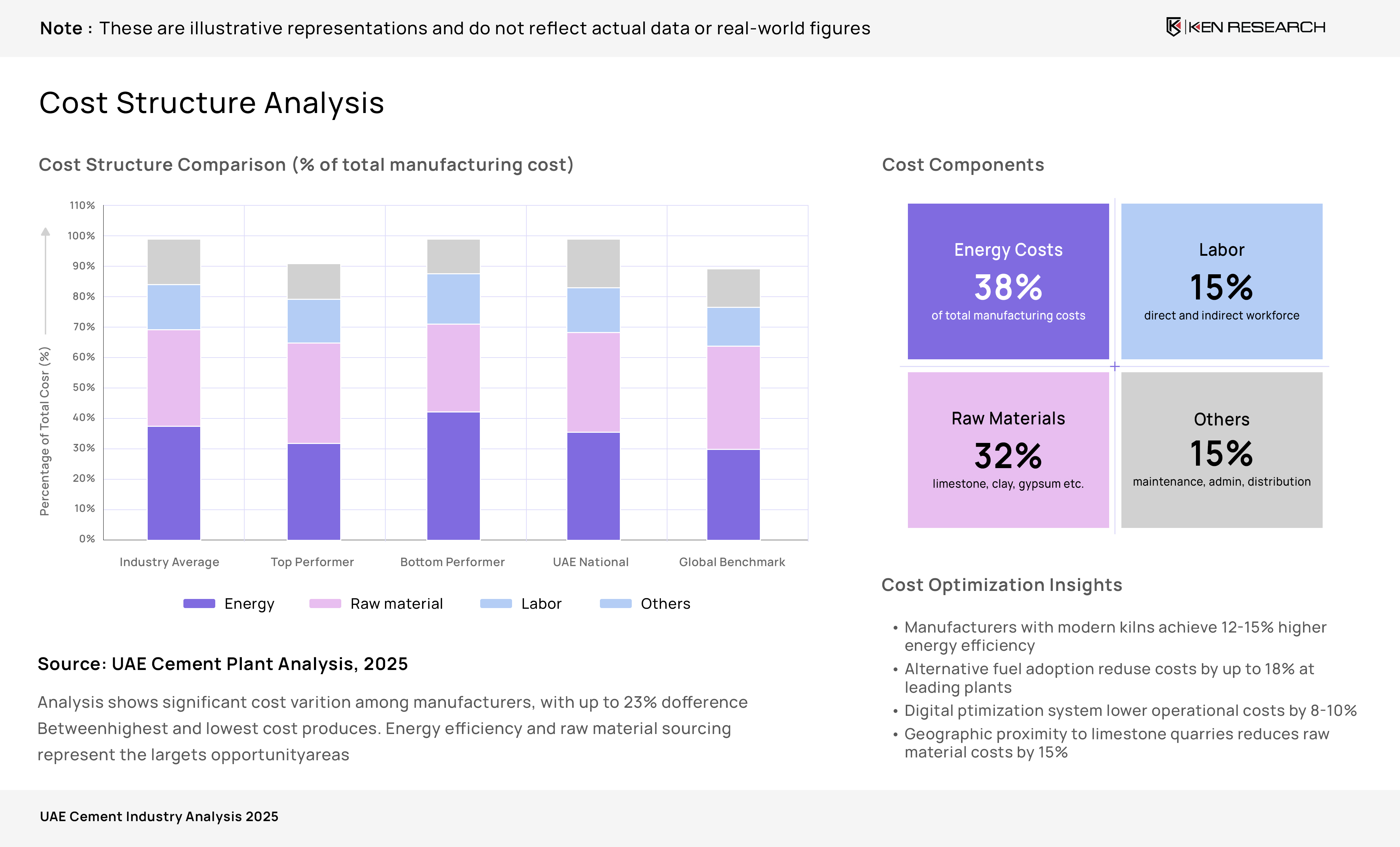
Revenue growthversusEBITDA marginreveals investment versus efficiency focus.
COGS % RevandCOGS growthspotlight cost pressures—energy, labor, compliance—impacting profitability.
Table of Contents
1. Ecosystem Matrix
1.1 Large Players
1.1.1 DHL Supply Chain
1.1.2 Kuehne+Nagel
1.1.3 DB Schenker
1.1.4 Yusen Logistics
1.1.5 CEVA Logistics
1.1.6 Tiong Nam Logistics
1.1.7 Sinotrans
1.1.8 Toll Group
1.2 Medium Players
1.2.1 GDEX
1.2.2 Nippon Express
1.2.3 Agility Logistics
1.2.4 AstaQuantum
1.2.5 Menlo Logistics
1.2.6 FedEx Supply Chain
1.2.7 BLG Logistics
1.3 Small Players
1.3.1 Pronto Integrated Logistics
1.3.2 Integra Link
1.3.3 Tomas Cargo
1.3.4 Nippon Cold Chain
1.3.5 First Nationwide Logistics
1.3.6 E’SUPPLY Chain
1.3.7 Global Freighters
1.3.8 PanEco
1.3.9 East West Logistics
1.3.10 Jet Logistics
2. Leading Player Profiles
2.1 Parameters
2.1.1 Company Name
2.1.2 Group Name
2.1.3 Global Headquarters
2.1.4 Established Year
2.1.5 Core Services
3. Key Operational Performance Metrics
3.1 Parameters
3.1.1 Warehouse Area (Thousand m²)
3.1.2 Site Count
3.1.3 Utilization (%)
3.1.4 Orders per Day
3.1.5 On-time Dispatch (%)
3.1.6 Automation (%)
3.1.7 Cold Chain Capacity (Thousand m³)
3.1.8 Safety Incidents
3.1.9 Average Storage Pricing (USD per m² per Month)
4. Core Financial Performance Metrics
4.1 Parameters
4.1.1 Revenue (USD Mn)
4.1.2 Revenue Growth (%)
4.1.3 COGS (USD Mn)
4.1.4 COGS Growth (%)
4.1.5 EBITDA (USD Mn)
4.1.6 EBITDA Growth (%)
4.1.7 EBITDA Margin (%)
4.1.8 PAT (USD Mn)
4.1.9 PAT Margin (%)
5. Methodology
5.1 Approach
5.1.1 Desk Sources
5.1.2 Primary Interviews
5.1.3 Sanity Checking & Validation
5.2 Benchmarking Process
5.2.1 Data Collection
5.2.2 Primary Validation
5.2.3 Proxy KPI Modelling
5.2.4 Normalization & Indexing
5.2.5 Gap Analysis
5.2.6 Peer Review
5.3 Sample Composition
5.3.1 Scope Items
5.3.2 Sample Size
5.3.3 Target Respondents
Methodology
Ken Research will deploy its proprietary, multi‑layered research framework—combining robust secondary research, targeted primary outreach, and rigorous data validation—to deliver an authoritative competitive landscape analysis of the Malaysia Warehousing market. Proxy KPIs focus on facility scale, operational throughput, and financial performance.
Desk Sources
- Industry reports from MIDA, MITI, and proprietary research archives
- Company annual reports, investor presentations, and corporate disclosures
- Government and trade publications from FMM and LIMA
- Trade journals including
- Financial and market intelligence databases such as Bloomberg and Capital IQ
Primary Interviews
- CATIs and online surveys with logistics and operations heads and facility managers
- E-commerce fulfilment leaders and pharmaceutical logistics heads
- Automation, warehouse management system, and robotics solution providers
- Industry analysts and logistics consultants
Sanity Checking and Validation
- Triangulation of secondary research, primary interview inputs, and proxy-model outputs
- Proxy KPI synthesis using warehouse area and utilization rates to model revenue and throughput
- Outlier analysis to identify anomalous capacity or financial datapoints
- Assumption tracking with documented benchmarking limitations
- Internal peer review by senior experts validating methodology and key findings
An Inside Look At Our Custom Insights
Take a look at ourcustomized insights, tailored to yourmarket and business needs. Our benchmarking reports deliver data-driven comparisons of key players, helping you uncover opportunities, assess performance, and make confident strategic decisions.