Myanmar Agricultural Equipment Market
Published on: December 2025
Report Overview
Myanmar Agricultural Equipment Market Overview
Market Highlights
The Myanmar Agricultural Equipment Market showcases a diverse competitive structure, where multinational corporations, regional manufacturers, and local firms engage in a dynamic interplay. Multinationals leverage their extensive resources for efficiency, while regional players focus on tailored solutions that resonate with local agricultural practices, and local firms capitalize on agility and niche expertise to carve out market segments.
Innovation from global leaders is increasingly harmonized with localized adaptations, as companies tailor their agricultural technologies to meet the specific needs of Myanmar's diverse farming environments. This synergy fosters a robust ecosystem where international best practices are integrated with indigenous knowledge, enhancing the overall effectiveness of agricultural solutions.
The distribution and aftersales landscape is critical, with strategic partnerships among manufacturers, distributors, and service providers ensuring comprehensive support for end-users. This collaborative approach not only enhances product accessibility but also strengthens customer loyalty through reliable maintenance and service offerings, which are essential in a market characterized by varying levels of infrastructure development.
Looking ahead, the competitive landscape is poised for transformation driven by innovation, localization, and operational agility. Companies are increasingly adopting advanced technologies and sustainable practices, positioning themselves to respond swiftly to market changes and consumer demands, thereby shaping a resilient and forward-thinking agricultural equipment sector in Myanmar.
Ecosystem Matrix
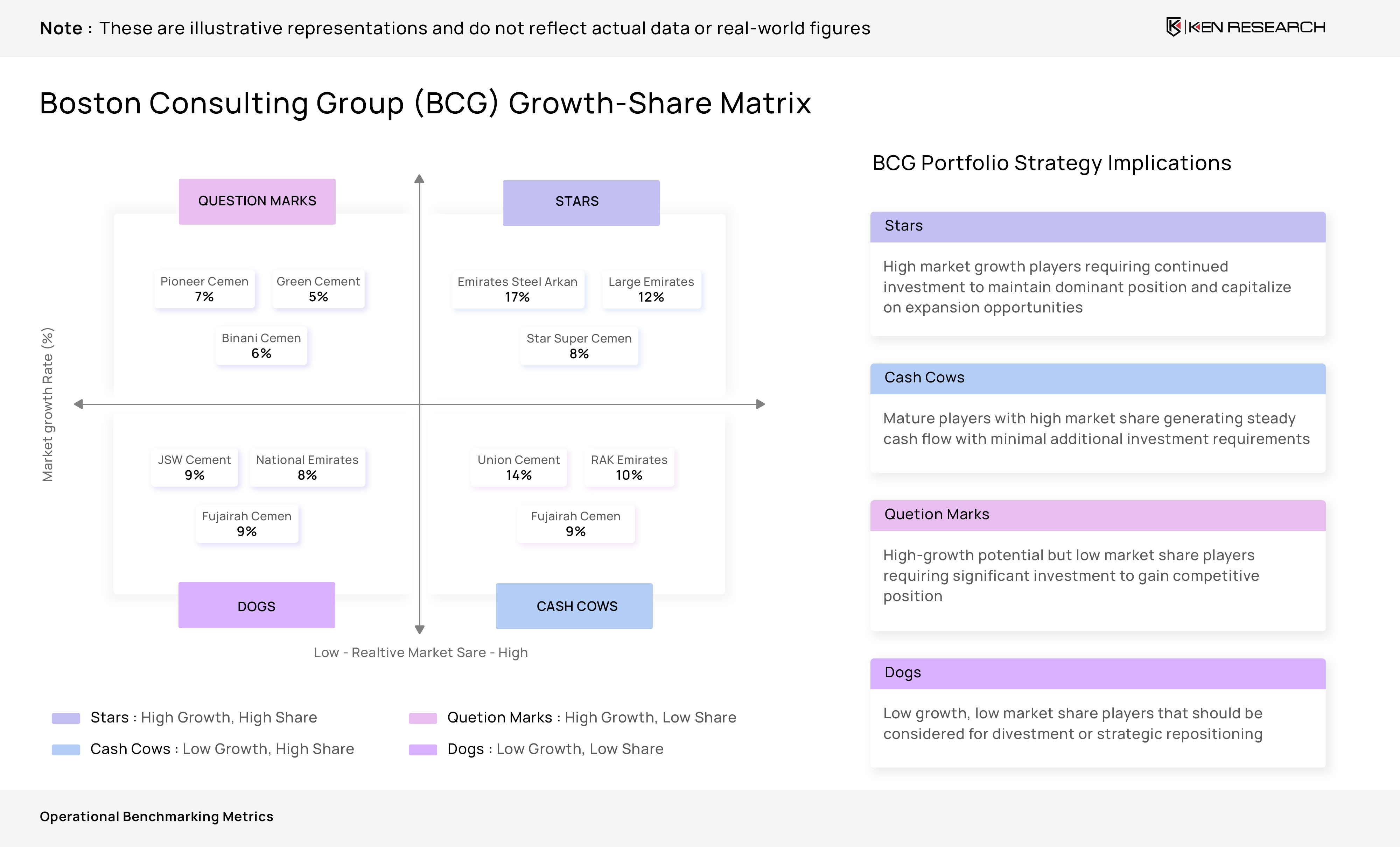
The Myanmar agricultural equipment market is led by a mix of multinational-backed ventures (Kubota, Yanmar, John Deere) and strong domestic firms like Yoma Heavy Equipment, creating a competitive landscape where global expertise blends with local distribution strength.
Medium and small-sized firms contribute significantly through niche services like tractor leasing, custom machinery solutions, and regional dealership coverage, making them vital players in rural mechanization and localized customer engagement.
Leading Player Profiles
Company Profile Overview
The profiles highlight a strong presence of global subsidiaries (Kubota, Yanmar, John Deere) complemented by national champions (Yoma Heavy Equipment, CP Agricultural Machinery). This synergy drives technology transfer and capacity building in Myanmar.
Domestic dealers like Shwe Tun Agricultural and Mandalay Tractor Sales play a pivotal role in providing after-sales services and ensuring last-mile market penetration, critical for mechanization adoption in rural regions.
Key Operational Performance Metrics
Company Performance Overview
Unlock Market Insights
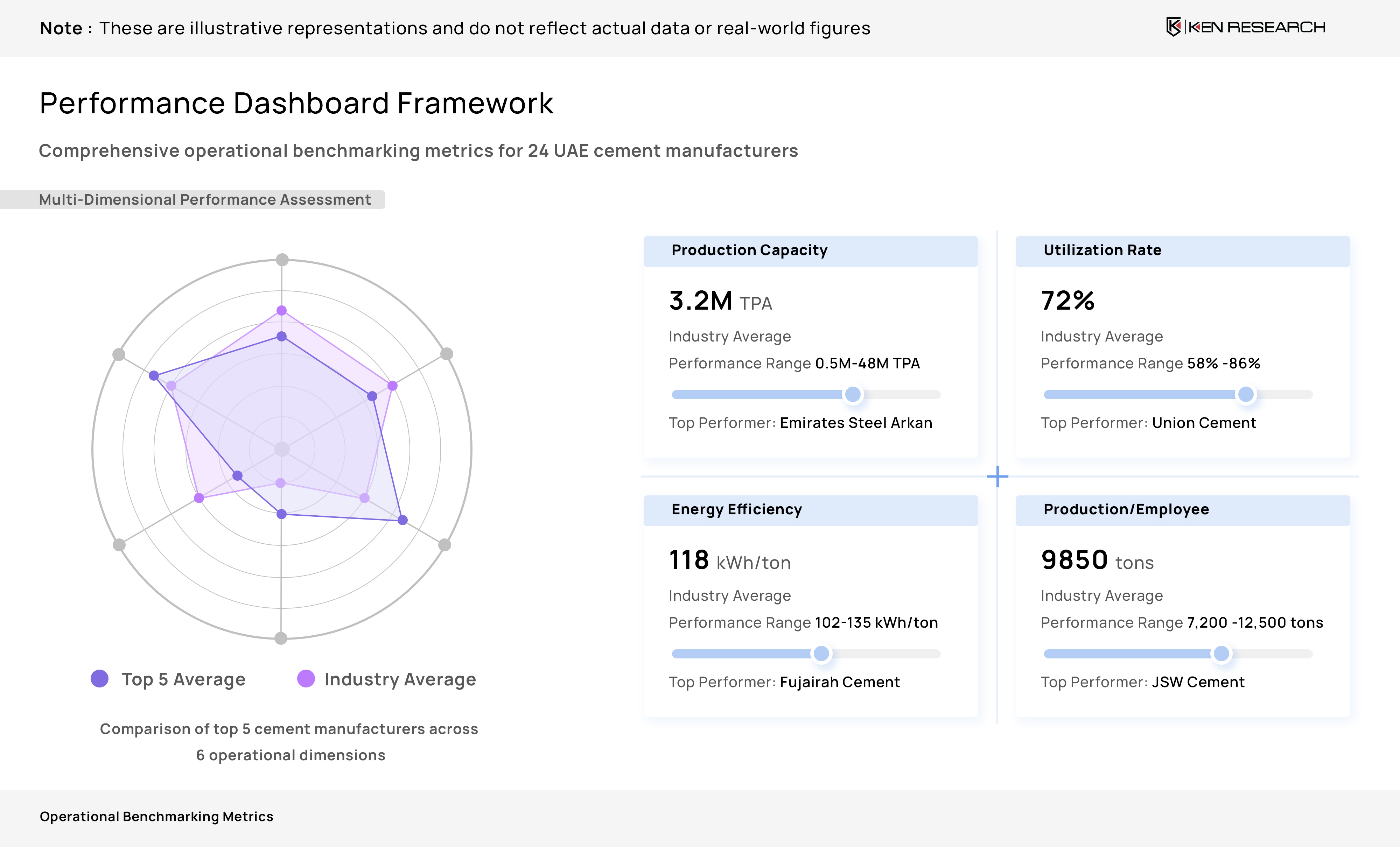
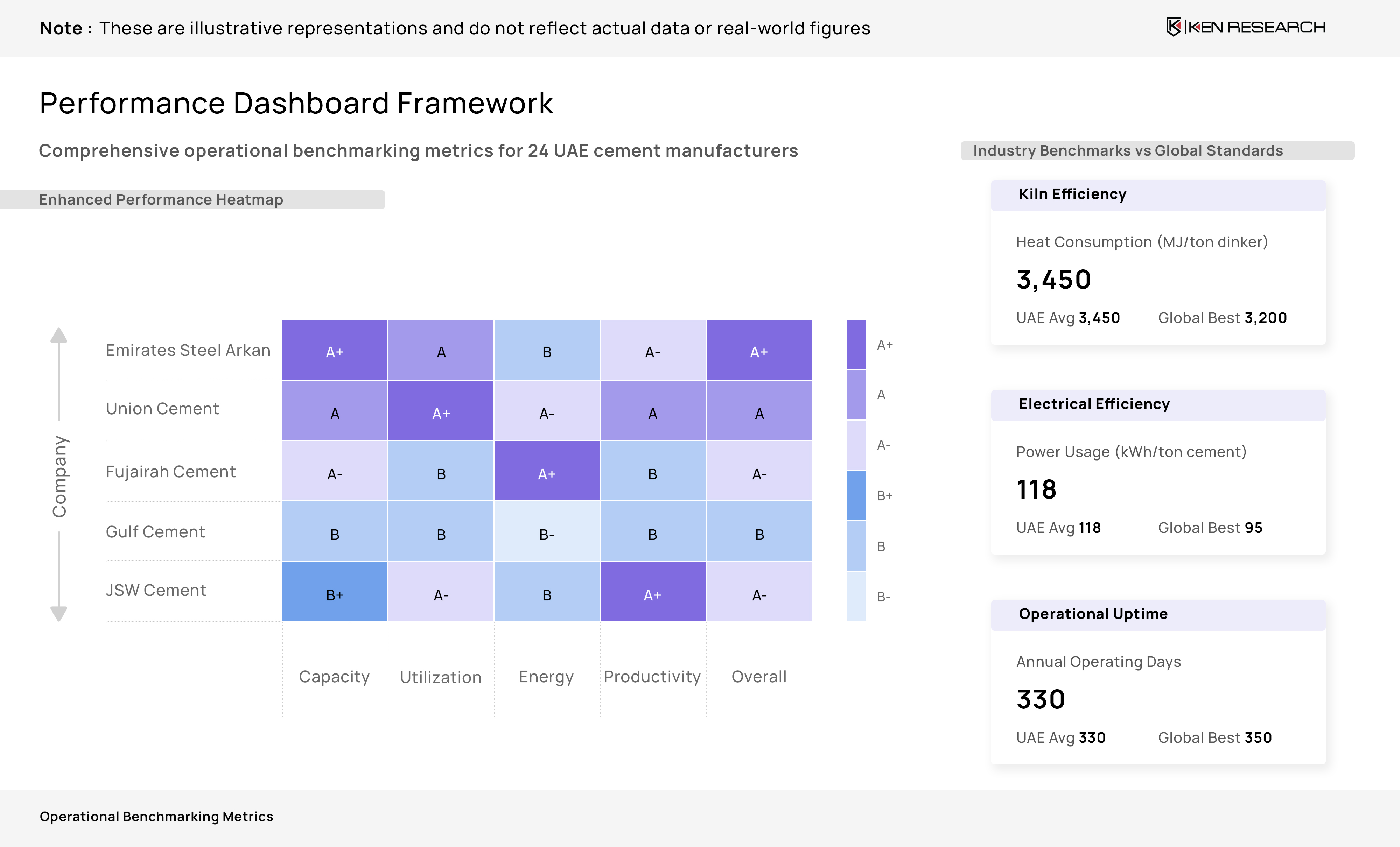
Dive deeper into production, distribution, and pricing intelligence.
Get Customized ReportOperational benchmarking highlights production capacity, coverage, and pricing as primary revenue drivers, with pricing serving as a major differentiator for smaller domestic players competing against international subsidiaries.
Companies with wider distribution coverage (Yoma, Kubota, Yanmar) are better positioned to dominate rural mechanization, while leasing-focused firms like Evergreen Agro enhance affordability through non-purchase-based access to machinery.
Core Financial Performance Metrics
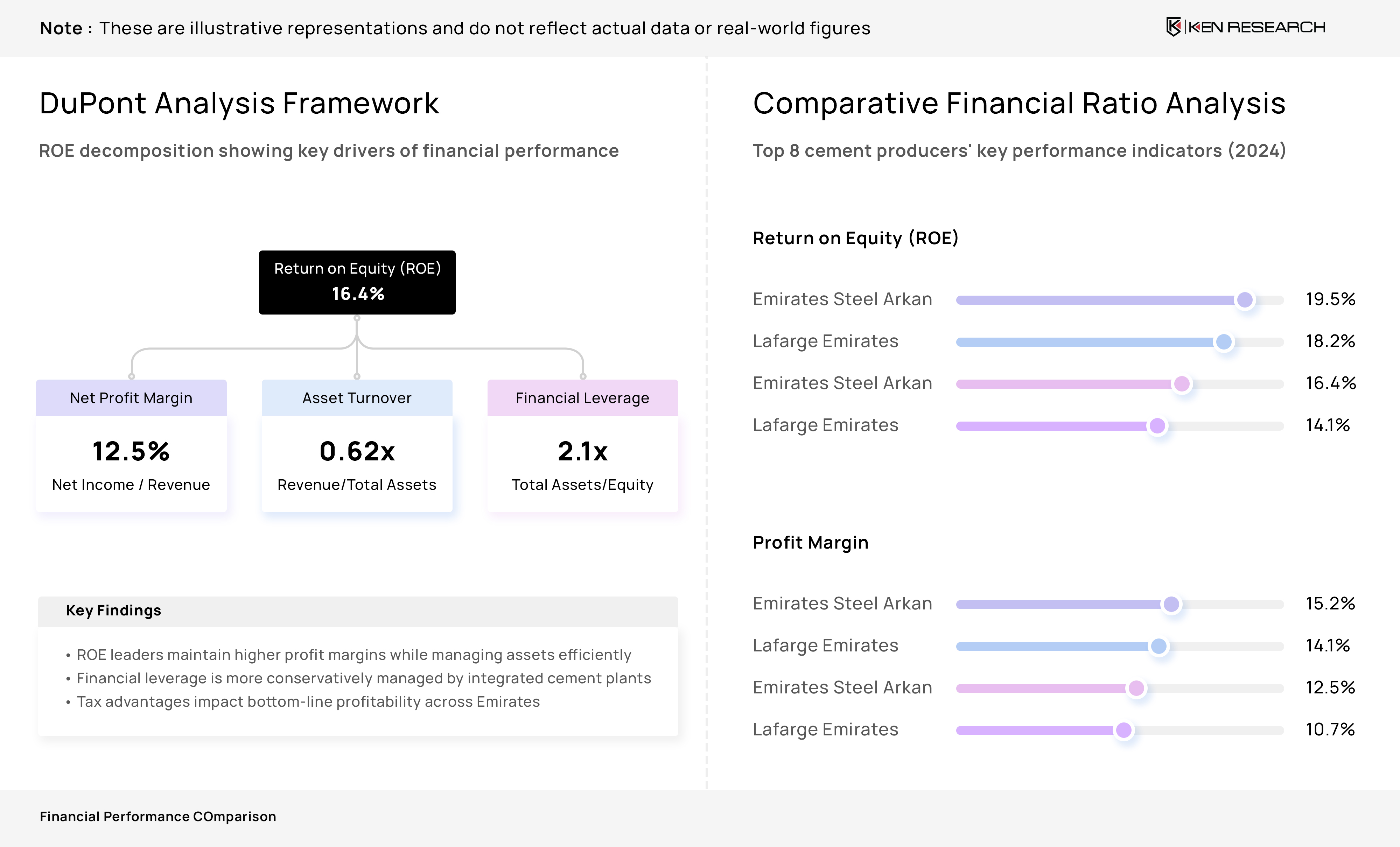
Financial KPIs like EBITDA margins and revenue growth are highly polarized, with multinational subsidiaries enjoying stable financial structures, while smaller dealers face thin margins and fluctuating costs.
Profitability metrics emphasize the strategic advantage of scaling through distribution and leasing models, with local firms often relying on service-based income rather than high-margin equipment sales.
Table of Contents
1. Ecosystem Matrix
1.1 Large Players
1.1.1 Yoma Heavy Equipment
1.1.2 CP Agricultural Machinery Myanmar
1.1.3 Myanmar Thilawa SEZ Tractor Hub
1.1.4 Kubota Myanmar Co. Ltd.
1.1.5 Yanmar Myanmar Co. Ltd.
1.1.6 John Deere Myanmar
1.2 Medium Players
1.2.1 Pioneer Agri Machinery
1.2.2 Shwe Tun Agricultural
1.2.3 Kyaw Tractor
1.2.4 Evergreen Agro Machinery
1.2.5 Golden Brother Machinery
1.2.6 Agro King Myanmar
1.3 Small Players
1.3.1 Mandalay Tractor Sales
1.3.2 Shwe Sin Khaing Agro
1.3.3 United Agro Machinery
1.3.4 Min Khin Tractor Services
1.3.5 Tun Thiri Agri Equipments
1.3.6 Win Brothers Machinery
2. Leading Player Profiles
2.1 Parameters
2.1.1 Company Name
2.1.2 Group Name
2.1.3 Headquarters
2.1.4 Established Year
2.1.5 Core Segment
2.1.6 Mode of Functioning
3. Key Operational Performance Metrics
3.1 Parameters
3.1.1 Manufacturing Plants
3.1.2 Tractor Production Capacity (Units/Year)
3.1.3 Harvester Production Capacity (Units/Year)
3.1.4 Distribution Coverage (%)
3.1.5 Export Share (%)
3.1.6 Product Range (SKUs)
3.1.7 R&D Investment (% of Revenue)
3.1.8 Pricing (USD Mn)
4. Core Financial Performance Metrics
4.1 Parameters
4.1.1 Revenue (USD Mn)
4.1.2 Revenue Growth (%)
4.1.3 COGS (USD Mn)
4.1.4 COGS Growth (%)
4.1.5 EBITDA (USD Mn)
4.1.6 EBITDA Growth (%)
4.1.7 EBITDA Margin (%)
4.1.8 PAT (USD Mn)
4.1.9 PAT Margin (%)
5. Methodology
5.1 Approach
5.1.1 Desk Sources
5.1.2 Primary Interviews
5.1.3 Sanity Checking & Validation
5.2 Benchmarking Process
5.2.1 Data Collection
5.2.2 Primary Validation
5.2.3 Proxy KPI Modelling
5.2.4 Normalization & Indexing
5.2.5 Gap Analysis
5.2.6 Peer Review
5.3 Sample Composition
5.3.1 Scope Items
5.3.2 Sample Size
5.3.3 Target Respondents
Methodology
Ken Research will deploy its proprietary, multi layered research framework—combining robust secondary research, targeted primary outreach, and rigorous data validation—to deliver an authoritative competitive landscape analysis of the Myanmar Agricultural Equipment market
Desk Sources
- Industry reports (Proprietary databases, Ken Research archives)
- Company annual reports & investor presentations
- Government & trade association publications
- Trade magazines, journals, e-articles
- Financial databases (Bloomberg, Capital IQ)
- Web traffic & app usage dashboards (SimilarWeb, App Annie)
Primary Interviews
- Category managers / R&D heads of market manufacturers
- Senior sales/marketing leads at leading players
- Distributors & channel partners
- Industry analysts and consultants
- Technology/service providers for digital metrics
Sanity Checking and Validation
- Triangulation: Cross-verify estimates from secondary data, primary inputs, and proxy model outputs
- Proxy KPI Synthesis: Use related KPIs like installed base, outlet counts, web traffic, and patent filings to approximate revenues or capacities
- Outlier Analysis: Identify and reconcile anomalous data points via follow-up discussions
- Assumption Tracking: Maintain a log of all benchmarking assumptions, with clear notes on limitations and proxy KPI sources
- Peer Review: Internal expert review of methodology, models, and key outputs before finalization
An Inside Look At Our Custom Insights
Take a look at ourcustomized insights, tailored to yourmarket and business needs. Our benchmarking reports deliver data-driven comparisons of key players, helping you uncover opportunities, assess performance, and make confident strategic decisions.