Myanmar Luxury Car Dealers Market
Published on: February 2026
Report Overview
Myanmar luxury car dealers marketOverview
Market Highlights
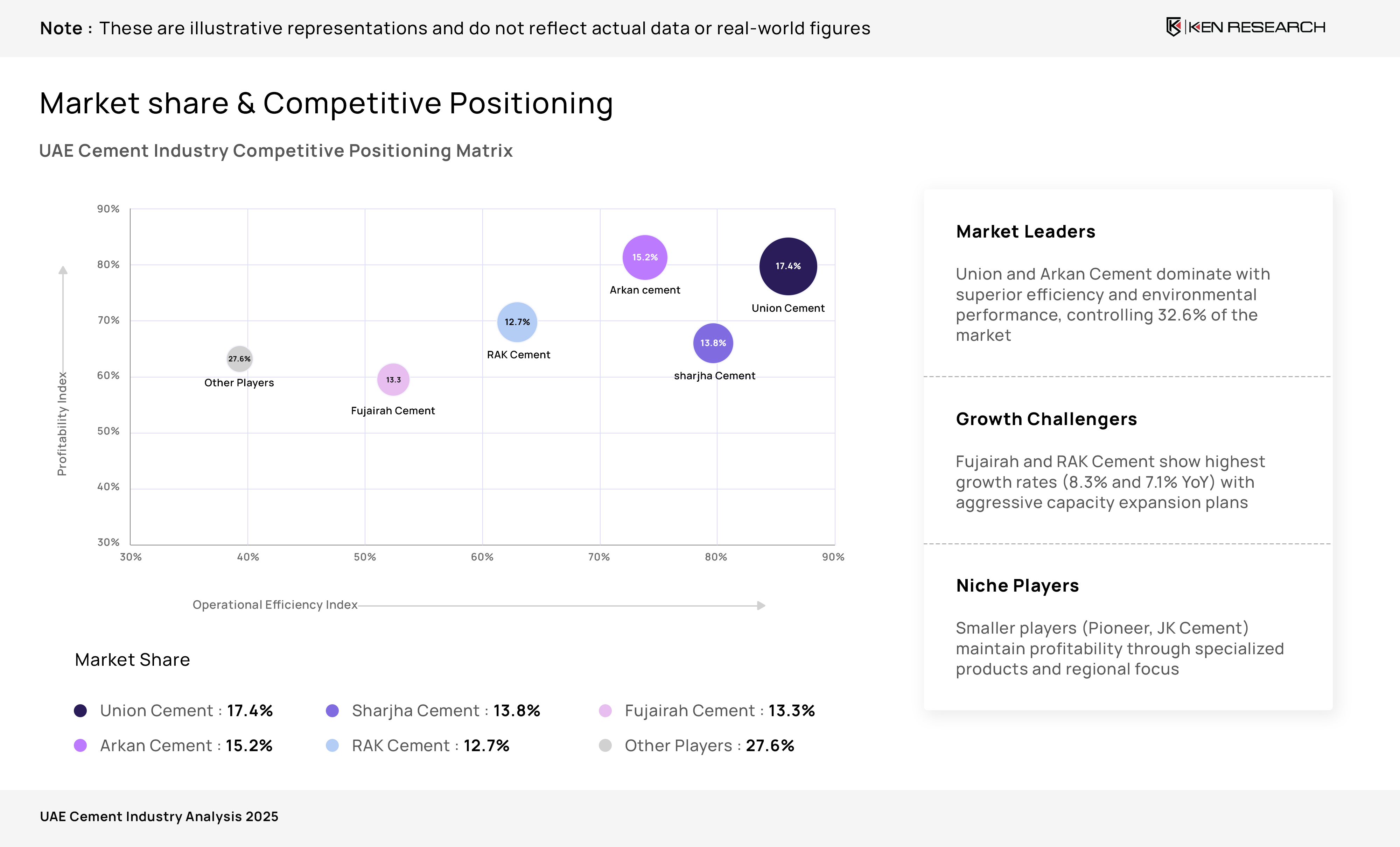
The Myanmar luxury car dealers market is characterized by a concentrated competitive structure where a limited number of authorized premium distributors coexist with a broader ecosystem of import-driven multi-brand dealers. Large players typically operate within structured OEM-aligned frameworks, emphasizing brand stewardship, standardized sales processes, and formal aftersales capabilities, while medium and smaller players focus on agility in sourcing, pricing flexibility, and rapid inventory turnover to remain competitive.
Global automotive brands operating through local partners bring established product portfolios, service protocols, and brand equity into the market, which are then adapted to local purchasing behavior, regulatory constraints, and customer expectations. Domestic dealers and importers play a critical role in tailoring vehicle specifications, financing structures, and ownership models to suit Myanmar’s demand profile, often balancing aspirational luxury positioning with value-driven decision making.
Distribution and aftersales capability remain central to competitive differentiation, as customer trust is closely linked to service availability, parts access, and warranty support. Dealers with reliable workshop infrastructure and consistent aftersales engagement are better positioned to retain customers and stabilize revenue streams beyond initial vehicle sales. In contrast, players with limited service depth often rely more heavily on transactional sales and pricing competitiveness.
Operational efficiency, cost discipline, and the ability to manage sourcing risk define strategic success across player tiers. Larger groups benefit from scale advantages and structured processes, while smaller dealers leverage speed, localized knowledge, and flexible operating models. Looking ahead, sustained competitiveness in the Myanmar luxury car dealers market will be shaped by how effectively players integrate global brand standards with localized execution, strengthen aftersales ecosystems, and adapt operational strategies to evolving consumer expectations and regulatory conditions.
Ecosystem Matrix
Myanmar’s luxury dealer ecosystem is led by a small set of authorized premium distributors and large-scale import-led players, while the rest of the market operates through structured used-import networks that compete on sourcing strength, aftersales readiness, and trust signals.
Competitive advantage typically concentrates around inventory access (Japan/Asia supply lanes), service capability (warranty-grade workshop, parts), and deal structuring (trade-in, financing support). Players that professionalize pricing discipline and turnaround time win share even without the widest network.
Leading Player Profiles
Company Profile Overview
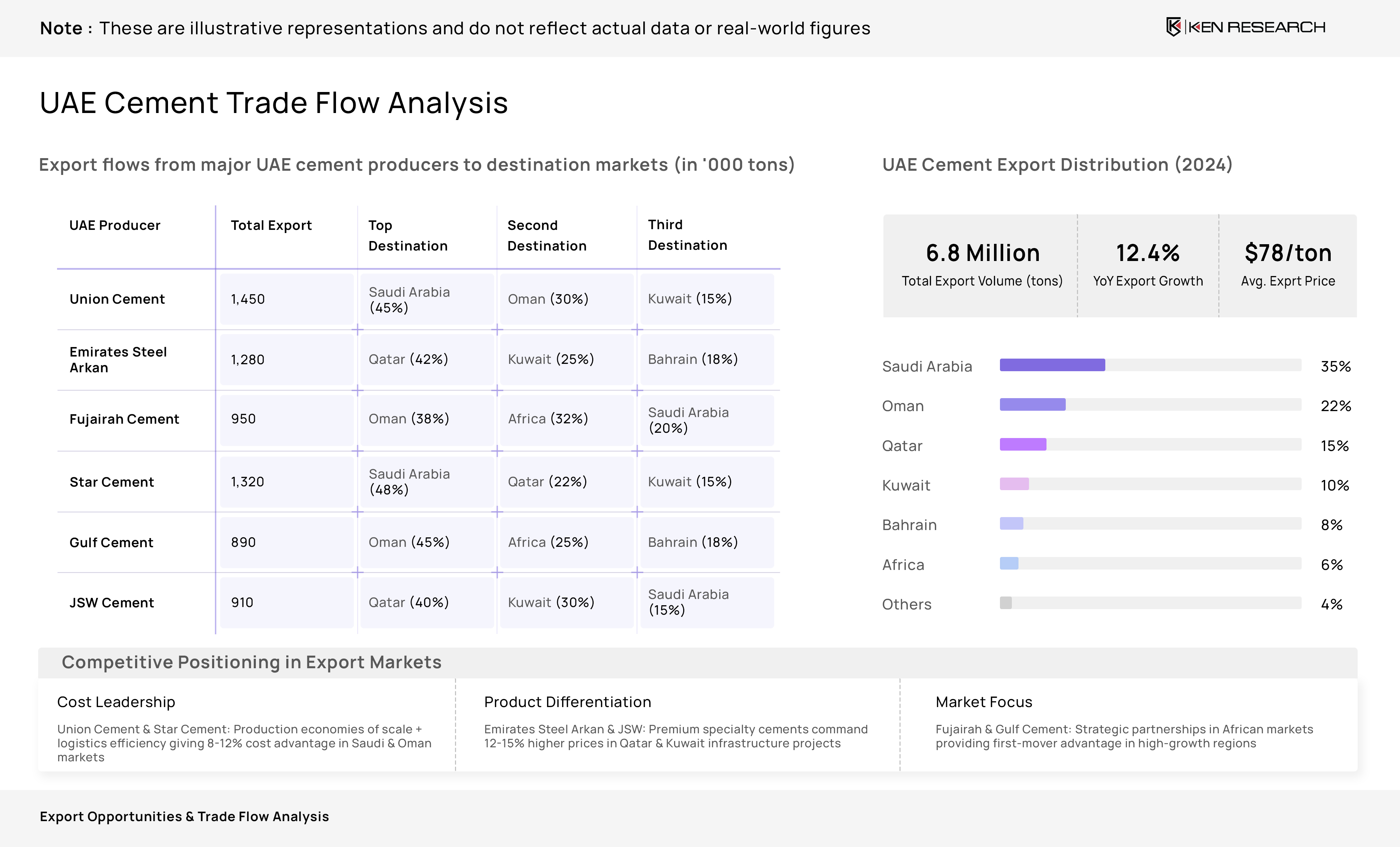
The leading player set shows a clear split between “authorized premium ecosystems” (OEM-aligned sales, workshop, parts discipline) and “import-first networks” that scale via sourcing reach, faster inventory turns, and sharper retail financing or trade-in structures.
Market maturity is reflected in who can industrialize aftersales and trust: players with consistent service capacity, parts availability, and standardized inspection or certification can defend pricing power even when import competition intensifies.
Key Operational Performance Metrics
Company Performance Overview
Unlock Market Insights
Dive deeper into production, distribution, and pricing intelligence.
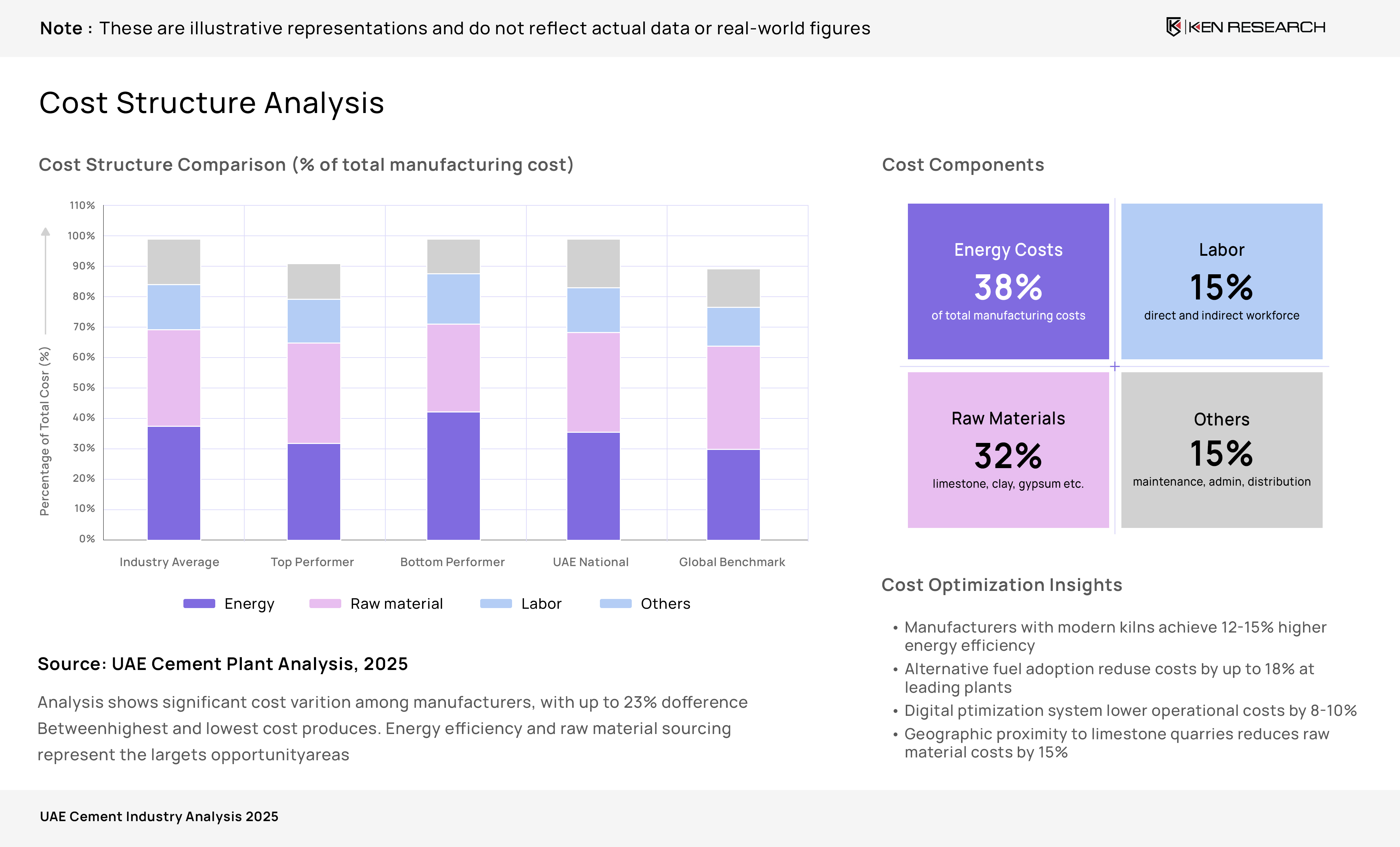
Get Customized ReportRevenue performance in Myanmar’s luxury dealer space is most sensitive to pricing discipline, inventory velocity, and attachment monetization (trade-in, financing, service). Players that manage stock aging and protect gross margin typically outperform even when headline volumes look similar.
After-sales retention is the hidden lever: dealers that convert buyers into workshop and parts customers build steadier cash flows, allowing more aggressive sourcing and better pricing confidence during import-driven price fluctuations.
Core Financial Performance Metrics
Financial benchmarking in this market is best interpreted through margin quality rather than topline alone, because import costs, inventory aging, and discounting can inflate revenue while compressing EBITDA and PAT. Strong players typically show tighter COGS control and steadier margins.
Dealers that build recurring aftersales income tend to stabilize EBITDA margin and reduce volatility. Those dependent on one-off import cycles often show sharper swings in growth and profitability across periods.
Table of Contents
1. Ecosystem Matrix
1.1 Large Players
1.1.1 Prestige Automobiles Company Limited (PAC)
1.1.2 Cycle & Carriage Automobile Myanmar
1.1.3 Capital Automotive Limited
1.1.4 Capital Diamond Star Group Limited (CDSG)
1.1.5 Toyota Aye & Sons (T.T.A.S Co., Ltd.)
1.1.6 CarsDB
1.2 Medium Players
1.2.1 Automobile Alliance Co., Ltd.
1.2.2 Nihon Auto
1.2.3 GMP Motors Co. Ltd.
1.2.4 Myanmar Kaido Co. Ltd.
1.2.5 Maung Sein Win & Brothers Trading Co. Ltd.
1.2.6 Modern Trading Co.,Ltd.
1.3 Small Players
1.3.1 Sakura Trade Centre Co. Ltd.
1.3.2 Dass Auto Co.,Ltd
1.3.3 Grand Member Centre Services Co. Ltd.
1.3.4 ZMH Universal Trading Co. Ltd.
1.3.5 Myanmar Essential World Trading
1.3.6 Farmer Auto Car Showroom
2. Leading Player Profiles
2.1 Parameters
2.1.1 Company Name
2.1.2 Group Name
2.1.3 Headquarters
2.1.4 Established Year
2.1.5 Core Services
2.1.6 Mode of Functioning
3. Key Operational Performance Metrics
3.1 New Vehicle Sales Revenue (USD Mn)
3.2 Used Vehicle Sales Revenue (USD Mn)
3.3 Pricing (Avg Selling Price, USD)
3.4 Gross Margin per Vehicle (USD)
3.5 Inventory Turnover (x/year)
3.6 Trade-in Penetration (%)
3.7 Financing Attachment Rate (%)
3.8 Service & Parts Revenue (USD Mn)
3.9 After-sales Retention (%)
4. Core Financial Performance Metrics
4.1 Parameters
4.1.1 Revenue (USD Mn)
4.1.2 Revenue Growth (%)
4.1.3 COGS (USD Mn)
4.1.4 COGS Growth (%)
4.1.5 EBITDA (USD Mn)
4.1.6 EBITDA Growth (%)
4.1.7 EBITDA Margin (%)
4.1.8 PAT (USD Mn)
4.1.9 PAT Margin (%)
5. Methodology
5.1 Approach
5.1.1 Desk Sources
5.1.2 Primary Interviews
5.1.3 Sanity Checking & Validation
5.2 Benchmarking Process
5.2.1 Data Collection
5.2.2 Primary Validation
5.2.3 Proxy KPI Modelling
5.2.4 Normalization & Indexing
5.2.5 Gap Analysis
5.2.6 Peer Review
5.3 Sample Composition
5.3.1 Scope Items
5.3.2 Sample Size
5.3.3 Target Respondents
Methodology
Ken Research will deploy its proprietary, multi layered research framework combining robust secondary research, targeted primary outreach, and rigorous data validation to deliver an authoritative competitive landscape analysis of the Myanmar Luxury Car Dealers Market. The methodology is designed to ensure high accuracy, consistency across players, and comparability of operational and financial performance using market-relevant proxy KPIs.
Desk Sources
- Industry reports from proprietary databases and Ken Research internal archives for historical benchmarks and market baselines
- Company annual reports, investor presentations, and statutory disclosures to extract financials, operational scale, and strategic priorities
- Government publications and trade association releases for regulatory context, import norms, and automotive policy environment
- Trade magazines, journals, and sector-specific articles to track competitive developments, dealer strategies, pricing behavior, and technology adoption
- Financial intelligence platforms such as Bloomberg and Capital IQ for standardized financial ratios and peer comparisons
- Web traffic and digital marketplace dashboards including SimilarWeb and App Annie to assess online demand signals, listing intensity, and customer acquisition channels
Primary Interviews
- CATI interviews and structured online surveys with senior management, category heads, and operational leaders of luxury car dealers
- In-depth discussions with sales, marketing, and aftersales heads to validate pricing structures, inventory practices, and customer mix
- Interviews with distributors, import agents, and channel partners to validate sourcing routes, margin behavior, and regional demand patterns
- Consultations with industry analysts, consultants, and service providers for expert validation of market dynamics and competitive positioning
Sanity Checking & Validation
- Triangulation of estimates by cross-verifying secondary research, primary inputs, and proxy-based model outputs
- Proxy KPI synthesis using indicators such as vehicle import volumes, showroom footprint, service bay capacity, inventory turnover, and digital listing intensity to approximate revenues and scale
- Outlier analysis to identify anomalous performance and reconcile through targeted follow-up interviews
- Assumption tracking through a structured log capturing all benchmarking assumptions, limitations, and proxy sources
- Internal peer review of methodology, analytical models, and outputs prior to report finalization
An Inside Look At Our Custom Insights
Take a look at ourcustomized insights, tailored to yourmarket and business needs. Our benchmarking reports deliver data-driven comparisons of key players, helping you uncover opportunities, assess performance, and make confident strategic decisions.