Myanmar Mobile Financial Services Market
Published on: March 2026
Report Overview
Myanmar Mobile Financial Services Market Overview
Market Highlights
The Myanmar Mobile Financial Services Market reflects a competitively layered ecosystem in which bank-led digital platforms, wallet-first operators, telecom-linked payment solutions, and smaller niche participants coexist with distinct strategic roles. Larger players benefit from stronger brand familiarity, broader distribution reach, and deeper customer trust, while mid-sized and emerging participants compete through more focused propositions centered on ease of use, merchant relevance, remittance convenience, and targeted digital payment use cases. The market is shaped less by a single dominant operating model and more by the interaction between agent-led cash ecosystems, app-based financial access, and institution-backed digital payment propositions.
Competition in this market is defined by how effectively providers combine technology with local execution. Larger players tend to build competitive strength through stronger ecosystem integration, wider merchant acceptance, deeper customer onboarding capabilities, and broader service portfolios that extend beyond payments into adjacent financial services. At the same time, local operators and smaller platforms remain important because they are often better positioned to adapt product design, customer communication, and service accessibility to local behavior, network realities, and trust dynamics. This balance between scale and market intimacy continues to influence how providers differentiate themselves.
Distribution and service enablement remain central to market performance. In Myanmar, the effectiveness of an operator’s reach is determined not only by digital interface quality but also by the strength of its agent footprint, merchant presence, customer support responsiveness, and ability to sustain reliable transaction execution across user segments. Providers with broader acceptance infrastructure and stronger support ecosystems are generally better placed to reinforce repeat usage, improve user stickiness, and build transactional habit. These factors play a meaningful role in shaping brand competitiveness, especially in a market where convenience, trust, and accessibility are closely linked.
From a strategic standpoint, competitive advantage is increasingly tied to execution discipline across pricing, user activation, merchant expansion, transaction conversion, and channel productivity. Bank-led players are often better placed to leverage account integration and cross-sell capabilities, while non-bank and telecom-linked platforms tend to compete more aggressively on access, utility, and transaction convenience. Technology integration, operational efficiency, and the ability to translate large user bases into active and monetizable customers are becoming more important in sustaining performance. Looking ahead, the market is expected to remain shaped by the interplay of ecosystem scale, localization, channel depth, and strategic agility, with long-term leadership likely to rest with players that can continuously align innovation with the practical realities of customer adoption and payment usage across Myanmar.
Ecosystem Matrix
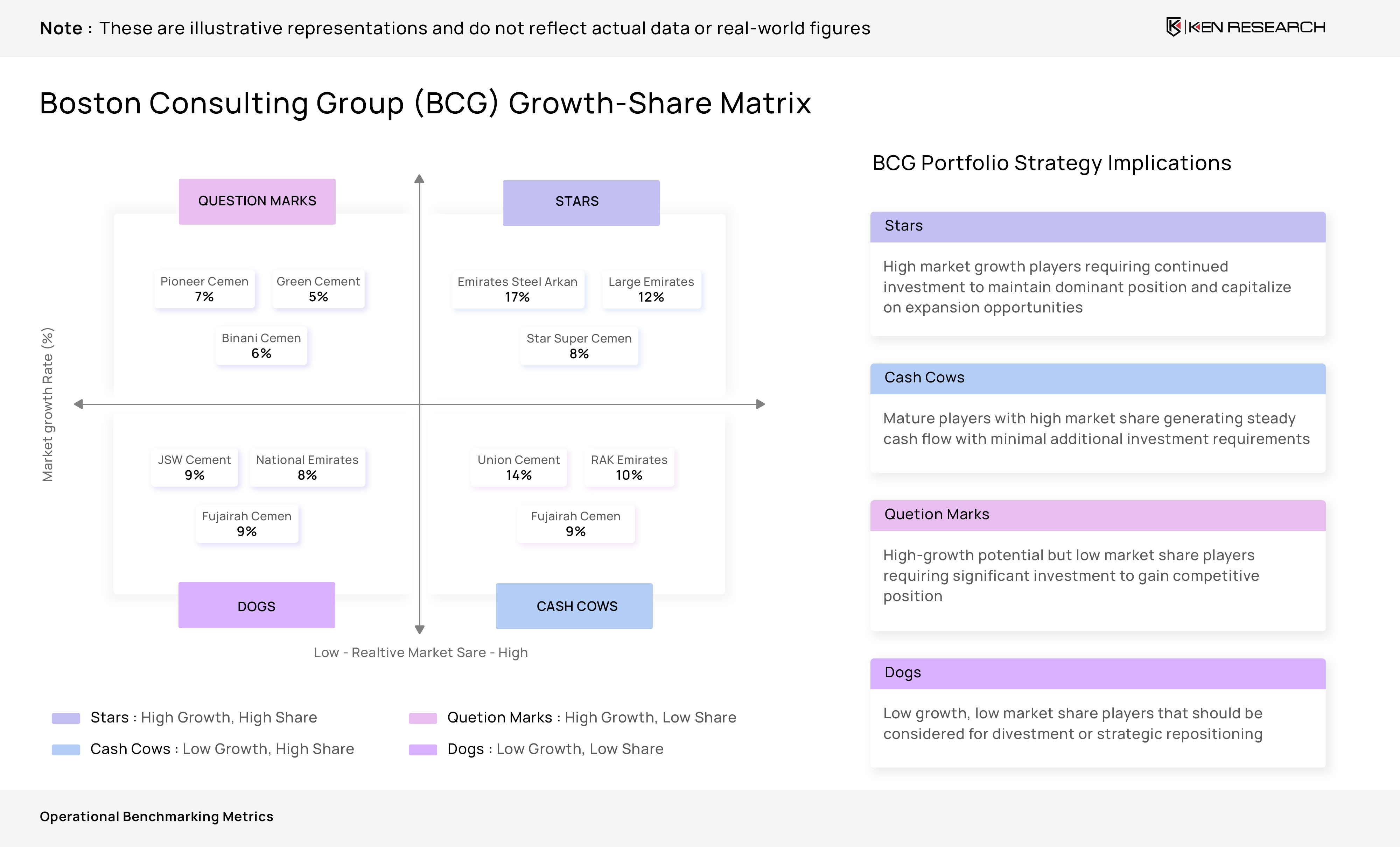
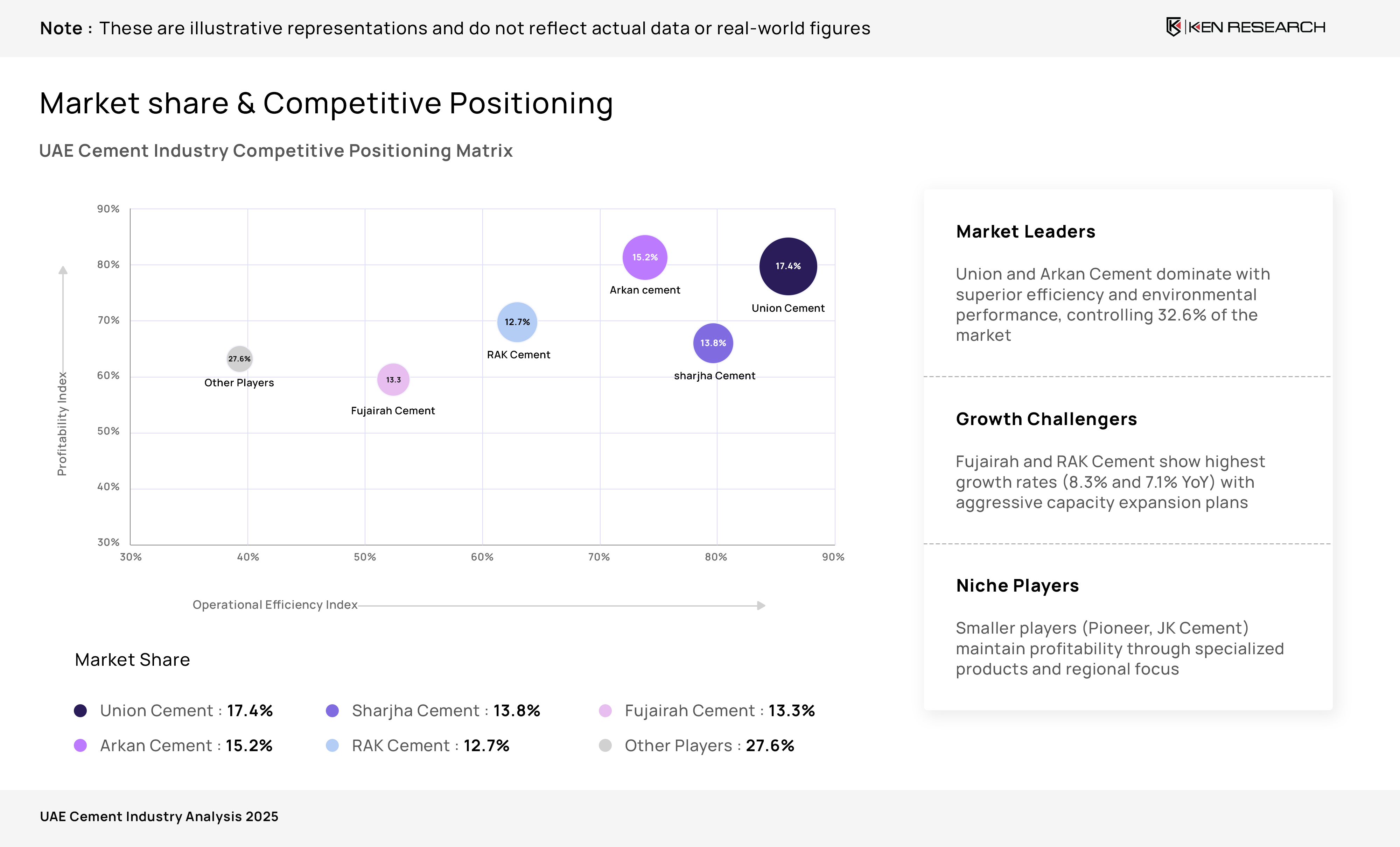
Myanmar’s large-player layer is shaped by brands with stronger national reach, deeper customer trust, broader merchant acceptance, and either sizable agent footprints or large legacy banking networks, making scale and transaction velocity the key differentiators in competitive positioning.
The medium and small tiers remain relevant where telecom-linked wallets, specialist mobile money operators, and bank-led apps compete through targeted use cases such as remittances, QR payments, bill pay, and day-to-day account access rather than national dominance.
Leading Player Profiles
Company Profile Overview
The competitive field combines three structural archetypes: non-bank agent-led operators, telecom-backed wallets, and bank-led super-app style platforms, which means market share is influenced not only by user numbers but also by cash handling reach and payment acceptance depth.
Bank-led players are increasingly positioned around trust, account connectivity, and broader financial product cross-sell, while non-bank and telecom-led operators remain stronger where agent liquidity, domestic remittance convenience, and last-mile transaction access matter most.
Key Operational Performance Metrics
Company Performance Overview
Unlock Market Insights
Dive deeper into production, distribution, and pricing intelligence.
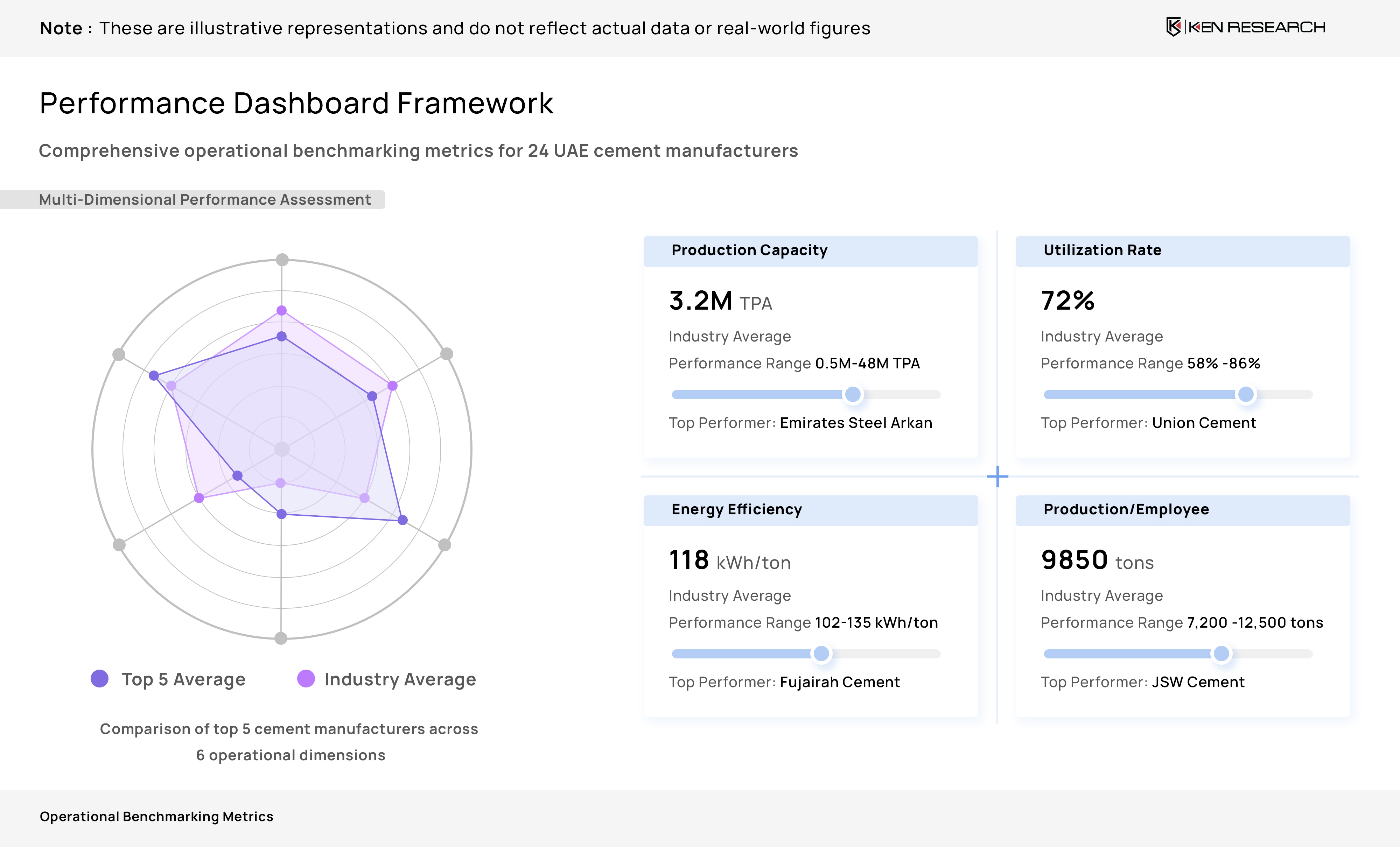
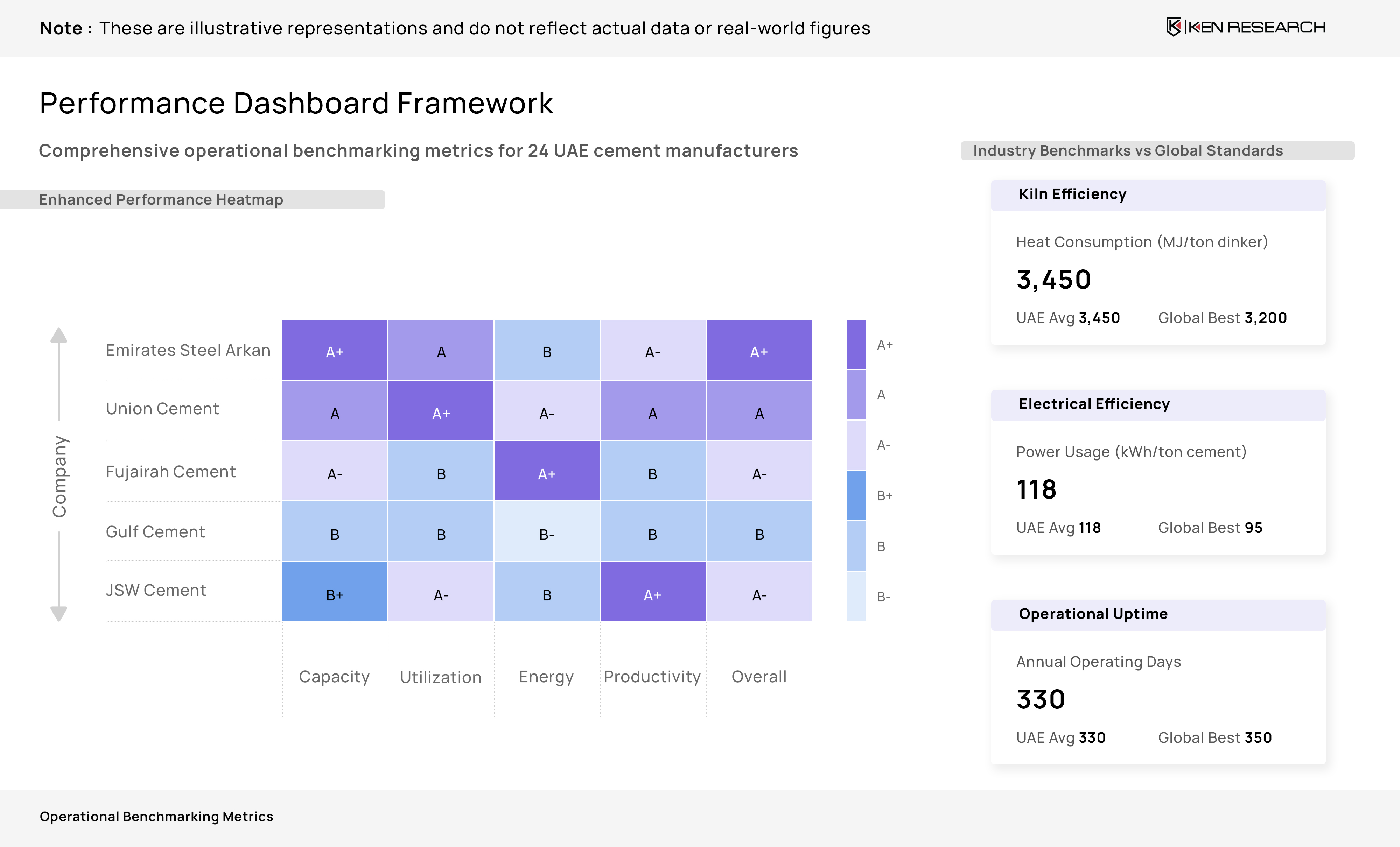
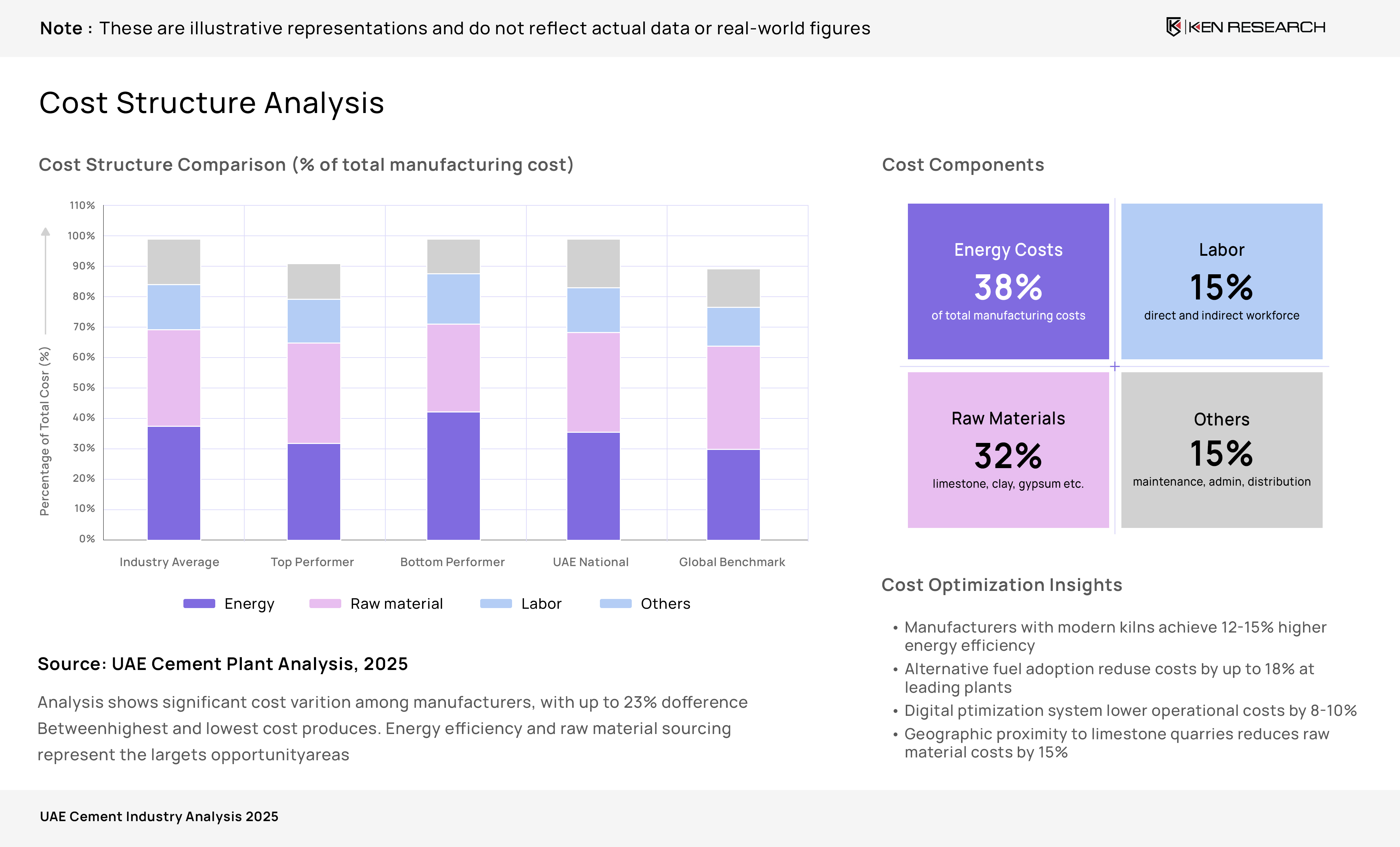
Get Customized ReportIn Myanmar mobile financial services, the most revenue-sensitive operating levers are pricing discipline, active user scale, agent and merchant network intensity, and transaction throughput, because these variables directly shape fee income, float-linked activity, and recurring payment behavior.
Players with stronger cash-in and cash-out access and wider payment acceptance are structurally better placed to convert registrations into active monetizable users, while smaller operators typically need sharper targeting or niche channel partnerships to sustain revenue productivity.
Core Financial Performance Metrics
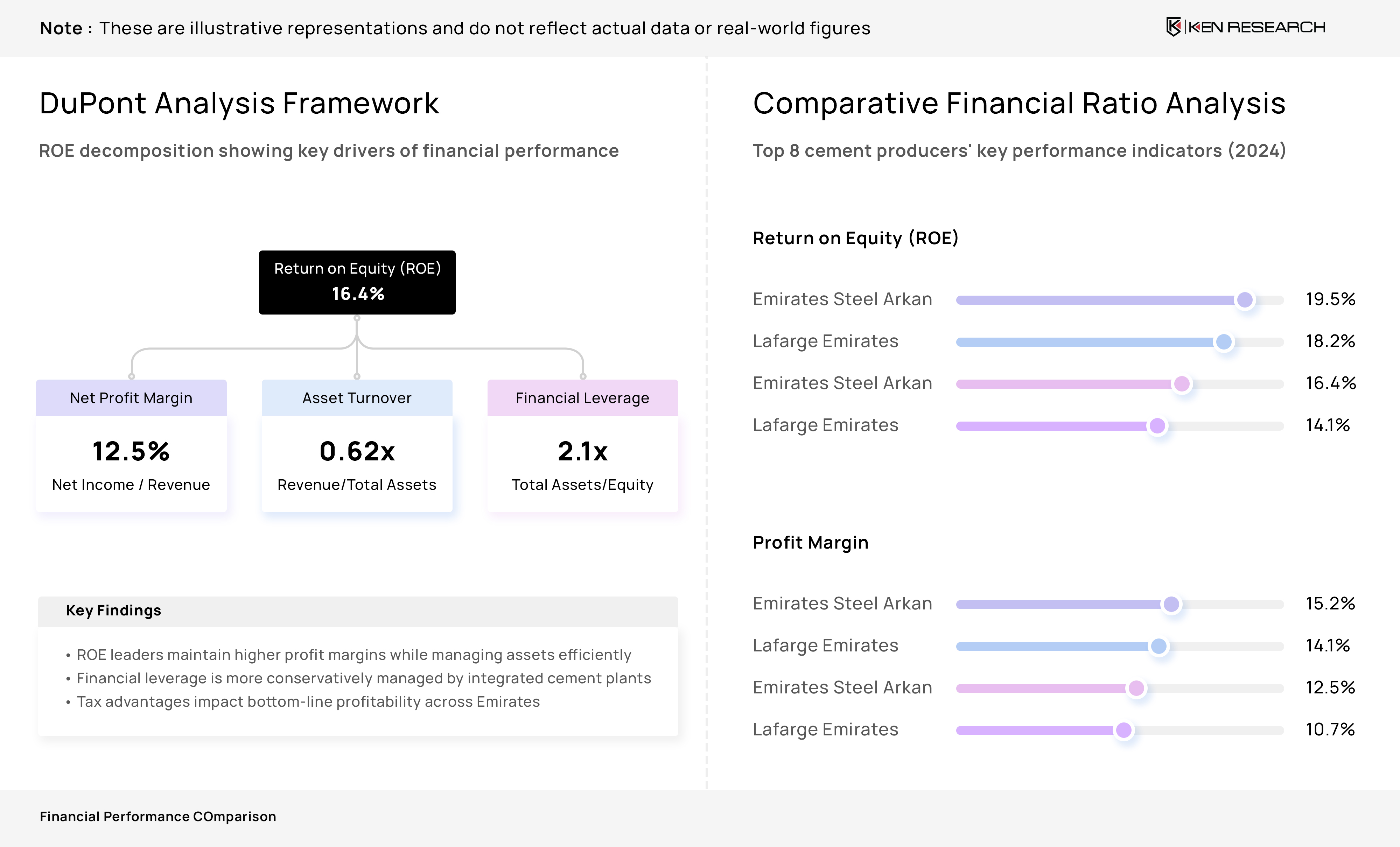
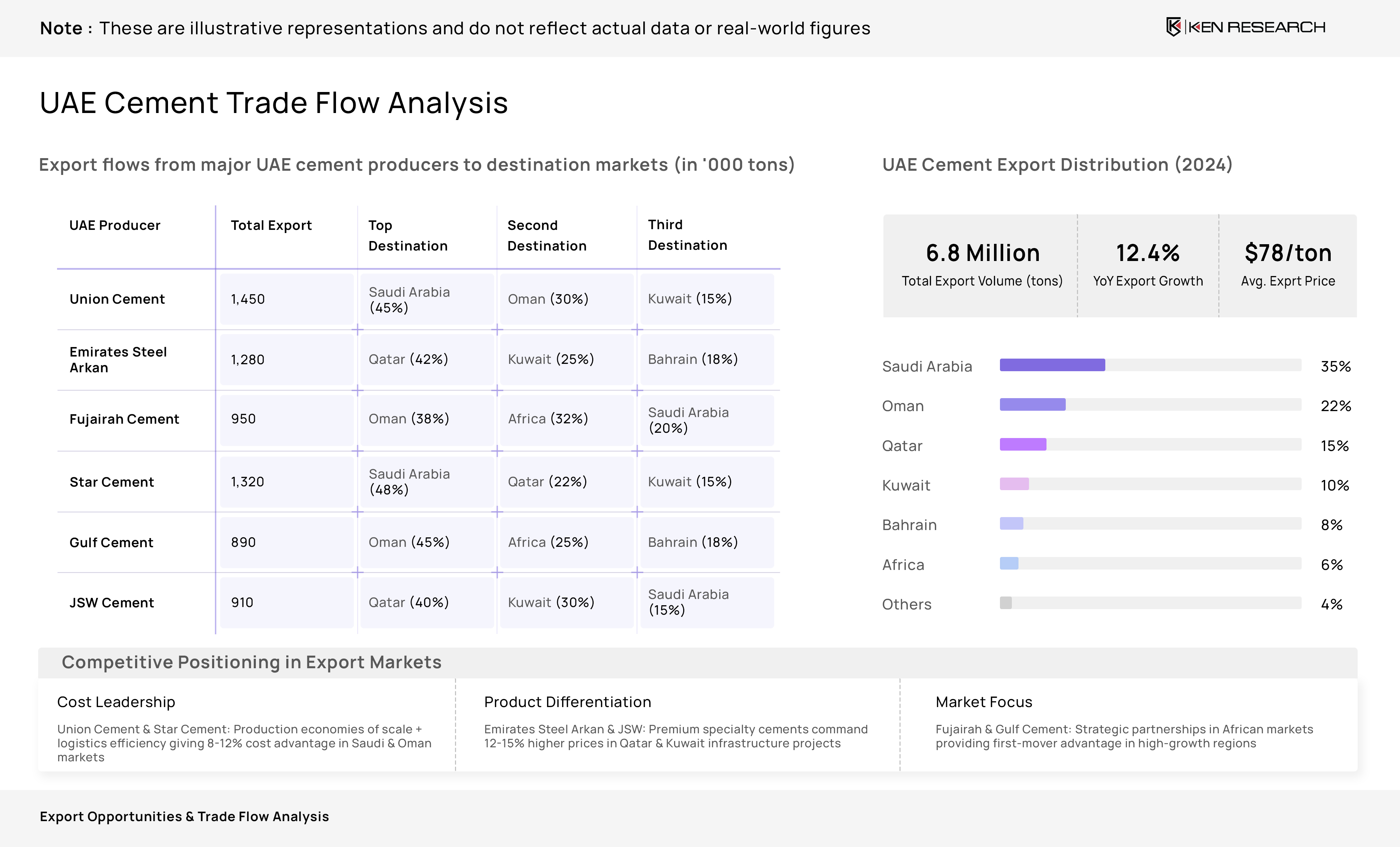
Financial benchmarking in this market should prioritize revenue growth quality alongside margin resilience, because customer acquisition, network servicing, compliance, technology spend, and agent economics can materially alter profitability even where transaction scale is expanding.
Comparing banks and non-bank operators on the same financial grid is valuable, but interpretation should reflect different business models, since some players monetize mainly through payment flows while others use mobile channels to deepen broader banking relationships.
Table of Contents
1. Ecosystem Matrix
1.1 Large Players
1.1.1 Wave Money
1.1.2 KBZ Bank Limited
1.1.3 Ayeyarwady Bank Public Company Limited
1.1.4 CB Bank PCL
1.1.5 TrueMoney Myanmar Co., Ltd.
1.1.6 Yoma Bank Limited
1.2 Medium Players
1.2.1 uab bank limited
1.2.2 Myanma Apex Bank Limited
1.2.3 AGD Bank Ltd
1.2.4 MPT Money Company Limited
1.2.5 Mytel Wallet International Myanmar Company Limited
1.2.6 Ooredoo Myanmar Fintech Limited
1.3 Small Players
1.3.1 Internet Wallet Myanmar Limited
1.3.2 Myanmar Citizens Bank Limited
1.3.3 Myanmar Oriental Bank Limited
2. Leading Player Profiles
2.1 Parameters
2.1.1 Company Name
2.1.2 Group Name
2.1.3 Headquarters
2.1.4 Established Year
2.1.5 Core Services
2.1.6 Mode of Functioning
3. Key Operational Performance Metrics
3.1 Parameters
3.1.1 Pricing / Fee per Transaction (USD)
3.1.2 Monthly Active Users (users)
3.1.3 Number of Registered Users (users)
3.1.4 Agent Network Size (agents)
3.1.5 Merchant Acceptance Network (merchants)
3.1.6 Transaction Volume (transactions/month)
3.1.7 Gross Transaction Value (USD Mn)
3.1.8 Average Revenue per Active User (USD/user)
3.1.9 Average Transactions per Active User (transactions/user)
3.1.10 Cash-In / Cash-Out Conversion Rate (%)
4. Core Financial Performance Metrics
4.1 Parameters
4.1.1 Revenue (USD Mn)
4.1.2 Revenue Growth (%)
4.1.3 COGS (USD Mn)
4.1.4 COGS Growth (%)
4.1.5 EBITDA (USD Mn)
4.1.6 EBITDA Growth (%)
4.1.7 EBITDA Margin (%)
4.1.8 PAT (USD Mn)
4.1.9 PAT Margin (%)
5. Methodology
5.1 Approach
5.1.1 Desk Sources
5.1.2 Primary Interviews
5.1.3 Sanity Checking & Validation
5.2 Benchmarking Process
5.2.1 Data Collection
5.2.2 Primary Validation
5.2.3 Proxy KPI Modelling
5.2.4 Normalization & Indexing
5.2.5 Gap Analysis
5.2.6 Peer Review
5.3 Sample Composition
5.3.1 Scope Items
5.3.2 Sample Size
5.3.3 Target Respondents
Methodology
Ken Research will deploy its proprietary, multi layered research framework, combining robust secondary research, targeted primary outreach, and rigorous data validation, to deliver an authoritative competitive landscape analysis of the Myanmar Mobile Financial Services Market.
Desk Sources
- Industry reports from proprietary databases and Ken Research archives
- Company annual reports and investor presentations
- Government and regulatory publications, including central bank notifications and licensed entity disclosures
- Trade magazines, journals, and e-articles covering fintech, payments, banking, and telecom-led finance
- Financial databases such as Bloomberg and Capital IQ
- Web traffic and app usage dashboards such as SimilarWeb and App Annie / data.ai
- Official company websites, app store listings, merchant onboarding pages, and digital payment platform updates
Primary Interviews
- CATIs and online surveys with key stakeholders
- Product heads, digital banking leaders, and mobile wallet business heads at leading players
- Senior sales and marketing leads at key wallet, banking, and payment firms
- Agents, aggregators, merchants, distributors, and channel partners involved in digital payments enablement
- Industry analysts and consultants tracking fintech, digital finance, and financial inclusion trends
- Technology and service providers for app analytics, merchant acceptance, payment infrastructure, and digital metrics
Sanity Checking and Validation
- Triangulation to cross-verify estimates from secondary data, primary inputs, and proxy model outputs
- Proxy KPI synthesis using related KPIs such as registered users, monthly active users, agent network scale, merchant acceptance network, app traffic, transaction frequency, and gross transaction value to approximate revenues and competitive standing
- Outlier analysis to identify and reconcile anomalous data points through follow-up discussions
- Assumption tracking with a clear log of benchmarking assumptions, limitations, and proxy KPI sources
- Peer review through internal expert validation of methodology, models, and key outputs before finalization
An Inside Look At Our Custom Insights
Take a look at ourcustomized insights, tailored to yourmarket and business needs. Our benchmarking reports deliver data-driven comparisons of key players, helping you uncover opportunities, assess performance, and make confident strategic decisions.