Myanmar Poultry Producers Market
Published on: November 2025
Report Overview
Myanmar Poultry Producers Market
Market Highlights
The Myanmar poultry producers market is shaped by a combination of emerging integrated companies, expanding mid-sized commercial farms, and a large base of smallholder producers operating across fragmented supply chains. Larger players drive structured production and improved quality control, while smaller operators rely heavily on local networks, informal distribution, and price-driven competitiveness.
Competitiveness in Myanmar is influenced by gradual adoption of modern production technologies alongside strong adaptation to local market realities. Producers increasingly integrate improved hatchery systems, enhanced feed management, and basic biosecurity protocols while tailoring product varieties, pack sizes, and pricing to address consumer demand centered on affordability, freshness, and traditional purchasing behaviour.
Distribution channels remain diverse, with strong dependence on wet markets, regional wholesalers, small retailers, and local foodservice operators. Producers with more reliable cold-chain access, consistent supply schedules, and better contractual stability maintain stronger buyer relationships, allowing them to navigate infrastructure limitations and fluctuating demand across urban and peri-urban regions.
Strategic priorities across the sector revolve around disease-risk management, productivity enhancement, and gradual modernization. Companies focus on improving feed efficiency, upgrading farm management practices, and strengthening biosecurity to reduce supply disruptions. These initiatives support improved operational resilience and competitive differentiation in a market undergoing steady transition from traditional practices to more structured poultry production systems.
Ecosystem Matrix
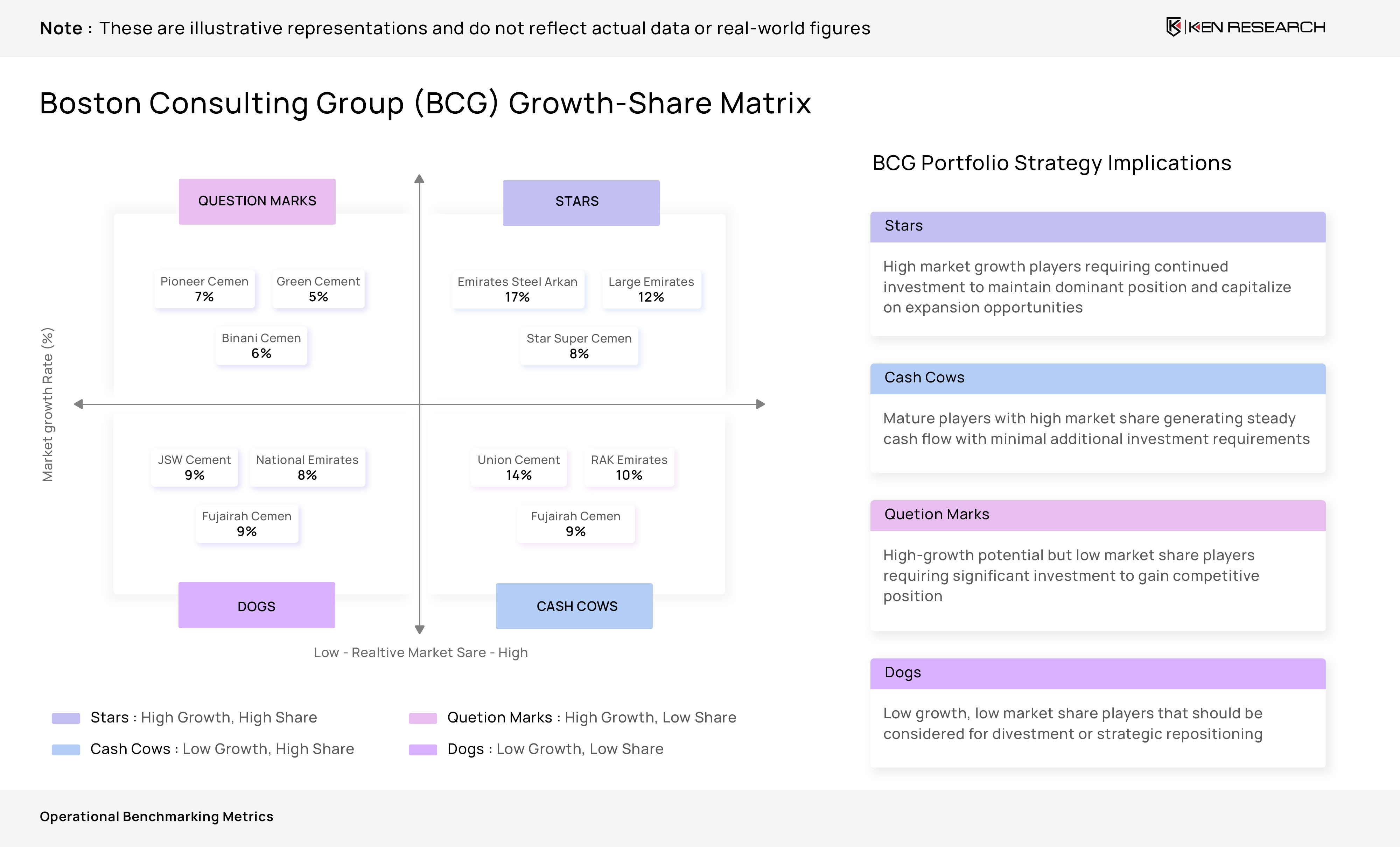
Myanmar’s poultry industry is heavily consolidated at the top by integrated agribusiness groups, ensuring dominance in feed, broiler, and distribution, while medium players capture regional networks and niche demand across urban and peri-urban zones.
Smaller operators maintain a fragmented presence, often focusing on traditional live bird supply and localized hatchery operations, highlighting the diverse structural makeup of Myanmar’s poultry ecosystem.
Leading Player Profiles
Company Profiles Overview
Large international-backed firms have introduced integrated models, modern feed practices, and biosecurity standards, reshaping Myanmar’s poultry value chain and setting benchmarks for efficiency.
Local and regional players continue to anchor live bird sales, sustaining traditional channels but facing competitive pressure to modernize and scale operations.
Key Operational Performance Metrics
Company Performance Overview
Unlock Market Insights
Dive deeper into production, distribution, and pricing intelligence.
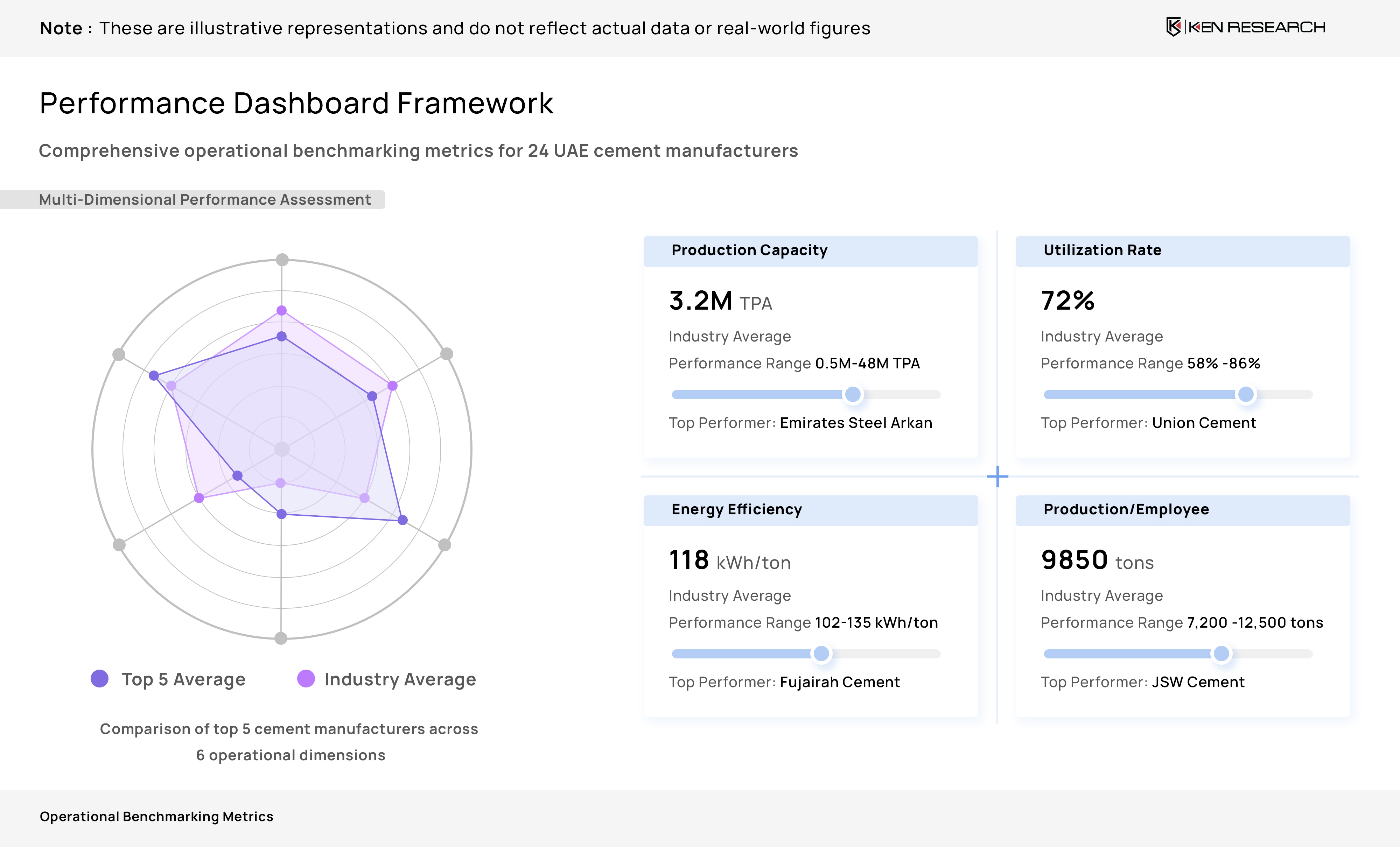
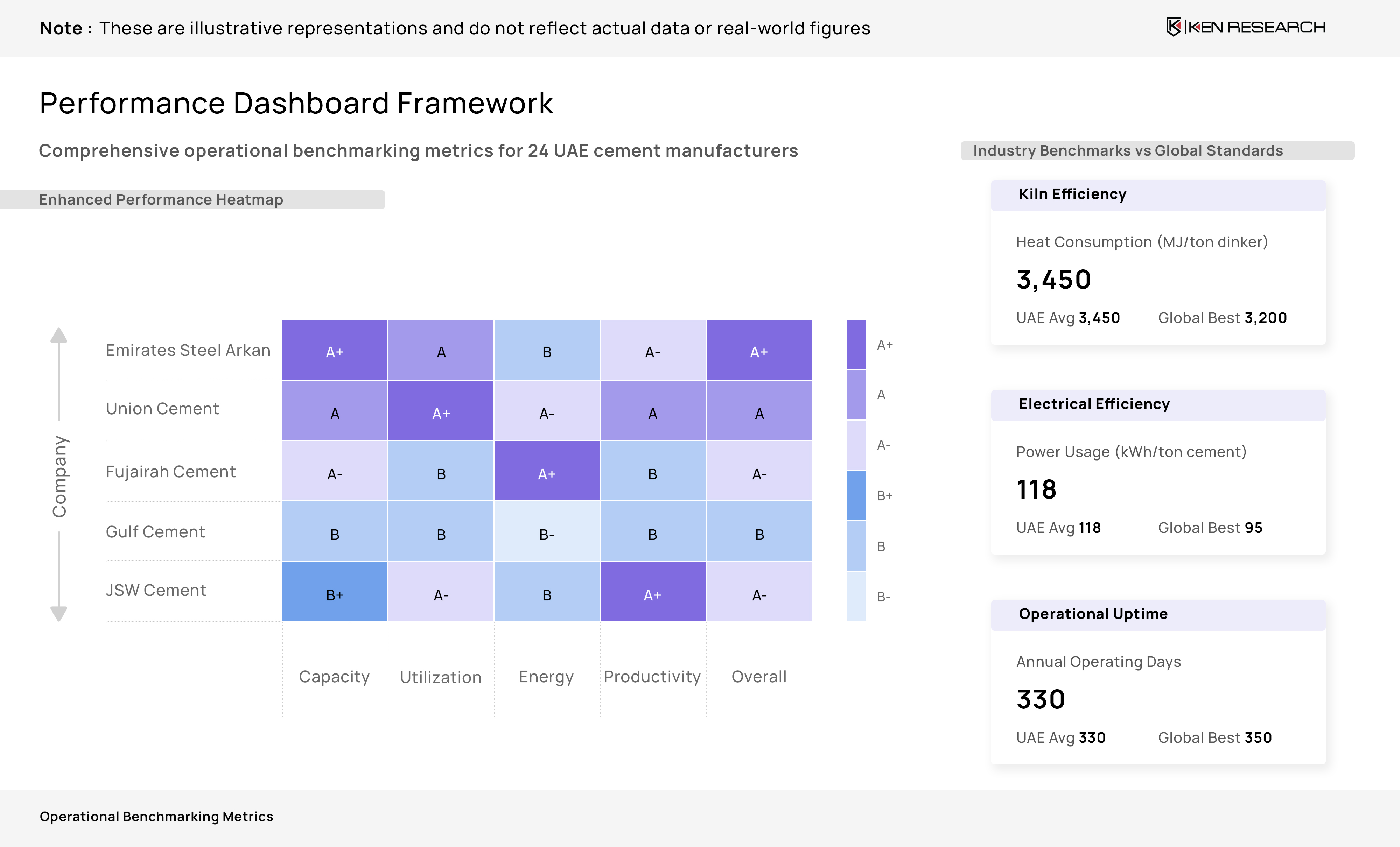
Get Customized ReportMyanmar’s poultry players demonstrate distinct operational scales, with integrated groups leveraging feedmills and processing units, while local players remain reliant on small-scale farms and live sales.
Pricing remains a crucial differentiator, with multinational-backed firms stabilizing supply chains and smaller firms adapting through localized flexibility.
Core Financial Performance Metrics
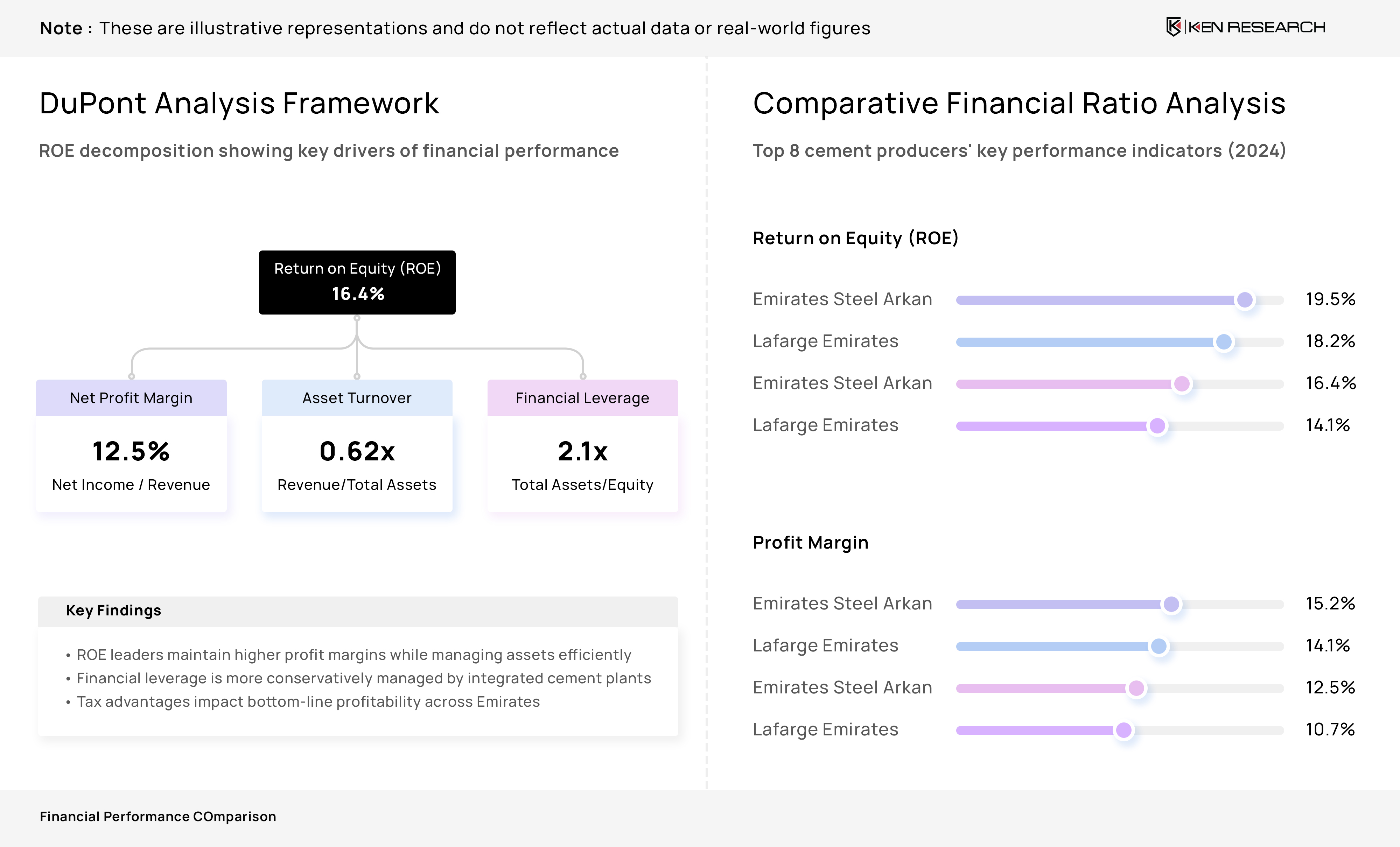
The financial performance spectrum highlights multinational-backed firms’ ability to generate higher margins and efficiency compared to local players, where cost structures remain more vulnerable.
Smaller domestic firms exhibit tighter margins and profitability challenges, often tied to volatile input costs and demand fluctuations.
Table of Contents
1. Ecosystem Matrix
1.1 Large Players
1.1.1 Myanmar CP Livestock
1.1.2 New Hope Myanmar
1.1.3 JAPFA Comfeed Myanmar
1.1.4 Diamond Star Agro
1.1.5 Kazi Farms Myanmar
1.1.6 Shwe Taung Poultry
1.2 Medium Players
1.2.1 Myanma Agrovet
1.2.2 Shwe Htee Poultry
1.2.3 Golden Lake Poultry
1.2.4 Myanmar Nice Foods
1.2.5 Excellent Choice Poultry
1.2.6 Win Agro Tech
1.3 Small Players
1.3.1 Green Land Poultry
1.3.2 Royal Chicken Myanmar
1.3.3 Lucky Star Poultry
1.3.4 Ayeyarwady Poultry
1.3.5 Future Agro Myanmar
1.3.6 United Aung Poultry
2. Leading Player Profiles
2.1 Company Name
2.2 Group Name
2.3 Headquarters
2.4 Established Year
2.5 Core Business
2.6 Mode of Functioning
3. Key Operational Performance Metrics
3.1 No. of Farms (Units)
3.2 Production Capacity (MT)
3.3 Processing Plants (Units)
3.4 Feedmill Capacity (MT)
3.5 Distribution Coverage (Regions/Provinces)
3.6 Export Share (%)
3.7 Pricing (USD Mn)
3.8 Product Range (Types/Variants)
4. Core Financial Performance Metrics
4.1 Parameters
4.1.1 Revenue (USD Mn)
4.1.2 Revenue Growth (%)
4.1.3 COGS (USD Mn)
4.1.4 COGS Growth (%)
4.1.5 EBITDA (USD Mn)
4.1.6 EBITDA Growth (%)
4.1.7 EBITDA Margin (%)
4.1.8 PAT (USD Mn)
4.1.9 PAT Margin (%)
5. Methodology
5.1 Approach
5.1.1 Desk Sources
5.1.2 Primary Interviews
5.1.3 Sanity Checking & Validation
5.2 Benchmarking Process
5.2.1 Data Collection
5.2.2 Primary Validation
5.2.3 Proxy KPI Modelling
5.2.4 Normalization & Indexing
5.2.5 Gap Analysis
5.2.6 Peer Review
5.3 Sample Composition
5.3.1 Scope Items
5.3.2 Sample Size
5.3.3 Target Respondents
Methodology
Ken Research will deploy its proprietary, multi layered research framework combining robust secondary research, targeted primary outreach, and rigorous data validation to deliver an authoritative competitive landscape analysis of the market.
Desk Sources
- Industry reports (Proprietary databases, Ken Research archives)
- Company annual reports & investor presentations
- Government & trade association publications
- Trade magazines, journals, and e-articles
- Financial databases (Bloomberg, Capital IQ)
Primary Interviews
- CATIs and online surveys with key stakeholders
- Category managers / R&D heads of poultry producers
- Senior sales and marketing leads at leading players
- Distributors and channel partners
- Industry analysts and consultants
Sanity Checking and Validation
- Triangulation: Cross-verify estimates from secondary data, primary inputs, and proxy model outputs
- Proxy KPI synthesis: Use KPIs such as installed base, hatchery volumes, web traffic, and outlet counts to approximate revenues or capacities
- Outlier analysis: Reconcile anomalous data points via follow-up discussions
- Assumption tracking: Maintain a log of benchmarking assumptions with notes on limitations and proxy KPI sources
- Peer review: Internal expert review of methodology, models, and key outputs
An Inside Look At Our Custom Insights
Take a look at ourcustomized insights, tailored to yourmarket and business needs. Our benchmarking reports deliver data-driven comparisons of key players, helping you uncover opportunities, assess performance, and make confident strategic decisions.