Myanmar Retail Banking Market
Published on: March 2026
Report Overview
Myanmar Retail BankingMarket Overview
Market Highlights
Myanmar Retail Banking Market is characterized by a competitive structure in which a few large domestic private banks command the strongest presence through broader branch networks, more The diversified product portfolios, and greater visibility in digital banking, while mid-sized and smaller institutions participate through narrower service focus, more selective geographic reach, and specialized customer positioning. Competition is shaped not by international dominance but by the interaction of established domestic banks that differ in scale, operating flexibility, and institutional heritage. Larger players tend to compete on breadth, convenience, and service integration, whereas smaller banks often look for relevance through tighter customer targeting, more relationship-driven banking, or sector-linked propositions that allow them to defend a place in a concentrated market.
A defining feature of the market is the way modern banking capability is increasingly being blended with local adaptation. Banks are not simply replicating standardized retail models. Instead, they are shaping products, customer journeys, and channel strategies around local trust dynamics, physical accessibility, service familiarity, and the pace of digital adoption among retail and SME users. In practice, this means digital banking innovation is becoming more relevant, but it still works best when reinforced by established branch presence, recognizable service touchpoints, and products adapted to domestic consumer and business behavior. That combination allows banks to bridge convenience with confidence, which remains critical in market development and customer retention.
The distribution and aftersales ecosystem remains central to competitive performance. Branch access, service responsiveness, customer complaint handling, onboarding quality, and the reliability of transaction support all play a direct role in adoption and loyalty. In a retail banking environment where trust and continuity matter deeply, a bank’s ability to remain accessible across the customer lifecycle can be as important as product pricing or promotional strength. This gives larger institutions an advantage where they can combine physical infrastructure with digital functionality, but it also leaves room for smaller banks to differentiate through service intimacy, faster resolution, and more focused relationship management.
Across player tiers, competitive edge is increasingly tied to operational discipline. Banks that manage deposit acquisition efficiently, sustain lending quality, expand transaction-led income, and integrate digital channels without weakening service consistency are better positioned to strengthen their market standing. Cost management, product cross-sell, customer productivity, and channel efficiency are becoming more important markers of competitive fitness, especially in a market where scale alone does not automatically translate into superior profitability. Strategic agility now comes from knowing where to expand, which customer pools to prioritize, and how to balance growth with operational resilience.
Looking ahead, the competitive trajectory of the Myanmar Retail Banking Market will continue to be shaped by the interplay of innovation, localization, and execution strength. Players that can align digital capability with trusted service delivery, adapt product design to domestic realities, and scale efficiently across revenue-driving touchpoints are likely to remain ahead. The market will reward institutions that combine structural reach with customer relevance, making long-term leadership less about presence alone and more about the ability to translate operational depth into durable retail banking relationships.
Ecosystem Matrix
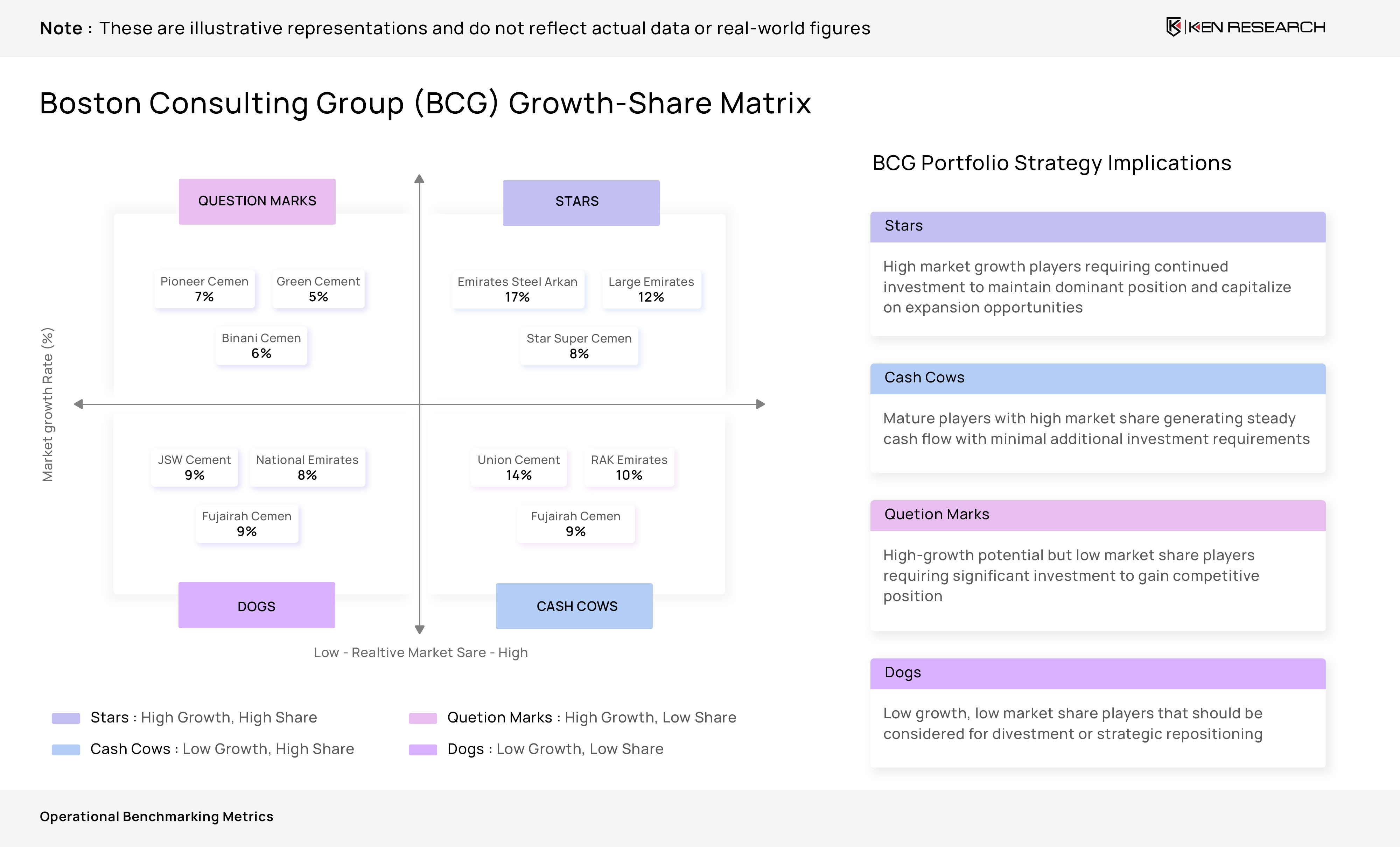
The Myanmar retail banking market remains highly concentrated around a limited set of scaled domestic banks with broader reach, stronger deposit franchises, and better channel access, while mid-sized and smaller institutions compete through selective customer focus, narrower footprint, or more specialized lending and relationship models.
Competitive positioning in this market is driven less by the number of licensed institutions and more by balance-sheet depth, branch access, digital banking adoption, and the ability to convert retail customers into recurring transaction, lending, and fee-income relationships across urban and semi-urban banking corridors.
Leading Player Profiles
Company Profile Overview
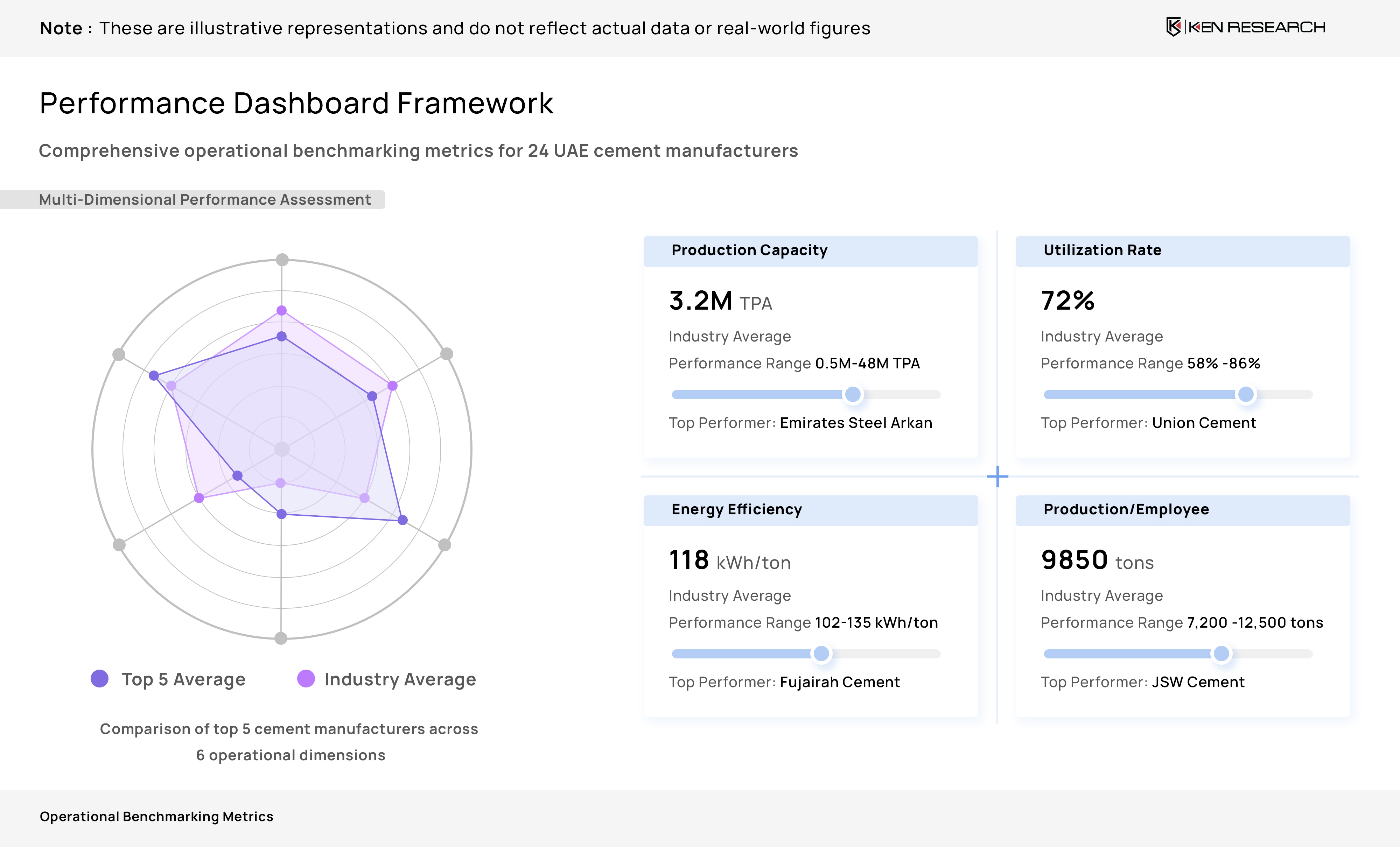
The leading player landscape reflects a market dominated by large domestic universal banks that combine branch density with growing digital capability, while smaller and specialized institutions remain more concentrated in niche lending, regional access, public-linked banking roles, or sector-focused customer acquisition strategies.
From a benchmarking lens, the most meaningful differences among banks are visible in service breadth, retail franchise depth, digital readiness, and specialization, since these factors shape their ability to mobilize low-cost deposits, expand loan books, improve fee monetization, and defend customer loyalty over time.
Key Operational Performance Metrics
Company Performance Overview
Unlock Market Insights
Dive deeper into production, distribution, and pricing intelligence.
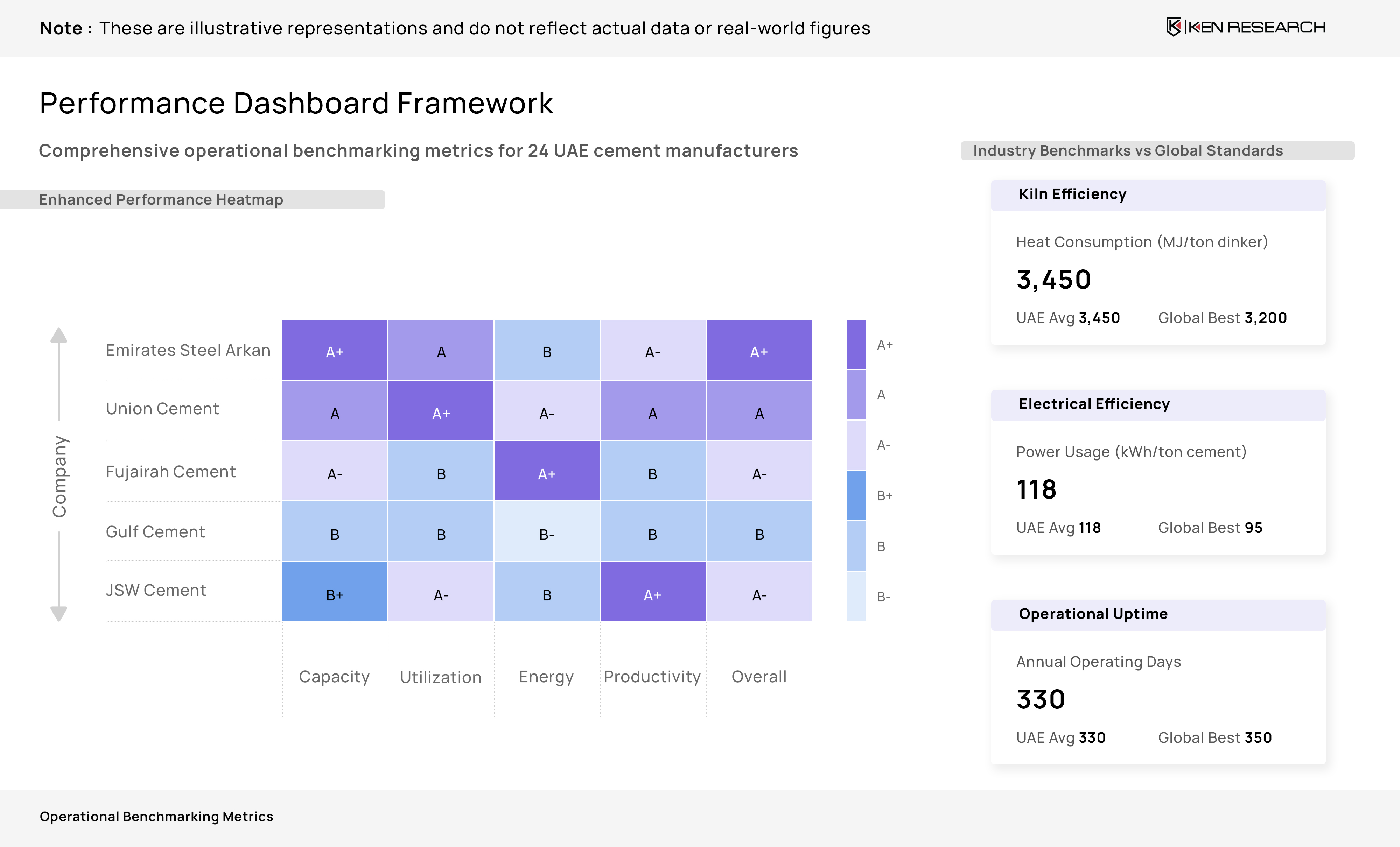
Get Customized ReportIn Myanmar retail banking, the revenue engine is primarily linked to pricing, deposit mobilization, loan book expansion, interest spread management, fee capture, and transaction intensity, while cross-sell productivity and branch-level output determine how effectively scale is converted into sustainable earnings.
Banks with stronger digital transaction migration and broader customer wallet share are better positioned to improve fee pools and retention economics, whereas smaller or specialized institutions are more likely to rely on targeted lending pockets, regional relationships, or narrower customer segments for revenue protection.
Core Financial Performance Metrics
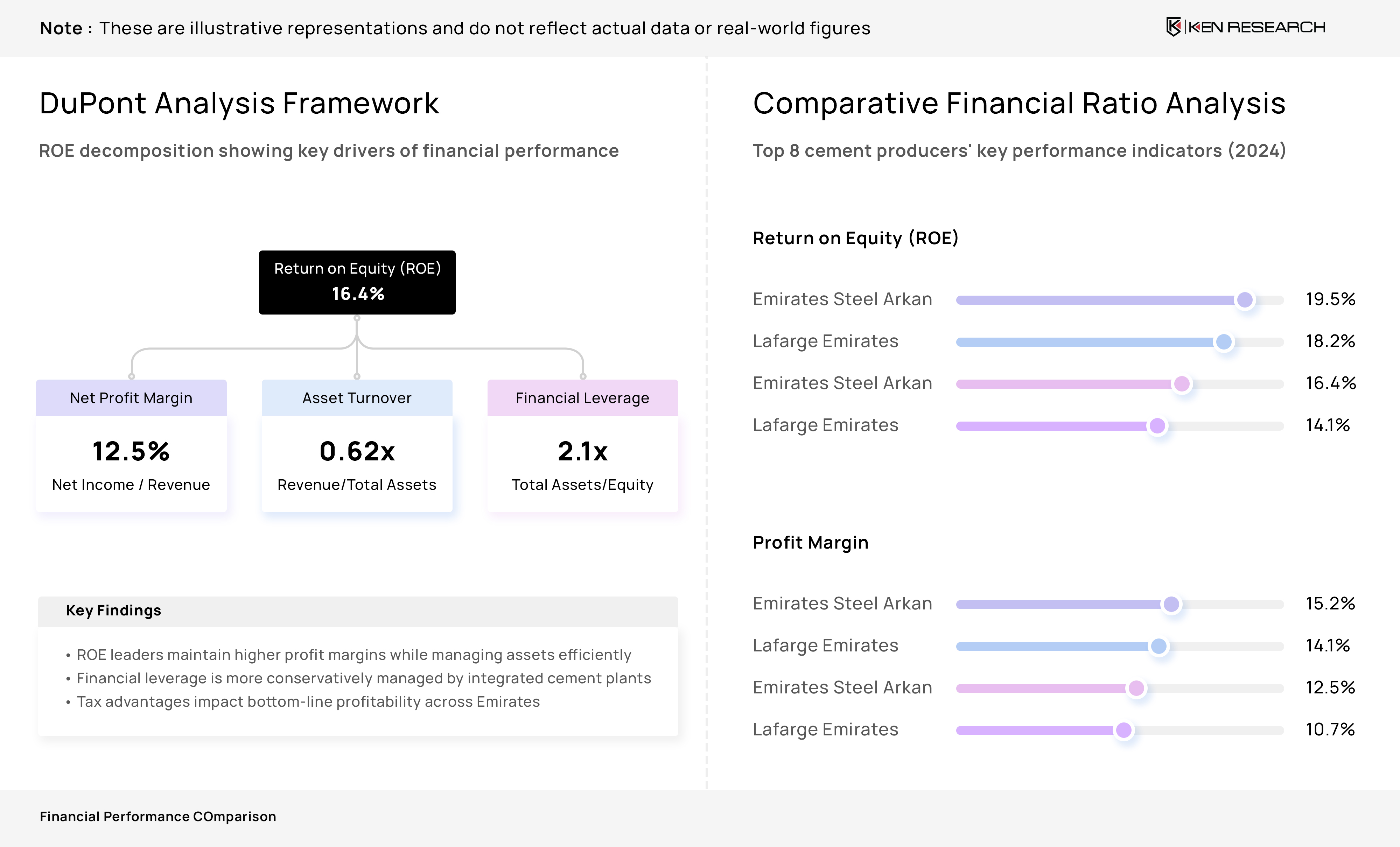
Core financial benchmarking in Myanmar retail banking should focus on how well each player turns franchise scale, deposit depth, and lending breadth into profitable growth, with revenue trajectory, EBITDA conversion, and PAT resilience acting as the clearest indicators of structural competitive strength.
This comparison becomes especially relevant in a market where banks may appear similar in service breadth but differ materially in operating efficiency, balance-sheet quality, cost discipline, and channel productivity, all of which influence long-term sustainability and relative market leadership.
Table of Contents
1. Ecosystem Matrix
1.1 Large Players
1.1.1 KBZ Bank Ltd.
1.1.2 CB Bank PCL
1.1.3 Ayeyarwady Bank Public Company Limited
1.1.4 Yoma Bank Ltd.
1.1.5 uab bank PCL
1.1.6 Myanma Apex Bank Ltd.
1.2 Medium Players
1.2.1 Myawaddy Bank Ltd.
1.2.2 Global Treasure Bank Public Company Limited
1.2.3 Innwa Bank Ltd.
1.2.4 Myanmar Citizens Bank Ltd.
1.2.5 Ayeyarwady Farmers Development Bank PCL
1.3 Small Players
1.3.1 Myanmar Oriental Bank Ltd.
1.3.2 Tun Commercial Bank Ltd.
1.3.3 Small and Medium Industrial Development Bank
1.3.4 Construction, Housing and Infrastructure Development Bank
2. Leading Player Profiles
2.1 Parameters
2.1.1 Company Name
2.1.2 Group Name
2.1.3 Headquarters
2.1.4 Established Year
2.1.5 Core Services
2.1.6 Mode of Functioning
3. Key Operational Performance Metrics
3.1 Parameters
3.1.1 Pricing (USD Mn)
3.1.2 Deposit Growth (%)
3.1.3 Average Deposit Balance per Customer (USD)
3.1.4 Active Retail Customers (No.)
3.1.5 Loan Book Growth (%)
3.1.6 Net Interest Spread (%)
3.1.7 Fee Income per Customer (USD)
3.1.8 Digital Transaction Volume (No.)
3.1.9 Cross-Sell Ratio (products/customer)
3.1.10 Branch Productivity (USD revenue/branch)
4. Core Financial Performance Metrics
4.1 Parameters
4.1.1 Revenue (USD Mn)
4.1.2 Revenue Growth (%)
4.1.3 COGS (USD Mn)
4.1.4 COGS Growth (%)
4.1.5 EBITDA (USD Mn)
4.1.6 EBITDA Growth (%)
4.1.7 EBITDA Margin (%)
4.1.8 PAT (USD Mn)
4.1.9 PAT Margin (%)
5. Methodology
5.1 Approach
5.1.1 Desk Sources
5.1.2 Primary Interviews
5.1.3 Sanity Checking & Validation
5.2 Benchmarking Process
5.2.1 Data Collection
5.2.2 Primary Validation
5.2.3 Proxy KPI Modelling
5.2.4 Normalization & Indexing
5.2.5 Gap Analysis
5.2.6 Peer Review
5.3 Sample Composition
5.3.1 Scope Items
5.3.2 Sample Size
5.3.3 Target Respondents
Methodology
Ken Research will deploy its proprietary, multi layered research framework, combining robust secondary research, targeted primary outreach, and rigorous data validation, to deliver an authoritative competitive landscape analysis of the Myanmar Retail Banking Market.
Desk Sources
- Industry reports from proprietary databases and Ken Research archives
- Company annual reports and investor presentations
- Central Bank of Myanmar publications and licensed bank lists
- Government and trade association publications
- Trade magazines, journals, and e-articles
- Financial databases such as Bloomberg and Capital IQ
- App usage, digital banking, and channel activity references from public digital sources and platform disclosures
Primary Interviews
- CATIs and online surveys with key stakeholders
- Senior retail banking, branch banking, and deposit product heads at leading banks
- Senior sales, distribution, and customer acquisition leads
- Channel partners and merchant ecosystem participants
- Industry analysts and consultants
- Technology and service providers supporting digital banking, payments, and customer engagement infrastructure
Sanity Checking and Validation
- Triangulation to cross-verify estimates from secondary data, primary inputs, and proxy model outputs
- Proxy KPI synthesis using related KPIs such as branch count, active customers, digital transaction intensity, deposit base indicators, loan portfolio orientation, and service breadth to approximate scale and revenue potential
- Outlier analysis to identify and reconcile anomalous data points through follow-up discussions
- Assumption tracking with a clear log of benchmarking assumptions, limitations, and proxy KPI sources
- Peer review through internal expert validation of methodology, models, and key outputs before finalization
An Inside Look At Our Custom Insights
Take a look at ourcustomized insights, tailored to yourmarket and business needs. Our benchmarking reports deliver data-driven comparisons of key players, helping you uncover opportunities, assess performance, and make confident strategic decisions.