Oman Automotive Aftermarket Parts Market
Published on: February 2026
Report Overview
Oman Automotive Aftermarket Overview
Market Highlights
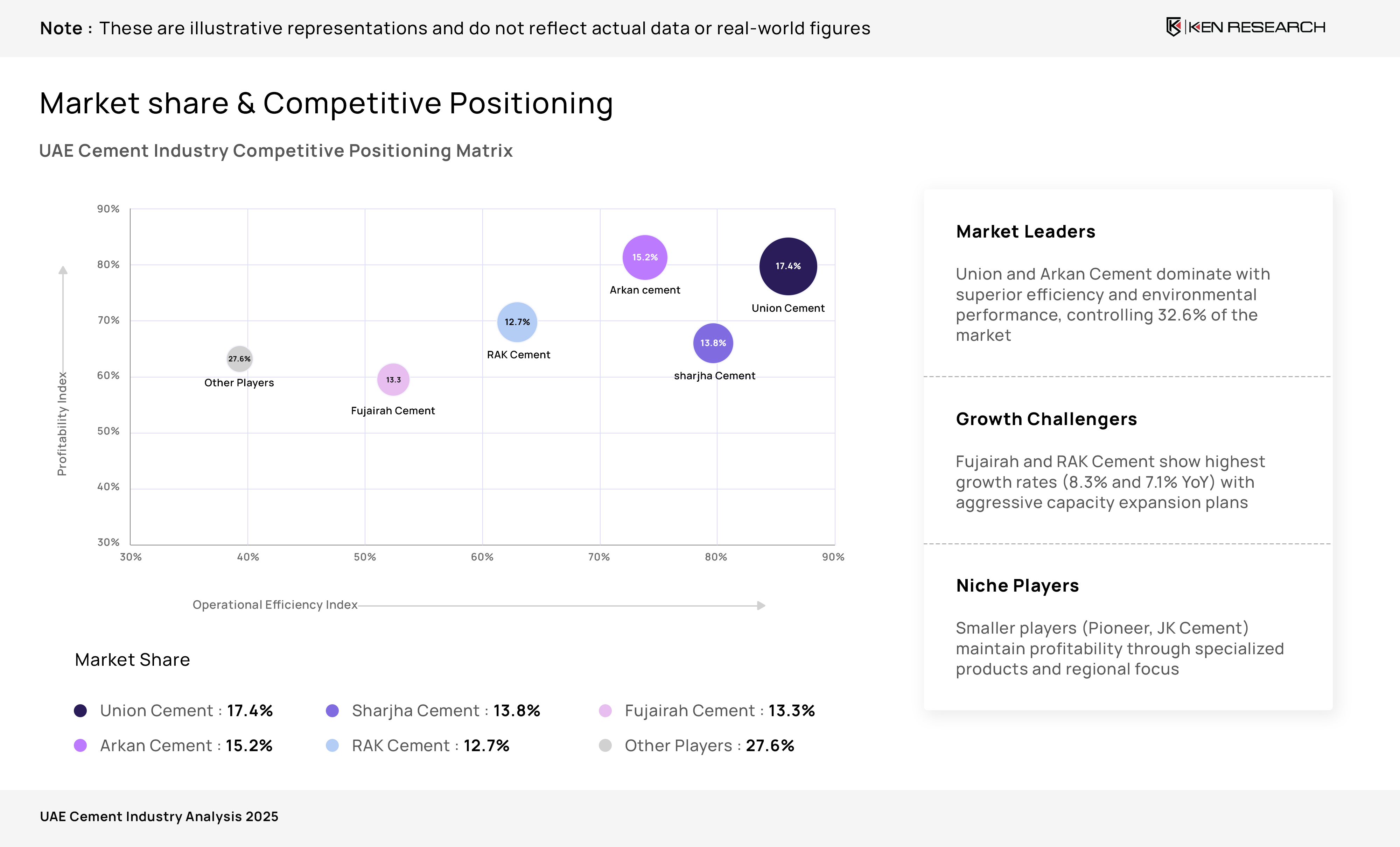
The Oman automotive aftermarket parts market reflects a consolidated competitive structure, led by large dealer-driven automotive groups alongside specialized distributors and agile local players. Leadership is anchored in integrated sales, service, and parts capabilities, while mid-sized and smaller firms compete through specialization, speed, and alignment with the country’s vehicle parc profile.
Global aftersales practices are increasingly localized, with players adapting inventory strategies, pricing models, and service offerings to Oman’s operating conditions and customer usage patterns. The strength of distribution and aftersales networks remains a critical differentiator, as branch reach, service accessibility, and logistics efficiency directly influence customer loyalty and repeat demand.
Operational efficiency and procurement discipline define competitive advantage across tiers. Large players leverage scale to optimize costs and margins, while smaller operators rely on responsiveness and niche focus. Overall, sustained competitiveness is driven by the balance between scale, localization, and strategic agility.
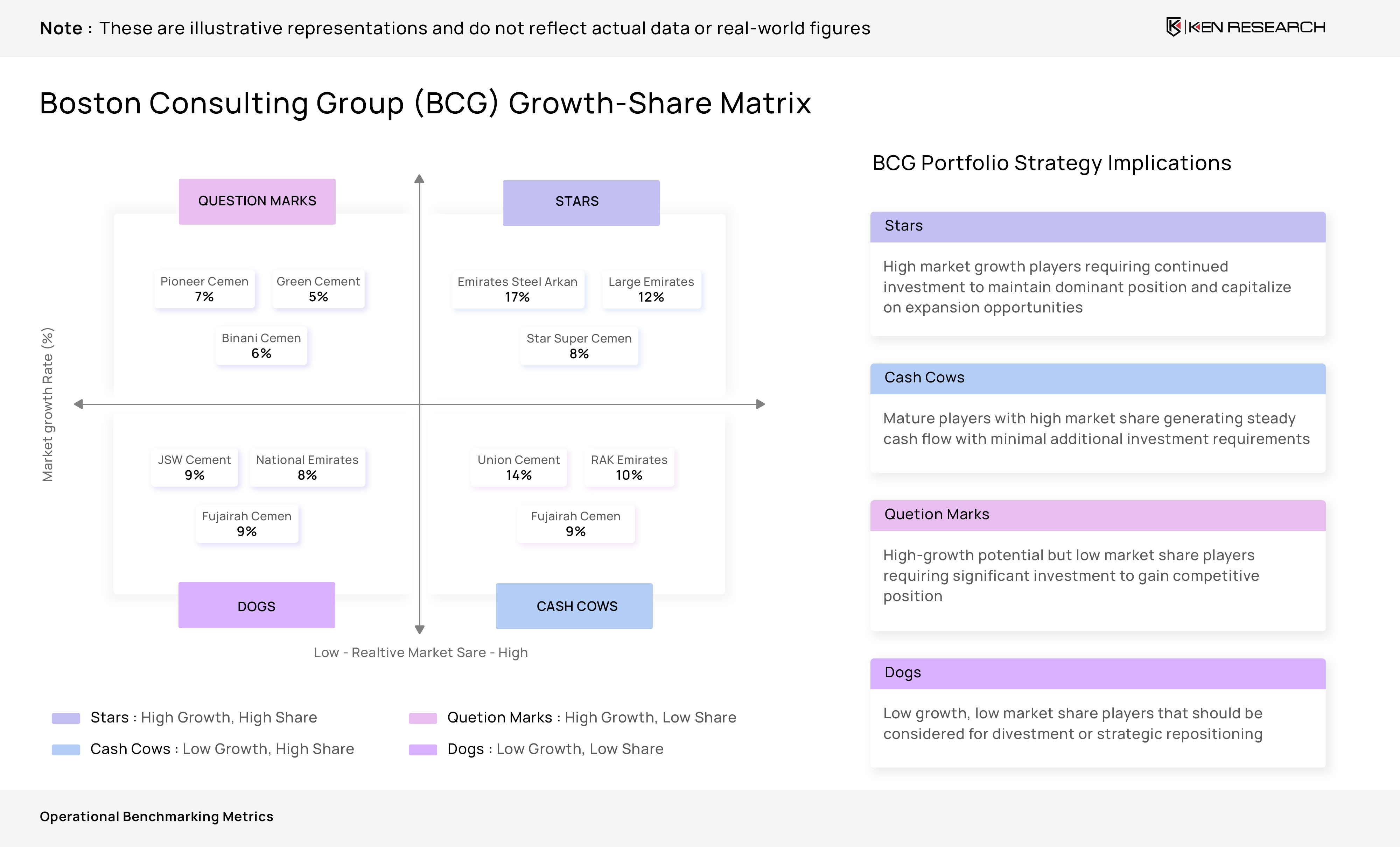
Ecosystem Matrix
Oman’s aftermarket is consolidating around multi-branch players that control parts availability, service throughput, and B2B workshop relationships. Large groups strengthen share through dealership-grade aftersales, faster fulfillment, and stronger supplier terms across high-velocity SKUs.
Competitive intensity is highest where players overlap on Japanese and Korean vehicle parc demand. Differentiation increasingly comes from parts breadth, guaranteed fitment, service turnaround time, and price discipline, rather than pure geographic presence alone.
Leading Player Profiles
Company Profile Overview
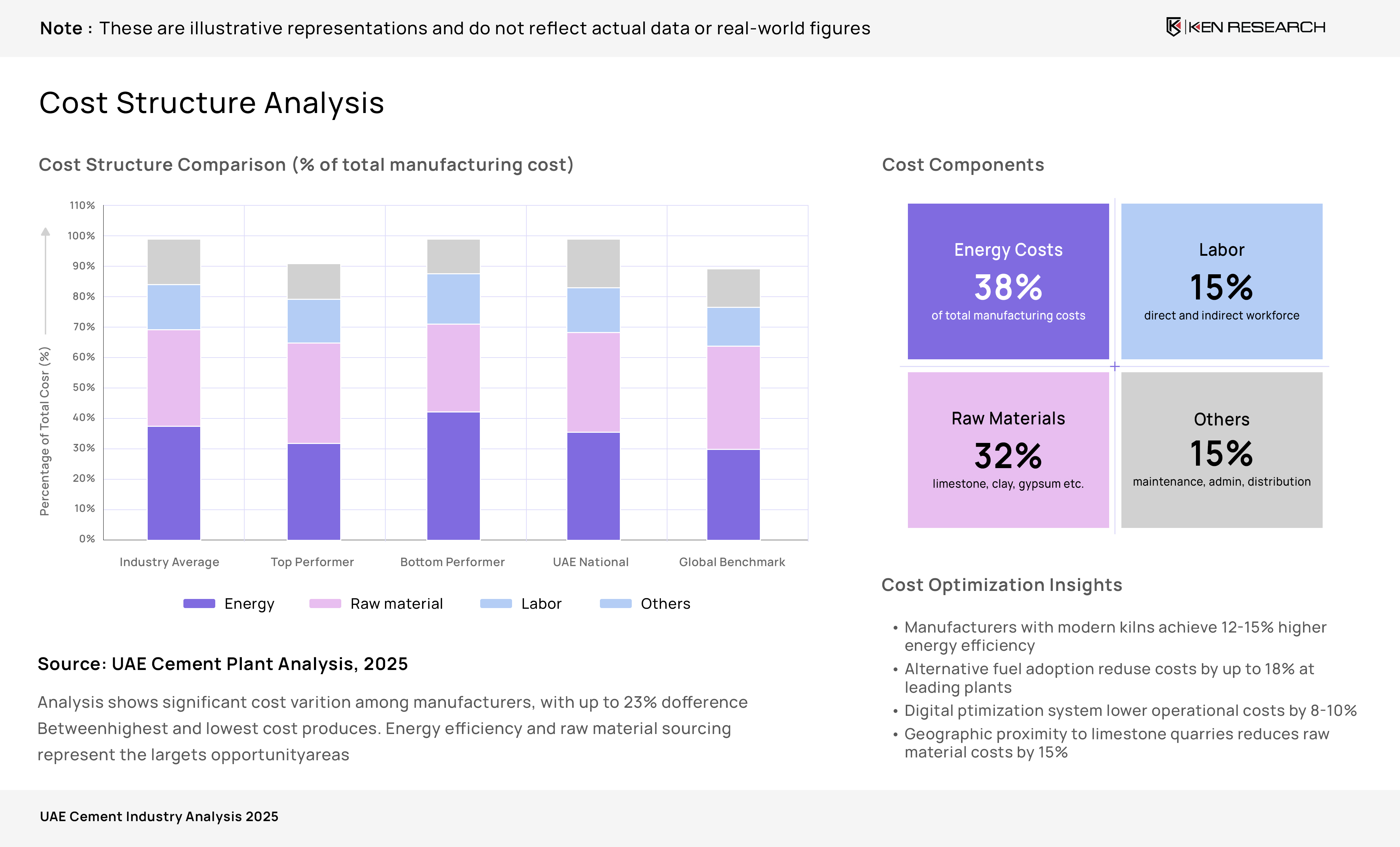
The ecosystem shows a clear split between dealership-led aftersales players and independent parts specialists. Dealer groups win where warranty-grade service, genuine parts, and nationwide workshop coverage matter, especially for high-value repairs and fleet uptime requirements.
Independent parts networks compete on SKU breadth, cross-border sourcing leverage, and workshop credit relationships. The market’s strongest operators typically combine fast availability with predictable pricing, reducing downtime costs for workshops and commercial customers.
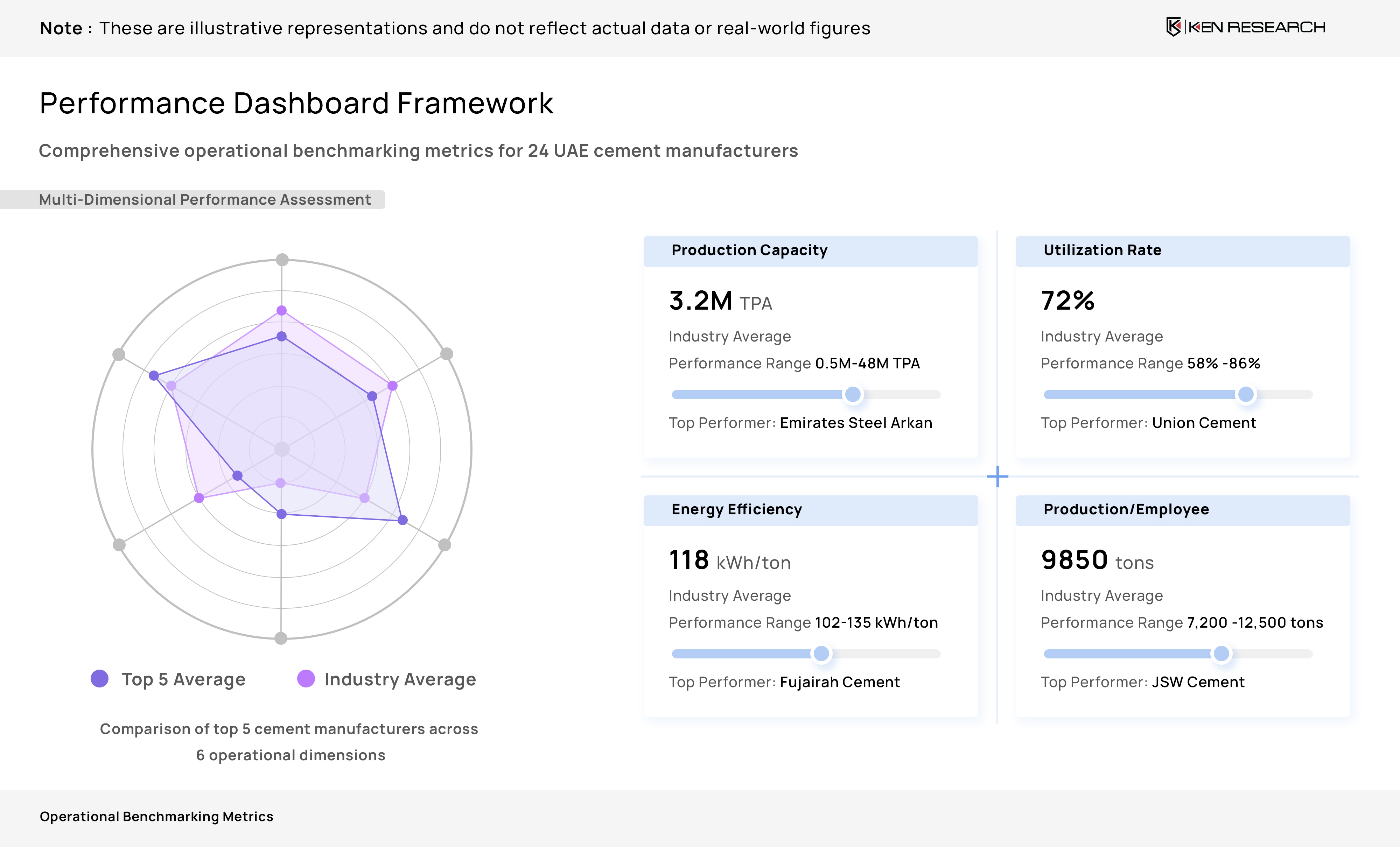
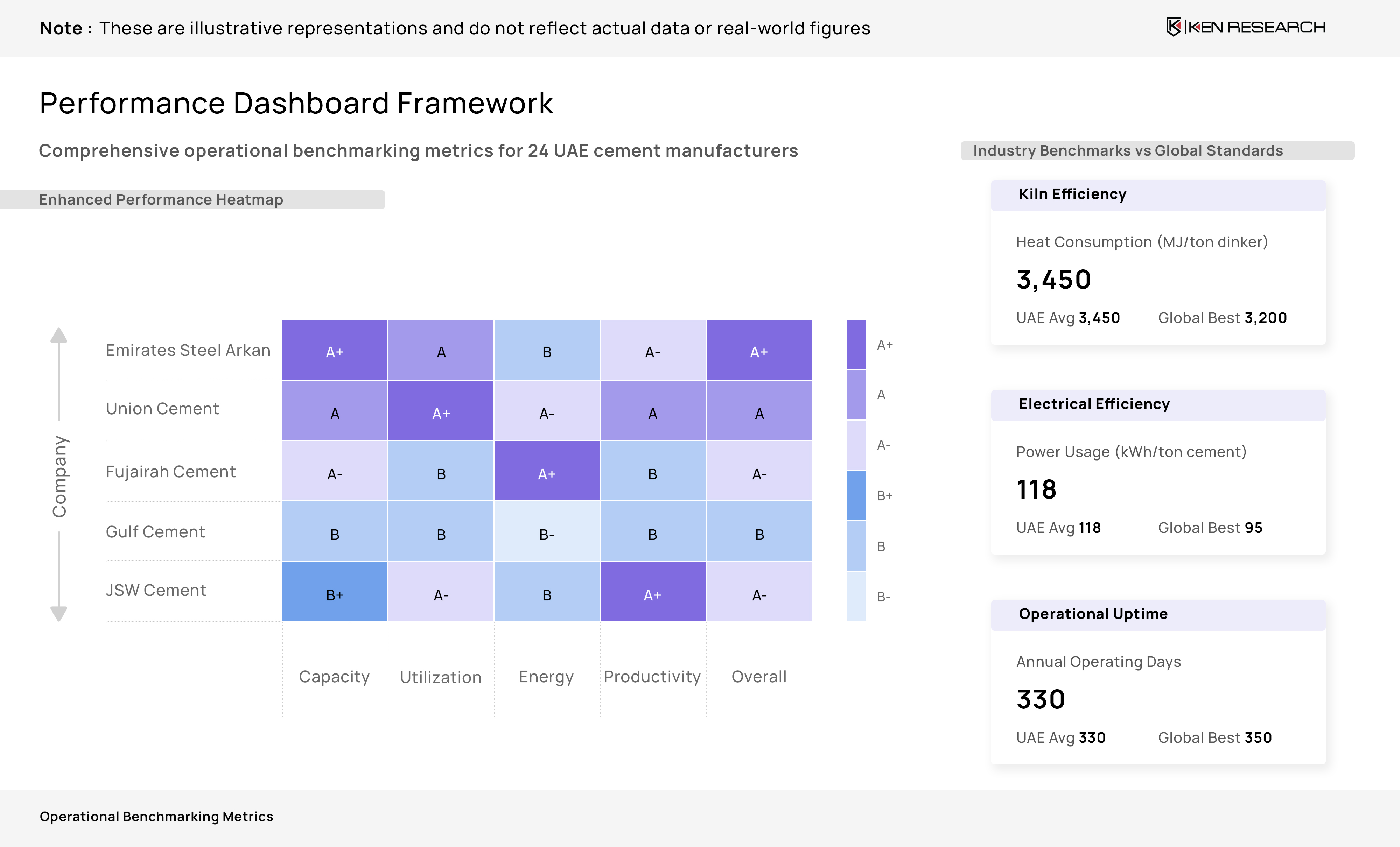
Key Operational Performance Metrics
Company Performance Overview
Unlock Market Insights
Dive deeper into production, distribution, and pricing intelligence.
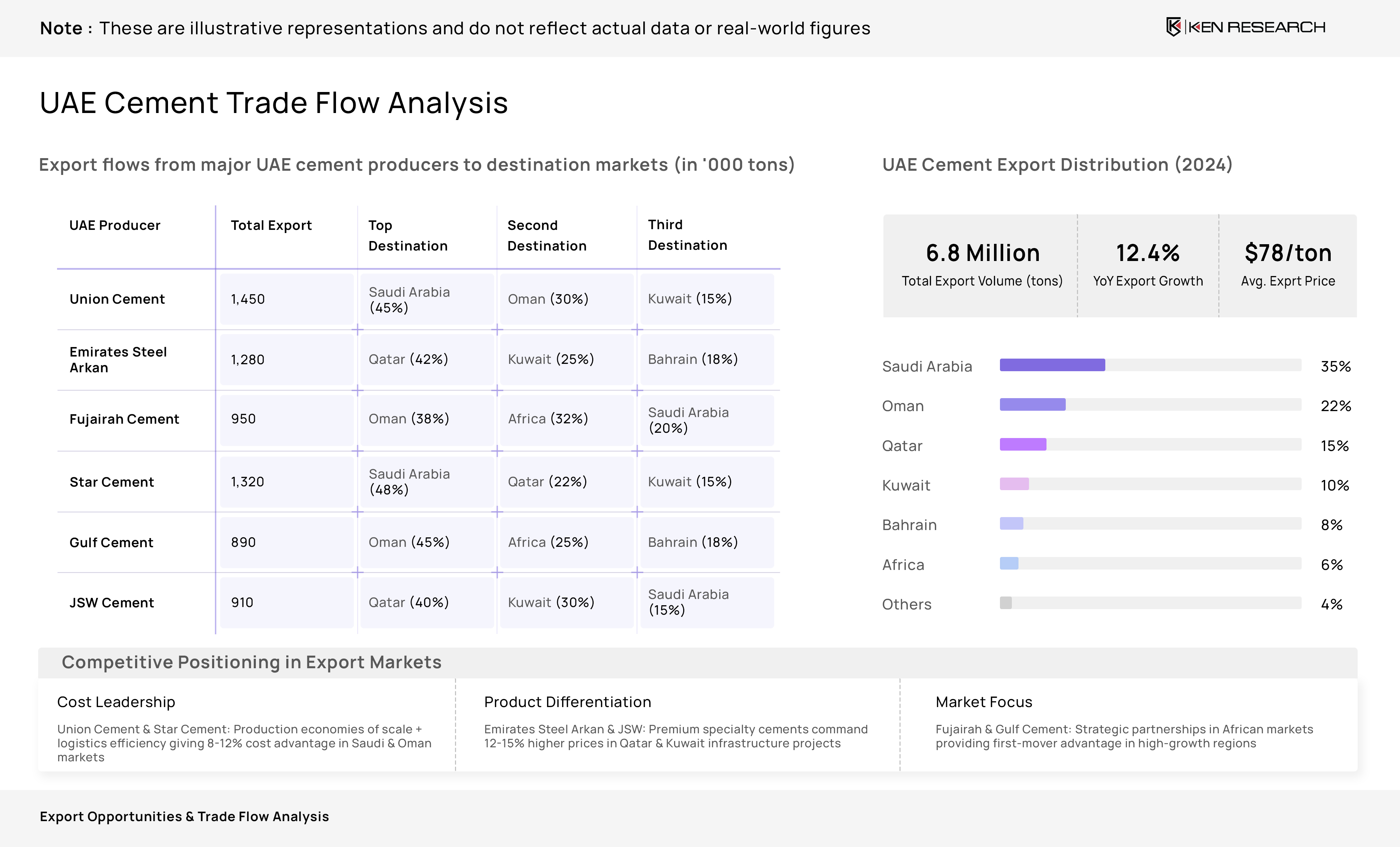
Get Customized ReportRevenue leadership in Oman’s aftermarket typically tracks pricing discipline and parts availability first, then expands through B2B wholesale scale and fleet contracts. Players that maintain higher fill rates convert demand faster and reduce workshop switching driven by urgent repair needs.
The strongest operators diversify into lubricants, accessories, and service revenue to smooth parts cyclicality. As digital ordering rises, online sales and fulfillment reliability become increasingly decisive in capturing repeat workshop demand.
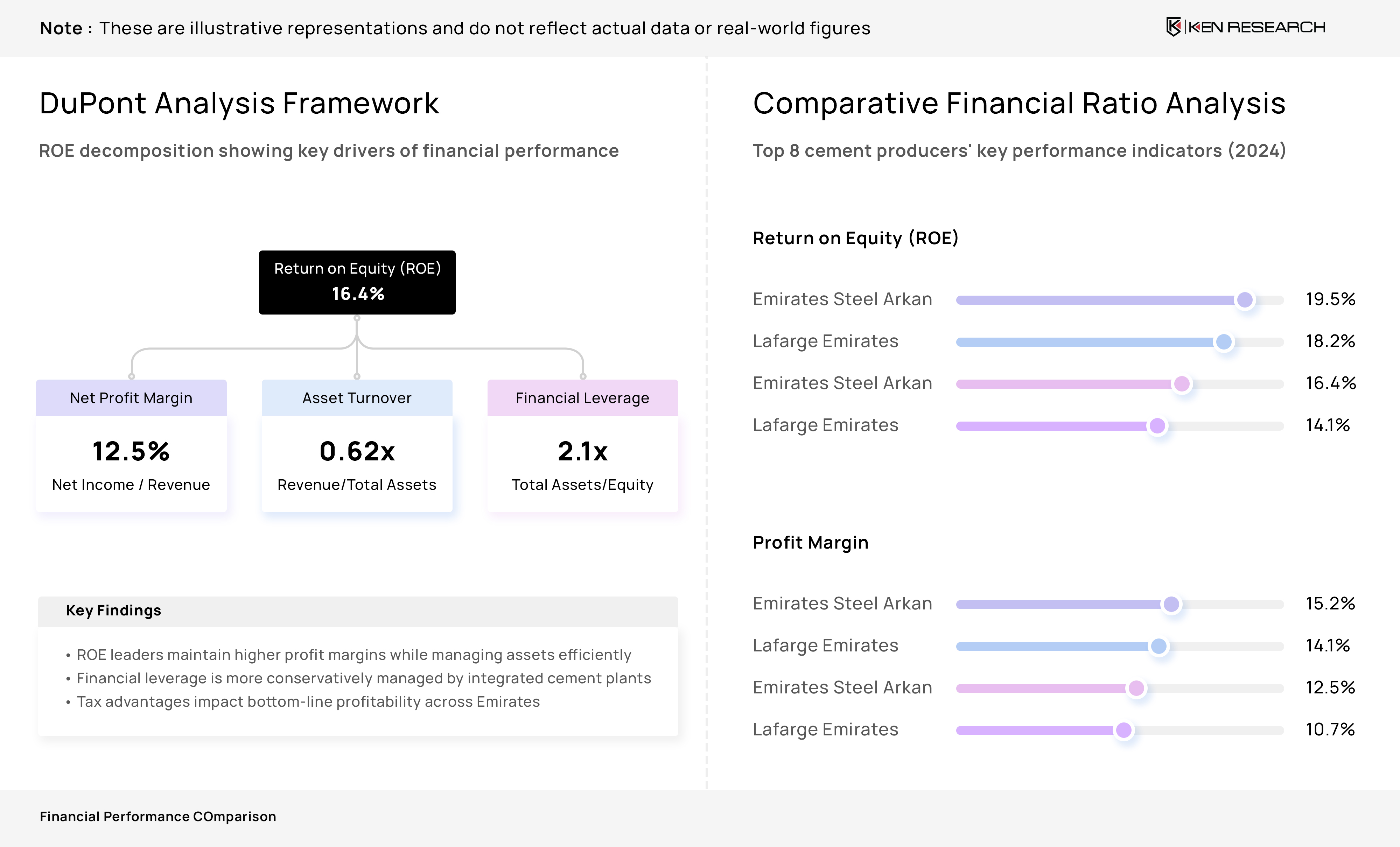
Core Financial Performance Metrics
Financial outperformance in the aftermarket usually comes from balancing higher-margin service and lubricants with steady parts throughput. Companies that grow revenue without proportional COGS expansion typically show stronger EBITDA margin resilience during price competition cycles.
PAT performance is most sensitive to operating leverage, procurement efficiency, and channel mix. Players with stronger B2B exposure and tighter inventory control tend to sustain profitability even when retail pricing pressure increases.
Table of Contents
1. Ecosystem Matrix
1.1 Large Players
1.1.1 Saud Bahwan Automotive
1.1.2 Suhail Bahwan Automobiles
1.1.3 Zubair Automotive Group
1.1.4 Towell Auto Centre (TAC)
1.1.5 Oman Marketing and Services Company (OMASCO)
1.1.6 Al Hashar Automotive
1.1.7 Moosa Abdulrahman Hassan & Co.
1.1.8 Oman Oil Marketing Company (OOMCO)
1.1.9 Shell Oman Marketing Company SAOG
1.1.10 Al-Maha Petroleum Products Marketing Company SAOG
1.2 Medium Players
1.2.1 General Automotive Company (GAC)
1.2.2 Al Jenaibi International Automobiles
1.2.3 Mohd Al Sulaimi Autoparts Centre (MAPCO)
1.2.4 Landmark International Auto Spare Parts
1.2.5 Alltrade Enterprises (Oman operations)
1.3 Small Players
1.3.1 Diamond Auto Spare Parts
1.3.2 Bahwan Automobiles & Trading (BAT)
2. Leading Player Profiles
2.1 Parameters
2.1.1 Company Name
2.1.2 Group Name
2.1.3 Headquarters
2.1.4 Established Year
2.1.5 Core Services
2.1.6 Mode of Functioning
3. Key Operational Performance Metrics
3.1 Pricing (Avg Basket, USD)
3.2 Parts Sales Volume (USD Mn)
3.3 Service Revenue (USD Mn)
3.4 Wholesale B2B Sales (USD Mn)
3.5 Fleet Contracts (USD Mn)
3.6 Lubricants Sales (USD Mn)
3.7 Accessories Sales (USD Mn)
3.8 Tire & Battery Sales (USD Mn)
3.9 Online Sales (USD Mn)
3.10 Fill Rate (%)
4. Core Financial Performance Metrics
4.1 Parameters
4.1.1 Revenue (USD Mn)
4.1.2 Revenue Growth (%)
4.1.3 COGS (USD Mn)
4.1.4 COGS Growth (%)
4.1.5 EBITDA (USD Mn)
4.1.6 EBITDA Growth (%)
4.1.7 EBITDA Margin (%)
4.1.8 PAT (USD Mn)
4.1.9 PAT Margin (%)
5. Methodology
5.1 Approach
5.1.1 Desk Sources
5.1.2 Primary Interviews
5.1.3 Sanity Checking & Validation
5.2 Benchmarking Process
5.2.1 Data Collection
5.2.2 Primary Validation
5.2.3 Proxy KPI Modelling
5.2.4 Normalization & Indexing
5.2.5 Gap Analysis
5.2.6 Peer Review
5.3 Sample Composition
5.3.1 Scope Items
5.3.2 Sample Size
5.3.3 Target Respondents
Methodology
Ken Research will deploy its proprietary, multi layered research framework—combining robust secondary research, targeted primary outreach, and rigorous data validation—to deliver an authoritative competitive benchmarking assessment of the Oman Automotive Aftermarket Parts Market. The methodology is purpose-built to capture competitive positioning, operational intensity, and financial performance using market-specific proxy KPIs relevant to automotive aftermarket parts, service, lubricants, and distribution ecosystems.
Desk Sources
- Industry reports from proprietary databases and Ken Research internal archives to establish historical benchmarks, aftermarket penetration trends, and baseline competitive structures
- Company annual reports, investor presentations, and statutory disclosures to extract aftersales revenue mix, service contribution, parts distribution scale, and strategic priorities
- Government publications, customs data, and trade association releases to assess vehicle parc evolution, import dependencies, policy environment, and localization dynamics
- Trade magazines, automotive journals, and industry e-publications to track competitive developments, supplier shifts, technology adoption, and pricing behavior
- Financial intelligence platforms such as Bloomberg and Capital IQ to standardize financial definitions, margin structures, and peer benchmarking where disclosures are available
- Web traffic and digital analytics platforms such as SimilarWeb to assess distributor reach, online parts demand signals, and emerging digital ordering behavior
Primary Interviews
- CATI interviews and structured discussions with category managers, aftermarket heads, and service operations leaders at leading automotive groups
- In-depth interviews with senior sales and marketing leaders to validate pricing models, channel mix, and customer segmentation
- Discussions with distributors, wholesalers, and workshop operators to validate parts velocity, sourcing patterns, and regional demand concentration
- Consultations with industry analysts, consultants, and service ecosystem participants to validate competitive dynamics and operational realities
Sanity Checking and Validation
- Triangulation of estimates through cross-verification of secondary research, primary inputs, and proxy-based analytical outputs
- Proxy KPI synthesis using indicators such as parts throughput, branch footprint, workshop density, lubricants volumes, and service bay utilization to approximate revenues
- Outlier analysis to identify inconsistencies across players and reconcile through targeted follow-up interactions
- Assumption tracking via a structured log capturing benchmarking assumptions, proxy logic, and data limitations
- Internal peer review of methodology, assumptions, and analytical outputs prior to final report sign-off
An Inside Look At Our Custom Insights
Take a look at ourcustomized insights, tailored to yourmarket and business needs. Our benchmarking reports deliver data-driven comparisons of key players, helping you uncover opportunities, assess performance, and make confident strategic decisions.