Oman Automotive Batteries Market
Published on: January 2026
Report Overview
Oman Automotive Batteries Market Overview
Market Highlights
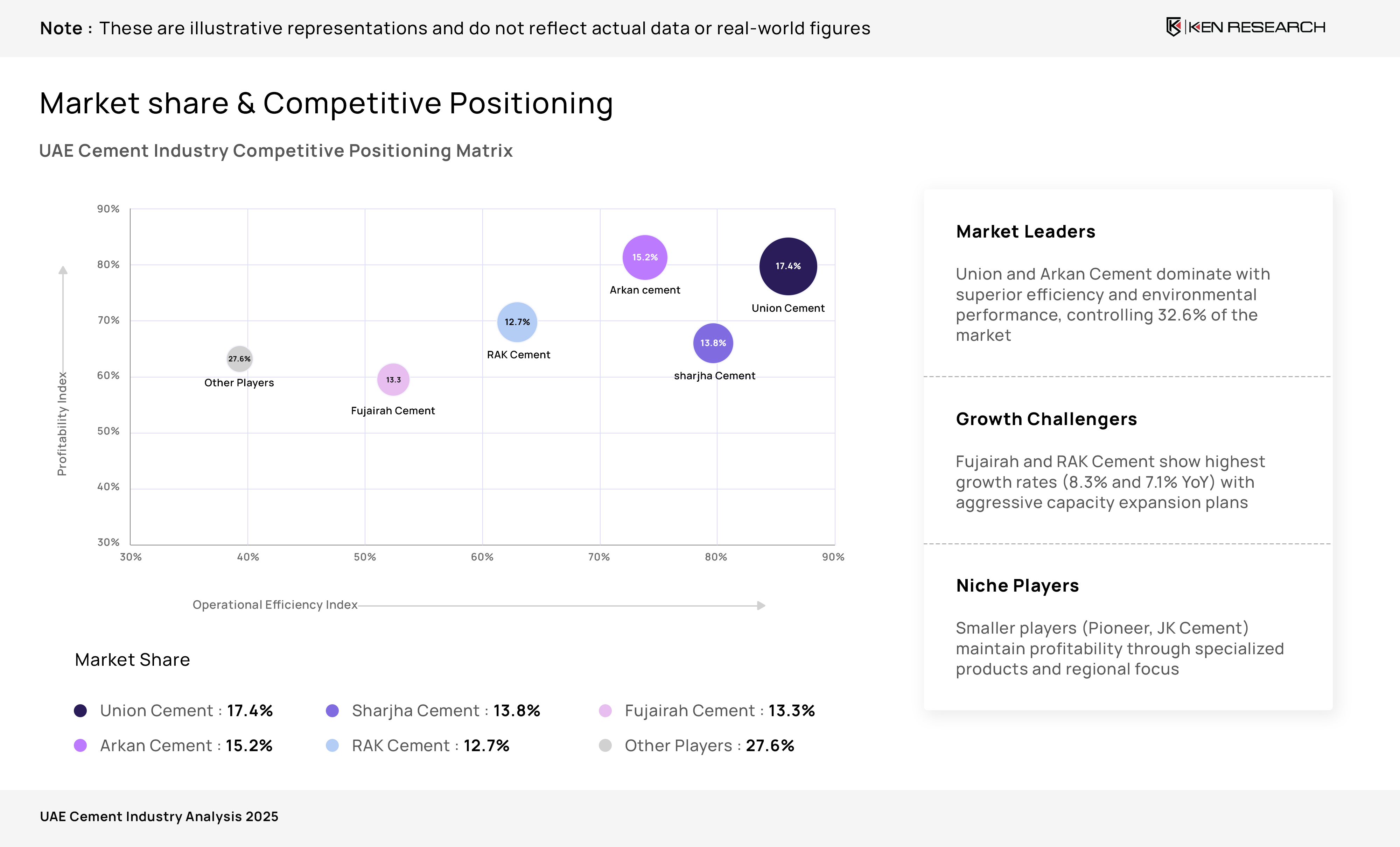
The Oman Automotive Batteries Market showcases a diverse competitive structure, where multinational corporations, regional manufacturers, and local firms engage in a dynamic interplay. Multinationals leverage their global scale and advanced technologies, while regional players focus on tailored solutions that resonate with local market needs, and local firms capitalize on agility and niche expertise to carve out their market share.
Innovation from global leaders is seamlessly integrated with localized adaptations, as companies customize battery technologies and charging solutions to meet the specific demands of the Omani market. Collaborations between international technology providers and local manufacturers foster a robust ecosystem that addresses unique climatic and infrastructural challenges, ensuring that products are both cutting-edge and contextually relevant.
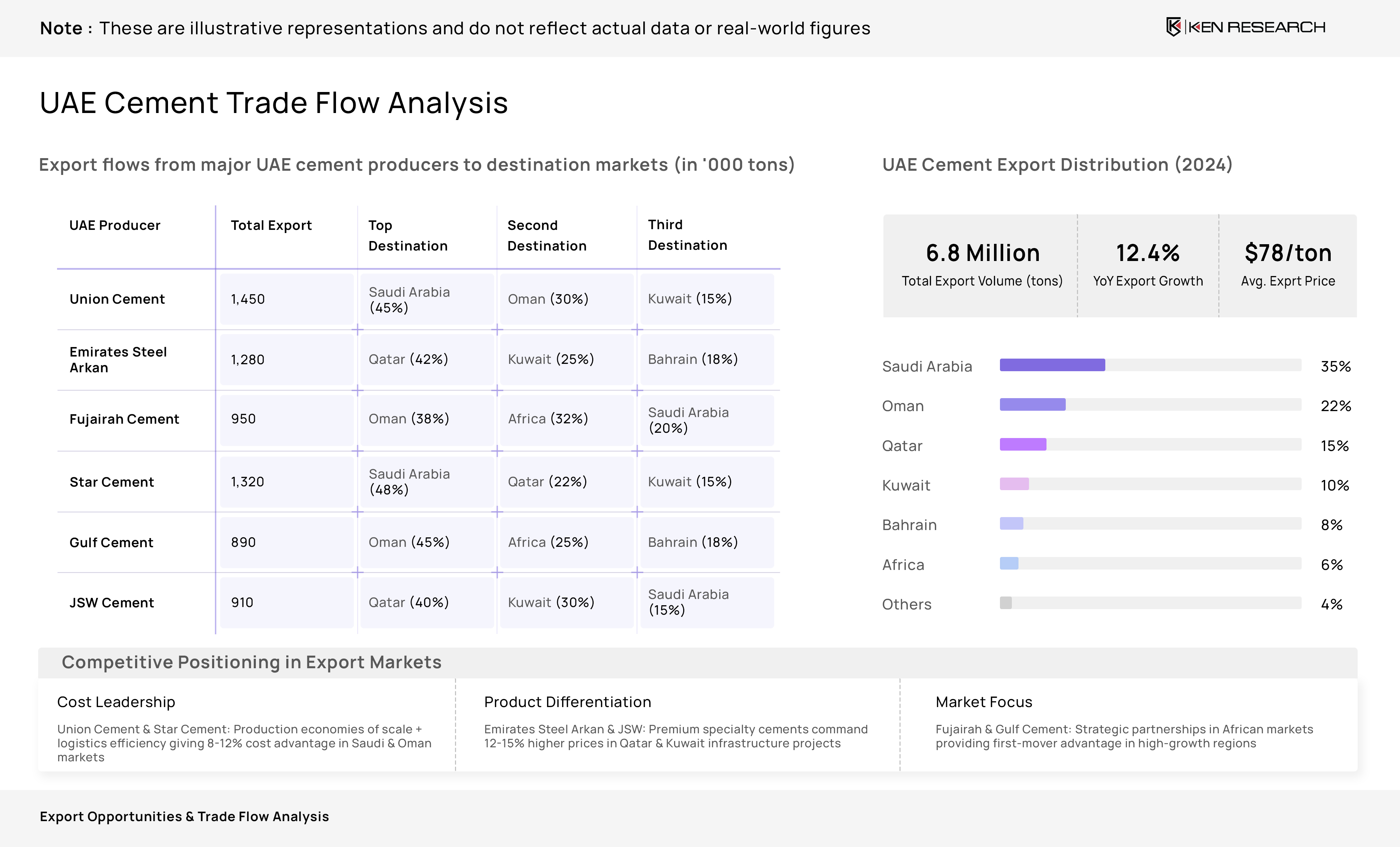
The distribution and aftersales landscape is pivotal in enhancing customer satisfaction and operational efficiency. Strategic partnerships among automotive manufacturers, energy providers, and service networks are expanding the reach of charging infrastructure, while comprehensive aftersales services, including maintenance and support, are essential for building long-term customer loyalty and trust in a competitive environment.
Future competitiveness hinges on a blend of innovation, operational efficiency, and sustainability. Companies are increasingly adopting advanced technologies for predictive analytics and energy management, while also committing to sustainable practices that enhance product lifecycle. This forward-looking approach, characterized by agility and responsiveness, is shaping the competitive dynamics of the Oman Automotive Batteries Market, positioning firms to thrive in an evolving landscape.
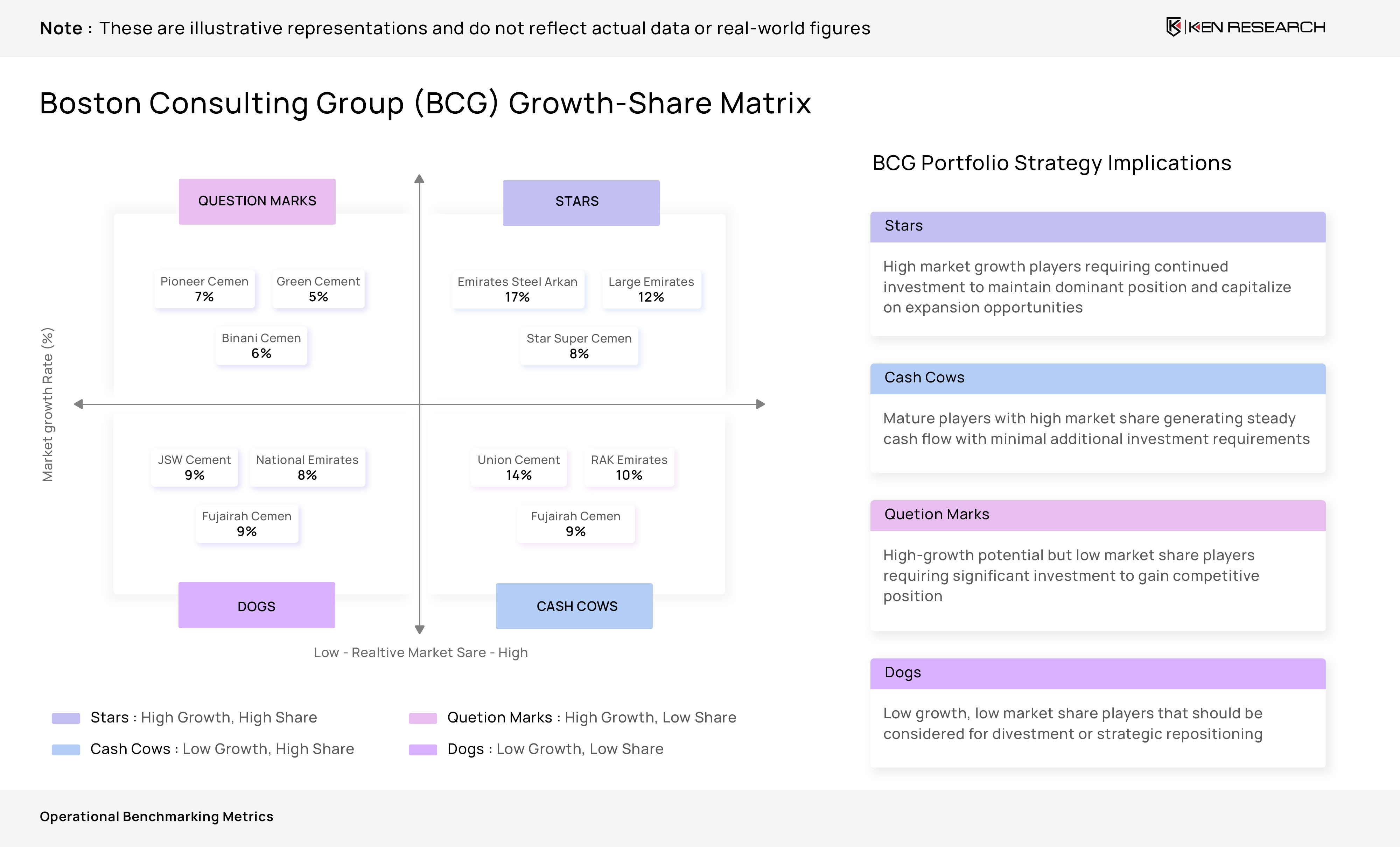
Ecosystem Matrix
Market competition is anchored by diversified Omani conglomerates and fuel-retail networks that control multi-channel access (stations, workshops, distributors). This structure intensifies brand-led replacement cycles, pushes faster fulfilment expectations, and compresses margins through bundled service-plus-battery offers.
The ecosystem shows a clear split between nationwide networks and specialised aftermarket operators. Scale players win on route-to-market density and procurement leverage, while mid/smaller participants compete via faster installation, targeted B2B fleet servicing, and premium battery positioning across high-heat performance segments.
Leading Player Profiles
Company Profile Overview
Oman’s competitive set is shaped by conglomerate-led distribution and service reach, where workshop density and channel control determine conversion from inspection-to-replacement. Players with integrated aftersales ecosystems typically sustain higher attachment and repeat-purchase capture across passenger and commercial segments.
Establishment-year dispersion highlights a mature ecosystem with long-standing incumbents and newer aftermarket specialists. This mix usually accelerates competitive differentiation through service speed, warranty packaging, and procurement advantages, rather than pure product availability especially in high-temperature performance use cases.
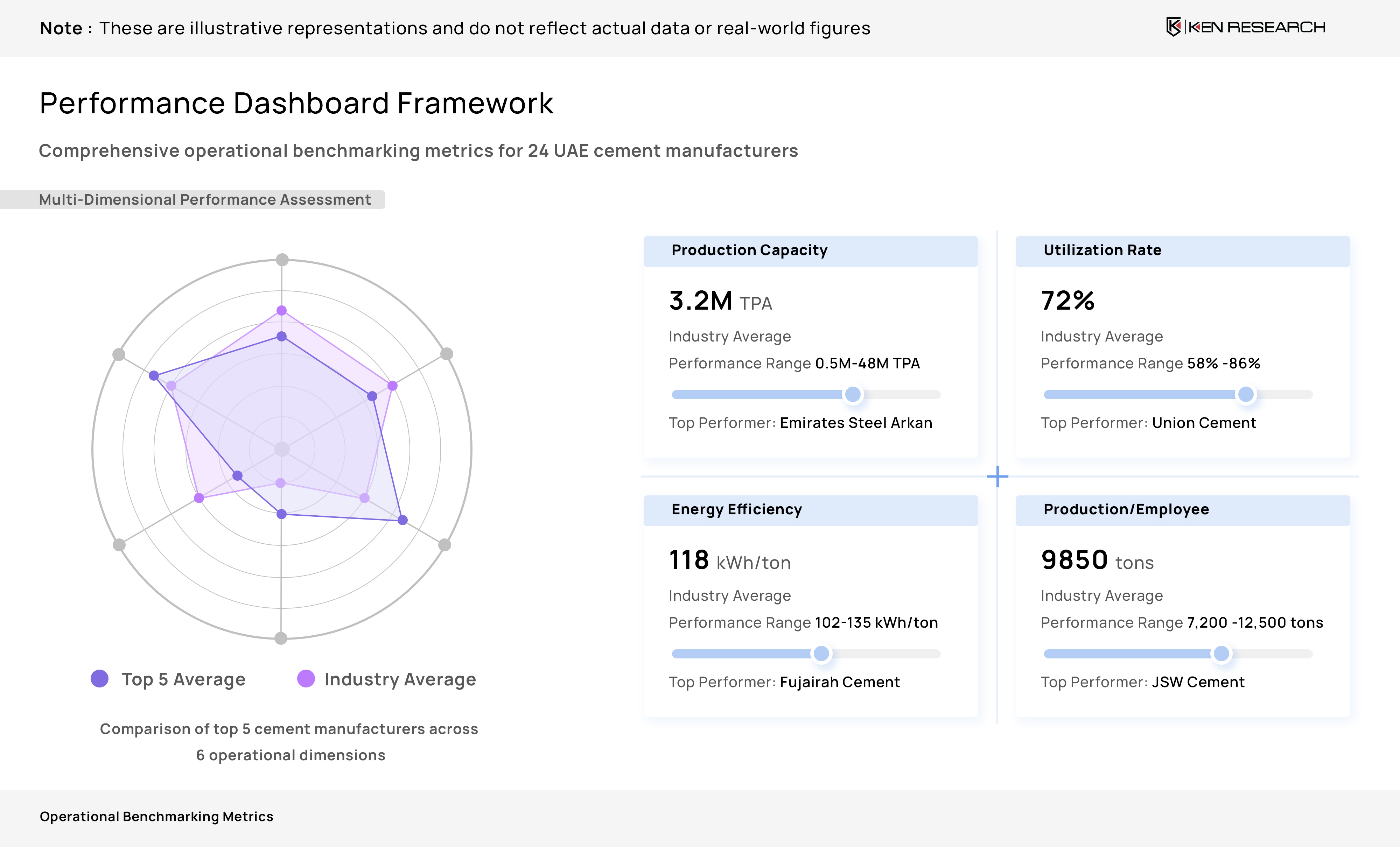
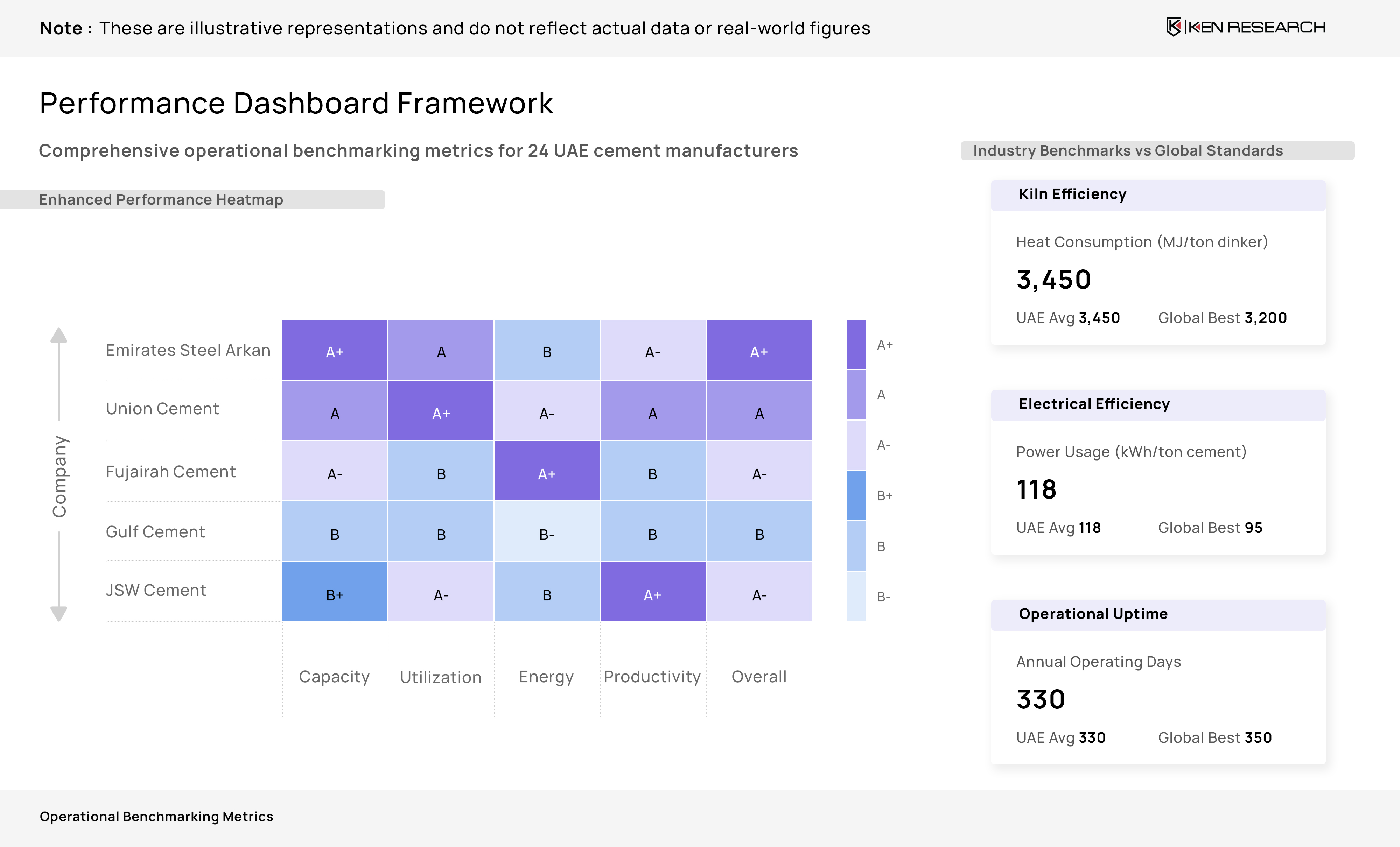
Key Operational Performance Metrics
Company Performance Overview
Unlock Market Insights
Dive deeper into production, distribution, and pricing intelligence.
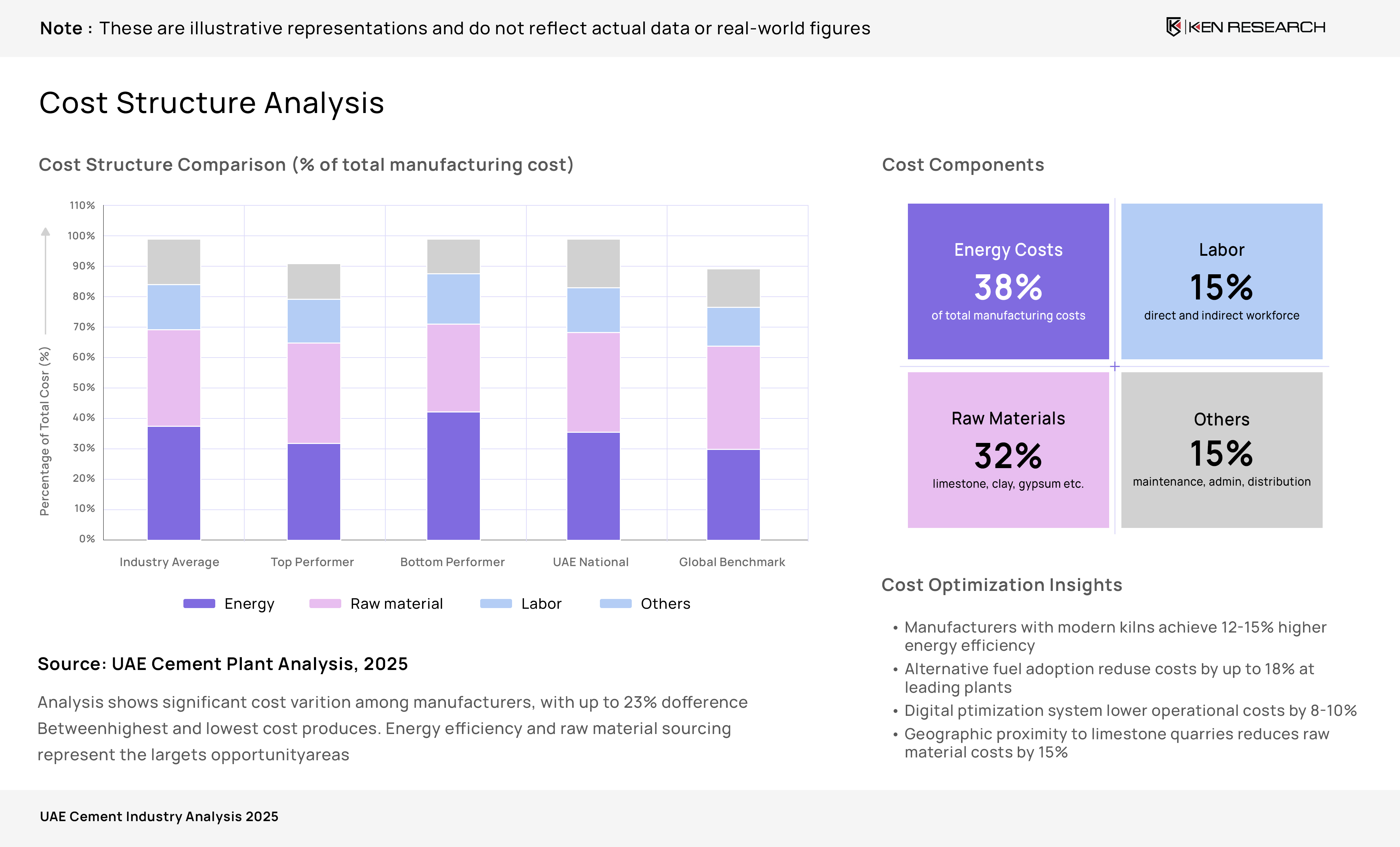
Get Customized ReportRevenue in Oman’s battery ecosystem is typically explained by the conversion engine: inspection-to-replacement, service attach, and fleet renewal cycles. Companies with strong workshop access and B2B contracting capabilities usually show more stable top-line performance across demand fluctuations.
Pricing power is usually linked to warranty packaging, heat-resilience positioning, and fulfilment speed. As on-demand installation and service bundles scale, operational metrics increasingly shift from pure unit economics to channel-led revenue mix optimisation across retail, fleet, and OEM-linked flows.
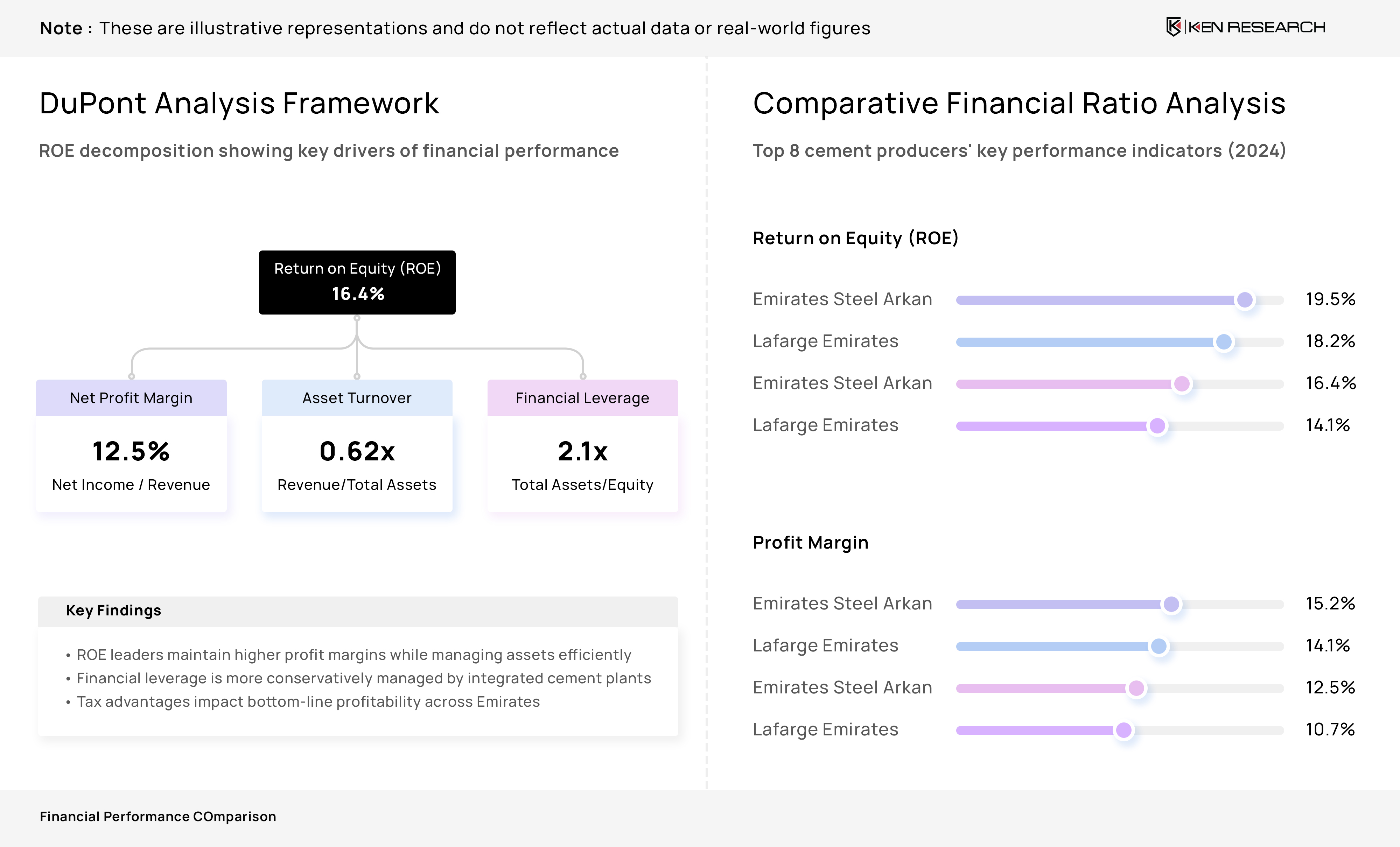
Core Financial Performance Metrics
Financial benchmarking in Oman’s battery market typically separates scale-led retailers/distributors from manufacturer-led players, where gross margin structure depends on procurement leverage, warranty provisioning, and service attach rates. EBITDA dispersion is usually driven by network efficiency and fleet contract concentration.
Growth interpretation should be tied to channel mix: OEM/dealer linked flows are steadier but lower margin, while replacement and installation-led revenue tends to expand margins. COGS movements often reflect currency-driven import costs and promotional intensity in peak replacement cycles.
Table of Contents
1. Ecosystem Matrix
1.1 Large Players
1.1.1 Omar Zawawi Establishment (OMZEST)
1.1.2 Reem Batteries & Power Appliances Co. SAOC
1.1.3 Oman Oil Marketing Company SAOG (OOMCO)
1.1.4 Shell Oman Marketing Company SAOG
1.1.5 Oman Trading Establishment LLC (OTE Group)
1.1.6 W.J. Towell & Co. LLC (Towell Group)
1.2 Medium Players
1.2.1 Towell Auto Centre LLC (TAC)
1.2.2 Eint Automotive LLC
1.2.3 Mohsin Haider Darwish LLC (MHD)
1.2.4 Saud Bahwan Group
1.2.5 Salalah Overseas Company LLC (SOC)
1.2.6 Zawawi Trading Company LLC
1.3 Small Players
1.3.1 Malatan Trading & Contracting LLC
1.3.2 General Electric & Trading Co. LLC (Genetco)
1.3.3 Bahwan International Group LLC
1.3.4 Easa Saleh Al Gurg Tyres, Batteries & Accessories (ESAG TBA)
2. Leading Player Profiles
2.1 Parameters
2.1.1 Company Name
2.1.2 Group Name
2.1.3 Headquarters
2.1.4 Establishment Year
2.1.5 Core Services
2.1.6 Mode of Functioning
3. Key Operational Performance Metrics
3.1 Parameters
3.1.1 Battery Replacement Revenue (USD Mn)
3.1.2 OEM / Dealer Supply Revenue (USD Mn)
3.1.3 Fleet & B2B Contract Revenue (USD Mn)
3.1.4 Service & Installation Revenue (USD Mn)
3.1.5 Trade-in / Core Return Revenue (USD Mn)
3.1.6 Online Sales Revenue (USD Mn)
3.1.7 Accessories Attach Revenue (USD Mn)
3.1.8 Extended Warranty Revenue (USD Mn)
3.1.9 Tender / Institutional Revenue (USD Mn)
3.1.10 Average Selling Price (USD per Battery)
4. Core Financial Performance Metrics
4.1 Parameters
4.1.1 Revenue (USD Mn)
4.1.2 Revenue Growth (%)
4.1.3 COGS (USD Mn)
4.1.4 COGS Growth (%)
4.1.5 EBITDA (USD Mn)
4.1.6 EBITDA Growth (%)
4.1.7 EBITDA Margin (%)
4.1.8 PAT (USD Mn)
4.1.9 PAT Margin (%)
5. Methodology
5.1 Approach
5.1.1 Desk Sources
5.1.2 Primary Interviews
5.1.3 Sanity Checking & Validation
5.2 Benchmarking Process
5.2.1 Data Collection
5.2.2 Primary Validation
5.2.3 Proxy KPI Modelling
5.2.4 Normalization & Indexing
5.2.5 Gap Analysis
5.2.6 Peer Review
5.3 Sample Composition
5.3.1 Scope Items
5.3.2 Sample Size
5.3.3 Target Respondents
Methodology
Ken Research will deploy its proprietary, multi-layered research framework combining robust secondary research, targeted primary outreach, and rigorous data validation to deliver an authoritative competitive landscape analysis of the Oman Automotive Batteries Market.
Desk Sources
- Industry reports from proprietary databases and Ken Research internal archives to establish historical market benchmarks, replacement cycles, and channel-level baselines.
- Company annual reports, investor presentations, and statutory disclosures to extract financial performance, manufacturing capacity, and strategic priorities.
- Government publications and trade-association releases to assess vehicle parc trends, import–export flows, localization policies, and regulatory context.
- Trade magazines, journals, and e-articles to track competitive developments, battery technology shifts (lead-acid, AGM, EFB), and pricing dynamics.
- Financial intelligence platforms such as Bloomberg and Capital IQ to standardize financial ratios and enable peer-level benchmarking.
- Web traffic and app-usage dashboards (e.g., SimilarWeb, App Annie) to evaluate digital reach, aftermarket demand signals, and omni-channel performance.
Primary Interviews
- CATI interviews and structured online surveys with category managers and R&D heads of battery manufacturers and large distributors.
- In-depth discussions with senior sales and marketing leaders of leading market participants to validate pricing structures and channel strategies.
- Interviews with distributors, workshops, and fleet service partners to validate volumes, replacement frequency, and regional demand patterns.
- Consultations with industry analysts, consultants, and technology or service providers for expert-level validation of market dynamics and emerging trends.
Sanity Checking & Validation
- Triangulation of estimates by cross-verifying secondary research, primary inputs, and proxy-based model outputs.
- Proxy KPI synthesis using indicators such as vehicle parc size, outlet density, fleet contracts, average selling prices, and service attach rates to approximate revenues or capacities.
- Outlier analysis to identify anomalous data points and reconcile them through targeted follow-up discussions.
- Assumption tracking through a structured log capturing all benchmarking assumptions, limitations, and proxy KPI sources.
- Internal peer review of methodology, analytical models, and key outputs prior to final report finalization.
An Inside Look At Our Custom Insights
Take a look at ourcustomized insights, tailored to yourmarket and business needs. Our benchmarking reports deliver data-driven comparisons of key players, helping you uncover opportunities, assess performance, and make confident strategic decisions.