Oman Electric Vehicle Charging Providers Market
Published on: February 2026
Report Overview
Oman Electric Vehicle Charging ProvidersMarket Overview
Market Highlights
The Oman Electric Vehicle Charging Providers Market operates within a layered ecosystem comprising integrated energy retailers, utilities, global electrification OEMs, and domestic EPC firms. Multinational players contribute advanced charging and grid technologies, while regional energy groups leverage established retail footprints to accelerate public charging infrastructure expansion.
Global innovation in charging systems and energy management is carefully adapted to Oman’s grid conditions and regulatory environment. Domestic engineering partners customize installation models and infrastructure design to ensure operational reliability, cost efficiency, and compatibility with local site requirements.
A strong aftersales ecosystem underpins competitiveness, with uptime assurance, preventive maintenance, and responsive technical support shaping customer trust and repeat usage. Digital platforms, payment integration, and structured service frameworks further enhance brand positioning and long-term customer engagement.
Future competition will center on scalable infrastructure rollout, operational efficiency, and deep technology integration. The interplay between global expertise and localized execution will determine network standardization, technology penetration, and sustainable leadership within Oman’s evolving electric mobility landscape.
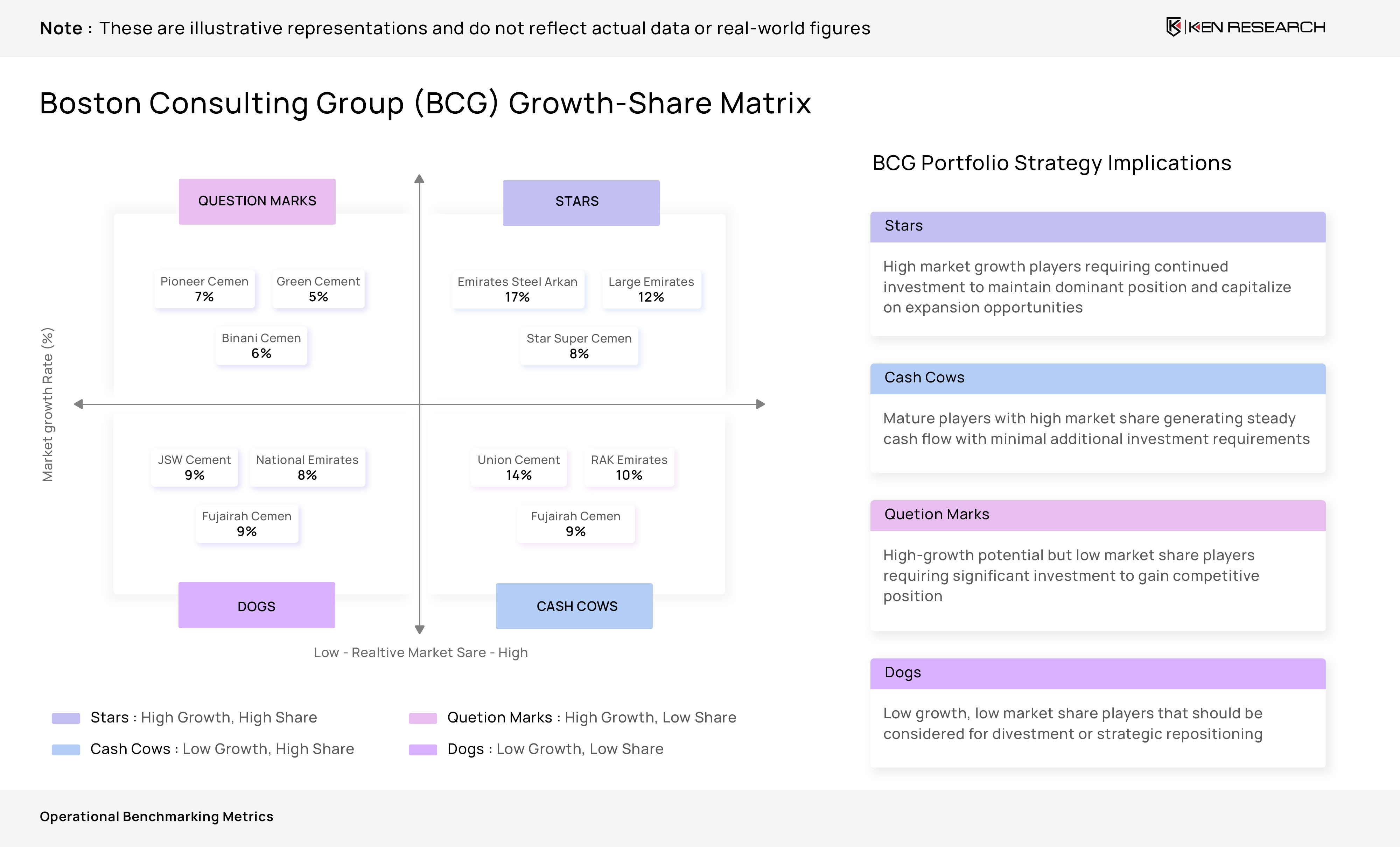
Ecosystem Matrix
The expanded ecosystem highlights increasing convergence between fuel retailers, utilities, EPC contractors, and electrical equipment specialists, indicating that Oman’s EV charging market is transitioning from pilot deployments toward structured infrastructure build-out anchored by grid-backed scalability and corridor-based network planning.
Market positioning increasingly depends on execution strength, power capacity integration, and commercial site partnerships. Large integrated energy entities hold network advantages, while mid-sized EPC and engineering firms compete through project delivery capability, localization, and cost-efficient charger deployment models.
Leading Player Profiles
Company Profile Overview
The competitive structure reflects a hybrid model combining retail-led charging operators with infrastructure-centric engineering firms. Revenue concentration is expected among retail network owners, while EPC players capture value through deployment contracts and long-term maintenance agreements.
Increasing grid load management requirements elevate the role of transmission and transformer providers, positioning power infrastructure firms as indirect yet critical revenue enablers within the EV charging value chain.
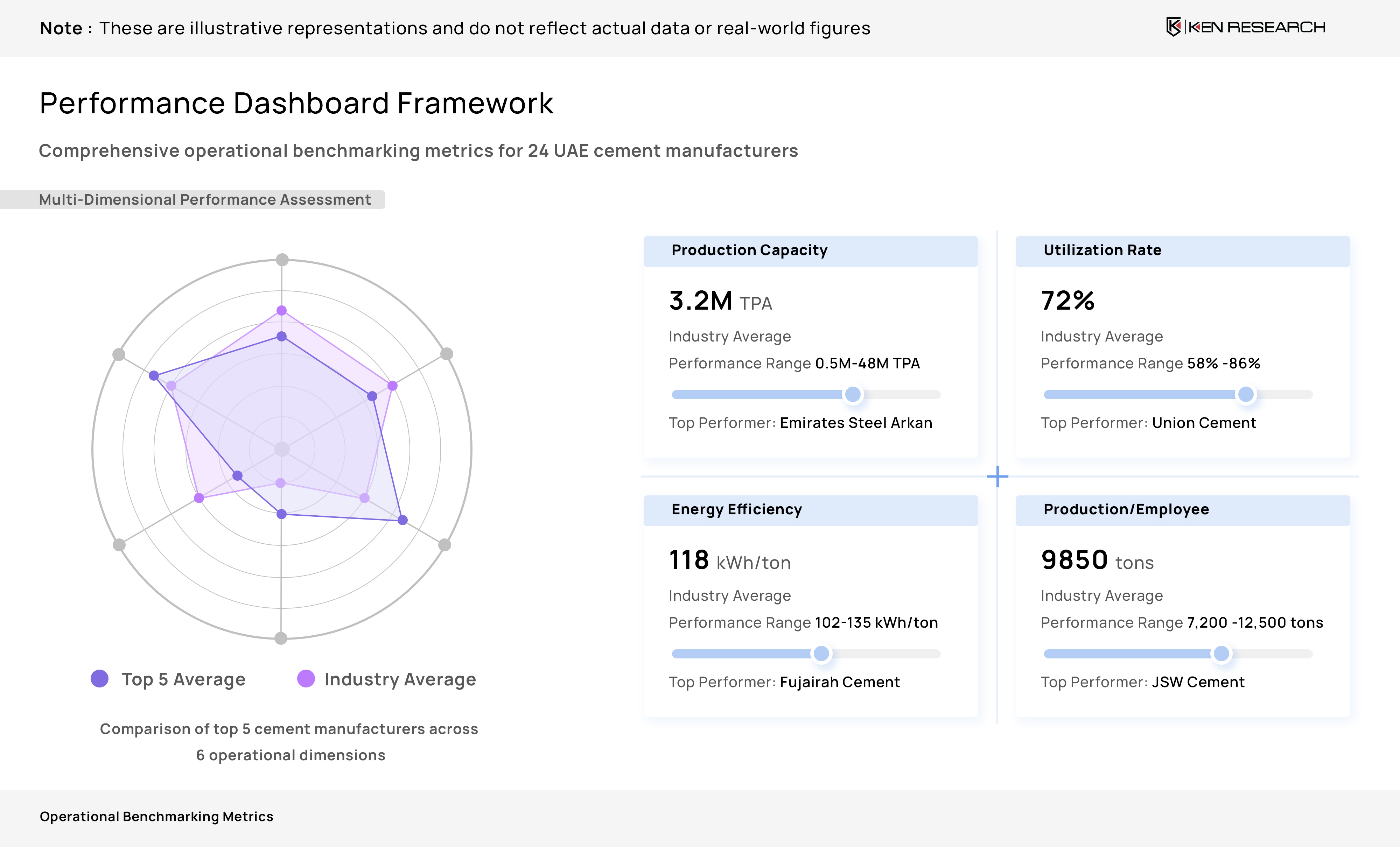
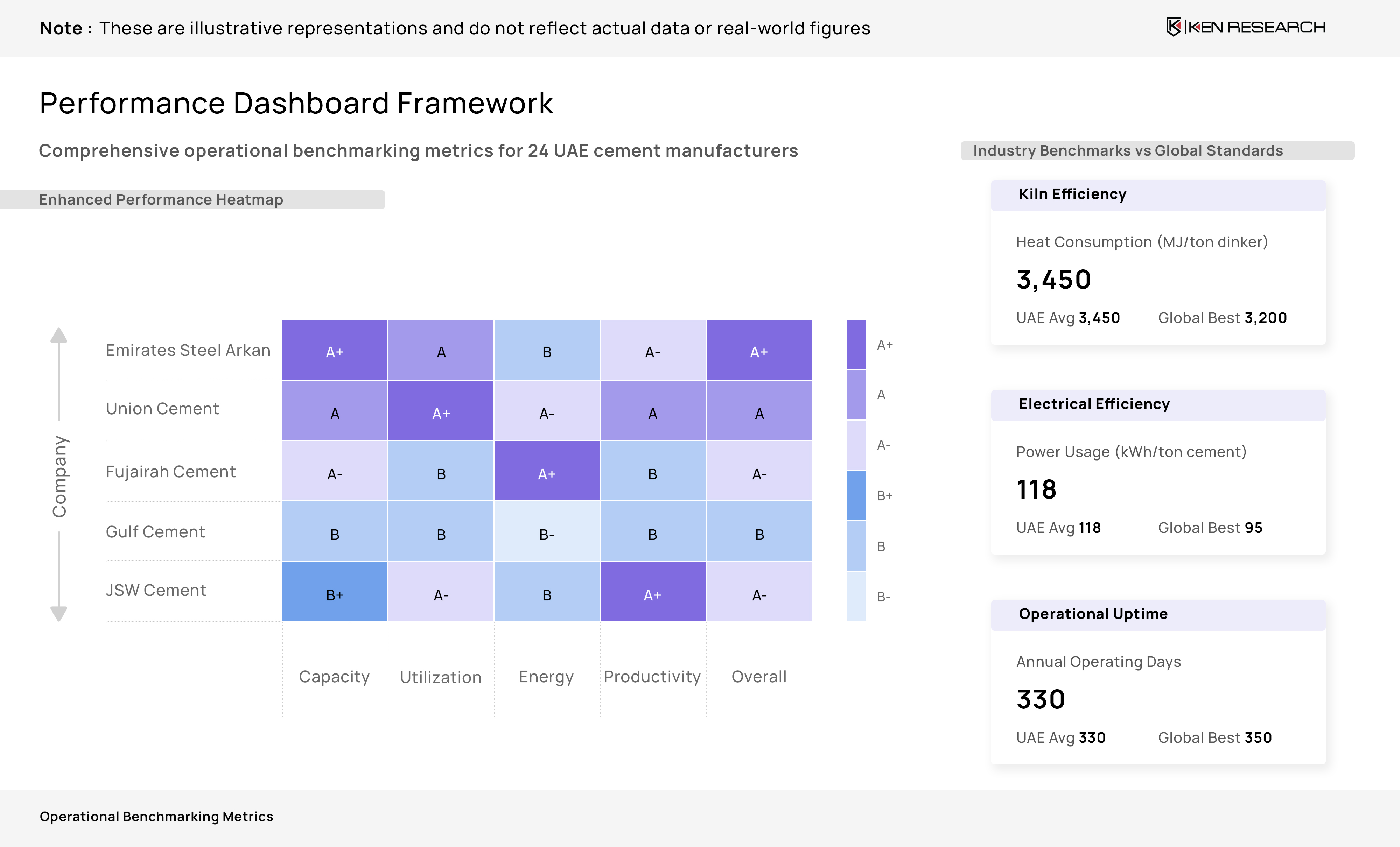
Key Operational Performance Metrics
Company Performance Overview
Unlock Market Insights
Dive deeper into production, distribution, and pricing intelligence.
Get Customized ReportRevenue scalability in Oman’s charging sector is primarily driven by tariff realization and throughput intensity, with utilization and charger density acting as multiplier variables. Corporate fleet contracts and uptime reliability significantly influence predictable recurring revenue streams.
Infrastructure-heavy players rely more on contract execution value and O&M yields, whereas network operators focus on customer acquisition, roaming monetization, and energy throughput optimization to improve per-site revenue productivity.
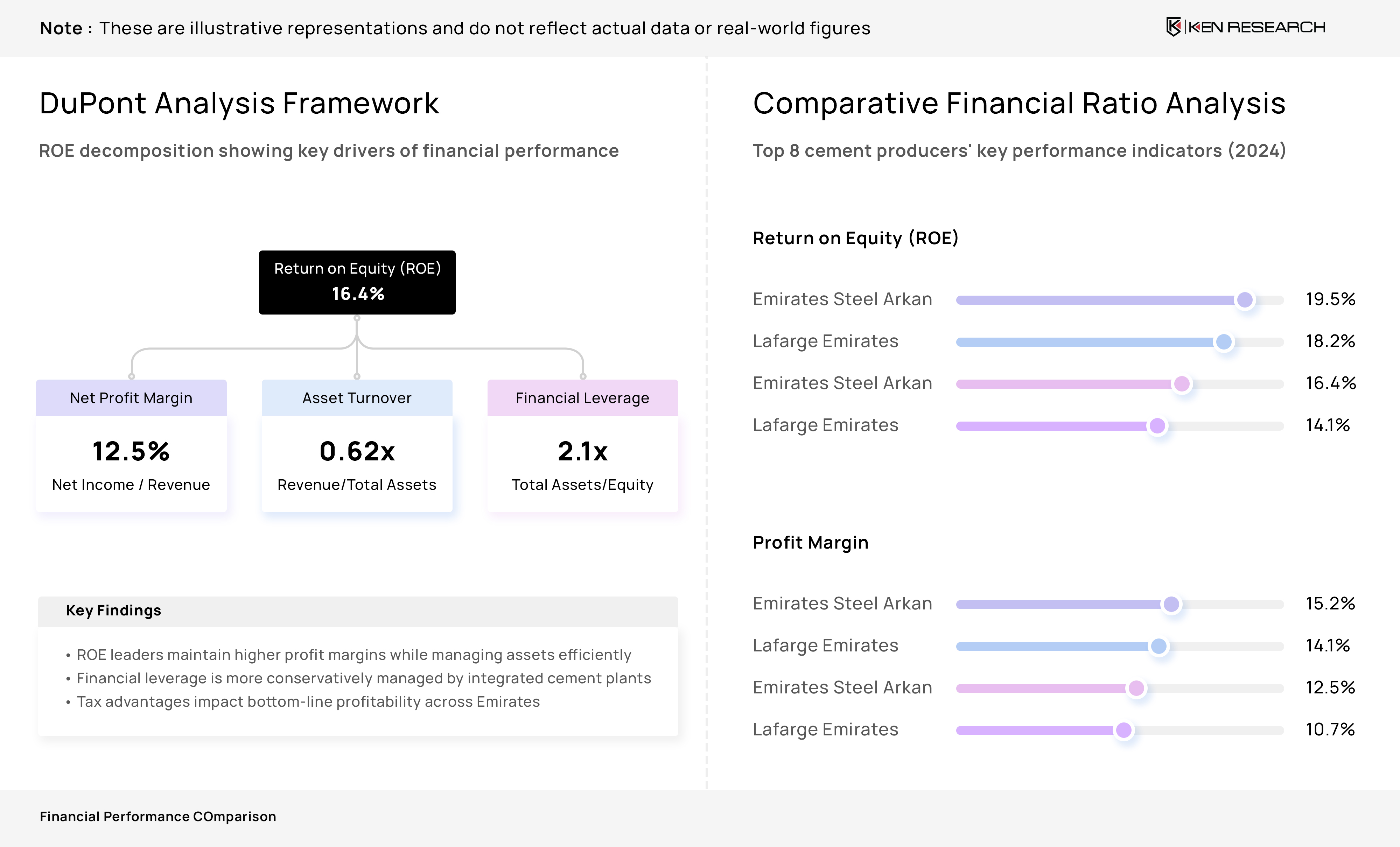
Core Financial Performance Metrics
Financial benchmarking differentiates asset-heavy network operators from contract-driven engineering firms. Margin trajectories typically improve with higher utilization and recurring service revenues, while EPC-led firms demonstrate revenue cyclicality linked to project pipelines.
As Oman advances electrification policies, players with integrated retail footprints and diversified energy portfolios are positioned to demonstrate stronger revenue growth and margin stabilization compared to pure-play infrastructure contractors.
Table of Contents
1. Ecosystem Matrix
1.1 Large Players
1.1.1 Electric Vehicles One LLC (EVO)
1.1.2 Oman Oil Marketing Company SAOG (OOMCO)
1.1.3 Shell Oman Marketing Company SAOG
1.1.4 Nama Group
1.1.5 OQ Group
1.1.6 Oman Electricity Transmission Company (OETC)
1.1.7 Petroleum Development Oman (PDO)
1.1.8 ABB Ltd
1.1.9 Schneider Electric SE
1.1.10 Siemens AG
1.2 Medium Players
1.2.1 Mohsin Haider Darwish LLC (MHD)
1.2.2 Bahwan Engineering Company LLC (BEC)
1.2.3 Galfar Engineering & Contracting SAOG
1.2.4 Al Hassan Engineering Company SAOG
1.2.5 Synergy Investment (Al Taher Group)
1.2.6 Muscat Gases Company SAOG
1.2.7 Voltamp Energy SAOG
1.2.8 Al Tasnim Enterprises LLC
1.3 Small Players
1.3.1 TEAMS International LLC
1.3.2 National Energy Center SAOC
1.3.3 United Engineering Services LLC (UES)
1.3.4 Al Ansari Trading Enterprise LLC
1.3.5 Desert Line Projects LLC
1.3.6 Oman Solar Systems Co LLC
2. Leading Player Profiles
2.1 Parameters
2.1.1 Company Name
2.1.2 Group Name
2.1.3 Headquarters
2.1.4 Established Year
2.1.5 Core Services
2.1.6 Mode of Functioning
3. Key Operational Performance Metrics
3.1 Pricing (USD Mn)
3.2 Charging Sessions
3.3 Average kWh per Session
3.4 Active Charge Points
3.5 Utilization Rate
3.6 Corporate Fleet Accounts
3.7 Subscription ARPU
3.8 Roaming Revenue Share
3.9 Uptime
3.10 O&M Revenue per Charger
4. Core Financial Performance Metrics
4.1 Parameters
4.1.1 Revenue (USD Mn)
4.1.2 Revenue Growth (%)
4.1.3 COGS (USD Mn)
4.1.4 COGS Growth (%)
4.1.5 EBITDA (USD Mn)
4.1.6 EBITDA Growth (%)
4.1.7 EBITDA Margin (%)
4.1.8 PAT (USD Mn)
4.1.9 PAT Margin (%)
5. Methodology
5.1 Approach
5.1.1 Desk Sources
5.1.2 Primary Interviews
5.1.3 Sanity Checking & Validation
5.2 Benchmarking Process
5.2.1 Data Collection
5.2.2 Primary Validation
5.2.3 Proxy KPI Modelling
5.2.4 Normalization & Indexing
5.2.5 Gap Analysis
5.2.6 Peer Review
5.3 Sample Composition
5.3.1 Scope Items
5.3.2 Sample Size
5.3.3 Target Respondents
Methodology
Ken Research deploys its proprietary, multi-layered research framework combining robust secondary research, targeted primary outreach, and rigorous data validation—to deliver an authoritative competitive landscape analysis of the Oman Electric Vehicle Charging Providers Market. All proxy KPIs are specifically aligned with EV charging network economics and infrastructure monetization structures.
Desk Sources
- Industry reports from proprietary databases and Ken Research internal archives for historical benchmarks and market baselines
- Company annual reports, investor presentations, and statutory disclosures to extract financials, installed charger base, and strategic priorities
- Government publications and regulatory releases for electrification policy, grid capacity frameworks, and infrastructure licensing
- Trade journals and industry e-articles to monitor charging technology shifts and tariff evolution
- Financial intelligence platforms such as Bloomberg and Capital IQ for standardized peer financial comparisons
- Web and app-usage dashboards to assess charging application adoption, demand signals, and digital engagement
Primary Interviews
- CATI interviews and structured surveys with charging network managers and infrastructure heads
- In-depth discussions with senior sales and operations leaders of EV charging operators
- Interviews with EPC contractors and electrical integrators to validate deployment pipelines and project economics
- Consultations with energy analysts and grid specialists to validate infrastructure scalability assumptions
Sanity Checking and Validation
- Triangulation of financial and operational estimates through cross-verification of secondary data and primary interviews
- Proxy KPI modeling using installed charge points, average utilization, pricing benchmarks, and energy throughput to approximate revenue levels
- Outlier detection through margin deviation analysis and throughput comparison
- Structured assumption logs documenting benchmarking hypotheses and data constraints
- Internal peer review before final analytical sign-off
An Inside Look At Our Custom Insights
Take a look at ourcustomized insights, tailored to yourmarket and business needs. Our benchmarking reports deliver data-driven comparisons of key players, helping you uncover opportunities, assess performance, and make confident strategic decisions.