Philippines Agricultural Equipment Market
Published on: December 2025
Report Overview
Philippines Agricultural Equipment Market Overview
Market Highlights
The Philippines Agricultural Equipment Market showcases a diverse competitive structure, where multinational corporations, regional manufacturers, and local firms engage in a dynamic interplay. Multinationals leverage their extensive resources for efficiency, while regional players focus on tailored solutions that resonate with local agricultural practices, and local firms capitalize on agility and niche expertise to carve out market segments.
Innovation from global leaders is increasingly harmonized with localized adaptations, as companies tailor their offerings to meet the unique challenges of the Philippine agricultural landscape. This includes the integration of advanced technologies and sustainable practices that align with local farming needs, ensuring that solutions are both cutting-edge and contextually relevant.
The distribution and aftersales ecosystem is critical in enhancing customer satisfaction and operational reliability. Strategic collaborations among manufacturers, distributors, and service providers are essential for ensuring that equipment is not only accessible but also supported by robust maintenance and service frameworks, fostering long-term relationships with end-users.
Looking ahead, the competitive landscape is poised for transformation driven by innovation, localization, and operational agility. Companies that prioritize sustainable practices, invest in technology integration, and adapt swiftly to market changes will likely emerge as leaders, shaping the future of agricultural equipment in the Philippines.
Ecosystem Matrix
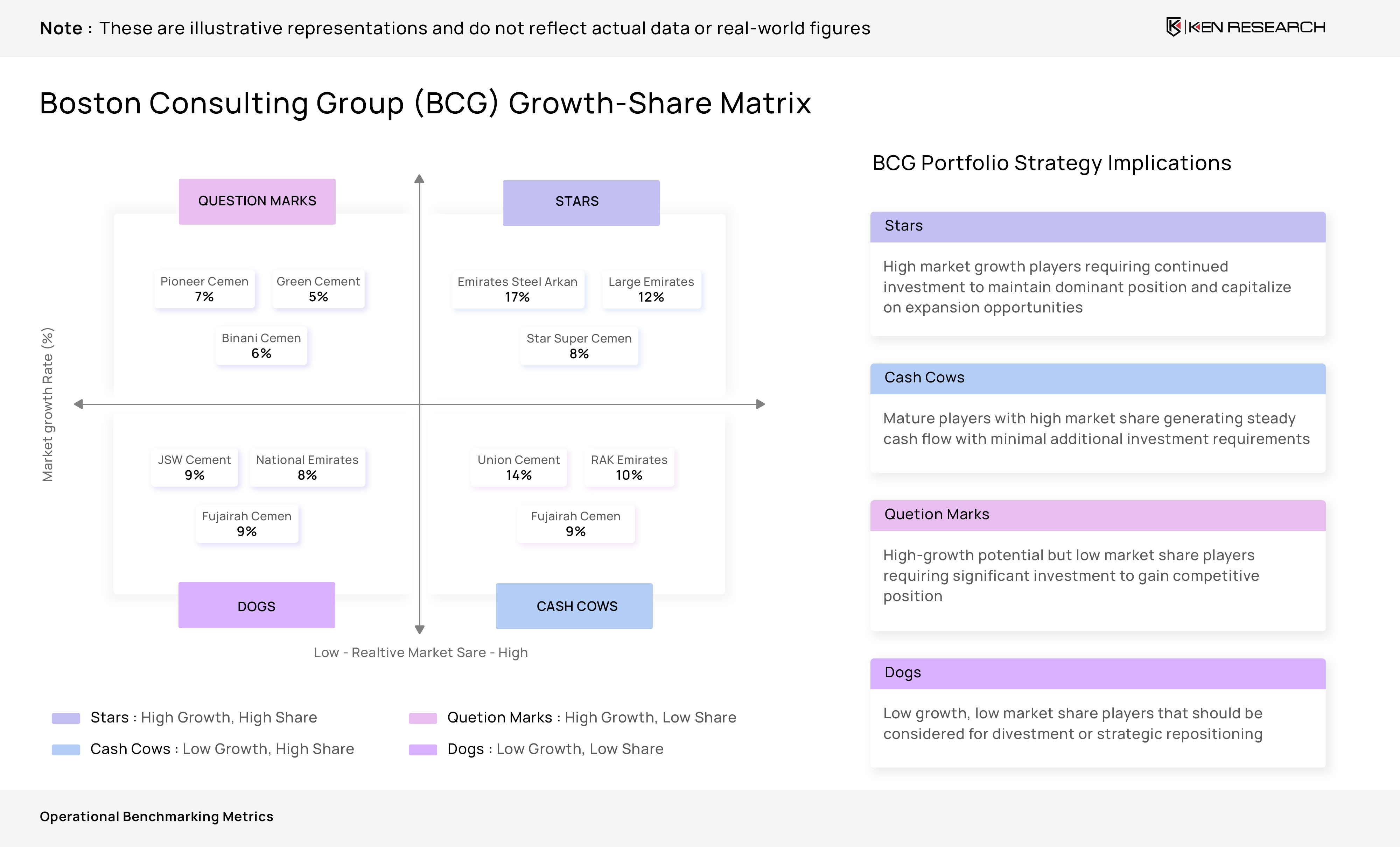
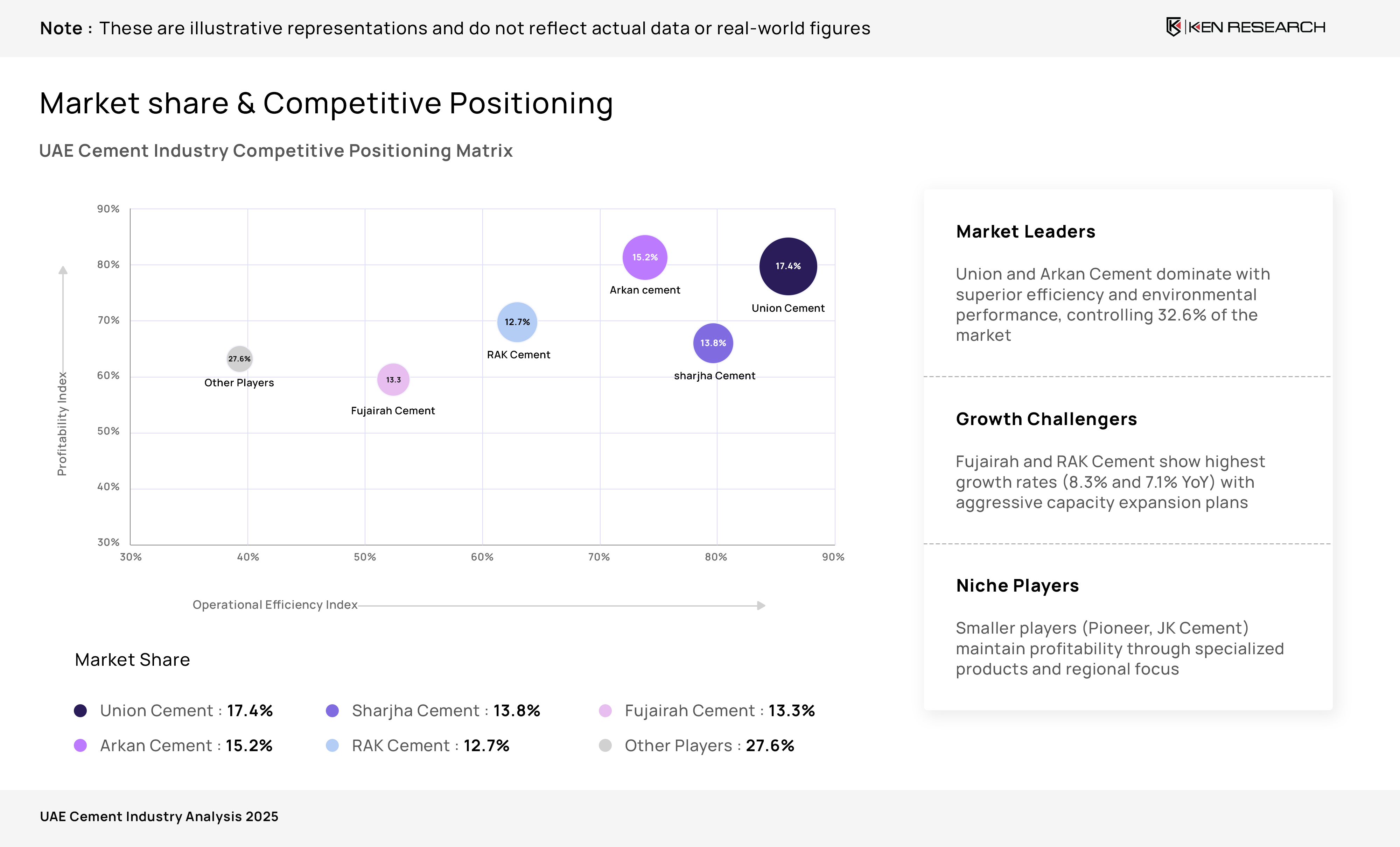
The Philippines agricultural equipment ecosystem shows strong dominance by multinational brands like Kubota, John Deere, and Mahindra, supported by localized subsidiaries ensuring distribution and service reach. Market leadership is clearly concentrated among these large players.
Mid-tier and small players contribute significantly in niche areas such as localized farm mechanization, affordable tractor alternatives, and region-specific machinery. Their agility helps them compete in fragmented regional markets across Luzon, Visayas, and Mindanao.
Leading Player Profiles
Company Profiles Overview
Large global brands rely heavily on Philippine subsidiaries to establish market credibility, while domestic firms such as Agrico and Ropali bridge affordability gaps with localized, small-scale equipment.
The diversity of operational models—from direct subsidiaries to local distributors—creates a balanced ecosystem where premium equipment coexists with cost-effective alternatives.
Key Operational Performance Metrics
Company Performance Overview
Unlock Market Insights
Dive deeper into production, distribution, and pricing intelligence.
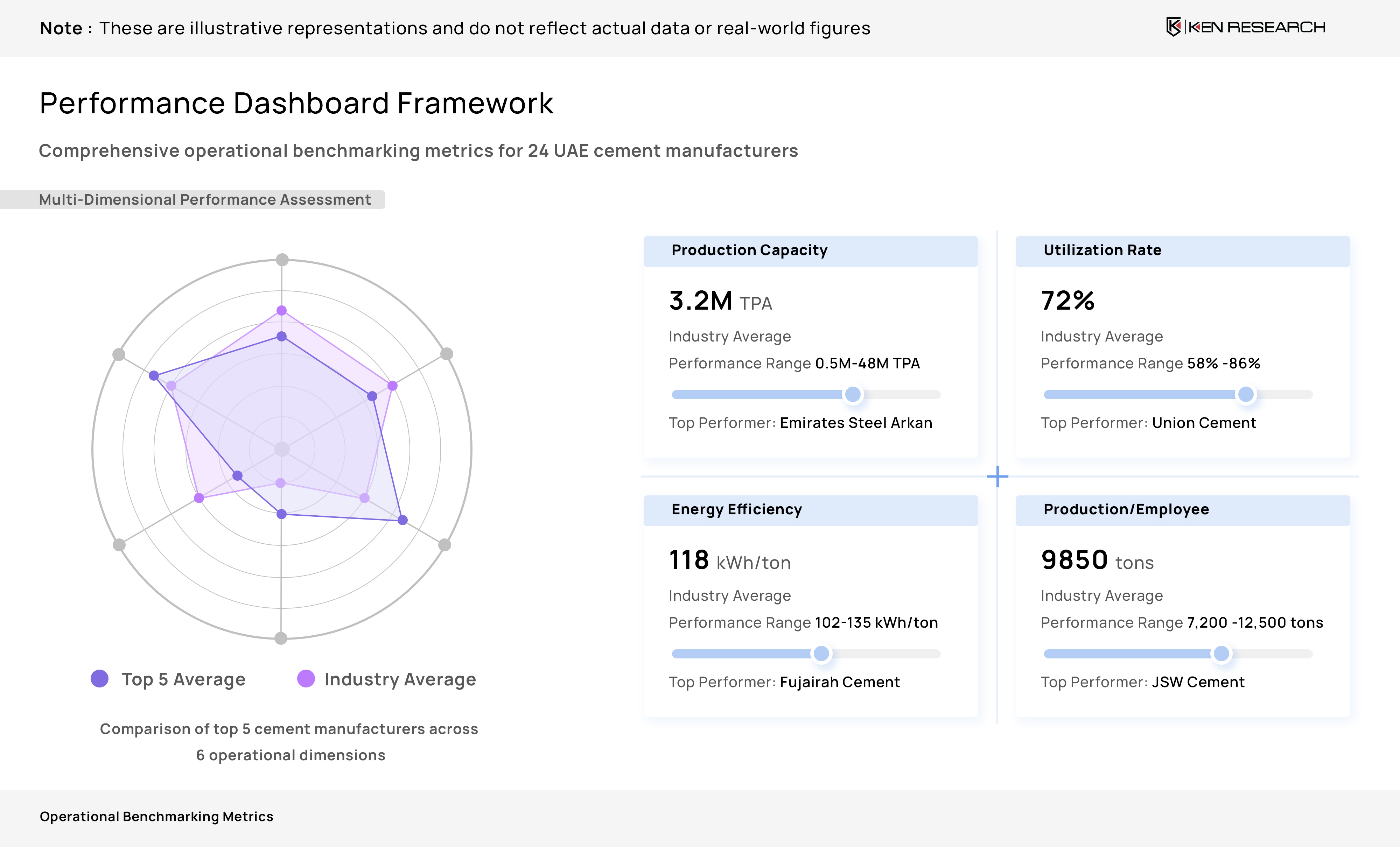
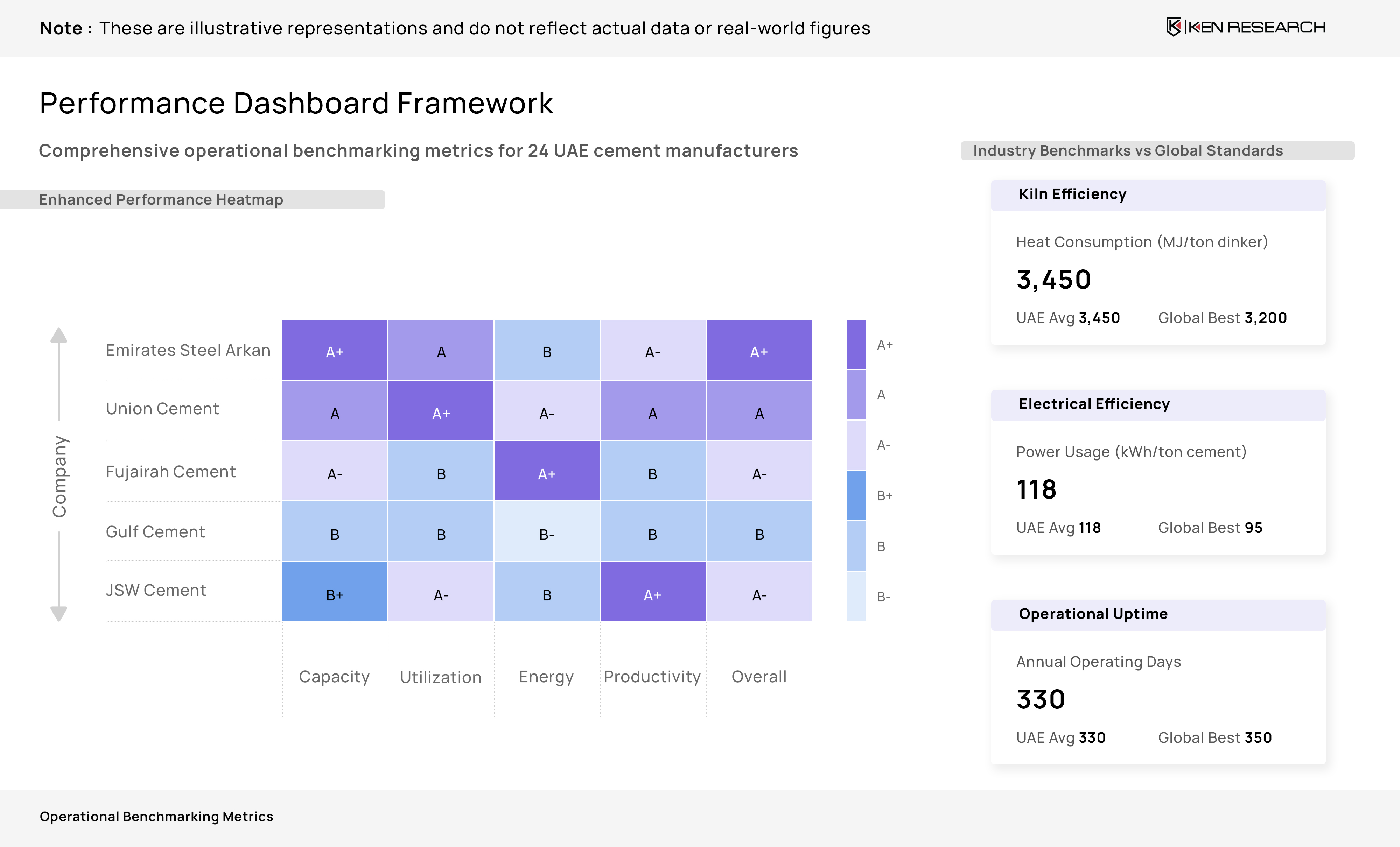
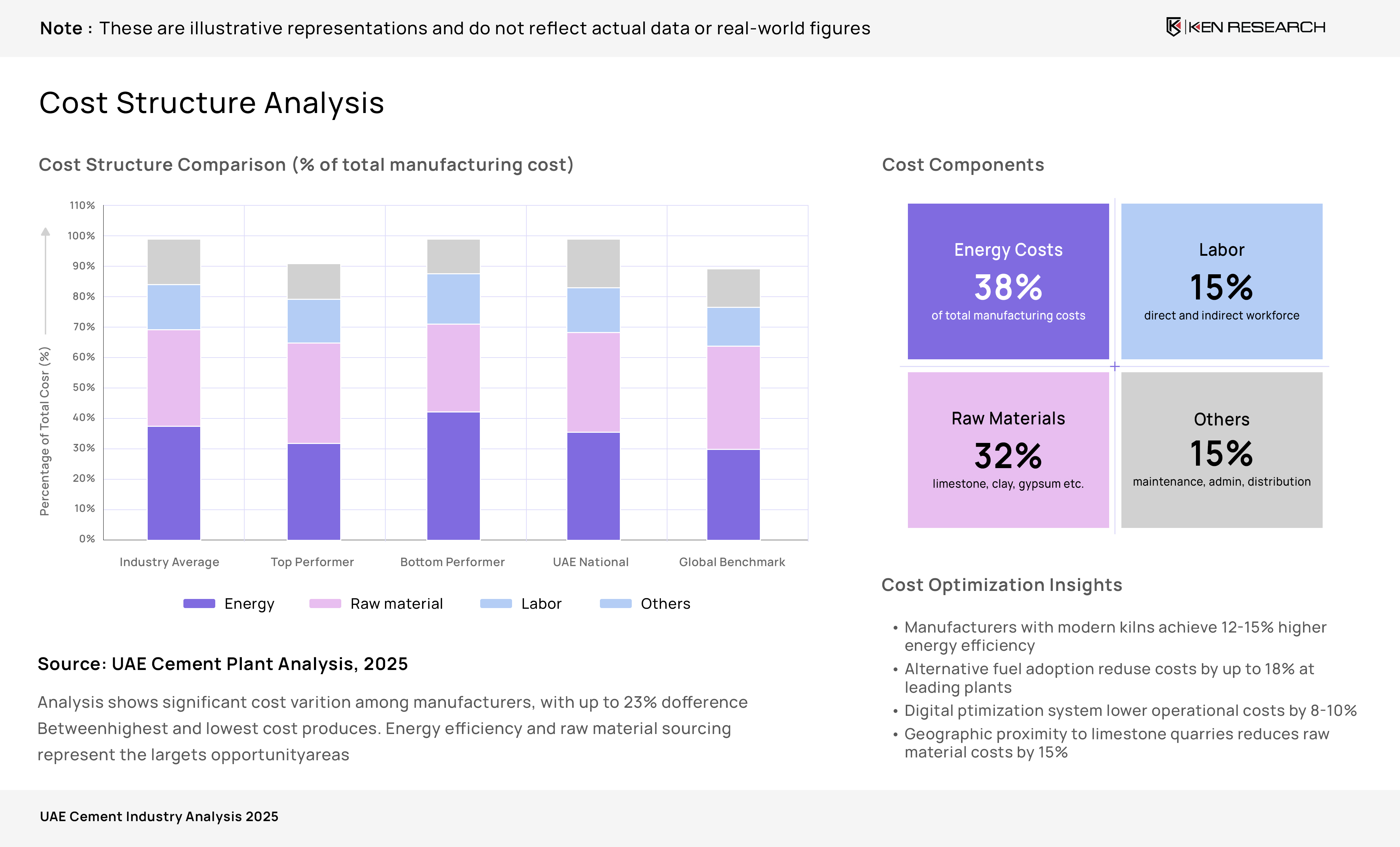
Get Customized ReportOperational performance in the Philippine market is closely tied to import-driven capacity, as domestic production remains limited. Pricing and distribution coverage stand out as critical levers for revenue growth.
Large brands emphasize technology and product range, while smaller players focus on affordable pricing and extensive distribution to penetrate fragmented rural markets.
Core Financial Performance Metrics
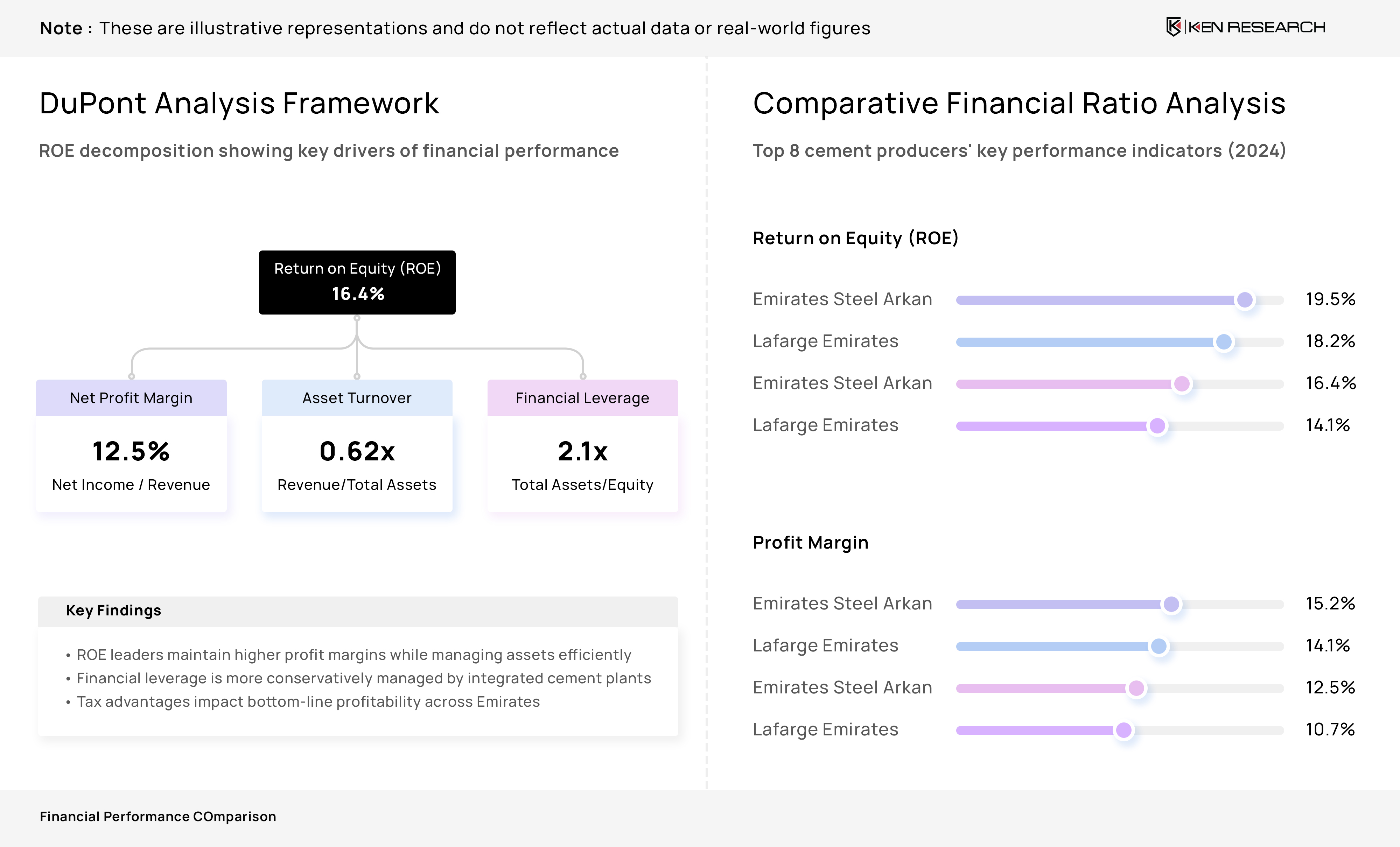
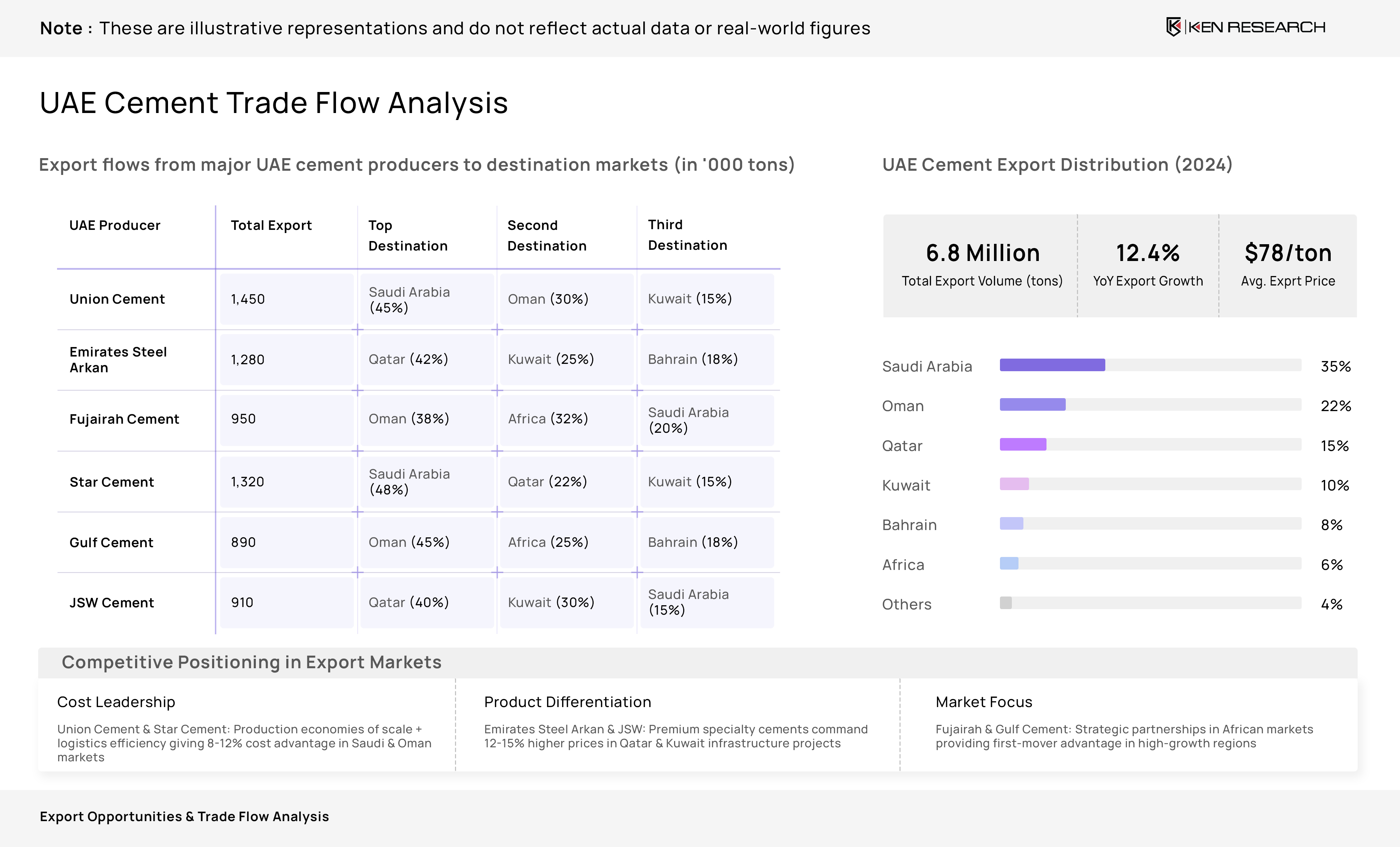
Financial performance remains highly skewed towards global brands, with subsidiaries enjoying higher margins due to brand trust and premium pricing. Local players often face thinner margins, relying on volume-driven strategies.
Revenue growth in the Philippines agricultural equipment market is strongly influenced by mechanization adoption policies and credit facilities for farmers, highlighting government intervention as a major catalyst.
Table of Contents
1. Ecosystem Matrix
1.1 Large Players
1.1.1 Kubota Philippines Inc.
1.1.2 Yanmar Philippines Corp.
1.1.3 John Deere Philippines
1.1.4 New Holland Agriculture
1.1.5 Massey Ferguson (AGCO Philippines)
1.1.6 Mahindra Philippines
1.1.7 Ford Tractor Philippines
1.2 Medium Players
1.2.1 MacPower Marketing Corp.
1.2.2 Sakura Automech
1.2.3 Agrico Machinery Philippines
1.2.4 Ford Tractor & Equipment
1.2.5 JMC Farm Equipment
1.2.6 Aims Agri Ventures
1.2.7 AgriPhil Machinery Corp.
1.3 Small Players
1.3.1 Fitcorea Philippines Inc.
1.3.2 Greenfields Agricultural Machinery
1.3.3 AgriTech Supplies
1.3.4 PowerGrow Agro Machinery
1.3.5 Foton Agribusiness Equipment
1.3.6 Lamsan Farm Machinery
1.3.7 Ropali Trading
2. Company Profiles Overview
2.1 Parameters
2.1.1 Company Name
2.1.2 Group Name
2.1.3 Headquarters
2.1.4 Established Year
2.1.5 Core Segment
2.1.6 Mode of Functioning
3. Key Operational Performance Metrics
3.1 Parameters
3.1.1 Manufacturing Plants
3.1.2 Tractor Production Capacity (Units/Year)
3.1.3 Harvester Production Capacity (Units/Year)
3.1.4 Distribution Coverage (%)
3.1.5 Export Share (%)
3.1.6 Product Range (SKUs)
3.1.7 R&D Investment (% of Revenue)
3.1.8 Pricing (USD/Mn)
4. Core Financial Performance Metrics
4.1 Parameters
4.1.1 Revenue (USD Mn)
4.1.2 Revenue Growth (%)
4.1.3 COGS (USD Mn)
4.1.4 COGS Growth (%)
4.1.5 EBITDA (USD Mn)
4.1.6 EBITDA Growth (%)
4.1.7 EBITDA Margin (%)
4.1.8 PAT (USD Mn)
4.1.9 PAT Margin (%)
5. Methodology
5.1 Approach
5.1.1 Desk Sources
5.1.2 Primary Interviews
5.1.3 Sanity Checking & Validation
5.2 Benchmarking Process
5.2.1 Data Collection
5.2.2 Primary Validation
5.2.3 Proxy KPI Modelling
5.2.4 Normalization & Indexing
5.2.5 Gap Analysis
5.2.6 Peer Review
5.3 Sample Composition
5.3.1 Scope Items
5.3.2 Sample Size
5.3.3 Target Respondents
Methodology
Ken Research will deploy its proprietary, multilayered research framework—combining robust secondary research, targeted primary outreach, and rigorous data validation—to deliver an authoritative competitive landscape analysis of the UAE Cold Chain market. All proxy KPIs have been tailored to the sector’s logistics and service focus.
Desk Sources
- Industry reports (Ken Research archives, Frost & Sullivan)
- Company annual reports & investor presentations
- Government & trade association publications
- Trade journals (Cold Chain & Logistics Review)
- Logistics databases (IATA, TIACA)
- Web traffic dashboards (SimilarWeb, App Annie)
Primary Interviews
- Cold chain operations managers
- Logistics directors at major food and pharmaceutical companies
- Supply chain heads at retail and distribution organizations
- E-commerce cold chain platform leadership teams
- Providers of IoT-enabled cold chain monitoring and tracking solution
Sanity Checking & Validation
- Triangulation: Cross-verify secondary data, primary interviews, and proxy KPI models.
- Proxy KPI synthesis: Use fleet counts, warehouse cubic capacity (m³), and temperature-tracking data to estimate revenues.
- Outlier analysis: Identify and reconcile anomalous data points through follow-up calls.
- Assumption tracking: Maintain a detailed log of benchmarking assumptions with clear limitation notes.
- Peer review: Internal expert review of methodology, models, and outputs prior to finalization.
An Inside Look At Our Custom Insights
Take a look at ourcustomized insights, tailored to yourmarket and business needs. Our benchmarking reports deliver data-driven comparisons of key players, helping you uncover opportunities, assess performance, and make confident strategic decisions.