Philippines Automotive Aftermarket Parts Market
Published on: February 2026
Report Overview
Philippines Automotive Aftermarket Overview
Market Highlights
The Philippines Automotive Aftermarket features a layered competitive landscape where vertically integrated multinationals coexist with established regional players and agile local entrants. Integrated majors focus on scale and supply chain optimization, while regional manufacturers emphasize customization and responsive delivery models aligned with local demand cycles. Smaller domestic firms leverage niche specialization, quick turnaround times, and flexible service agreements to compete effectively across targeted micro-segments.
Global innovation merges with strong domestic adaptation as companies localize EV charger designs, payment systems, and installation models to align with the Philippines' power grid realities and consumer preferences. Hardware suppliers and software platform developers partner with public and private distributors to adapt solutions for varied climatic, infrastructural, and regulatory conditions. Localization extends into vendor partnerships, ensuring that imported technology integrates seamlessly with indigenous manufacturing and service protocols.
The distribution and aftersales ecosystem plays a decisive role in shaping user experience and network reliability. Strategic tie-ups between OEMs, utilities, and real-estate operators are expanding access to chargers in residential, commercial, and fleet domains. Aftersales excellence—spanning maintenance contracts, uptime assurance, and digital service monitoring—drives customer retention and operator credibility in a fragmented service environment.
Competitiveness increasingly relies on operational discipline and data-enabled planning. Leading operators employ predictive maintenance tools, integrated energy management systems, and real-time analytics to minimize downtime and optimize utilization rates. Sustainability commitments and modular product design are enhancing lifecycle efficiency, while collaborative ventures between energy majors and tech start-ups accelerate innovation across the hardware–software continuum.
Ecosystem Matrix
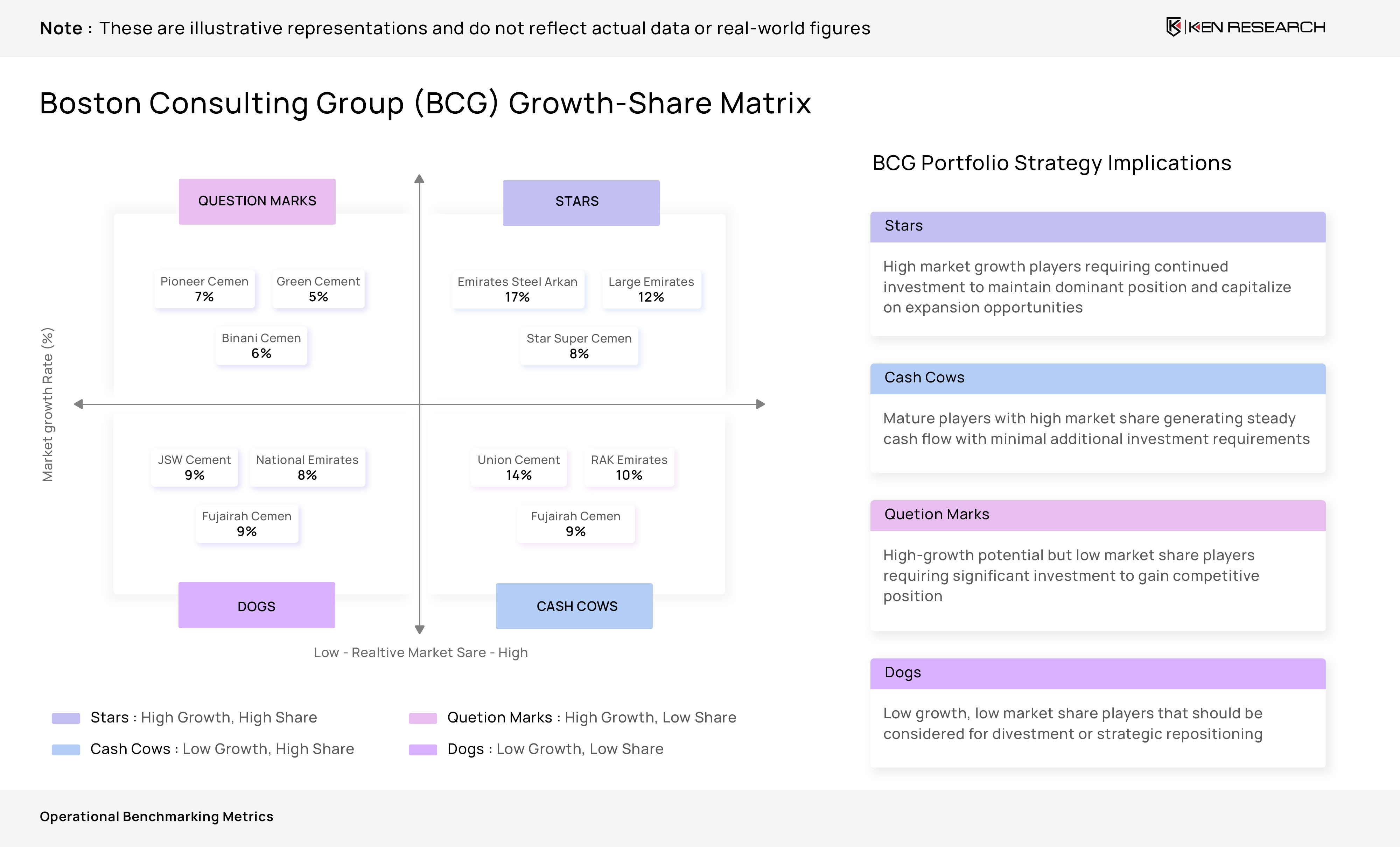
The Philippines automotive aftermarket is dominated by multinational corporations, with large companies like Bosch and Denso leading the market. This indicates a strong presence of global brands, enhancing the market's competitive landscape.
The ecosystem maturity in the Philippines automotive aftermarket is evident with a mix of large, medium, and small companies. This diversity supports innovation and provides consumers with a wide range of products and services.
Leading Player Profiles
Company Profile Overview
In the Philippines Automotive Aftermarket, companies are leveraging strategic partnerships and expanding their distribution networks to enhance market reach and customer engagement, focusing on innovation and sustainability to meet evolving consumer demands and regulatory standards.
Operational efficiency is being achieved through the adoption of advanced manufacturing technologies and streamlined supply chain processes, providing a competitive advantage by reducing costs and improving product availability and service delivery across the market.
Key Operational Performance Metrics
Company Performance Overview
Unlock Market Insights
Dive deeper into production, distribution, and pricing intelligence.
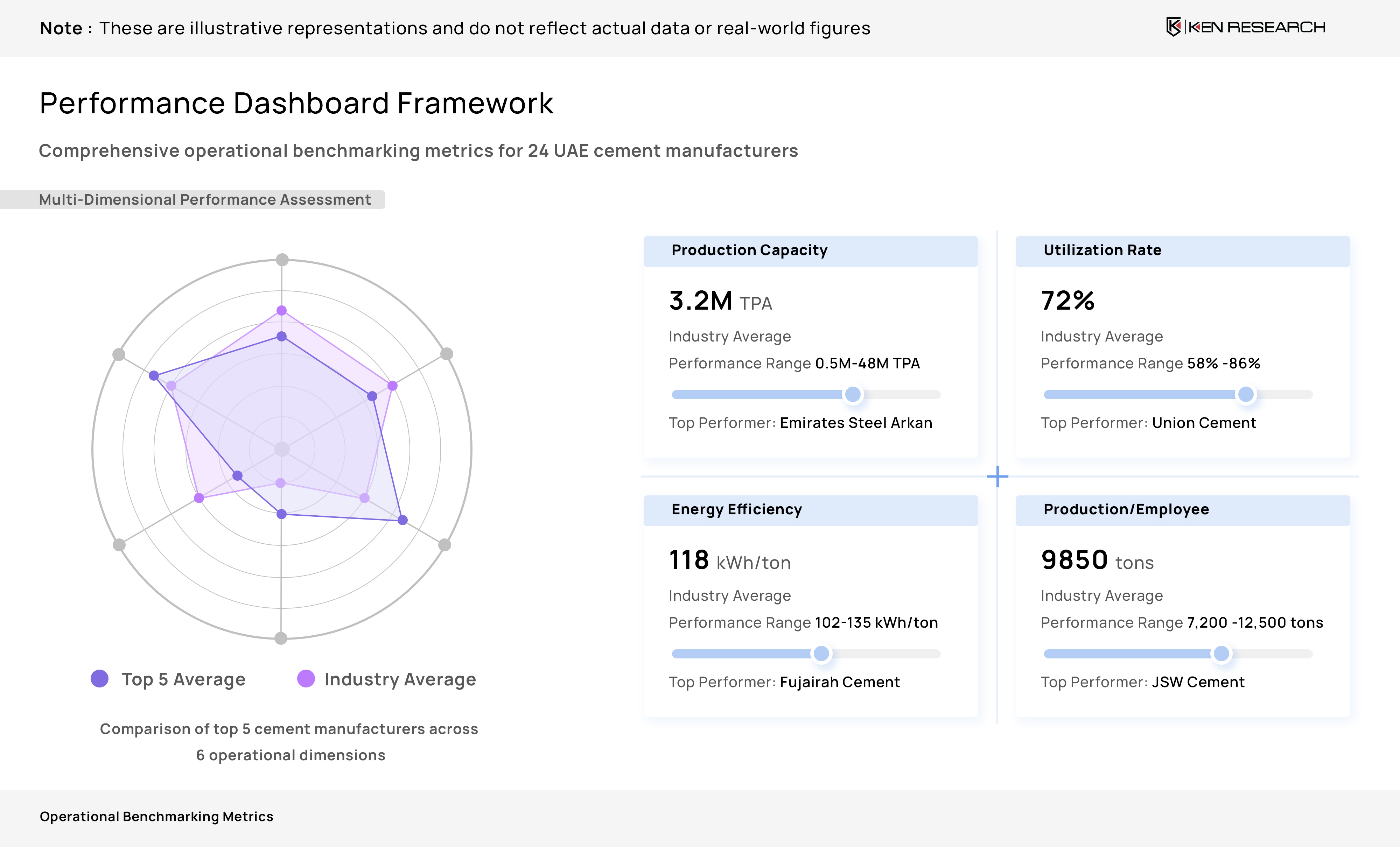
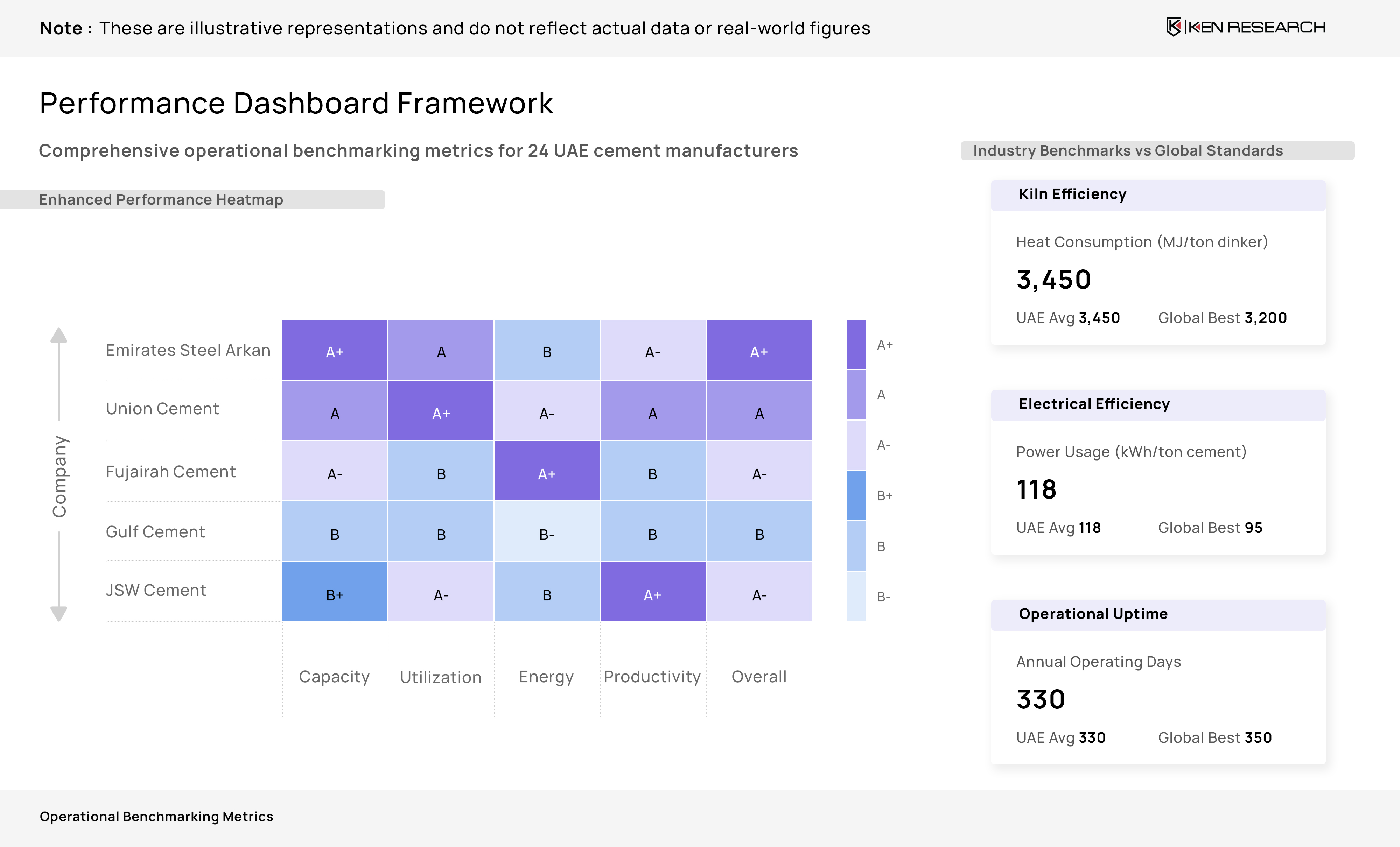
Get Customized ReportParts sales volume, service bay utilization, and aftermarket installation orders are critical revenue drivers in the Philippines automotive aftermarket, reflecting both product demand and service capacity. Average repair order value captures pricing impact on overall revenue generation.
Operational metrics like warranty claim rate, vehicle service time, and parts availability rate provide competitive benchmarking insights, while technician productivity and tire replacement frequency highlight efficiency and customer maintenance behavior in this market.
Core Financial Performance Metrics
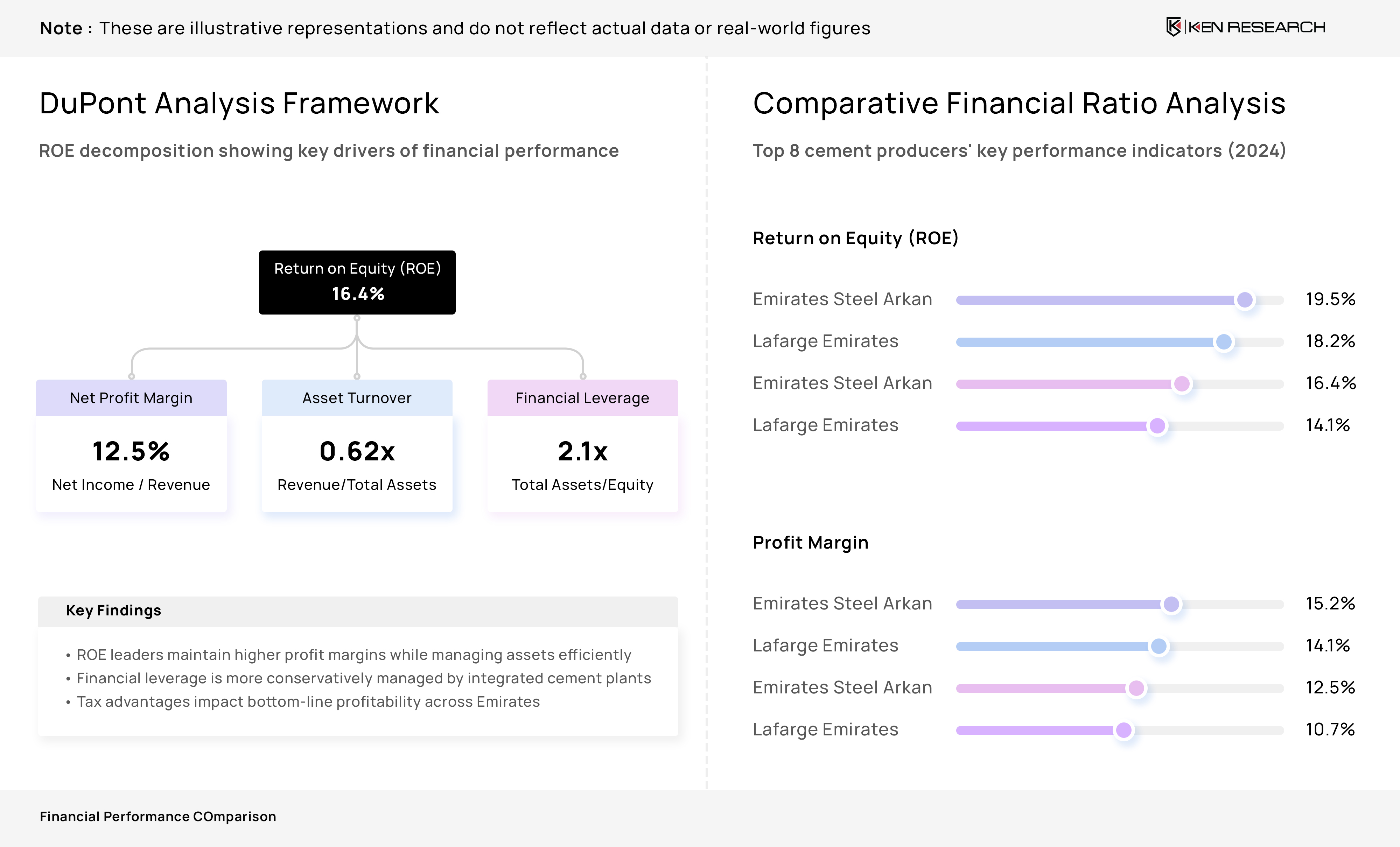
Large players like Bosch and Bridgestone demonstrate superior scale and pricing power, reflected in their robust revenue and margin resilience. In contrast, smaller peers struggle with lower revenue and weaker margins, highlighting the competitive gap in the Philippines Automotive Aftermarket.
Top-tier companies exhibit greater cost efficiency and financial stability, with consistent EBITDA growth and margins. Lower-tier players face challenges in maintaining cost efficiency, resulting in less stable financial performance and narrower profit margins.
Table of Contents
1. Ecosystem Matrix
1.1 Large Players
1.1.1 Bosch Automotive Service Solutions Philippines
1.1.2 Bridgestone Philippines Inc.
1.1.3 Toyota Motor Philippines Corporation
1.1.4 Michelin Philippines
1.1.5 Honda Cars Philippines, Inc.
1.1.6 Denso Philippines Corporation
1.2 Medium Players
1.2.1 Motolite (Philippine Batteries Inc.)
1.2.2 Federal Tires Philippines
1.2.3 Goodyear Philippines, Inc.
1.2.4 Maxxis Tires Philippines
1.2.5 Auto Nation Group, Inc.
1.2.6 Isuzu Philippines Corporation
1.2.7 Yokohama Tire Philippines, Inc.
1.2.8 Autohub Group
1.2.9 Hyundai Asia Resources, Inc.
1.3 Small Players
1.3.1 Carworld, Inc.
1.3.2 Chemrez Technologies, Inc. (Automotive Division)
1.3.3 Pinnacle Parts Co., Inc.
1.3.4 Rapide Auto Service Experts
1.3.5 Blade Auto Center
2. Leading Player Profiles
2.1 Parameters
2.1.1 Company Name
2.1.2 Group Name
2.1.3 Headquarters
2.1.4 Established Year
2.1.5 Core Services
2.1.6 Mode of Functioning
2.2. Players
2.2.1 Bosch Automotive Service Solutions Philippines
2.2.2 Bridgestone Philippines Inc.
2.2.3 Toyota Motor Philippines Corporation
2.2.4 Michelin Philippines
2.2.5 Honda Cars Philippines, Inc.
2.2.6 Denso Philippines Corporation
2.2.7 Motolite (Philippine Batteries Inc.)
2.2.8 Federal Tires Philippines
2.2.9 Goodyear Philippines, Inc.
2.2.10 Maxxis Tires Philippines
2.2.11 Auto Nation Group, Inc.
2.2.12 Isuzu Philippines Corporation
2.2.13 Yokohama Tire Philippines, Inc.
2.2.14 Autohub Group
2.2.15 Hyundai Asia Resources, Inc.
2.2.16 Carworld, Inc.
2.2.17 Chemrez Technologies, Inc. (Automotive Division)
2.2.18 Pinnacle Parts Co., Inc.
2.2.19 Rapide Auto Service Experts
2.2.20 Blade Auto Center
3. Key Operational Performance Metrics
3.1 Parameters
3.1.1 Parts Sales Volume (units)
3.1.2 Service Bay Utilization Rate (%)
3.1.3 Aftermarket Installation Orders (units)
3.1.4 Average Repair Order Value (USD Mn)
3.1.5 Warranty Claim Rate (%)
3.1.6 Average Vehicle Service Time (hours)
3.1.7 Customer Retention Rate (%)
3.1.8 Parts Availability Rate (%)
3.1.9 Technician Productivity (jobs/day)
3.1.10 Average Tire Replacement Frequency (km)
4. Core Financial Performance Metrics
4.1 Parameters
4.1.1 Revenue (USD Mn)
4.1.2 Revenue Growth (%)
4.1.3 COGS (USD Mn)
4.1.4 COGS Growth (%)
4.1.5 EBITDA (USD Mn)
4.1.6 EBITDA Growth (%)
4.1.7 EBITDA Margin (%)
4.1.8 PAT (USD Mn)
4.1.9 PAT Margin (%)
5. Methodology
5.1 Approach
5.1.1 Desk Sources
5.1.2 Primary Interviews
5.1.3 Sanity Checking & Validation
5.2 Benchmarking Process
5.2.1 Data Collection
5.2.2 Primary Validation
5.2.3 Proxy KPI Modelling
5.2.4 Normalization & Indexing
5.2.5 Gap Analysis
5.2.6 Peer Review
5.3 Sample Composition
5.3.1 Scope Items
5.3.2 Sample Size
5.3.3 Target Respondents
Methodology
Ken Research will deploy its proprietary, multi-layered research framework—combining robust secondary research, targeted primary outreach, and rigorous data validation—to deliver an authoritative competitive landscape analysis of the Philippines Automotive Aftermarket.
Desk Sources
- Industry reports (Proprietary databases, Ken Research archives, and major regional or global market sources relevant to Philippines Automotive Aftermarket)
- Company annual reports & investor presentations of large and emerging players in the Philippines Automotive Aftermarket
- Government & trade association publications related to the Philippines Automotive Aftermarket sector
- Trade magazines, journals, and e-articles specific to Philippines Automotive Aftermarket
- Financial databases (Bloomberg, Capital IQ, Factiva)
- Web traffic & app-usage dashboards (SimilarWeb, App Annie, or equivalents) for online or digital players in this market
Primary Interviews
- Category Managers / R&D Heads of key Philippines Automotive Aftermarket producers or service providers
- Senior Sales/Marketing Leads at leading firms
- Distributors, channel partners, or trade buyers active in this market
- Technology/service providers supporting the ecosystem
- Industry analysts and consultants with expertise in Philippines Automotive Aftermarket
Sanity Checking and Validation
- Triangulation: Cross-verify estimates from secondary data, primary inputs, and proxy model outputs
- Proxy KPI synthesis: Use related KPIs (e.g., capacity, throughput, transaction volumes, web traffic, or installation base) to approximate market performance
- Outlier analysis: Identify and reconcile anomalous data points via follow-up validation
- Assumption tracking: Maintain a log of all benchmarking assumptions, with clear notes on limitations and proxy KPI sources
- Peer review: Internal expert review of methodology, models, and key outputs before finalization
An Inside Look At Our Custom Insights
Take a look at ourcustomized insights, tailored to yourmarket and business needs. Our benchmarking reports deliver data-driven comparisons of key players, helping you uncover opportunities, assess performance, and make confident strategic decisions.