Philippines Insurance Broking Market
Published on: February 2026
Report Overview
Philippines Insurance BrokingMarket Overview
Market Highlights
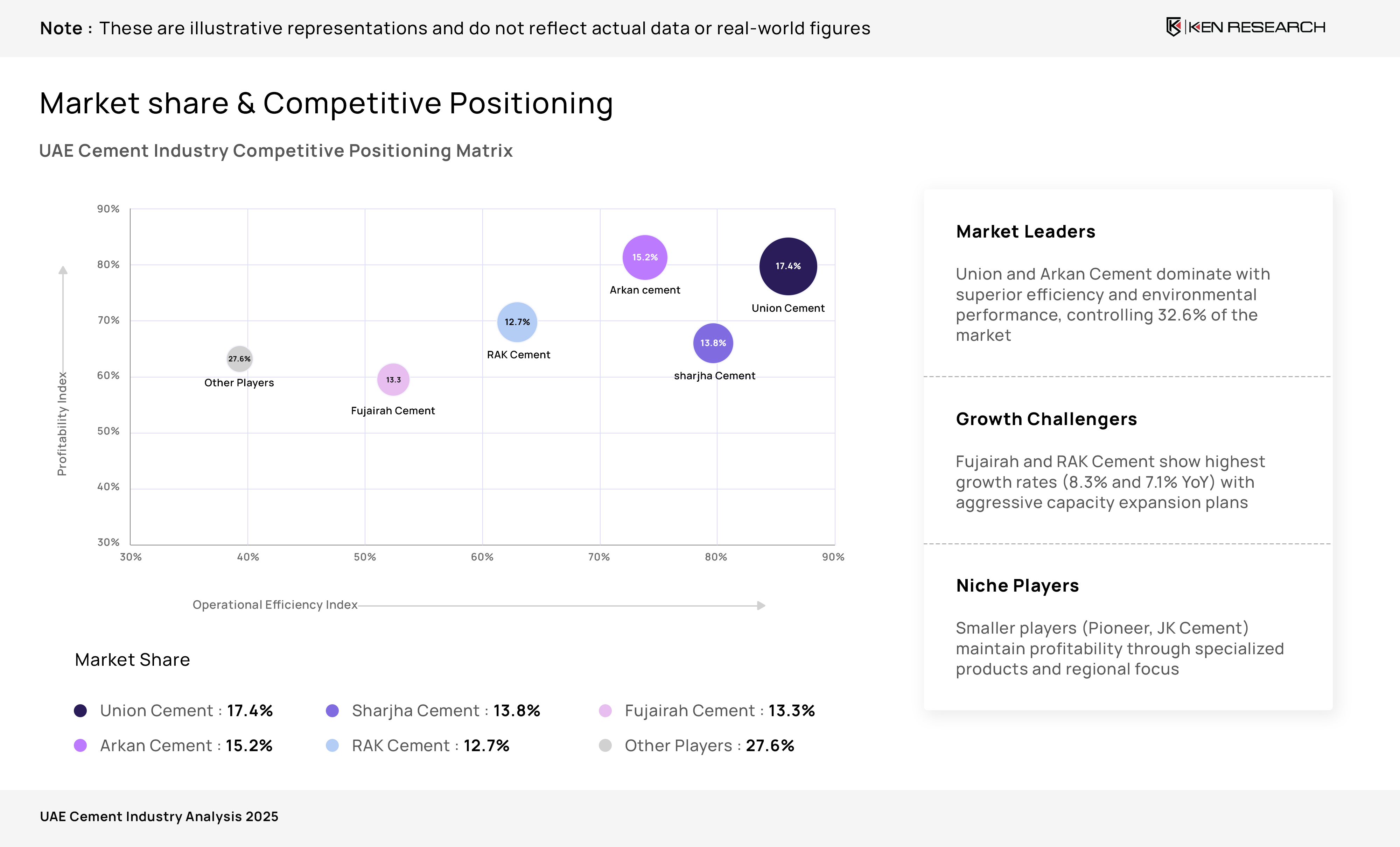
The Philippines insurance broking market reflects a mature yet evolving competitive landscape, marked by the coexistence of multinational brokers, bank-backed intermediaries, and long-established domestic firms. Large global players anchor the upper end of the market through complex risk advisory, multinational program structuring, and access to global insurer networks, while local brokers remain highly relevant due to their strong regulatory understanding, long-standing client relationships, and localized service execution across industries.
Localization continues to define competitive success, as brokers adapt global insurance solutions to Philippine regulatory frameworks, pricing sensitivities, and enterprise risk profiles. Domestic brokers demonstrate flexibility in designing coverage structures, managing claims processes, and supporting clients with hands-on advisory, while multinational firms increasingly invest in localized teams and service models to strengthen client engagement and retention.
Distribution capability and aftersales support are central to market positioning, with renewal management, claims advocacy, and ongoing risk advisory acting as key trust-building mechanisms. Brokers with integrated servicing teams and strong insurer relationships tend to achieve higher client retention and more stable account portfolios, reinforcing their competitive standing.
Strategic differentiation is increasingly driven by operational efficiency, technology-enabled processes, and advisory depth rather than pure scale. Leading players focus on optimizing placement productivity, strengthening pricing discipline, and embedding digital tools across policy administration and client interaction. As the market continues to evolve, sustained leadership will depend on the ability to balance scale with customization, maintain regulatory excellence, and respond proactively to increasingly sophisticated risk management requirements within the Philippine business environment.
Ecosystem Matrix
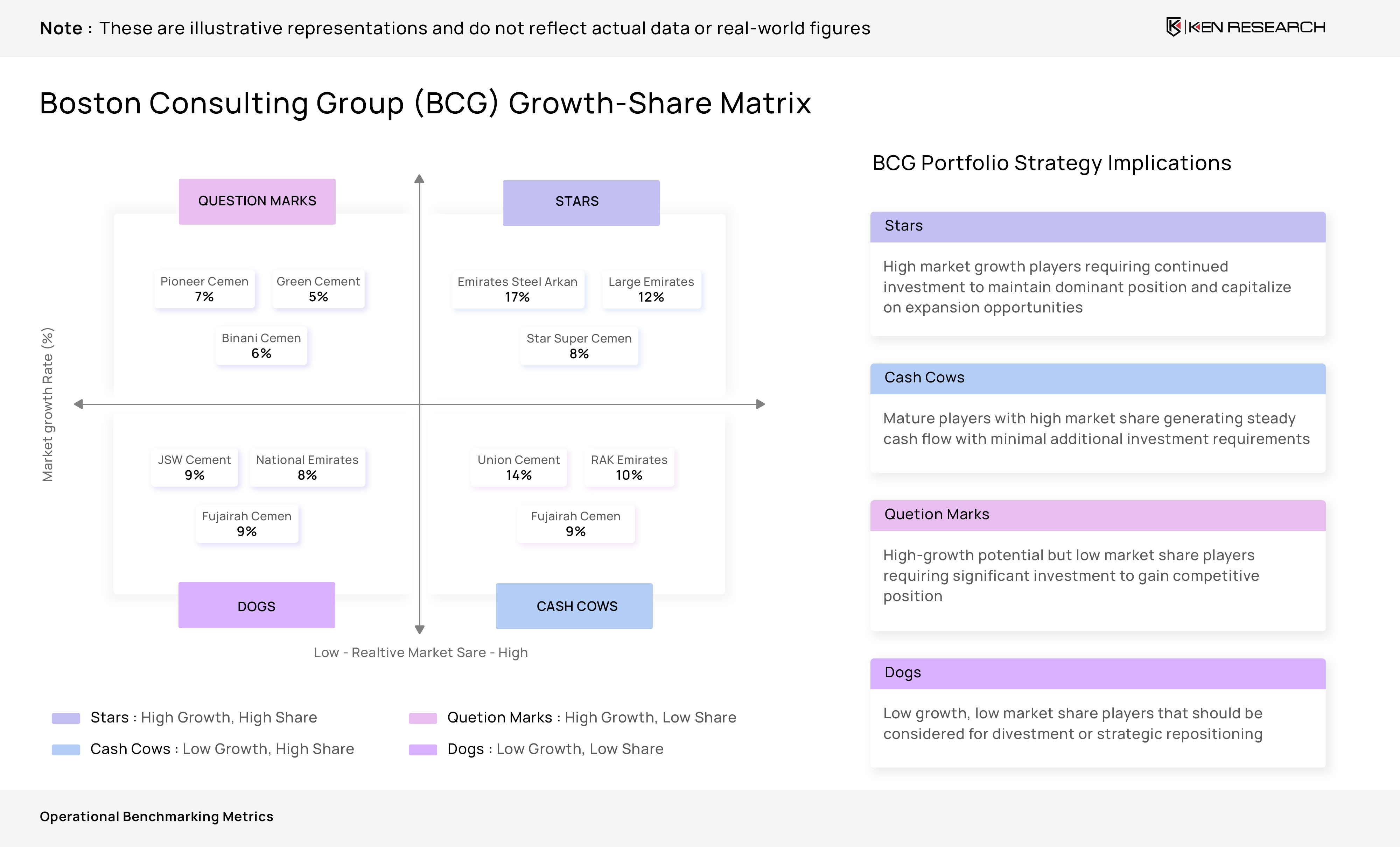
Competitive scale in the Philippines is credibility-led: top brokers consolidate corporate risk placements through bank and group ecosystems, multi-line advisory depth, and carrier leverage, while mid-tier specialists compete on sector focus, service agility, and employee benefits penetration.
Market structure signals a bifurcation: leaders win on premium placement volume, renewal stickiness, and claims servicing capacity, whereas smaller brokers typically win targeted accounts via niche products, relationship-led selling, and faster quote-to-bind execution.
Leading Player Profiles
Company Profile Overview
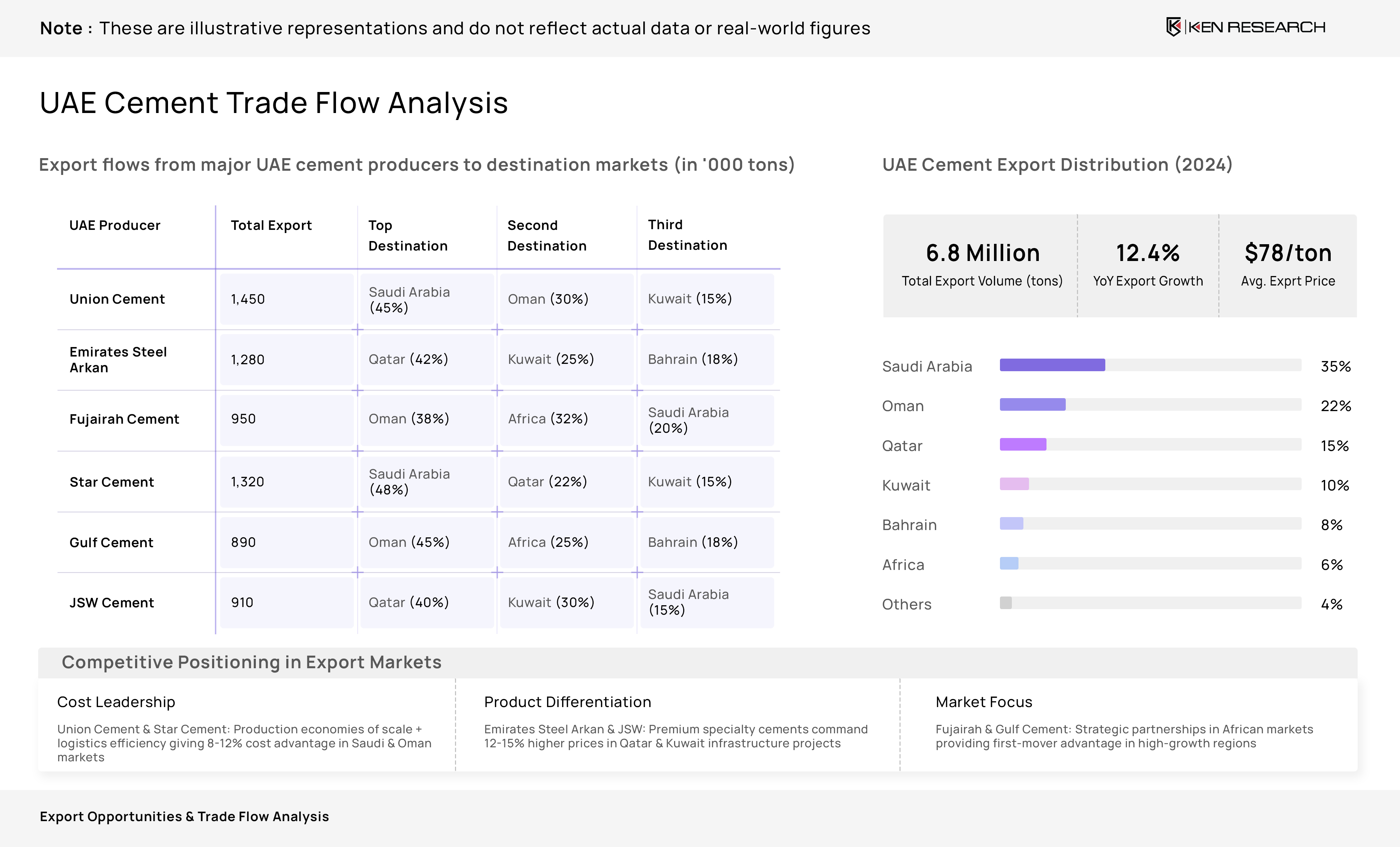
The leading set shows three dominant archetypes: bank-affiliated brokers (distribution and captive ecosystem), multinational brokers (complex risk and global programs), and strong local independents (relationship depth and claims-handling execution), creating clear segmentation by client size and risk complexity.
Establishment profiles imply maturity advantage in renewals and insurer relationships for legacy brokers, while newer entrants typically win via specialty advisory, sharper client servicing, and targeted sector plays where underwriting access and program design are the key differentiators.
Key Operational Performance Metrics
Company Performance Overview
Unlock Market Insights
Dive deeper into production, distribution, and pricing intelligence.
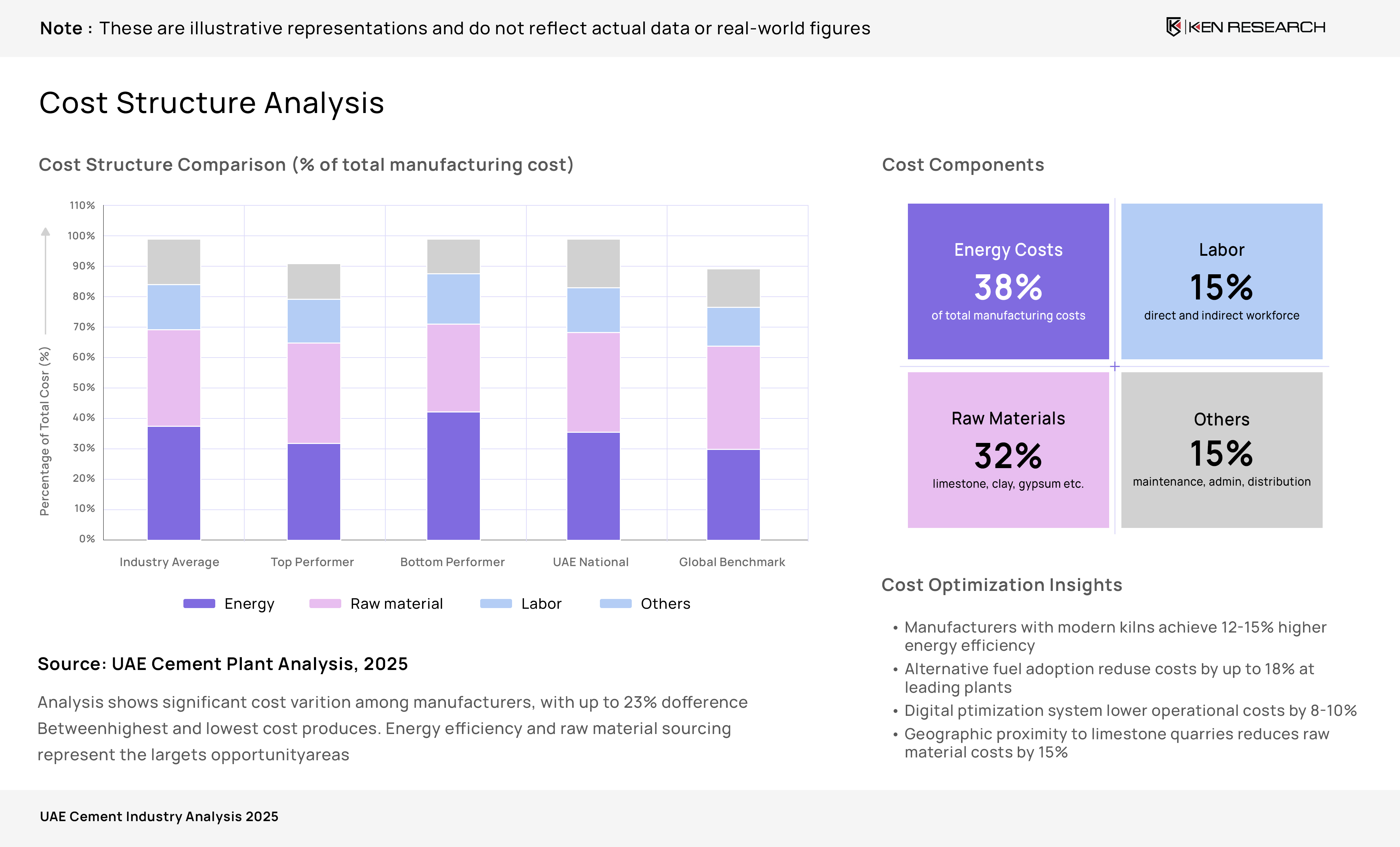
Get Customized ReportRevenue performance in insurance broking is fundamentally driven by premium placed and effective pricing (brokerage fee or commission rate), with scale effects showing up through higher policy volumes, larger average premium tickets, and stronger retention, which stabilizes recurring commission income year over year.
Operational advantage typically comes from growth conversion mechanics: win rate, cross-sell intensity, and renewal discipline. Claims-servicing throughput is a commercial KPI as well, because stronger claims outcomes reinforce retention and referrals, especially in corporate accounts.
Core Financial Performance Metrics
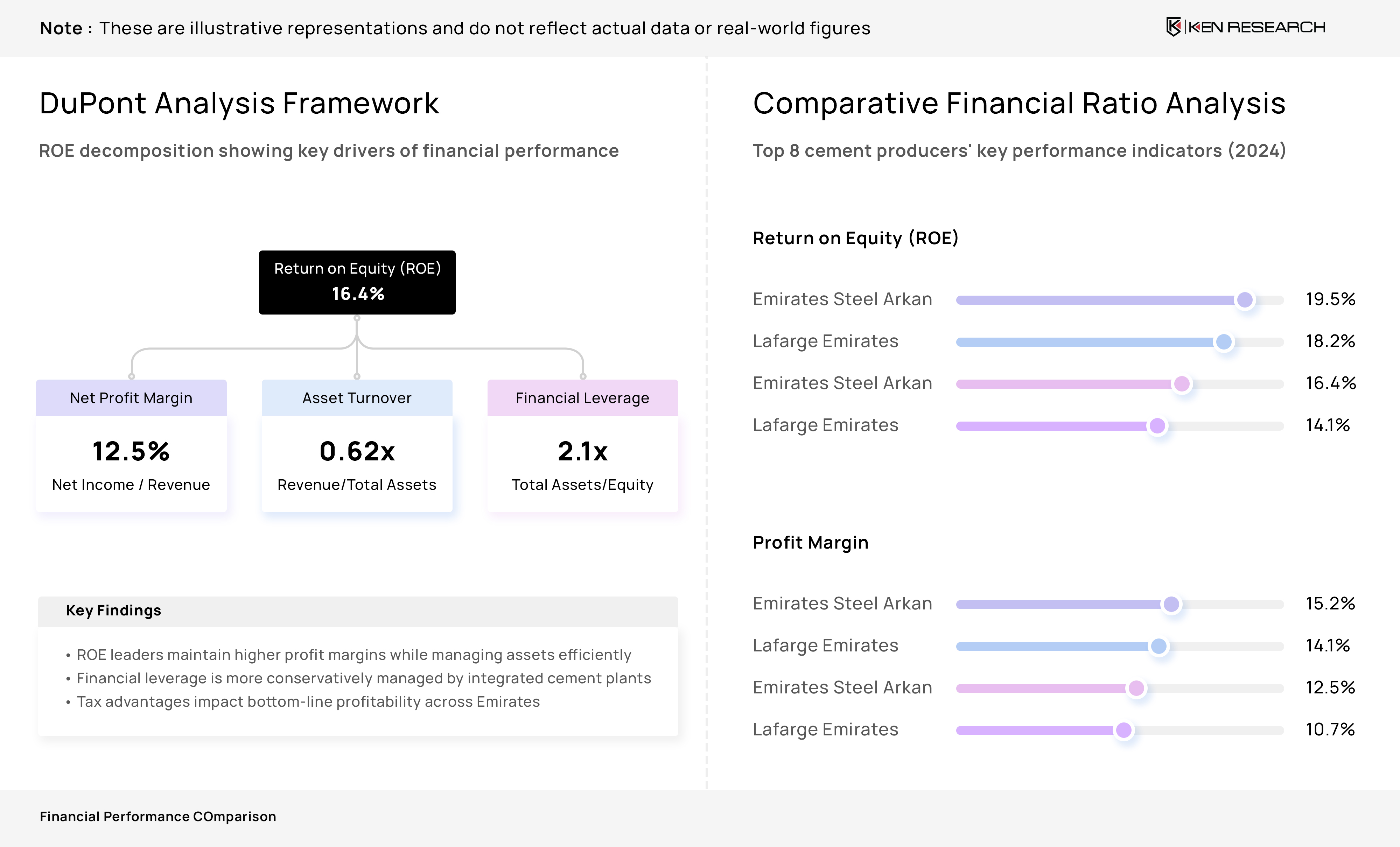
Financial benchmarking separates brokers that scale profitably from those that only grow topline: sustained revenue growth with stable EBITDA margin typically reflects renewal-led income mix, disciplined operating cost base, and better pricing realization on complex accounts.
PAT margin differences often trace back to operating leverage and compliance cost efficiency. Larger brokers tend to absorb fixed compliance and talent costs better, while smaller brokers may show higher volatility depending on a few large accounts and commission seasonality.
Table of Contents
1. Ecosystem Matrix
1.1 Large Players
1.1.1 BDO Insurance Brokers, Inc.
1.1.2 Marsh Philippines, Inc.
1.1.3 Aon Insurance & Reinsurance Brokers Philippines, Inc.
1.1.4 Lockton Philippines Insurance & Reinsurance Brokers, Inc.
1.1.5 Willis Towers Watson Insurance Brokerage (Philippines), Inc.
1.2
Medium Players
1.2.1 HSBC Insurance Brokers (Philippines) Inc.
1.2.2 Lacson & Lacson Insurance Brokers, Inc.
1.2.3 Macondray Insurance Brokers Corporation
1.2.4 PhilPacific Insurance Brokers and Managers, Inc.
1.2.5 Alsons Insurance and Reinsurance Brokers Corp.
1.2.6 Asian Asset Insurance Brokerage Corporation
1.3
Small Players
1.3.1 Bonifacio Insurance Broker Corporation
1.3.2 Arians Insurance Broker Inc.
1.3.3 BMB Insurance Brokers Inc.
1.3.4 Street Exchange Insurance Brokers, Inc. (107 Exchange)
1.3.5 Howden Insurance & Reinsurance Brokers (Phil.) Inc.
2. Leading Player Profiles
2.1 Parameters
2.1.1 Company Name
2.1.2 Group Name
2.1.3 Headquarters
2.1.4 Established Year
2.1.5 Core Services
2.1.6 Mode of Functioning
3. Key Operational Performance Metrics
3.1 Premium Placed (USD Mn)
3.2 Net Commission Income (USD Mn)
3.3 Pricing (Avg Brokerage Fee/Commission %, %)
3.4 Policies/Binds Placed (Count)
3.5 Average Premium per Policy (USD)
3.6 Client Base (Active Clients, Count)
3.7 Renewal Retention Rate (%)
3.8 New Business Win Rate (%)
3.9 Cross-sell Rate (Avg Products per Client, #)
3.10 Claims Serviced (Count)
4. Core Financial Performance Metrics
4.1 Parameters
4.1.1 Revenue (USD Mn)
4.1.2 Revenue Growth (%)
4.1.3 COGS (USD Mn)
4.1.4 COGS Growth (%)
4.1.5 EBITDA (USD Mn)
4.1.6 EBITDA Growth (%)
4.1.7 EBITDA Margin (%)
4.1.8 PAT (USD Mn)
4.1.9 PAT Margin (%)
5. Methodology
5.1 Approach
5.1.1 Desk Sources
5.1.2 Primary Interviews
5.1.3 Sanity Checking & Validation
5.2 Benchmarking Process
5.2.1 Data Collection
5.2.2 Primary Validation
5.2.3 Proxy KPI Modelling
5.2.4 Normalization & Indexing
5.2.5 Gap Analysis
5.2.6 Peer Review
5.3 Sample Composition
5.3.1 Scope Items
5.3.2 Sample Size
5.3.3 Target Respondents
Methodology
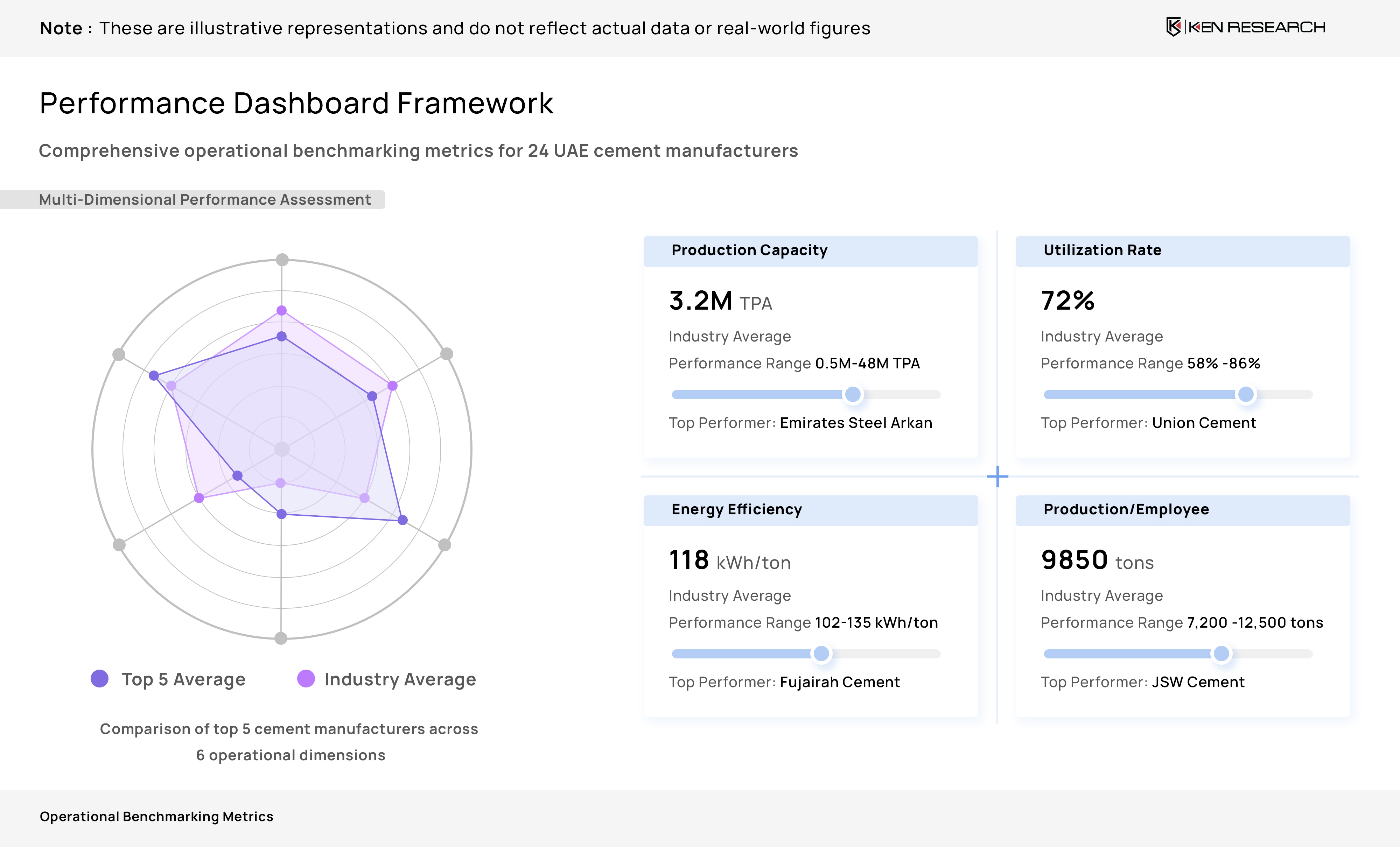
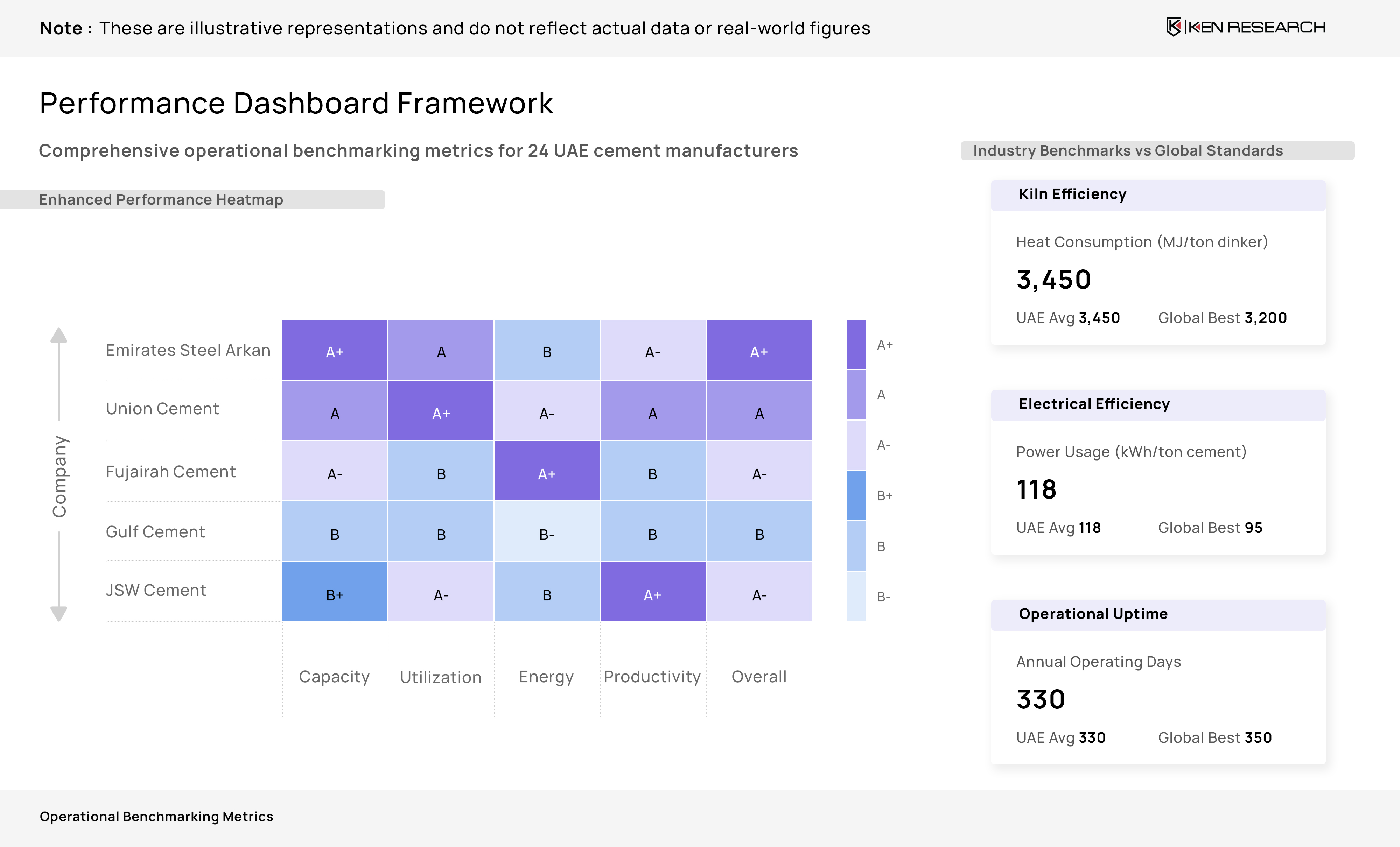
Ken Research will deploy its proprietary, multi layered research framework—combining robust secondary research, targeted primary outreach, and rigorous data validation—to deliver an authoritative competitive landscape analysis of the Philippines Insurance Broking Market.
Desk Sources
- Industry reports from proprietary databases and Ken Research internal archives to establish historical benchmarks, competitive positioning, and market baselines
- Company annual reports, audited financial statements, and statutory filings with the Insurance Commission to extract financial performance, operational scale, and strategic priorities
- Government publications, Insurance Commission releases, and industry association disclosures to understand regulatory frameworks, licensing structures, and market conduct
- Trade publications, insurance journals, and sector-focused articles to track broker consolidation, service innovation, pricing practices, and distribution evolution
- Financial intelligence platforms such as Bloomberg and Capital IQ to benchmark standardized financial ratios and peer-level performance
- Digital intelligence platforms such as SimilarWeb and LinkedIn analytics to assess broker visibility, client engagement signals, and hiring intensity as demand-side proxies
Primary Interview
- CATI interviews and structured online surveys with senior management, category heads, and business development leaders at insurance broking firms
- In-depth discussions with sales heads and client servicing leaders to validate premium placement trends, pricing structures, and renewal dynamics
- Interviews with insurance carriers and reinsurers to validate broker performance, placement volumes, and relationship strength
- Consultations with industry analysts, regulatory experts, and consulting professionals to validate competitive behavior, compliance impact, and emerging business models
Sanity Checking and Validation
- Triangulation of estimates through cross-validation of secondary research, primary inputs, and proxy-based model outputs
- Proxy KPI synthesis using indicators such as premium placed, active client base, policy volumes, renewal ratios, and claims handled to approximate revenue and scale
- Outlier analysis to identify deviations in growth, margin, or productivity metrics, followed by targeted validation interviews
- Structured assumption tracking to document all modeling assumptions, data gaps, and proxy limitations
- Internal peer review of methodology, assumptions, and analytical outputs prior to final report sign-off
An Inside Look At Our Custom Insights
Take a look at ourcustomized insights, tailored to yourmarket and business needs. Our benchmarking reports deliver data-driven comparisons of key players, helping you uncover opportunities, assess performance, and make confident strategic decisions.