Philippines Luxury Car Dealers Market
Published on: February 2026
Report Overview
PhilippinesLuxury Car Dealers Market Overview
Market Highlights
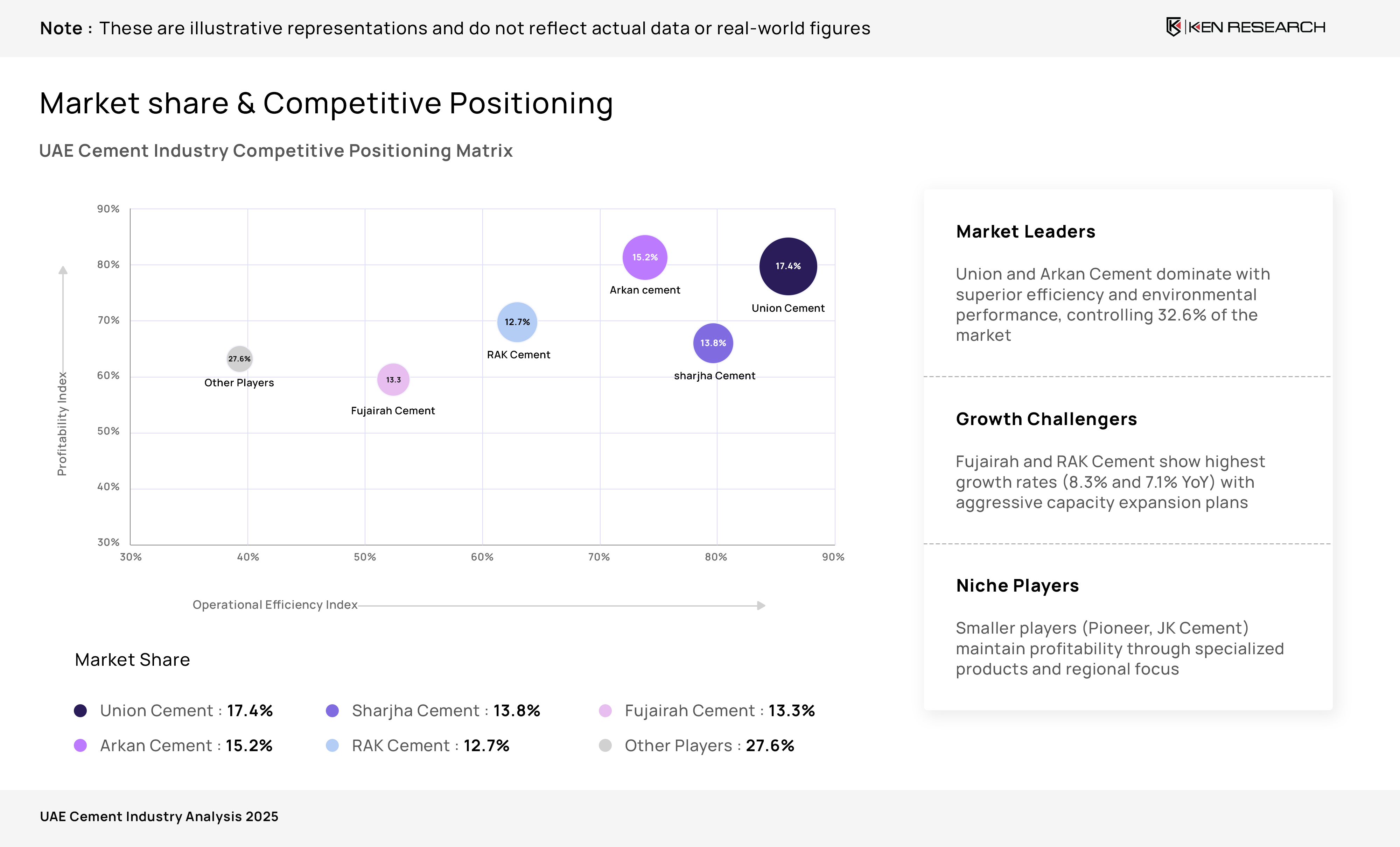
The Philippines luxury car dealers market is characterized by a tightly controlled competitive structure dominated by a limited number of distributor-led dealer groups that manage multiple premium and ultra-luxury brands under centralized operational and governance frameworks. Large players typically operate as national brand custodians, balancing global manufacturer standards with localized execution, while medium and smaller players focus on flagship retailing, regional expansion, or niche brand specialization within defined customer segments.
Global innovation in vehicle technology, design, and ownership experience is increasingly blended with localized adaptation, as dealer groups tailor product positioning, financing solutions, and service programs to suit domestic purchasing behavior and usage patterns. Domestic distributors play a critical role in contextualizing global luxury propositions by aligning inventory mix, specification preferences, and customer engagement models with local demand sensitivities, regulatory conditions, and infrastructure realities.
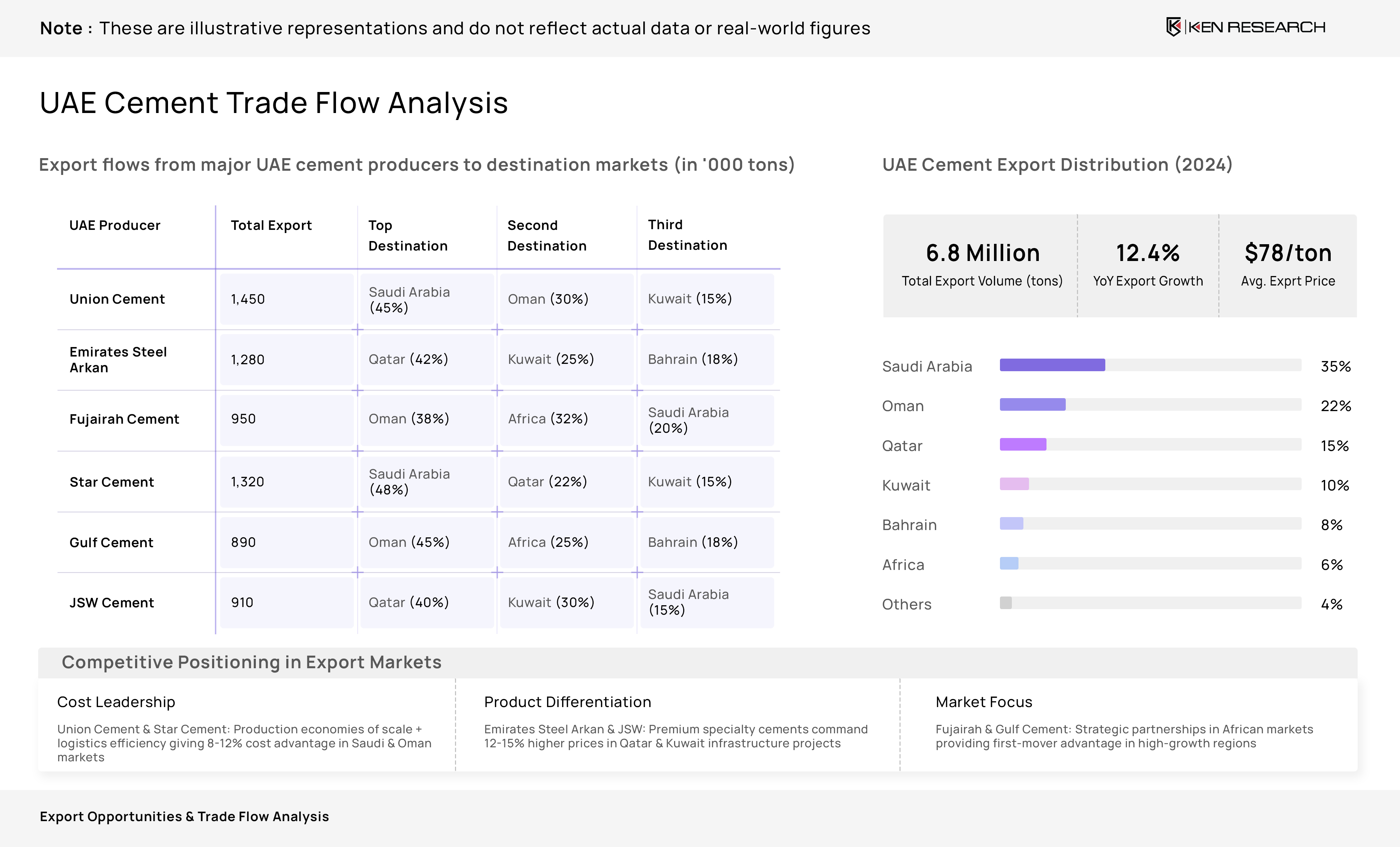
The distribution and aftersales ecosystem serves as a decisive competitive lever in this market, with showroom reach, service capacity, and customer support depth strongly influencing brand perception and repeat purchase behavior. Dealers that invest in service excellence, certified technicians, and structured ownership programs tend to build stronger loyalty and lifecycle value, particularly as customers transition from entry-luxury to ultra-luxury segments over time.
Operational strategies across the market increasingly emphasize efficiency, inventory discipline, digital lead management, and service monetization to protect margins amid demand cyclicality. Technology integration across CRM systems, aftersales scheduling, and digital engagement platforms is becoming a key differentiator, while sustainability orientation and compliance with global brand standards are shaping long-term strategic positioning.
Looking ahead, competitive leadership in the Philippines luxury car dealers market will continue to be shaped by the ability to balance global brand innovation with localized execution, maintain operational agility, and deepen customer relationships across the ownership lifecycle. Players that successfully integrate innovation, service excellence, and strategic discipline are best positioned to sustain relevance and leadership as the market evolves.
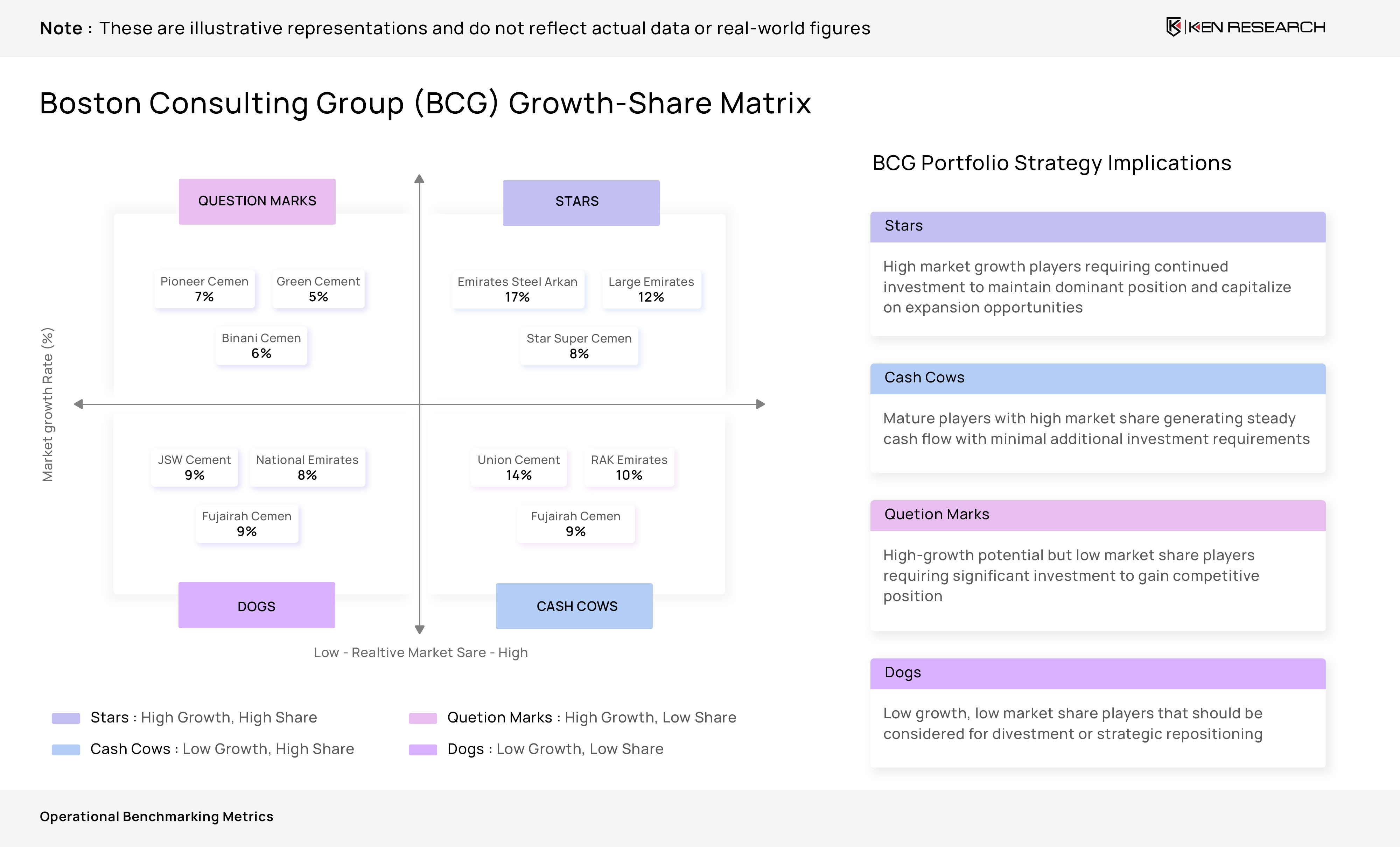
Ecosystem Matrix
Competitive intensity is shaped by a handful of multi-brand distributor groups that control brand rights, retail standards, and aftersales capacity, making dealer network reach and service throughput the biggest differentiators in capturing high-value customer lifetime value.
Market momentum typically tracks three levers: premium inventory availability, pricing and discount discipline, and aftersales retention. Players that win corporate accounts and certified pre-owned cycles usually stabilize margins better than single-site retailers.
Leading Player Profiles
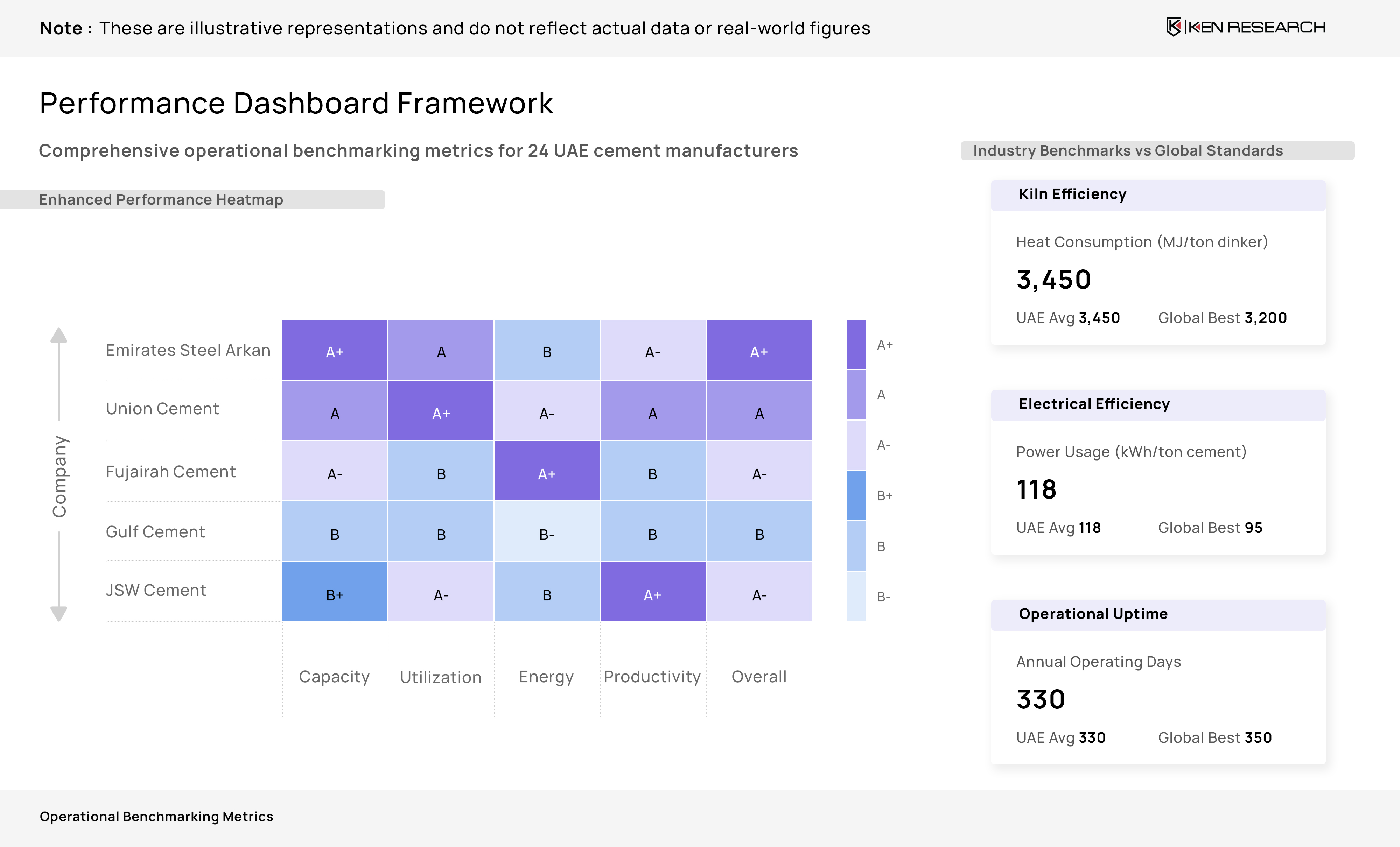
Company Profile Overview
The landscape is dominated by distributor-led groups that can fund flagship facilities, inventory financing, and certified service capacity, which typically translates into stronger brand compliance scores and higher conversion from test-drive to booking for ultra-premium models.
Dealer competitiveness is increasingly determined by service experience and retention engines, not just new-car allocation. Players with structured aftersales programs and certified pre-owned pipelines tend to defend profitability better during demand volatility.
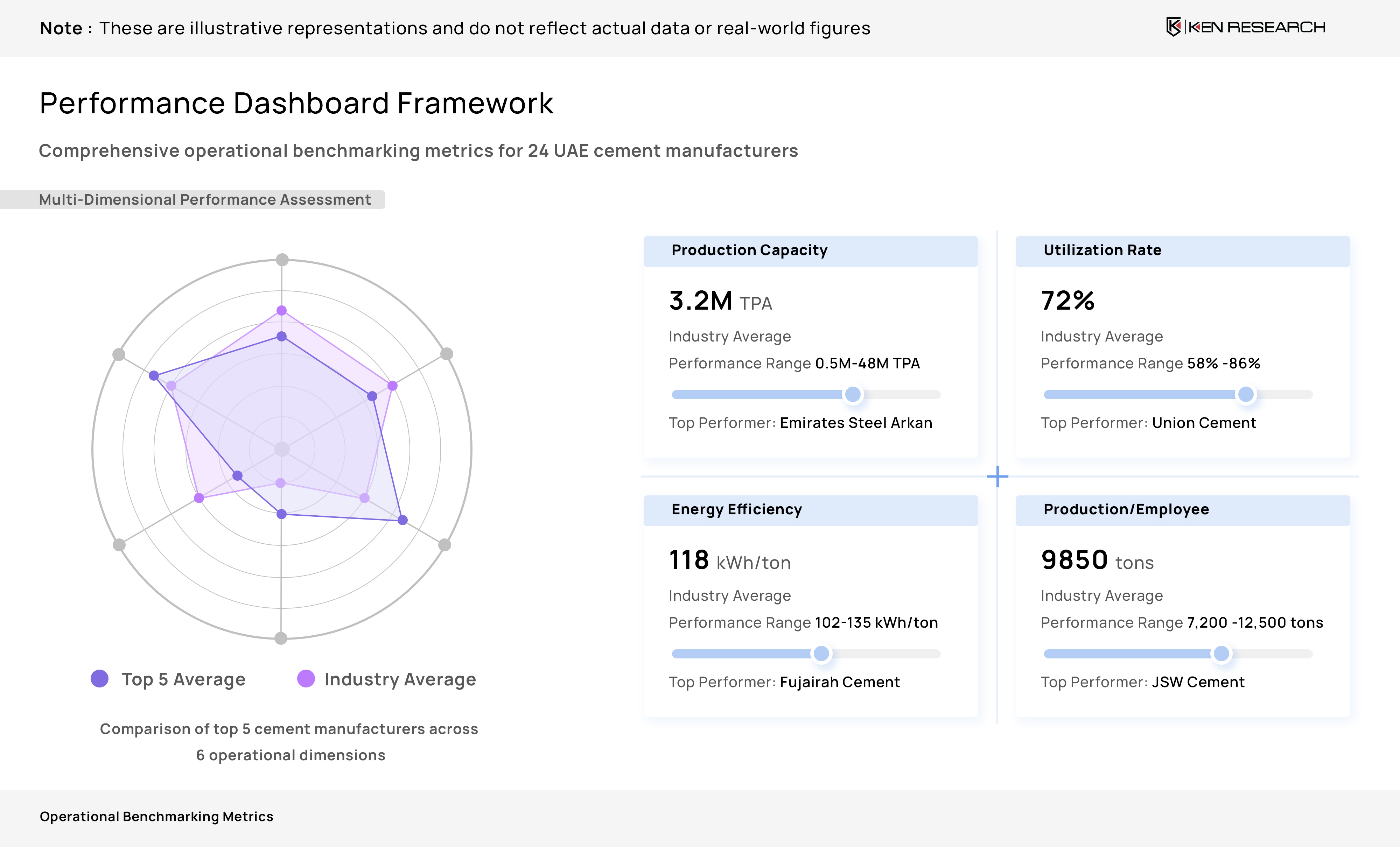
Key Operational Performance Metrics
Company Performance Overview
Unlock Market Insights
Dive deeper into production, distribution, and pricing intelligence.
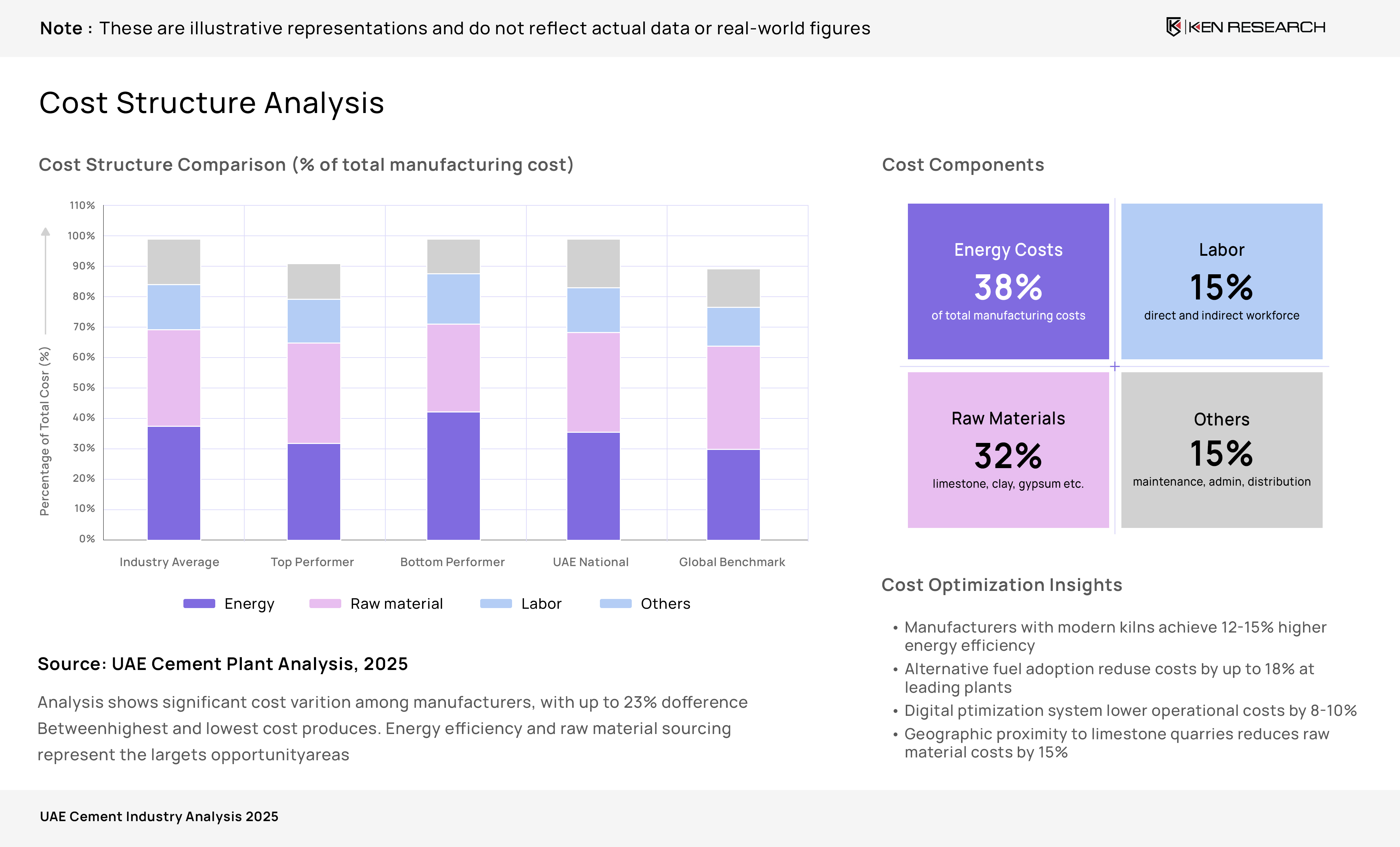
Get Customized ReportRevenue outcomes in luxury retail are best explained by the triangle of unit throughput, pricing power, and gross profit per vehicle. Dealers that manage inventory days tightly typically protect realized pricing and reduce incentive-led margin dilution.
The strongest operators usually show high aftersales monetization and repeat upgrades because service capacity, parts availability, and ownership programs keep customers inside the ecosystem, improving conversion efficiency and smoothing seasonality in new-car deliveries.
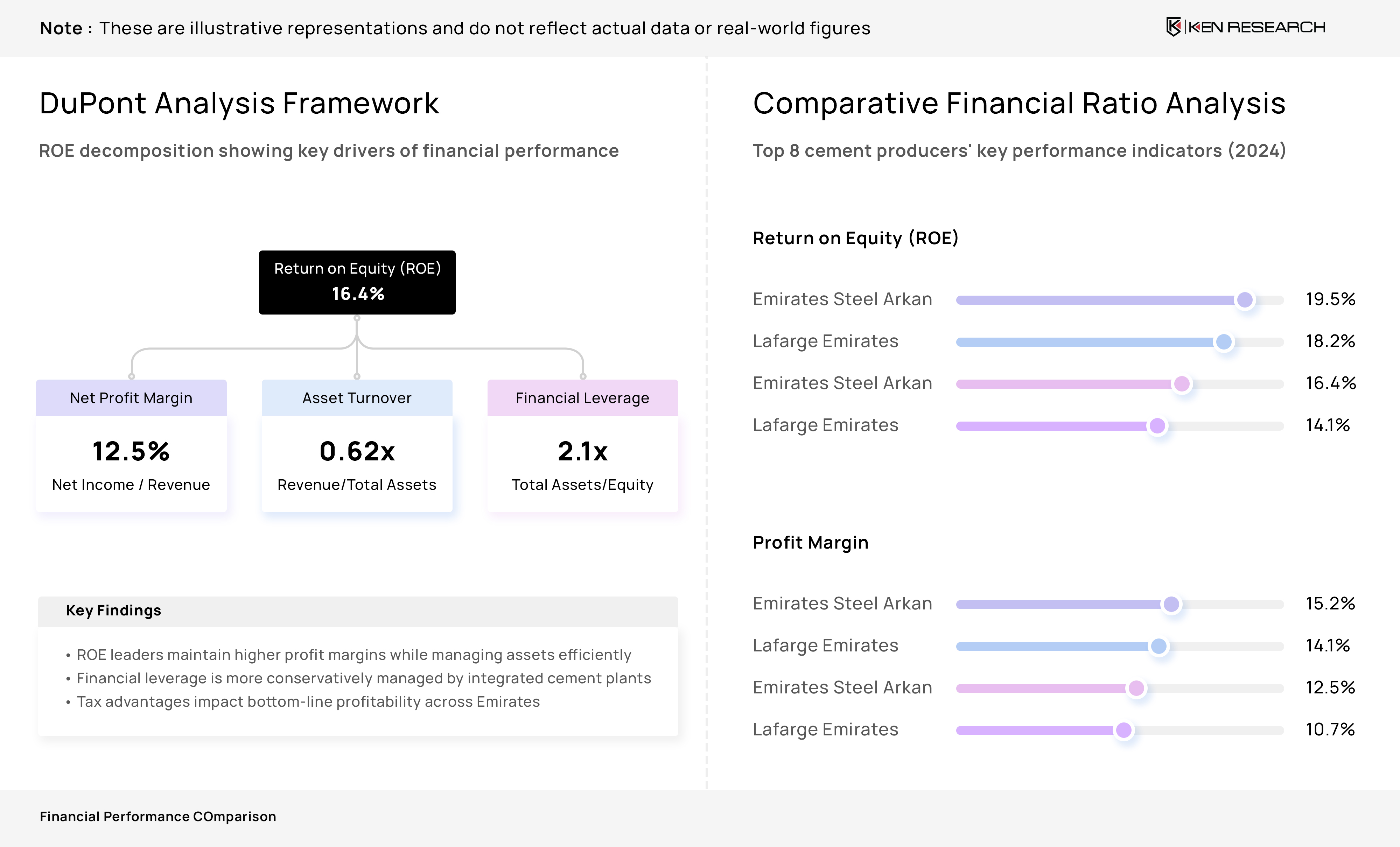
Core Financial Performance Metrics
Financial benchmarking typically separates scale from quality. Higher revenue does not automatically imply superior profitability in luxury retail because COGS movements, incentive policies, and mix of super-luxury vs premium models can materially shift EBITDA margin outcomes.
Dealers with strong aftersales contribution and disciplined working capital often sustain EBITDA and PAT margins even when topline growth slows, because service, parts, and finance income buffers volatility in new vehicle demand cycles.
Table of Contents
1. Ecosystem Matrix
1.1 Large Players
1.1.1 PGA Cars, Inc.
1.1.2 CATS Motors, Inc. (Inchcape Philippines JV)
1.1.3 SMC Asia Car Distributors Corp. (BMW Philippines)
1.1.4 Toyota Motor Philippines Corporation (Lexus Philippines)
1.1.5 Hariphil Asia Resources, Inc. (Volvo Cars PH)
1.1.6 Autohub Group (Rolls-Royce / MINI / Lotus PH)
1.2 Medium Players
1.2.1 Autostrada Motore, Inc. (Maserati PH)
1.2.2 Lexus Manila, Inc.
1.2.3 Bentley Manila (PGA Cars)
1.2.4 Lamborghini Manila (PGA Cars)
1.2.5 Audi Global City (PGA Cars)
1.2.6 Porsche Centre Manila/BGC (PGA Cars)
1.3 Small Players
1.3.1 BMW RSA Motors Greenhills
1.3.2 BMW Autowelt Cebu
1.3.3 Visayas Motor Works (BMW Cebu)
1.3.4 Mercedes-Benz Retail (Inchcape Philippines network)
1.3.5 Jaguar Land Rover Retail (Inchcape Philippines network)
1.3.6 Volvo Retail Network (HARI/Volvo PH)
2. Leading Player Profiles
2.1 Parameters
2.1.1 Company Name
2.1.2 Group Name
2.1.3 Headquarters
2.1.4 Established Year
2.1.5 Core Services
2.1.6 Mode of Functioning
3. Key Operational Performance Metrics
3.1 Vehicles Sold (Units)
3.2 Pricing: Average Selling Price (USD)
3.3 Gross Profit per Vehicle (USD)
3.4 Service & Parts Revenue (USD Mn)
3.5 Finance & Insurance Income (USD Mn)
3.6 Test Drives (No.)
3.7 Lead-to-Sale Conversion (%)
3.8 Inventory Days (Days)
3.9 Repeat / Upgrade Rate (%)
3.10 Corporate & Fleet Mix (%)
4. Core Financial Performance Metrics
4.1 Parameters
4.1.1 Revenue (USD Mn)
4.1.2 Revenue Growth (%)
4.1.3 COGS (USD Mn)
4.1.4 COGS Growth (%)
4.1.5 EBITDA (USD Mn)
4.1.6 EBITDA Growth (%)
4.1.7 EBITDA Margin (%)
4.1.8 PAT (USD Mn)
4.1.9 PAT Margin (%)
5. Methodology
5.1 Approach
5.1.1 Desk Sources
5.1.2 Primary Interviews
5.1.3 Sanity Checking & Validation
5.2 Benchmarking Process
5.2.1 Data Collection
5.2.2 Primary Validation
5.2.3 Proxy KPI Modelling
5.2.4 Normalization & Indexing
5.2.5 Gap Analysis
5.2.6 Peer Review
5.3 Sample Composition
5.3.1 Scope Items
5.3.2 Sample Size
5.3.3 Target Respondents
Methodology
Ken Research will deploy its proprietary, multi layered research framework, combining robust secondary research, targeted primary outreach, and rigorous data validation, to deliver an authoritative competitive benchmarking and ecosystem assessment of the Philippines Luxury Car Dealers Market. The methodology is designed to ensure consistency across player profiling, operational benchmarking, and financial performance assessment, while maintaining high analytical rigor and comparability across dealer groups and brand portfolios.
Desk Sources
- Industry reports from proprietary databases and Ken Research internal archives to establish historical benchmarks and dealer ecosystem baselines.
- Company annual reports, investor presentations, and statutory disclosures to extract financial structures, operating models, and strategic priorities of dealer groups.
- Government publications and trade association releases to assess import regulations, vehicle homologation norms, taxation frameworks, and premium vehicle trade flows.
- Trade magazines, industry journals, and automotive e-articles to track competitive developments, model launches, pricing strategies, and brand positioning shifts.
- Financial intelligence platforms such as Bloomberg and Capital IQ to ensure standardized financial definitions, peer normalization, and cross-market comparability.
- Digital intelligence tools including SimilarWeb and App Annie to evaluate brand visibility, lead generation behavior, and digital engagement patterns across dealer networks.
Primary Interviews
- CATI-based interviews and structured online discussions with category managers, dealership heads, and senior aftersales leaders to validate operational scale, pricing discipline, and service monetization strategies.
- In-depth discussions with senior sales and marketing leadership at leading luxury dealer groups to understand brand mix strategy, customer acquisition funnels, and inventory management practices.
- Interviews with distributors and channel partners to validate regional demand patterns, pricing structures, and corporate or fleet-led sales dynamics.
- Consultations with automotive industry analysts, consultants, and ecosystem service providers to validate competitive positioning, technology adoption, and ownership experience differentiation.
Sanity Checking & Validation
- Triangulation of estimates through cross-verification of secondary research, primary inputs, and proxy-based analytical outputs.
- Proxy KPI synthesis using indicators such as showroom footprint, service bay capacity, vehicle throughput, digital lead volumes, and brand portfolio breadth to approximate revenues and operational scale where disclosures are limited.
- Outlier analysis to identify anomalies across pricing, margins, or productivity metrics, followed by targeted follow-up discussions for reconciliation.
- Structured assumption tracking to document all proxy logic, limitations, and data sources used in benchmarking.
- Internal peer review of methodology, analytical models, and benchmarking outputs prior to final report finalization.
An Inside Look At Our Custom Insights
Take a look at ourcustomized insights, tailored to yourmarket and business needs. Our benchmarking reports deliver data-driven comparisons of key players, helping you uncover opportunities, assess performance, and make confident strategic decisions.