Philippines Mobile Payments Market
Published on: November 2025
Report Overview
Philippines Mobile Payments Market Overview
Market Highlights
The Philippines mobile payments market is driven by strong competition among digital wallets, fintech players, telecom-backed platforms, and traditional banks expanding their digital offerings. Leading providers capitalize on large user bases and strong brand trust, while emerging entrants compete through localized services, rewards, and seamless integration with e-commerce and lifestyle applications.
Competitiveness is shaped by rapid digital adoption, high smartphone penetration, and shifting consumer reliance on cashless transactions. Players enhance their platforms with QR-based payments, real-time transfers, and biometric authentication, tailoring solutions to diverse users ranging from urban consumers to unbanked populations seeking convenient and low-cost financial services.
Distribution strength is supported by extensive merchant acceptance networks, partnership ecosystems, and nationwide agent infrastructures. Providers with reliable interoperability, strong cash-in/cash-out capabilities, and seamless integration with retail, transport, and government services achieve higher usage frequency and stronger customer retention across both urban centers and emerging digital economies.
Strategic priorities across the sector emphasize financial inclusion, regulatory compliance, and digital ecosystem expansion. Companies invest in fraud detection, personalized user journeys, and value-added services such as micro-loans, insurance, and bills management. These initiatives reinforce competitive positioning in a market propelled by regulatory support, rising digital commerce, and evolving consumer payment behaviour.
Ecosystem Matrix
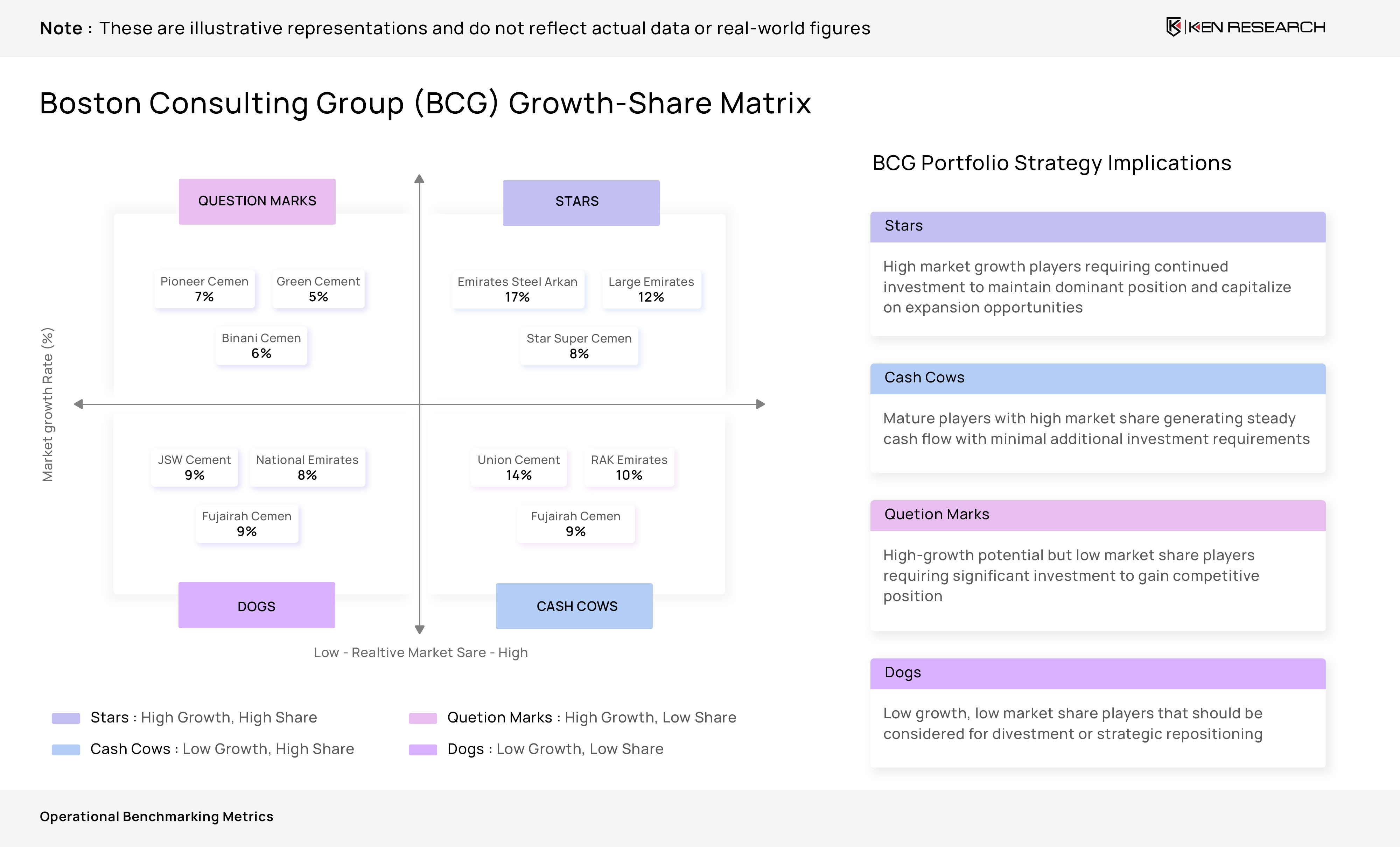
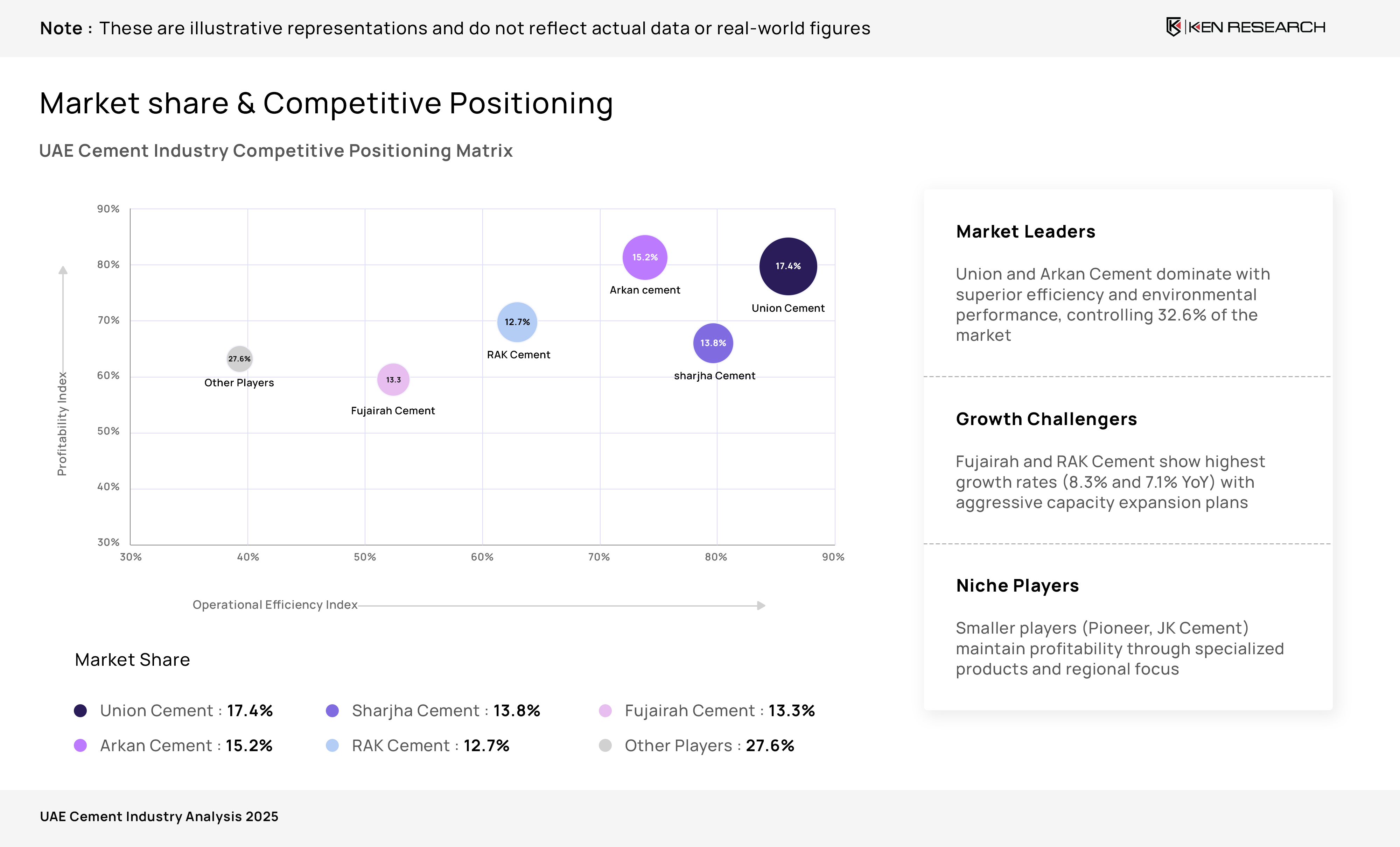
The Philippine mobile payments ecosystem is characterized by a strong dominance of large wallet-based platforms like GCash and Maya, supported by robust telecom and conglomerate groups. Their reach across retail and digital ecosystems positions them as industry anchors.
Medium and small players continue to add niche value—serving remittances, transport, utilities, and retail—but scale limitations and fragmented adoption create uneven competitive strength compared to market leaders backed by telecoms and tech giants.
Leading Player Profiles
Company Profile Overview
Large players show ecosystem integration and financial group backing, giving them sustainable scale advantages. Telecoms (Globe, PLDT) remain central enablers.
Medium and small companies thrive in niche verticals (crypto, remittances, transport, retail), highlighting the fragmented but opportunity-rich landscape of the Philippine mobile payments sector.
Key Operational Performance Metrics
Company Performance Overview
Unlock Market Insights
Dive deeper into production, distribution, and pricing intelligence.
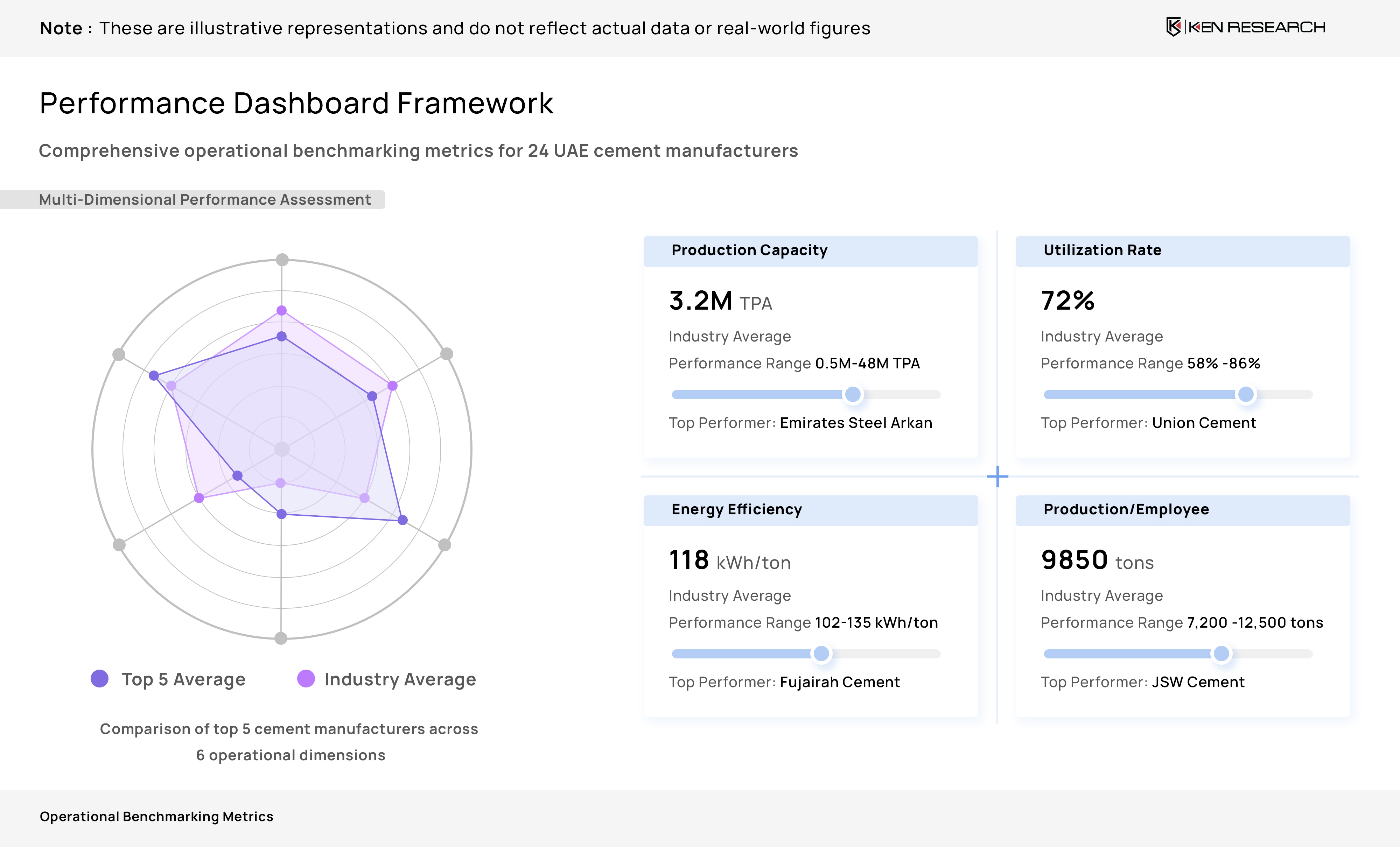
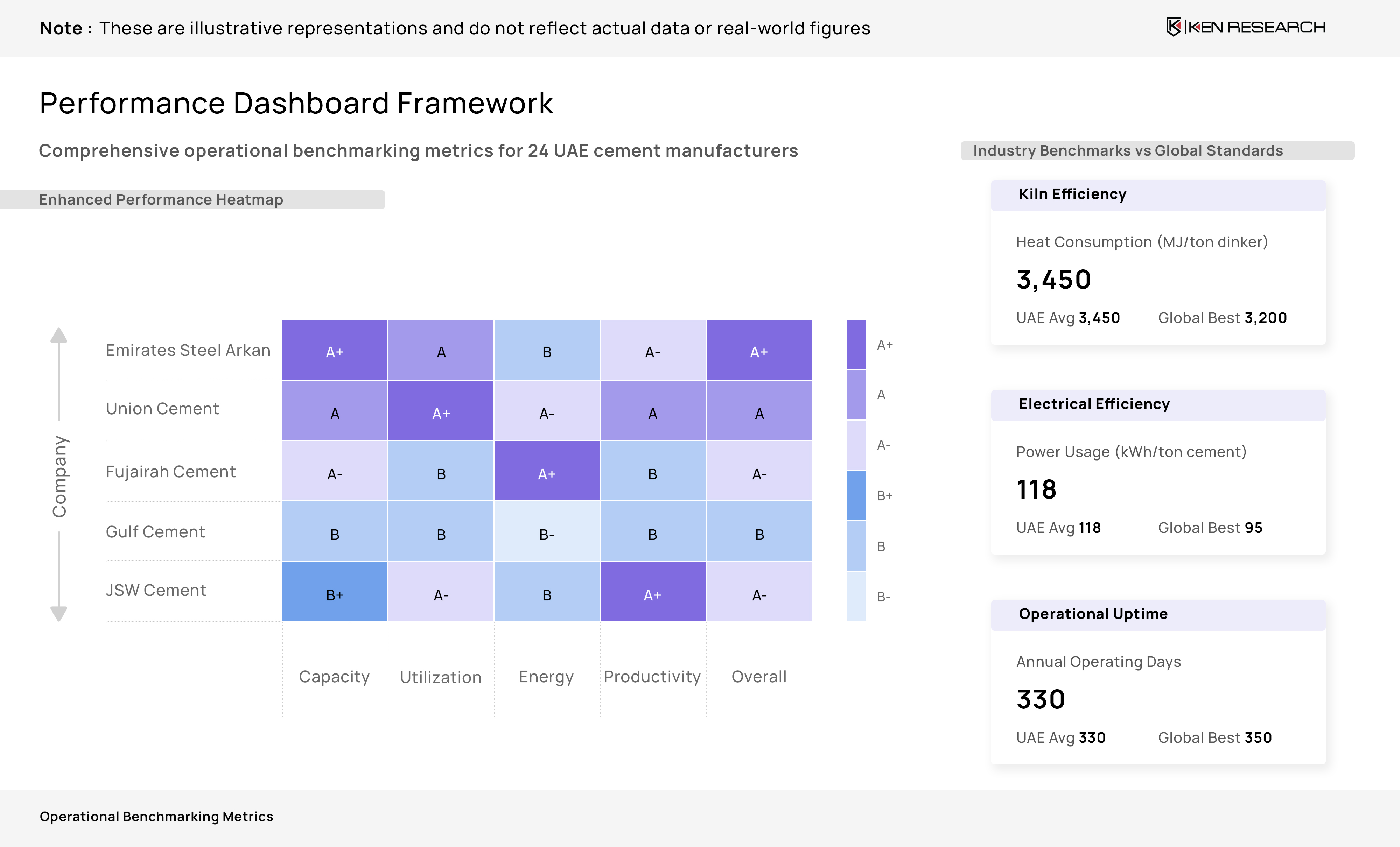
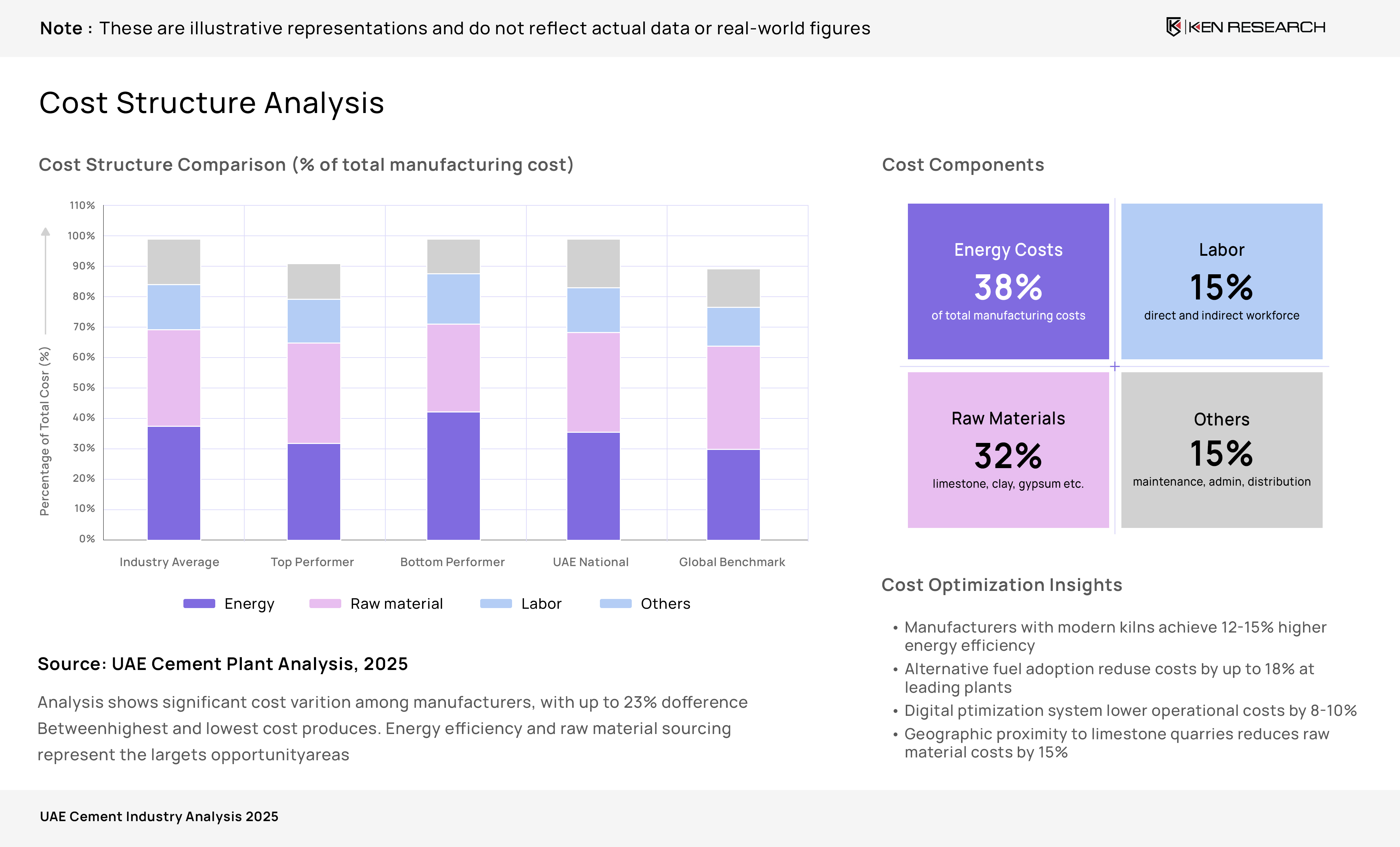
Get Customized ReportOperational parameters such asactive user base, merchant network penetration, and pricing modelsdefine competitive differentiation. Scale advantages rest with top wallets, while niche players depend on specialized transaction models.
The battle for customer stickiness revolves aroundchurn reduction and increasing net revenue per user, with leading firms investing heavily in engagement and ecosystem expansion.
Core Financial Performance Metrics
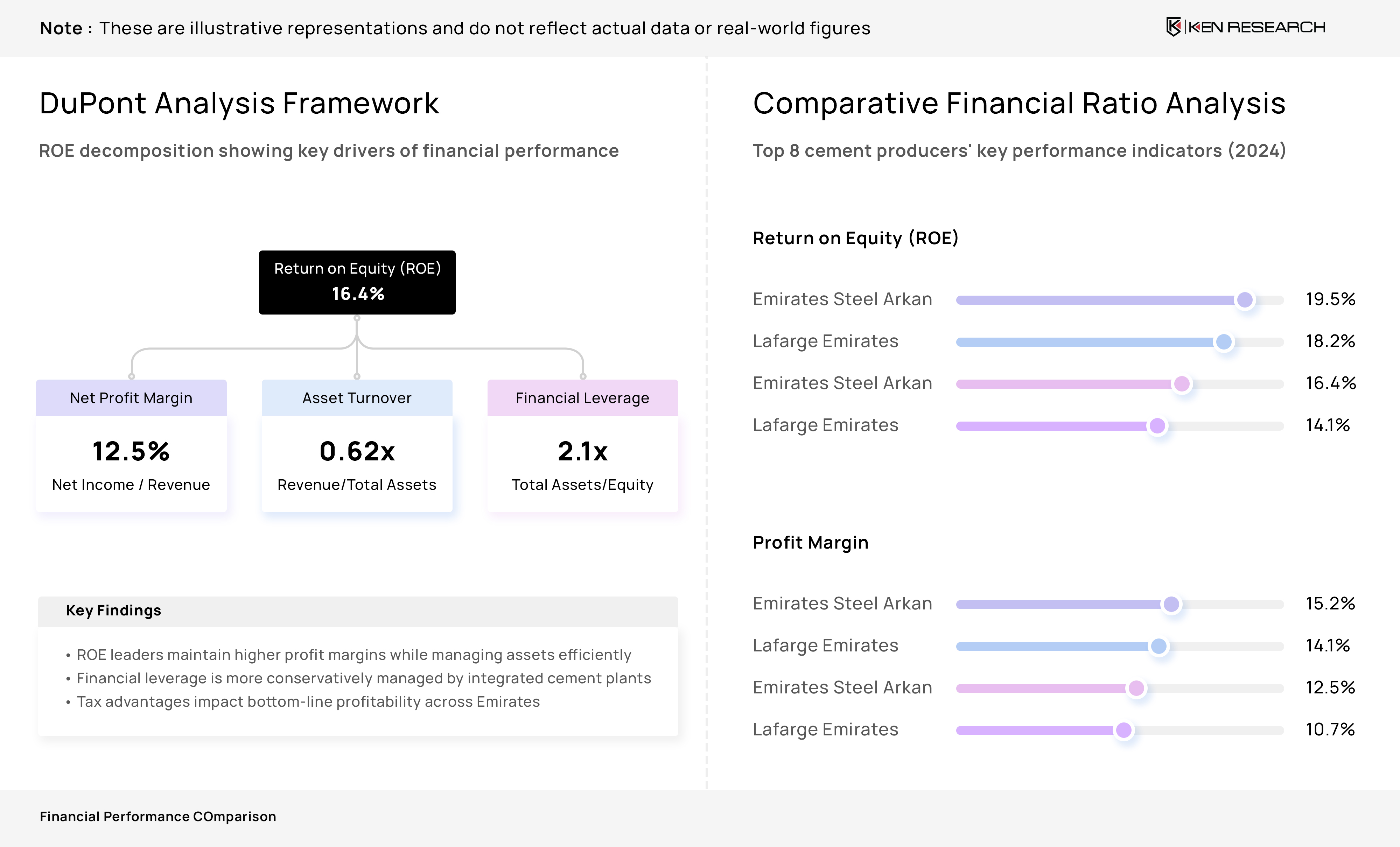
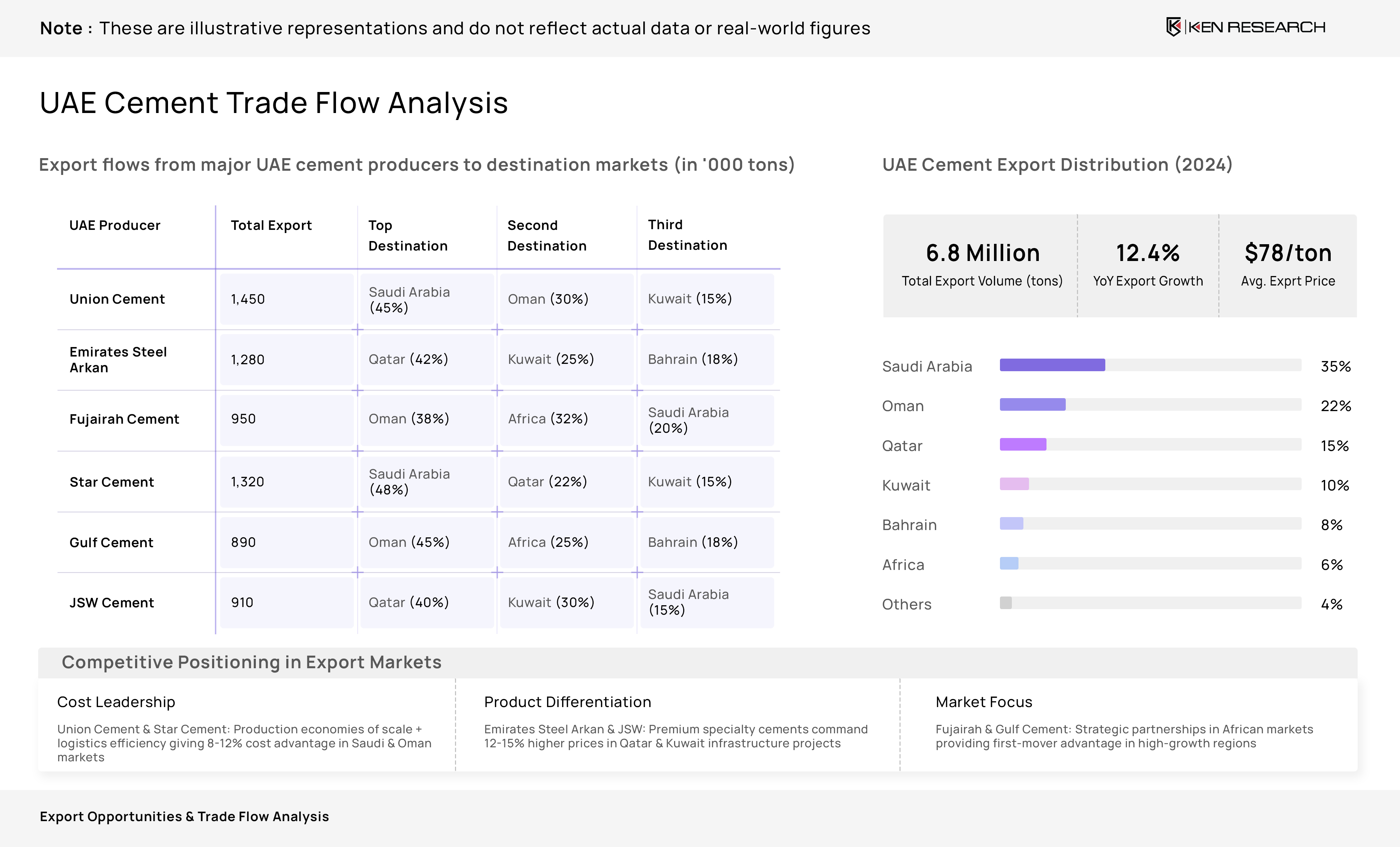
Financial strength largely tilts toward telecom-backed players (GCash, Maya) and super app wallets (GrabPay, ShopeePay), enabling continued dominance in growth and profitability.
Independent and niche firms exhibit weaker financial resilience, relying on partnerships and narrow-margin models, making scalability a persistent challenge.
Table of Contents
1. Ecosystem Matrix
1.1 Large Players
1.1.1 GCash
1.1.2 Maya
1.1.3 GrabPay
1.1.4 ShopeePay
1.1.5 PayMaya Philippines
1.1.6 Dragonpay
1.2 Medium Players
1.2.1 Coins.ph
1.2.2 PayMongo
1.2.3 JuanCash
1.2.4 Bayad
1.2.5 Cashalo
1.2.6 Beep™
1.3 Small Players
1.3.1 Cliqq
1.3.2 PesoPay
1.3.3 Paynamics
1.3.4 PayRemit
1.3.5 ECPay
1.3.6 TrueMoney
2. Leading Player Profiles
2.1 Company Name
2.2 Group Name
2.3 Established Year
2.4 Core Service
2.5 Mode of Functioning
3. Key Operational Performance Metrics
3.1 Company Name
3.2 Group Name
3.3 Pricing (USD/Mn)
3.4 No. of Transactions (Million/Year)
3.5 Average Transaction Value (USD/Mn)
3.6 Active Users (Million)
3.7 Merchant Network Size (No. of Merchants)
3.8 Market Share (%)
3.9 Churn Rate (%)
3.10 Customer Acquisition Cost (USD/Mn)
3.11 Net Revenue per User (USD/Mn)
4. Core Financial Performance Metrics
4.1 Revenue (USD/Mn)
4.2 Revenue Growth (%)
4.3 COGS (USD/Mn)
4.4 COGS Growth (%)
4.5 EBITDA(USD/Mn)
4.6 EBITDA Growth (%)
4.7 EBITDA Margin (%)
4.8 PAT (USD/Mn)
4.9 PAT Margin (%)
5. Methodology
5.1 Approach
5.1.1 Desk Sources
5.1.2 Primary Interviews
5.1.3 Sanity Checking & Validation
5.2 Benchmarking Process
5.2.1 Data Collection
5.2.2 Primary Validation
5.2.3 Proxy KPI Modelling
5.2.4 Normalization & Indexing
5.2.5 Gap Analysis
5.2.6 Peer Review
5.3 Sample Composition
5.3.1 Scope Items
5.3.2 Sample Size
5.3.3 Target Respondents
Methodology
Ken Research will deploy its proprietary, multi layered research framework combining robust secondary research, targeted primary outreach, and rigorous data validation—to deliver an authoritative competitive landscape analysis of the Philippines Mobile Payments market.
Desk Sources
- Industry reports from proprietary databases and Ken Research archives
- Company annual reports, investor presentations, and product disclosures
- Government and trade association publications relevant to digital payments and fintech
- Trade magazines, specialized journals, and credible online articles on mobile payments and financial services
- Financial databases such as Bloomberg and Capital IQ
- Web traffic and app usage dashboards (SimilarWeb, App Annie, Sensor Tower)
Primary Interviews
- CATIs and online surveys with key stakeholders across the mobile payments value chain
- Category managers and R&D heads of leading mobile payment providers
- Senior sales and marketing leaders at established players
- Distributors, channel partners, and ecosystem enablers
- Industry analysts and independent consultants tracking fintech and payments
- Technology and service providers offering digital metrics, infrastructure, and platforms
Sanity Checking and Validation
- Triangulation: Cross-verify estimates using secondary data, primary inputs, and internal proxy-model outputs
- Proxy KPI synthesis: Use transaction volumes, merchant network size, app downloads, and web traffic to approximate revenues or capacities
- Outlier analysis: Identify anomalous datapoints and reconcile them through targeted follow-up discussions
- Assumption tracking: Maintain a detailed log of benchmarking assumptions with clear notes on limitations and proxy KPI sources
- Peer review: Conduct internal expert review of methodology, models, and key outputs prior to finalization
An Inside Look At Our Custom Insights
Take a look at ourcustomized insights, tailored to yourmarket and business needs. Our benchmarking reports deliver data-driven comparisons of key players, helping you uncover opportunities, assess performance, and make confident strategic decisions.