Philippines Payment Gateway Providers Market
Published on: March 2026
Report Overview
PhilippinesPayment Gateway Providers Market Overview
Market Highlights
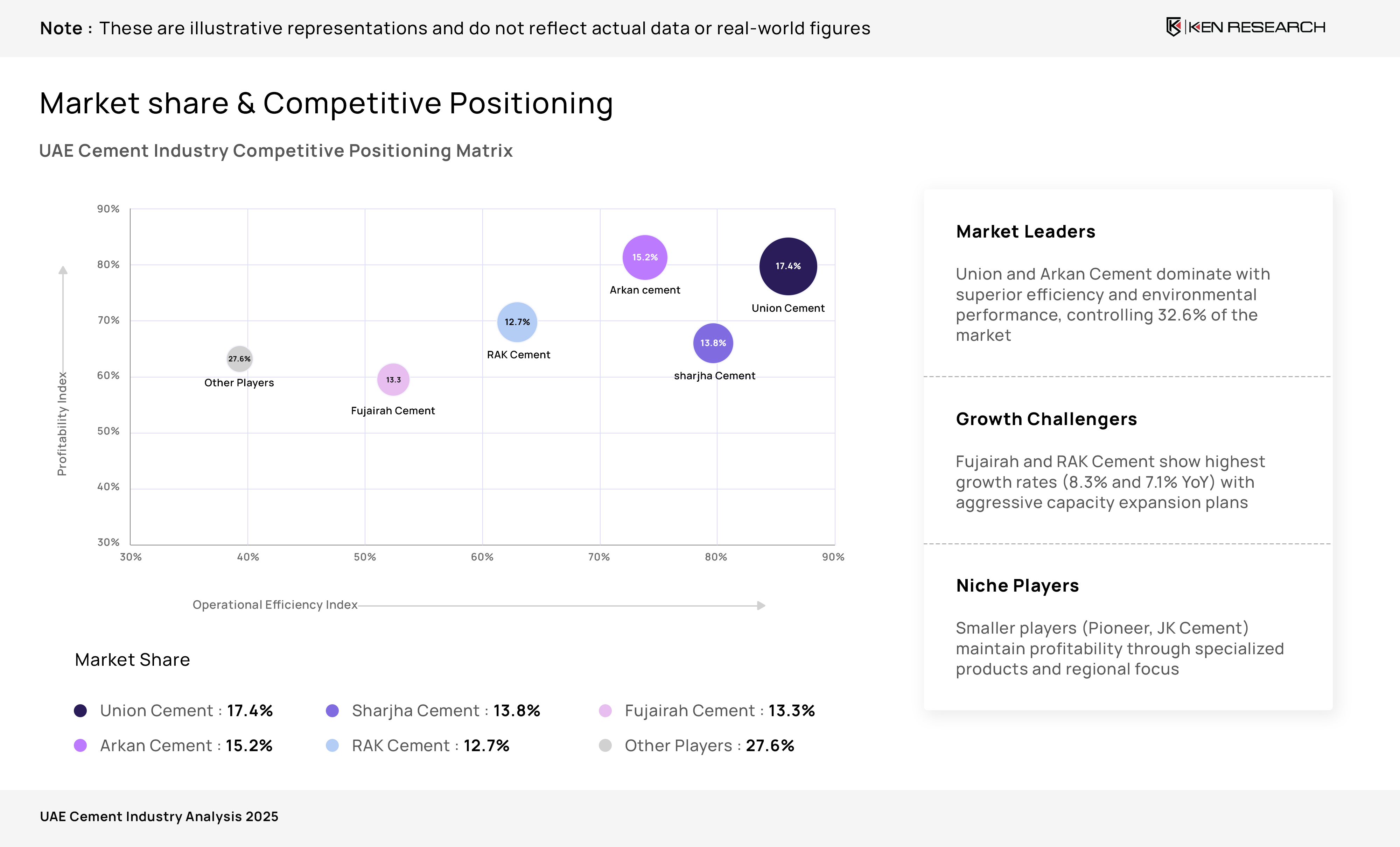
The Philippines payment gateway providers market is characterized by a layered competitive structure in which large domestic digital finance platforms coexist with regional payment specialists and agile infrastructure-led fintech firms. The largest players compete on the strength of integrated merchant ecosystems, broad payment method acceptance, and trusted consumer-facing brands, while regional and specialist providers differentiate through modular APIs, enterprise processing capabilities, and more flexible integration architectures. This creates a market in which competition is not defined only by scale, but also by relevance across distinct merchant needs such as online checkout, QR acceptance, payout orchestration, installment-led conversion, and alternative payment collection. Players with strong local relevance tend to outperform where they combine regulatory familiarity, merchant onboarding ease, and deep connectivity into local banking and wallet rails.
A notable feature of the market is the way global and regional payment innovation is adapted to local commercial behavior. International and Southeast Asian platforms bring standardized payment APIs, cross-border acceptance frameworks, and enterprise-grade processing capabilities, but success in the Philippines still depends heavily on localization through domestic wallets, online banking options, QRPh, over-the-counter collection models, and merchant support tuned to local operating realities. Domestic platforms have an advantage where they understand informal commerce flows, high wallet usage, and the importance of bridging online and offline collections, while regional providers stay competitive by broadening local bank integrations and strengthening merchant-facing deployment models. This blend of imported infrastructure sophistication and localized payment design is central to the market’s ongoing development.
Distribution and aftersales capability also play a decisive role in shaping competitiveness. In this market, distribution extends beyond direct enterprise sales into developer ecosystems, e-commerce platform partnerships, channel alliances, branch or kiosk-enabled payment networks, and merchant self-service onboarding journeys. Providers that combine technical documentation, implementation support, operational dashboards, dispute handling, and reliable settlement communication build stronger merchant trust and higher long-term platform stickiness. For collection-heavy and offline-linked operators, physical reach and assisted payment infrastructure remain meaningful differentiators, while digitally native providers compete through fast integration, intuitive merchant dashboards, and automated reconciliation tools. As a result, the quality of post-sale enablement is often as important as the pricing proposition itself.
Looking ahead, competition is expected to remain shaped by the interplay of innovation, localization, and strategic agility. The strongest players are likely to be those that can continuously expand payment acceptance options, improve conversion and settlement performance, and embed themselves more deeply into merchant operating workflows rather than serving as standalone checkout utilities. Platforms that successfully combine payment acceptance with payouts, business tools, financing, wallet connectivity, and data-rich merchant services will be better positioned to sustain leadership. In that sense, the market is moving toward broader financial operating ecosystems, where competitive advantage depends on being both a payments processor and a workflow enabler for Philippine merchants.
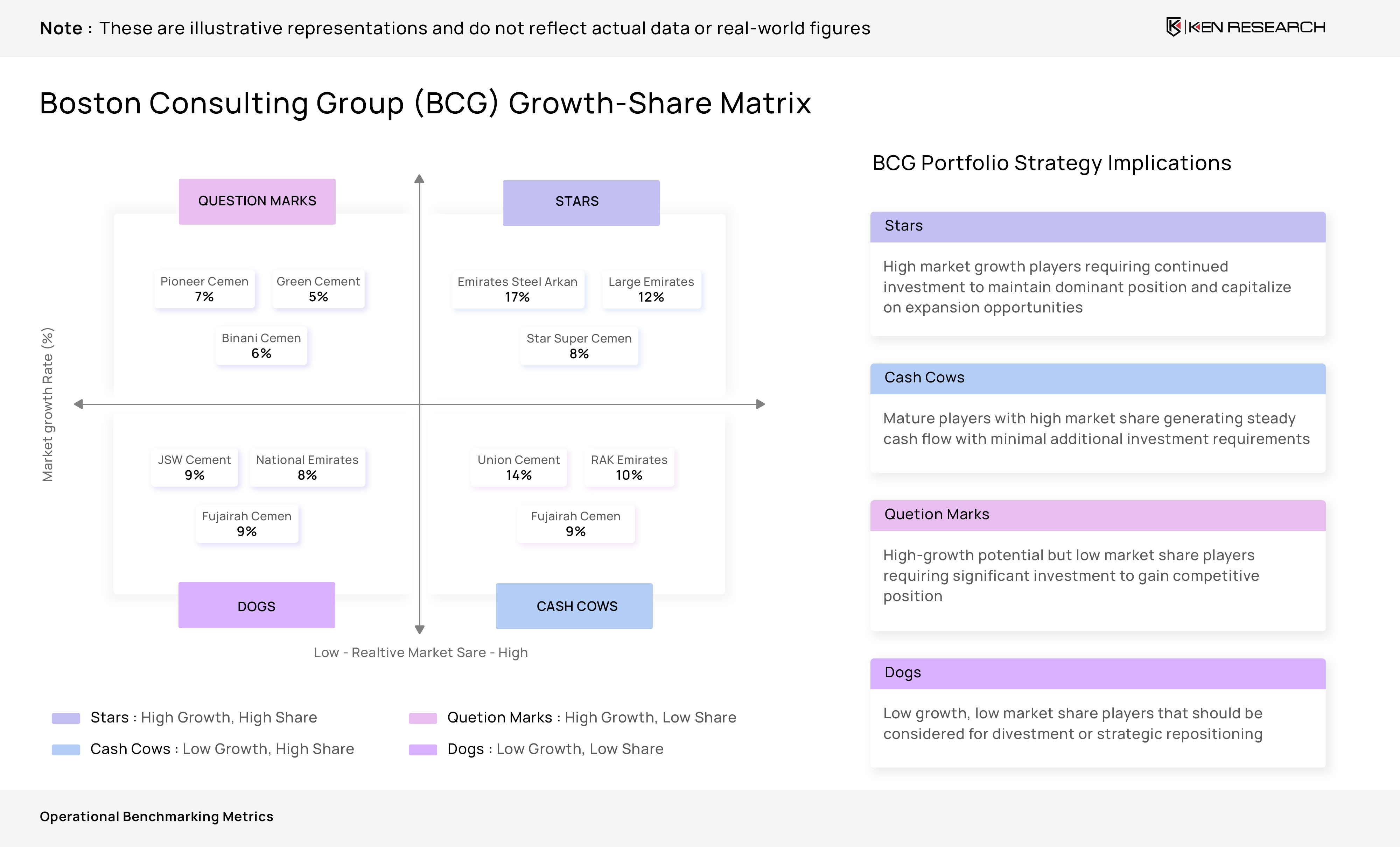
Ecosystem Matrix
Market concentration remains moderately consolidated, with large players controlling enterprise merchant volumes through strong API infrastructure, regulatory compliance, and omnichannel capabilities, while medium and small players compete through niche offerings such as BNPL, SME-focused solutions, and offline-online payment integrations.
Competitive intensity is driven by rapid digital payment adoption, increasing e-commerce penetration, and financial inclusion initiatives, resulting in continuous innovation across pricing models, settlement speed, and interoperability between wallets, banks, and merchant platforms.
Leading Player Profiles
Company Profile Overview
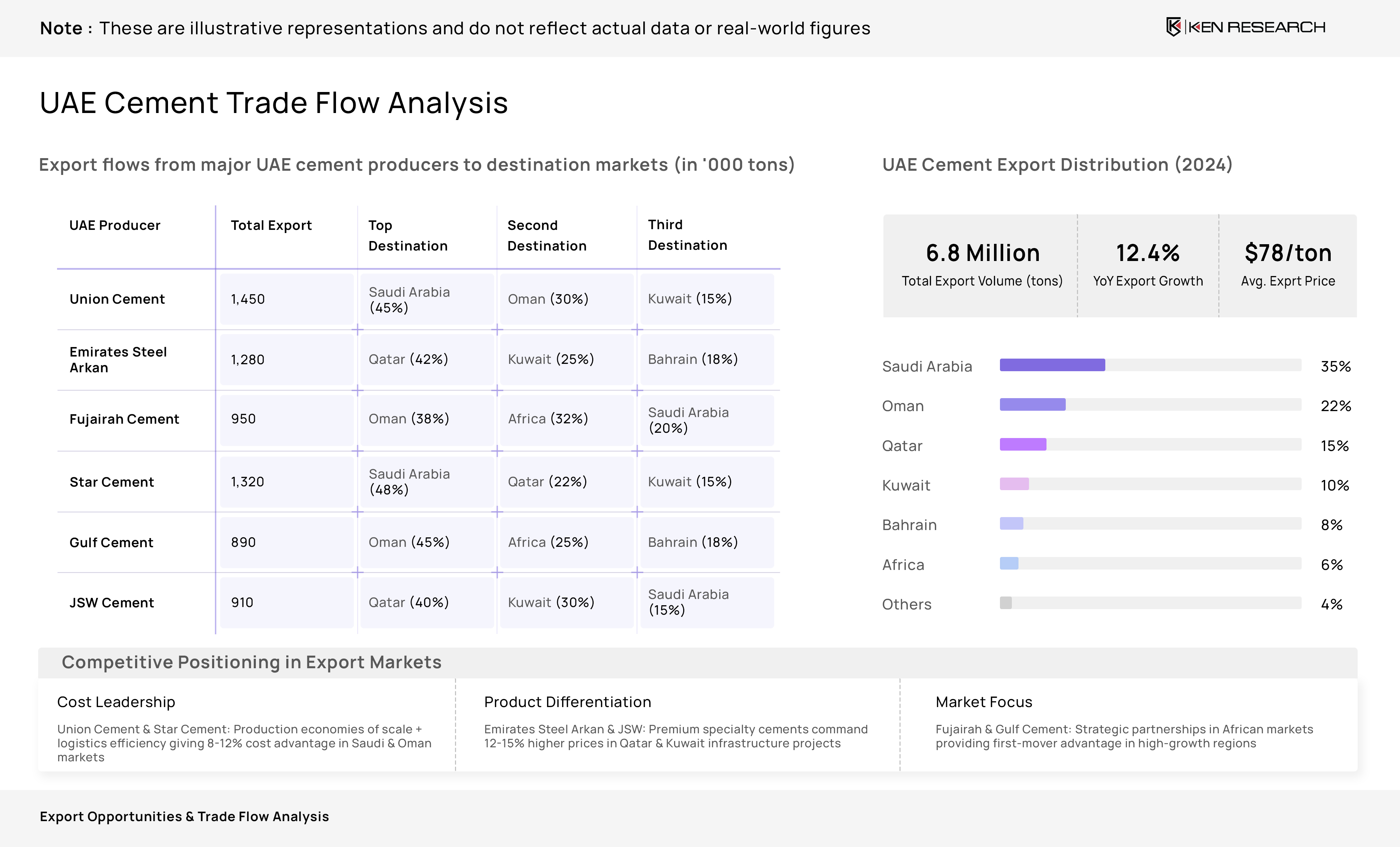
The competitive landscape reflects a mix of fintech-native firms and legacy financial service providers, with newer entrants focusing on API-driven scalability and embedded finance, while established players leverage extensive distribution networks and trust-driven customer acquisition.
Strategic positioning varies across enterprise, SME, and consumer segments, with differentiation emerging through service bundling, credit integration (BNPL), and omnichannel payment acceptance, indicating a transition toward full-stack financial ecosystems rather than standalone gateways.
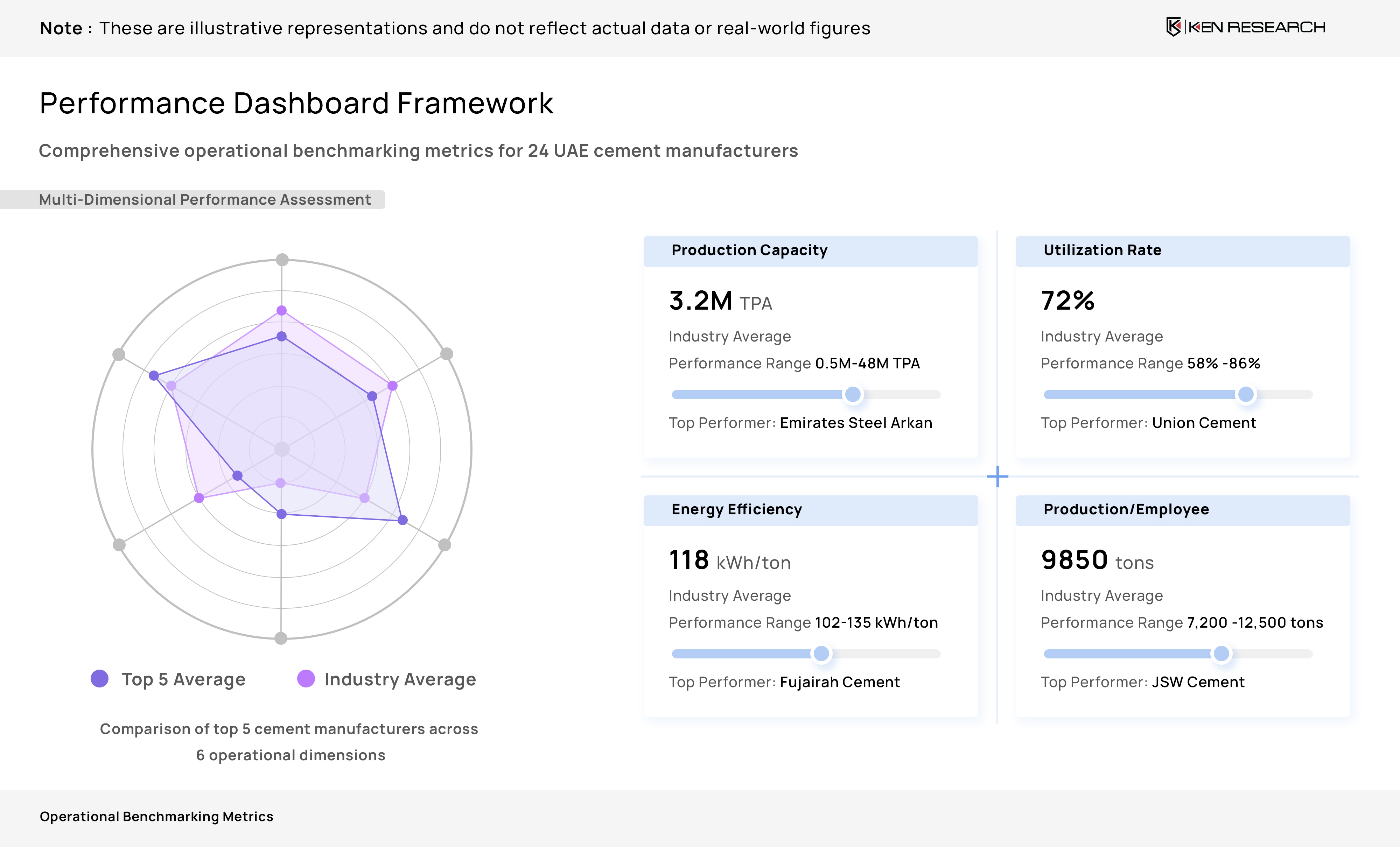
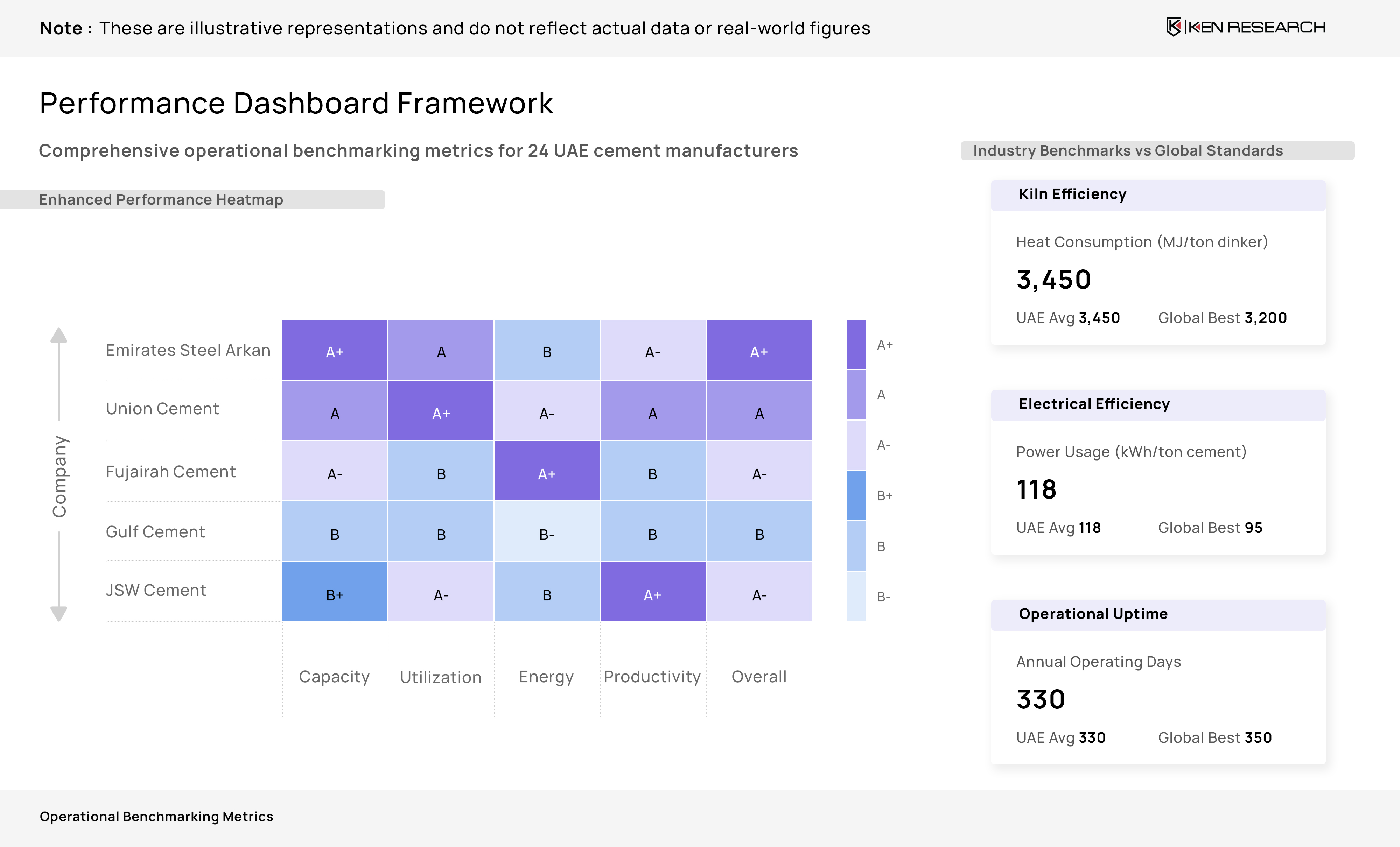
Key Operational Performance Metrics
Company Performance Overview
Unlock Market Insights
Dive deeper into production, distribution, and pricing intelligence.
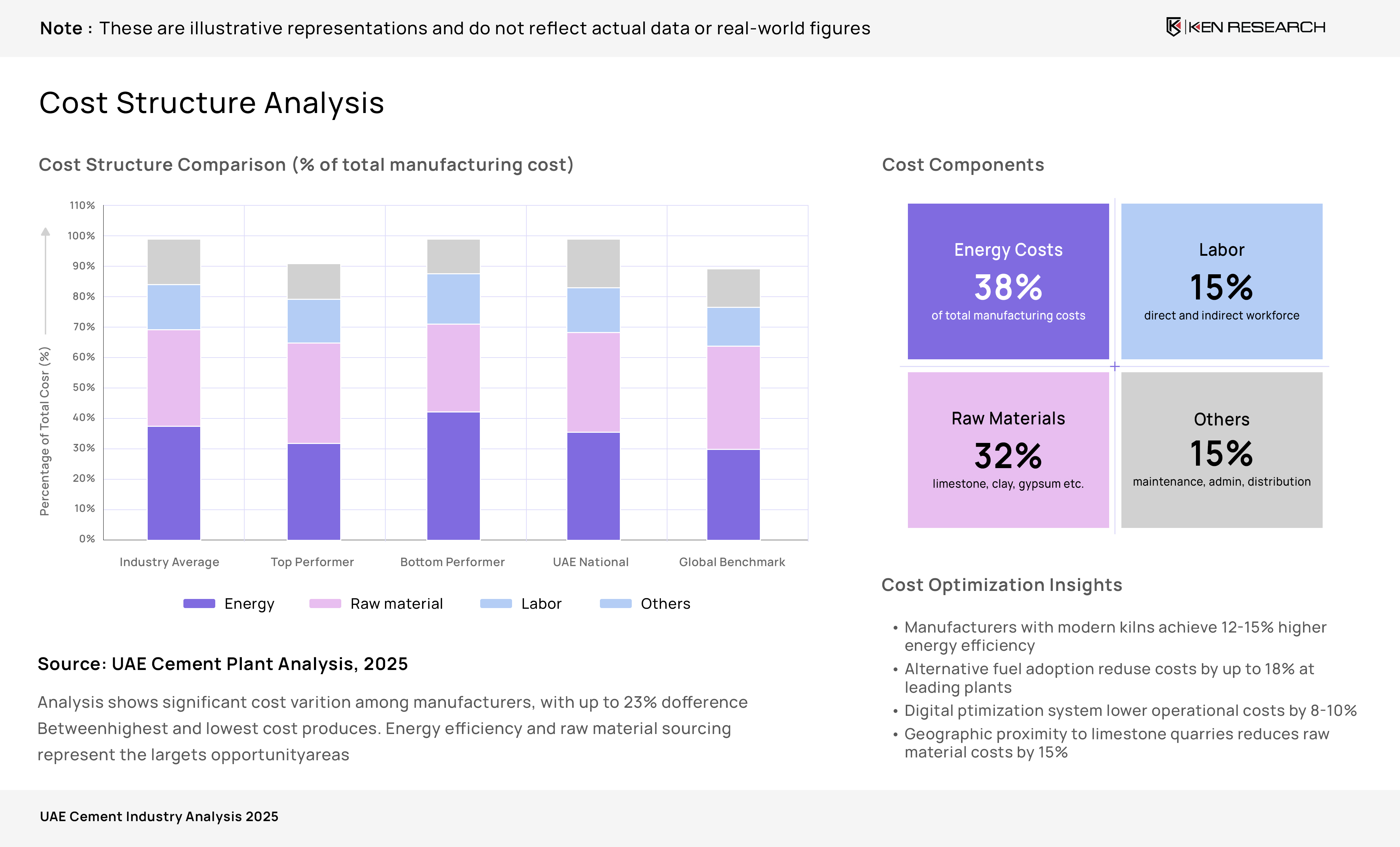
Get Customized ReportRevenue generation in this market is primarily driven by transaction volume, pricing (MDR), and merchant acquisition scale, with operational efficiency influenced by settlement cycles, API onboarding speed, and transaction success rates across payment channels.
Increasing wallet penetration and real-time payment adoption are reshaping operational benchmarks, pushing providers to optimize uptime, reduce chargebacks, and enhance integration efficiency to capture higher transaction throughput and merchant retention.
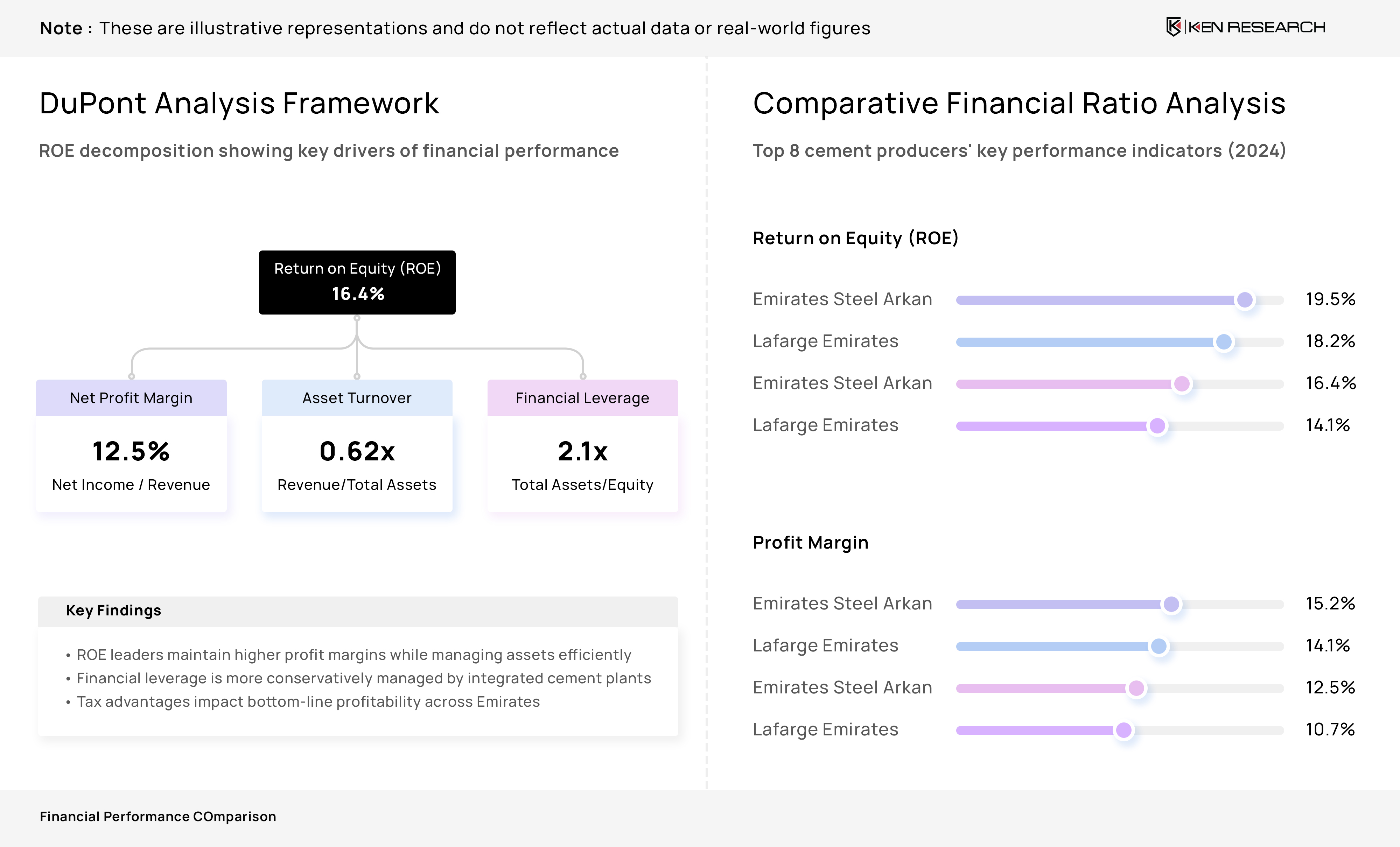
Core Financial Performance Metrics
Financial performance across players is closely tied to scaling transaction volumes while maintaining cost efficiency in processing infrastructure, fraud prevention, and compliance, with EBITDA margins improving as platforms achieve higher merchant density and recurring transaction flows.
Growth trajectories are shaped by digital payment adoption and ecosystem expansion, with profitability increasingly dependent on cross-selling financial services, optimizing cost of payment processing, and leveraging economies of scale in platform operations.
Table of Contents
1. Ecosystem Matrix
1.1 Large Players
1.11 PayMongo
1.12 Xendit Philippines
1.13 Dragonpay
1.14 Paynamics Technologies
1.15 PesoPay
1.16 Maya Business (PayMaya)
1.17 GCash for Business
1.18 2C2P Philippines
1.2 Medium Players
1.21 BillEase
1.22 Payloro
1.23 JuanPay
1.24 iPay88 Philippines
1.25 PayMaya Enterprise Solutions
1.26 Traxion Pay
1.27 USSC Money Services
1.3 Small Players
1.31 NextPay
1.32 Brankas Payments
1.33 ECPay (Electronic Payment Kiosks)
1.34 Bayad Center
1.35 PalawanPay
2. Leading Player Profiles
2.1 Parameters
2.1.1 Company Name
2.1.2 Group Name
2.1.3 Headquarters
2.1.4 Established Year
2.1.5 Core Services
2.1.6 Mode of Functioning
3. Key Operational Performance Metrics
3.1 Total Payment Volume (USD Mn)
3.2 Number of Merchants
3.3 Average Transaction Value (USD)
3.4 Pricing
3.5 Transaction Success Rate (%)
3.6 Settlement Cycle (Days)
3.7 Monthly Active Users
3.8 API Integration Time (Days)
3.9 Chargeback Rate (%)
3.10 Digital Wallet Share (%)
4. Core Financial Performance Metrics
4.1 Parameters
4.1.1 Revenue (USD Mn)
4.1.2 Revenue Growth (%)
4.1.3 COGS (USD Mn)
4.1.4 COGS Growth (%)
4.1.5 EBITDA (USD Mn)
4.1.6 EBITDA Growth (%)
4.1.7 EBITDA Margin (%)
4.1.8 PAT (USD Mn)
4.1.9 PAT Margin (%)
5. Methodology
5.1 Approach
5.1.1 Desk Sources
5.1.2 Primary Interviews
5.1.3 Sanity Checking & Validation
5.2 Benchmarking Process
5.2.1 Data Collection
5.2.2 Primary Validation
5.2.3 Proxy KPI Modelling
5.2.4 Normalization & Indexing
5.2.5 Gap Analysis
5.2.6 Peer Review
5.3 Sample Composition
5.3.1 Scope Items
5.3.2 Sample Size
5.3.3 Target Respondents
Methodology
Ken Research will deploy its proprietary, multi layered research framework—combining robust secondary research, targeted primary outreach, and rigorous data validation—to deliver an authoritative competitive landscape analysis of the Philippines Payment Gateway Providers Market. Proxy KPIs will be selected specifically for the payment gateway space and calibrated around merchant processing, acceptance breadth, transaction economics, and monetization intensity.
Desk Sources
- Industry reports, proprietary databases, and research archives covering fintech, merchant acquiring, digital payments, e-commerce enablement, and payment infrastructure
- Company annual reports, investor presentations, official websites, product pages, API documentation, and merchant onboarding materials
- Government and regulatory publications, including central bank materials, payment system references, and digital finance advisories
- Trade publications, fintech journals, digital commerce articles, and sector commentary on payment acceptance, QR payments, wallets, and merchant services
- Financial databases and company intelligence platforms for funding, ownership structures, and historical operating context
- Digital intelligence tools (e.g., Similarweb, app analytics platforms, merchant tech trackers) for web traffic, app usage, checkout visibility, and developer ecosystem insights
Primary Interviews
- CATIs (Computer-Assisted Telephone Interviews) and online surveys with payment ecosystem stakeholders
- Merchant acquiring heads, payment product managers, and fintech founders
- Senior sales, partnerships, and merchant onboarding leaders at leading payment gateway providers
- E-commerce merchants, marketplace operators, SaaS businesses, subscription platforms, and enterprise finance teams
- Channel partners, system integrators, payment consultants, and commerce platform providers
- Banking institutions, digital wallets, QR payment providers, and payout infrastructure partners
- Industry analysts and fintech consultants specializing in payments, merchant technology, and digital commerce
Sanity Checking and Validation
- Triangulation of data using secondary research, primary interviews, and proxy model outputs
- Proxy KPI synthesis using indicators such as merchant count, payment method coverage, web traffic, app engagement, checkout presence, API capabilities, network reach, and partnerships
- Outlier analysis through benchmarking, follow-up validation, and source-level verification
- Assumption tracking with documented logs, especially where revenues are inferred from take rates, payment volumes, or productivity benchmarks
- Peer review involving internal experts to validate methodology, model logic, assumptions, and final output consistency
An Inside Look At Our Custom Insights
Take a look at ourcustomized insights, tailored to yourmarket and business needs. Our benchmarking reports deliver data-driven comparisons of key players, helping you uncover opportunities, assess performance, and make confident strategic decisions.