Qatar Agricultural Equipment Market
Published on: December 2025
Report Overview
Qatar Agricultural Equipment Market Overview
Market Highlights
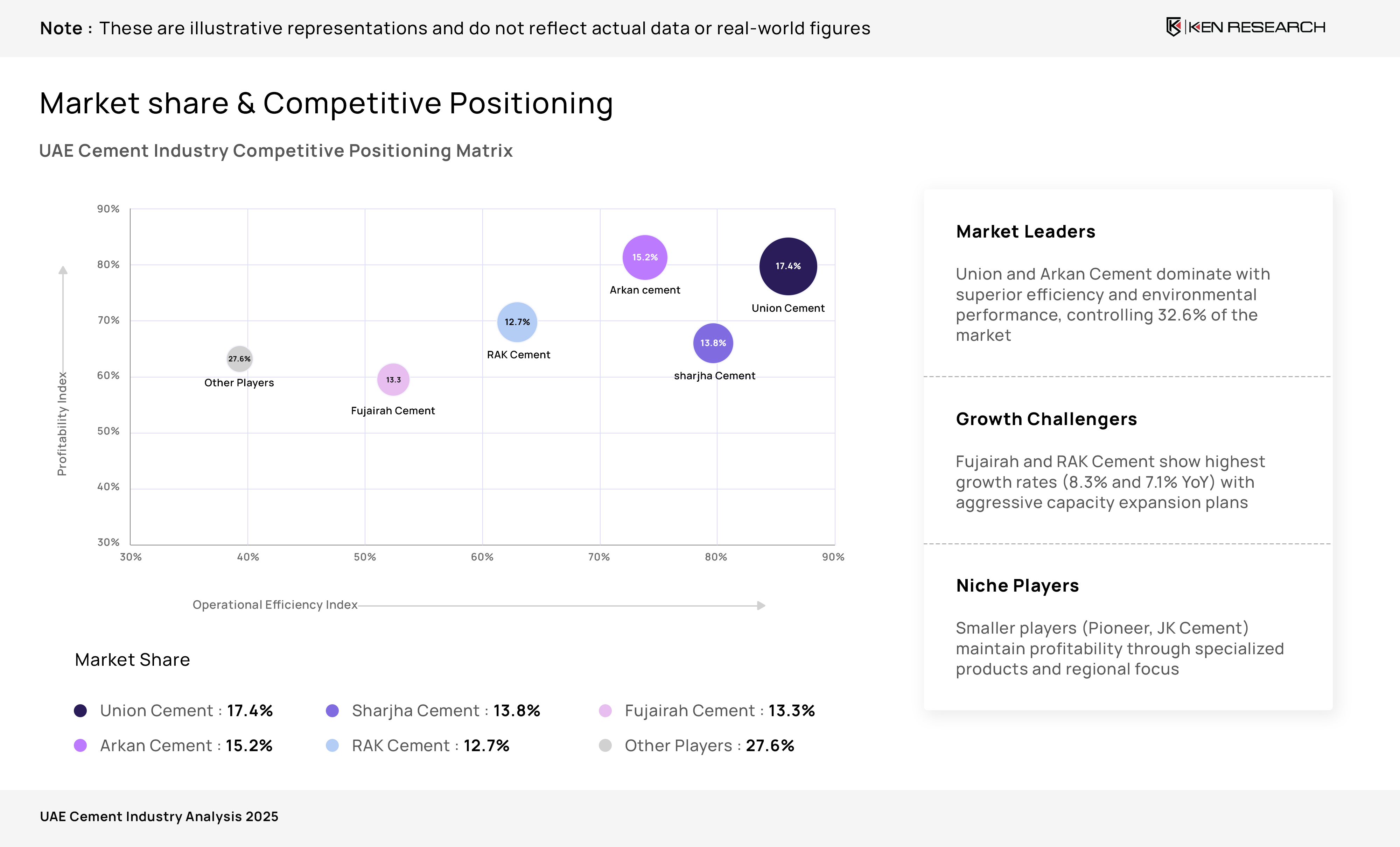
The Qatar Agricultural Equipment Market showcases a diverse competitive structure, where multinational corporations, regional manufacturers, and local firms engage in a dynamic interplay. Multinationals leverage their global scale and advanced technologies, while regional players focus on tailored solutions that resonate with local agricultural practices, and local firms capitalize on agility and niche expertise to carve out market segments.
Innovation from global leaders is seamlessly integrated with localized adaptations, as companies customize agricultural technologies to meet Qatar's unique environmental and operational challenges. This synergy fosters a robust ecosystem where international advancements are harmonized with local needs, ensuring relevance and effectiveness in agricultural practices.
The distribution and aftersales landscape is critical, with strategic partnerships enhancing service delivery and customer satisfaction. A collaborative approach among manufacturers, distributors, and service providers ensures that equipment maintenance and support are readily accessible, thereby reinforcing brand loyalty and operational efficiency in a competitive market.
Looking ahead, the market is poised for transformation driven by innovation, localization, and agility. Companies are increasingly adopting sustainable practices and advanced technologies, positioning themselves to respond swiftly to evolving market demands and regulatory frameworks, ultimately shaping a resilient and competitive agricultural equipment sector in Qatar.
Ecosystem Matrix
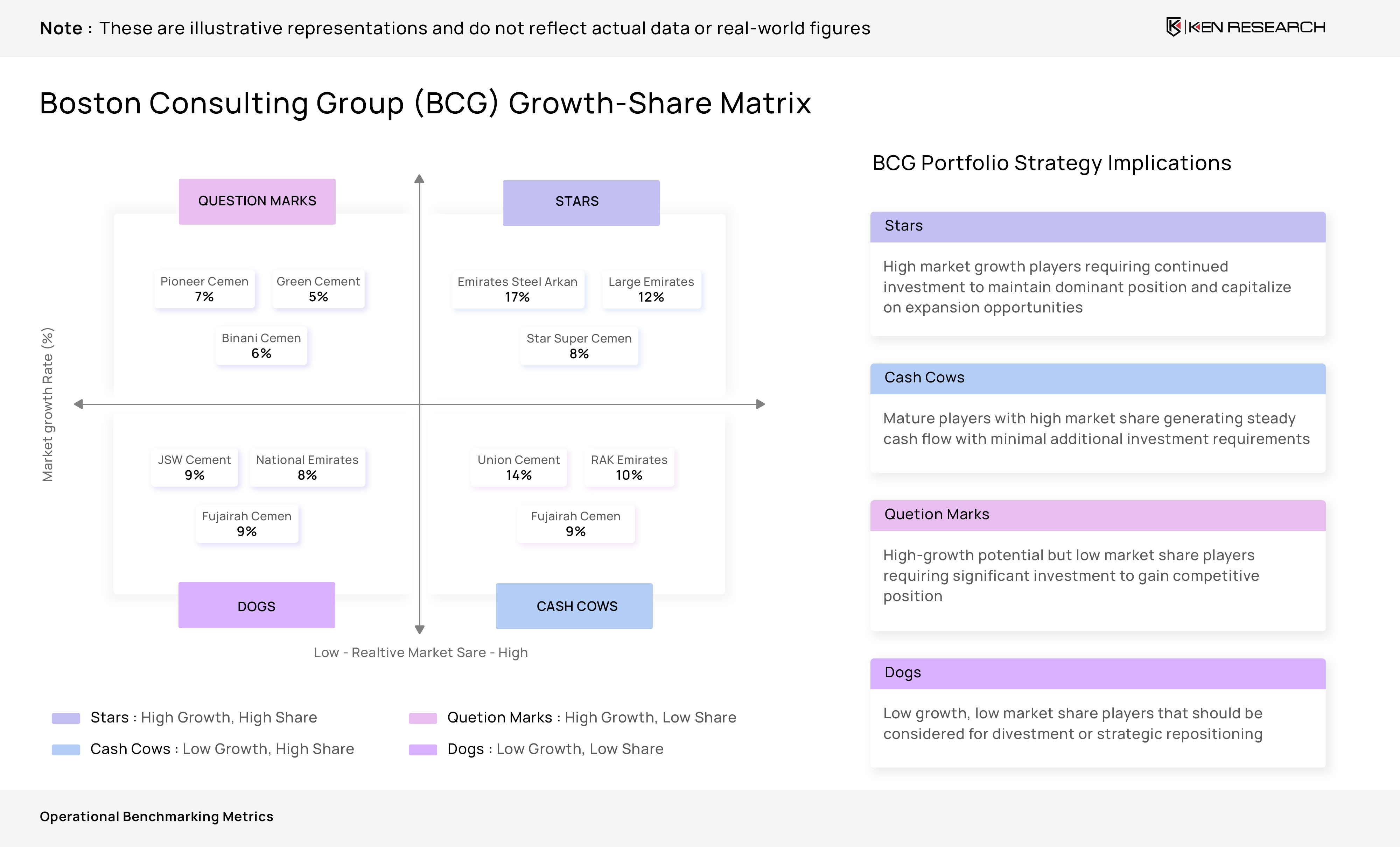
The Qatar agricultural equipment market is highly concentrated among large diversified groups, with companies like Ali Bin Ali, Mannai Corporation, and Al Jazeera Agricultural Co. dominating distribution, dealership, and equipment servicing. Their scale ensures strong vendor networks and long-term contracts.
Medium and small players remain important in niche supplies, localized distribution, and supporting ancillary farming activities. They drive competitive intensity by offering flexibility in pricing, product customization, and after-sales support, catering to smaller farms and local agricultural projects.
Leading Players Profile
Company Profile Overview
Established players like Ali Bin Ali and Mannai Corporation, with decades-long operations, form the backbone of Qatar’s agricultural mechanization, leveraging strong global tie-ups. Their established year indicates sustained expertise and trusted presence in the sector.
Smaller and newer players, though limited in scale, bring diversity and flexibility in offerings, ensuring competitive pricing and accessibility of agricultural tools for local farmers and smaller agricultural projects.
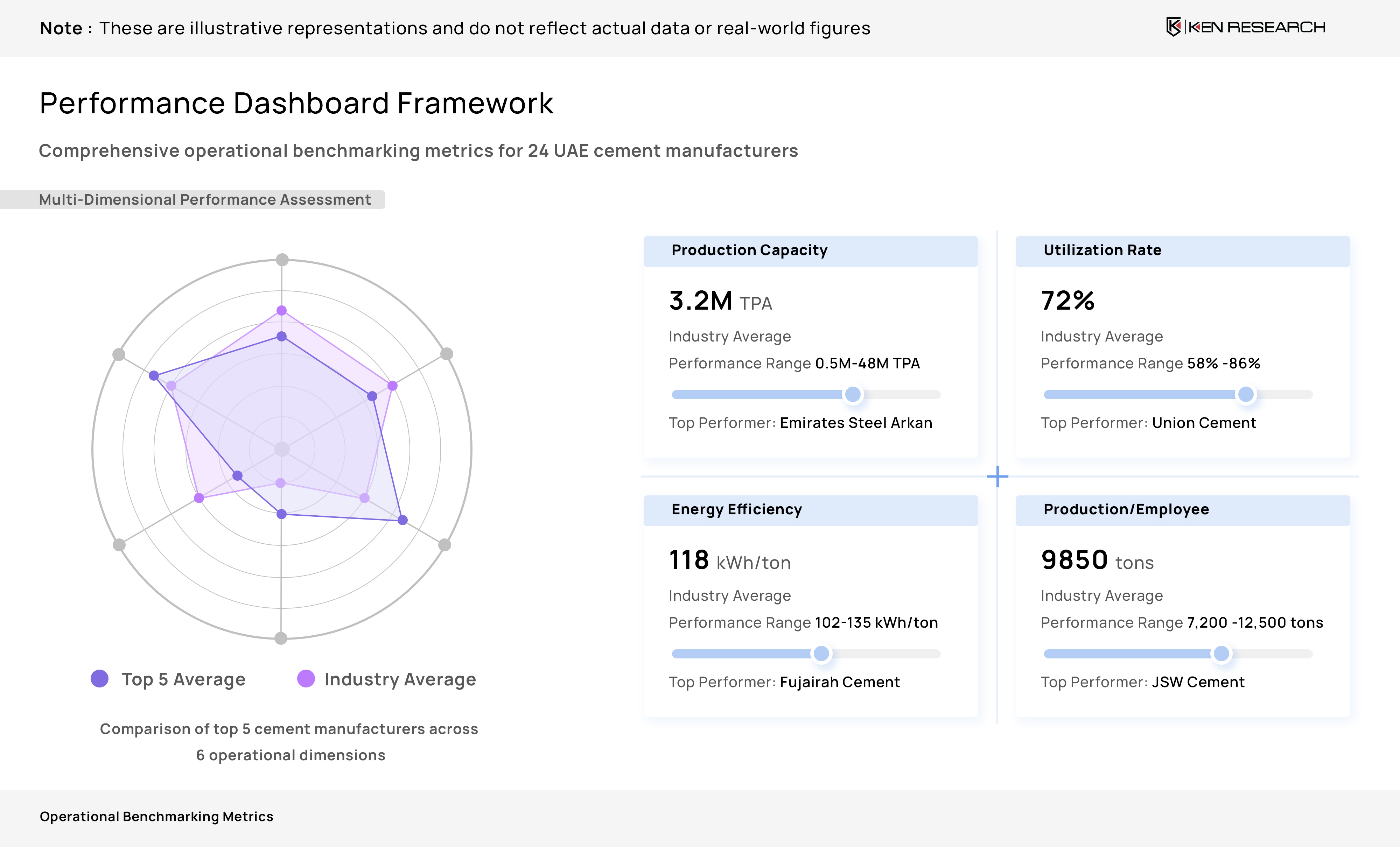
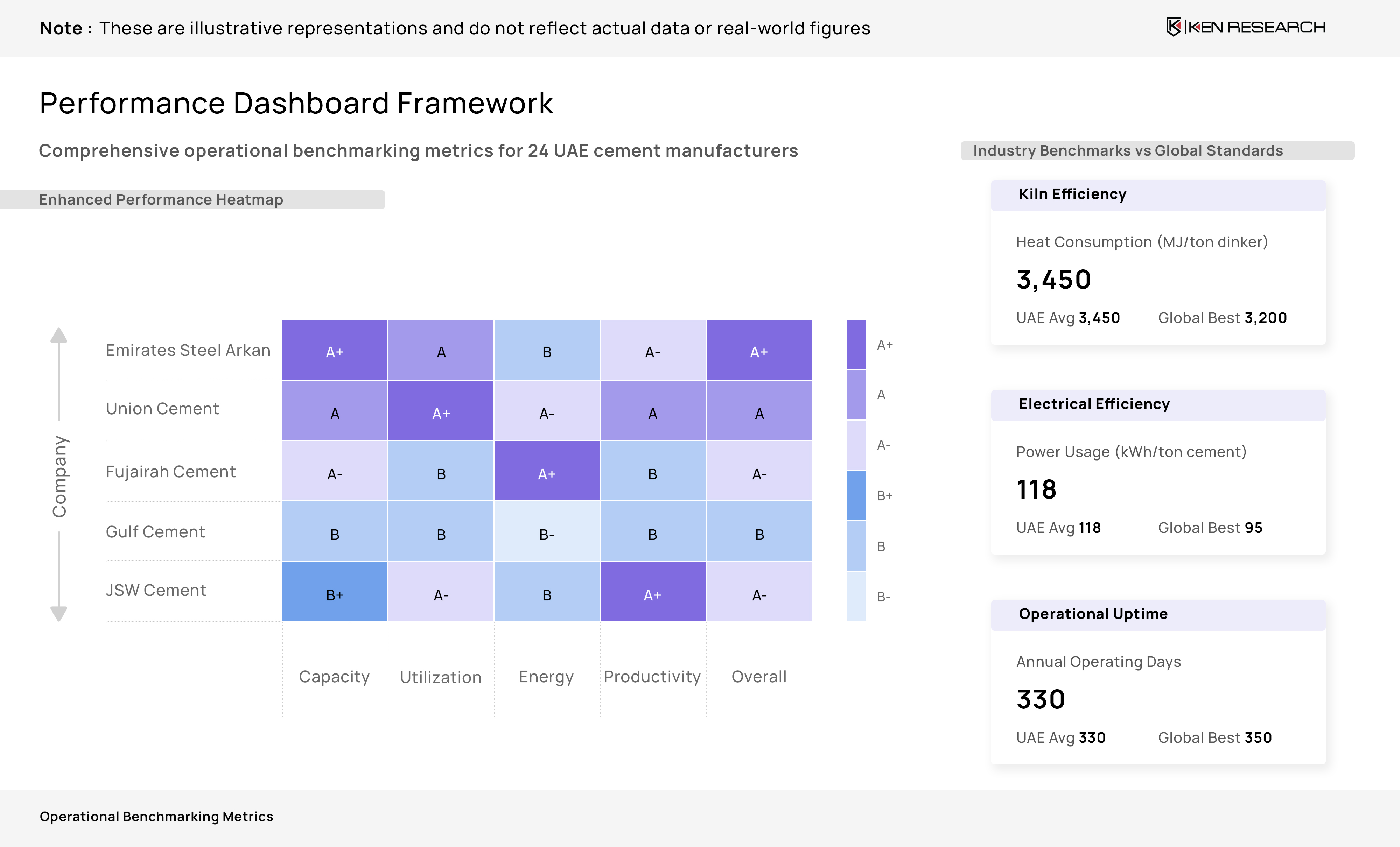
Key Operational Performance Metrics
Company Performance Overview
Unlock Market Insights
Dive deeper into production, distribution, and pricing intelligence.
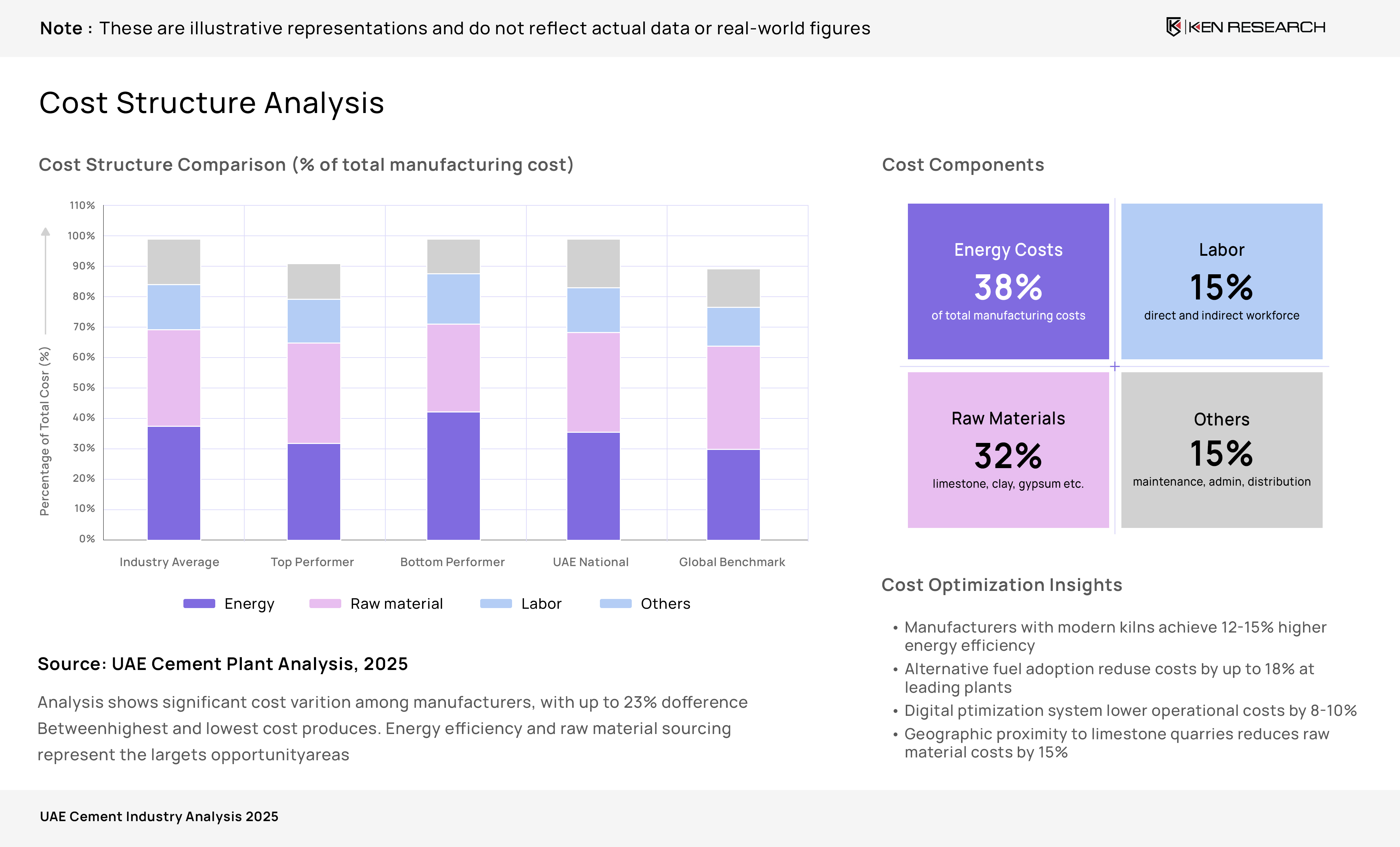
Get Customized ReportDistribution network strength and installed base are pivotal differentiators, with large players leveraging global OEM alliances and small-medium firms addressing fragmented demand. Pricing remains a central competitive lever.
Service coverage and spare parts availability directly influence customer loyalty and retention, with larger players typically leading in structured after-sales operations, while smaller firms serve niche local requirements.
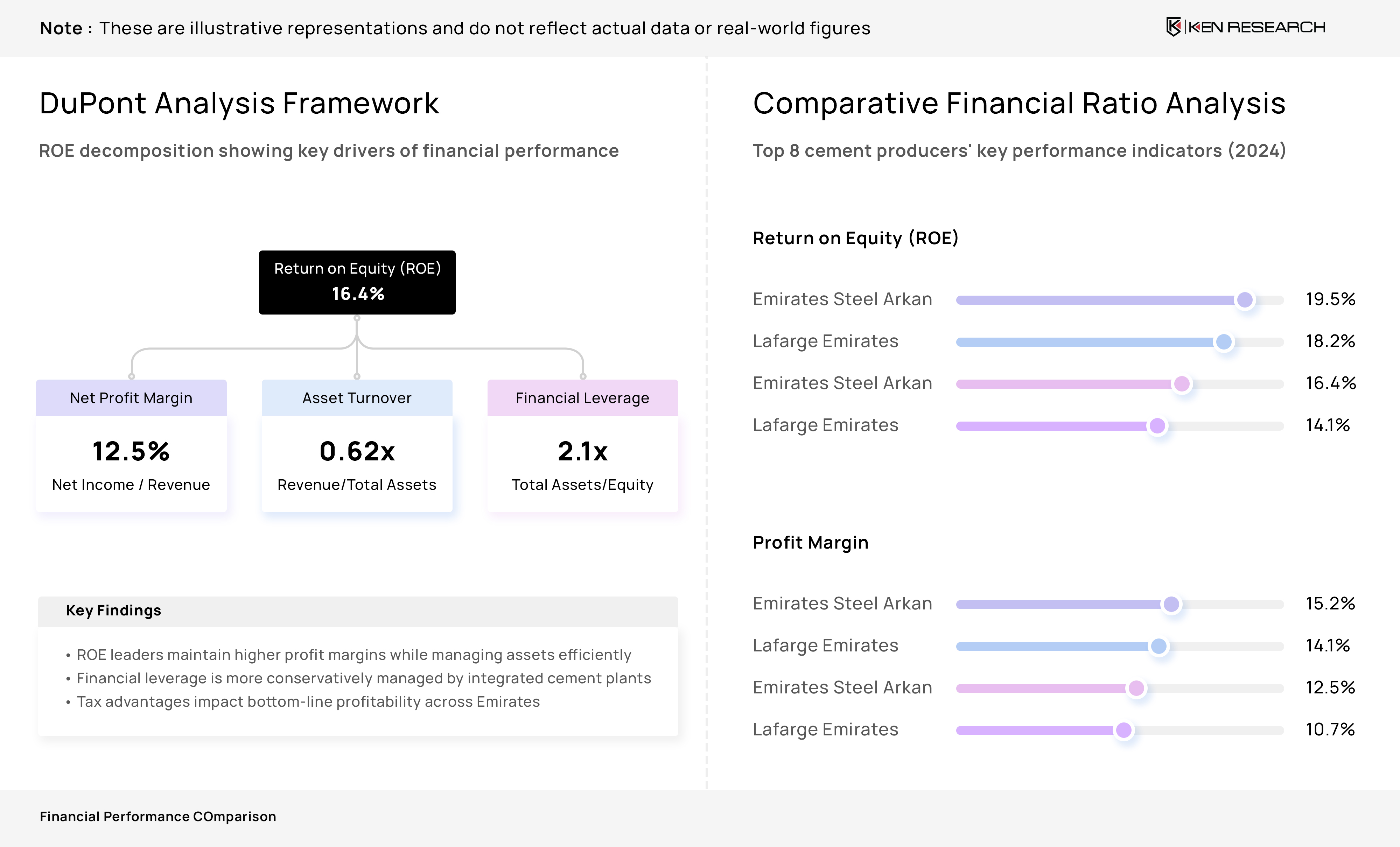
Core Financial Performance Metrics
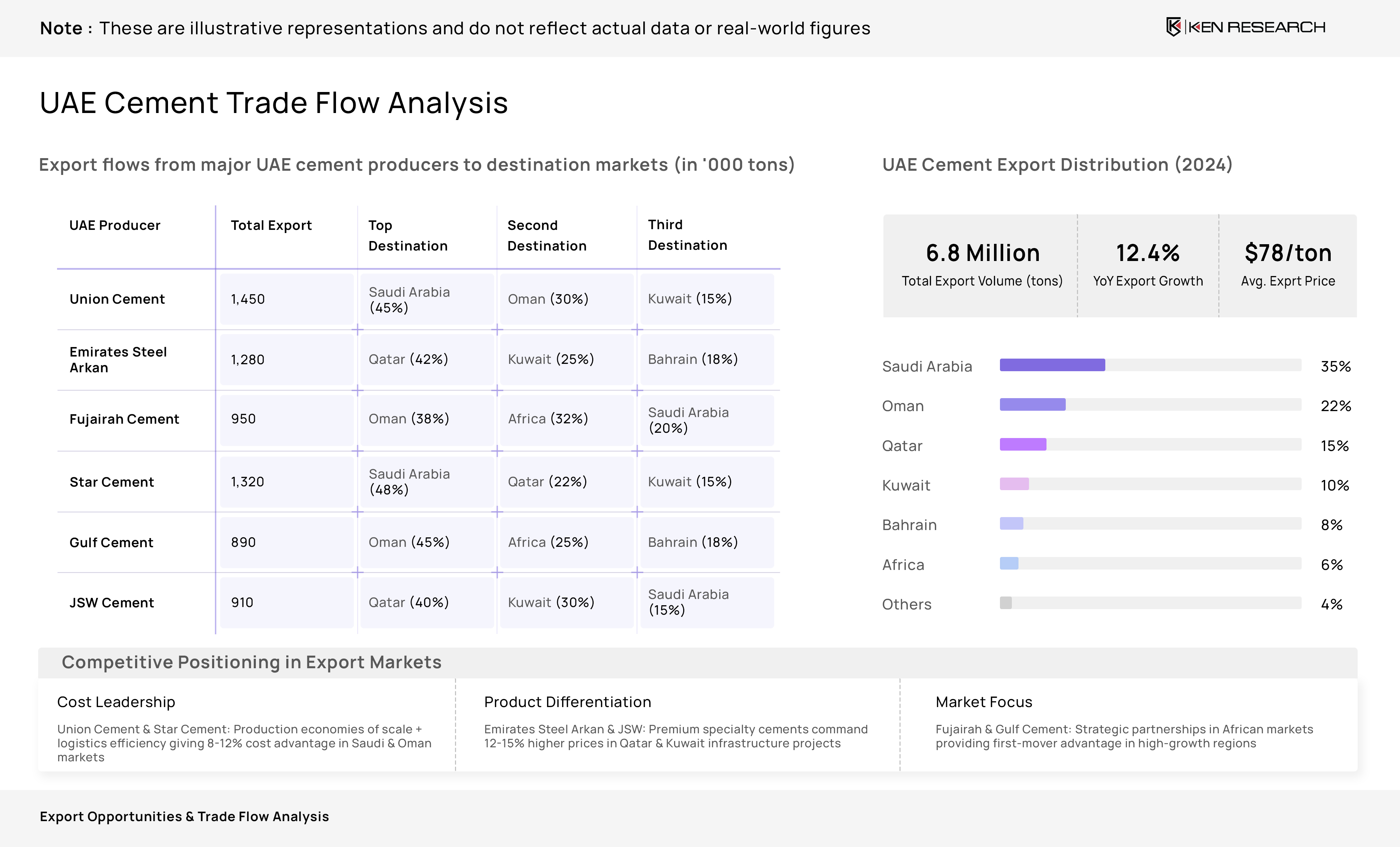
Revenue distribution highlights the dominance of large multi-group entities with diversified portfolios. EBITDA margins and PAT performance help differentiate operational efficiency across players.
Growth potential lies with mid-sized firms scaling their operations, though capital constraints often reflect in lower margins compared to established conglomerates.
Table of Contents
1. Ecosystem Matrix
1.1 Large Players
1.1.1 Ali Bin Ali Agricultural & Equipment Division
1.1.2 Salam International
1.1.3 Al Jazeera Agricultural Co.
1.1.4 Qatar Tractor & Equipment Co.
1.1.5 Gulf Incon W.L.L.
1.1.6 Mannai Corporation QPSC
1.2 Medium Players
1.2.1 United Equipment Group
1.2.2 Bin Jabr Group
1.2.3 Al Sraiya Holding Agriculture Division
1.2.4 Doha Agricultural Supplies
1.2.5 Arabian Agencies Company
1.2.6 Almuftah Group
1.3 Small Players
1.3.1 Qatar Building & Agricultural Equipment
1.3.2 Al Huda Agricultural Equipment
1.3.3 Al Nasr Agriculture
1.3.4 Al Saad Agricultural Supplies
1.3.5 Green Land Trading
2. Leading Player Profiles
2.1 Company Name
2.2 Group Name
2.3 Headquarters
2.4 Established Year
2.5 Core Product Focus
2.6 Mode of Functioning
3. Key Operational Performance Metrics
3.1 Equipment Portfolio (Range/Depth)
3.2 Dealer/Distribution Network
3.3 Installed Base (Units)
3.4 Annual Sales Volume (Units)
3.5 Pricing (QAR)
3.6 After-Sales Service Coverage
3.7 Spare Parts Availability
3.8 Export Share (%)
3.9 Contract Farming Partnerships
4. Core Financial Performance Metrics
4.1 Parameters
4.1.1 Revenue (USD Mn)
4.1.2 Revenue Growth (%)
4.1.3 COGS (USD Mn)
4.1.4 COGS Growth (%)
4.1.5 EBITDA (USD Mn)
4.1.6 EBITDA Growth (%)
4.1.7 EBITDA Margin (%)
4.1.8 PAT (USD Mn)
4.1.9 PAT Margin (%)
5. Methodology
5.1 Approach
5.1.1 Desk Sources
5.1.2 Primary Interviews
5.1.3 Sanity Checking & Validation
5.2 Benchmarking Process
5.2.1 Data Collection
5.2.2 Primary Validation
5.2.3 Proxy KPI Modelling
5.2.4 Normalization & Indexing
5.2.5 Gap Analysis
5.2.6 Peer Review
5.3 Sample Composition
5.3.1 Scope Items
5.3.2 Sample Size
5.3.3 Target Respondents
Methodology
Ken Research will deploy its proprietary, multi-layered research framework—combining robust secondary research, targeted primary outreach, and rigorous data validation—to deliver an authoritative competitive landscape analysis of the market. All proxy KPIs are calibrated to agricultural equipment dynamics in Qatar.
Desk Sources
- Industry reports (Proprietary databases, Ken Research archives)
- Company annual reports & investor presentations
- Government & trade association publications (e.g., planning/statistics, customs trade, agriculture/municipality, water/irrigation)
- Trade magazines, journals, e-articles (farm mechanization, irrigation, protected agriculture)
- Financial databases (Bloomberg, Capital IQ)
- Web traffic & app usage dashboards (SimilarWeb, App Annie)
Primary Interviews
- Category and R&D heads at agricultural equipment OEMs and distributors
- Senior sales, marketing, and after-sales service leaders
- Distributors, channel partners, rental firms, and agro-retailers
- Large farms, greenhouse operators, agribusinesses, and institutional buyers
- Technology and service providers for digital metrics
Sanity Checking and Validation
- Triangulation: Cross-verify estimates from secondary data, primary inputs, and proxy model outputs.
- Proxy KPI synthesis: Use related KPIs—such as installed base by equipment class, import/registration volumes, dealer & workshop counts, service bay capacity, technician strength, parts fill rate, average selling prices (ASP) by category, greenhouse/hectares under protected cultivation, irrigation hectares, and web traffic—to approximate revenues, capacities, and market shares.
- Outlier analysis: Identify and reconcile anomalous data points via follow-up discussions.
- Assumption tracking: Maintain a log of all benchmarking assumptions with clear notes on limitations and proxy KPI sources.
- Peer review: Internal expert review of methodology, models, and key outputs before finalization.
An Inside Look At Our Custom Insights
Take a look at ourcustomized insights, tailored to yourmarket and business needs. Our benchmarking reports deliver data-driven comparisons of key players, helping you uncover opportunities, assess performance, and make confident strategic decisions.