Qatar Automotive Aftermarket Parts Market
Published on: February 2026
Report Overview
Qatar Automotive Aftermarket Overview
Market Highlights
The Qatar automotive aftermarket parts market operates within a structured, multi-tier competitive landscape where large diversified groups coexist with specialized independent players. Conglomerates lead through integrated dealer networks, genuine parts distribution, and service-led models, while mid-sized and smaller players compete via category focus, pricing flexibility, and faster sourcing.
Global automotive standards intersect with strong local adaptation as players align product portfolios with regional vehicle mix, climate conditions, and maintenance patterns. OEM-aligned distributors emphasize reliability, warranties, and service quality, while independents differentiate through wider SKU availability, quicker turnaround, and cost-efficient offerings for fleet and value-driven customers.
Distribution reach and aftersales execution remain critical competitive levers. Dense service networks, parts availability, and workshop integration directly influence customer retention and service efficiency. Players that tightly link parts supply with service delivery consistently achieve higher throughput and loyalty.
Strategic differentiation is driven by operational discipline and selective technology adoption. Larger groups benefit from scale and process standardization, while smaller players rely on agility and niche specialization. Going forward, leadership will hinge on balancing localization with innovation, strengthening service-led revenues, and sustaining operational resilience.
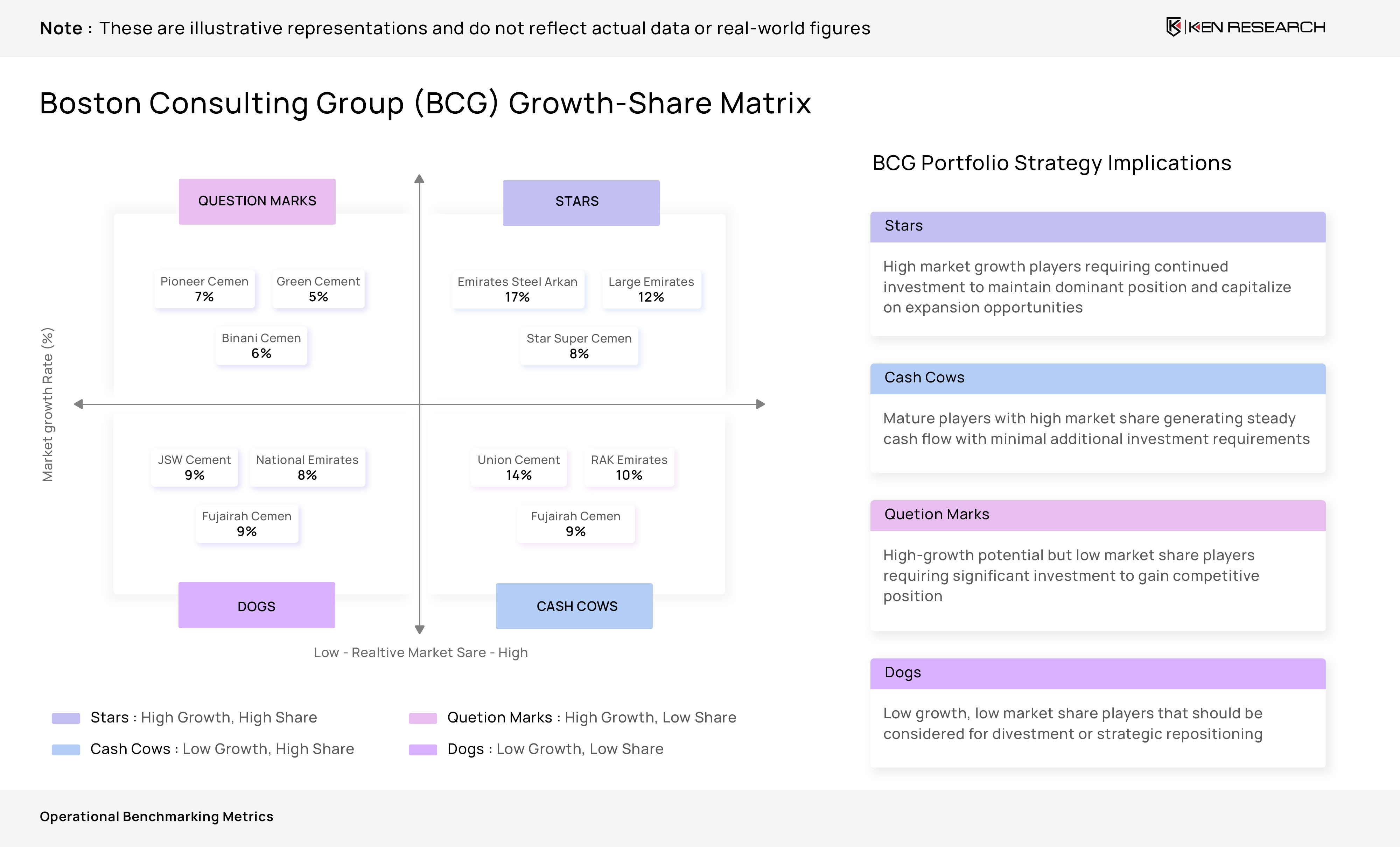
Ecosystem Matrix
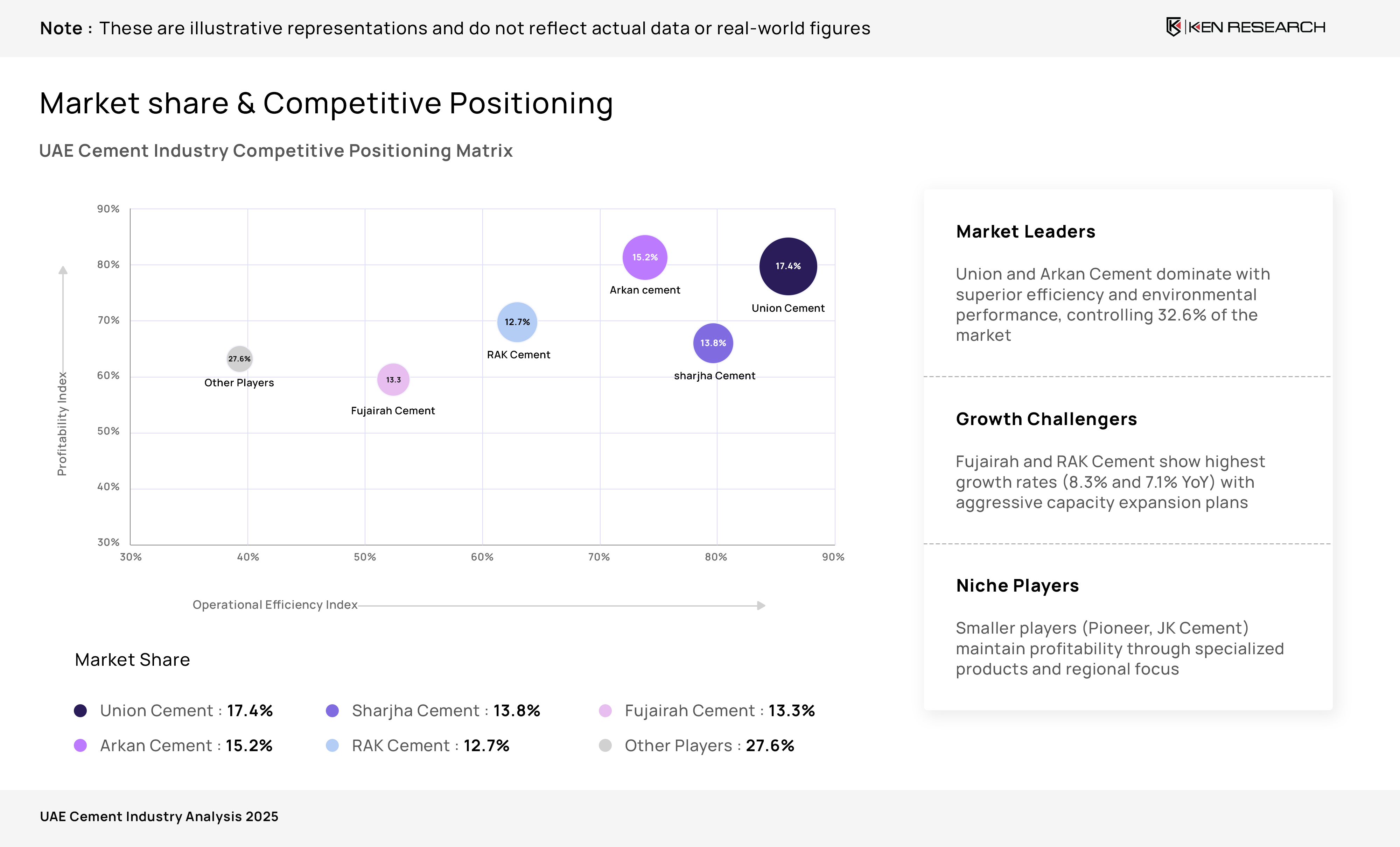
Qatar’s aftermarket is scale-led: large groups win on fast-moving SKU breadth, genuine parts availability, and service-bay capacity, which shortens turnaround time and improves repeat maintenance behavior across passenger and fleet segments.
The competitive edge is increasingly execution-driven: players with multi-branch reach, integrated workshop + parts retail, and strong pricing discipline capture higher wallet share, while smaller specialists compete via niche SKUs, quick sourcing, and localized customer relationships.
Leading Player Profiles
Company Profile Overview
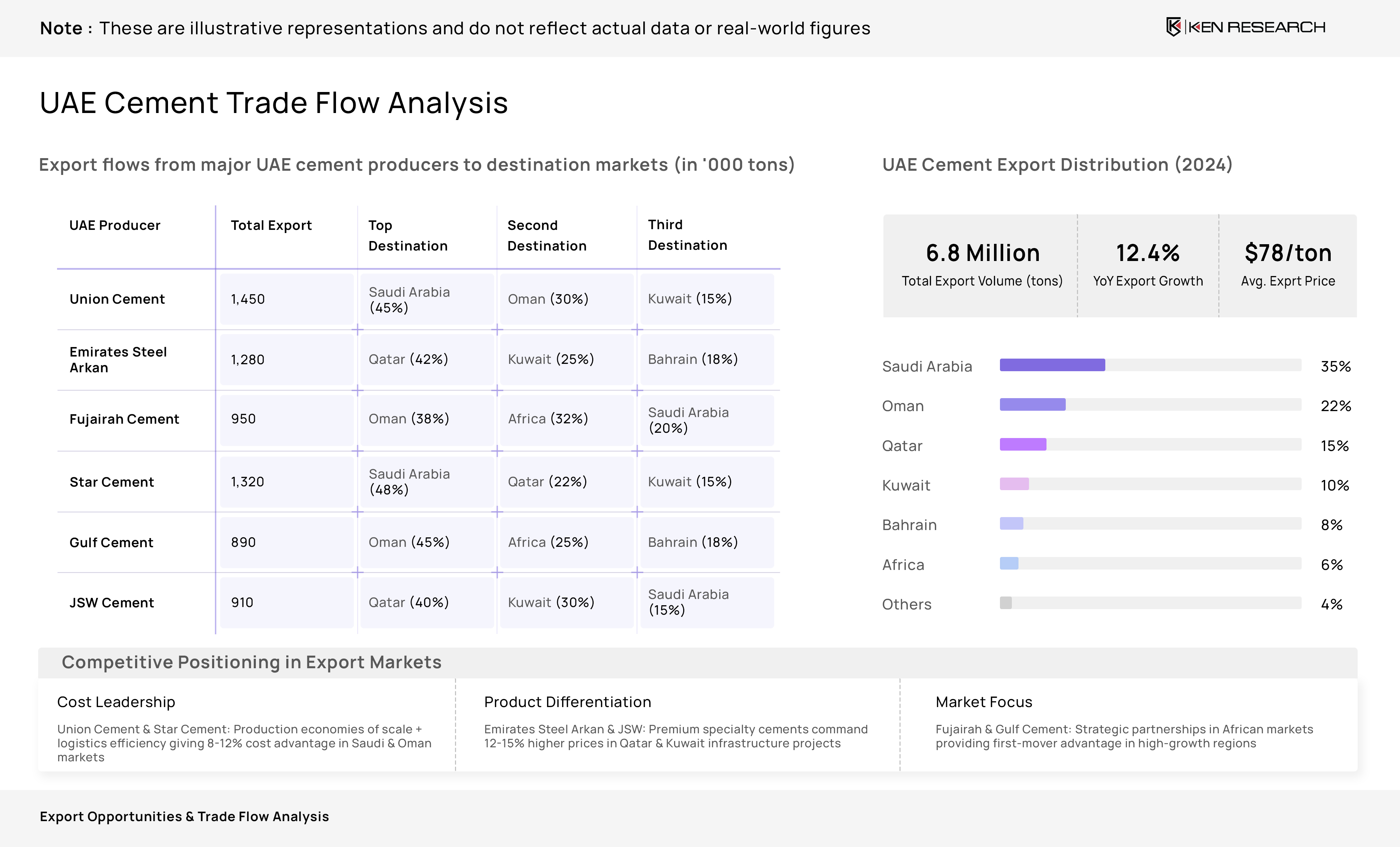
Qatar’s leading players cluster into two operating models: OEM-led groups monetize lifetime vehicle value through genuine parts and service retention, while large independents scale fast-moving categories (tyres, batteries, lubricants) to protect margins and improve inventory turns.
Establishment year and HQ patterns show a mature core of legacy Qatari conglomerates controlling distribution, with newer specialists entering through focused spare-parts retail. This keeps competition intense on availability, service speed, and pricing discipline rather than pure footprint alone.
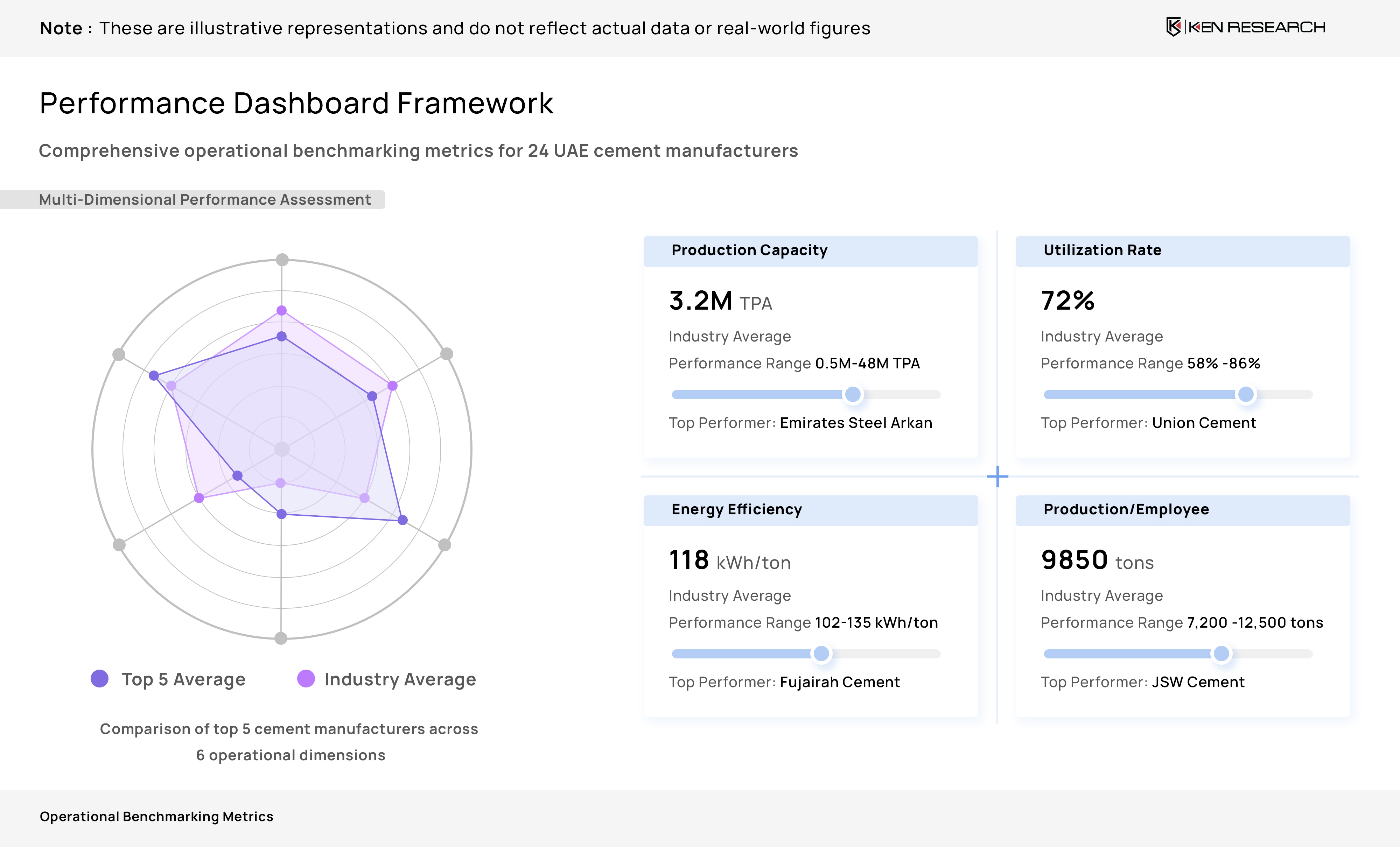
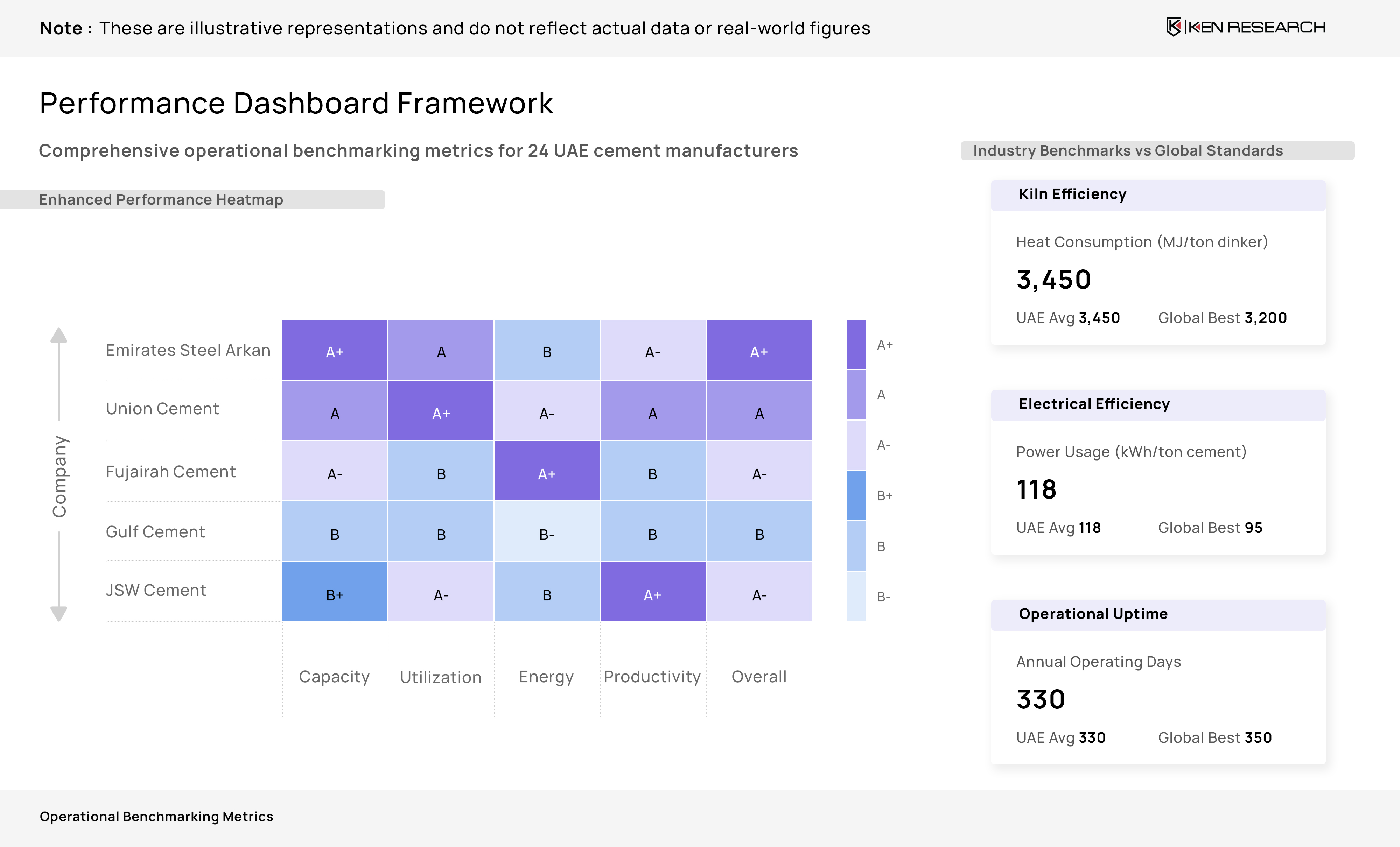
Key Operational Performance Metrics
Company Performance Overview
Unlock Market Insights
Dive deeper into production, distribution, and pricing intelligence.
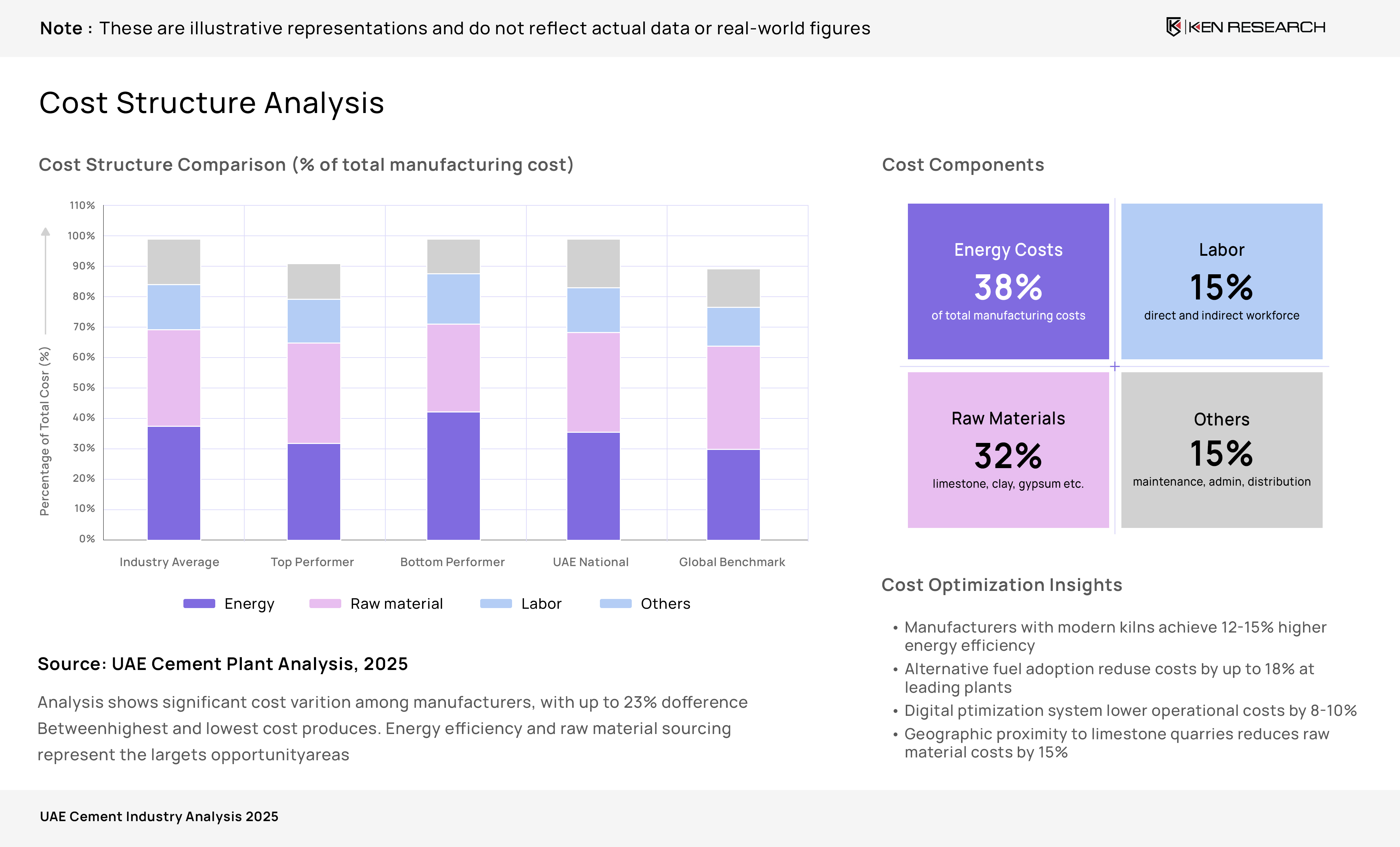
Get Customized ReportIn Qatar’s aftermarket, the most revenue-sensitive levers are genuine parts conversion, workshop labor monetization, and net pricing realization, because they move together: better service throughput improves parts pull-through and reduces discounting pressure.
Players with balanced revenue mix across tyres, batteries, lubricants, and contracts typically withstand price wars better, since they can protect profitability through category mix and repeatability, not just one-time parts transactions.
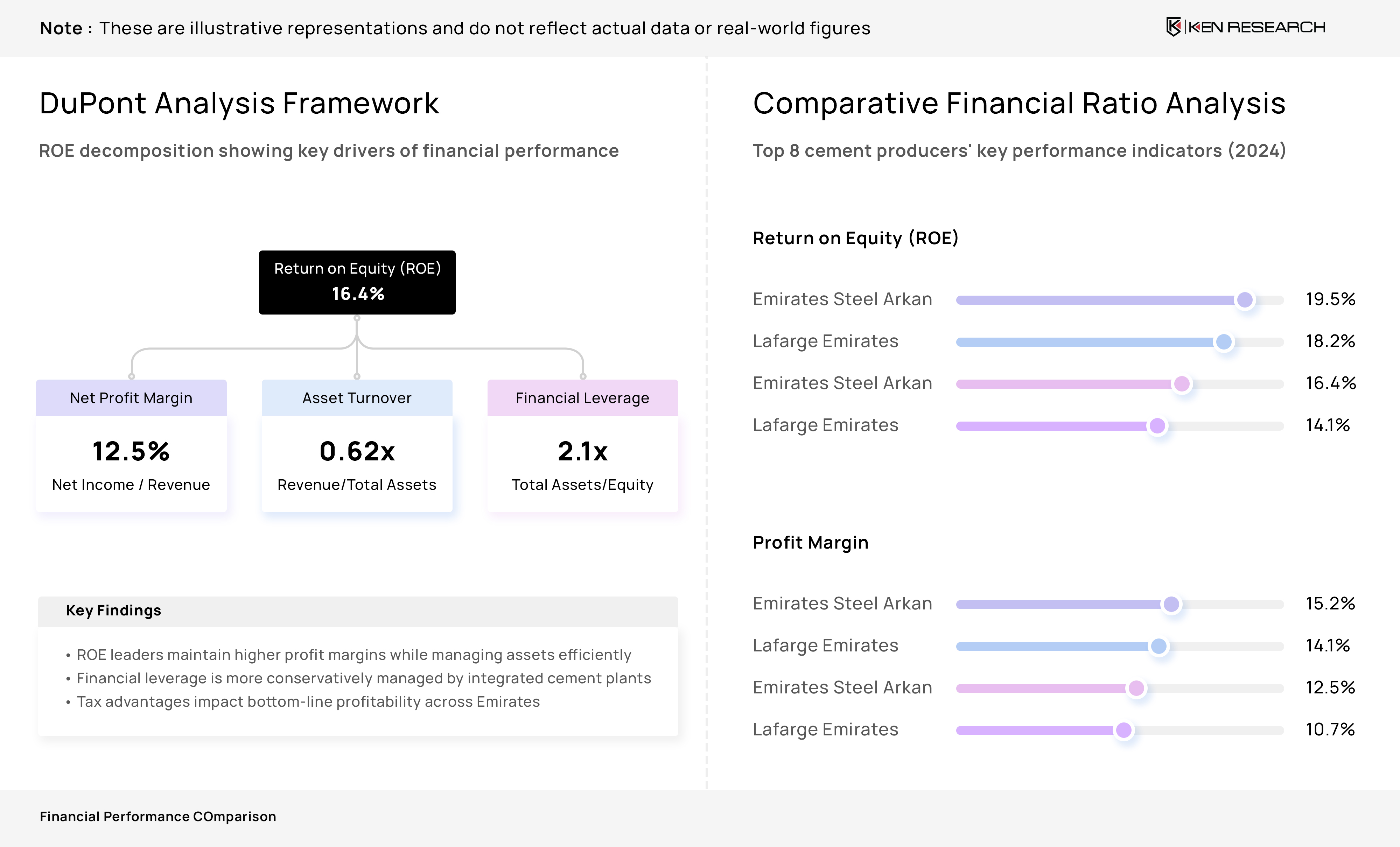
Core Financial Performance Metrics
Financial performance in Qatar’s aftermarket usually separates on two fundamentals: procurement strength (COGS control through sourcing and SKU rationalization) and service productivity (EBITDA margin lift through higher labor absorption and parts pull-through).
Revenue growth is typically strongest where customer retention is engineered, not assumed: warranty-like contracts, fleet AMC structures, and disciplined pricing governance reduce volatility and protect PAT margins even when discounting intensifies.
Table of Contents
1. Ecosystem Matrix
1.1 Large Players
1.1.1 Nasser Bin Khaled Automobiles (QAC)
1.1.2 Doha Marketing Services Company (DOMASCO)
1.1.3 Al Mana Motors
1.1.4 Mannai Automotive Group (Mannai Auto Parts)
1.1.5 Teyseer Motors W.L.L.
1.1.6 Jaidah Independent Aftermarket
1.1.7 Almuftah Group
1.1.8 International Tire Centre (Q-Tire)
1.1.9 Alfardan Automobiles
1.2 Medium Players
1.2.1 Altadamon Motors & Trading Co. W.L.L.
1.2.2 Arabian Auto Spare Parts W.L.L.
1.2.3 Auto Fast Track
1.2.4 Al Faris Auto Parts
1.2.5 Al Amani Auto Spare Parts W.L.L.
1.3 Small Players
1.3.1 Oriental Auto Parts
1.3.2 Nissmo Auto Spare Parts
1.3.3 Q-Tire (retail network brand)
1.3.4 Mannai Auto Parts Center (standalone parts counters)
2. Leading Player Profiles
2.1 Parameters
2.1.1 Company Name
2.1.2 Group Name
2.1.3 Headquarters
2.1.4 Established Year
2.1.5 Core Services
2.1.6 Mode of Functioning
3. Key Operational Performance Metrics
3.1 Genuine Parts Sales (USD Mn)
3.2 IAM Parts Sales (USD Mn)
3.3 Tyres Sales (USD Mn)
3.4 Batteries Sales (USD Mn)
3.5 Lubricants & Fluids Sales (USD Mn)
3.6 Workshop Labor Revenue (USD Mn)
3.7 Body & Paint Revenue (USD Mn)
3.8 Fleet/AMC Contract Revenue (USD Mn)
3.9 Net Pricing Realization (USD Mn)
3.10 KPI Prioritization Logic (Revenue Impact Order)
4. Core Financial Performance Metrics
4.1 Parameters
4.1.1 Revenue (USD Mn)
4.1.2 Revenue Growth (%)
4.1.3 COGS (USD Mn)
4.1.4 COGS Growth (%)
4.1.5 EBITDA (USD Mn)
4.1.6 EBITDA Growth (%)
4.1.7 EBITDA Margin (%)
4.1.8 PAT (USD Mn)
4.1.9 PAT Margin (%)
5. Methodology
5.1 Approach
5.1.1 Desk Sources
5.1.2 Primary Interviews
5.1.3 Sanity Checking & Validation
5.2 Benchmarking Process
5.2.1 Data Collection
5.2.2 Primary Validation
5.2.3 Proxy KPI Modelling
5.2.4 Normalization & Indexing
5.2.5 Gap Analysis
5.2.6 Peer Review
5.3 Sample Composition
5.3.1 Scope Items
5.3.2 Sample Size
5.3.3 Target Respondents
Methodology
Ken Research will deploy its proprietary, multi layered research framework, combining robust secondary research, targeted primary outreach, and rigorous data validation, to deliver an authoritative competitive landscape assessment of the Qatar Automotive Aftermarket Parts Market.
Desk Sources
- Industry reports from proprietary databases and Ken Research internal archives to establish historical benchmarks, aftermarket structure, and category-level baselines
- Company annual reports, statutory disclosures, and corporate presentations to extract business structure, aftermarket focus, and group-level strategic priorities
- Government publications and trade-related releases to assess vehicle parc evolution, import regulations, and aftermarket compliance requirements
- Trade magazines, automotive journals, and sector-focused e-articles to track competitive moves, product mix evolution, and pricing behavior
- Financial intelligence platforms such as Bloomberg and Capital IQ to benchmark peer-level financial structures and margin profiles at group level
- Web traffic and digital visibility tools such as SimilarWeb to assess brand reach, service discoverability, and customer acquisition dynamics
Primary Interviews
- CATI interviews and structured discussions with category managers and aftersales heads at leading automotive distributors and aftermarket players
- In-depth interviews with senior sales and marketing leaders to understand pricing strategies, SKU prioritization, and customer retention levers
- Interviews with distributors, wholesalers, and retail channel partners to validate parts movement, sourcing patterns, and regional demand behavior
- Consultations with automotive industry experts, service technology providers, and aftermarket consultants to validate structural assumptions and competitive dynamics
Sanity Checking and Validation
- Triangulation of estimates through cross-verification of secondary research, primary interviews, and proxy-based analytical outputs
- Proxy KPI synthesis using indicators such as service bay density, parts counter footprint, SKU breadth, fleet contracts, and brand coverage to approximate revenue contribution
- Outlier detection to identify inconsistencies in pricing, service productivity, or category mix, followed by targeted validation discussions
- Assumption tracking through a structured internal log documenting all proxy logic, exclusions, and estimation boundaries
- Internal peer review of methodology, analytical logic, and benchmarking outputs prior to report finalization
An Inside Look At Our Custom Insights
Take a look at ourcustomized insights, tailored to yourmarket and business needs. Our benchmarking reports deliver data-driven comparisons of key players, helping you uncover opportunities, assess performance, and make confident strategic decisions.