Qatar Electric Vehicle Charging Providers Market
Published on: February 2026
Report Overview
Qatar Electric Vehicle Charging Providers Market Highlights
Market Overview
The Qatar Electric Vehicle Charging Providers market features a layered competitive structure where global technology leaders, regional infrastructure players, and agile local firms operate in parallel. Multinational players emphasize standardized platforms and advanced charging systems, while regional and local providers differentiate through execution speed, market familiarity, and customized deployment models.
Global charging technologies are increasingly adapted to local operating conditions through design modifications, service customization, and tailored installation approaches. Domestic manufacturers and distributors align solutions with grid characteristics, climate considerations, and user behavior, enabling broader adoption across commercial, residential, and fleet-focused use cases.
Distribution strength and aftersales support significantly influence competitiveness within the market. Providers with strong dealer networks, efficient installation partners, and reliable maintenance capabilities build higher customer trust. Service quality, system uptime, and responsive technical support play a central role in driving brand loyalty and repeat engagements.
Competitive advantage is shaped by operational efficiency, cost management, and integrated technology strategies. Larger players leverage scale and digital optimization, while smaller firms compete through flexibility and bundled offerings. The interplay of innovation, localization, and strategic agility continues to define leadership and long-term relevance in the Qatar Electric Vehicle Charging Providers market.
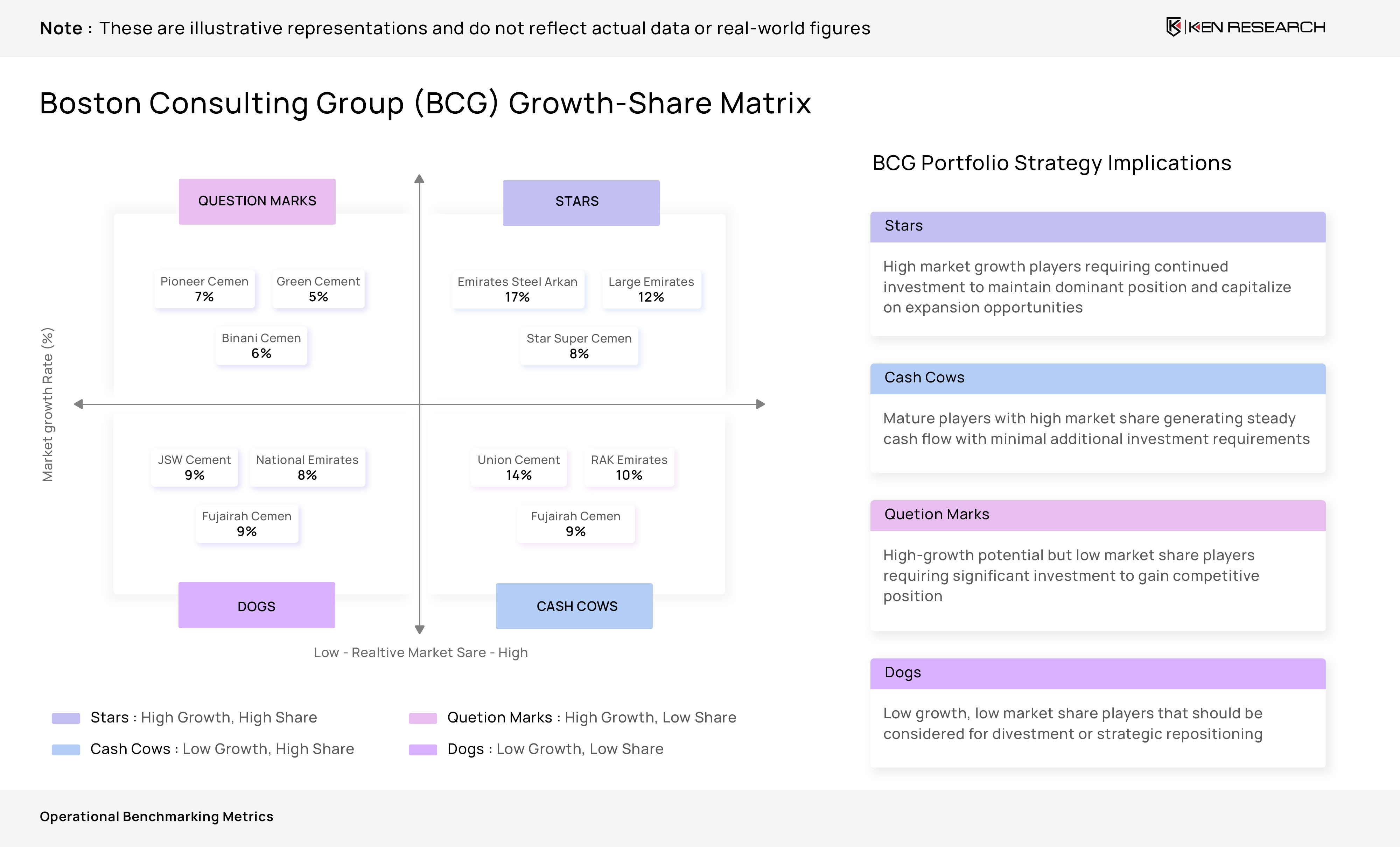
Ecosystem Matrix
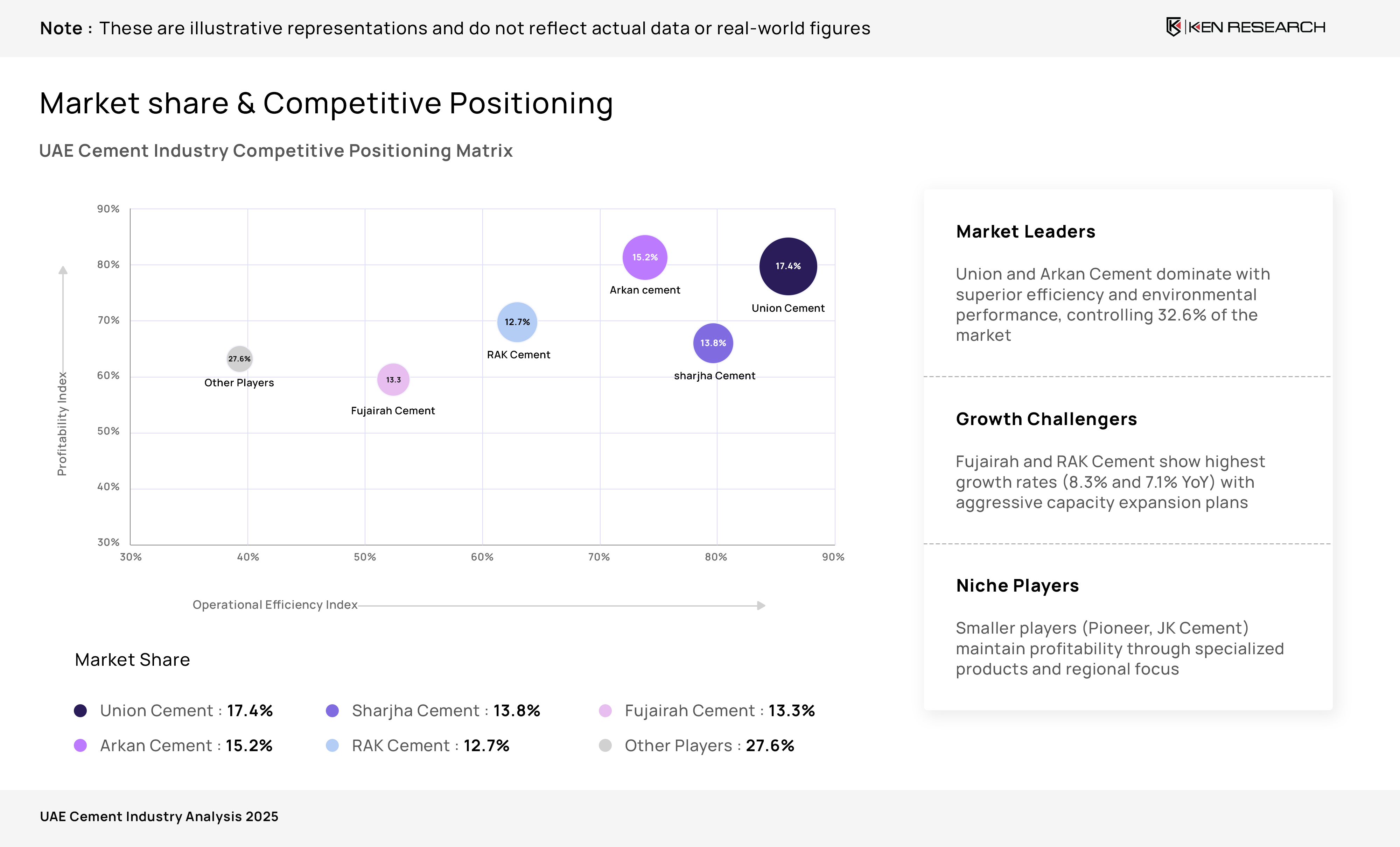
Qatar’s EV charging ecosystem is currently anchored by national infrastructure owners and mass-footfall network operators, which gives large players a structural advantage in site access, grid coordination, and faster rollout across highways, fuel retail, and mobility corridors.
The market is shifting from “charger availability” to “charger reliability and experience,” where medium and small players increasingly compete through turnkey installations, smart charging software, uptime-focused operations, fleet agreements, and differentiated AC versus DC fast-charging positioning.
Leading Player Profiles
Company Profile Overview
Qatar’s player landscape shows a clear “site-control advantage,” where utilities, fuel retail, transit, and large destinations shape charging availability, while solution providers win by reducing deployment friction, improving uptime, and standardizing maintenance across multi-site estates.
The ecosystem is moving toward partnerships: large hosts provide footprint and demand, while medium and small specialists supply hardware, commissioning, software layers, and operations discipline to meet rising expectations around fast charging, reliability, and payment simplicity.
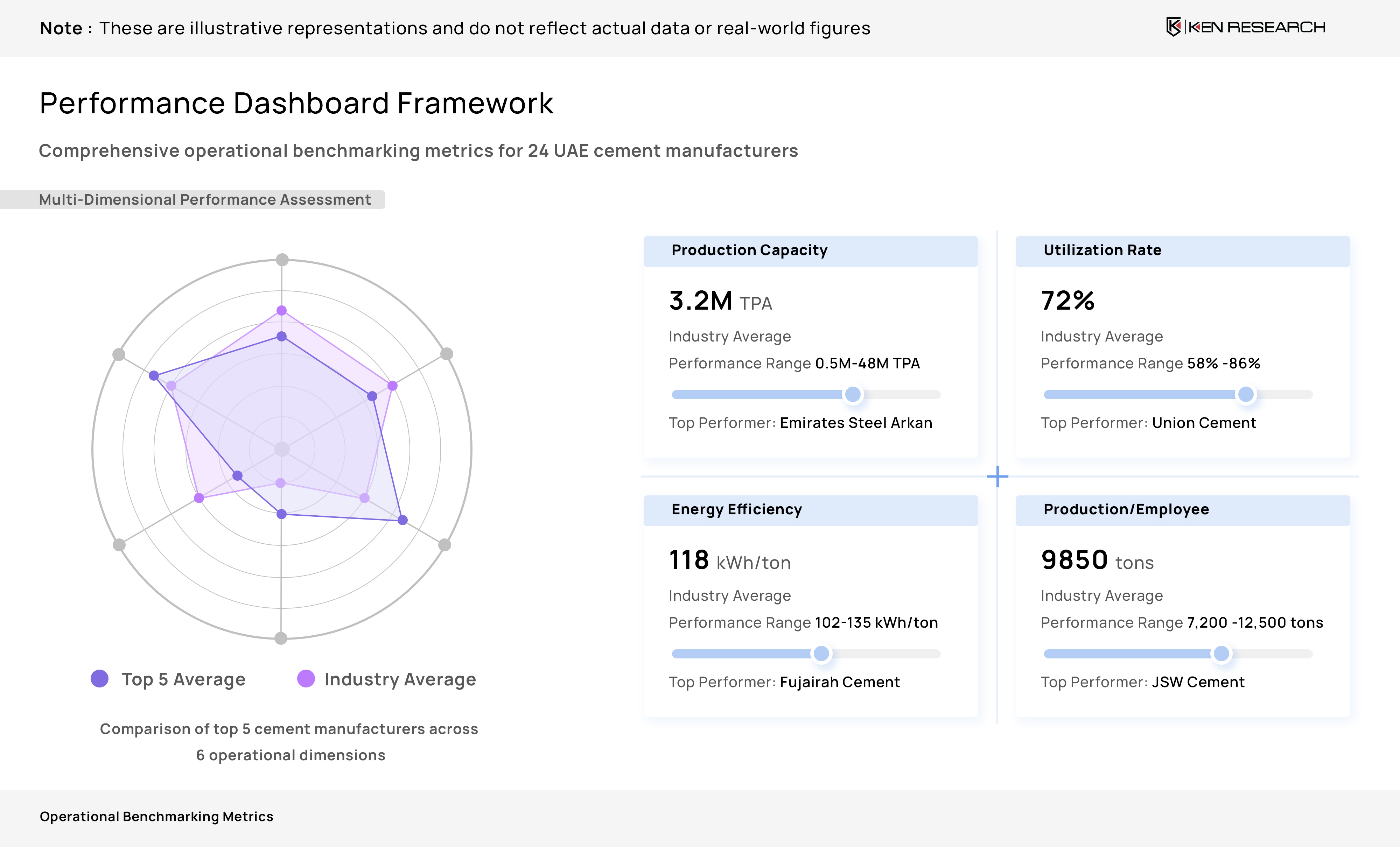
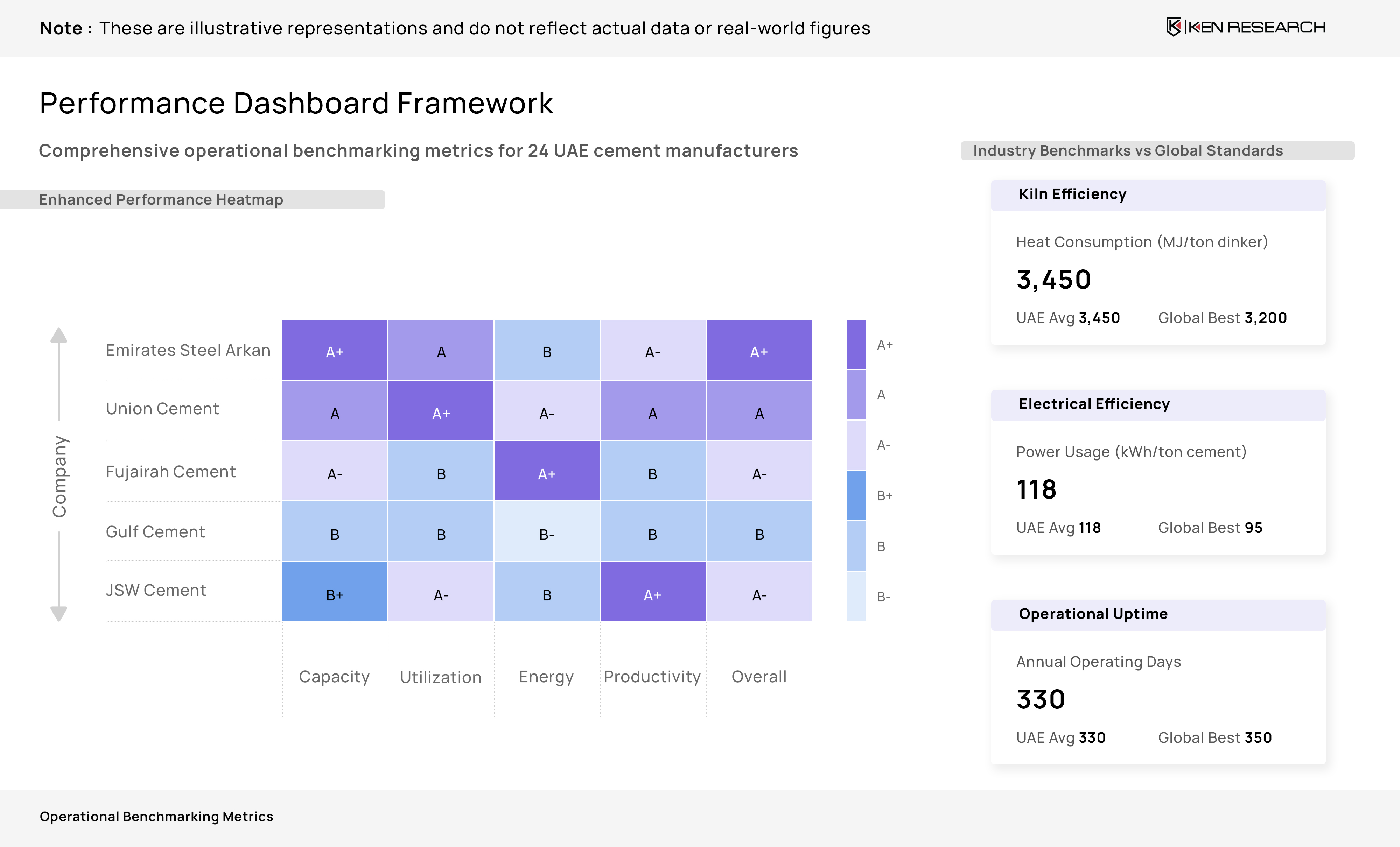
Key Operational Performance Metrics
Company Performance Overview
Unlock Market Insights
Dive deeper into production, distribution, and pricing intelligence.
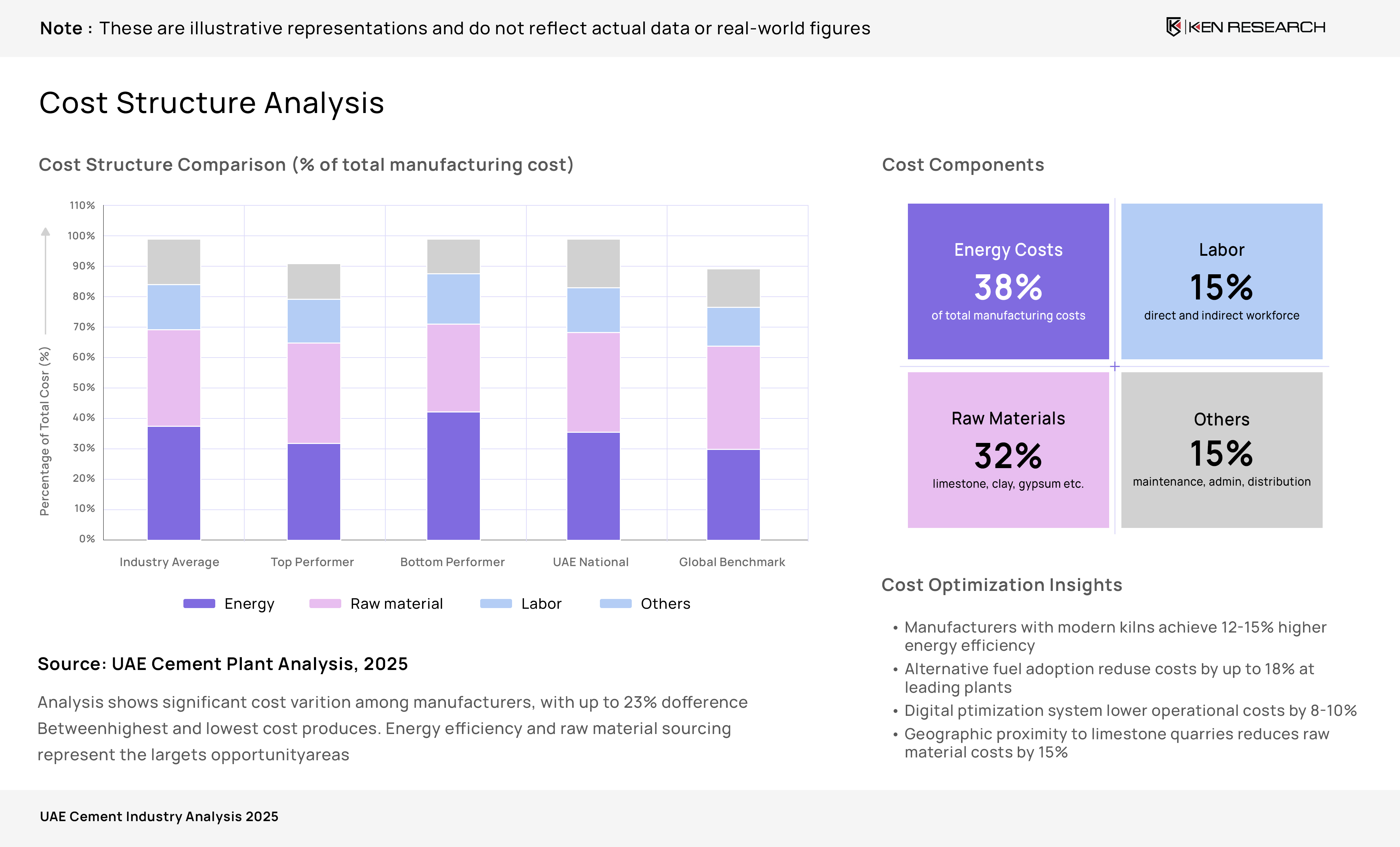
Get Customized ReportOperationally, Qatar’s revenue outcomes in EV charging will be driven by charger uptime, utilization, and pricing discipline rather than only footprint, because high-availability fast-charging locations convert demand into repeat sessions and predictable energy throughput.
Players with strong O&M, rapid fault resolution, and higher DC fast-charger mix are better placed to capture premium charging occasions, while destination hosts will rely more on peak utilization management, parking integration, and frictionless payment journeys.
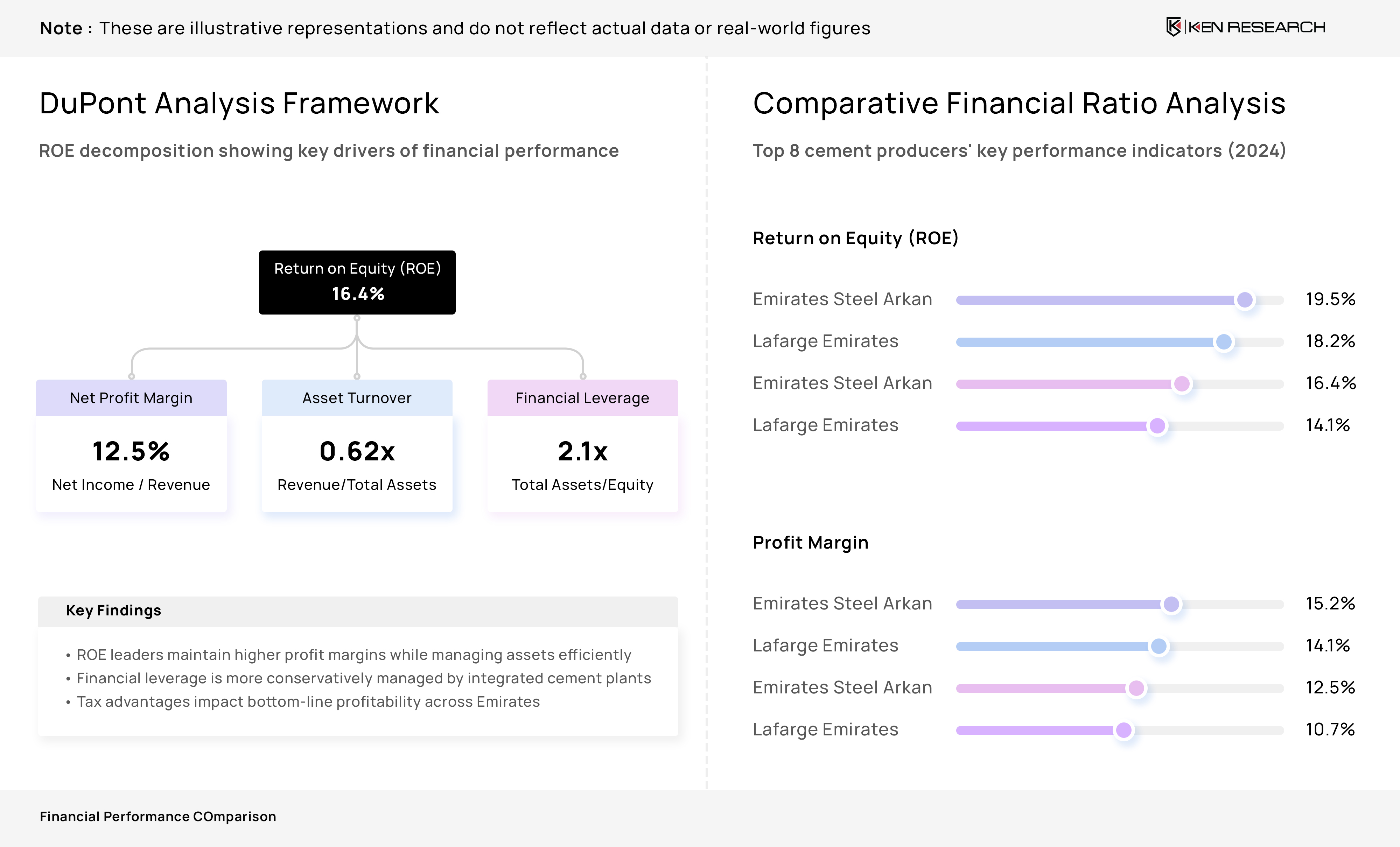
Core Financial Performance Metrics
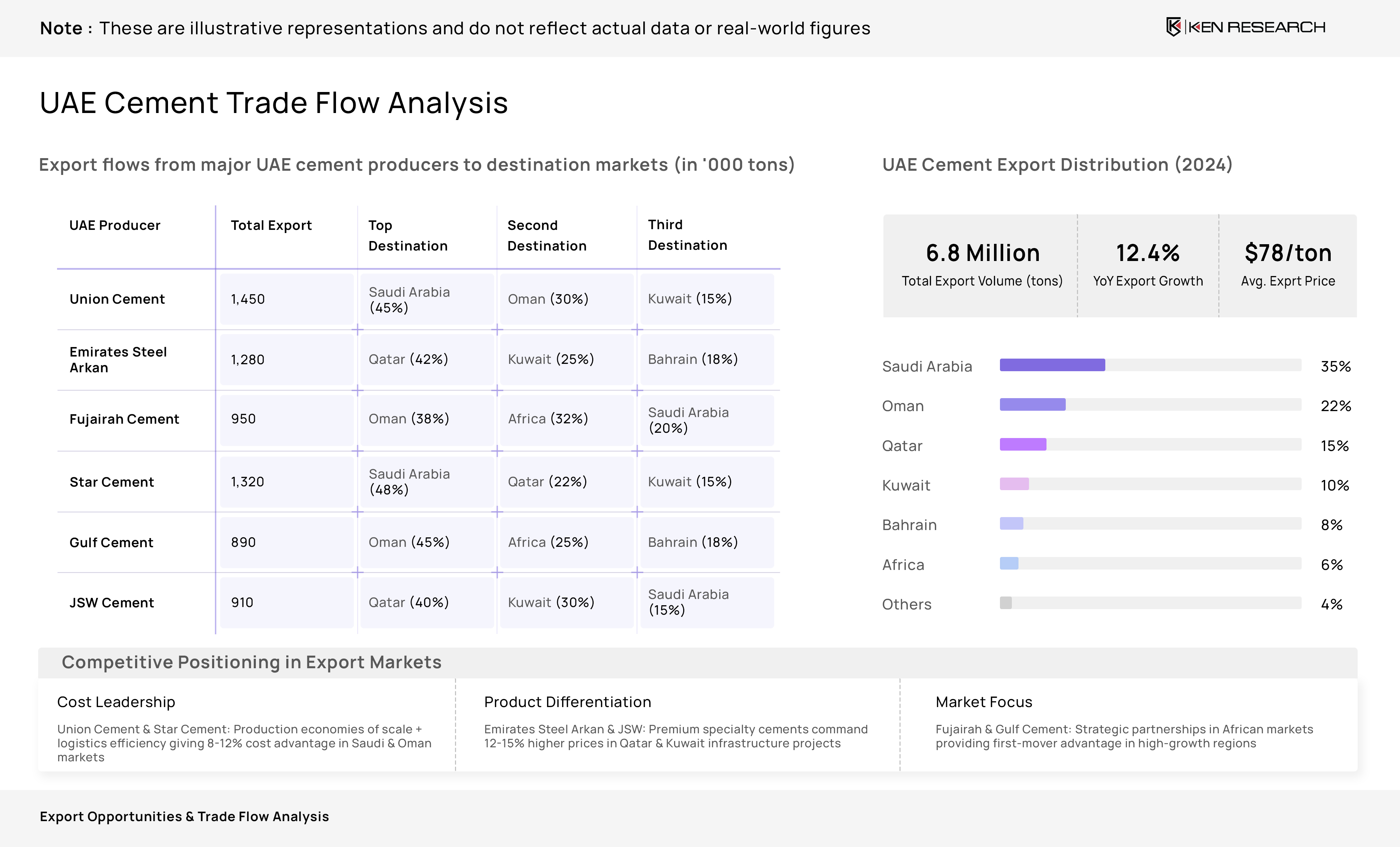
Financial performance benchmarking in Qatar will likely separate “network owners” from “enablers,” where asset-heavy operators benefit from higher utilization and pricing power, while solution providers monetize through project pipelines, service contracts, and long-term maintenance revenues.
EBITDA and PAT outcomes will be most sensitive to charger uptime, electricity procurement or pass-through mechanics, and O&M efficiency, as frequent downtime, slow repair cycles, and low station utilization quickly compress margins even with strong site coverage.
Table of Contents
1. Ecosystem Matrix
1.1 Large Players
1.1.1 KAHRAMAA (Tarsheed Smart EV)
1.1.2 Qatar Fuel Company (WOQOD)
1.1.3 Mowasalat (Karwa)
1.1.4 Qatar Rail
1.1.5 Qatari Diar Real Estate Investment Company
1.1.6 Hamad International Airport
1.2 Medium Players
1.2.1 Lusail Real Estate Development Company (LREDC)
1.2.2 Msheireb Properties
1.2.3 Qatar Foundation
1.2.4 Mannai Corporation Q.P.S.C.
1.2.5 SIA Echo
1.2.6 Jolt Qatar
1.3 Small Players
1.3.1 ELECTRA
1.3.2 ABB Qatar
1.3.3 Siemens Qatar
1.3.4 Schneider Electric Qatar
2. Leading Player Profiles
2.1 Parameters
2.1.1 Company Name
2.1.2 Group Name
2.1.3 Headquarters
2.1.4 Established Year
2.1.5 Core Services
2.1.6 Mode of Functioning
3. Key Operational Performance Metrics
3.1 Charging Points Deployed (Units)
3.2 DC Fast Chargers Share (%)
3.3 Charger Uptime (%)
3.4 Avg Sessions per Charger per Day (No.)
3.5 Avg Energy Dispensed per Session (kWh)
3.6 Avg Session Duration (Minutes)
3.7 Pricing (USD/kWh)
3.8 Peak Utilization (%)
3.9 O&M Response Time (Hours)
4. Core Financial Performance Metrics
4.1 Parameters
4.1.1 Revenue (USD Mn)
4.1.2 Revenue Growth (%)
4.1.3 COGS (USD Mn)
4.1.4 COGS Growth (%)
4.1.5 EBITDA (USD Mn)
4.1.6 EBITDA Growth (%)
4.1.7 EBITDA Margin (%)
4.1.8 PAT (USD Mn)
4.1.9 PAT Margin (%)
5. Methodology
5.1 Approach
5.1.1 Desk Sources
5.1.2 Primary Interviews
5.1.3 Sanity Checking & Validation
5.2 Benchmarking Process
5.2.1 Data Collection
5.2.2 Primary Validation
5.2.3 Proxy KPI Modelling
5.2.4 Normalization & Indexing
5.2.5 Gap Analysis
5.2.6 Peer Review
5.3 Sample Composition
5.3.1 Scope Items
5.3.2 Sample Size
5.3.3 Target Respondents
Methodology
Ken Research will deploy its proprietary, multi layered research framework, combining robust secondary research, targeted primary outreach, and rigorous data validation, to deliver an authoritative competitive benchmarking analysis of the Qatar Electric Vehicle Charging Providers Market. The methodology is designed to ensure high accuracy, comparability, and relevance of proxy KPIs, operational metrics, and financial benchmarks specific to the EV charging ecosystem.
Desk Resources
- Review of industry reports from proprietary databases and Ken Research internal archives to establish historical benchmarks, infrastructure rollout patterns, and regulatory baselines
- Analysis of company annual reports, investor presentations, and statutory disclosures to assess financial performance, capital allocation, and strategic priorities
- Evaluation of government publications, sustainability roadmaps, and transport authority releases to understand EV adoption targets, charging mandates, and infrastructure planning
- Tracking of competitive developments, charging technology evolution, and pricing models through trade magazines, journals, and sector-specific publications
- Use of financial intelligence platforms such as Bloomberg and Capital IQ to standardize financial ratios and enable peer-level financial benchmarking
- Assessment of web traffic, platform engagement, and app-usage dashboards to gauge digital demand signals, network visibility, and customer engagement
Primary Interviews
- CATI interviews and structured online surveys with senior management, sustainability leaders, and infrastructure heads of charging operators
- In-depth discussions with sales, partnerships, and business development leaders to validate utilization levels, pricing frameworks, and rollout economics
- Interviews with real estate developers, fuel retailers, fleet operators, and mobility partners to validate charging demand patterns and site-level economics
- Consultations with industry analysts, energy consultants, and EV technology providers to validate assumptions related to charger mix, uptime, and cost structures
Sanity Checking & Validation
- Triangulation of market estimates through cross-verification of secondary research, primary insights, and proxy-based financial modeling
- Synthesis of proxy KPIs using indicators such as number of charging points, charger type mix, utilization rates, and pricing to estimate revenues and margins
- Outlier analysis to identify inconsistencies in performance metrics and resolve them through targeted follow-up discussions
- Structured assumption tracking through internal logs documenting data gaps, proxy logic, and estimation sources
- Internal peer review of analytical models, assumptions, and benchmarking outputs prior to final report sign-off
An Inside Look At Our Custom Insights
Take a look at ourcustomized insights, tailored to yourmarket and business needs. Our benchmarking reports deliver data-driven comparisons of key players, helping you uncover opportunities, assess performance, and make confident strategic decisions.