Qatar Luxury Car Dealers Market
Published on: February 2026
Report Overview
Qatar Luxury Car Dealers Market Overview
Market Highlights
The Qatar Luxury Car Dealers Market operates within a concentrated and relationship-driven competitive environment where global luxury brands are represented through exclusive distributor groups. Large dealer groups emphasize brand integrity and operational scale, while smaller local specialists differentiate through personalized engagement, bespoke sourcing, and flexibility in serving niche customer preferences.
Global automotive innovation enters the market through advanced vehicle technologies and premium design, but competitive advantage is reinforced through localized adaptation. Dealers tailor specifications, feature packages, and service delivery to suit regional driving conditions, climatic considerations, and customer expectations for comfort, performance, and exclusivity.
Distribution reach and aftersales capability are central to brand competitiveness in Qatar’s luxury segment. Centralized showrooms, certified service facilities, and dedicated relationship teams strengthen customer trust. High service reliability, proactive support, and transparent communication drive repeat purchases and long-term loyalty.
Strategic focus increasingly centers on operational efficiency, digital integration, and experience-led differentiation. Larger groups leverage standardized systems, while smaller players compete through agility and bespoke services. The interplay of innovation, localization, and strategic agility continues to shape leadership in the Qatar Luxury Car Dealers Market.
Ecosystem Matrix
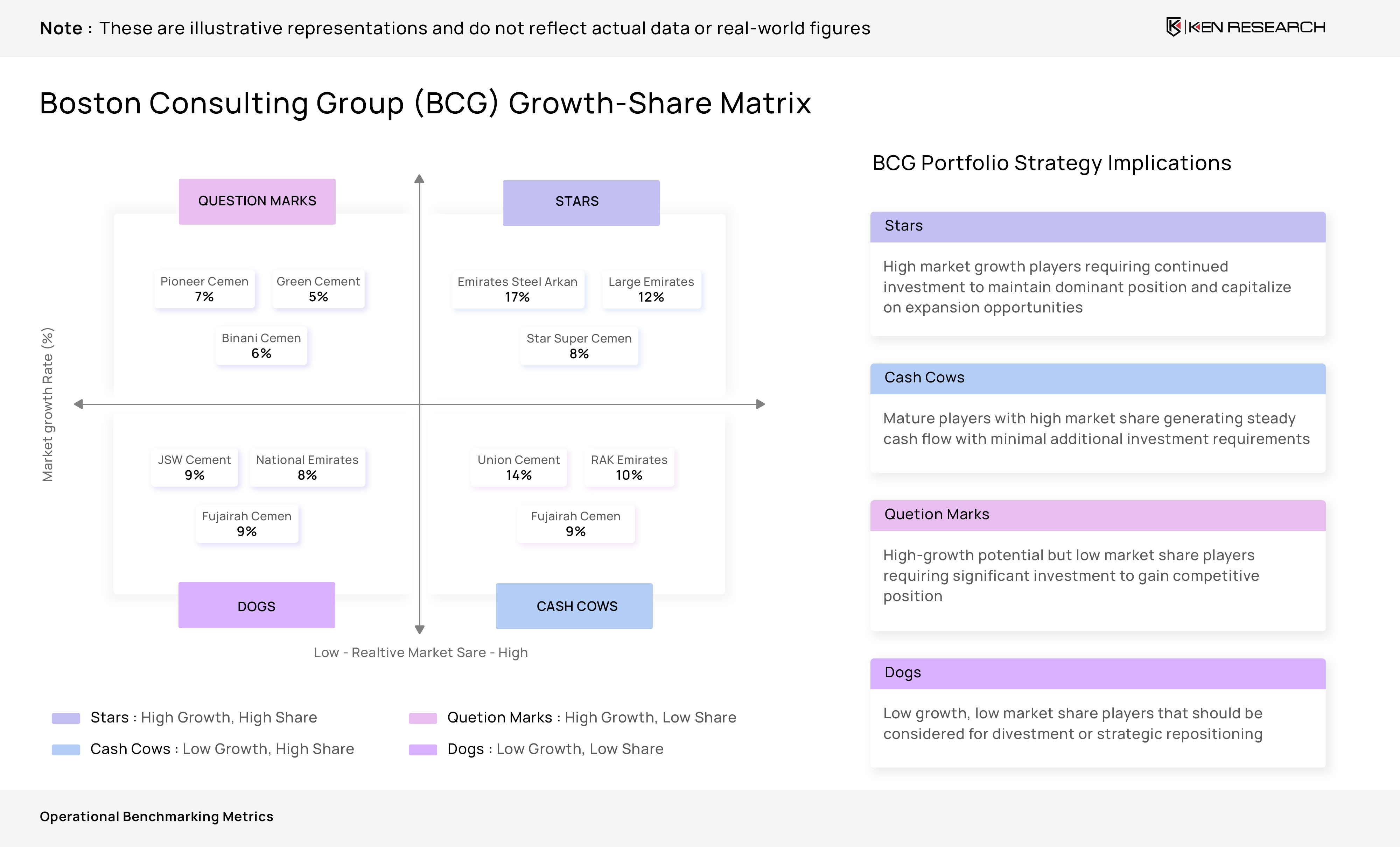
Qatar’s luxury dealer ecosystem is anchored by diversified groups that win through brand portfolio depth, premium showroom experiences, and service capacity. Competitive advantage increasingly comes from how effectively players convert walk-ins into lifetime customers via finance, trade-ins, and retention-led aftersales.
The market shows a clear split between flagship luxury specialists and broader automotive groups. Players that integrate digital lead management, structured pre-owned pipelines, and faster service turnaround tend to defend margins better, even when brand-level pricing discipline and allocations tighten.
Leading Player Profiles
Company Profile Overview
Dealer positioning in Qatar is shaped by group backing and operating maturity. Older incumbents tend to outperform on service capacity, parts availability, and process discipline, while newer players compete by tightening lead-to-sale cycles, showroom productivity, and premium customer experience design.
Market structure rewards players that can bundle end-to-end ownership economics: pricing governance, finance and insurance attachment, trade-in execution, and service retention. Groups with multi-brand portfolios also gain cross-brand demand capture and stronger negotiation leverage with principals.
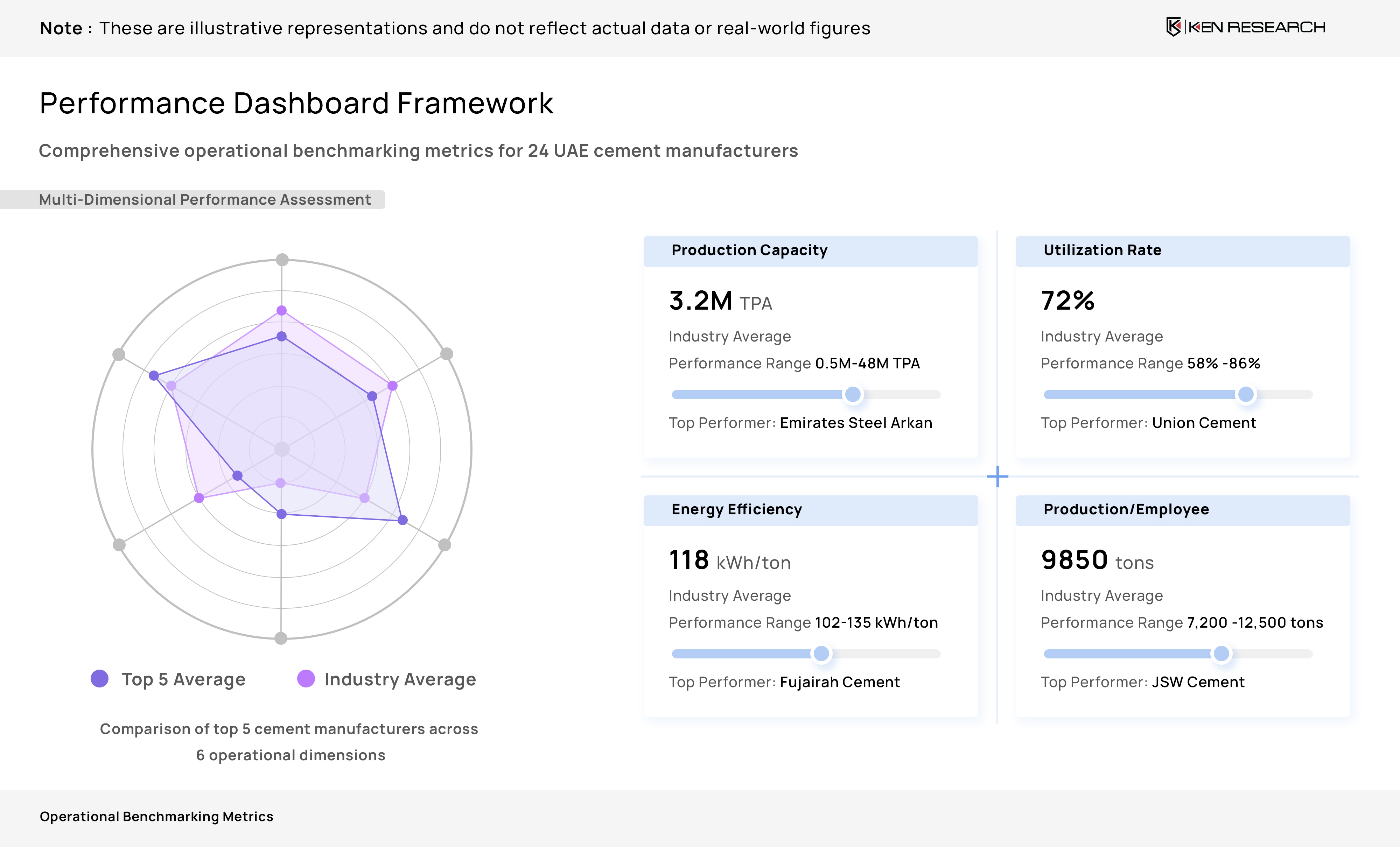
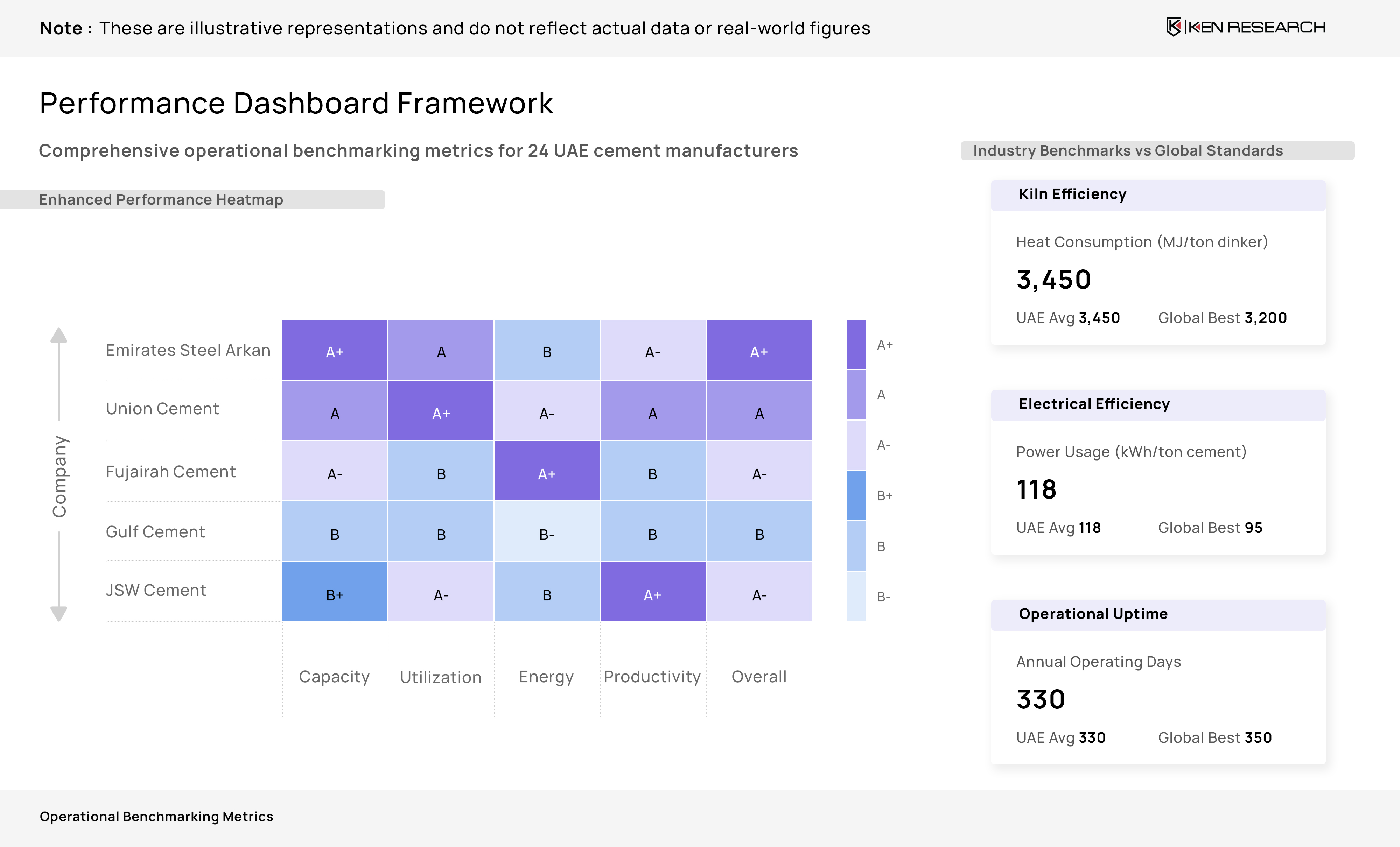
Key Operational Performance Metrics
Company Performance Overview
Unlock Market Insights
Dive deeper into production, distribution, and pricing intelligence.
Get Customized ReportRevenue formation in Qatar’s luxury retail is primarily driven by pricing power, mix, and conversion efficiency, then reinforced by retention economics through service and parts. Players that institutionalize trade-in funnels and finance attachment typically stabilize gross margin across demand cycles.
Competitive intensity is increasingly operational rather than purely brand-led. Dealers differentiating on faster service throughput, higher parts fill rates, and stronger customer lifecycle monetization are better positioned to defend profitability, especially as premium buyers expect frictionless ownership and consistent aftersales quality.
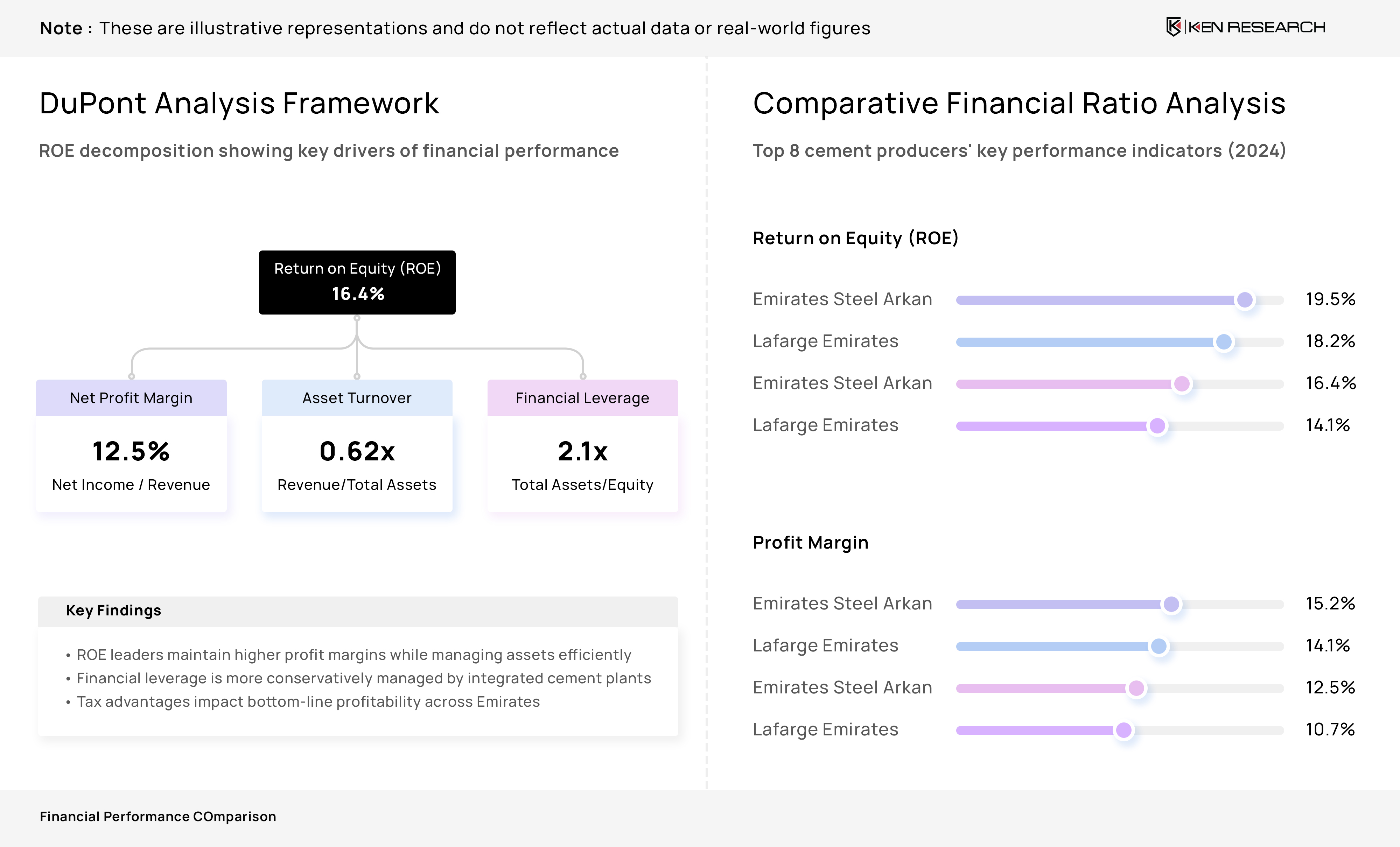
Core Financial Performance Metrics
Financial outcomes in luxury automotive retail typically track how well dealers balance pricing discipline with cost absorption across showrooms and workshops. Players with stronger service annuity streams and higher parts contribution usually sustain healthier EBITDA margins through demand variability.
Margin resilience is closely linked to mix management and operating leverage. Dealers that improve conversion quality, reduce discount leakage, and grow aftersales penetration tend to outperform on EBITDA growth, while tighter COGS control and smarter inventory rotation protect PAT margins.
Table of Contents
1. Ecosystem Matrix
1.1 Large Players
1.1.1 Alfardan Automobiles
1.1.2 Nasser Bin Khaled Automobiles
1.1.3 Abdullah Abdulghani & Bros. Co. (AAB)
1.1.4 Alfardan Premier Motors
1.1.5 Mannai Trading Automotive Group
1.1.6 Al Wajba Motors
1.1.7 Doha Marketing Services Company (DOMASCO)
1.2 Medium Players
1.2.1 Q-Auto
1.2.2 Porsche Centre Doha (Al Boraq Automobiles)
1.2.3 Skyline Automotive W.L.L.
1.2.4 Jaidah Motors & Trading Co.
1.3 Small Players
1.3.1 Alfardan Sports Motors
1.3.2 Altadamon Motors & Trading Co. W.L.L.
1.3.3 Qatar Automobiles Company (QAC)
2. Leading Player Profiles
2.1 Parameters
2.1.1 Company Name
2.1.2 Group Name
2.1.3 Headquarters
2.1.4 Established Year
2.1.5 Core Services
2.1.6 Mode of Functioning
3. Key Operational Performance Metrics
3.1 New Vehicle Sales Revenue (USD Mn)
3.2 Pre-Owned Sales Revenue (USD Mn)
3.3 After-Sales Service Revenue (USD Mn)
3.4 Parts & Accessories Revenue (USD Mn)
3.5 Finance & Leasing Income (USD Mn)
3.6 Insurance & Warranty Income (USD Mn)
3.7 Trade-In Margin (USD Mn)
3.8 Fleet/Corporate Sales Revenue (USD Mn)
3.9 Gross Margin per Vehicle (USD Mn)
3.10 Pricing: Avg Transaction Value (USD Mn)
4. Core Financial Performance Metrics
4.1 Parameters
4.1.1 Revenue (USD Mn)
4.1.2 Revenue Growth (%)
4.1.3 COGS (USD Mn)
4.1.4 COGS Growth (%)
4.1.5 EBITDA (USD Mn)
4.1.6 EBITDA Growth (%)
4.1.7 EBITDA Margin (%)
4.1.8 PAT (USD Mn)
4.1.9 PAT Margin (%)
5. Methodology
5.1 Approach
5.1.1 Desk Sources
5.1.2 Primary Interviews
5.1.3 Sanity Checking & Validation
5.2 Benchmarking Process
5.2.1 Data Collection
5.2.2 Primary Validation
5.2.3 Proxy KPI Modelling
5.2.4 Normalization & Indexing
5.2.5 Gap Analysis
5.2.6 Peer Review
5.3 Sample Composition
5.3.1 Scope Items
5.3.2 Sample Size
5.3.3 Target Respondents
Methodology
Ken Research will deploy its proprietary, multi layered research framework combining robust secondary research, targeted primary outreach, and rigorous data validation to deliver an authoritative competitive benchmarking analysis of the Qatar Luxury Car Dealers Market. The methodology is designed to ensure consistency across players, comparability of operational and financial metrics, and strong alignment with market-specific revenue drivers and competitive dynamics.
Desk Sources
- Industry reports from proprietary databases and Ken Research internal archives to establish historical benchmarks, competitive baselines, and structural market context
- Company annual reports, investor presentations, and statutory disclosures to extract financial performance, operating models, and strategic priorities of dealer groups
- Government publications and automotive trade-association releases for regulatory context, import norms, taxation structures, and vehicle registration trends
- Trade magazines, industry journals, and automotive e-publications to track dealer expansions, showroom investments, pricing strategies, and brand portfolio changes
- Financial intelligence platforms such as Bloomberg and Capital IQ for standardized financial ratios, peer comparisons, and group-level performance indicators
- Web traffic and digital analytics dashboards such as SimilarWeb to assess online lead generation intensity, brand visibility, and digital engagement effectiveness
Primary Interviews
- CATI interviews and structured online surveys with category managers and dealership heads to validate revenue drivers, pricing strategies, and sales mix
- In-depth discussions with senior sales and marketing leaders at leading luxury car dealers to understand conversion funnels, customer acquisition models, and retention strategies
- Interviews with distributors and channel partners to validate wholesale pricing structures, inventory cycles, and demand trends across luxury segments
- Consultations with industry analysts, automotive consultants, and service providers to validate competitive positioning, margin structures, and operational best practices
Sanity Checking and Validation
- Triangulation of estimates through cross-verification of secondary research, primary interview inputs, and proxy-based analytical models
- Proxy KPI synthesis using indicators such as showroom footprint, service bay capacity, vehicle throughput, digital leads, and brand portfolio depth to approximate revenues
- Outlier analysis to identify anomalous values across operational and financial metrics and reconcile them through targeted follow-up interviews
- Assumption tracking through a structured log documenting all modeling assumptions, proxy sources, limitations, and data adjustments
- Internal peer review of methodology design, benchmarking logic, and analytical outputs prior to report finalization
An Inside Look At Our Custom Insights
Take a look at ourcustomized insights, tailored to yourmarket and business needs. Our benchmarking reports deliver data-driven comparisons of key players, helping you uncover opportunities, assess performance, and make confident strategic decisions.