Qatar Retail Restaurants Market
Published on: November 2025
Report Overview
Qatar Retail and Restaurants Market
Market Highlights
The Qatar retail restaurants market showcases a dynamic competitive landscape driven by international chains, established regional groups, and a fast-expanding base of local F&B concepts. Global brands leverage strong franchising models and standardized operations, while domestic operators differentiate through localized menus, experiential dining formats, and strategic positioning across high-traffic commercial clusters.
Competitiveness is shaped by the fusion of global culinary standards with Qatar’s culturally diverse consumer preferences. Operators adopt advanced kitchen technologies, sophisticated supply-chain systems, and digital ordering platforms while tailoring menu innovation, pricing structures, and dining formats to meet evolving expectations around convenience, health consciousness, and premium dining experiences.
Distribution strength and network expansion remain central to market positioning. Restaurants with well-located outlets in malls, business districts, residential hubs, and tourist zones achieve stronger visibility, supported by efficient procurement networks and reliable delivery partnerships. Growing integration with aggregators enhances customer access, particularly within quick-service and fast-casual categories.
Strategic priorities across the sector emphasize operational efficiency, brand differentiation, and digitally enabled customer engagement. Companies invest in cloud kitchens, loyalty programs, sustainability-driven sourcing, and menu optimization while enhancing service quality through training and technology integration. These initiatives support competitive resilience in a market expanding under Qatar’s rising population, tourism growth, and evolving dining culture.
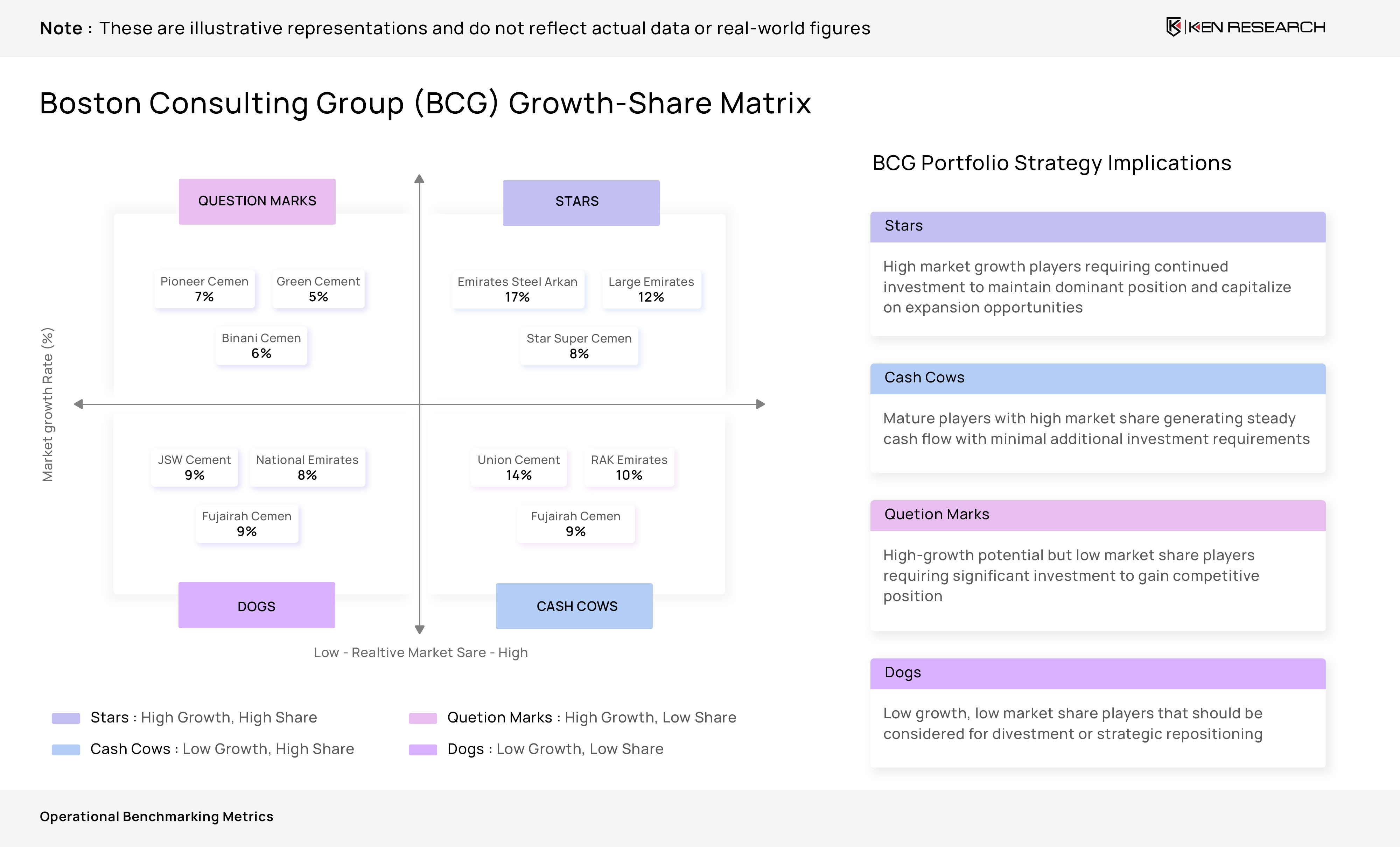
Ecosystem Matrix
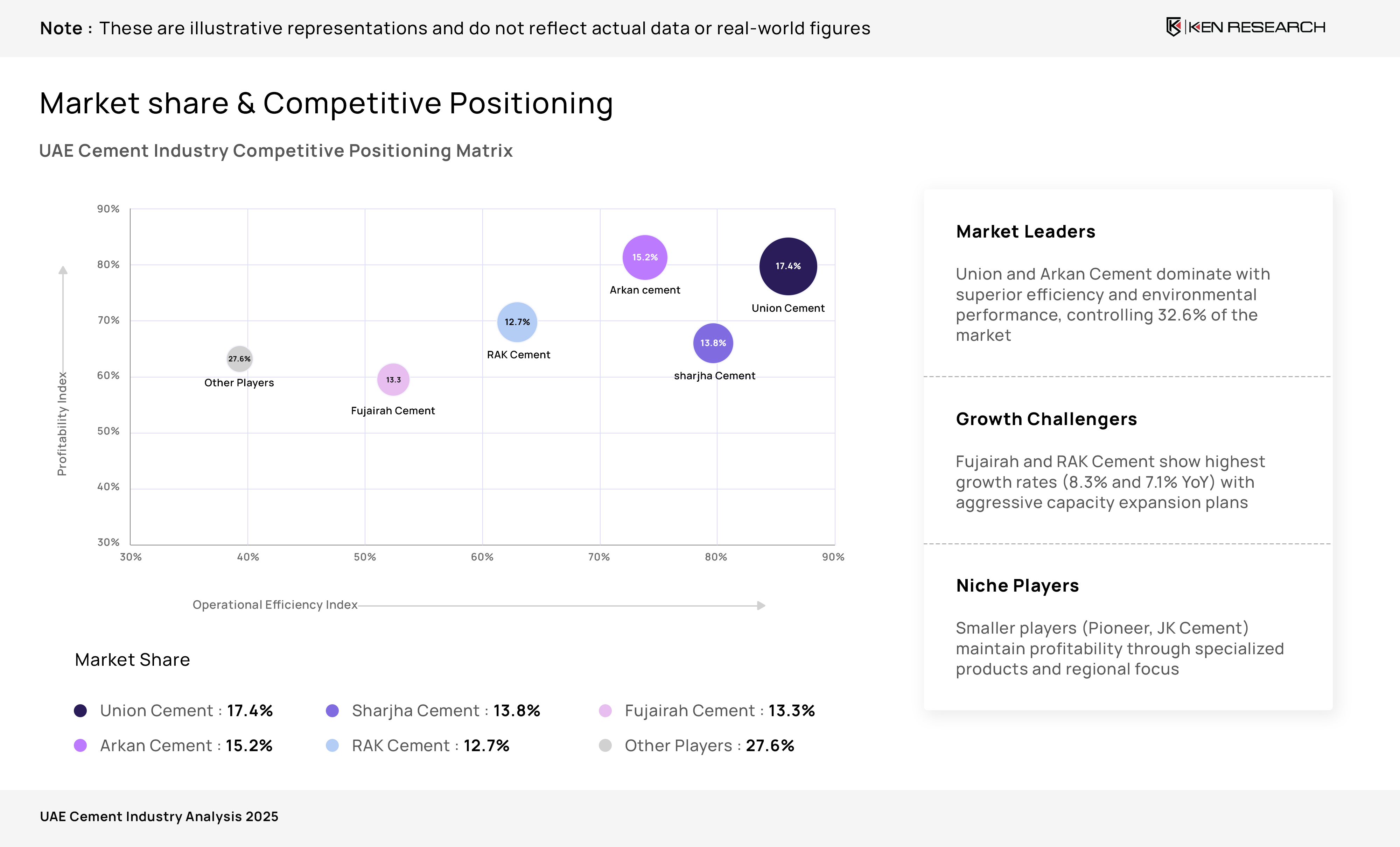
Qatar’s retail restaurants market is characterized by the dominance of large diversified groups such as Americana, Alghanim, and Azadea, who control multi-brand franchises and maintain strong mall-based and standalone presence. This segment reflects consolidation and international alignment.
Medium and small-scale players complement the ecosystem by catering to niche preferences, local cuisines, and health-conscious dining, reflecting Qatar’s increasing demand for specialty foods and experiential dining formats. Fragmentation remains evident, especially in small Qatari-owned chains.
Leading Player Profiles
Company Profiles Overview
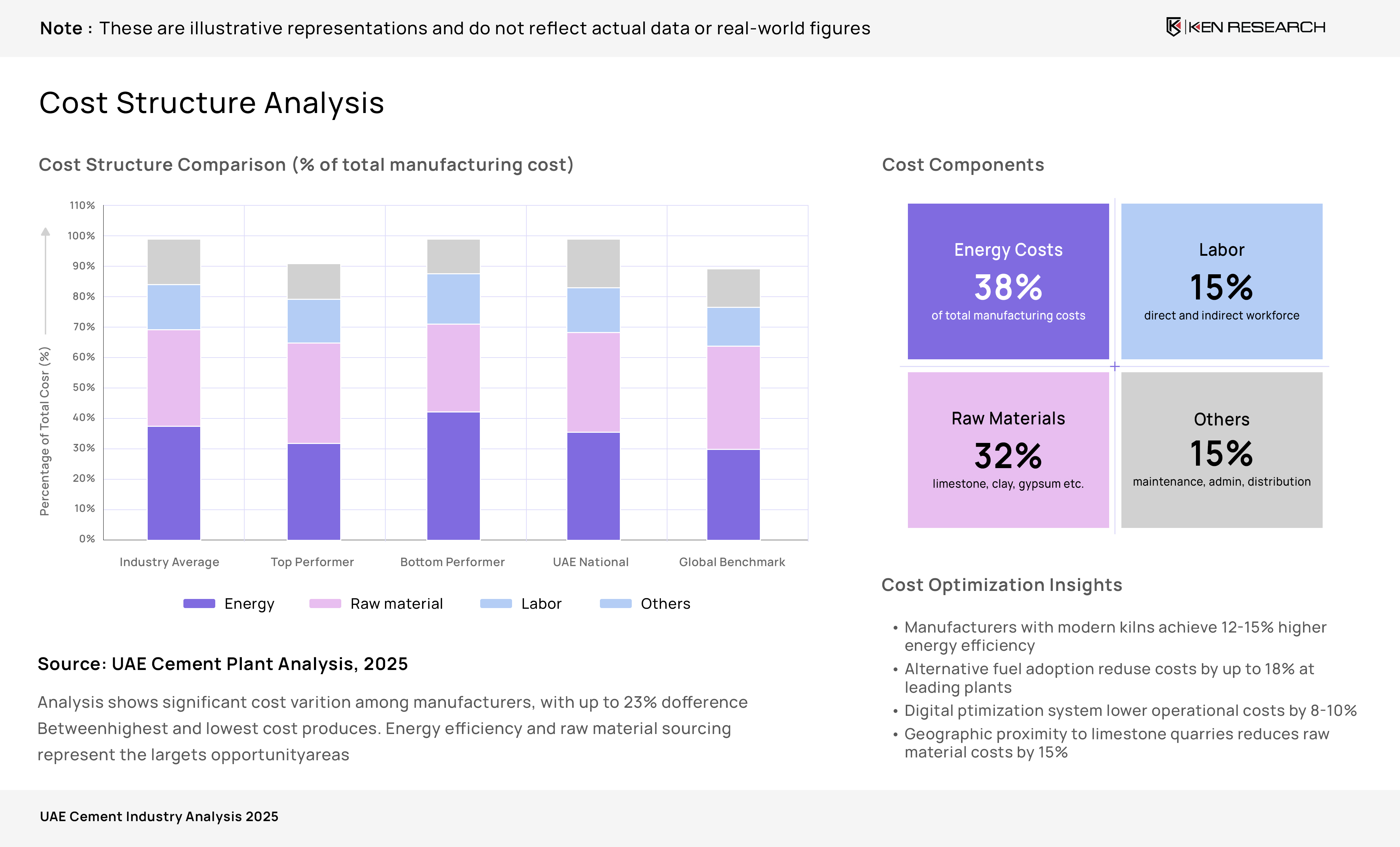
Large groups like Americana, Alghanim, Azadea, and Al Siddiqi Holding dominate Qatar’s restaurant ecosystem by controlling international franchises, ensuring strong capital backing, standardized operations, and scalability.
Local independents such as Evergreen Organics, Shay Al Shamoos, and Turkey Central highlight Qatar’s cultural dining depth, showcasing heritage preservation and innovative concepts alongside globalized formats.
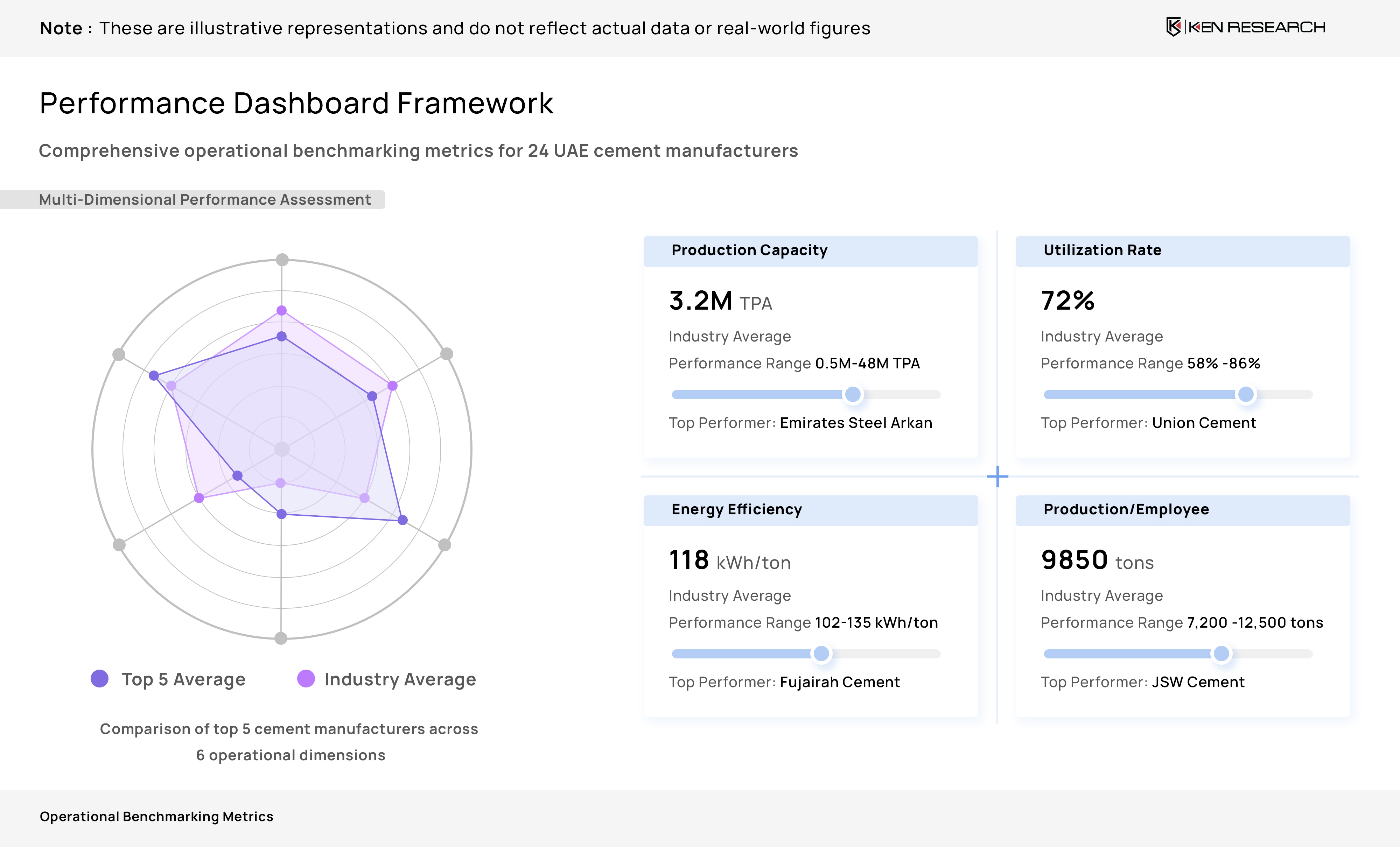
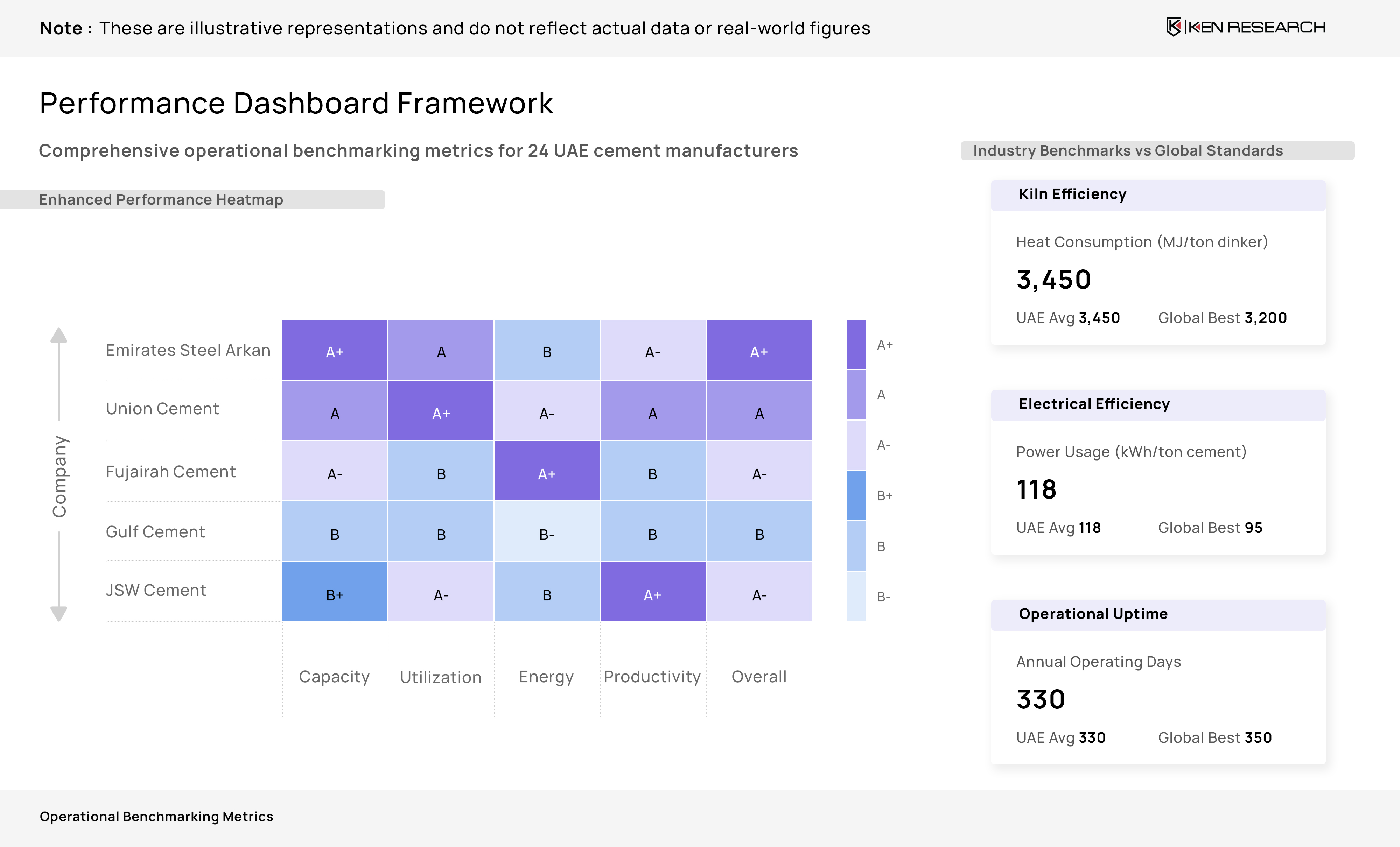
Key Operational Performance Metrics
Company Performance Overview
Unlock Market Insights
Dive deeper into production, distribution, and pricing intelligence.
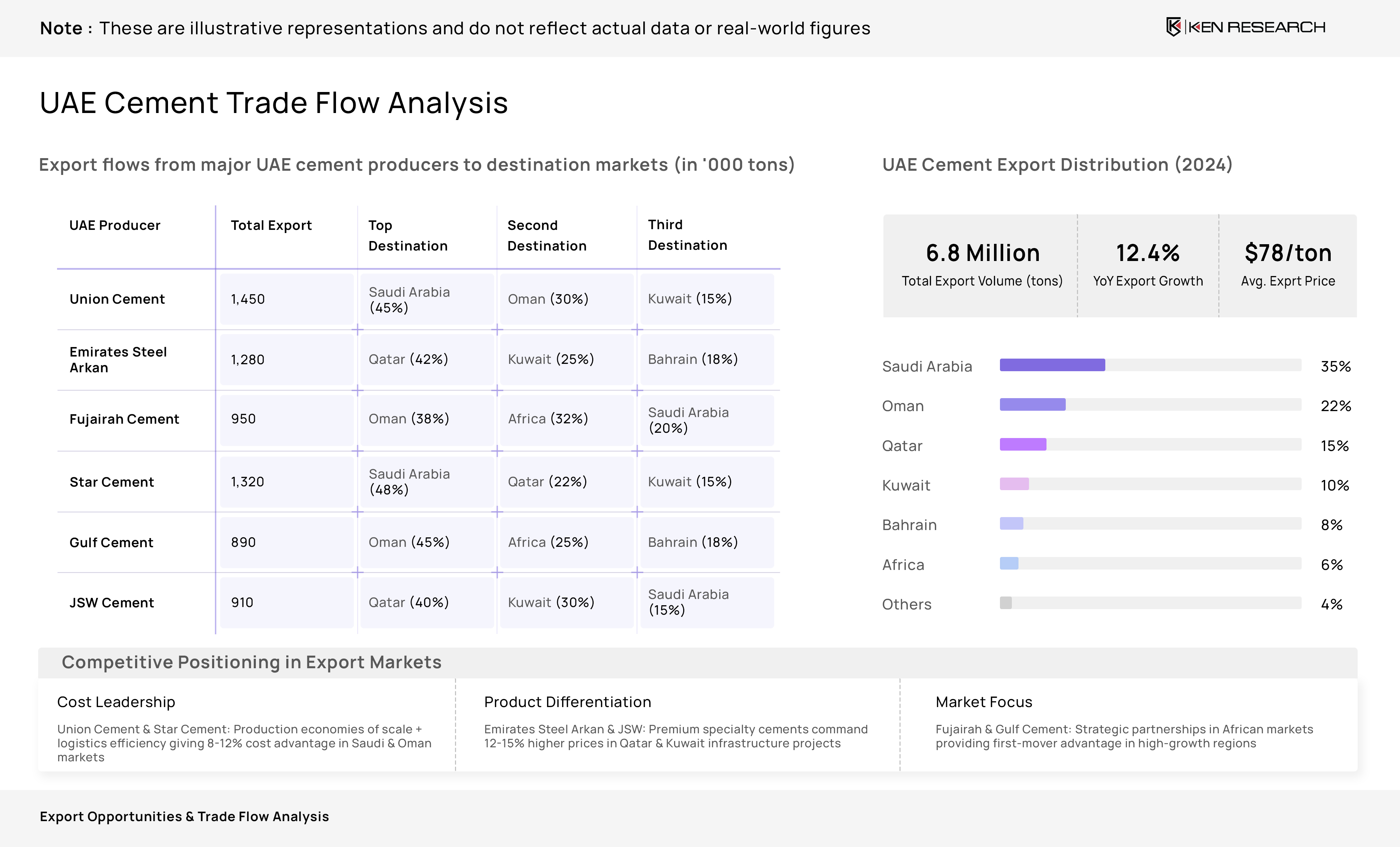
Get Customized ReportPricing and ticket size remain the most critical KPIs for revenue generation in Qatar’s retail restaurants market, particularly with rising consumer expectations for value-for-money.
Outlet density, delivery integration, and customer retention differentiate the large groups from local independents, underscoring the structural divide in scalability, operational efficiency, and long-term profitability.
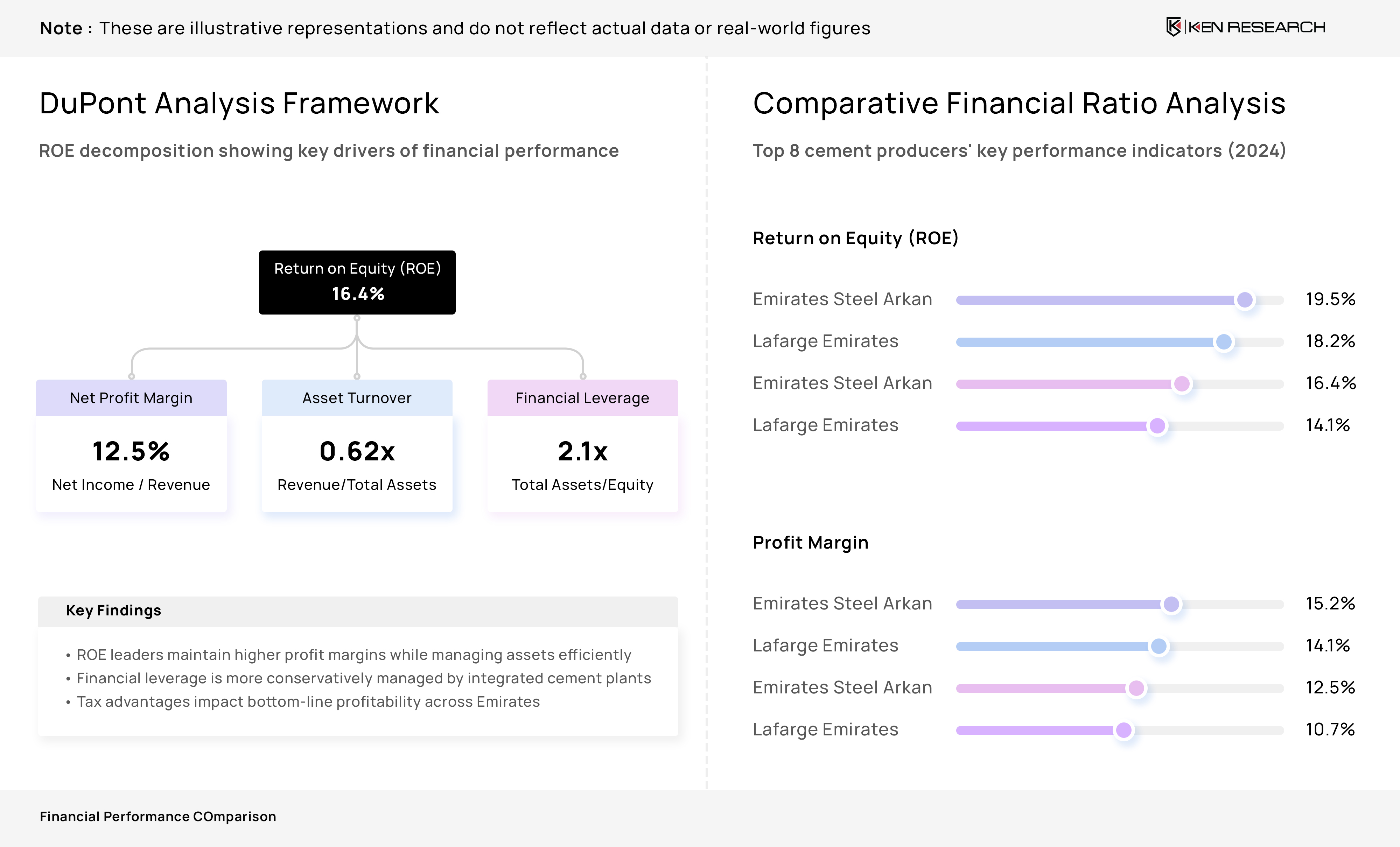
Core Financial Performance Metrics
Revenue growth among large groups is typically tied to franchise expansion, mall partnerships, and digital delivery integration, while independents show slower but steady organic growth.
Margins vary significantly, with international franchises showing stronger EBITDA resilience, whereas small independents face higher COGS ratios due to supply chain limitations.
Table of Contents
1. Ecosystem Matrix
1.1 Large Players
1.1.1 Americana Restaurants Qatar
1.1.2 Alghanim Industries
1.1.3 Al Siddiqi Holding
1.1.4 Azadea Group
1.1.5 Baladna Restaurants
1.2 Medium Players
1.2.1 Monoprix Restaurants
1.2.2 Doha Ventures (Jones the Grocer, Sugar & Spice)
1.2.3 Gloria Jean’s Coffees Qatar
1.2.4 Fuddruckers Qatar
1.2.5 Royal Tandoor
1.2.6 Zaatar W Zeit Qatar
1.3 Small Players
1.3.1 Evergreen Organics
1.3.2 Shay Al Shamoos
1.3.3 Tea Time Qatar
1.3.4 Biryani Express
1.3.5 Remman Café
1.3.6 Turkey Central Restaurant
2. Leading Player Profiles
2.1 Parameters
2.1.1 Company Name
2.1.2 Group Name
2.1.3 Headquarters
2.1.4 Established Year
2.1.5 Market Niche
2.1.6 Mode of Functioning
3. Key Operational Performance Metrics
3.1 Parameters
3.1.1 Number of Outlets
3.1.2 Average Revenue per Outlet (USD Mn)
3.1.3 Pricing
3.1.4 Table Turnover Rate
3.1.5 Online Delivery Share (%)
3.1.6 Customer Retention (%)
3.1.7 Service Coverage
3.1.8 Average Ticket Size (USD)
4. Core Financial Performance Metrics
4.1 Parameters
4.1.1 Revenue (USD Mn)
4.1.2 Revenue Growth (%)
4.1.3 COGS (USD Mn)
4.1.4 COGS Growth (%)
4.1.5 EBITDA (USD Mn)
4.1.6 EBITDA Growth (%)
4.1.7 EBITDA Margin (%)
4.1.8 PAT (USD Mn)
4.1.9 PAT Margin (%)
5. Methodology
5.1 Approach
5.1.1 Desk Sources
5.1.2 Primary Interviews
5.1.3 Sanity Checking & Validation
5.2 Benchmarking Process
5.2.1 Data Collection
5.2.2 Primary Validation
5.2.3 Proxy KPI Modelling
5.2.4 Normalization & Indexing
5.2.5 Gap Analysis
5.2.6 Peer Review
5.3 Sample Composition
5.3.1 Scope Items
5.3.2 Sample Size
5.3.3 Target Respondents
Methodology
Ken Research will deploy its proprietary, multi layered research framework—combining robust secondary research, targeted primary outreach, and rigorous data validation—to deliver an authoritative competitive landscape analysis of the market.
Desk Sources
- Industry reports (Proprietary databases, Ken Research archives)
- Company annual reports & investor presentations
- Government & trade association publications
- Trade magazines, journals, and e-articles
- Financial databases (Bloomberg, Capital IQ)
- Web traffic & app usage dashboards (SimilarWeb, App Annie)
Primary Interviews
- CATIs and online surveys with key stakeholders
- Category managers / R&D heads of restaurant operators
- Senior sales & marketing leads at leading players
- Distributors & channel partners
- Industry analysts and consultants
- Delivery aggregators & technology providers
Sanity Checking & Validation
- Triangulation: Cross-verify estimates from secondary data, primary inputs, and proxy model outputs
- Proxy KPI Synthesis: Use KPIs such as installed outlet base, table turnover, delivery share, and web traffic to approximate revenues or capacities
- Outlier Analysis: Identify and reconcile anomalous data points through follow-up discussions
- Assumption Tracking: Maintain a log of all benchmarking assumptions with clear notes on limitations
- Peer Review: Internal expert review of methodology, models, and key outputs before finalization
An Inside Look At Our Custom Insights
Take a look at ourcustomized insights, tailored to yourmarket and business needs. Our benchmarking reports deliver data-driven comparisons of key players, helping you uncover opportunities, assess performance, and make confident strategic decisions.