Saudi Arabia Automotive Aftermarket Parts Market
Published on: February 2026
Report Overview
Saudi Arabia Automotive Aftermarket Overview
Market Highlights
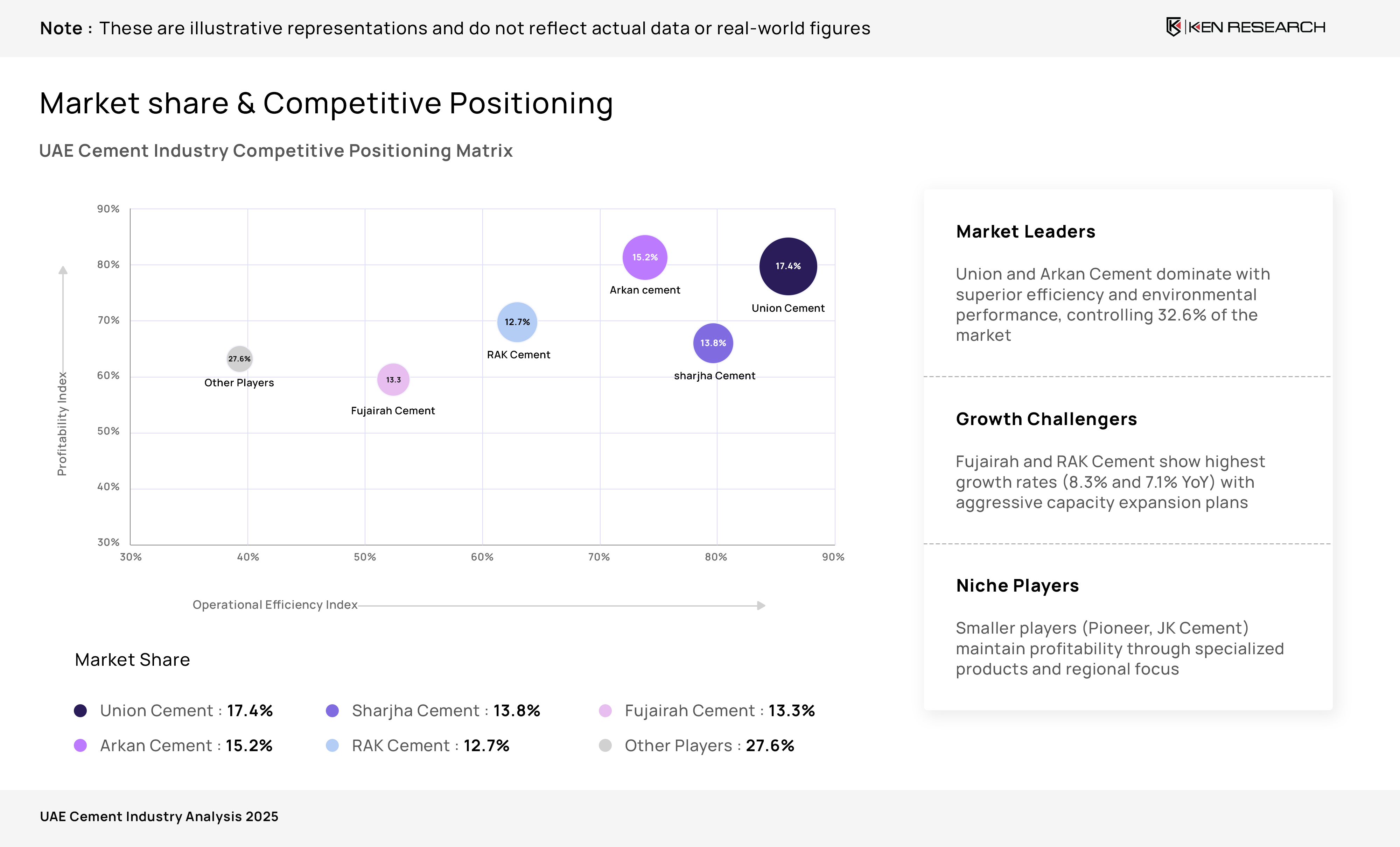
The Saudi Arabia automotive aftermarket parts market features a layered competitive structure led by large domestic conglomerates, supported by global component manufacturers and agile local distributors. Market leadership is shaped by strong service integration, wide parts availability, and established relationships with workshops and fleet operators.
Global aftermarket brands bring technology depth and product innovation, while regional players adapt assortments, pricing tiers, and service models to local driving conditions and vehicle usage patterns. This blend of global capability and local customization defines competitive differentiation across market tiers.
Distribution strength and aftersales reach are critical success factors, with dense dealer networks, fast replenishment, and reliable fill rates directly influencing customer loyalty. Players with strong workshop penetration and digital ordering capabilities gain repeat demand and higher parts pull-through.
Looking ahead, competitive advantage will increasingly depend on operational efficiency, pricing discipline, and digital enablement. Companies that align innovation with localized execution and scalable service ecosystems are best positioned to sustain leadership and long-term profitability in the market.
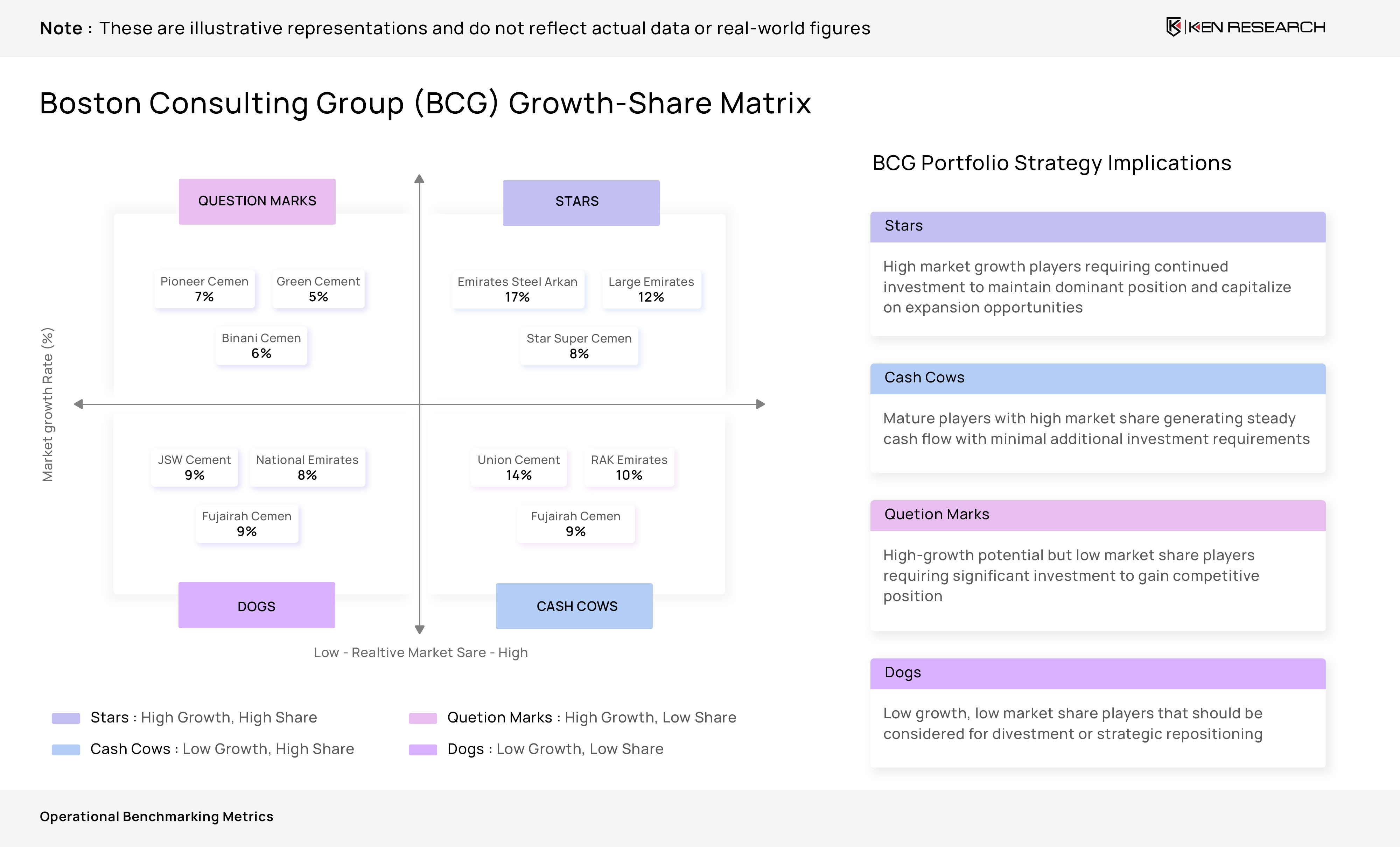
Ecosystem Matrix
The market is shaped by a few integrated Saudi groups controlling OEM-led parts access, multi-city warehousing, and workshop coverage, while global component brands win share through distributor strength, assortment depth, and fast-moving SKUs that keep vehicle uptime high.
Competitive advantage typically comes from supply reliability (fill-rate, lead time), disciplined pricing ladders across tiers, and the ability to bundle parts with service contracts for fleets. Digitized ordering and B2B account penetration are now key levers for repeat demand.
Leading Player Profiles
Company Profile Overview
Large Saudi groups typically win through branch density, agency rights, and the ability to bundle parts, service, and fleet programs. Medium global suppliers win by SKU breadth and channel leverage, while smaller platforms compete on speed, pricing transparency, and garage reach.
Expect differentiation to intensify around B2B digitization, fill-rate discipline, and tiered part lines that protect margins. Players that connect workshops, warehousing, and e-commerce into one flow are best positioned to capture repeat demand.
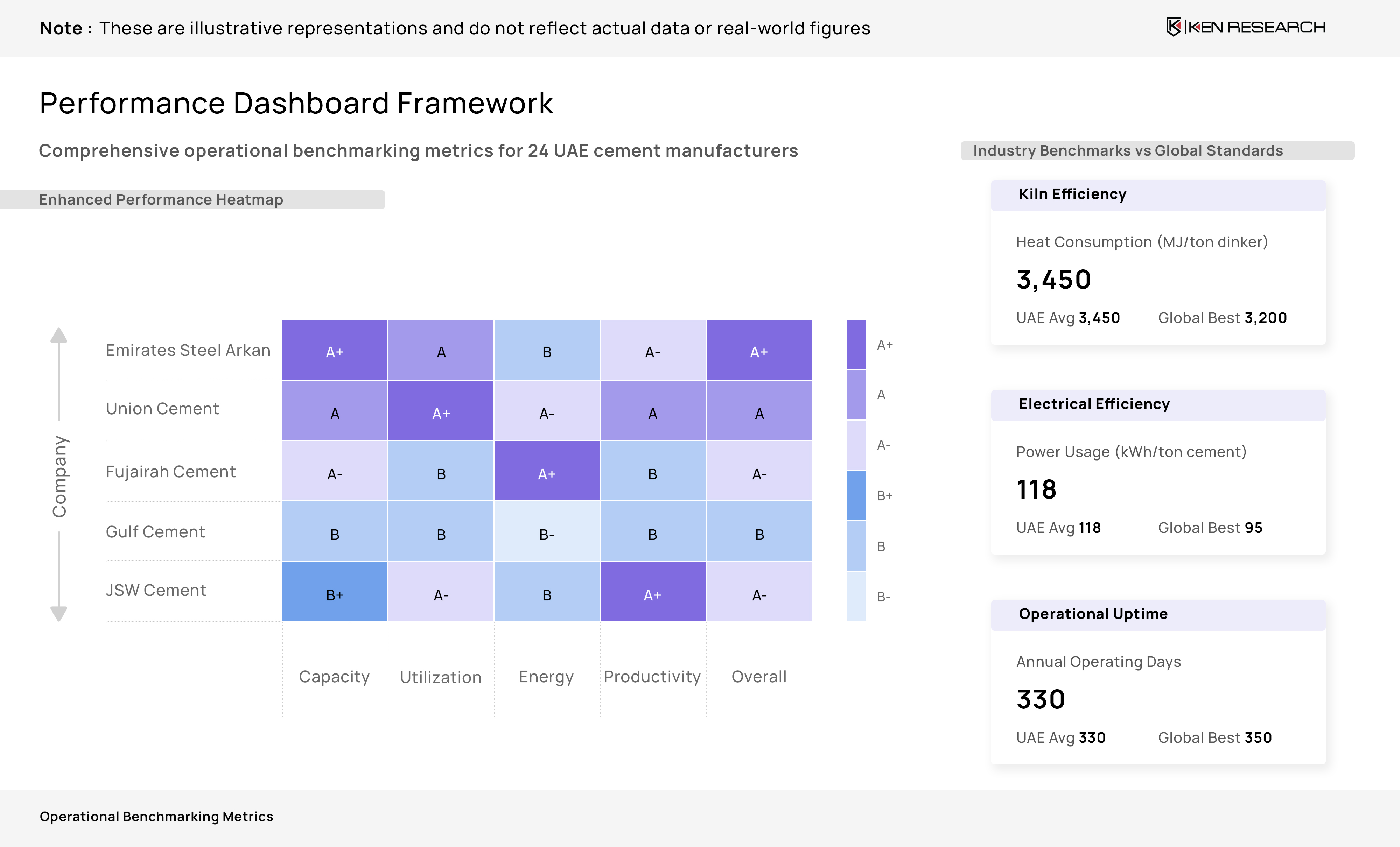
Key Operational Performance Metrics
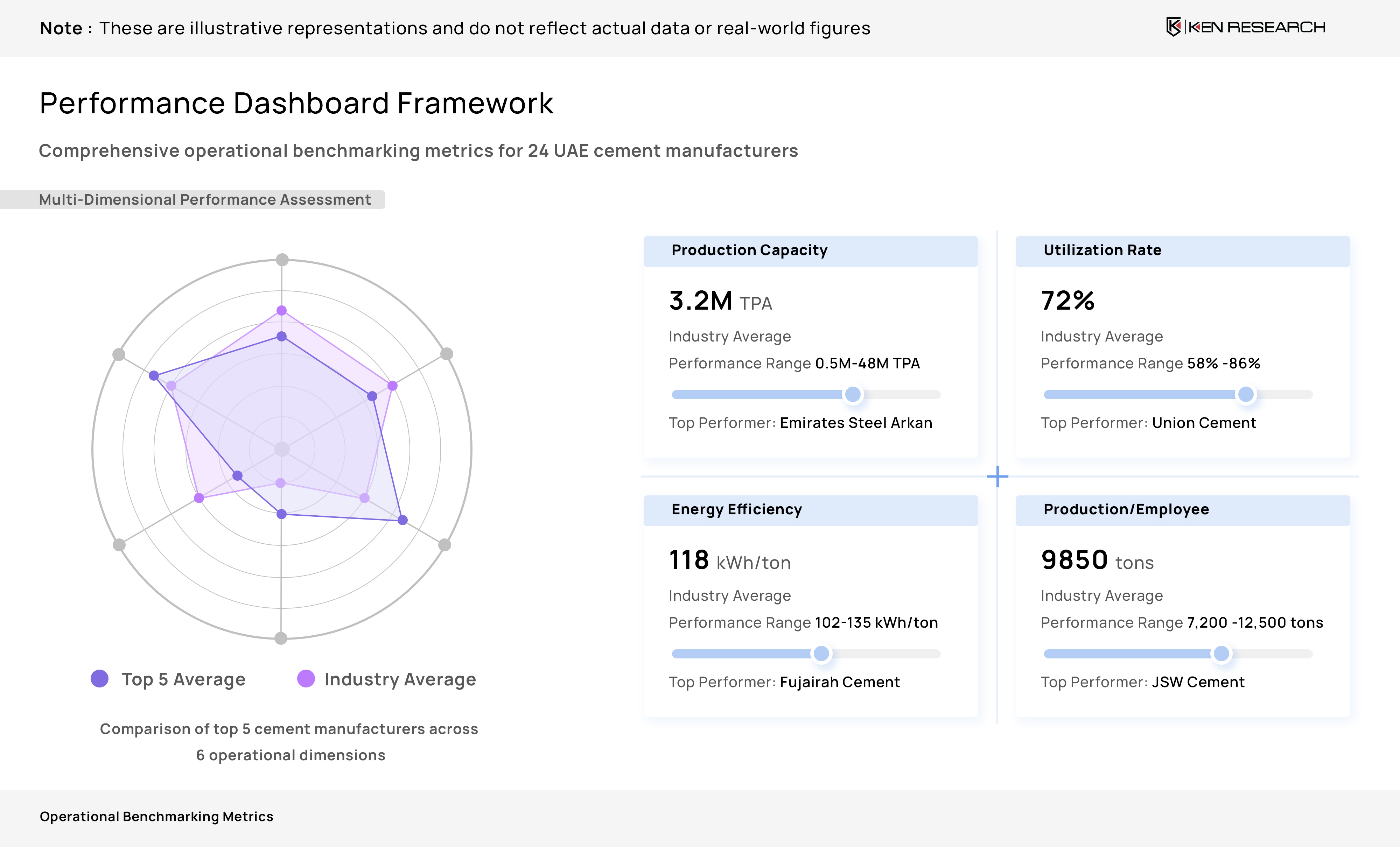
Company Performance Overview
Unlock Market Insights
Dive deeper into production, distribution, and pricing intelligence.
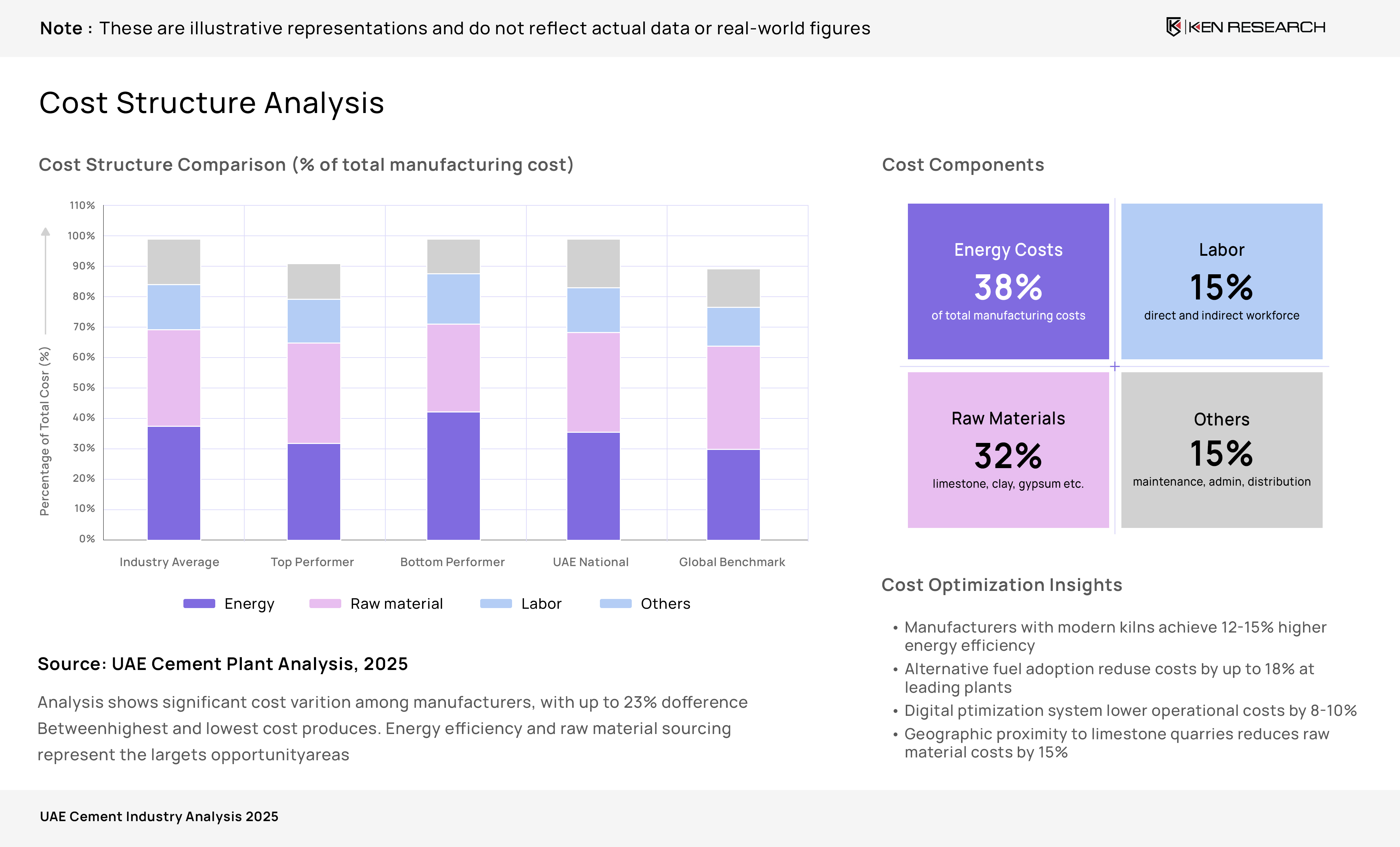
Get Customized ReportRevenue leadership is usually driven by a tight pricing ladder, high-velocity SKUs, and superior fill-rates that keep garages loyal. Players that shorten lead times and raise average order value through bundling are more likely to lift share without over-discounting.
Digital ordering is becoming a measurable growth lever as platforms expand B2B accounts and reduce friction. Workshop throughput and service-bay capacity matter because they convert footfall into parts pull-through, improving repeat cycles and utilization-driven profitability.
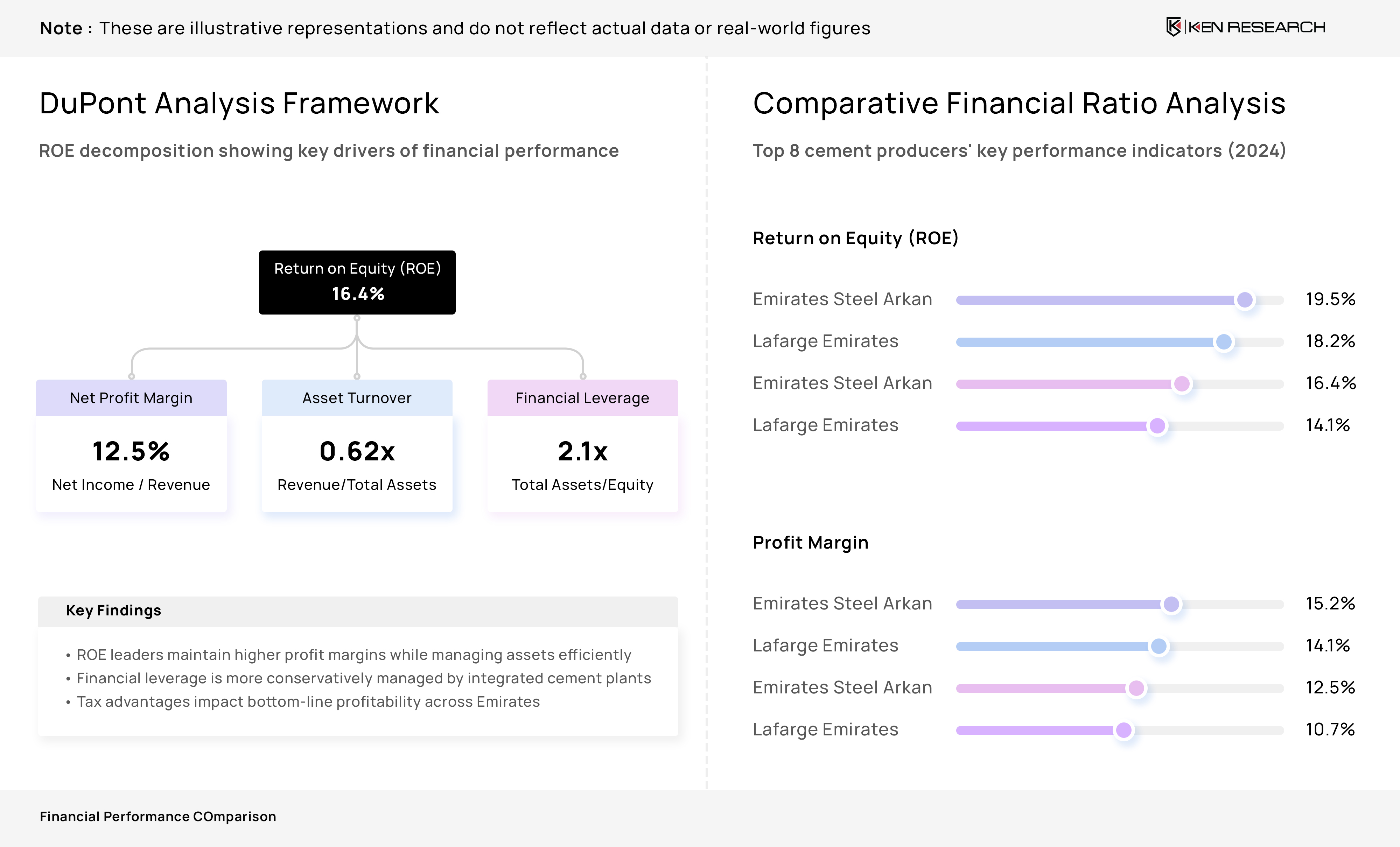
Core Financial Performance Metrics
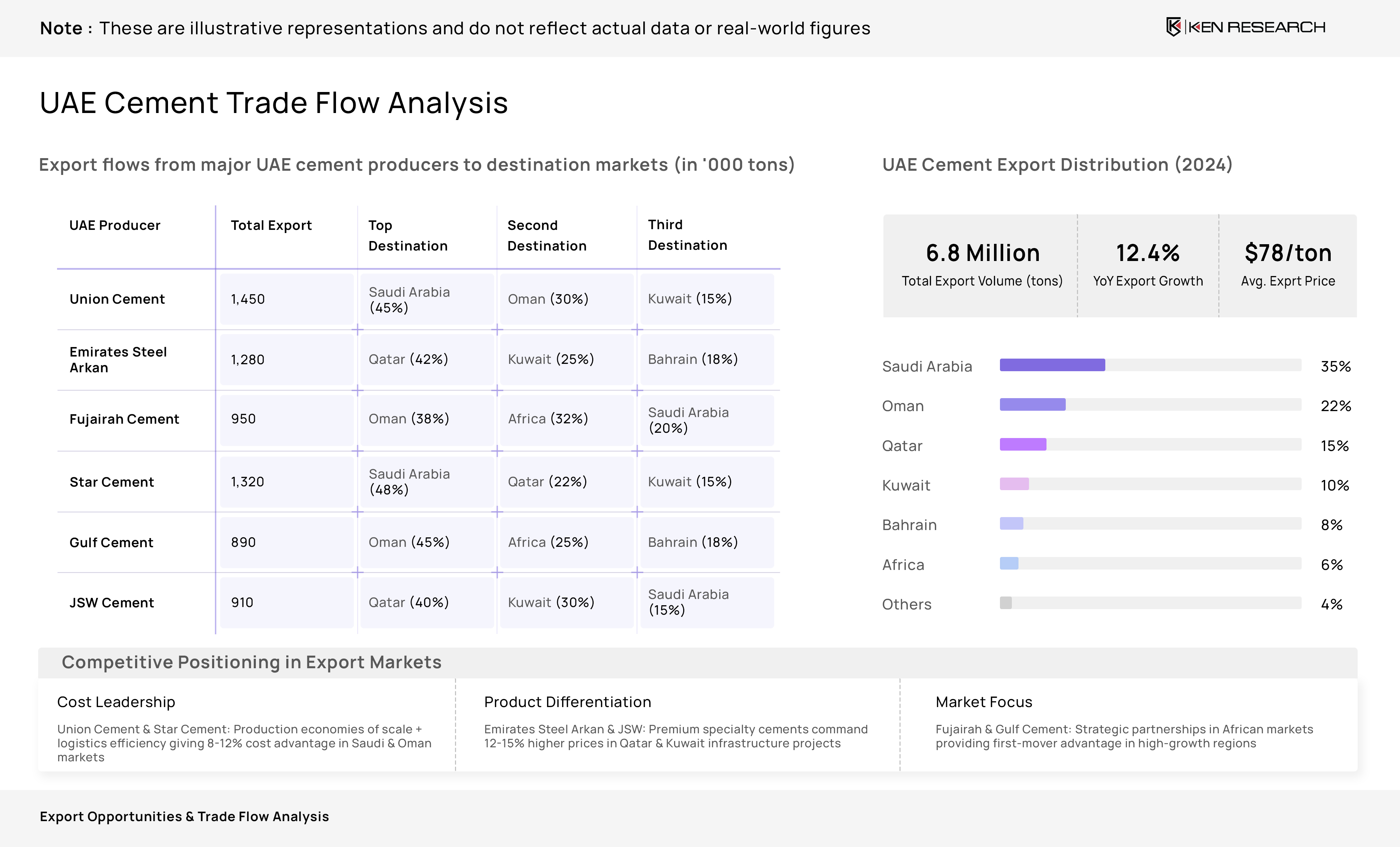
The financial gap typically reflects who can protect gross margin while scaling volume. Stronger players usually have better purchasing power, better inventory turns, and tighter discount governance, which improves EBITDA margin even when pricing competition intensifies.
Watch for profitability upside where digital ordering reduces cost-to-serve and where workshop networks improve parts pull-through. Players with higher utilization of bays and stronger B2B retention usually show better operating leverage over time.
Table of Contents
1. Ecosystem Matrix
1.1 Large Players
1.1.1 Abdul Latif Jameel (ALJ)
1.1.2 Petromin Corporation
1.1.3 Aljomaih Automotive Company
1.1.4 E.A. Juffali & Brothers (JACO)
1.1.5 Haji Husein Alireza & Co. (HHA)
1.1.6 Abdullatif Alissa Automotive
1.1.7 United Motors Company (UMC)
1.1.8 Al-Talayi Company
1.2 Medium Players
1.2.1 Bosch (Automotive Aftermarket)
1.2.2 ZF Aftermarket
1.2.3 Valeo Service
1.2.4 SKF
1.2.5 Continental
1.2.6 Bridgestone
1.2.7 Michelin
1.3 Small Players
1.3.1 National Auto Parts Company (NAP)
1.3.2 United Motors & Heavy Equipment (UMHE) KSA
1.3.3 Petromin Express
2. Leading Player Profiles
2.1 Parameters
2.1.1 Company Name
2.1.2 Group Name
2.1.3 Headquarters
2.1.4 Established Year
2.1.5 Core Services
2.1.6 Mode of Functioning
3. Key Operational Performance Metrics
3.1 Parts Pricing Architecture
3.2 Annual Parts Units Sold
3.3 Average Order Value
3.4 Active B2B Accounts
3.5 SKU Breadth (Active SKUs)
3.6 Fill Rate (%)
3.7 Order-to-Delivery Lead Time
3.8 Workshop Throughput (Jobs)
3.9 Service Bay Capacity
3.10 Digital Orders Share (%)
4. Core Financial Performance Metrics
4.1 Parameters
4.1.1 Revenue (USD Mn)
4.1.2 Revenue Growth (%)
4.1.3 COGS (USD Mn)
4.1.4 COGS Growth (%)
4.1.5 EBITDA (USD Mn)
4.1.6 EBITDA Growth (%)
4.1.7 EBITDA Margin (%)
4.1.8 PAT (USD Mn)
4.1.9 PAT Margin (%)
5. Methodology
5.1 Approach
5.1.1 Desk Sources
5.1.2 Primary Interviews
5.1.3 Sanity Checking & Validation
5.2 Benchmarking Process
5.2.1 Data Collection
5.2.2 Primary Validation
5.2.3 Proxy KPI Modelling
5.2.4 Normalization & Indexing
5.2.5 Gap Analysis
5.2.6 Peer Review
5.3 Sample Composition
5.3.1 Scope Items
5.3.2 Sample Size
5.3.3 Target Respondents
Methodology
Ken Research will deploy its proprietary, multi layered research framework—combining robust secondary research, targeted primary outreach, and rigorous data validation—to deliver an authoritative competitive benchmarking analysis of the Saudi Arabia Automotive Aftermarket Parts Market.
Desk Sources
- Industry reports from proprietary databases and Ken Research internal archives to establish historical benchmarks, market structure, and competitive baselines
- Company annual reports, investor presentations, and statutory disclosures to extract aftermarket revenues, parts mix, channel focus, and strategic priorities
- Government publications and trade association releases covering vehicle parc evolution, import trends, localization initiatives, and regulatory requirements
- Trade magazines, industry journals, and sector-specific articles to track pricing behavior, brand positioning, channel shifts, and product innovations
- Financial intelligence platforms such as Bloomberg and Capital IQ to standardize financial metrics, group-level disclosures, and peer comparisons
- Web traffic and digital analytics platforms such as SimilarWeb to assess B2B digital ordering traction, distributor visibility, and platform-led demand signals
Primary Interviews
- CATI interviews and structured online surveys with category managers, aftermarket heads, and product managers at leading automotive parts companies
- In-depth discussions with senior sales and marketing leaders to validate channel mix, pricing structures, and regional demand variations
- Interviews with distributors, wholesalers, and workshop network operators to validate volumes, lead times, fill rates, and SKU velocity
- Consultations with industry analysts, automotive consultants, and service platform providers to validate structural trends and competitive dynamics
Sanity Checking and Validation
- Triangulation of estimates through cross-verification of secondary research, primary inputs, and proxy-based modeling outputs
- Proxy KPI synthesis using indicators such as active workshop coverage, SKU breadth, service bay density, digital order penetration, and branch footprint to approximate revenue scale
- Outlier analysis to identify anomalies across pricing, margins, or operational intensity and reconcile them through targeted follow-up interviews
- Structured assumption tracking to document all modeling assumptions, limitations, and proxy sources used during benchmarking
- Internal peer review of methodology, datasets, and analytical outputs by senior Ken Research analysts prior to report finalization
An Inside Look At Our Custom Insights
Take a look at ourcustomized insights, tailored to yourmarket and business needs. Our benchmarking reports deliver data-driven comparisons of key players, helping you uncover opportunities, assess performance, and make confident strategic decisions.