Saudi Arabia Automotive Batteries Market
Published on: January 2026
Report Overview
Saudi Arabia Automotive Batteries Market Overview
Market Highlights
The Saudi Arabia Automotive Batteries Market showcases a diverse competitive structure, where multinational corporations, regional manufacturers, and local firms engage in a dynamic interplay. Multinationals leverage their global scale and advanced technologies, while regional players focus on tailored solutions that resonate with local market needs, and local firms capitalize on agility and niche expertise to carve out their market share.
Innovation from global leaders is seamlessly integrated with localized adaptations, as companies customize battery technologies and charging solutions to meet the unique demands of the Saudi market. This synergy fosters a robust ecosystem where international best practices are harmonized with local operational realities, enhancing overall market responsiveness.
The distribution and aftersales landscape is pivotal in shaping customer satisfaction and loyalty. Strategic collaborations among manufacturers, distributors, and service providers ensure comprehensive coverage and support, while aftersales services, including maintenance and warranty programs, are increasingly prioritized to enhance user experience and operational reliability.
Looking ahead, the competitive landscape is being shaped by a focus on efficiency, sustainability, and technological integration. Companies are adopting innovative business strategies that emphasize cost management and agility, positioning themselves to respond swiftly to evolving market trends and consumer preferences, thereby driving future growth and competitiveness in the automotive batteries sector.
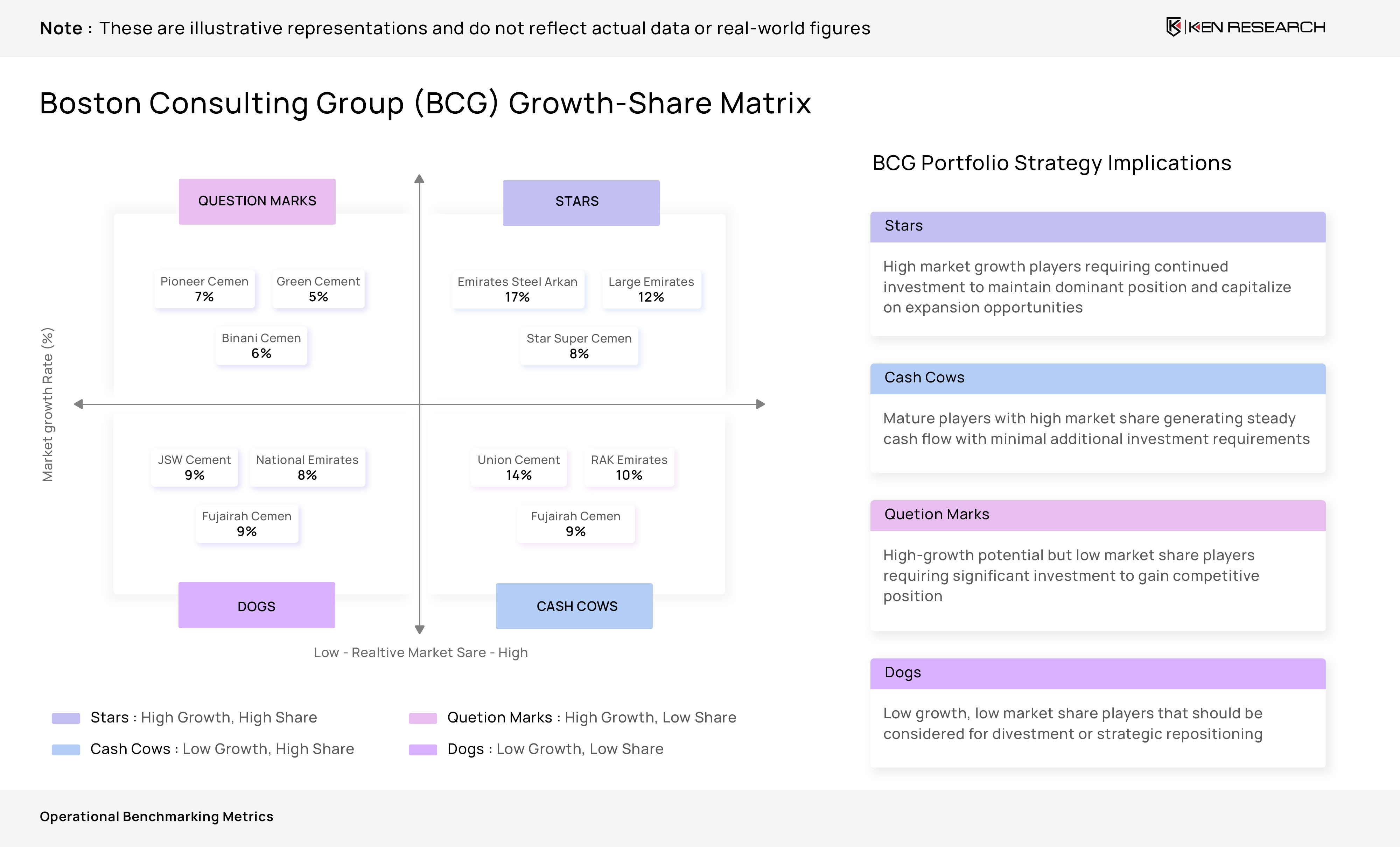
Ecosystem Matrix
Saudi Arabia’s competitive landscape is led by a few scale players that combine local manufacturing/assembly (via JV structures) with deep nationwide distribution and service coverage critical in a high-temperature market where replacement frequency, warranty strength, and channel reach drive share.
Market leadership is increasingly defined by OEM-to-aftermarket continuity: players that secure OEM approvals, sustain dealer/workshop penetration, and offer fast-fit installation and recycling-linked trade-in programs are better positioned to defend pricing and capture fleet-heavy demand pockets.
Leading Player Profiles
Company Profile Overview
Competitive advantage in Saudi Arabia is increasingly anchored in “coverage economics”: players that combine consistent availability, warranty-backed SKUs, and workshop fitment partnerships can maintain pricing discipline even as private-label and low-cost imports intensify channel competition.
The market is structurally aftermarket-heavy, making execution in distribution more decisive than product breadth alone especially under extreme heat and long-distance driving conditions.
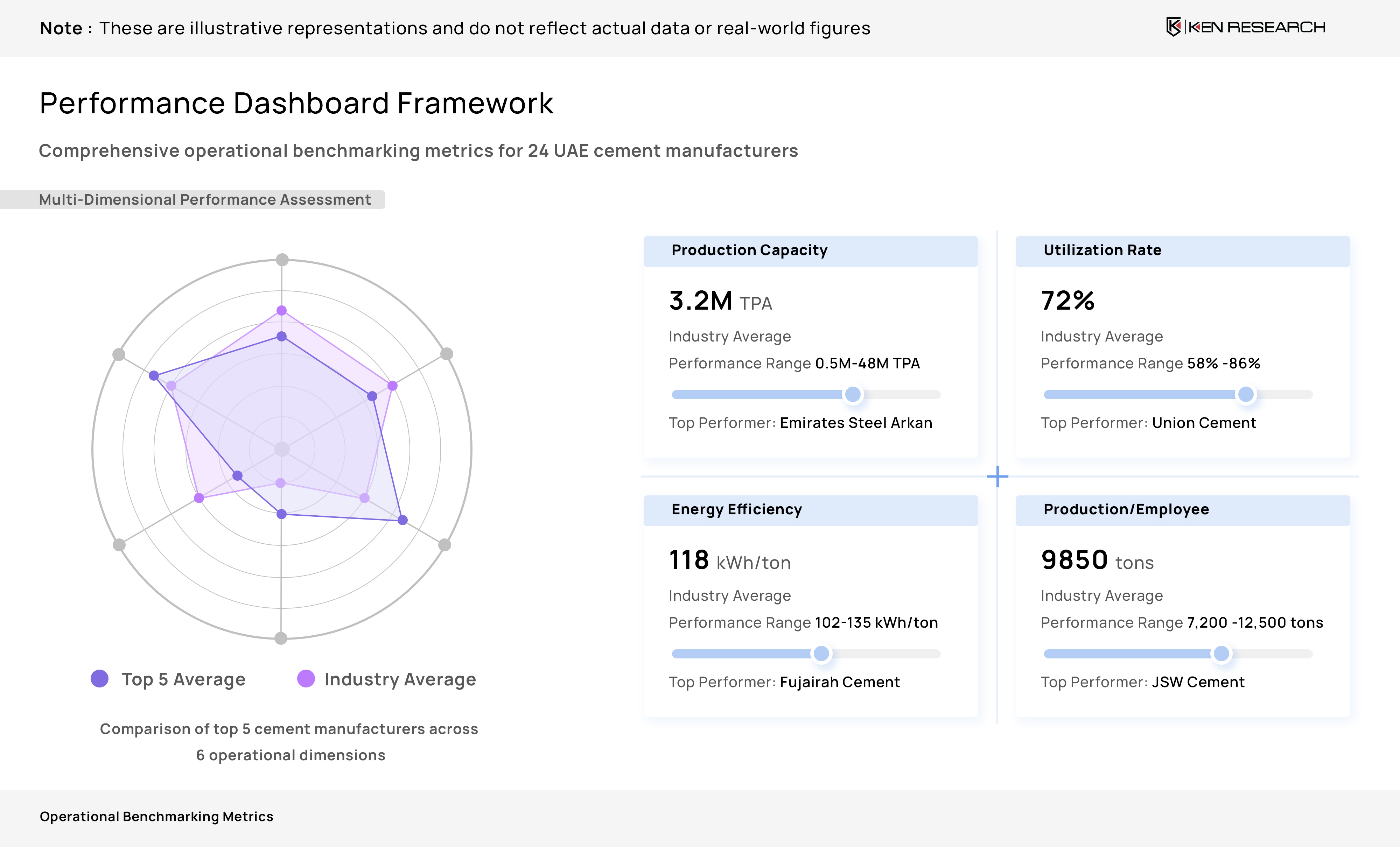
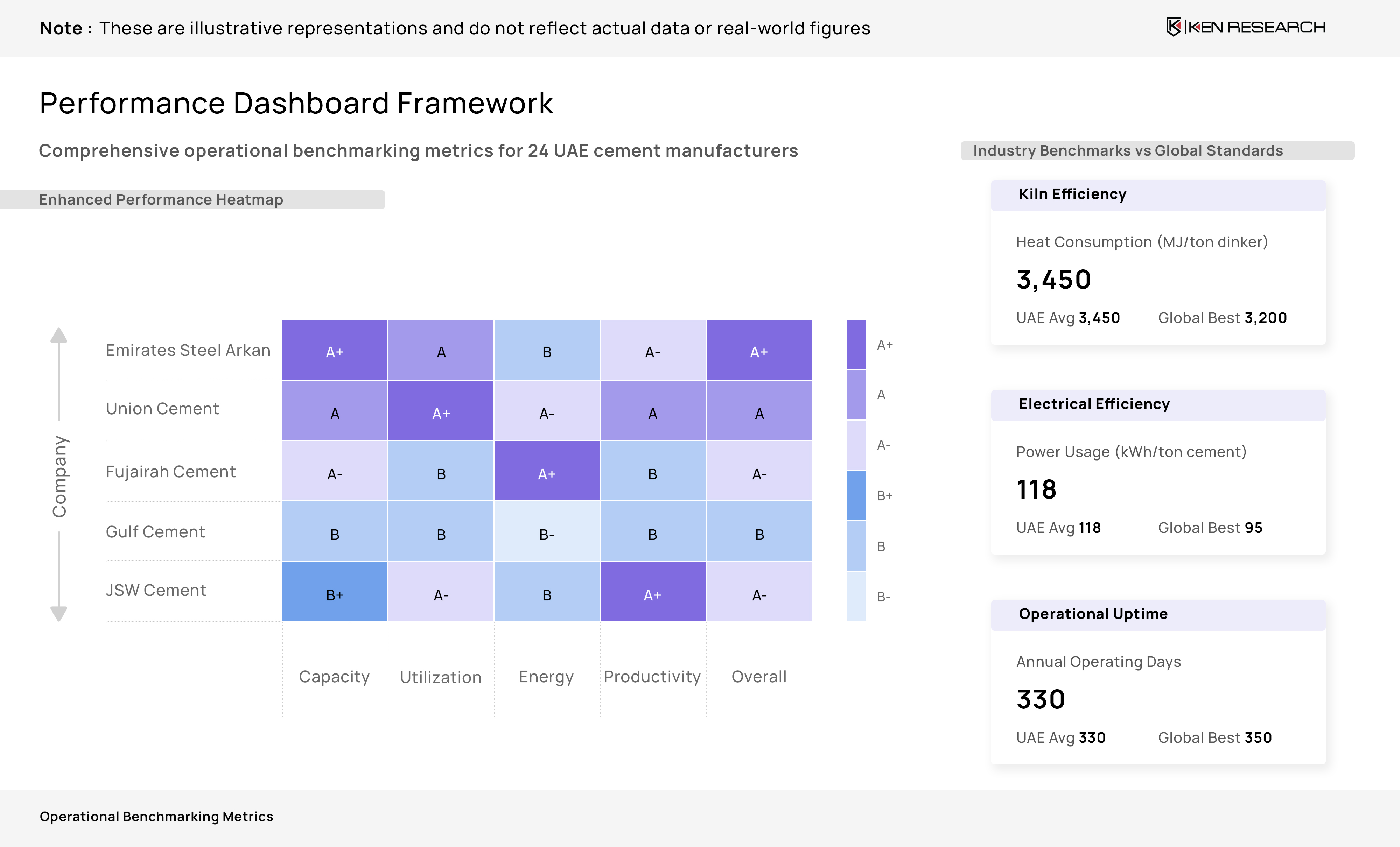
Key Operational Performance Metrics
Company Performance Overview
Unlock Market Insights
Dive deeper into production, distribution, and pricing intelligence.
Get Customized ReportRevenue capture in Saudi automotive batteries is primarily a function of pricing power and replacement throughput: players that optimize ASP by segment (economy vs premium) while sustaining unit velocity through dealers and fitment partners typically convert channel reach into defensible revenue share.
OEM/dealer mix and fleet contracts act as stabilizers: strong institutional volumes reduce seasonality, while installation/service monetization and online order capture improve contribution margins—making multi-channel execution a core driver of scalable topline performance.
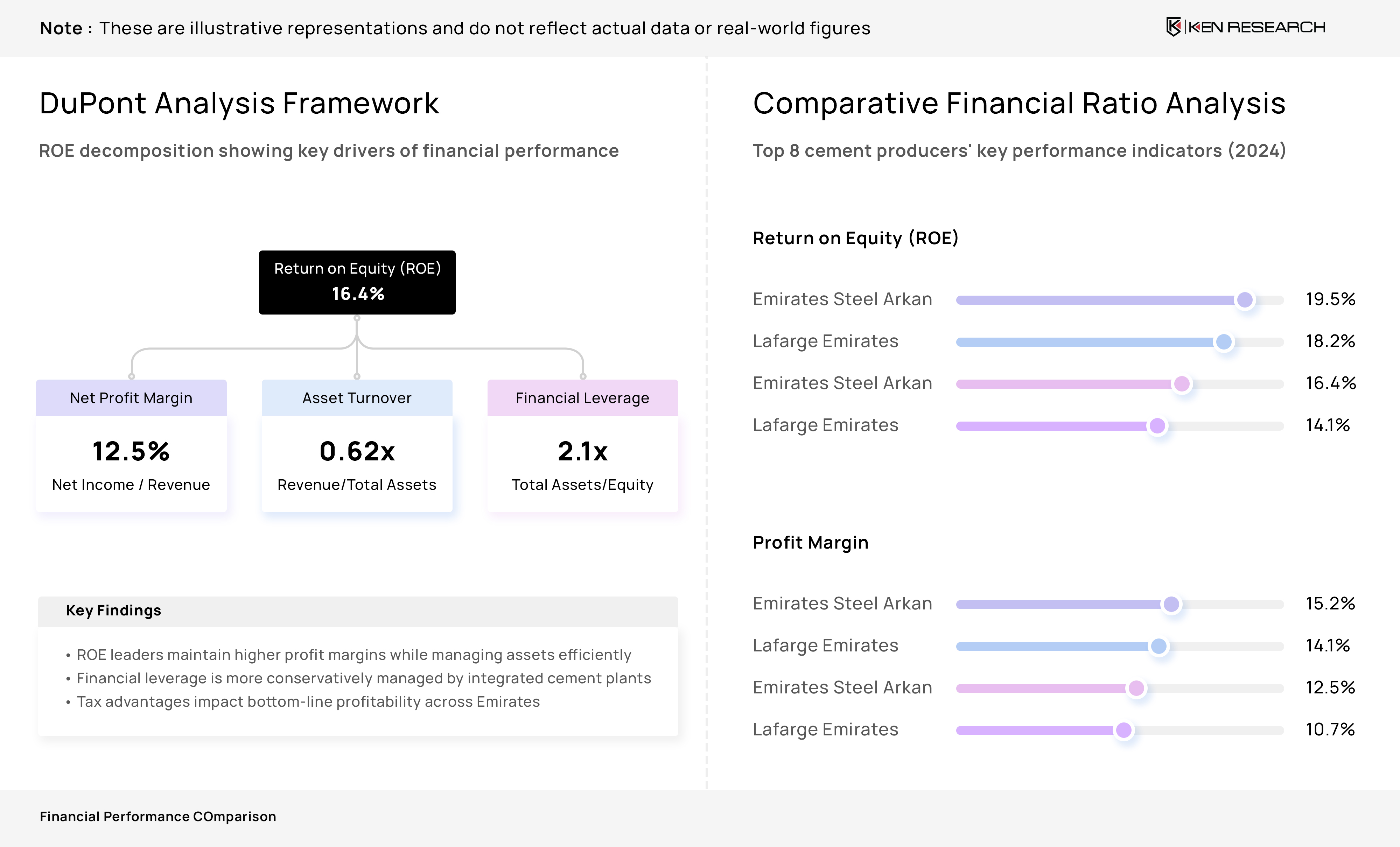
Core Financial Performance Metrics
Financial outperformance in the Kingdom typically comes from a balanced mix of premium pricing and disciplined cost control (lead procurement, recycling economics, and logistics efficiency), with EBITDA resilience improving when service-led revenue and fleet volumes offset purely retail cyclicality.
Players with tighter COGS management and higher margin mix (premium SKUs, start-stop compatibility, and monetized installation) are better positioned to sustain PAT margins, even as competitive discounting intensifies across wholesale and multi-brand retail channels.
Table of Contents
1. Ecosystem Matrix
1.1 Large Players
1.1.1 Middle East Battery Company (MEBCO)
1.1.2 Petromin Corporation
1.1.3 Bin-Shihon Group
1.1.4 Clarios
1.1.5 Exide Industries Limited
1.1.6 Amara Raja Energy & Mobility Limited
1.1.7 GS Yuasa Corporation
1.1.8 Panasonic Corporation
1.2 Medium Players
1.2.1 Robert Bosch GmbH
1.2.2 VARTA Automotive Batteries
1.2.3 Hankook AtlasBX Co., Ltd.
1.2.4 East Penn Manufacturing Co.
1.2.5 EnerSys
1.2.6 Leoch International Technology Limited
1.3 Small Players
1.3.1 ACDelco Arabia
1.3.2 The Furukawa Battery Co., Ltd.
1.3.3 Camel Group Co., Ltd.
2. Leading Player Profiles
2.1 Parameters
2.1.1 Company Name
2.1.2 Group Name
2.1.3 Global Headquarters
2.1.4 Establishment Year
2.1.5 Core Service
2.1.6 Mode of Functioning
3. Key Operational Performance Metrics
3.1 Parameters
3.1.1 Retail Battery Sales Revenue (USD Mn)
3.1.2 OEM / Dealer Supply Revenue (USD Mn)
3.1.3 Fleet & Commercial Contract Revenue (USD Mn)
3.1.4 Service & Installation Revenue (USD Mn)
3.1.5 Online Orders Revenue (USD Mn)
3.1.6 Average Selling Price (USD / Battery)
3.1.7 Units Sold (Units)
3.1.8 Active Dealer / Workshop Network (Count)
4. Core Financial Performance Metrics
4.1 Parameters
4.1.1 Revenue (USD Mn)
4.1.2 Revenue Growth (%)
4.1.3 COGS (USD Mn)
4.1.4 COGS Growth (%)
4.1.5 EBITDA (USD Mn)
4.1.6 EBITDA Growth (%)
4.1.7 EBITDA Margin (%)
4.1.8 PAT (USD Mn)
4.1.9 PAT Margin (%)
5. Methodology
5.1 Approach
5.1.1 Desk Sources
5.1.2 Primary Interviews
5.1.3 Sanity Checking & Validation
5.2 Benchmarking Process
5.2.1 Data Collection
5.2.2 Primary Validation
5.2.3 Proxy KPI Modelling
5.2.4 Normalization & Indexing
5.2.5 Gap Analysis
5.2.6 Peer Review
5.3 Sample Composition
5.3.1 Scope Items
5.3.2 Sample Size
5.3.3 Target Respondents
Methodology
Ken Research will deploy its proprietary, multi-layered research framework combining robust secondary research, targeted primary outreach, and rigorous data validation to deliver an authoritative Competitive Benchmarking Analysis of the Saudi Arabia Automotive Batteries Market.
Desk Sources
- Industry reports from proprietary databases and Ken Research internal archives to establish historical benchmarks, market sizing baselines, and long-term demand trends.
- Company annual reports, investor presentations, and statutory disclosures to extract financials, manufacturing footprint, capacity, product mix, and strategic priorities.
- Government publications and trade-association releases to assess regulatory framework, localization policies, vehicle parc growth, and import–export dynamics.
- Trade magazines, journals, and sector-focused e-articles to track competitive moves, technology evolution (SMF, EFB, AGM), and pricing trends.
- Financial intelligence platforms such as Bloomberg and Capital IQ for standardized financial ratios, group-level disclosures, and peer comparisons.
- Digital intelligence tools (SimilarWeb, App Annie) to evaluate online demand signals, digital channel traction, and aftermarket visibility.
Primary Interviews
- CATI interviews and structured online surveys with category managers, product heads, and R&D leaders of automotive battery manufacturers.
- In-depth discussions with senior sales and marketing leaders to understand pricing strategy, channel mix, and OEM versus aftermarket exposure.
- Interviews with distributors, wholesalers, workshops, and fleet service partners to validate volumes, ASPs, replacement cycles, and regional demand patterns.
- Consultations with industry analysts, consultants, and logistics/recycling service providers to validate competitive dynamics and structural market drivers.
Sanity Checking & Validation
- Triangulation of estimates by cross-verifying secondary research, primary inputs, and proxy-based model outputs.
- Proxy KPI synthesis using indicators such as vehicle parc, installed base, dealer and workshop counts, fleet penetration, digital demand signals, and import volumes.
- Outlier analysis to identify and reconcile anomalous data points through targeted follow-up discussions.
- Assumption tracking through a structured log capturing all benchmarking assumptions, limitations, and proxy KPI sources.
- Internal peer review of methodology, analytical models, and key outputs prior to final report finalization.
An Inside Look At Our Custom Insights
Take a look at ourcustomized insights, tailored to yourmarket and business needs. Our benchmarking reports deliver data-driven comparisons of key players, helping you uncover opportunities, assess performance, and make confident strategic decisions.