Singapore Car Rental Market
Published on: November 2025
Report Overview
Singapore Car Rental Market
Market Highlights
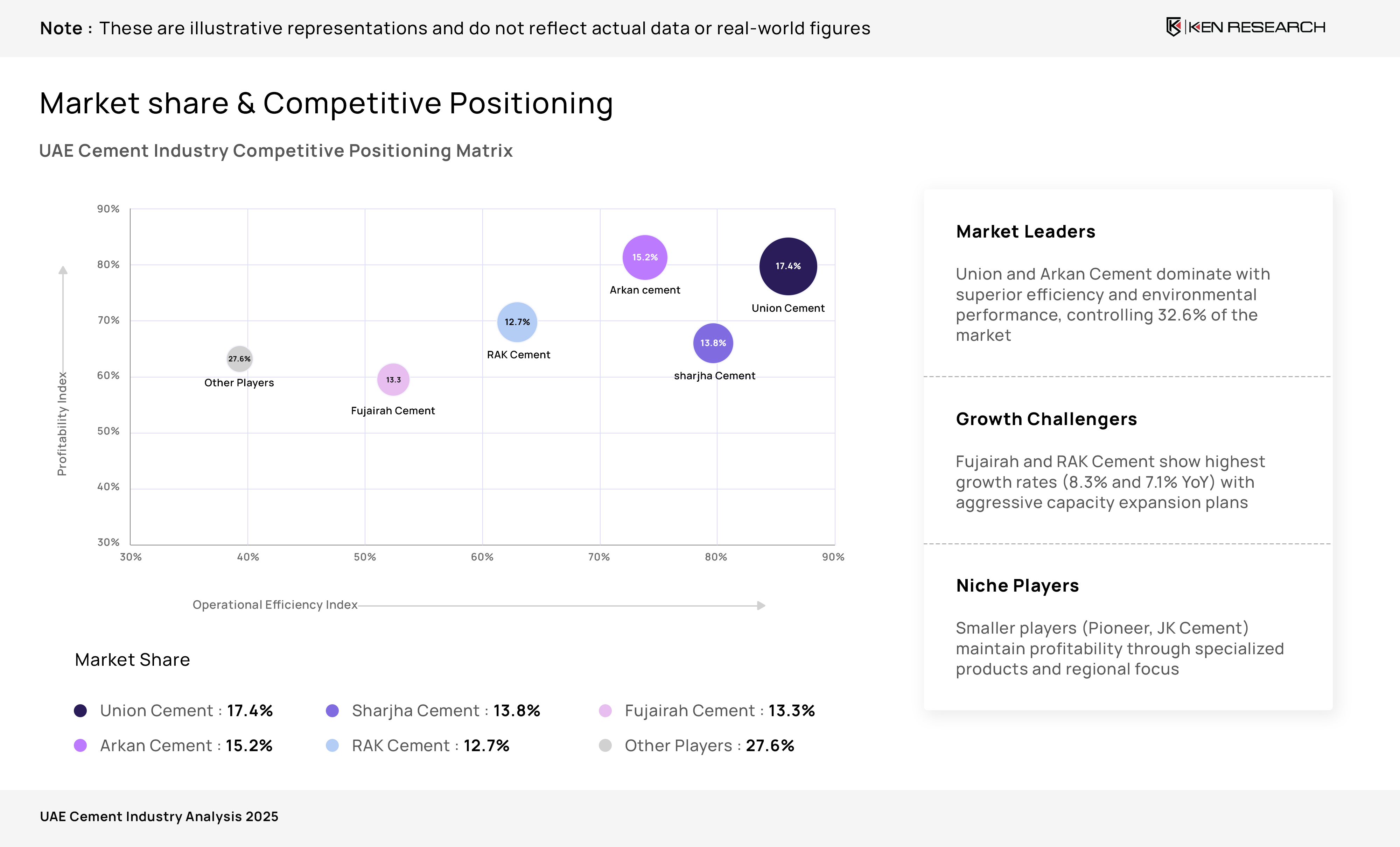
The Singapore car rental market presents a competitive structure comprising international rental brands, established regional operators, and agile local companies. Major players benefit from strong brand recognition, airport presence, and corporate partnerships, while smaller operators compete through price flexibility, short-term leasing options, and convenience-driven urban mobility solutions tailored to resident and expatriate demand.
Competitiveness is shaped by the integration of digital mobility platforms with Singapore’s regulated automotive ecosystem. Rental companies increasingly adopt app-based booking, automated vehicle allocation, and telematics-driven fleet monitoring while tailoring service plans, rental durations, and value-added features to meet customer expectations around convenience, transparency, and efficient urban transportation.
Distribution strength is influenced by strategic fleet placement across MRT-connected hubs, commercial districts, tourist zones, and residential clusters. Companies with reliable vehicle availability, efficient turnaround processes, and responsive customer service secure stronger market retention, enabling them to serve diverse customer groups including tourists, corporates, gig-economy workers, and long-term expatriates.
Strategic priorities across the sector focus on fleet modernization, operational efficiency, and sustainability adoption. Operators invest in electric vehicles, subscription models, digital payments, and predictive maintenance while enhancing service standards and compliance with vehicle regulations. These initiatives strengthen competitive positioning in a market shaped by rising mobility demand and Singapore’s push toward cleaner transport solutions.
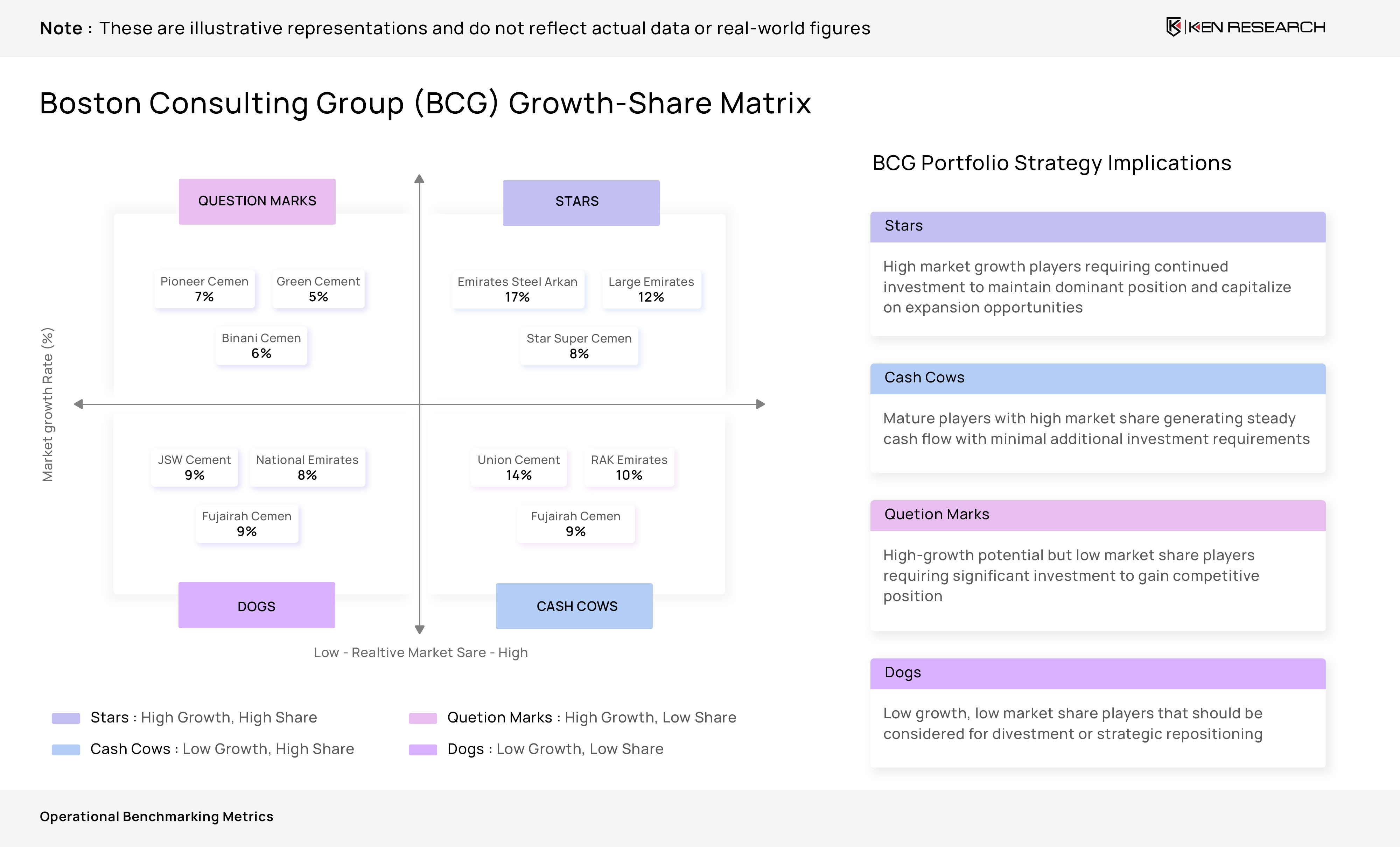
Ecosystem Matrix
The Singapore car rental ecosystem is anchored by large, established international and local players such as ComfortDelGro and Hertz, while medium-sized providers like Hawk Rent A Car and Lion City Rentals serve niche corporate and private mobility needs.
Small-scale operators including Tribecar and Dream Car Leasing are fueling market competitiveness through flexible, short-term rental models and digital-first approaches, particularly appealing to young drivers and gig economy workers.
Leading Player Profiles
Company Profile Overview
Large groups like ComfortDelGro and international brands like Hertz and Avis dominate through established networks and strong corporate tie-ups.
Medium players such as Hawk and Ace Drive add differentiation through luxury segments and flexible leasing models, while small operators like Tribecar are pioneering app-based and sharing economy models.
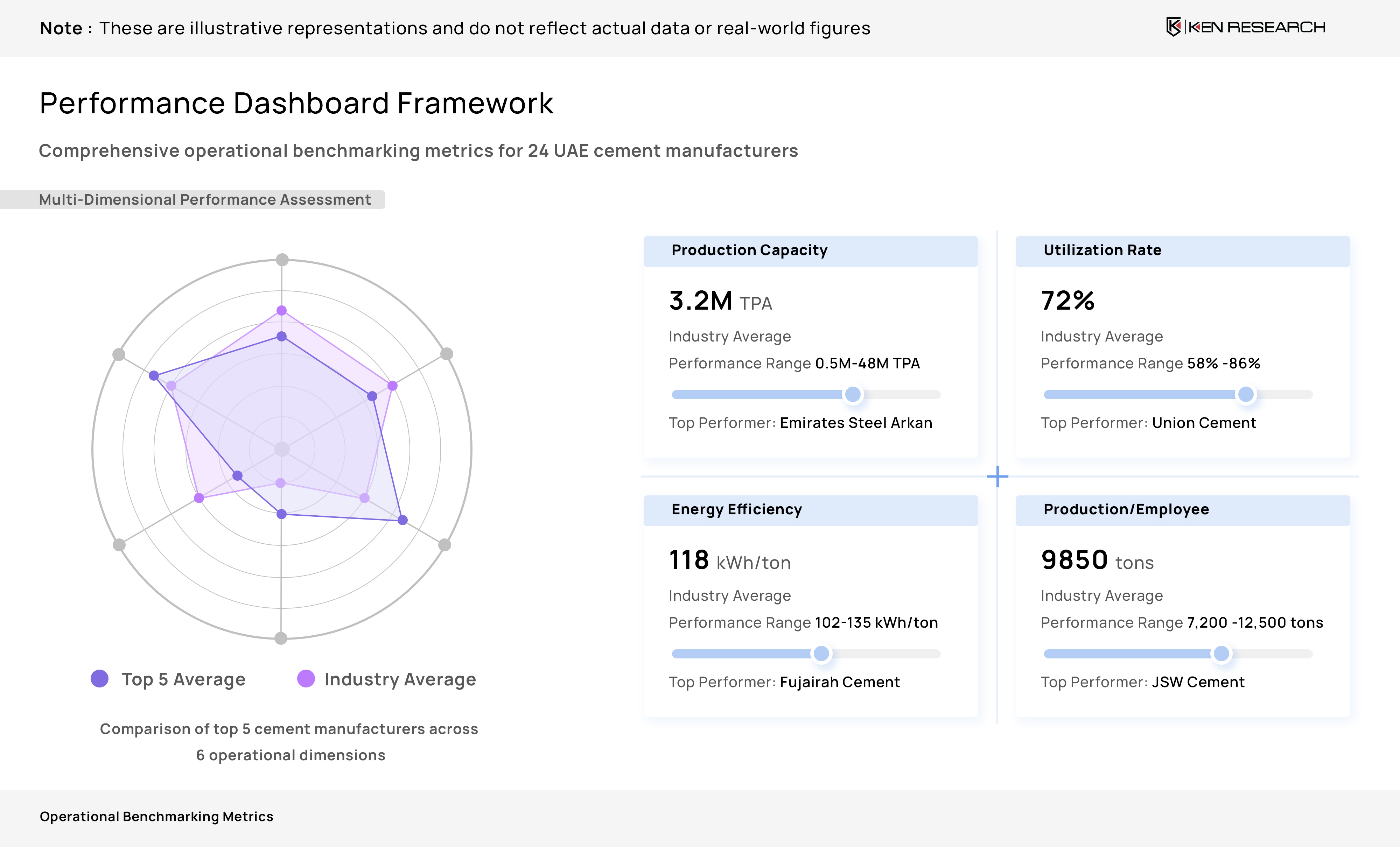
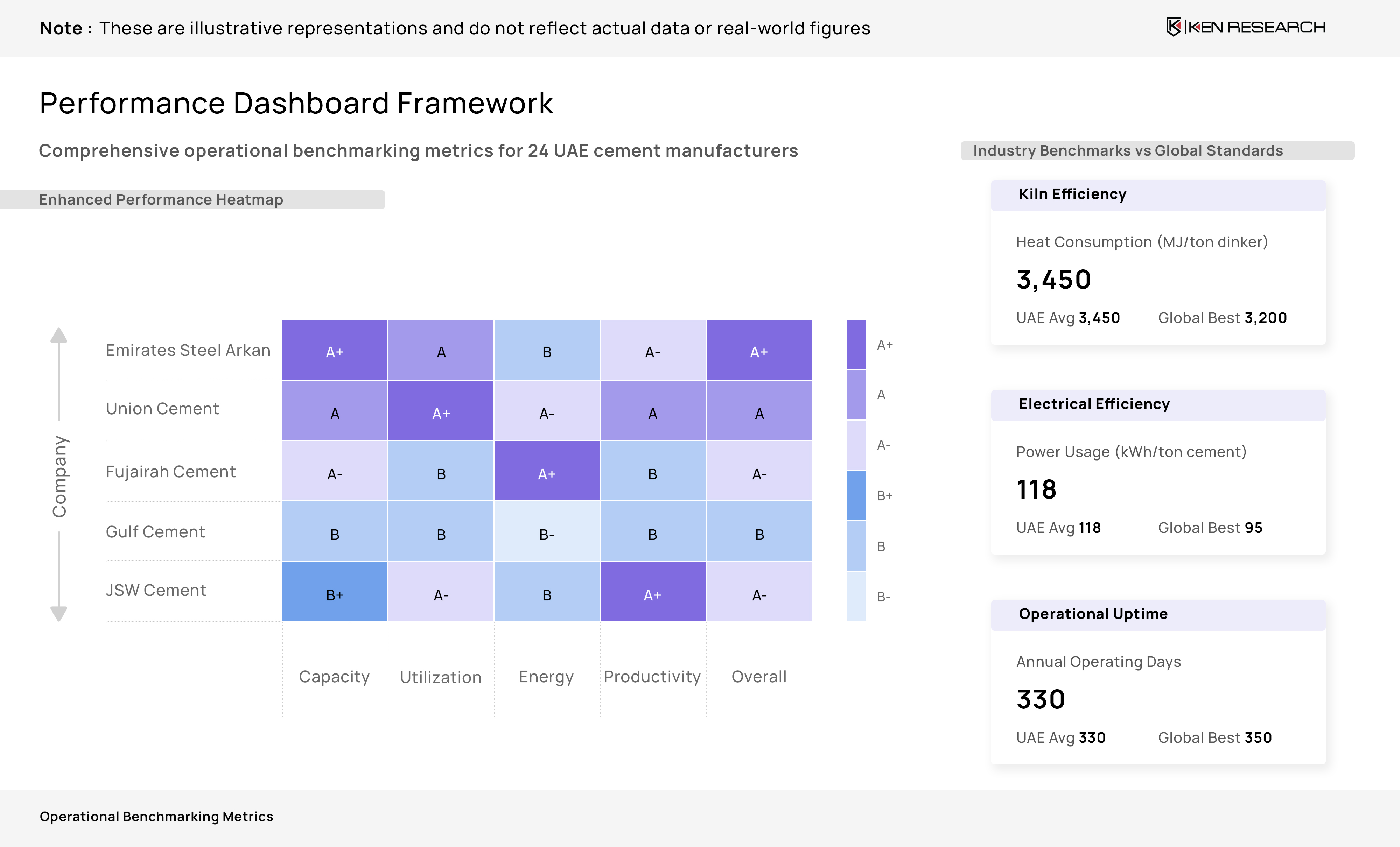
Key Operational Performance Metrics
Company Performance Overview
Unlock Market Insights
Dive deeper into production, distribution, and pricing intelligence.
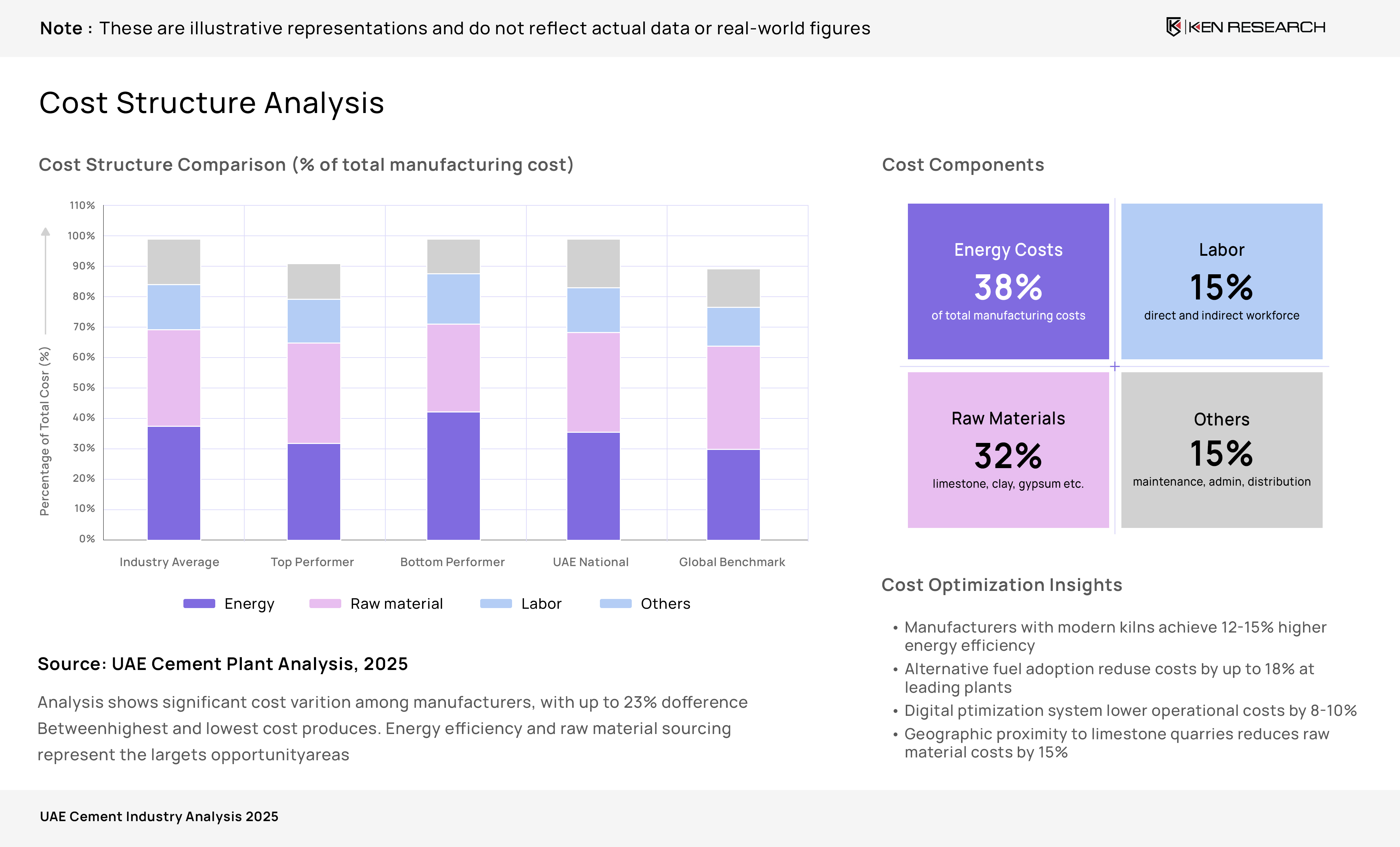
Get Customized ReportPricing and utilization rates will remain key differentiators in Singapore’s tightly regulated car rental sector, with fleet optimization being a critical driver of profitability.
Digital-first models like Tribecar and Lion City Rentals achieve higher utilization rates and retention through seamless booking experiences compared to traditional rental players.
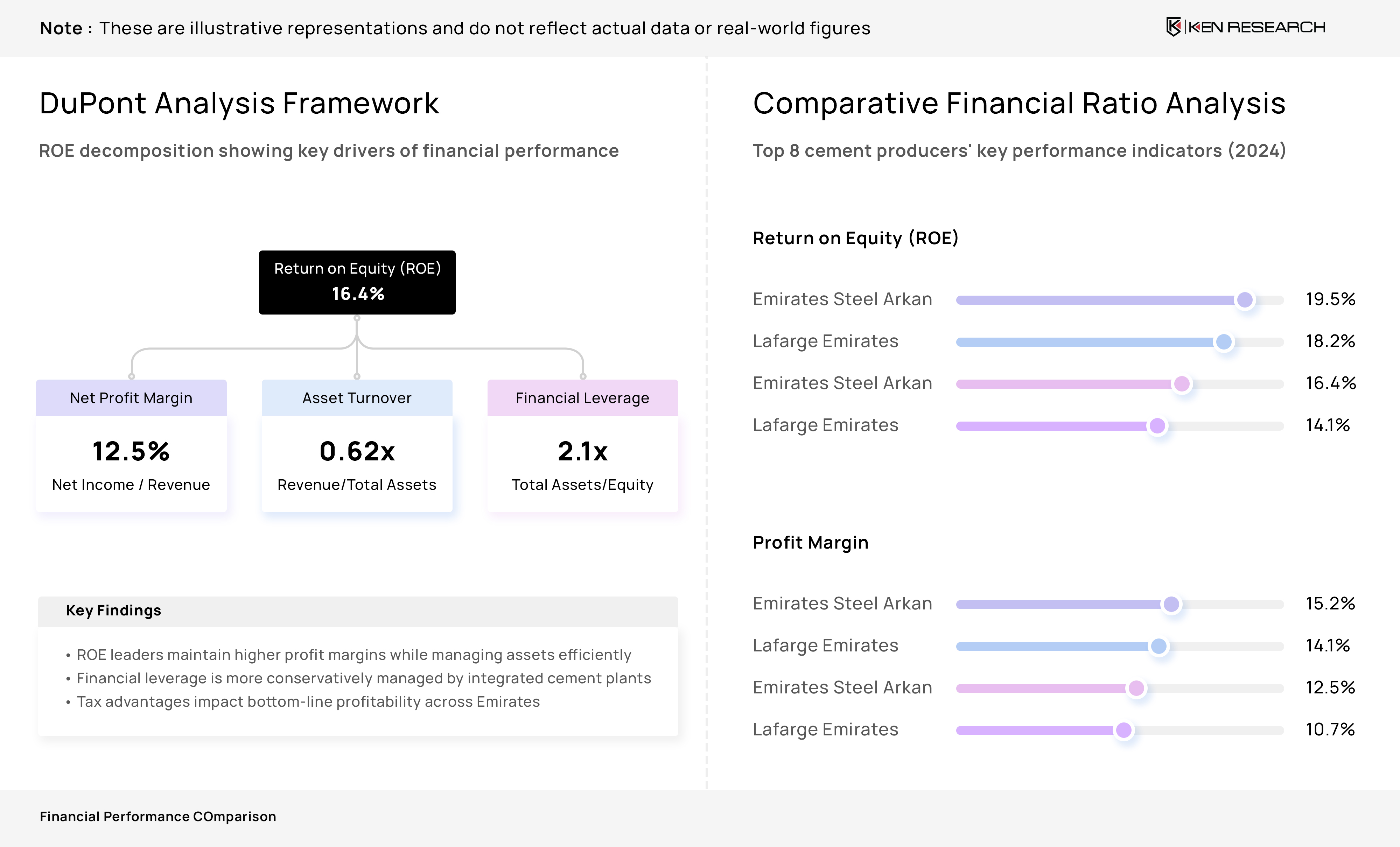
Core Financial Performance Metrics
Revenue and EBITDA margins are under pressure due to rising operating costs in Singapore; companies with higher fleet utilization and strong digital channels are better positioned to protect profitability.
Global groups like Hertz, Avis, and Sixt leverage international capital efficiencies, while local players such as ComfortDelGro and Hawk rely more heavily on fleet cost control and customer loyalty programs.
Table of Contents
1. Ecosystem Matrix
1.1 Large Players
1.1.1 ComfortDelGro Rent-A-Car
1.1.2 Hertz Singapore
1.1.3 Avis Singapore
1.1.4 Europcar Singapore
1.1.5 Sixt Singapore
1.1.6 DriveSG
1.2 Medium Players
1.2.1 Hawk Rent A Car
1.2.2 Ace Drive
1.2.3 Lion City Rentals
1.2.4 BizLink Rent A Car
1.2.5 Popular Rent A Car
1.2.6 WhizzCar
1.3 Small Players
1.3.1 Exclusive Limo & Car Rentals
1.3.2 Dream Car Leasing
1.3.3 Island Car Rental
1.3.4 Tribecar
1.3.5 Bolt Car Rentals
1.3.6 SMRT Road Holdings
2. Leading Player Profiles
2.1 Company Name
2.2 Group Name
2.3 Headquarters
2.4 Established Year
2.5 Core Services
2.6 Mode of Functioning
3. Key Operational Performance Metrics
3.1 Fleet Size (No. of Vehicles)
3.2 Branches in Singapore (Units)
3.3 Average Daily Rental Price (USD)
3.4 Utilization Rate
3.5 Customer Retention %
3.6 Booking Mode (Online/Offline)
3.7 Fleet Turnover Ratio
3.8 Customer Base Segment (Individual / Corporate / Mixed)
3.9 Loyalty Program Presence (Yes/No)
4. Core Financial Performance Metrics
4.1 Revenue (SGD Mn)
4.2 Revenue Growth %
4.3 COGS (SGD Mn)
4.4 COGS Growth %
4.5 EBITDA (SGD Mn)
4.6 EBITDA Growth %
4.7 EBITDA Margin %
4.8 PAT (SGD Mn)
4.9 PAT Margin %
5. Methodology
5.1 Approach
5.1.1 Desk Sources
5.1.2 Primary Interviews
5.1.3 Sanity Checking & Validation
5.2 Benchmarking Process
5.2.1 Data Collection
5.2.2 Primary Validation
5.2.3 Proxy KPI Modelling
5.2.4 Normalization & Indexing
5.2.5 Gap Analysis
5.2.6 Peer Review
5.3 Sample Composition
5.3.1 Scope Items
5.3.2 Sample Size
5.3.3 Target Respondents
Methodology
Ken Research will deploy its proprietary, multi layered research framework—combining robust secondary research, targeted primary outreach, and rigorous data validation—to deliver an authoritative competitive landscape analysis of the Singapore Car Rental market.
Desk Sources
- Industry reports (proprietary databases, Ken Research archives)
- Company annual reports and investor presentations
- Government and trade association publications
- Trade magazines, sector journals, and verified online articles
- Financial databases such as Bloomberg and Capital IQ
- Web traffic and app usage dashboards (SimilarWeb, App Annie)
Primary Interviews
- CATIs and online surveys with key stakeholders
- Category managers and R&D heads of rental companies
- Senior sales and marketing leads at leading players
- Distributors and channel partners
- Industry analysts and consultants
- Technology and service providers for digital metrics
Sanity Checking & Validation
- Triangulation: Cross-verify estimates from secondary data, primary inputs, and proxy model outputs
- Proxy KPI synthesis: Use KPIs such as fleet size, branch count, web traffic, utilization, and ADR to approximate revenues or capacities
- Outlier analysis: Reconcile anomalous data points through follow-up discussions
- Assumption tracking: Maintain a structured log of assumptions, limitations, and proxy sources
- Peer review: Internal expert evaluation of methodology, models, and key outputs before finalization
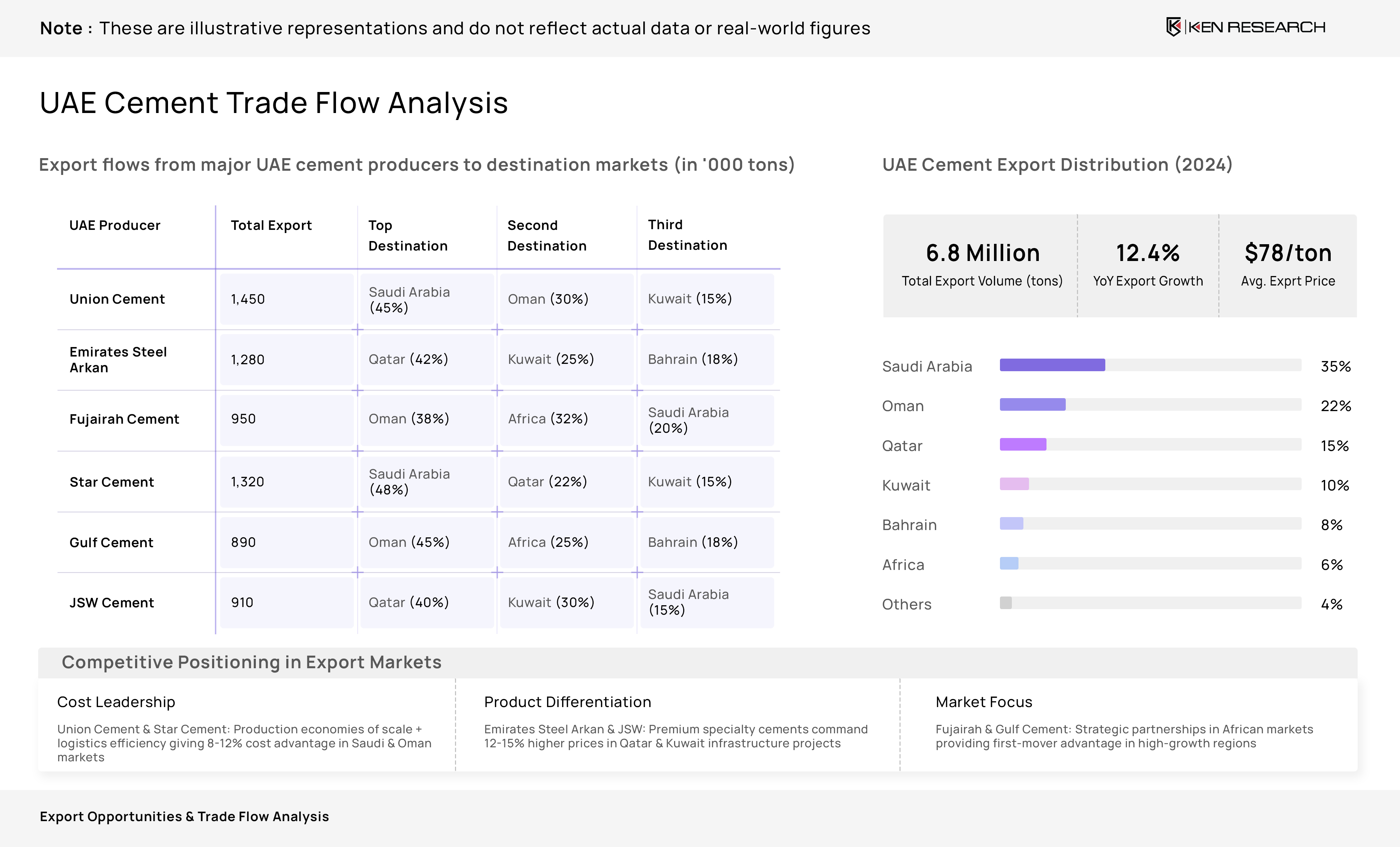
An Inside Look At Our Custom Insights
Take a look at ourcustomized insights, tailored to yourmarket and business needs. Our benchmarking reports deliver data-driven comparisons of key players, helping you uncover opportunities, assess performance, and make confident strategic decisions.