Singapore Electric Vehicle Charging Providers Market
Published on: January 2026
Report Overview
Singapore Electric Vehicle Charging Providers Market Overview
Market Highlights
The Singapore Electric Vehicle Charging Providers Market features a layered competitive landscape where vertically integrated multinationals coexist with established regional players and agile local entrants. Integrated majors focus on scale and supply chain optimization, while regional manufacturers emphasize customization and responsive delivery models aligned with local demand cycles. Smaller domestic firms leverage niche specialization, quick turnaround times, and flexible service agreements to compete effectively across targeted micro-segments.
Global innovation merges with strong domestic adaptation as companies localize EV charger designs, payment systems, and installation models to align with Singapore's urban infrastructure and consumer preferences. Hardware suppliers and software platform developers partner with public and private distributors to adapt solutions for varied climatic, infrastructural, and regulatory conditions. Localization extends into vendor partnerships, ensuring that imported technology integrates seamlessly with indigenous manufacturing and service protocols.
The distribution and aftersales ecosystem plays a decisive role in shaping user experience and network reliability. Strategic tie-ups between OEMs, utilities, and real-estate operators are expanding access to chargers in residential, commercial, and fleet domains. Aftersales excellence—spanning maintenance contracts, uptime assurance, and digital service monitoring—drives customer retention and operator credibility in a fragmented service environment.
Competitiveness increasingly relies on operational discipline and data-enabled planning. Leading operators employ predictive maintenance tools, integrated energy management systems, and real-time analytics to minimize downtime and optimize utilization rates. Sustainability commitments and modular product design are enhancing lifecycle efficiency, while collaborative ventures between energy majors and tech start-ups accelerate innovation across the hardware–software continuum.
Ecosystem Matrix
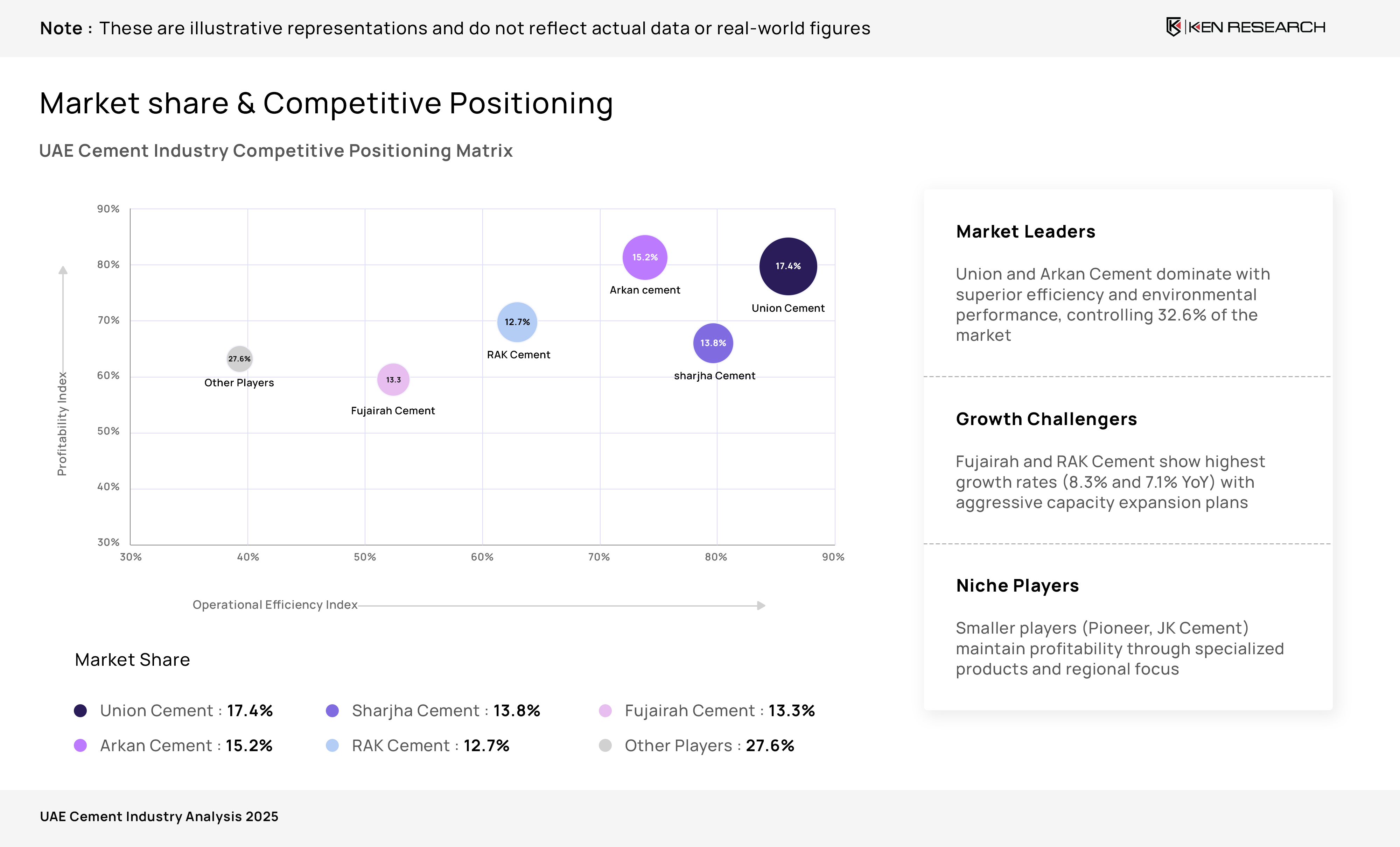
The ecosystem reflects ascale-driven market structure, where large operators dominate public, residential, and high-utilisation corridors, leveraging extensive charger density, integrated platforms, and long-term site access agreements to secure recurring charging revenues.
Medium and small players focus onselective monetisation strategies, including fleet charging, destination-based deployments, and app-enabled aggregation, enabling participation despite capital intensity and rising competition for prime charging locations.
Leading Player Profiles
Company Profile Overview
The player landscape showsdiverse ownership models, including utilities, energy majors, transport operators, and digital platforms, reflecting the convergence of mobility, power infrastructure, and software in Singapore’s EV charging market.
Market leadership is increasingly linked todeployment speed, charger uptime, and pricing optimisation, rather than charger ownership alone, driving partnerships between infrastructure owners, energy suppliers, and digital charging platforms.
Key Operational Performance Metrics
Company Performance Overview
Unlock Market Insights
Dive deeper into production, distribution, and pricing intelligence.
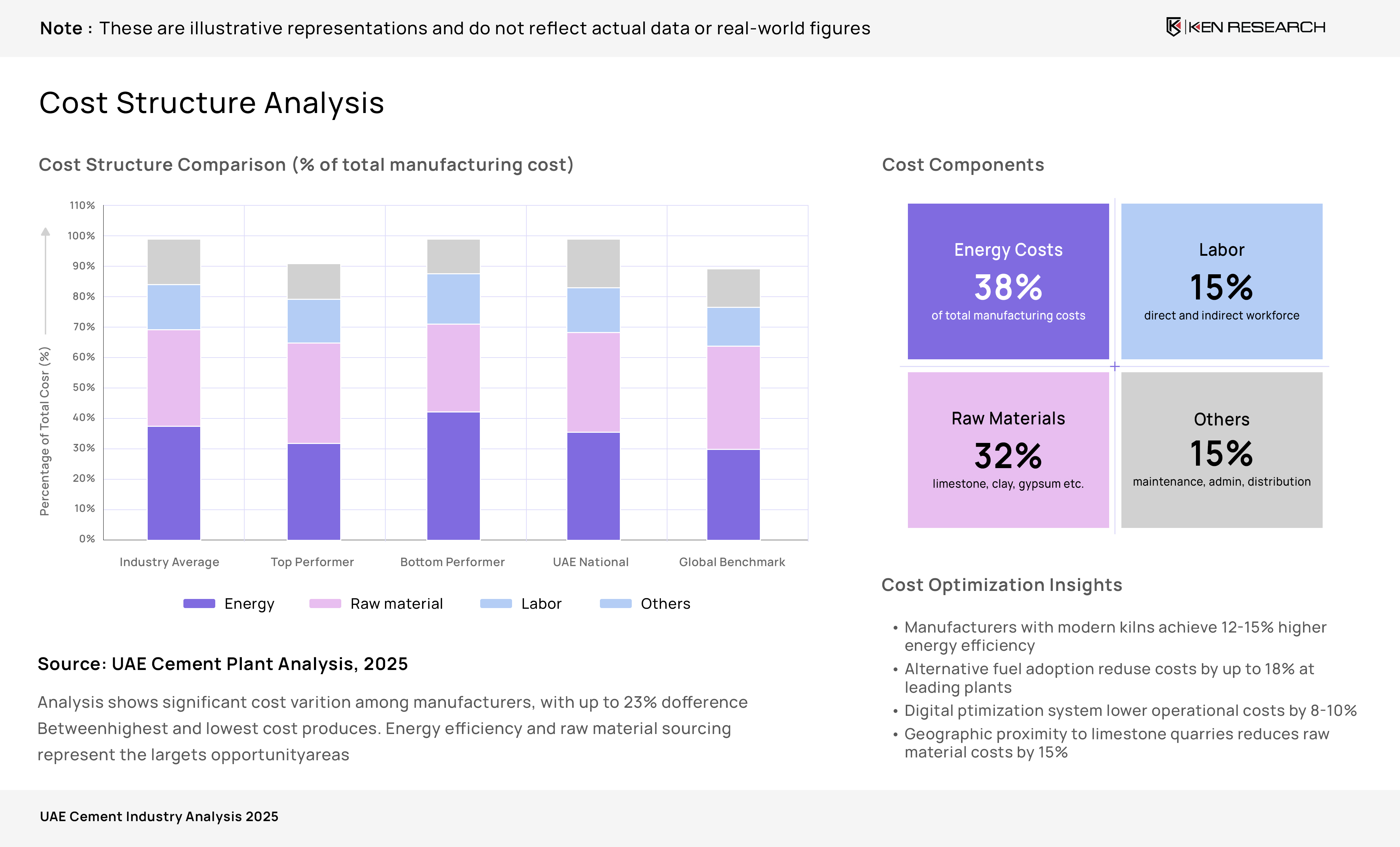
Get Customized ReportRevenue generation is primarily driven bypricing per kWh, charger utilisation, and recurring fleet contracts, with higher-performing operators maximising session density across limited urban land availability.
Installation and O&M revenues act as secondary stabilisers, but long-term competitiveness increasingly depends onscalable charging throughput and dynamic tariff managementrather than one-time infrastructure deployment.
Core Financial Performance Metrics
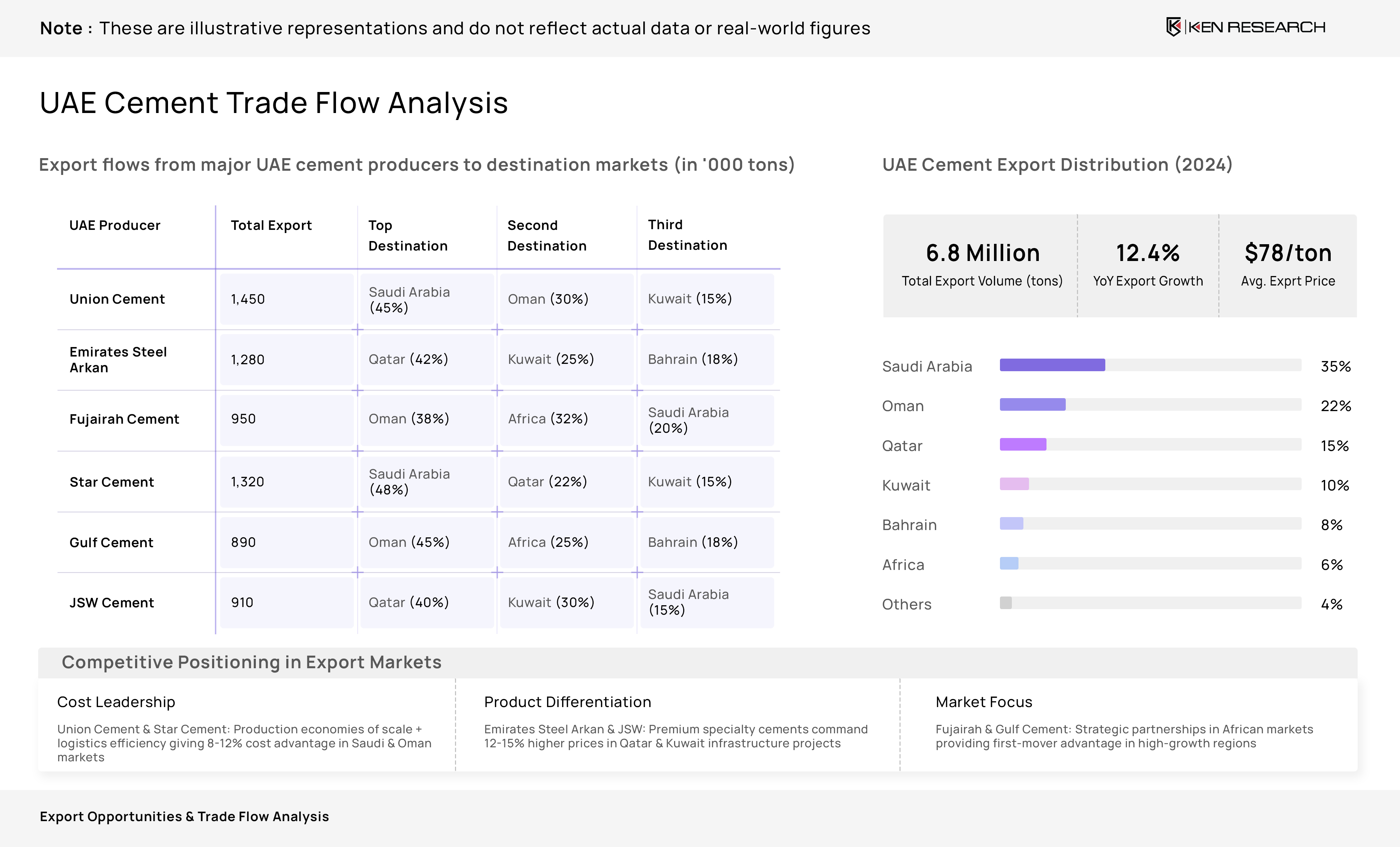
Financial performance varies widely, with scaled operators achievingimproving EBITDA margins through utilisation-led operating leverage, while smaller players remain margin-constrained due to upfront capex and limited network density.
Cost efficiency, energy procurement strategy, and maintenance discipline are thekey determinants of profitability, making financial benchmarking critical to identifying sustainable long-term operators in Singapore’s EV charging market.
Table of Contents
1. Ecosystem Matrix
1.1 Large Players
1.1.1 SP Mobility
1.1.2 Charge+
1.1.3 ComfortDelGro ENGIE
1.1.4 Shell Recharge
1.1.5 Tesla (Supercharger Network)
1.1.6 Bluecharge
1.2 Medium Players
1.2.1 Strides Mobility (ChargEco)
1.2.2 Union Power
1.2.3 LHN Energy Resources
1.2.4 Mack Parking (FastParkNCharge)
1.2.5 QuickCharge.sg
1.2.6 Yinson GreenTech (ChargEV SG)
1.3 Small Players
1.3.1 BeeCharge Innovation Group
1.3.2 EV Connection
1.3.3 Power-Up Tech
1.3.4 SolaTeks
1.3.5 Lim Kim Hai Electric
2. Leading Player Profiles
2.1 Parameters
2.1.1 Company Name
2.1.2 Group Name
2.1.3 Headquarters
2.1.4 Established Year
2.1.5 Core Services
2.1.6 Mode of Functioning
3. Key Operational Performance Metrics
3.1 Charging Revenue (USD Mn)
3.2 Pricing per kWh (USD/kWh)
3.3 Subscription Revenue (USD Mn)
3.4 Installation Revenue (USD Mn)
3.5 O&M Revenue (USD Mn)
3.6 Active Charge Points (Number of Charge Points)
3.7 Average Sessions (Sessions/Charge Point/Day)
3.8 Average kWh per Session (kWh/Session)
3.9 Fleet Contracts (Number of Contracts
4. Core Financial Performance Metrics
4.1 Parameters
4.1.1 Revenue (USD Mn)
4.1.2 Revenue Growth (%)
4.1.3 COGS (USD Mn)
4.1.4 COGS Growth (%)
4.1.5 EBITDA (USD Mn)
4.1.6 EBITDA Growth (%)
4.1.7 EBITDA Margin (%)
4.1.8 PAT (USD Mn)
4.1.9 PAT Margin (%)
5. Methodology
5.1 Approach
5.1.1 Desk Sources
5.1.2 Primary Interviews
5.1.3 Sanity Checking & Validation
5.2 Benchmarking Process
5.2.1 Data Collection
5.2.2 Primary Validation
5.2.3 Proxy KPI Modelling
5.2.4 Normalization & Indexing
5.2.5 Gap Analysis
5.2.6 Peer Review
5.3 Sample Composition
5.3.1 Scope Items
5.3.2 Sample Size
5.3.3 Target Respondents
Methodology
Ken Research will deploy its proprietary, multi-layered research framework combining robust secondary research, targeted primary outreach, and rigorous data validation to deliver an authoritative competitive benchmarking assessment of the Singapore Electric Vehicle Charging Providers Market.The methodology ensures consistency, comparability, and analytical integrity across all ecosystem, operational, and financial dimensions covered in the report, with proxy KPIs calibrated specifically to EV charging business models.
Desk Sources
- Industry reports from proprietary databases and Ken Research internal archives to establish historical benchmarks, charger deployment trends, and market baselines for Singapore’s EV charging ecosystem.
- Company annual reports, investor presentations, statutory filings, and press releases to extract financial performance, capital allocation priorities, network expansion strategies, and operational scale indicators.
- Government publications and trade-association releases to assess regulatory frameworks, EV adoption targets, public charging mandates, and urban infrastructure planning influencing charging demand.
- Trade magazines, journals, and industry e-articles to track competitive developments, charging technology evolution (AC vs DC fast charging), pricing innovations, and partnership announcements.
- Financial intelligence platforms such as Bloomberg and Capital IQ to standardize financial ratios, benchmark margins, and validate peer-level performance where disclosures are available.
- Web traffic, mobile app usage, and digital engagement dashboards (e.g., SimilarWeb, App Annie) to assess platform traction, customer acquisition momentum, and digital demand signals for charging services.
Primary Interviews
- CATI interviews and structured online surveys with category managers, infrastructure heads, and R&D leads of EV charging operators to validate deployment economics, charger mix decisions, and utilisation dynamics.
- In-depth discussions with senior sales and marketing leaders at leading charging providers to understand pricing strategies, subscription models, enterprise contracts, and customer acquisition levers.
- Interviews with distributors, site hosts, fleet operators, and channel partners to validate charger utilisation, pricing benchmarks, contract structures, and location-specific demand patterns.
- Consultations with industry analysts, energy consultants, and EV ecosystem service providers to obtain expert-level validation of market dynamics, technology adoption, and long-term structural shifts.
Sanity Checking and Validation
- Triangulation of all estimates through cross-verification of secondary research outputs, primary interview insights, and proxy-based financial and operational models.
- Proxy KPI synthesis using EV-specific indicators such as active charge points, utilisation rates, pricing per kWh, subscription penetration, and fleet contract density to approximate revenues and operating scale.
- Outlier analysis to identify anomalous performance metrics (e.g., unusually high utilisation or margins) and reconcile them through targeted follow-up interviews and secondary checks.
- Assumption tracking via a structured log capturing all benchmarking assumptions, proxy selection logic, data limitations, and confidence levels.
- Internal peer review of methodology, proxy models, and analytical outputs by senior Ken Research analysts prior to final report sign-off.
An Inside Look At Our Custom Insights
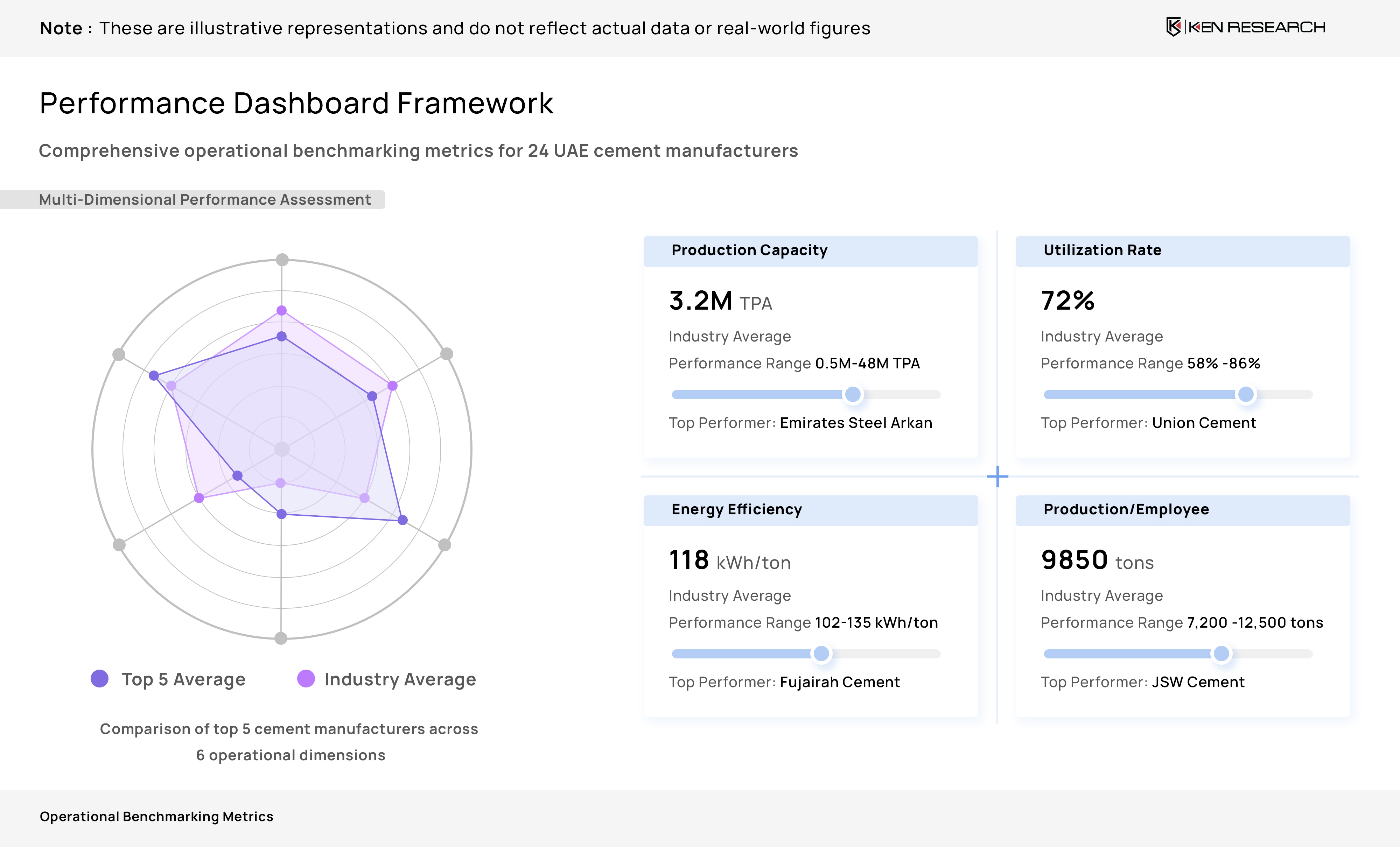
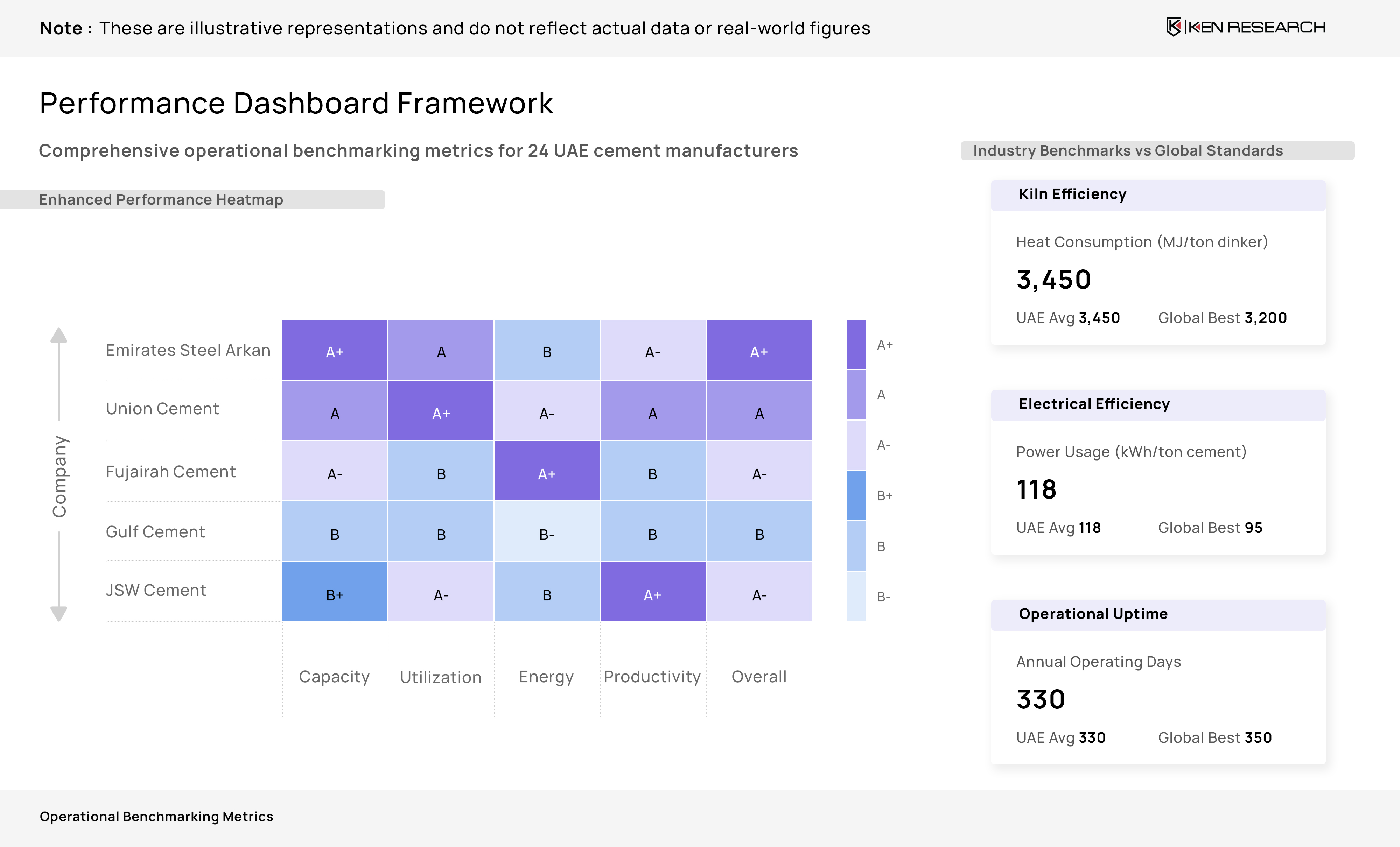
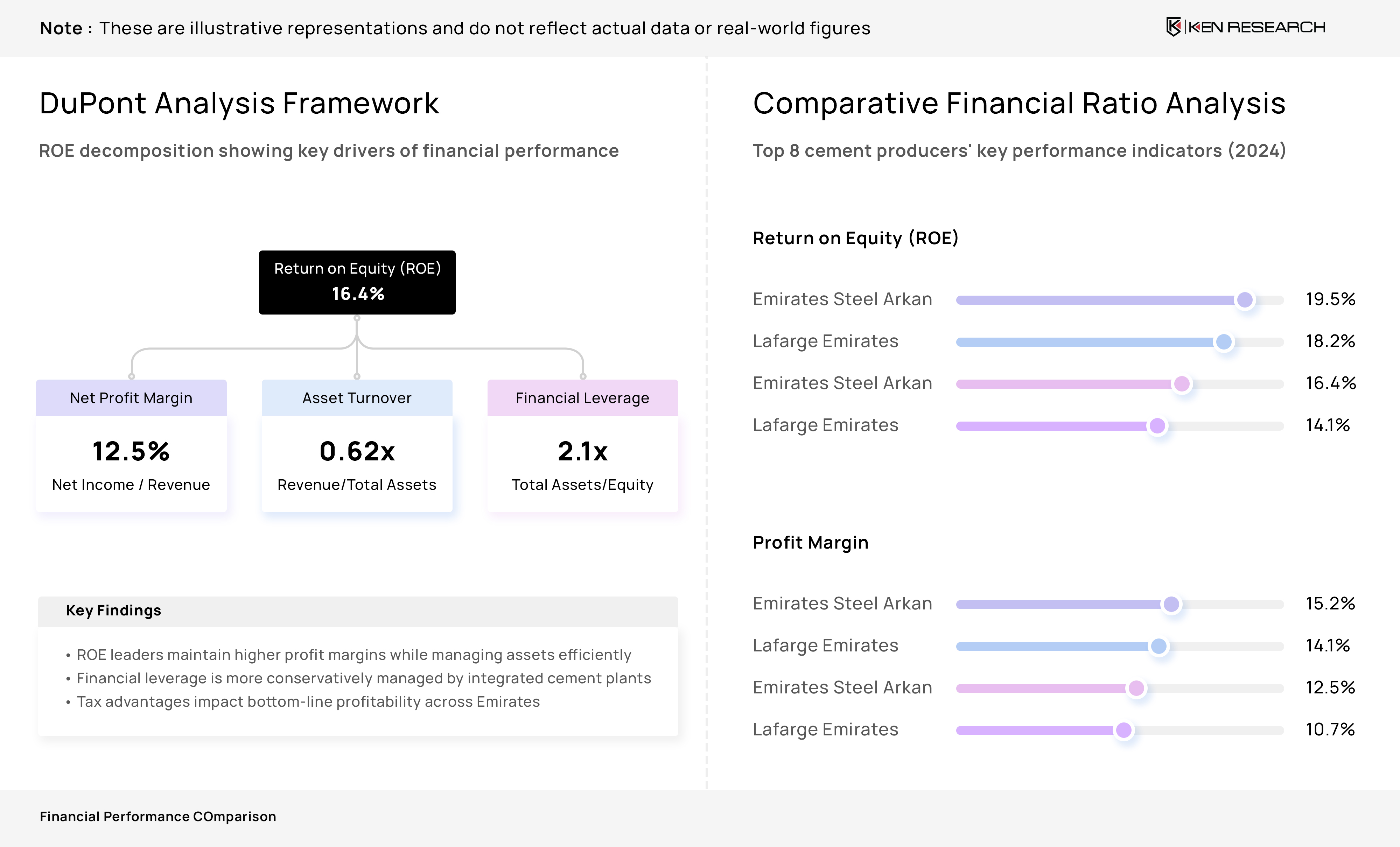
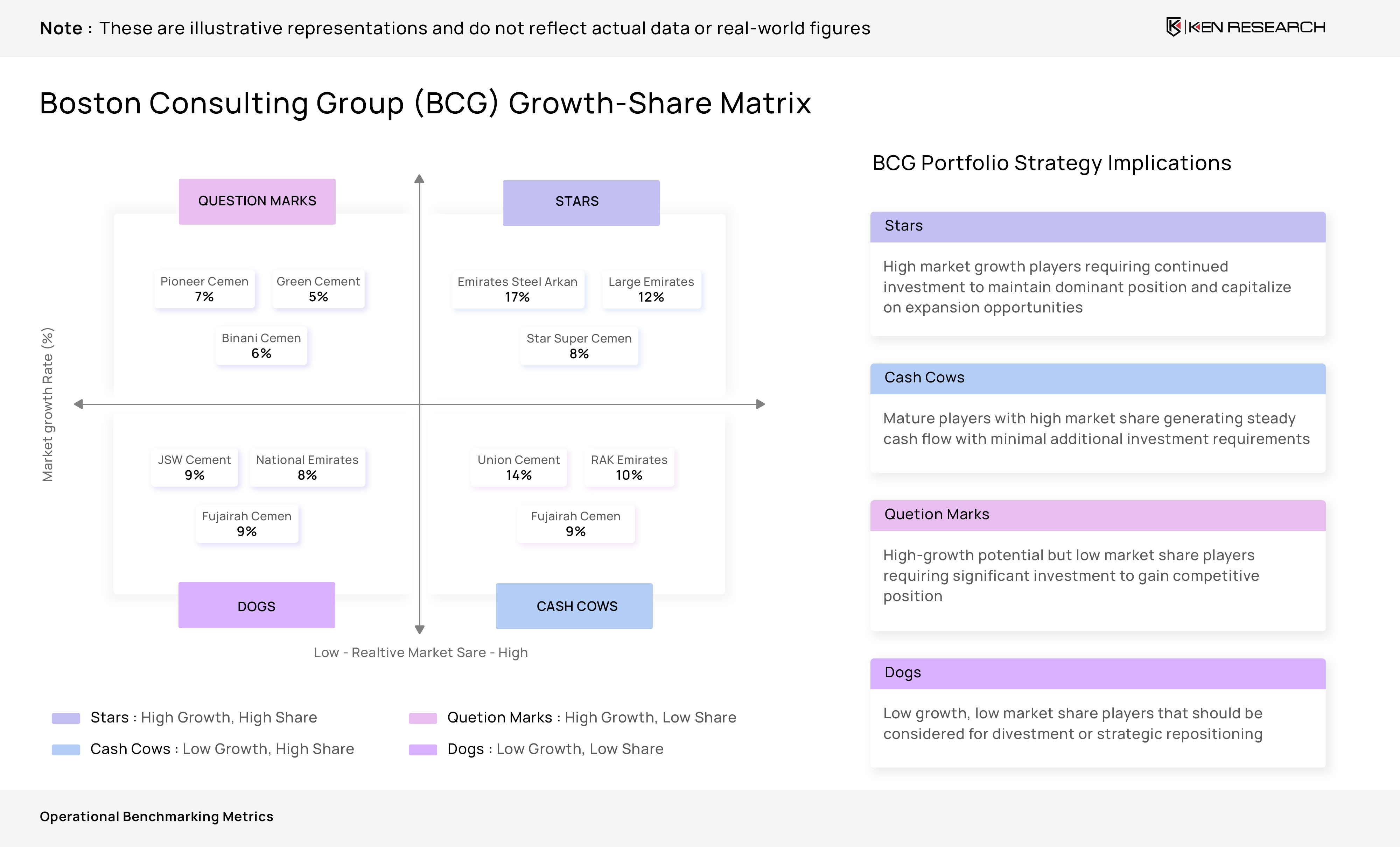
Take a look at ourcustomized insights, tailored to yourmarket and business needs. Our benchmarking reports deliver data-driven comparisons of key players, helping you uncover opportunities, assess performance, and make confident strategic decisions.