Singapore Fertilizer Distribution Market
Published on: December 2025
Report Overview
Singapore Fertilizer Distribution Market Overview
Market Highlights
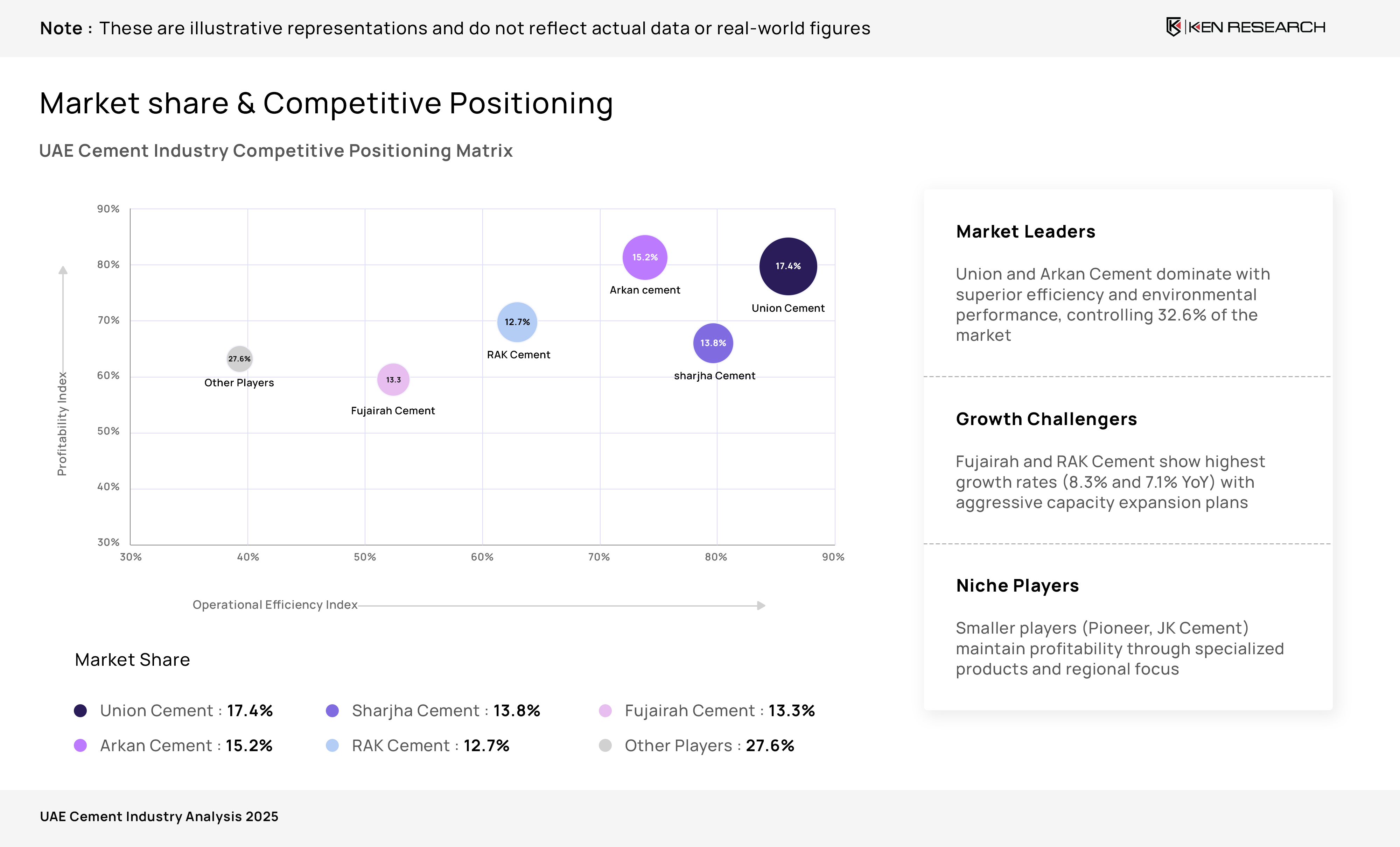
The Singapore Fertilizer Distribution Market showcases a diverse competitive structure, where multinational corporations, regional manufacturers, and local firms engage in a dynamic interplay. Multinationals leverage their extensive resources for efficiency, while regional players focus on tailored solutions that resonate with local agricultural practices, and local firms capitalize on agility and niche expertise to carve out market segments.
Innovation from global leaders is seamlessly integrated with localized strategies, as companies adapt their product offerings to meet the specific needs of Singapore's unique agricultural landscape. This synergy fosters a robust ecosystem where technology and local knowledge coalesce, ensuring that solutions are both cutting-edge and contextually relevant.
The distribution and aftersales framework is pivotal in enhancing customer satisfaction and operational reliability. Strategic collaborations among manufacturers, distributors, and agricultural stakeholders facilitate efficient supply chains, while comprehensive aftersales services, including training and support, reinforce customer loyalty and operational effectiveness in a competitive market.
Looking ahead, the market is poised for transformation driven by innovation, sustainability, and responsiveness. Companies are increasingly adopting advanced technologies and sustainable practices, ensuring that their strategies are not only efficient but also aligned with evolving environmental standards and consumer expectations, thereby shaping a competitive landscape that is both resilient and forward-thinking.
Ecosystem Matrix
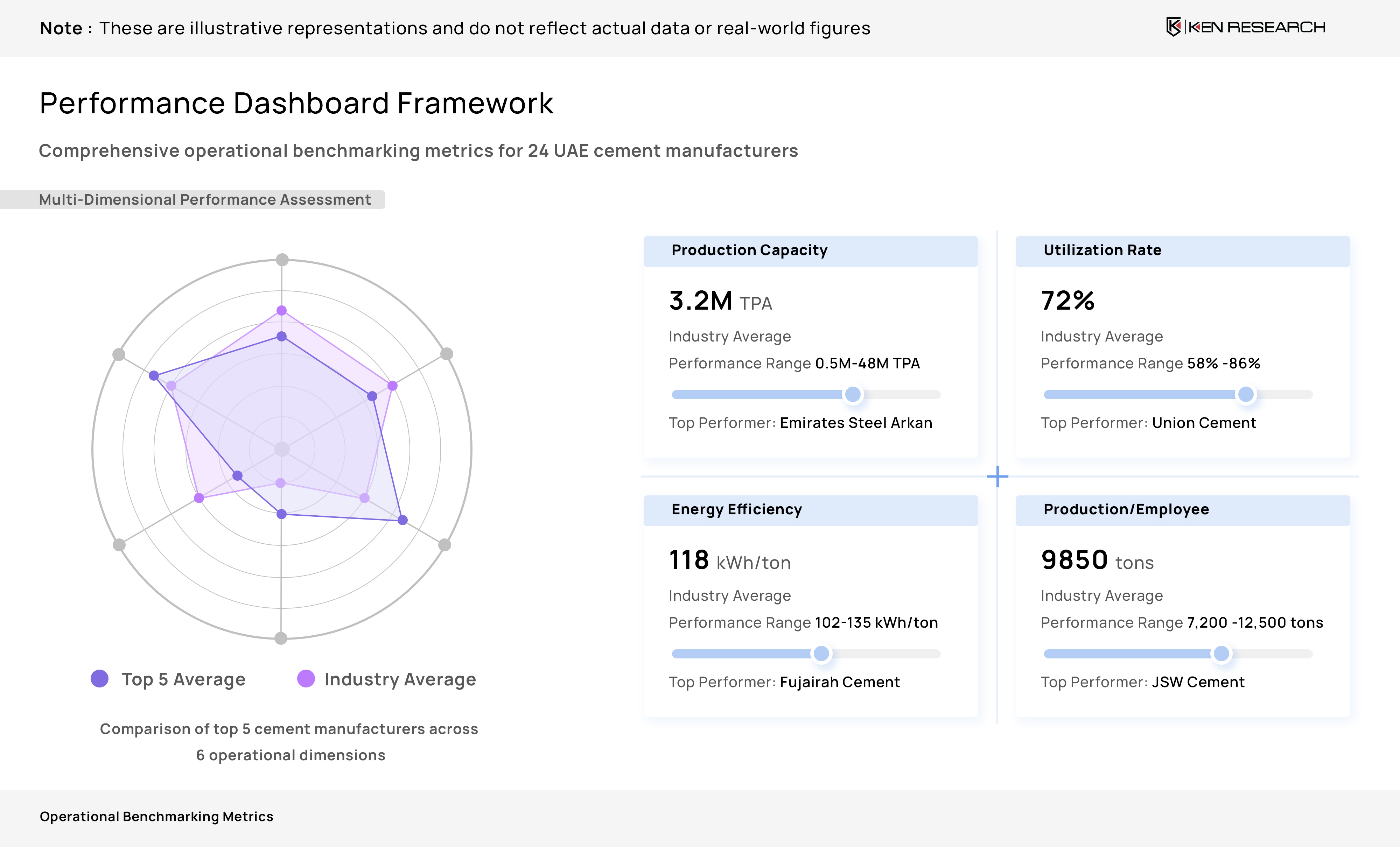
Singapore’s fertilizer distribution landscape is dominated by large multinational corporations and diversified conglomerates with robust global supply chains, complemented by regional and local distributors who cater to niche demands and specialized agrochemical solutions.
Medium and small-sized enterprises ensure competitive pricing, regional distribution flexibility, and tailored product offerings, which collectively balance the influence of global majors and sustain competitive intensity in the market.
Leading Player Profiles
Company Profile Overview
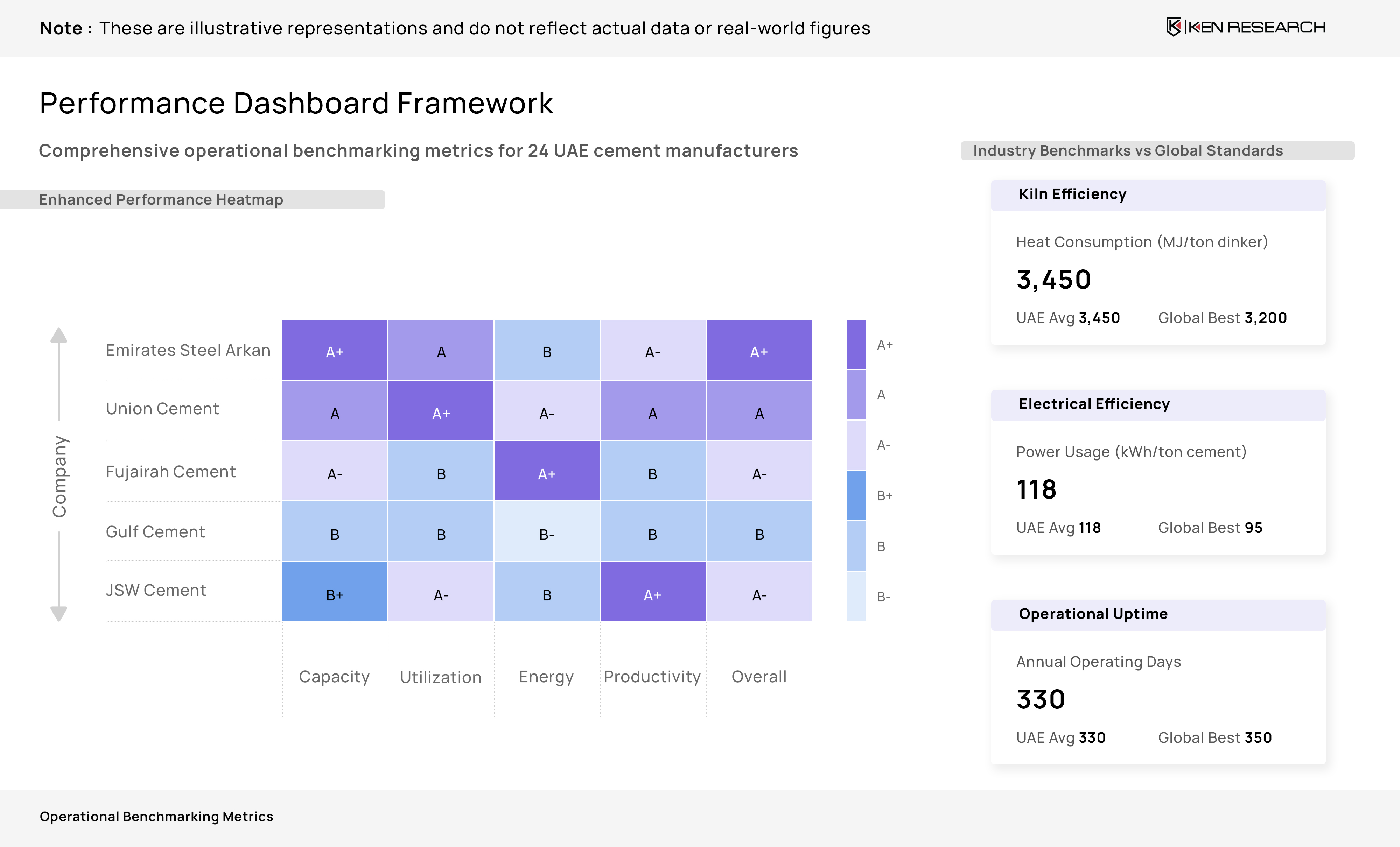
Large global groups like Yara, Nutrien, Sinochem, and Wilmar dominate the ecosystem, leveraging scale, logistics, and integrated operations.
Emerging regional firms and independents provide niche offerings such as biofertilizers, organics, and specialized crop inputs, boosting diversification and resilience of the Singapore fertilizer market.
Key Operational Performance Metrics
Company Performance Overview
Unlock Market Insights
Dive deeper into production, distribution, and pricing intelligence.
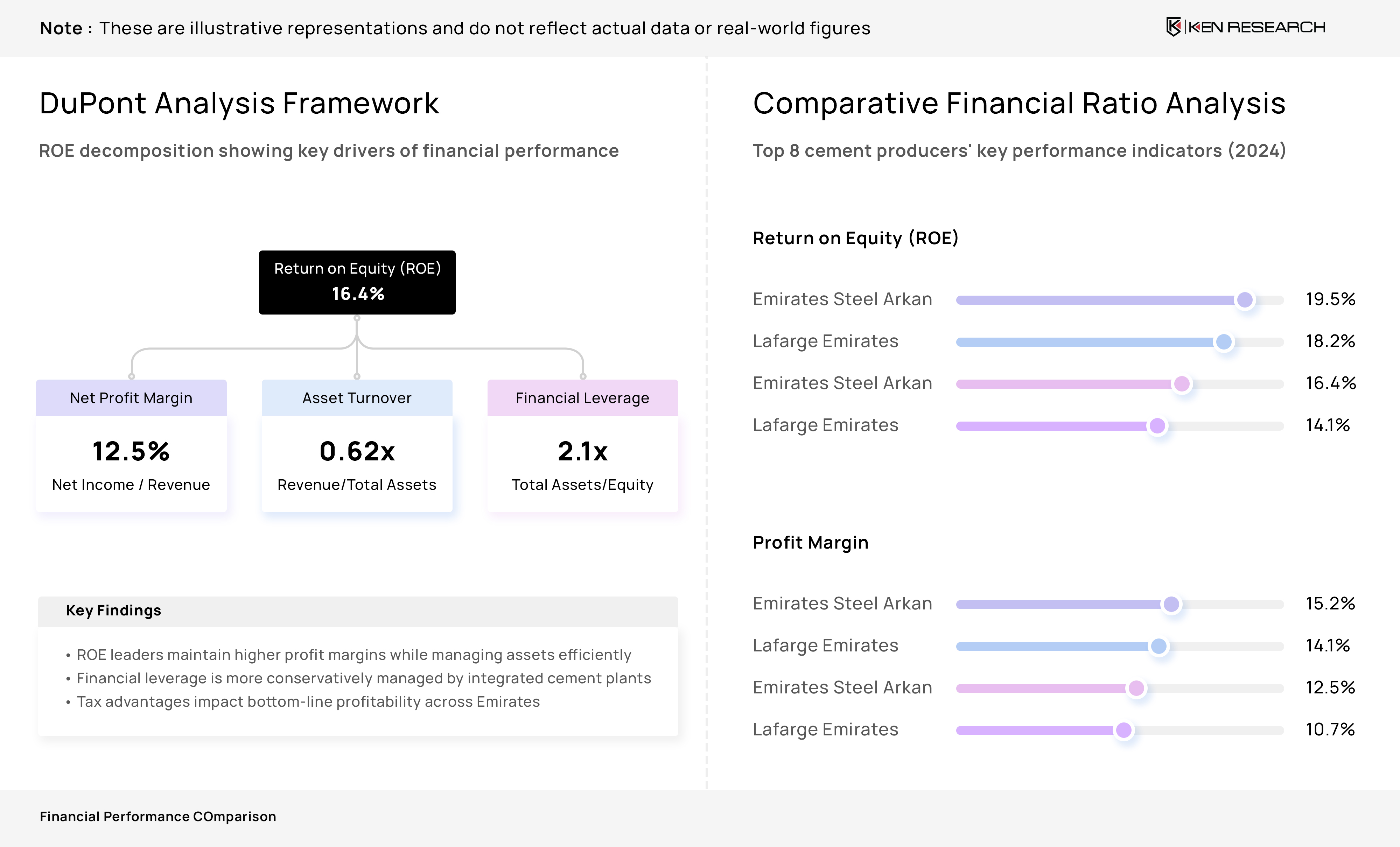
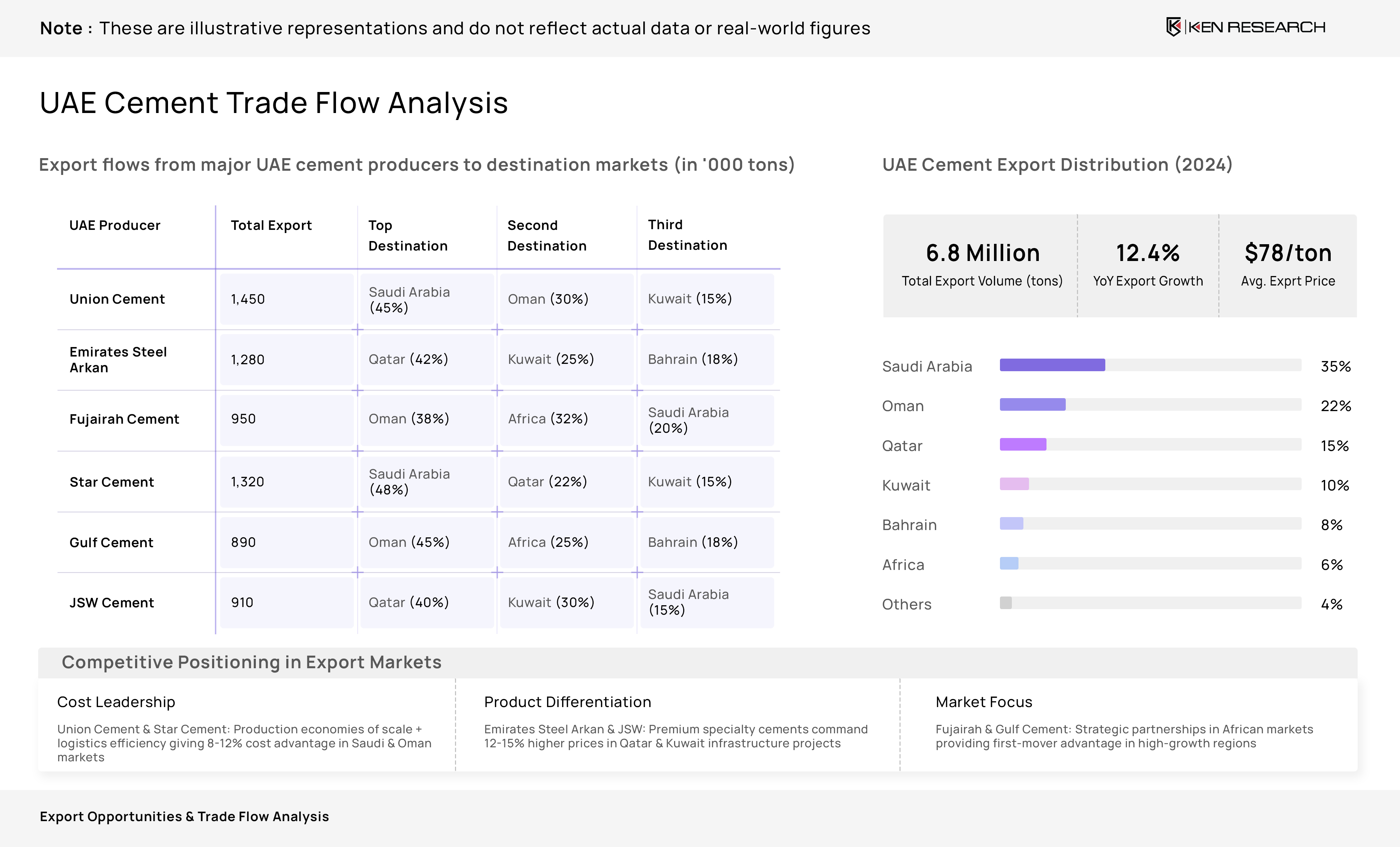
Get Customized ReportKey operational performance in Singapore hinges on pricing, import dependency, and distribution reach, as the country acts as a fertilizer trading hub for Southeast Asia.
Diversified product portfolios and strong logistics infrastructure define competitive advantages, especially for large integrated groups.
Core Financial Performance Metrics
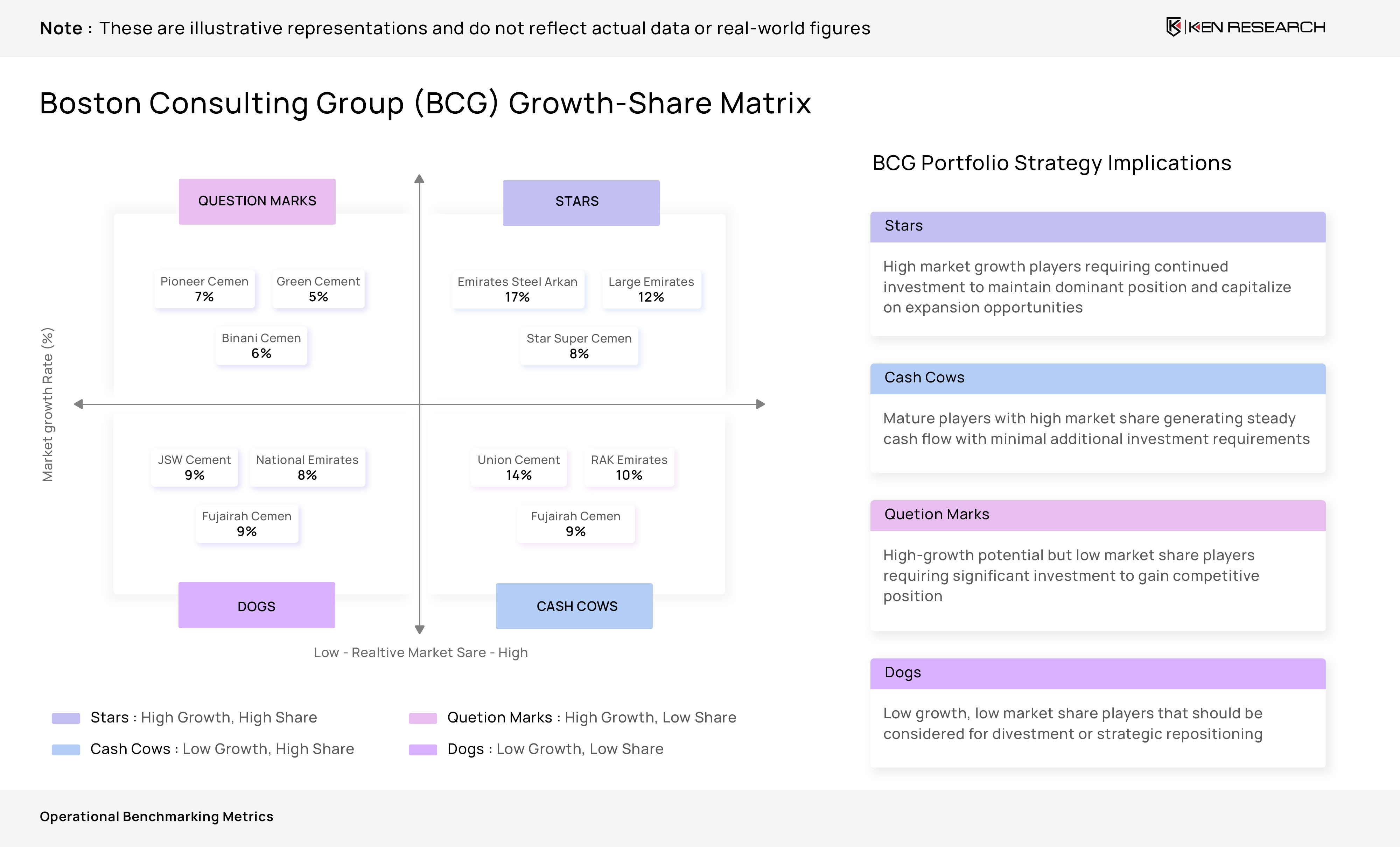
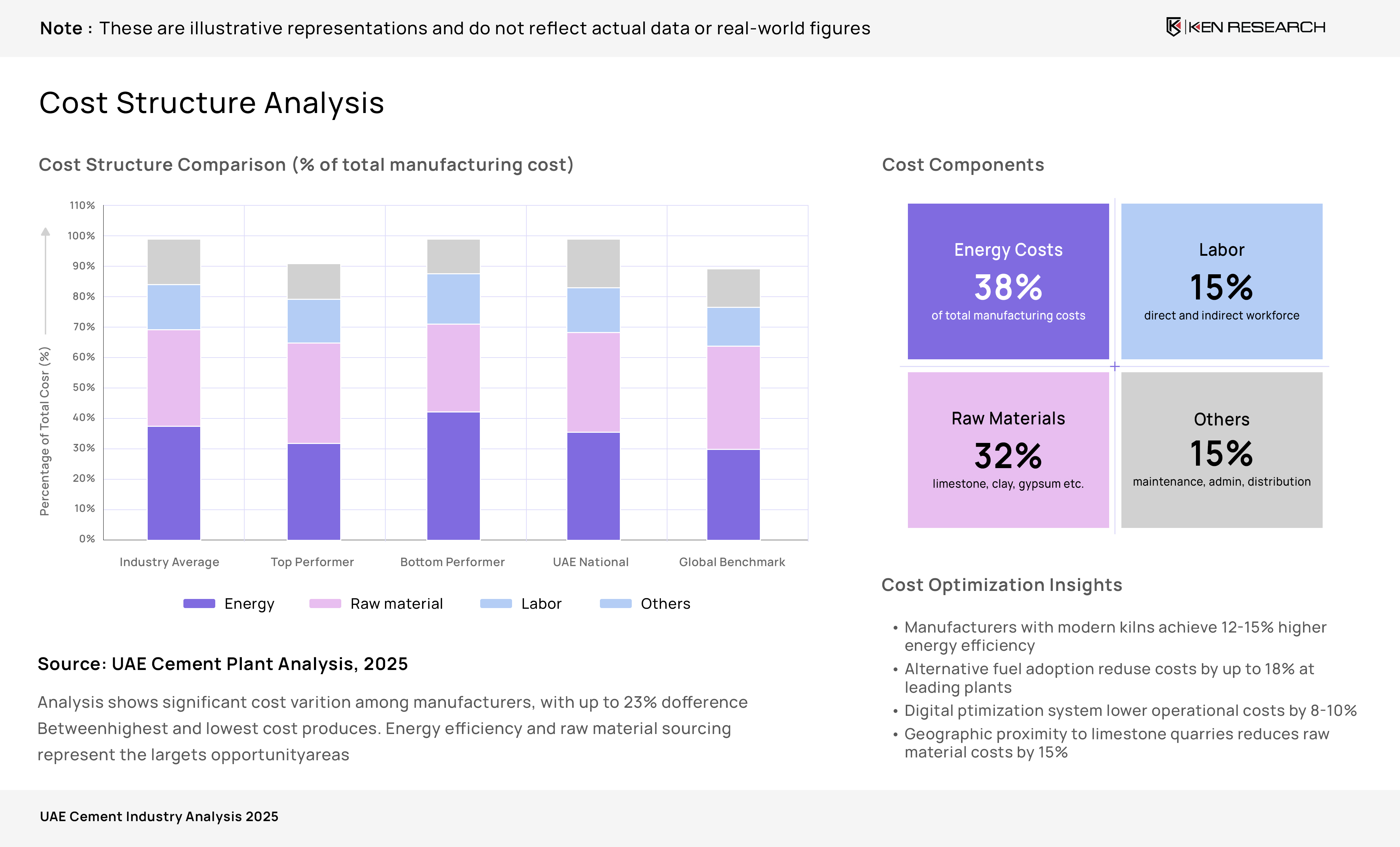
Large groups maintain higher revenue stability, while local independents face margin pressures due to rising import costs and global fertilizer price volatility.
EBITDA and PAT margins vary widely depending on operational integration, raw material sourcing, and the balance between commodity trading and value-added specialty products.
Table of Contents
1. Ecosystem Matrix
1.1 Large Players
1.1.1 Yara International Singapore
1.1.2 Indorama Fertilizers Singapore
1.1.3 Nutrien Singapore
1.1.4 Sinochem Fertilizer Singapore
1.1.5 Wilmar International Fertilizers
1.1.6 Mitsubishi Corporation Agri-Solutions
1.1.7 Olam Agri Fertilizers
1.1.8 Zuari Agro Singapore
1.2 Medium Players
1.2.1 Agrocorp International
1.2.2 Pacific Fertilizer
1.2.3 Raffles Agro
1.2.4 Agrofert Singapore
1.2.5 SPIC Asia
1.2.6 GrowChem Asia
1.2.7 United Fertilizers
1.2.8 Asean Fertilizer Group
1.3 Small Players
1.3.1 Golden Fertilizer Trading
1.3.2 Greenfield Agro
1.3.3 BioAgri Asia
1.3.4 Pan Asia Fertilizers
2. Leading Player Profiles
2.1 Company Name
2.2 Group Name
2.3 Headquarters
2.4 Established Year
2.5 Services
2.6 Mode of Functioning
3. Key Operational Performance Metrics
3.1 Distribution Network Strength
3.2 Annual Sales Volume (Tons)
3.3 Import Share (%)
3.4 Pricing (USD/MT)
3.5 Product Portfolio Breadth
3.6 Customer Segments Served
3.7 Digital / Logistics Infrastructure
3.8 After-Sales Services
3.9 Export Share (%)
4. Core Financial Performance Metrics
4.1 Parameters
4.1.1 Revenue (USD Mn)
4.1.2 Revenue Growth (%)
4.1.3 COGS (USD Mn)
4.1.4 COGS Growth (%)
4.1.5 EBITDA (USD Mn)
4.1.6 EBITDA Growth (%)
4.1.7 EBITDA Margin (%)
4.1.8 PAT (USD Mn)
4.1.9 PAT Margin (%)
5. Methodology
5.1 Approach
5.1.1 Desk Sources
5.1.2 Primary Interviews
5.1.3 Sanity Checking & Validation
5.2 Benchmarking Process
5.2.1 Data Collection
5.2.2 Primary Validation
5.2.3 Proxy KPI Modelling
5.2.4 Normalization & Indexing
5.2.5 Gap Analysis
5.2.6 Peer Review
5.3 Sample Composition
5.3.1 Scope Items
5.3.2 Sample Size
5.3.3 Target Respondents
Methodology
Ken Research will deploy its proprietary, multi-layered research framework—combining robust secondary research, targeted primary outreach, and rigorous data validation—to deliver an authoritative competitive landscape analysis of the Singapore fertilizer distribution market. All proxy KPIs are tailored to fertilizer trading, blending, warehousing, and re-export activities relevant to Singapore’s hub role.
Desk Sources
- Ken Research archives and proprietary databases
- Company annual reports, SGX filings, ACRA extracts, and investor presentations
- Government and trade publications, including HS code–based trade statistics (HS 3102–3105), economic surveys, regulatory circulars on hazardous substances and chemical storage, and port or terminal notices
- Trade magazines, journals, and pricing services covering urea, DAP/MAP, MOP, NPK, and specialty nutrients
- Financial databases such as Bloomberg and Capital IQ / Refinitiv
Primary Interviews
- CATIs and online interviews with category managers and regional heads of fertilizer manufacturers supplying through Singapore
- Senior sales and marketing leaders at Singapore-based distributors, traders, and specialty nutrient suppliers
- Procurement heads across key demand segments, including plantations in Malaysia and Indonesia served from Singapore, landscaping and urban farming retailers, hydroponics suppliers, and industrial users
- Logistics stakeholders such as port terminal managers, bulk handlers, 3PL warehousing providers, shipping brokers, and freight forwarders
- Industry analysts, consultants, and digital metrics providers supporting web traffic and lead-flow validation
Sanity Checking & Validation
- Triangulation to cross-verify HS-code import and export tonnage, port and terminal throughput, company disclosures, and primary interview inputs
- Proxy KPI synthesis using import volumes, re-export ratios, blending and bagging throughput, warehouse capacity, OTIF performance, credit days, and price benchmarks to approximate revenue and margin pools
- Outlier analysis to reconcile anomalies across datasets through follow-ups with respondents and port or terminal operators
- Assumption tracking with an auditable log of basis prices, CIF and handling cost add-ons, utilization factors, and allocation rules
- Peer review through senior analyst validation of datasets, benchmarks, and scorecards prior to finalization
An Inside Look At Our Custom Insights
Take a look at ourcustomized insights, tailored to yourmarket and business needs. Our benchmarking reports deliver data-driven comparisons of key players, helping you uncover opportunities, assess performance, and make confident strategic decisions.