Singapore Insurance Broking Market
Published on: February 2026
Report Overview
Singapore Insurance Broking Market Overview
Market Highlights
The Singapore insurance broking market is characterized by a structured yet highly competitive ecosystem anchored by large multinational brokers, supported by strong regional specialists and agile domestic firms. Global brokers dominate complex commercial, specialty, and multinational program placements, leveraging deep insurer relationships, analytical capabilities, and cross-border servicing strength. Mid-sized and local brokers compete effectively by focusing on sector specialization, relationship-led account management, and tailored advisory services aligned to Singapore’s corporate and SME landscape.
Competitive differentiation in the market is driven by the ability to balance global best practices with localized execution. While multinational players introduce advanced risk analytics, global placement strategies, and standardized governance frameworks, regional and local brokers adapt service delivery to local regulatory requirements, client risk appetite, and operational expectations. This blend of global sophistication and local responsiveness allows smaller firms to defend and grow market share despite scale asymmetries.
Distribution and aftersales capabilities play a critical role in shaping broker competitiveness. Strong client servicing models, claims advocacy, and renewal management frameworks materially influence retention and cross-sell outcomes. Brokers with well-integrated service teams, consistent insurer engagement, and responsive advisory support demonstrate stronger client stickiness, particularly in employee benefits and complex commercial risk segments.
Operational efficiency and strategic focus increasingly define competitive advantage across broker tiers. Firms investing in digital platforms, workflow automation, and data-led advisory tools achieve better cost control and scalability, while relationship-centric brokers emphasize personalized service and niche expertise. Sustainability considerations, regulatory compliance discipline, and talent depth further shape long-term positioning.
Looking ahead, competition in the Singapore insurance broking market will continue to be shaped by the interplay of innovation, localization, and strategic agility. Brokers that successfully integrate digital enablement with high-touch advisory, adapt quickly to regulatory evolution, and align offerings with evolving client risk profiles are best positioned to sustain leadership and capture incremental growth in a mature yet dynamic market environment.
Ecosystem Matrix
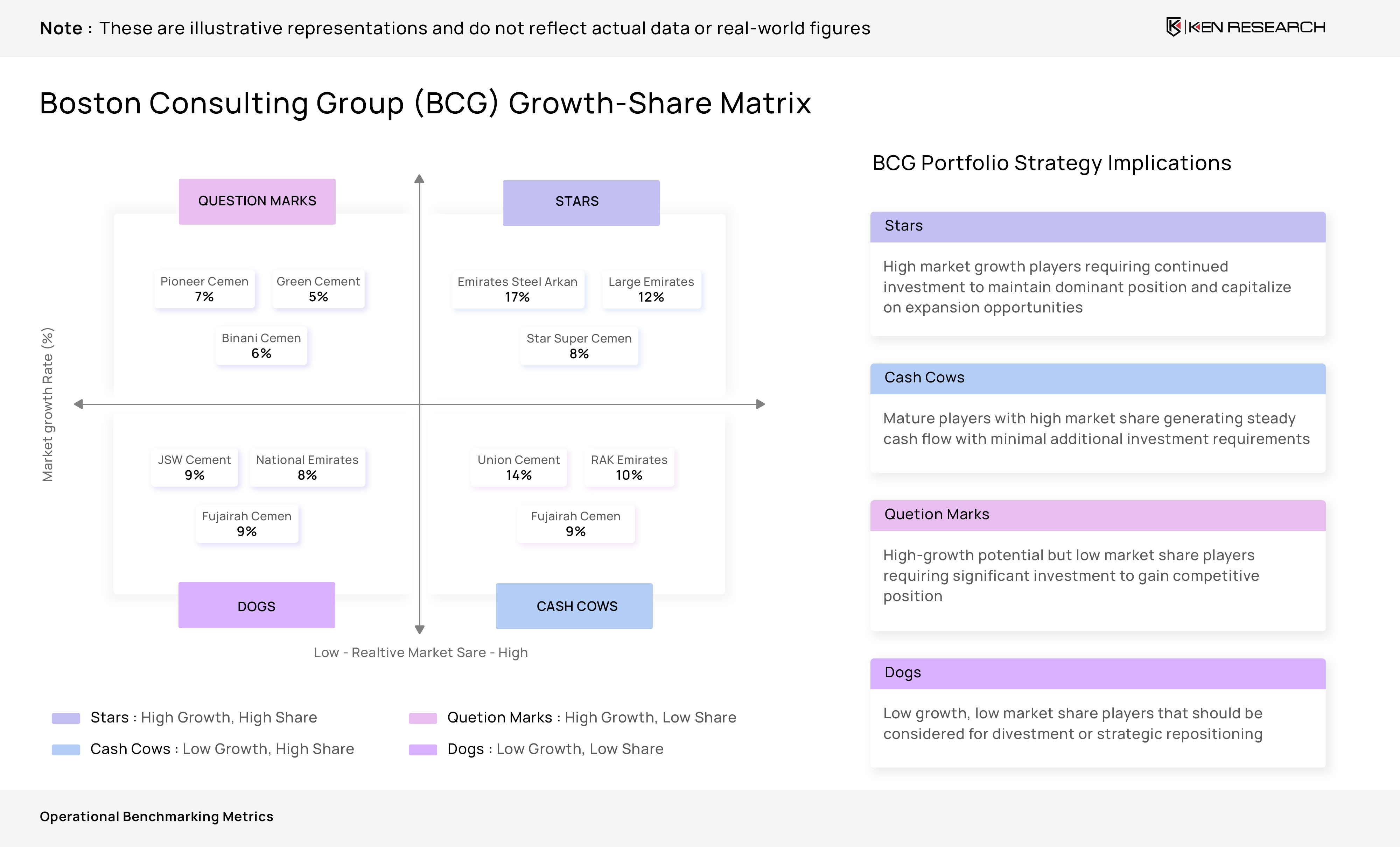
The ecosystem shows a top-heavy structure where global brokers anchor complex commercial risk placement, while strong mid-tier specialists compete on sector depth, program design, and claims advocacy. Scale advantages mainly reflect multinational servicing capability and carrier access depth.
Competitive intensity typically hinges on premium placement capacity, fee-rate discipline, and retention. Larger firms win via structured risk advisory and global programs, while mid and smaller brokers differentiate through niche expertise, faster turnaround, and relationship-led corporate account penetration.
Leading Player Profiles
Company Profile Overview
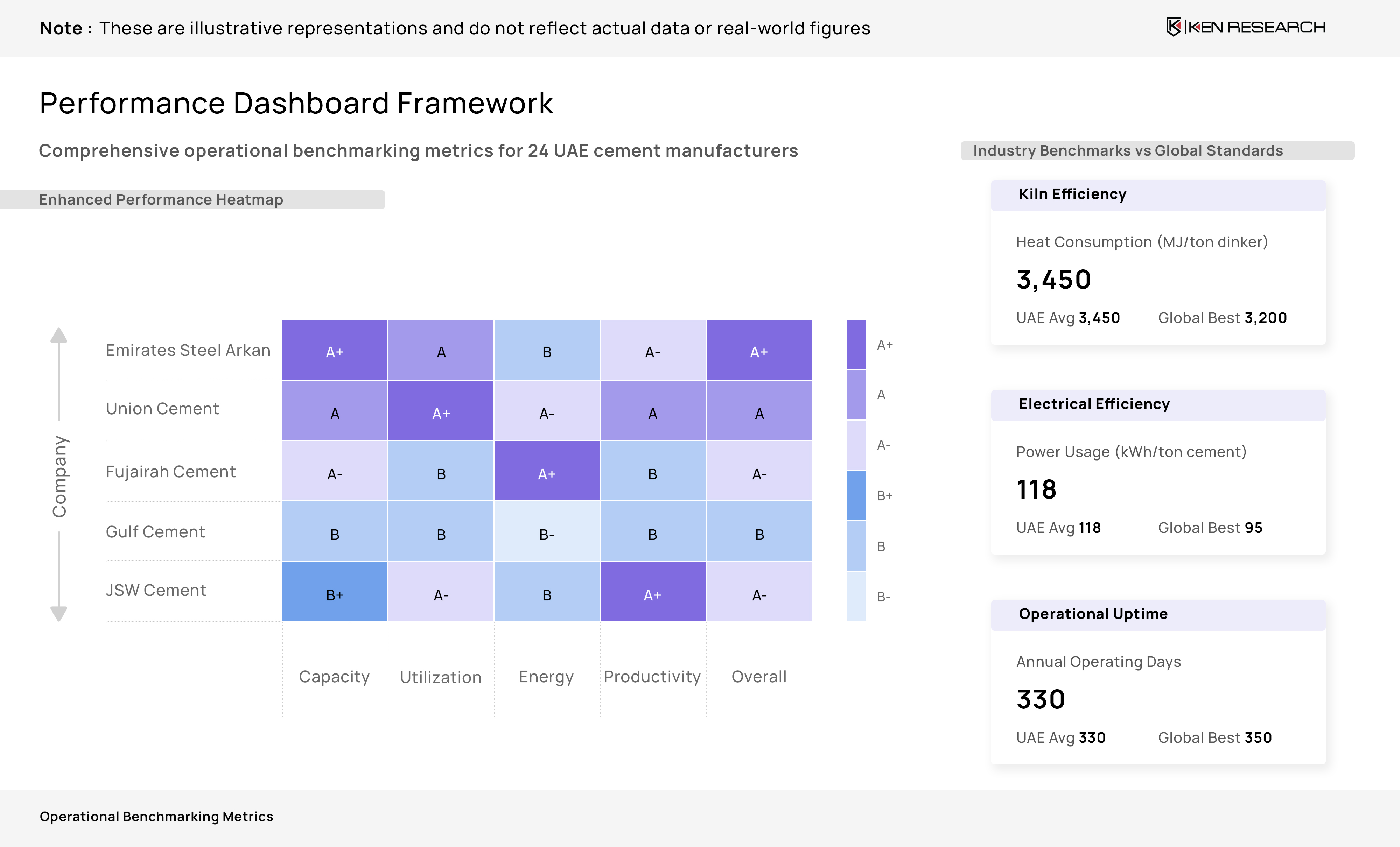
The leading set indicates a bifurcated market where global groups dominate multinational and specialty placements, while Singapore-rooted brokers and regional specialists win share in targeted industries through service agility, underwriting relationships, and tailored risk engineering.
Competitive positioning typically correlates with advisory breadth and execution scale: firms with strong benefits capability, claims stewardship, and specialty access sustain retention and pricing power, while digitally enabled brokers push cost-efficient acquisition and faster conversion on standardized covers.
Key Operational Performance Metrics
Company Performance Overview
Unlock Market Insights
Dive deeper into production, distribution, and pricing intelligence.
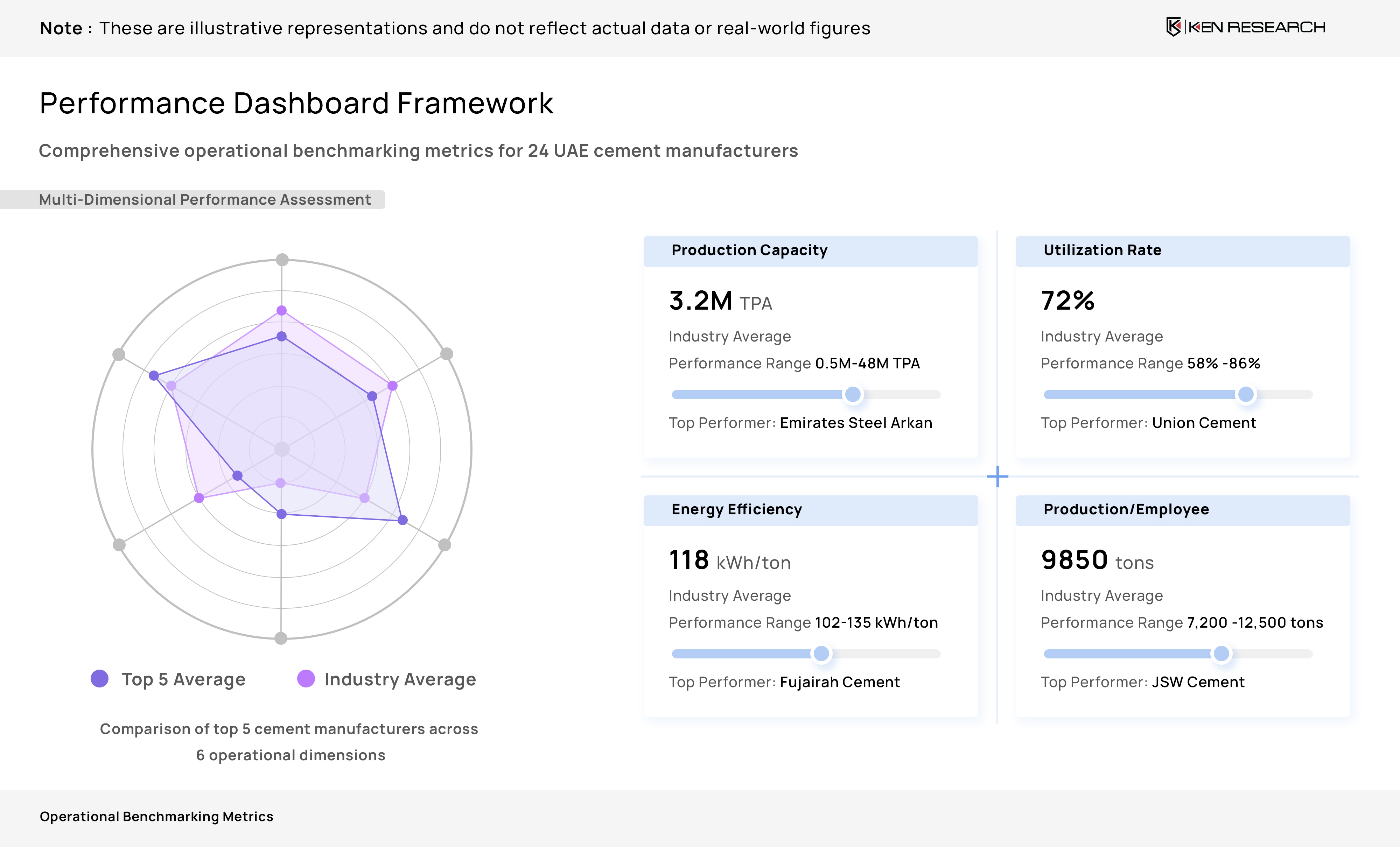
Get Customized ReportRevenue performance in broking is best benchmarked by how efficiently firms convert placed premium into brokerage income through fee-rate discipline, pricing per policy, and account productivity. These KPIs also highlight where advisory-led value can defend margins amid competition.
Operational leadership usually reflects retention strength and cross-sell depth, since renewals stabilize income while multi-line penetration compounds fee pools. Digital conversion and advisor capacity act as scale multipliers, shaping how quickly brokers can grow profitably in Singapore’s corporate-heavy demand mix.
Core Financial Performance Metrics
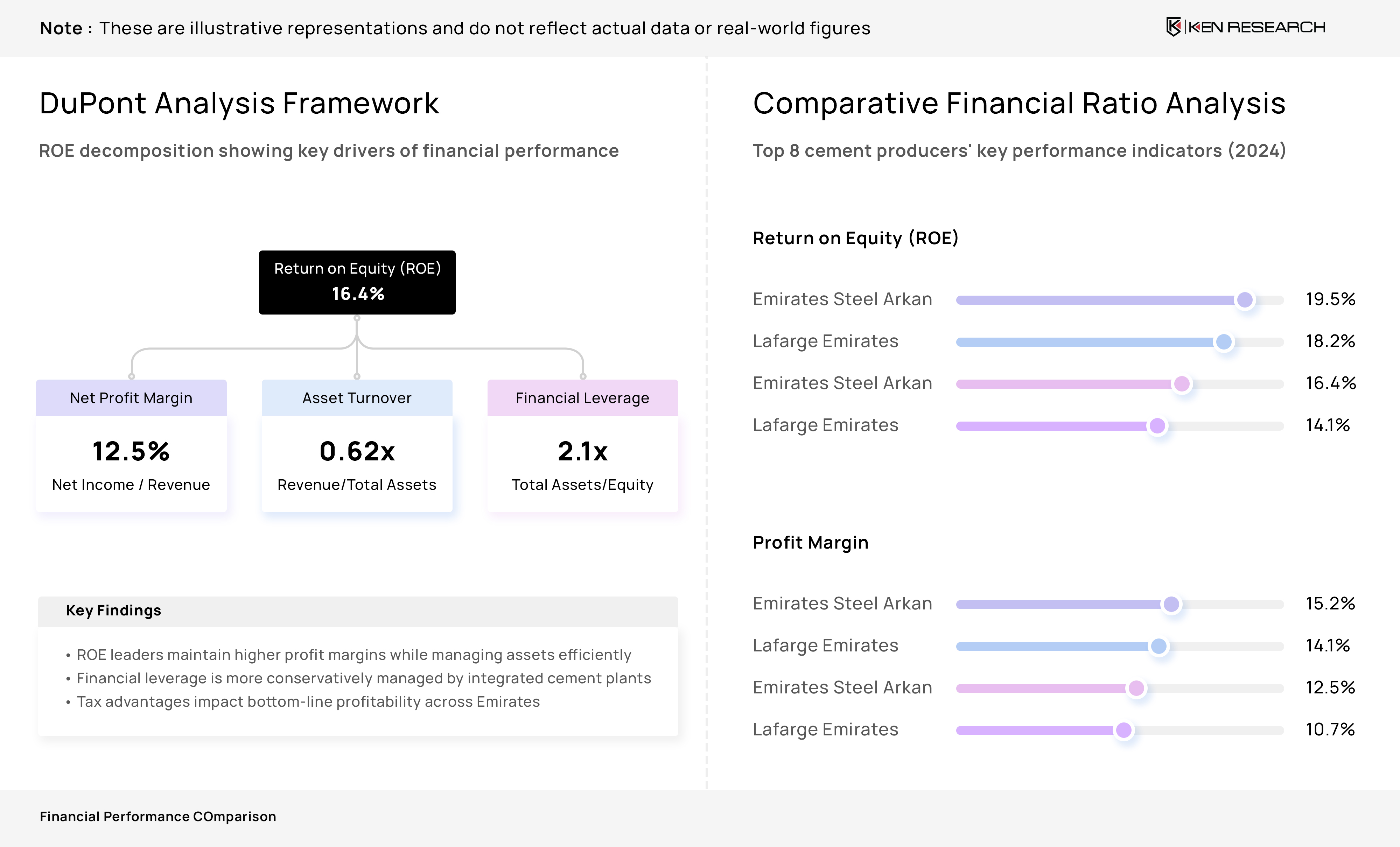
Financial benchmarking across brokers works best when revenue expansion is read alongside cost control and margin progression, since brokerage models can scale strongly but face pressure from talent costs, placement expenses, and service intensity for complex corporate risks.
EBITDA and PAT margins typically separate advisory-led platforms from transaction-heavy brokers. Firms with stronger retention, cross-sell, and pricing power tend to show steadier growth and healthier profitability, while aggressive acquisition strategies can temporarily dilute margins before scale benefits normalize performance.
Table of Contents
1. Ecosystem Matrix
1.1 Large Players
1.1.1 Marsh (Singapore) Pte Ltd
1.1.2 Aon Singapore Pte Ltd
1.1.3 Willis Towers Watson (Singapore) Pte Ltd
1.1.4 Arthur J. Gallagher (Singapore) Pte Ltd
1.1.5 Howden Insurance Brokers Pte Ltd
1.1.6 Lockton Companies (Singapore) Pte Ltd
1.2 Medium Players
1.2.1 BMS Asia Risk Solutions Pte Ltd
1.2.2 Miller Insurance Services LLP (Singapore Branch)
1.2.3 Pacific Prime Insurance Brokers Singapore Pte Ltd
1.2.4 bolttech Insurance Brokers Pte Ltd
1.2.5 Newstate Stenhouse (S) Pte Ltd
1.3 Small Players
1.3.1 Acclaim Insurance Brokers Pte Ltd
1.3.2 ALCO Insurance Brokers Pte Ltd
1.3.3 Kyoritsu Insurance Brokers (Singapore) Pte Ltd
1.3.4 ComfortDelGro Insurance Brokers Pte Ltd
2. Leading Player Profiles
2.1 Parameters
2.1.1 Company Name
2.1.2 Group Name
2.1.3 Headquarters
2.1.4 Established Year
2.1.5 Core Services
2.1.6 Mode of Functioning
3. Key Operational Performance Metrics
3.1 Premium Placed (USD Mn)
3.2 Net Brokerage Income (USD Mn)
3.3 Pricing: Avg Broker Fee per Policy (USD)
3.4 Commission / Fee Rate (%)
3.5 Policy Volumes (No.)
3.6 Corporate Accounts (No.)
3.7 Renewal Retention (%)
3.8 Cross-sell Rate (%)
3.9 Active Brokers / Advisors (No.)
3.10 Digital Lead-to-Bind Conversion (%)
4. Core Financial Performance Metrics
4.1 Parameters
4.1.1 Revenue (USD Mn)
4.1.2 Revenue Growth (%)
4.1.3 COGS (USD Mn)
4.1.4 COGS Growth (%)
4.1.5 EBITDA (USD Mn)
4.1.6 EBITDA Growth (%)
4.1.7 EBITDA Margin (%)
4.1.8 PAT (USD Mn)
4.1.9 PAT Margin (%)
5. Methodology
5.1 Approach
5.1.1 Desk Sources
5.1.2 Primary Interviews
5.1.3 Sanity Checking & Validation
5.2 Benchmarking Process
5.2.1 Data Collection
5.2.2 Primary Validation
5.2.3 Proxy KPI Modelling
5.2.4 Normalization & Indexing
5.2.5 Gap Analysis
5.2.6 Peer Review
5.3 Sample Composition
5.3.1 Scope Items
5.3.2 Sample Size
5.3.3 Target Respondents
Methodology
Ken Research deploys its proprietary, multi layered research framework combining robust secondary research, targeted primary outreach, and rigorous data validation to deliver a decision-grade competitive benchmarking analysis of the Singapore Insurance Broking Market.
Desk Sources
- Industry reports from proprietary databases and Ken Research internal archives to establish historical benchmarks and competitive baselines across commercial, specialty, and employee benefits broking
- Company annual reports, group financial disclosures, and statutory filings to extract revenue structures, operating models, and strategic priorities
- Monetary Authority of Singapore publications and trade-association releases for regulatory structure, licensing norms, and market conduct guidelines
- Trade magazines, insurance journals, and professional publications to track broker consolidation, specialty line expansion, and pricing practices
- Financial intelligence platforms such as Bloomberg and Capital IQ to standardize peer comparisons and group-level financial normalization
- Digital performance tools including SimilarWeb and app analytics platforms to assess broker digital reach, client acquisition channels, and platform-led distribution intensity
Primary Interviews
- CATI interviews and structured discussions with senior management at insurance broking firms, including CEOs, managing directors, and practice heads
- In-depth interviews with commercial sales leaders and employee benefits heads to validate pricing behavior, fee structures, and renewal dynamics
- Discussions with insurers, reinsurers, and underwriting partners to validate placement capacity, commission structures, and broker influence
- Interviews with industry experts, consultants, and compliance specialists to contextualize regulatory impact and market evolution trends
Sanity Checking and Validation
- Triangulation of estimates through cross-verification of secondary research, primary inputs, and proxy-based model outputs
- Proxy KPI synthesis using indicators such as premium placed, policy volumes, account mix, broker headcount, and digital traffic signals
- Outlier identification and reconciliation through targeted follow-up interviews and secondary validation
- Structured assumption tracking covering proxy logic, data gaps, and normalization constraints
- Internal peer review of analytical models, benchmarking outputs, and narrative conclusions prior to finalization
An Inside Look At Our Custom Insights
Take a look at ourcustomized insights, tailored to yourmarket and business needs. Our benchmarking reports deliver data-driven comparisons of key players, helping you uncover opportunities, assess performance, and make confident strategic decisions.